2027 Online Family Nurse Practitioner (FNP) Programs for Minnesota Residents: Costs and Clinical Training

Co-Founder and Chief Data Scientist
Choosing an online family nurse practitioner program in Minnesota means comparing more than coursework: tuition, clinical placements, campus visits, and licensure plans can change which option works for you. This guide is for Minnesota registered nurses considering an FNP master's degree, doctoral degree, or post-master's certificate.
It distinguishes programs offered by Minnesota institutions from out-of-state alternatives, explains the costs and supervised patient-care training to investigate, and gives you questions to ask before committing.
Key Things to Know About Online FNP Programs in Minnesota
- Minnesota-based online FNP options include programs at Minnesota State University Moorhead and Walden University; confirm each program's current delivery format, campus requirements, and admission eligibility.
- Online coursework does not eliminate clinical training. The National Task Force's nurse practitioner education standards call for at least 750 direct patient-care clinical hours; obtain each school's actual requirement and placement policy.
- Minnesota residence does not automatically mean lower tuition or an approved local placement. Compare the program-specific rate and confirm clinical-site approval before enrolling.
What online FNP programs are available in Minnesota?
Minnesota institutions offer online FNP pathways, but "online" can mean remote coursework alongside in-person clinical work or required campus activities. An FNP is a nurse practitioner educated to provide care across the lifespan. The school's location, the degree it awards, and the student's location are separate facts.
These Minnesota-based institutions are starting points for a current-program inquiry, not a claim that every course or requirement can be completed from home. Ask the admissions office for the catalog and calendar governing your intended start term.
| Institution and location | FNP pathway to investigate | What to confirm |
| Minnesota State University Moorhead, Moorhead, Minnesota | Online graduate FNP pathway | Current degree or certificate options, any campus sessions, and clinical placement responsibilities |
| Walden University, Minneapolis, Minnesota | Online MSN FNP pathway | Current curriculum, supervised-practice requirements, and support for Minnesota clinical sites |
| Minnesota State University, Mankato, Mankato, Minnesota | Graduate FNP pathway with distance-learning components | Whether the specific pathway and term you want qualify as online or hybrid, and which visits are required |
Do not equate an institution's Minnesota address with an all-online degree or guaranteed admission for every applicant. If you already hold a nursing master's degree, ask whether a post-master's FNP certificate pathway would avoid repeating graduate coursework.
Can Minnesota residents enroll in online FNP programs based in other states?
Yes, a Minnesota resident may be able to enroll in an out-of-state online FNP program, but the school must permit enrollment and the proposed Minnesota clinical training. For example, the University of North Dakota is based in Grand Forks, North Dakota, and Purdue University Global is based in West Lafayette, Indiana; their online FNP pathways are alternatives to Minnesota-based schools, not programs located in Minnesota.
Ask each out-of-state school to confirm in writing that it currently accepts Minnesota residents into the specific FNP pathway, can approve clinical work at your proposed Minnesota site, and has assessed whether its curriculum meets Minnesota's educational requirements for the intended nurse practitioner credential. Interstate distance-education authorization, nursing-program accreditation, and professional licensure eligibility answer different questions. If you might practice outside Minnesota, check that jurisdiction separately. A mismatch can have consequences after graduation; this guide to FNP licensure requirement mismatches explains why the check belongs on your pre-enrollment list.
How much do online FNP programs cost in Minnesota?
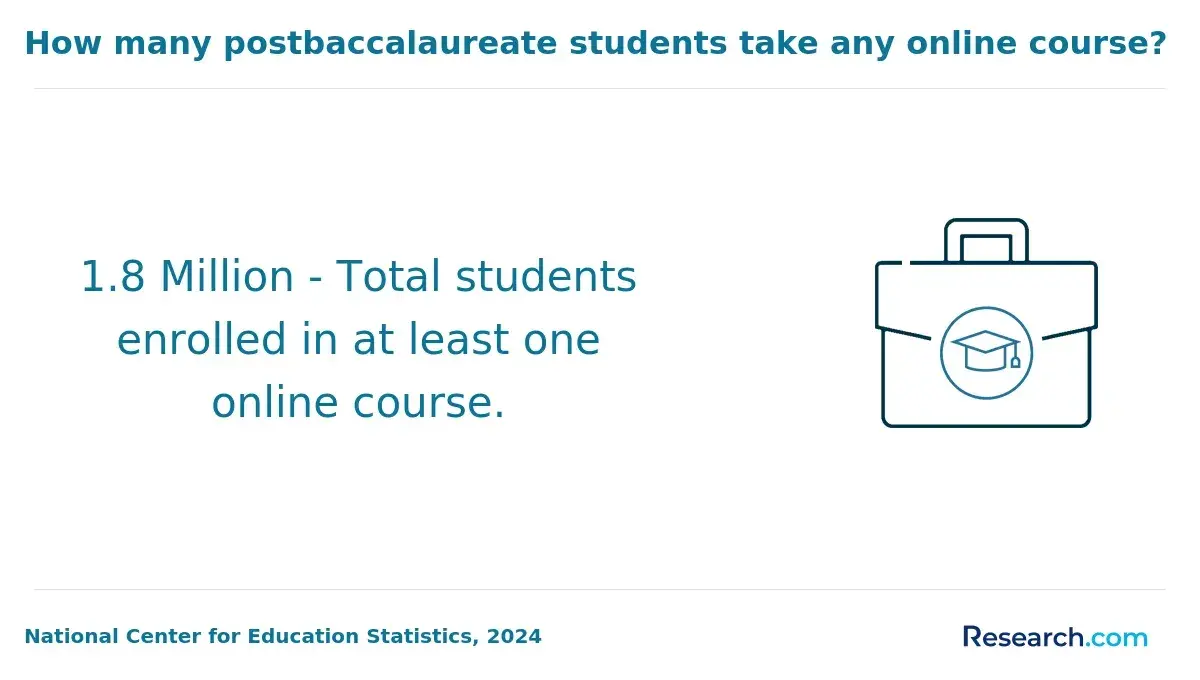
Online FNP costs in Minnesota depend on the institution, credential, credits required, tuition policy, and clinical expenses; there is no single statewide FNP price. A general Minnesota college tuition average would not reliably describe graduate nursing tuition. Because schools can change rates and fee schedules, request a written estimate for your start term rather than relying on an undated advertised price.
Compare schools using the same cost definition: required credits × your applicable per-credit tuition, plus mandatory program fees. Then budget separately for books, background checks, immunizations, certification preparation, travel, and any unpaid time away from RN work. Ask whether tuition covers clinical-placement services and whether a delayed placement would add another term of charges. The cost of online FNP education explained provides a fuller breakdown of expenses to request.
A useful comparison is an itemized estimate from each school showing tuition, mandatory fees, and expected credits for the same type of credential. Do not compare one school's tuition-only quote with another school's full cost-of-attendance estimate or assume a faster advertised schedule will remain affordable if clinical placement takes longer.
Do Minnesota residents pay in-state tuition for online FNP programs?
Minnesota residents do not automatically pay an in-state rate for every online FNP program. A Minnesota public institution may use a residency-based graduate rate or a program-specific online rate; a private institution may charge the same tuition regardless of residence. An out-of-state institution may instead use its own distance-education pricing.
Ask the bursar or admissions office which rate applies to your FNP pathway, whether Minnesota residency documentation is required, and whether moving during enrollment changes the rate or your eligibility for clinical placements. If a school mentions reciprocity, confirm that it covers the particular graduate nursing program rather than assuming an undergraduate agreement applies. Request the policy and fee schedule for your entry term.
Are there scholarships or grants for FNP students in Minnesota?
Minnesota FNP students may qualify for school, employer, professional-association, or service-based support, but eligibility depends on the funding program and the student's circumstances. An award open to undergraduates should not be treated as graduate FNP aid. Minnesota-based applicants should check their institution's graduate nursing scholarships and ask their RN employer about tuition assistance or service commitments.
To identify aid that actually reduces your expected cost, use this sequence:
- Submit the FAFSA and ask each school which graduate aid it offers to students in your exact FNP pathway.
- Ask your employer whether tuition reimbursement applies to graduate study and whether repayment is required if you leave.
- Check current Minnesota health-workforce and professional-nursing award criteria for graduate APRN eligibility, deadlines, and service obligations.
- Subtract confirmed grants and scholarships from the itemized program estimate; keep loans separate because they must be repaid.
Do not count on a scholarship until the award administrator confirms eligibility and funding. Service-based assistance may be attractive if you already plan to work in an eligible setting, but its work-location requirements can limit your choices after graduation.
How many clinical hours do online FNP programs require for Minnesota students?
Online FNP students must complete supervised clinical hours set by their program and applicable education standards; Minnesota residence does not turn those hours into online coursework. The National Task Force's standards for nurse practitioner education call for at least 750 direct patient-care clinical hours. A school may require more or prescribe particular experiences, so its current handbook - not a general minimum - is the number to plan around.
Direct patient-care hours involve supervised care of patients and differ from simulation, coursework, or a doctoral project. Ask for the total hours, required patient populations and settings, the number of terms over which rotations occur, and the weekly schedule the school expects. This matters if you work shifts: a placement's daytime availability may determine whether the program's advertised completion time is realistic. An accelerated online FNP program still has clinical requirements that need room in your calendar.
What types of clinical sites are available to FNP students in Minnesota?
Minnesota FNP students may seek supervised experiences in primary care clinics, family medicine practices, community health centers, pediatric and women's health settings, and other outpatient sites their program approves. A site's presence in Minnesota does not establish that it accepts students or can provide the required patients, supervision, and schedule.
The right mix follows the curriculum: an FNP student needs experiences across the lifespan, not simply hours in a convenient specialty. A rural primary care clinic and a Twin Cities outpatient practice may offer different patient mixes and travel demands, but neither should be assumed to have an opening. Ask the program which settings satisfy each rotation and whether your proposed preceptor holds the credentials it requires.
Can Minnesota students complete FNP clinical rotations near home?
Many Minnesota students can propose clinical sites near home, but a nearby rotation is possible only when the school approves the site and preceptor and completes any required agreement. Being employed by a clinic, or receiving a verbal offer from a clinician, is not the same as having an approved placement.
Ask the clinical-placement office these questions early; the answers show how much work and travel you may need to take on:
- Does the school identify preceptors, offer leads, or require students to secure their own?
- How far in advance must a Minnesota site and preceptor be submitted?
- Can an existing workplace be used, and are there limits on supervision by a coworker?
- Who arranges affiliation agreements, and what happens if a proposed site declines or is not approved?
Start site discussions before the clinical term, especially if you live far from several outpatient practices. Waiting until classes begin or assuming that any willing clinician can supervise you can delay graduation and increase costs.
How can Minnesota students determine if an FNP program aligns with their goals?
Minnesota students can judge fit by matching a program's credential, clinical support, schedule, and licensure preparation to where they intend to practice. A nurse planning family primary care near home may prioritize local preceptor support; someone considering a move should investigate licensure requirements in both states before enrolling.
Use this short decision check with each school, and keep its written answers:
- Confirm the current FNP degree or certificate, nursing-program accreditation, admission requirements, and any required RN experience. This explanation of nursing experience needed for FNP programs can help frame your admissions questions.
- Confirm whether coursework is fully online or hybrid, including campus visits and fixed-time classes.
- Confirm the clinical-hour total, placement responsibilities, and feasibility of approved sites near your Minnesota home.
- Ask the school to explain how the pathway prepares graduates for FNP certification and the Minnesota APRN licensure process; verify current requirements with the Minnesota Board of Nursing.
- Compare written total-cost estimates and a completion schedule that accounts for your RN work hours.
Graduation, national certification, and a Minnesota APRN license are distinct milestones. A school's general accreditation claim alone does not answer whether its particular pathway suits your intended practice location.
Is an online FNP program worth the investment for Minnesota students?
An online FNP program may be worth the investment for a Minnesota RN who wants the FNP role and can manage the full cost and clinical schedule; the online format alone is not evidence of a financial payoff. Nurse practitioner employment and wage data describe an occupation, not the earnings a particular FNP graduate will receive. Specialty, employer, region within Minnesota, experience, and hours worked can all affect an individual offer.
Test the decision against your realistic alternatives: your current RN compensation and benefits, expected borrowing, unpaid clinical time, likely job settings, and how long the degree will take if placement is delayed. Consider the Minnesota Board of Nursing's current APRN licensure requirements and whether the roles you want call for an FNP rather than another nurse practitioner specialty. If the debt or lost work time depends on an unverified salary increase, get clearer cost and employment information before enrolling.
Other Things You Should Know About Family Nurse Practitioner
FNP programs generally require an active RN license, and clinical sites may have additional compliance requirements. Ask your school which license you must maintain throughout enrollment and clinical training.
No. National certification is a professional credential; Minnesota APRN licensure is issued through the state's licensing process. Check the Minnesota Board of Nursing's current application requirements before planning your practice start date.
Do not assume so. RN practice experience can strengthen an application, but a program must still document its required supervised FNP education. Ask the school whether any prior graduate-level work can be evaluated for credit.
Potentially, but the state where you intend to practice sets its own licensure requirements. Ask the program for its determination for that state and verify the requirements with the destination state's nursing board.
References
- Advanced Practice Nursing Programs - Minnesota.gov https://mn.gov/boards/nursing/advanced-practice/mn-approve-aprn-programs/index.jsp
- Clinical Learning Experiences | 26-27 School of Nursing Bulletin https://nursing.bulletins.duke.edu/policies/academic/clinical
- Application and Admission Requirements | uccs.edu https://johnsonbethel.uccs.edu/future-resources/admission-requirements
- Nurse Practitioner Clinical Education Program (Minnesota) | Mayo Clinic College of Medicine and Science https://college.mayo.edu/academics/health-sciences-education/nurse-practitioner-clinical-education-collaboration-minnesota/
- Preceptors and clinical sites | Metro State University https://www.metrostate.edu/academics/nursing-and-health-sciences/nursing/clinical-sites
- CCNE Accreditation | aacnnursing.org https://www.aacnnursing.org/ccne-accreditation
- Frequently Asked Questions | acenursing.org https://www.acenursing.org/resources/frequently-asked-questions