2027 Online Family Nurse Practitioner (FNP) Programs for Alabama Residents: Costs and Clinical Training

Co-Founder and Chief Data Scientist
Can you complete an online family nurse practitioner program while working in Alabama - and arrange clinical training close to home? The answer depends on the school, its tuition policy, and whether an approved preceptor is available where you live.
This guide is for Alabama registered nurses comparing online FNP options at in-state institutions and considering out-of-state alternatives. It explains which costs to request, how clinical placements work, and what to check before committing to a program.
Key Things to Know About Online FNP Programs in Alabama
- Alabama-based online FNP options include programs at the University of Alabama at Birmingham, the University of South Alabama, and Samford University; online coursework does not eliminate in-person clinical training.
- There is no single Alabama online FNP tuition rate: public-school residency rules, online pricing, required fees, and clinical travel can produce different total costs.
- Before enrolling, confirm Alabama student eligibility, the program's current clinical-hour requirement, placement support, and the pathway to Alabama advanced practice approval.
What online FNP programs are available in Alabama?
Alabama institutions offer several online or primarily online family nurse practitioner pathways, but their campus visits and clinical arrangements differ. An FNP is an advanced practice registered nurse educated to provide primary care across the lifespan; the online portion generally covers coursework, while supervised patient care takes place in person.
The following are Alabama-based institutions with FNP offerings to investigate. Degree routes and attendance requirements can change, so confirm the current catalog and delivery format for the particular track you want.
| Alabama institution | Institution location | FNP option to investigate | Key format question |
| University of Alabama at Birmingham | Birmingham, Alabama | Online-focused graduate FNP pathway | Which on-campus activities are required for this track? |
| University of South Alabama | Mobile, Alabama | Distance-learning FNP pathway | When must students attend skills or other in-person sessions? |
| Samford University | Birmingham, Alabama | Online FNP pathway | What campus visits and placement responsibilities apply? |
A school's Alabama address establishes where the institution is located - not that every part of its FNP program can be completed from home. Ask for the current degree plan, visit schedule, accreditation details for the nursing program, and admission requirements. Prior RN experience may also affect admission; this guide to understanding FNP work experience requirements can help you frame questions for each school.
Can Alabama residents enroll in online FNP programs based in other states?
Alabama residents may be able to enroll in an out-of-state online FNP program, but they must verify Alabama eligibility for the specific program and their proposed clinical sites. For example, Frontier Nursing University is located in Kentucky, not Alabama. Its location remains Kentucky even if an Alabama student takes online classes and completes approved rotations in Alabama; Alabama admission and placement eligibility must be confirmed directly with the university.
Ask an out-of-state school to confirm, in writing, that it can enroll Alabama residents in the FNP track, arrange or approve clinical education in Alabama, and explain how its program supports the credential you intend to seek. State authorization for online education, permission for clinical activities, nursing-program accreditation, national certification eligibility, and Alabama advanced practice approval are related questions - not interchangeable approvals. If you might work outside Alabama later, check that state's nursing board requirements separately.
How much do online FNP programs cost in Alabama?
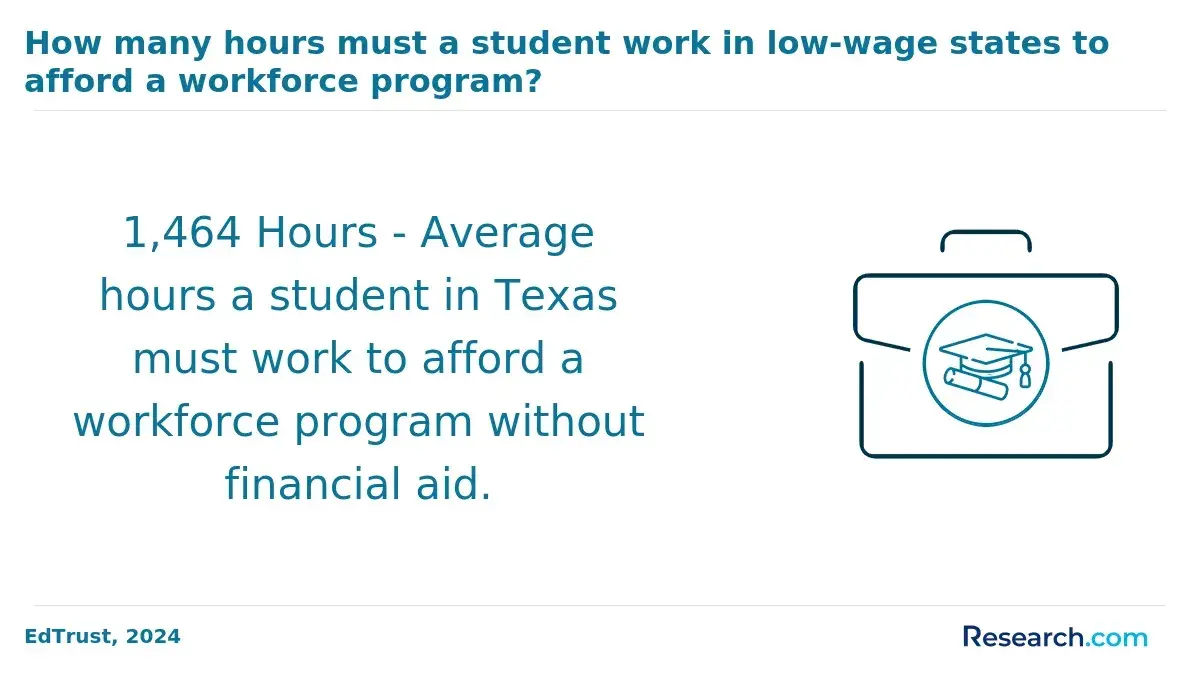
The cost of an Alabama-based online FNP program depends on its graduate tuition rate, required credits, fees, and clinical expenses; no single statewide average represents what an individual FNP student will pay. Published Alabama college tuition averages generally combine programs that do not price graduate nursing education the same way. For a useful comparison, obtain current, program-specific figures rather than applying an undergraduate average to an MSN or DNP.
Use the same cost categories when requesting estimates from Alabama schools. This separates billed charges from expenses that may never appear on a tuition statement.
| Cost category | What to request or budget for |
| Tuition | The rate applicable to your residency and online status, multiplied by the credits you must complete |
| University and nursing fees | Mandatory online, course, laboratory, and graduation charges |
| Clinical preparation | Background checks, immunizations, screening, liability coverage, and required equipment |
| Attendance and placement | Travel or lodging for campus visits and clinical sites, plus possible reductions in paid work hours |
| Completion | Certification examination and Alabama credentialing charges, where applicable |
Compare estimated total program cost, not just advertised cost per credit. Ask each school for its current tuition and fee schedule, the credits required for your route, and an itemized estimate. Without those verified figures, a numerical tuition range across these programs would be misleading; a school's quoted rate may omit both fees and living or clinical costs.
Do Alabama residents pay in-state tuition for online FNP programs?
Alabama residents may qualify for an in-state graduate rate at an Alabama public university, but residence alone does not establish the price of a particular online FNP track. A university may publish separate graduate nursing or distance-education rates, and its residency office - not the student's mailing address alone - determines classification under its policy.
At a private Alabama institution such as Samford University, ask for the program's applicable rate rather than assuming a public-university in-state discount. At an out-of-state institution, Alabama residence likewise does not automatically confer that school's resident rate. Request written confirmation of your tuition classification and whether clinical-term enrollment, campus visits, or a change in residence would affect charges. Comparing an Alabama public university's resident rate with another school's nonresident rate only makes sense after adding each program's required credits and fees.
Are there scholarships or grants for FNP students in Alabama?
Alabama FNP students can seek school-based nursing aid, employer tuition assistance, and federal funding, but they should verify graduate eligibility before counting an award in their budget. An Alabama student should not assume that a state grant advertised for undergraduates will cover a graduate FNP program.
These are the funding questions most likely to change your net cost:
- Ask each Alabama nursing school about graduate scholarships, assistantships, deadlines, and whether part-time FNP students qualify.
- Ask your Alabama employer whether tuition assistance requires continued employment after graduation or excludes clinical terms.
- Check current federal service-based scholarships or loan-repayment programs for primary care clinicians; eligibility, approved sites, and service commitments differ by program.
- Submit the FAFSA if you want to be considered for eligible federal graduate aid, then compare borrowing terms with the school's full cost estimate.
Service-based aid may be particularly relevant if you intend to work at an eligible underserved Alabama site, but an award is not automatic merely because a site is rural. For a broader planning checklist, see funding a family nurse practitioner master's.
How many clinical hours do online FNP programs require for Alabama students?
Alabama students must complete the supervised clinical hours required by their chosen FNP program; online delivery does not waive them. The exact total and the way hours are distributed across courses are school-specific, so request the current clinical handbook rather than relying on an older program summary or another university's requirement.
Clinical hours are patient-care training, not hours spent watching lectures online. A school may also require particular experiences across age groups and primary care settings. Ask whether prior graduate coursework can transfer, how transferred clinical work is evaluated, and whether campus skills activities are separate from counted clinical hours. The answer matters for scheduling: even a flexible online course can become difficult to combine with full-time nursing shifts once supervised daytime visits begin. If completion speed is a priority, use online FNP program duration comparisons alongside each school's actual clinical sequence.
What types of clinical sites are available to FNP students in Alabama?
Potential FNP clinical settings in Alabama include primary care practices, community health centers, pediatric practices, and other outpatient sites that can provide the patients and supervision a program requires. A site's location in Alabama does not, by itself, make it an approved placement: the school must evaluate the setting, preceptor qualifications, patient population, and any required agreement.
Availability can differ substantially between a student with established professional contacts and one seeking a site in an unfamiliar area. A workplace may be convenient, but ask whether your school permits a rotation there, whether you can train outside your paid role, and who can supervise you. Do not count on a prospective site until both the organization and the program have approved it.
Can Alabama students complete FNP clinical rotations near home?
Many Alabama students can propose clinical rotations near home, but approval and preceptor availability determine whether that plan works. Online enrollment is not a promise of a local placement or a guarantee that the school will find one for you.
Clarify placement responsibilities before accepting an offer. These steps help avoid a delayed practicum:
- Tell the program where in Alabama you expect to live and work during each clinical term.
- Ask whether the school assigns sites, supplies leads, or expects students to identify preceptors.
- Request its site and preceptor criteria, approval timeline, and rules for using your workplace.
- Discuss a backup plan if a proposed site declines or a preceptor becomes unavailable.
Start these conversations before the clinical term begins. Waiting until registration or assuming that any willing clinician can serve as a preceptor can add travel, delay completion, or require a change of site.
How can Alabama students determine if an FNP program aligns with their goals?
Alabama students can judge fit by checking whether a program supports their intended patient population, schedule, budget, clinical location, and credentialing plans. FNP education emphasizes primary care across the lifespan; it is not interchangeable with training for every advanced practice role.
Ask admissions and clinical staff for answers you can compare across schools:
- Which degree and FNP track am I entering, and what are its current admission requirements?
- What campus visits, clinical terms, and weekly scheduling demands should I expect?
- Who secures and approves Alabama clinical sites, and what happens if my first choice falls through?
- Which national FNP certification examination is the program designed to prepare graduates for, and what must I do afterward to seek Alabama advanced practice approval?
Alabama's nursing and medical regulatory requirements also matter after graduation: nurse practitioner practice involves advanced practice approval and a physician collaborative practice arrangement under applicable Alabama rules. Graduation alone is not permission to practice. If your goal is both primary and acute care, compare the additional training and credentialing implications in this guide to dual FNP-AGACNP MSN programs rather than assuming an FNP track covers both.
Is an online FNP program worth the investment for Alabama students?
An online FNP program may be worth the investment for an Alabama nurse who wants to move into primary care and can manage its total cost, clinical schedule, and credentialing steps. It is a weaker fit if the required rotations would force unaffordable travel or if the intended job calls for a different nurse practitioner specialty.
Assess the return using your own finances rather than assuming a particular salary increase. Alabama nurse practitioner wage and employment statistics describe an occupation, not guaranteed pay or openings for FNP graduates; they also do not isolate outcomes from any one school. Compare prospective Alabama job requirements with the program's specialty, then weigh likely earnings against tuition, debt payments, time away from paid work, and clinical travel. This overview of career paths with an FNP master's degree can help you identify roles to investigate before committing.
Other Things You Should Know About Family Nurse Practitioner
Some schools offer bridge routes, but a standard MSN FNP track may require a BSN. Ask whether your nursing degree qualifies for the specific pathway and whether bridge coursework adds time or cost.
No. An RN multistate license does not replace a state's advanced practice requirements. Check the nursing board in each state where you intend to practice.
Not necessarily. FNP preparation centers on primary care across the lifespan. If your intended role is acute care, ask prospective employers and programs which population-focused credential the role requires.
Do not assume it can. Programs evaluate required supervised advanced practice clinical experiences separately from prior RN employment; ask the school whether it recognizes any previous graduate-level clinical coursework.
References
- QACSC - Alabama Board of Medical Examiners https://www.albme.gov/licensing/crnp-cnm/qacsc/
- AUM Tuition & Fees https://www.aum.edu/admissions/tuition-and-fees/
- MSN Family Nurse Practitioner | School of Nursing | The University of Alabama at Birmingham https://www.uab.edu/nursing/home/academics/masters/fnp
- Clinical Placement | College of Nursing https://www.southalabama.edu/colleges/con/clinical/clinical-placement.html
- MS in Nursing - Nurse Practitioner concentrations - UA Online https://online.ua.edu/degrees/ms-in-nursing-nurse-practitioner-concentration/
- Tuition and Fees | University of South Alabama https://bulletin.southalabama.edu/information/tuition-fees/
- Tuition Rates and Other Enrollment Costs | ua.edu https://studentaccounts.ua.edu/tuition-rates/
- Student Assistance | Alabama Commission on Higher Education https://www.ache.edu/index.php/student-assistance/
- State Grants | alasu.edu https://www.alasu.edu/financial-aid/types-of-aid/state-grants.php
- Alabama Advantage | Afford https://afford.ua.edu/scholarships/alabama-advantage/