2027 Online Family Nurse Practitioner (FNP) Programs for Kansas Residents: Costs and Clinical Training

Co-Founder and Chief Data Scientist
Can you earn an FNP degree online while living in Kansas without taking on unexpected tuition or traveling far for clinical rotations? The answer depends on the school, its delivery format, and whether it approves a suitable preceptor near you.
This guide is for Kansas registered nurses comparing FNP programs at in-state institutions with out-of-state alternatives. It explains what to verify about costs, clinical training, eligibility, and licensure so you can decide whether a program fits your budget, schedule, and practice goals.
Key Things to Know About Online FNP Programs in Kansas
- Fort Hays State University and Pittsburg State University are Kansas-based institutions with online FNP pathways; confirm each program's current campus-visit and clinical-placement requirements before applying.
- Kansas residence does not automatically mean in-state tuition: graduate nursing rates, online charges, and residency rules depend on the institution and program.
- Online coursework does not replace supervised, in-person clinical training. Compare each school's required hours and written approval process for Kansas sites before committing to a program.
What online FNP programs are available in Kansas?
Fort Hays State University and Pittsburg State University are Kansas institutions to investigate for online family nurse practitioner study. An FNP program prepares a registered nurse for advanced primary care across the lifespan. "Online" describes how coursework is delivered; it does not establish that every activity can be completed remotely.
The table distinguishes the institution's Kansas location from the delivery and placement details you need to confirm for your intended start term. It is a starting list, not a ranking or a promise that a particular cohort is accepting applications.
| Institution and location | FNP option to investigate | Confirm directly with the program |
| Fort Hays State University - Hays, Kansas | Online MSN family nurse practitioner pathway | Current enrollment, any required campus activities, clinical hours, and placement responsibilities |
| Pittsburg State University - Pittsburg, Kansas | Online MSN family nurse practitioner pathway | Current enrollment, any required campus activities, clinical hours, and placement responsibilities |
Check the current nursing catalog and ask whether the specific FNP track holds the nursing-program accreditation required for your certification plans. Institutional accreditation, nursing-program accreditation, permission to offer online education, and eligibility for professional licensure answer different questions; none substitutes for the others.
Can Kansas residents enroll in online FNP programs based in other states?
Yes, Kansas residents may be able to enroll in an out-of-state online FNP program, but eligibility must be confirmed for both online study in Kansas and clinical training at a Kansas site. A school's general online admission policy is not enough to establish either point.
For example, the University of Missouri-Kansas City is located in Missouri, despite its name, and is an out-of-state institution for this comparison. Its FNP offerings may be worth investigating as an alternative, but a Kansas applicant should obtain confirmation of the current track's delivery format, Kansas enrollment eligibility, and Kansas clinical-placement policy before treating it as an available option.
Ask the out-of-state school to confirm in writing where you may live, where you may complete clinical work, and whether its curriculum is designed to meet Kansas APRN educational requirements. If you expect to practice elsewhere after graduation, check that jurisdiction separately. This guide to FNP master's programs and licensure eligibility explains why program admission and eventual licensing eligibility are separate decisions.
How much do online FNP programs cost in Kansas?
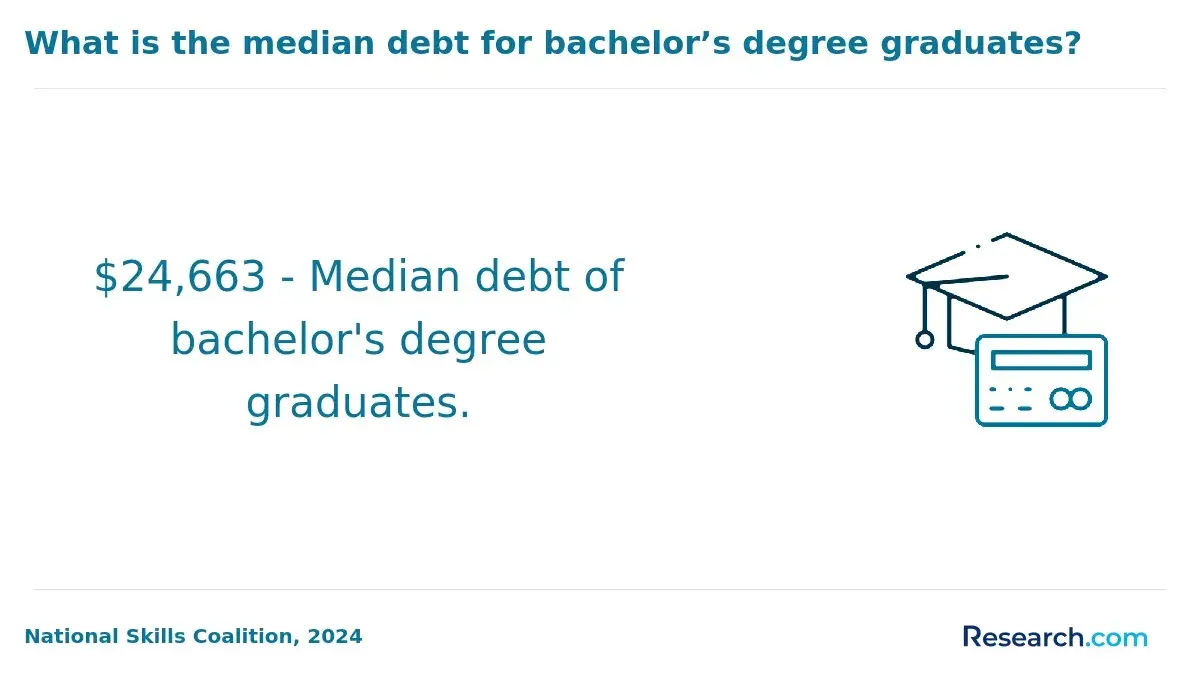
Online FNP costs in Kansas depend on the school's current graduate nursing tuition, the credits required for your track, mandatory fees, and what you spend completing clinical training. A per-credit price alone is not a reliable program total, and an undergraduate Kansas tuition average would not describe the price of an FNP graduate degree.
No verified, consistently defined current tuition-and-fee figures are available here for a defensible comparison of the Kansas programs. Rather than relying on an unsupported range, request a term-by-term written estimate from each school. The estimates should use your intended enrollment status and expected credit load, so their totals are comparable.
Tuition is only one part of the decision. Ask schools to separate mandatory university and nursing fees from possible expenses for background checks, immunizations, equipment, certification preparation, travel, and unpaid time away from work during rotations. A program with a lower tuition quote may cost more overall if it requires distant clinical sites or repeated campus trips. For a framework for checking those charges, see understanding FNP tuition and fees.
Do Kansas residents pay in-state tuition for online FNP programs?
Kansas residents should not assume that every online FNP course carries an in-state graduate rate. A Kansas public institution may distinguish resident and nonresident tuition, use a separate online rate, or assess program-specific charges; an out-of-state institution applies its own policies.
Ask Fort Hays State University or Pittsburg State University for the rate that applies to your FNP track, not just the university's general graduate rate. Then confirm whether residency documentation is required, whether fees differ by course format, and whether the quoted price applies throughout your expected enrollment. For an out-of-state alternative, ask whether online students pay one rate regardless of residence. Do not assume a regional tuition arrangement covers graduate nursing without confirmation from that school.
Are there scholarships or grants for FNP students in Kansas?
Kansas FNP students may qualify for school-based aid or nursing workforce funding, but eligibility depends on the award, degree level, enrollment, and any service commitment. A scholarship open to Kansas undergraduates, for example, should not be counted toward a graduate FNP budget without checking its rules.
Start with the financial-aid and nursing offices at the Kansas institution you plan to attend. Ask about graduate nursing scholarships, employer tuition assistance, and whether any Kansas health-workforce or service-based awards currently cover your FNP program and intended practice setting. Federal nursing workforce awards may also be relevant, but their funding, eligibility, and service obligations can change. Compare the obligations with your career plans before treating an award as a reduction in cost.
How many clinical hours do online FNP programs require for Kansas students?
Kansas students must complete the supervised clinical hours required by their FNP program; online enrollment does not waive them. There is no reliable single hour total to apply to every Kansas-based MSN track or out-of-state alternative. Schools can also set requirements above a certification body's minimum, so obtain the current FNP clinical handbook rather than planning around a general figure.
Ask for the total direct patient care hours, how hours are divided among courses and patient populations, and whether prior nursing work can count. In many programs, employment as an RN does not replace approved FNP practicum hours. The weekly schedule matters as much as the total: concentrated rotations can reduce your paid work hours and increase the effective cost of attendance. If speed is important, compare clinical calendars alongside coursework when considering faster online FNP study pathways.
What types of clinical sites are available to FNP students in Kansas?
Potential Kansas FNP clinical sites include primary care clinics, family medicine practices, community health centers, and other approved outpatient settings that provide appropriate patients and supervision. A nearby hospital or your current workplace is not automatically an acceptable FNP site; the school must decide whether the setting meets that course's learning objectives.
Site choice can differ substantially between a student in a larger Kansas metro area and one in a rural community. Proximity may help, but suitable preceptor availability, patient mix, school affiliation agreements, and travel time determine whether a proposed rotation is workable. Ask the program which types of sites it has approved for Kansas students and whether it has an agreement with any site you hope to use. Do not interpret a list of possible clinic types as a guarantee of an opening.
Can Kansas students complete FNP clinical rotations near home?
Many Kansas students may be able to propose clinical rotations near home, but they should not rely on that possibility until the program approves both the site and preceptor. A school may help identify placements, require students to find candidates, or share the work; its policy can also change between courses.
Start the placement conversation before enrolling, especially if your work or caregiving schedule limits travel. These questions will reveal whether "local clinicals" is a realistic plan rather than an assumption:
- Ask who identifies preceptors and who is responsible if a proposed site declines.
- Request the school's site and preceptor criteria, approval deadlines, and Kansas affiliation-agreement process.
- Identify acceptable backup locations and estimate the travel and work-schedule impact if a nearby site is unavailable.
Wait for written school approval before counting on a workplace rotation or arranging your schedule around an informal preceptor offer. Beginning the search only when practicum starts is a costly mistake if paperwork or site capacity delays enrollment.
How can Kansas students determine if an FNP program aligns with their goals?
The best fit is a program you can enter, afford, complete clinically, and use toward certification and licensure where you intend to practice. For a Kansas-based choice, compare the specific FNP tracks at Fort Hays State University and Pittsburg State University. Then apply the same checks to any out-of-state alternative, with an additional written check of Kansas enrollment and clinical eligibility.
Before accepting an offer, verify the current nursing-program accreditation and certification pathway, the admission requirements for your RN background, and the Kansas State Board of Nursing's current APRN requirements. Kansas practice rules are set by the state, not by the city where a rotation takes place. If you plan to work in another state, verify that state's rules as well. Applicants uncertain whether their experience meets a school's criteria can use this overview of understanding family nurse practitioner admission experience criteria to prepare questions for admissions staff.
Finally, compare written total-cost estimates, clinical-placement policies, required in-person activities, and the time to completion on your likely course load. An accelerated schedule is not a benefit if it makes the required clinical hours incompatible with your job.
Is an online FNP program worth the investment for Kansas students?
An online FNP program may be worth the investment if it leads toward your intended Kansas practice role at a manageable total cost and gives you a credible plan for completing clinical training. Online coursework can make study easier to fit around work, but it does not remove in-person rotations, licensing steps, or the risk of lost income while completing them.
Kansas has allowed qualifying APRNs to practice without a physician collaborative practice agreement under its expanded practice-authority law. That changes a potential graduate's practice considerations, but it does not guarantee a job, a particular income, or freedom from all licensing and prescribing requirements. Evaluate opportunities in the Kansas communities where you actually want to work rather than using one city's hiring conditions as a statewide forecast.
Make the investment decision using each school's current net-cost estimate, your likely reduction in work hours, and the roles for which you intend to apply. If you are already an appropriately prepared master's-level nurse, a certificate may be more relevant than another full degree; compare eligibility and sequencing using this guide to post-master's FNP completion timelines before assuming it will be the quicker or cheaper route.
Other Things You Should Know About Family Nurse Practitioner
It depends on the school. Some institutions offer an RN-to-graduate pathway, while others require a BSN before entry. Ask how any bridge coursework affects time and cost.
No. Certification is a professional credential; Kansas APRN licensure is issued through the Kansas State Board of Nursing. Confirm the board's current application requirements before planning a start date for practice.
Possibly during coursework, but clinical rotations may require substantial weekday availability. Ask for a sample practicum schedule before committing to full-time employment throughout the program.
A post-master's FNP certificate may be an option if the nurse's existing education meets the program's entry requirements. The school must review prior coursework and identify any additional courses and clinical training needed.
References
- APRN Initial Application | Kansas Nursing Board https://ksbn.kansas.gov/aprn-initial-application/
- Family Nurse Practitioner | kumc.edu https://www.kumc.edu/school-of-nursing/academics/doctor-of-nursing-practice/family-nurse-practitioner.html
- Online MSN-FNP Program | Family Nurse Practitioner Degree in Kansas City | University of Saint Mary https://stmary.edu/msn-fnp/index.html
- Compliance Information: Master of Science in Nursing | UNLV https://www.unlv.edu/nursing/msn/compliance
- What Is CCNE Accreditation for Nursing Programs? | Maryville Nursing https://nursing.maryville.edu/blog/what-is-ccne-accreditation