
2026 Online Environmental Engineering Degree Programs With No Application Fee and Rolling Admissions

Co-Founder and Chief Data Scientist
Choosing an online environmental engineering degree is harder when "no application fee" and "rolling admissions" sound more important than they really are. The U. S. Bureau of Labor Statistics reports a May 2024 median annual wage of $104,170 for environmental engineers, which makes program quality, accreditation, and total cost worth checking carefully. This guide is for prospective undergraduates, graduate students, and working adults who want flexible entry without wasting money. You'll learn how to compare programs, verify admissions claims, estimate savings, and decide whether a no-fee rolling option is actually the best fit.
Key Things You Should Know
- No-application-fee policies usually save only the application charge, often far less than the difference between one program's total tuition and another's total cost.
- Rolling admissions can improve flexibility, but it does not mean guaranteed admission, unlimited course availability, or no financial aid deadlines.
- The environmental engineering labor market is promising but competitive: BLS projects 7% employment growth for environmental engineers from 2023 to 2033, so accreditation, technical preparation, and career fit matter more than fee waivers.
Which Online Environmental Engineering Degree Programs Have No Application Fee and Rolling Admissions?
Standalone online environmental engineering degrees that clearly advertise both no application fee and rolling admissions are uncommon, especially at the bachelor's level where ABET accreditation can matter for engineering licensure. Many schools offer one of the two features, temporary fee waivers, or related online programs in civil engineering, environmental science, water resources, or sustainability, but students should verify the current policy directly before applying.
The table below summarizes how students should interpret common online program options. It is designed to prevent a frequent mistake: assuming that a related environmental program is the same as an environmental engineering degree.
| Program type students may find online | Typical degree level | How often no-fee and rolling admissions appear together | Best fit | Main caution |
| Online environmental engineering degree | Bachelor's or master's | Rarely advertised together in a clear, permanent way | Students seeking engineering-focused coursework in water, air quality, waste systems, remediation, and environmental design | Confirm institutional accreditation, any ABET status, required labs, and whether the application fee is truly waived for your program |
| Online civil engineering degree with environmental or water resources concentration | Mostly master's | More common than standalone environmental engineering, but policies vary | Students interested in infrastructure, hydrology, stormwater, water treatment, or public works roles | The diploma may say civil engineering, not environmental engineering |
| Online environmental science or sustainability degree | Bachelor's or master's | Often more flexible and more likely to use no-fee or rolling admissions models | Students targeting compliance, conservation, sustainability reporting, or environmental policy roles | It may not satisfy engineering prerequisites, PE-track expectations, or engineering employer requirements |
| Online engineering management or applied engineering degree with environmental electives | Bachelor's completion or master's | Sometimes available through adult-focused online divisions | Working professionals who already have technical experience and want management skills | Environmental engineering depth may be limited |
The most practical way to build a shortlist is to start with accredited online engineering programs, then filter for current fee waivers and rolling review. If you are comparing broader online degree investments, cost-focused resources such as the cheapest online MBA can also help you think beyond sticker tuition and look at fees, transfer credit, and employer reimbursement.
Before treating a program as a match, ask admissions staff these questions and request written confirmation when possible:
- Is the application fee automatically waived for this specific online environmental engineering program, or is a waiver code required?
- Is admission truly rolling, or does the program use priority deadlines, cohort deadlines, or capacity-based cutoffs?
- How many start dates are available each year, and are all required courses offered after every start date?
- Does the online format include campus labs, residencies, proctored exams, synchronous sessions, or internship requirements?
- Does the degree title, transcript, and concentration match the career path you want?
How Does Rolling Admission Work for Online Environmental Engineering Degree Programs?
Rolling admission means the school reviews applications as they arrive instead of waiting for one fixed deadline. In online environmental engineering programs, that flexibility can help working adults, military students, transfer students, and career changers avoid waiting an extra semester or year.
The table below compares rolling admissions with fixed-deadline admissions. Use it to understand what rolling review changes and what it does not change.
| Admissions feature | Rolling admissions | Fixed-deadline admissions | What it means for applicants |
| Application review | Reviewed as files become complete | Reviewed after a stated deadline or in rounds | Rolling review can produce faster decisions, but only if all materials are submitted |
| Start dates | May offer multiple terms or sessions | Often tied to fall, spring, or cohort starts | More start dates can improve flexibility, but not every course may be available every term |
| Seat availability | Can close when capacity is reached | Usually evaluated after the deadline | Applying early can still matter, especially in lab-heavy or cohort-based programs |
| Financial aid timing | May have separate scholarship and aid deadlines | Often aligned with admission cycles | Rolling admission does not remove FAFSA, assistantship, employer reimbursement, or scholarship deadlines |
A common misconception is that rolling admissions means students can apply at the last minute. In reality, engineering programs often need time to evaluate transcripts, prerequisite math and science coursework, graduate test policies if applicable, and international credential reviews.
Use rolling admissions strategically by working backward from your desired start date:
- Identify the term or session when you want to begin.
- Ask when the program recommends submitting a complete application for that start date.
- Order transcripts early, especially if you attended multiple colleges.
- Confirm prerequisite reviews before assuming you are academically eligible.
- Submit financial aid, employer tuition assistance, and scholarship documents on their own timelines.
How Much Can Students Save by Choosing an Online Environmental Engineering Degree With No Application Fee?
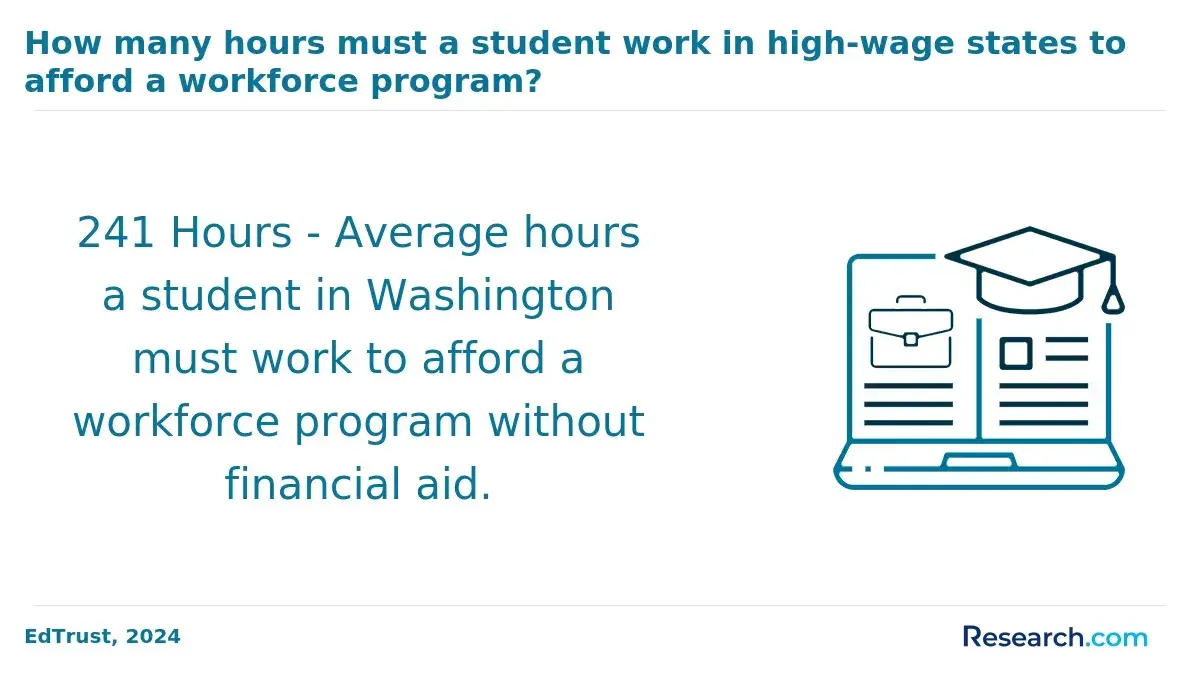
A no-application-fee online environmental engineering degree can reduce the cost of applying, but it rarely determines whether the degree is affordable. The real financial decision is total program cost: tuition, mandatory fees, books, software, labs, travel, proctoring, transfer-credit rules, and the number of credits you must complete.
The table below shows why application-fee savings should be treated as a screening advantage, not a final affordability measure.
| Cost item | How it affects students | Why it matters more or less than the application fee |
| Application fee | Paid before admission unless waived | Useful savings when applying to multiple schools, but usually small compared with tuition |
| Tuition per credit | Largest direct academic cost for most online students | A small tuition difference can outweigh several waived application fees |
| Mandatory university or online fees | May be charged per credit, per term, or per course | Can change the true cost even when tuition looks competitive |
| Lab, software, or equipment costs | May apply to engineering analysis, design, modeling, or lab courses | Important for environmental engineering because technical courses may require specialized tools |
| Transfer-credit acceptance | Reduces credits needed if prior coursework is accepted | Can produce much larger savings than the application-fee waiver |
For example, a student who applies to several no-fee programs may save money upfront, but a higher tuition rate or poor transfer-credit policy can erase that benefit quickly. This is why the right comparison is not "free application versus paid application"; it is "lowest total cost for a legitimate program that supports my career goal."
Students comparing ROI across fields should also remember that high earnings vary by discipline and role, not just degree level. Research on highest paid degrees can be useful context, but environmental engineering applicants should still evaluate local employer demand, licensure goals, and the technical depth of each program.
To estimate your real savings, calculate costs in this order:
- List every program's application fee and whether it is automatically waived.
- Multiply tuition per credit by the credits you must complete after transfer evaluation.
- Add mandatory technology, online, student services, graduation, lab, and proctoring fees.
- Include travel costs if the program requires campus visits, fieldwork, or in-person labs.
- Subtract confirmed scholarships, employer reimbursement, military benefits, or grants only after verifying eligibility.
What Are the Admission Requirements for No-Fee Online Environmental Engineering Degree Programs?
No-fee online environmental engineering programs usually do not have easier academic standards just because the application is free. Engineering admissions still focus on readiness for quantitative, science-based coursework and, at the graduate level, proof that the applicant has the right technical background.
The table below outlines common requirements by degree level. Exact requirements vary by institution and program, so students should treat this as a checklist to confirm, not a universal rule.
| Requirement | Bachelor's or bachelor's-completion programs | Master's programs | Why it matters |
| Transcripts | High school and any college transcripts | Official undergraduate transcripts | Schools use transcripts to verify prerequisites, GPA, transfer credits, and academic standing |
| Math preparation | Algebra, precalculus, calculus, or placement testing may be required | Calculus, differential equations, or engineering math may be expected | Environmental engineering relies heavily on quantitative problem solving |
| Science preparation | Chemistry, physics, and biology may be required or recommended | Chemistry, fluid mechanics, environmental systems, or related coursework may be expected | Weak science preparation can delay progress even after admission |
| Engineering background | Not always required for first-year admission | Often expected for engineering master's programs | Applicants without engineering degrees may need bridge courses |
| Recommendations and statement | Sometimes required | Commonly required or optional | These materials help explain goals, preparation, and fit |
| Test scores | May be test-optional depending on the school | GRE may be waived, optional, or required depending on the program | Students should verify current policies before spending money on tests |
Applicants should be especially careful with prerequisite coursework. A program may admit students conditionally, but that can add time, cost, and scheduling complexity if bridge courses are required before core environmental engineering classes.
Flexible admission does not mean weak preparation. Students comparing admissions-friendly programs in any field, including resources on the easiest MSW programs to get into, should apply the same principle here: accessibility is valuable only when the program still matches the student's academic and professional goals.
Common red flags include vague admissions language, unclear prerequisite policies, pressure to enroll before transcript evaluation, and refusal to clarify whether the online degree has the same academic status as the campus program. If admissions staff cannot explain how your prior credits, GPA, or engineering background will be evaluated, keep asking before you submit.
When Should Students Apply to Online Environmental Engineering Degree Programs With Rolling Admissions?
Students should apply earlier than the final date suggested by a rolling-admission school. Rolling admissions can shorten the wait for a decision, but environmental engineering programs may still fill seats, close certain start dates, or limit access to required sequence courses.
A practical timeline is especially important for working adults and transfer students because transcripts, employer approvals, and financial aid documents often take longer than expected. Use the steps below to build a safer application schedule.
- Begin researching programs at least one full term before your preferred start date.
- Request unofficial transcript reviews before applying if the school offers them.
- Ask whether the first-term course sequence is available during your intended start period.
- Submit the application only after confirming whether the fee waiver is automatic or code-based.
- Complete financial aid and scholarship forms separately, because those deadlines may not roll.
- Leave time to resolve missing transcripts, recommendation delays, residency classification, or prerequisite questions.
Applying early can also help students compare admissions decisions instead of accepting the first offer out of urgency. If you are admitted to more than one program, ask each school for a degree plan, transfer-credit evaluation, total cost estimate, and expected time to completion before paying an enrollment deposit.
Do not wait simply because a school says it accepts applications year-round. Year-round application intake is not the same as year-round course availability, and some engineering courses are offered only once per year.
How Can Students Strengthen an Online Environmental Engineering Degree Application?
A strong online environmental engineering application shows that you can handle technical coursework and that your goals match the program's strengths. This matters even more in rolling admissions because reviewers may evaluate your file soon after it becomes complete.
Focus your application on evidence, not broad interest in the environment. The following materials can make your file more persuasive when they are relevant and allowed by the program:
- A statement that connects your goals to specific areas such as water quality, air pollution control, hazardous waste, remediation, stormwater, sustainability engineering, or environmental compliance.
- Transcripts that show readiness in calculus, chemistry, physics, statistics, fluid mechanics, or other technical prerequisites.
- Work examples, projects, internships, military experience, or volunteer work related to environmental monitoring, infrastructure, GIS, permitting, lab analysis, or data reporting.
- Recommendations from instructors, supervisors, or engineers who can speak to your analytical ability, reliability, and problem-solving skills.
- An explanation of any academic weakness, followed by evidence of improvement such as recent coursework or professional training.
Students without an engineering background should be direct about their preparation. If you studied environmental science, biology, chemistry, geology, public health, or sustainability, ask whether bridge courses are available and whether graduates from non-engineering backgrounds have successfully completed the program.
One mistake is sending the same generic statement to every school. Instead, tailor each application to the curriculum, faculty interests, online format, and career outcomes of the program. A concise, specific statement is usually stronger than a long essay that does not explain why the program fits.
Are Online Environmental Engineering Degree Programs With No Application Fees Accredited and Legitimate?
No application fee and rolling admissions do not make a program less legitimate by themselves. Many reputable schools use flexible admissions policies to reduce barriers for online learners. The real question is whether the institution and program meet the standards needed for your goals.
For environmental engineering, accreditation can have two layers. Institutional accreditation confirms that the college or university is recognized by an approved accreditor. Programmatic accreditation, especially ABET accreditation at the bachelor's level, may matter for students who want a path toward professional engineering licensure.
The table below explains what to verify before enrolling. This is especially important because licensure rules, employer expectations, and graduate-school prerequisites vary by state and career path.
| Quality check | What to confirm | Why it matters |
| Institutional accreditation | The school is accredited by a recognized institutional accreditor | Required for federal financial aid eligibility and widely used as a legitimacy baseline |
| ABET status | Whether the specific environmental engineering or related engineering program is ABET-accredited | Often important for engineering licensure pathways, especially for undergraduate engineering degrees |
| Online equivalency | Whether the online degree has the same transcript and diploma status as the campus version | Helps students understand how the credential will be represented to employers |
| Licensure alignment | Whether the curriculum supports FE exam preparation and state PE requirements if relevant | Environmental engineering roles do not all require licensure, but some consulting and public-sector roles value or require it |
| Required in-person components | Labs, residencies, fieldwork, exams, or internships | A "fully online" label may not capture all attendance requirements |
Accreditation checks are common across professional programs, not just engineering. Students comparing regulated fields such as clinical mental health counseling programs should notice the same pattern: the cheapest or easiest-to-enter option is not always the right one if it does not meet credentialing requirements.
Red flags include a school that will not name its accreditor, a program that implies ABET accreditation without listing the exact accredited program, aggressive enrollment pressure, unclear graduation requirements, or promises about licensure and employment that sound guaranteed. Legitimate programs can explain their accreditation status plainly.
How Do Financial Aid and Total Costs Compare Among Online Environmental Engineering Degree Programs?
Financial aid and total costs can vary more than application-fee policies. A no-fee application may help students apply broadly, but affordability depends on tuition, credit requirements, aid eligibility, employer benefits, transfer credit, and how long it takes to finish.
For graduate students, Federal Student Aid lists the annual Direct Unsubsidized Loan limit at $20,500 for many eligible graduate and professional students. That figure does not mean borrowing is the best choice, but it shows why students should compare total cost before enrolling; a program that requires extra credits or prerequisite courses can increase borrowing needs.
The table below highlights cost and aid factors that should be compared among online environmental engineering programs before making a decision.
| Comparison factor | What to ask | Decision impact |
| Tuition structure | Is tuition charged per credit, per term, or by program? | Affects total cost and pacing strategy |
| Residency pricing | Do online students pay in-state, out-of-state, or separate online tuition? | Can make public universities more or less affordable depending on policy |
| Fees | Are there online, engineering, lab, proctoring, graduation, or technology fees? | Fees can materially change the advertised cost |
| Transfer credits | How many credits can transfer, and which courses must be completed in residence? | Strong transfer policies can reduce cost and time |
| Scholarships | Are there priority deadlines separate from rolling admission? | Late applicants may miss aid even if they can still be admitted |
| Employer reimbursement | Does the employer require grades, approved providers, or repayment agreements? | Can reduce out-of-pocket cost but may affect course load and school choice |
Students should avoid comparing only tuition per credit. A lower rate can become less attractive if the program accepts fewer transfer credits, requires more prerequisites, or offers required courses infrequently. Conversely, a program with a modestly higher rate may be a better value if it gets you to completion faster and aligns better with your career target.
If you are considering other helping-profession or career-change pathways alongside engineering, such as an MFT degree, use the same total-cost approach: compare credential requirements, supervised experience, licensure implications, and realistic timelines rather than choosing only by application fee.
Which Students Benefit Most From No-Fee, Rolling-Admission Online Environmental Engineering Degrees?
No-fee, rolling-admission online environmental engineering degrees are most useful for students who need flexibility but are still disciplined enough to apply early, verify requirements, and compare total cost. These features are conveniences, not substitutes for academic fit.
The table below shows which students often benefit most and which students should be cautious.
| Student profile | Why the format may help | What to watch |
| Working adults | Rolling starts can align better with work schedules and employer reimbursement cycles | Synchronous classes, labs, and course sequencing may still limit flexibility |
| Transfer students | No-fee applications make it easier to request admissions and credit evaluations from multiple schools | Poor transfer acceptance can increase total cost |
| Military-affiliated students | Flexible starts can align with deployments, relocations, or benefit timing | Benefit certification and term dates must be confirmed early |
| Career changers with science backgrounds | Rolling review may allow faster entry into bridge or prerequisite coursework | Non-engineering backgrounds may require extra math or engineering courses |
| Students pursuing PE-track engineering roles | Online study may allow continued employment while completing coursework | ABET status, state board rules, and FE exam preparation need careful verification |
Students who should avoid choosing primarily by no-fee and rolling-admission features include those who need a strict ABET-accredited bachelor's pathway, those who require a guaranteed course sequence, and those who are likely to miss financial aid deadlines without a fixed calendar. Traditional-deadline programs may be better when they offer stronger labs, clearer licensure alignment, better assistantship opportunities, or a more recognized engineering curriculum.
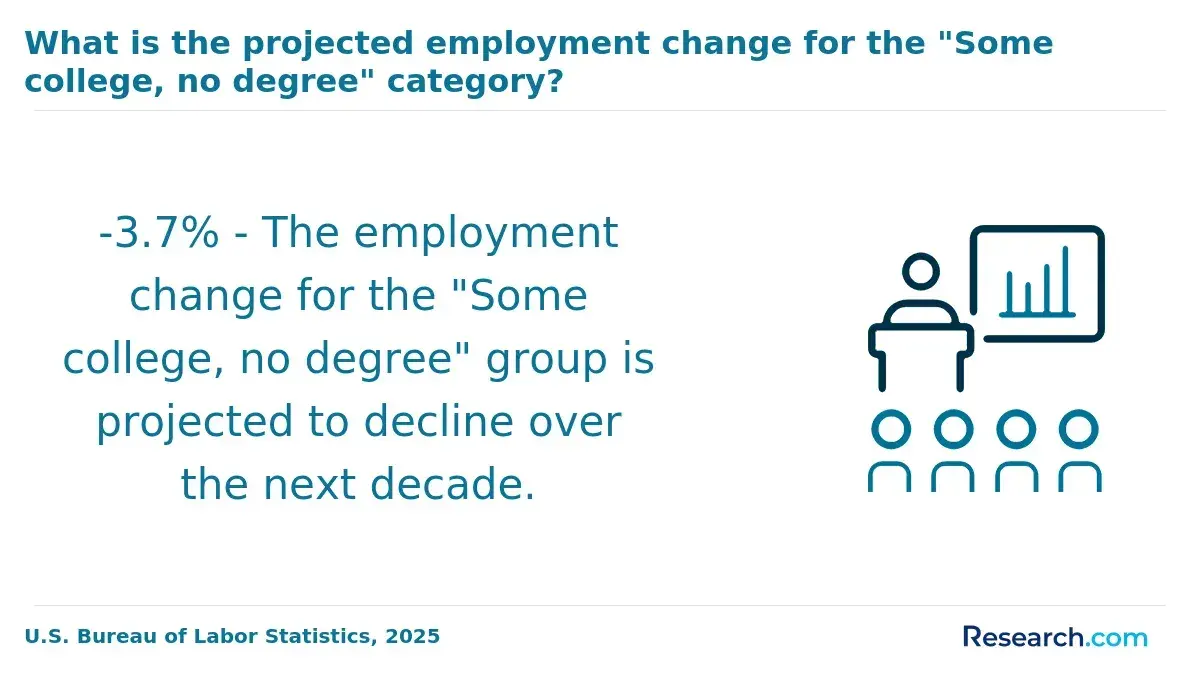
Career outcomes should also shape the decision. The BLS median wage for environmental engineers is encouraging, but individual results depend on location, experience, employer type, licensure, technical skill, and economic conditions. Treat salary data as context, not a promise.
How Should Students Choose Among No-Fee Online Environmental Engineering Degree Programs?
The best no-fee online environmental engineering program is not necessarily the one with the fastest application or the most start dates. It is the program that offers the right combination of legitimacy, technical depth, affordability, scheduling fit, and career value.
Use the following decision process to compare programs consistently:
- Confirm the exact degree title and whether it is environmental engineering, civil engineering with an environmental focus, environmental science, sustainability, or another related field.
- Verify institutional accreditation and, when relevant, ABET accreditation for the specific program.
- Ask whether the application fee is permanently waived, temporarily waived, or waived only with a code.
- Confirm how rolling admissions works, including review timing, capacity limits, and start-date availability.
- Request a total cost estimate based on your transfer credits, prerequisites, enrollment pace, and fees.
- Check whether financial aid, scholarships, employer reimbursement, or military benefits have separate deadlines.
- Review course sequencing to make sure required classes are available when you plan to take them.
- Compare career fit by looking at curriculum, faculty expertise, employer connections, licensure alignment, and capstone or project opportunities.
When two programs look similar, prioritize the one with clearer accreditation, stronger engineering coursework, better transfer-credit transparency, and a realistic path to completion. A waived application fee is helpful, but it should never outweigh weak academic fit or unclear credential value.
A final practical step is to create a one-page comparison sheet for each school. Include application fee, start dates, admission requirements, transfer credits accepted, total estimated cost, required in-person components, accreditation, and career alignment. If a school cannot answer these basics clearly, keep researching before enrolling.
Other Things You Should Know About Environmental Engineering
Sometimes, but it depends on the role. Environmental science degrees can lead to compliance, sustainability, conservation, or field technician roles, but engineering positions often require engineering coursework and may prefer or require an engineering degree.
Not always. Licensure is more important for engineers who sign off on public projects, consulting work, or regulated engineering designs. Students interested in PE licensure should check state board rules before enrolling.
Policies vary. Some programs require the GRE, some waive it for applicants with strong academic or professional backgrounds, and others are test-optional. Always confirm the current policy for the specific program.
Timing depends on degree level, transfer credits, prerequisites, and enrollment pace. Master's programs are often shorter than bachelor's programs, but bridge coursework or limited course availability can extend completion time.
References
- Top 40 Universities without Application Fees for International Students https://abroadin.com/blog/universities-without-application-fees/
- Top 7 Online Environmental Engineering Degrees | NEWENGINEER https://newengineer.com/advice/top-7-online-environmental-engineering-degrees-1415753
- Online Colleges No Application Fee: Schools With No Fees to Apply https://www.top10onlinecolleges.org/with-no-application-fee/
- How to Become an Environmental Engineer - Steps & Time Required https://www.onlineengineeringprograms.com/faq/how-to-become-an-environmental-engineer
- Environmental Engineering (B.Eng.) https://www.hof-university.com/studying-at-hof-university/our-degree-programs/environmental-engineering-beng.html
- 2025 Most Affordable Online Environmental Science Degrees https://www.onlineu.com/most-affordable-colleges/environmental-science-degrees
- Training & Wage Subsidies for Environmental Jobs | ECO Canada https://eco.ca/environmental-professionals/employment-funding-and-job-board/apply-for-job-funding/
- Environmental Engineer - Salary, How to Become, Job Description & Best Schools https://www.onlinedegree.com/careers/engineering/environmental-engineer/


