2027 Online Ed.D. in Leadership and Learning in Organizations: Assessing Degree Value When Your Career Goals May Change
Audited and Verified:
Our Editorial and Data Verification Process
Research.com uses government datasets, official education statistics and primary institutional information to support its career and degree guides. Our review process checks factual accuracy, occupational definitions, source dates and the requirements associated with the credentials discussed.
How This Article Was Fact-Checked
Our editorial team verifies salary estimates, employment projections, education requirements and program information against original data providers and official organizations. Salary figures are checked against the relevant occupational definitions and reporting periods. Information about licensure, accreditation and required in-person training is reviewed separately.
Fact-checked and verified on:

Co-Founder and Chief Data Scientist
An online Ed.D. in Leadership and Learning in Organizations may fit your current job, but a doctorate is a long commitment - and your next role may look different by graduation. This guide is for learning and development professionals and emerging leaders weighing that uncertainty. It explains which skills travel across sectors, which opportunities still depend on experience or licensure, and how to compare the degree's cost and demands with shorter alternatives. The goal is to help you choose a pathway that remains useful even if your career plans change.
Key Things You Should Know
- The degree is most adaptable when you want to lead organizational learning, change, or evaluation across settings; it is less direct preparation for a regulated occupation or a primarily research-focused career.
- Value depends on the roles you can realistically pursue, total cost, and access to meaningful applied work - not the doctorate alone. The $133,000 median for training and development managers is an occupational figure, not an Ed.D. graduate salary.
- Before enrolling, verify live attendance, the required final project, institutional accreditation, and what happens to your studies if you change employers or career direction.
What Is an Online Ed.D. in Leadership and Learning in Organizations?
An Ed.D. is a Doctor of Education. A leadership and learning program typically applies research and leadership theory to problems such as workforce development, professional learning, organizational change, and program effectiveness. "Online" describes where much of the instruction occurs; it does not establish that a program is self-paced or entirely remote.
The exact degree title and curriculum vary by institution. Some programs emphasize learning in businesses and nonprofits, while others focus more heavily on schools or colleges. If your destination is uncertain, compare required courses and final projects rather than relying on the word "leadership" in a title. A guide to choosing the right Doctor of Education study emphasis can help frame that comparison, but the institution's published curriculum determines what you will study.
Unlike a research-oriented PhD, a practice-oriented Ed.D. generally centers on using evidence to improve professional practice. Programs differ, however, in whether they require a dissertation, dissertation in practice, capstone, or another approved project.
Is an Online Ed.D. in Leadership and Learning Worth the Investment?
It can be worth the investment if you already work in learning, development, or organizational leadership and want to take on more complex decisions - especially when you can apply coursework to problems at work. Its value is less certain if you expect the credential itself to secure a promotion or enable a substantial career switch without relevant experience.
The comparison below starts with the outcome you want. It shows why a change in goals can change the best educational choice.
| Possible goal | Path worth considering | Decision point |
| Lead learning and organizational improvement | Practice-oriented Ed.D. | Can you use applied inquiry and lead implementation, not just complete coursework? |
| Conduct academic research as a primary career | Research-oriented PhD | Does the program provide the research preparation and scholarly opportunities you need? |
| Develop a specific skill or qualify for a near-term role | Focused certificate, mentorship, or employer development | Will targeted experience satisfy employers sooner and at lower cost? |
| Advance in business operations or general management | MBA or relevant management experience | Is organizational learning central to the work you actually want? |
To test value, compare the full cost with a conservative career scenario: no automatic raise, no guaranteed promotion, and time spent studying instead of pursuing other opportunities. Ask employers which responsibilities they would entrust to you after graduation and which still require a track record. If your intended pivot is into college administration, investigate funding separately; grants for doctoral study in higher education leadership are possibilities to investigate, not assured support for any particular program.
What Careers Can You Pursue With an Ed.D. in Leadership and Learning?
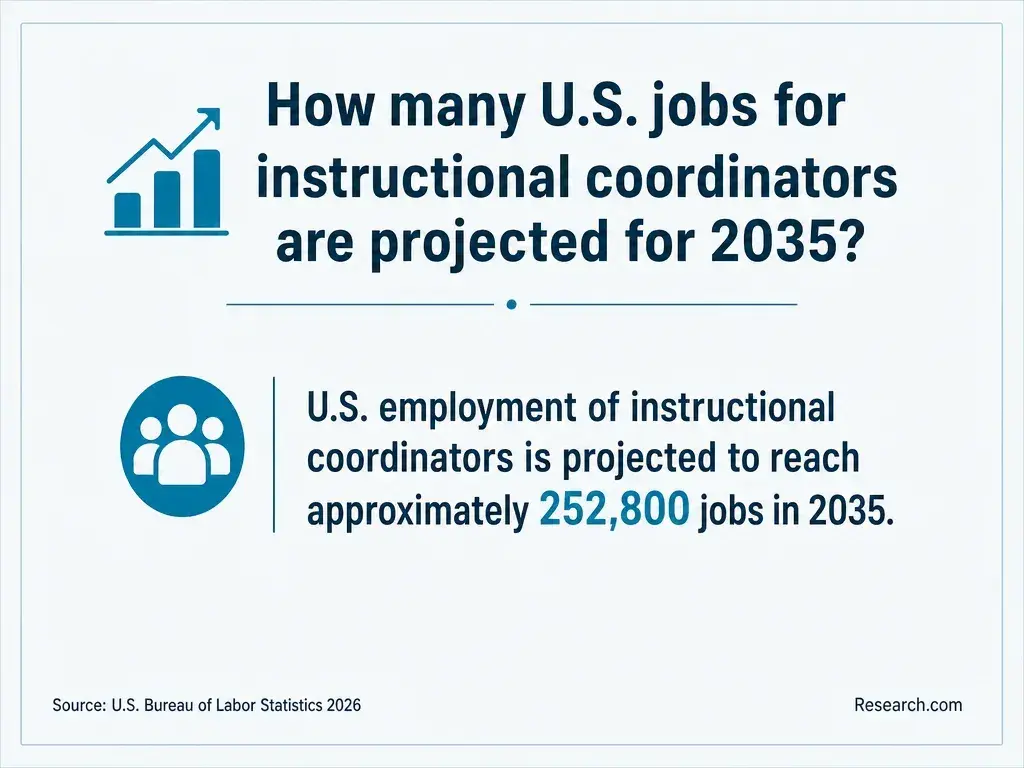
For an established learning and development professional, plausible next steps include managing training teams, designing leadership development, evaluating workforce programs, or leading organizational development initiatives. Consulting can draw on the same skills, but clients also expect evidence of delivery, sector knowledge, and the ability to manage engagements. Higher-education or public-sector roles may add governance, budgeting, and hiring requirements that differ from corporate work.
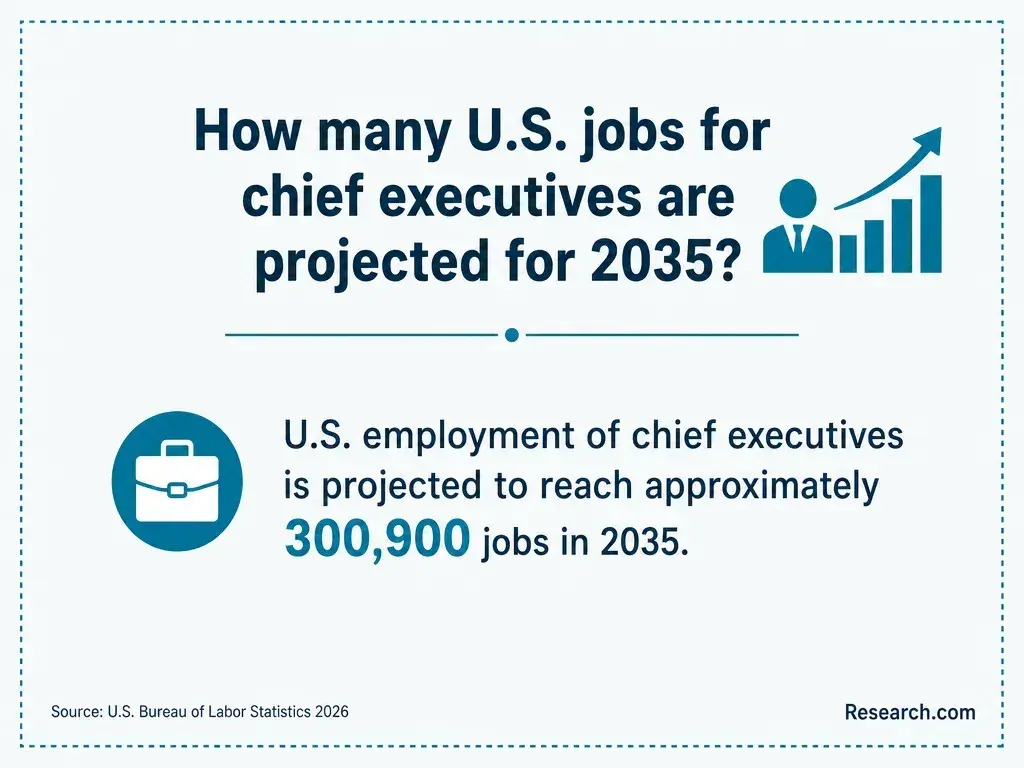
If your goals change, distinguish an adjacent move from a substantial switch. A training specialist who has evaluated programs may be well positioned to seek broader learning responsibilities. Moving into senior HR leadership, college administration, or an executive role usually requires additional functional experience and demonstrated authority over people, budgets, or strategy. For a college-focused path, compare Ed.D. options for organizational improvement in colleges against actual job descriptions before assuming a cross-sector doctorate is the closest fit.
Build portable evidence while studying: document the problem you addressed, your decision-making role, the methods used, and the limits of any results. Share only information your organization permits you to disclose.
Online study can make enrollment possible without relocating, which helps if a later job change takes you to another city. Campus-based study may make informal faculty contact and local networking easier. Neither format guarantees better mentorship, stronger employer connections, or a more flexible schedule.
Compare the obligations that would survive a career change: required live sessions, group meetings, campus convenings, attendance rules, and access to a project site. Ask whether students can complete the final project through an organization other than their employer, what approvals that requires, and whether a move across time zones would conflict with live classes. These details matter more to degree portability than the online label alone.
Relevant study may connect adult learning and instructional design with organizational diagnosis, change implementation, leadership development, and program evaluation. Research-methods courses can help you judge evidence and investigate a practice problem; exposure to a method is not the same as advanced research expertise.
For uncertain career goals, look for required work that develops transferable capabilities: identifying a learning or performance problem, engaging stakeholders, selecting defensible measures, interpreting findings, and communicating recommendations. Then check which specialized topics are actually required or available as electives. A course in talent development does not establish a formal talent-management concentration, and a workplace project does not automatically count as the program's doctoral deliverable.
Programs set their own admission rules. They may ask for graduate transcripts, evidence of relevant professional experience, recommendations, a statement of purpose, and an account of a problem you want to investigate. Check the specific program for degree, grade, test, and experience requirements rather than assuming an education master's or a managerial title is mandatory everywhere.
Use your application to show what you have already done: for example, how you identified a learning need, influenced stakeholders, or evaluated an initiative. Explain what you still need to learn. If you hold an Ed.S. or other graduate credits, distinguish credits used to establish admission eligibility from credits the university will apply toward the Ed.D. Review Ed.S. credit considerations for Ed.D. study, then request a written, program-specific evaluation before planning around a shorter degree.
Completion time depends on the required credits, enrollment pace, course sequence, and final project. A job or career change can also delay progress if it disrupts your schedule or project access. Request the program's standard study plan and ask what happens when a student needs a leave or a new project partner.
For a realistic cost comparison, add tuition and required fees to technology expenses, any campus travel and lodging, and the value of work time you may give up. Check whether employer reimbursement depends on continued employment, grades, or repayment after departure. Those conditions matter particularly when you want the freedom to change jobs.
Prior doctoral study calls for a separate review. Online all-but-dissertation Ed.D. pathways may be relevant to some returning learners, but admission, credit recognition, project requirements, cost, and time savings require an individual institutional decision.
Verify that the university holds institutional accreditation recognized by the U.S. Department of Education or the Council for Higher Education Accreditation. Confirm the status with the accreditor and check that the Ed.D. is an authorized degree offered by that institution. Accreditation supports a baseline check on the institution; it does not establish that a particular leadership curriculum fits your goals or qualifies you for licensure.
If you may move sectors, ask prospective employers whether they require a specific degree type or program approval in addition to institutional accreditation. Check those requirements before committing, because a well-accredited degree may still be the wrong preparation for a regulated position.
General organizational learning and development roles do not typically require a license solely because the worker holds an Ed.D. Employers may value relevant professional certifications, but those credentials have their own requirements and should be evaluated against the work you intend to do.
School administration is different. A broadly focused leadership and learning Ed.D. should not be assumed to prepare you for teacher, principal, or superintendent licensure. If that becomes your goal, obtain the program's licensure disclosure and confirm eligibility with the appropriate state authority before enrolling or changing your study plan.
What Salary and Job Outlook Can Ed.D. Graduates Expect?
The U.S. Bureau of Labor Statistics reports a May 2025 median annual salary of $133,000 for training and development managers, with employment projected to grow 6.4% from 2025 to 2035. That describes an occupation - not the earnings or prospects of Ed.D. graduates. Management experience, employer, location, and responsibilities affect whether the role is attainable.
A changing career goal also changes the relevant salary comparison. Rather than using the highest-paying occupation associated with leadership, identify the jobs you could credibly apply for now and after completing the degree. Compare their requirements with your experience, then treat any potential pay increase as uncertain when judging the cost of study.
Other Things You Should Know About EdD Leadership
Possibly, but ask the program what happens to project approval, supervision, and data access. Employer permission to conduct work does not automatically transfer to a new organization.
Only within your organization's confidentiality and intellectual-property rules. Ask what findings you may share, and use an approved, appropriately redacted account of your methods and responsibilities when necessary.
Check the institution's leave-of-absence and maximum-time-to-degree policies before enrolling. Also ask how a pause would affect financial aid and any employer reimbursement agreement.
It may develop useful research skills, but a practice-oriented Ed.D. is not interchangeable with a research-focused PhD. If academic research becomes your goal, examine the methods training, faculty opportunities, and hiring expectations in your intended field.
- Certification Procedures for Title IV of the HEA | ed.gov http://www.ed.gov/laws-and-policy/higher-education-laws-and-policy/higher-education-policy/ope-guidance-documents/frequently-asked-questions-certification-procedures-title-iv-of-hea
- Cost of Attendance (Budget) | 2025-2026 Federal Student Aid Handbook https://fsapartners.ed.gov/knowledge-center/fsa-handbook/2025-2026/vol3/ch2-cost-attendance-budget
- Understanding College Costs | studentaid.gov https://studentaid.gov/resources/prepare-for-college/students/choosing-schools/consider-costs
- State Authorization | Office of Academic Affairs https://oaa.osu.edu/academic-administration/state-authorization
- Advance Your Leadership Career with an Online Ed.D. | UMass Global https://www.umassglobal.edu/blog-news/advance-your-leadership-career-online-edd
- Federal Regulations - State Authorization Network - WICHE https://wcetsan.wiche.edu/resources/federal-regulations
- EdD vs. PhD in Education: What's the Difference? | Saint Leo University https://onlinedegrees.saintleo.edu/blog/edd-vs-phd
- EdD vs. PhD in Education: What's the Difference? | Northeastern University Charlotte https://charlotte.northeastern.edu/news/edd-vs-phd-in-education-whats-the-difference/