2027 Paying for an Online Ed.D. in Leadership and Learning in Organizations: Paying for One Term Before Receiving Sponsorship
Audited and Verified:
Our Editorial and Data Verification Process
Research.com uses government datasets, official education statistics and primary institutional information to support its career and degree guides. Our review process checks factual accuracy, occupational definitions, source dates and the requirements associated with the credentials discussed.
How This Article Was Fact-Checked
Our editorial team verifies salary estimates, employment projections, education requirements and program information against original data providers and official organizations. Salary figures are checked against the relevant occupational definitions and reporting periods. Information about licensure, accreditation and required in-person training is reviewed separately.
Fact-checked and verified on:

Co-Founder and Chief Data Scientist
An employer may be willing to sponsor your online Ed.D. but unable to pay until a later term. That leaves you responsible for the first bill - and possibly for costs the sponsorship agreement never covers.
If you work in leadership, learning and development, or organizational change, this guide will help you estimate the cash gap, compare ways to bridge it, and check whether later support makes the full degree affordable. The decision is not simply whether you can start; it is whether you can continue if reimbursement is delayed or denied.
Key Things You Should Know
- Get written confirmation of the sponsorship start term and whether the employer will reimburse your first term; approval to pursue a degree is not a promise to pay.
- Compare the university's first-term payment deadline with the employer's reimbursement date. A payment plan or loan may bridge the gap, but neither eliminates the underlying cost.
- Do not justify borrowing with an assumed promotion: the Bureau of Labor Statistics reports a $133,000 median annual salary for training and development managers, not for Ed.D. graduates.
What Is an Online Ed.D. in Leadership and Learning in Organizations?
An online Ed.D. in leadership and learning in organizations is a practice-oriented doctorate concerned with how people learn at work and how leaders improve organizations. Depending on the program, students may study adult learning, organizational change, leadership development, and applied research while working in business, education, healthcare, government, or nonprofit settings.
"Online" describes where much of the instruction occurs, not necessarily when it occurs. Live classes, group work, campus convenings, and an applied project can affect both your schedule and expenses. Confirm the exact degree and requirements before committing money. If your goal is primarily executive coaching or a narrow training skill, a shorter employer-funded course may serve you better; matching an Ed.D. focus to leadership goals can help clarify what the doctorate would add.
How Can You Pay for One Term Before Employer Sponsorship Begins?
Paying for one term before sponsorship begins is a cash-flow decision and a total-cost decision. First establish what the university will bill, when payment is due, and when your employer could actually send funds. A promise to sponsor future terms will not ordinarily settle an earlier university bill unless the employer explicitly agrees to retroactive coverage.
The options below differ most in when cash is available and who bears the risk if sponsorship does not begin as expected.
| Bridge option | What it may solve | Main limitation |
| Personal funds | Meets an immediate bill without borrowing | Reduces savings needed for other obligations |
| University payment plan | Spreads an eligible term's bill across due dates | May involve fees and usually does not defer the full cost |
| Scholarship or eligible federal loan | May cover approved educational expenses | Availability, disbursement timing, and eligibility must be confirmed |
| Written employer advance or retroactive reimbursement | May reduce what you ultimately pay yourself | Only the signed terms establish what the employer owes |
Before accepting an offer, work through this sequence with the university and your employer:
- Request a term-specific bill showing tuition, mandatory fees, deposit rules, and payment deadlines; add any required travel or technology expense.
- Ask payroll or benefits for the sponsorship start date, first eligible term, approval process, payment method, and reimbursement date in writing.
- Confirm whether first-term expenses can be reimbursed later, including expenses incurred before formal approval. If they cannot, treat that term as your own cost.
- Ask the financial aid and student accounts offices whether a payment plan or eligible aid will be available before the bill is due.
- Decide whether you can fund the first term and a plausible delay or loss of sponsorship without relying on an unapproved promotion or salary increase.
A faster program does not automatically fix a first-term funding gap: a heavier course load can make the first bill larger or exceed an employer's term limit. If timing is central to your decision, compare accelerated Ed.D. study options against the actual sponsorship rules, not just advertised completion time.
What Employer Sponsorship Options Help Pay for an Online Ed.D.?
Employer "sponsorship" can mean different things: direct payment to the university, reimbursement after you pass a course, an annual education allowance, or discretionary support from a department budget. Ask which arrangement you have. A manager's encouragement or a proposal awaiting approval is not the same as an executed benefits agreement.
For a leadership and learning Ed.D., employers may evaluate how coursework relates to your current responsibilities, such as evaluating a training program or leading organizational change. That connection can strengthen a request, but it does not make a doctorate automatically eligible. Review the written policy for approved programs, grade requirements, covered fees, annual or term caps, continued-employment conditions, and any obligation to repay the employer if you leave. If support begins after your first term, ask whether eligibility is based on the date you enroll, incur the charge, complete the course, or submit a claim.
If your employer wants a workplace project in return, keep funding approval separate from academic project approval. The university may have its own requirements, and access to employee or organizational data requires appropriate permission.
There is no reliable single price for an online leadership and learning Ed.D. Tuition may be charged per credit or per term, and required enrollment, fees, and completion time vary by institution. Request an official estimate for your intended entry term rather than treating an advertised tuition figure as the total you will owe.
This breakdown separates costs that can appear on a university bill from costs an employer may not cover. It also helps reveal whether the first-term gap is representative of later terms.
| Cost category | What to verify | Why it matters to the funding gap |
| Tuition and required fees | Charge basis, required credits, enrollment minimum, and fee schedule | Determines the billed amount and whether sponsorship caps apply |
| Travel and learning expenses | Required convenings, lodging, technology, and materials | May require payment even when tuition is covered |
| Time and project expenses | Unpaid leave, caregiving, and approved project-related costs | Can strain a household budget without appearing on the bill |
| Extended enrollment | Charges if coursework or the final project takes longer | Can continue after an employer's approved funding period ends |
Compare the estimated full-program amount you would personally pay, not just the first installment. Lower-tuition online leadership doctorate options may be worth considering if the first term is unaffordable without uncertain reimbursement; check that each alternative meets your academic and career goals.
Start with the program's financial aid office. Ask about institutional scholarships, eligibility for federal graduate aid, disbursement dates, and whether a student accounts payment plan can cover the first term. Professional doctorates should not be assumed to offer the funding packages sometimes associated with research PhD programs. Loan availability and terms depend on applicable rules and individual eligibility; confirm them before accepting an admission offer.
A payment plan changes when you pay, not how much you pay. A loan can supply funds before reimbursement but creates a repayment obligation even if your employer changes its policy. If the employer later reimburses an expense financed by a loan, ask the servicer how to make an additional payment; do not assume reimbursement automatically cancels the debt.
If your budget cannot absorb later terms without sponsorship, compare aid offers and budget-conscious doctoral study in education before enrolling. Deferring entry may be safer than borrowing for a first term on the assumption that an unsigned agreement will take effect.
Confirm that the university holds recognized institutional accreditation and that the accreditation covers the institution awarding the Ed.D. The school's official accreditation disclosure and the accreditor's directory are appropriate places to check; a program's marketing description is not a substitute.
Accreditation matters when assessing institutional quality and potential federal-aid eligibility, but it does not establish that an organizational leadership doctorate qualifies you for a regulated role. If your intended job requires teacher, principal, superintendent, or another professional license, verify the specific program's licensure disclosure and the relevant state authority's rules before paying a deposit. An employer may also have its own rules about which institutions and degrees qualify for sponsorship.
Admission requirements differ by program. Schools may ask for a graduate degree or qualifying graduate study, professional experience, transcripts, recommendations, a statement of purpose, and evidence that you can undertake applied doctoral work. Do not assume a master's in education, a particular leadership title, or prior publication is universally required.
For this funding scenario, distinguish admission from financial clearance to enroll. Ask when you must accept admission, pay a deposit, register, and become responsible for tuition. Then compare those dates with your employer's approval cycle. If sponsorship is pending, request any permitted deferral terms in writing rather than assuming an admission offer can be held without cost.
Leadership and learning programs commonly connect organizational challenges with adult learning, leadership, change, and evidence-based improvement. A student might learn to diagnose a workplace learning need, design an intervention, and assess its implementation. The exact courses, live-session requirements, and final project vary, so inspect the curriculum for the program you intend to fund.
Ask whether the degree ends in a dissertation, dissertation in practice, capstone, or another approved deliverable. The distinction affects workload and potentially how long you will pay tuition. If an extended dissertation is a concern, examine Ed.D. study without a conventional research dissertation, while verifying what substantial final project is still required. Employer sponsorship of tuition does not itself grant permission to use workplace data for that project.
An online organizational leadership Ed.D. may help experienced professionals pursue broader responsibilities in learning and development, organizational development, consulting, nonprofit leadership, or education administration. For example, a learning and development professional might use applied evaluation skills to move from delivering courses toward planning and assessing an organization-wide initiative.
The degree does not replace sector knowledge, managerial experience, or an employer's hiring requirements. Before accepting a personally funded first term, identify the responsibilities you want next and ask whether your current employer offers a credible path to them. If the goal is a specific skill or internal promotion that does not call for a doctorate, an employer-sponsored leadership program or targeted graduate study may carry less financial risk.
What Salaries and Job Outlook Can Ed.D. Graduates Expect?
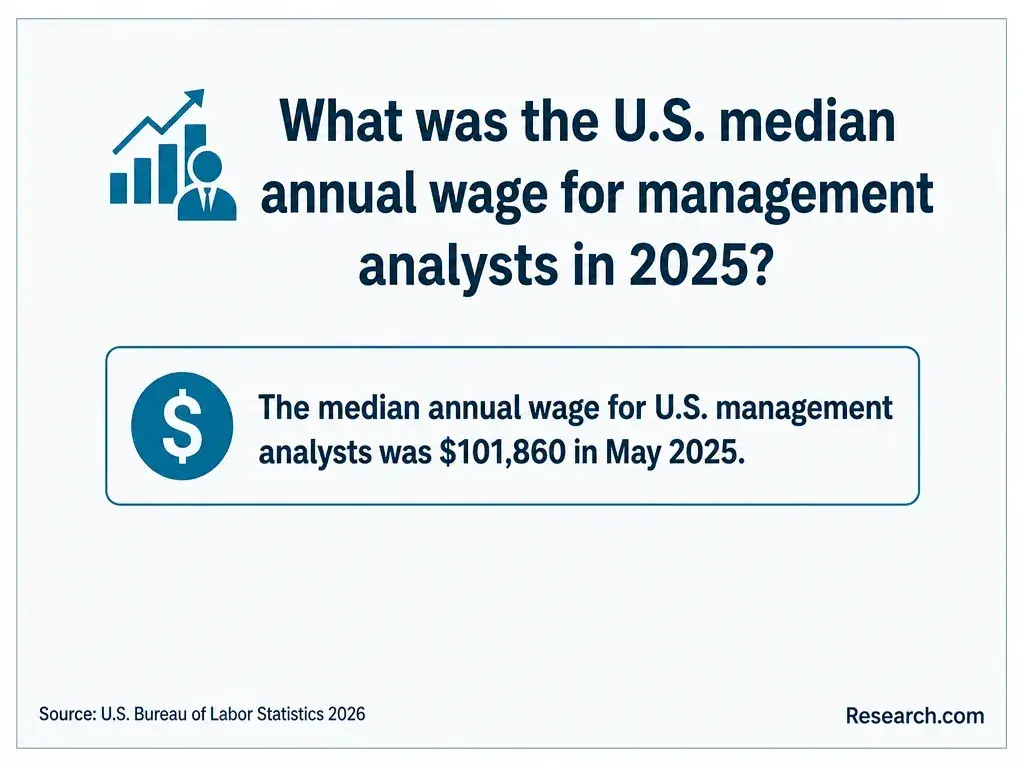
Occupational data can provide context, not a forecast of your return on tuition. The Bureau of Labor Statistics reports a May 2025 median annual salary of $133,000 for training and development managers and projects 6.4% employment growth for that occupation from 2025 to 2035. Those figures describe an occupation across workers with different backgrounds; they do not describe starting salaries, Ed.D. graduate earnings, or the chance of promotion.
For your decision, compare your current compensation with actual roles you could qualify for based on your experience, location, and employer. If advancement depends on gaining responsibility rather than holding a doctorate, funding the first term may not be the best next investment - even when the later tuition benefit is attractive.
Other Things You Should Know About EdD Leadership
Possibly. Ask admissions whether your offer can be deferred, for how long, and whether a new application, deposit, or changed tuition schedule would apply. Get the answer in writing.
It may reduce the immediate bill, but it can extend enrollment or affect aid and employer eligibility. Confirm minimum enrollment requirements with both offices before changing your schedule.
Tax treatment depends on the employer's plan, the type of assistance, and applicable tax rules. Ask payroll what will appear on your tax documents and consult a qualified tax professional about your circumstances.
Usually you can request withdrawal, but the amount still owed depends on the university's published refund schedule and your withdrawal date. Review those deadlines before your first class begins.
- Payment Plan Options - Spartan Central - UNC Greensboro https://spartancentral.uncg.edu/tuition-billing-payments/payment-plan-options/
- Employer Tuition Reimbursement: How It Works and How to Pay for College | Winston-Salem State University https://ramsonline.wssu.edu/blog/employer-education-benefits/
- Refunds for Withdrawal | Student Services Center https://studentservices.ncsu.edu/finances/bills-payments-and-refunds/refunds-and-reimbursements/refunds-for-withdrawal/
- Payment Plan - Niner Central - UNC Charlotte https://ninercentral.charlotte.edu/billing-payments-refunds/payment-options/payment-plan
- Refunds | Policies https://discover.trinitydc.edu/policies/refunds/
- Ed.D. Tuition and Financial Aid - Peabody | VU-EDU https://peabodyonline.vanderbilt.edu/edd-in-organizational-learning/tuition-and-financial-aid/
- What Is Tuition Reimbursement? How It Works for Grad School | University of Kansas https://admissions.ku.edu/blog/what-is-tuition-reimbursement
- Dropping a Graduate Course or Withdrawing from all Courses | The Graduate School https://gradschool.umd.edu/coronavirus/dropping-graduate-course-or-withdrawing-all-courses
- What Is Tuition Reimbursement and How Does It Work? | American InterContinental University https://www.aiuniv.edu/blog/2016/march/what-is-tuition-reimbursement
- Semester Payment Plan | About the University of Cincinnati https://www.uc.edu/about/bursar/pay-bill/tuition-payment-plan.html