2027 Choosing an Online Ed.D. in Leadership and Learning in Organizations for Leadership in Asset Management Firms
Audited and Verified:
Our Editorial and Data Verification Process
Research.com uses government datasets, official education statistics and primary institutional information to support its career and degree guides. Our review process checks factual accuracy, occupational definitions, source dates and the requirements associated with the credentials discussed.
How This Article Was Fact-Checked
Our editorial team verifies salary estimates, employment projections, education requirements and program information against original data providers and official organizations. Salary figures are checked against the relevant occupational definitions and reporting periods. Information about licensure, accreditation and required in-person training is reviewed separately.
Fact-checked and verified on:

Co-Founder and Chief Data Scientist
Asset management firms need leaders who can develop people, implement change, and assess whether training improves performance. They also need investment expertise and strong regulatory judgment, skills an Ed.D. does not automatically provide.
If you already work in investment management, talent development, operations, or compliance, an online Ed.D. in Leadership and Learning in Organizations may support a particular leadership goal. This guide explains where the degree fits, where another pathway is more direct, and what to verify before committing your time and money.
Key Things You Should Know
- An Ed.D. is most relevant to asset management leaders responsible for workforce learning, organizational change, or leadership development - not as a substitute for investment experience or required registration.
- Evaluate the proposed doctoral project as carefully as the coursework: firm permission, access to appropriate data, confidentiality, and faculty approval can determine whether your intended topic is feasible.
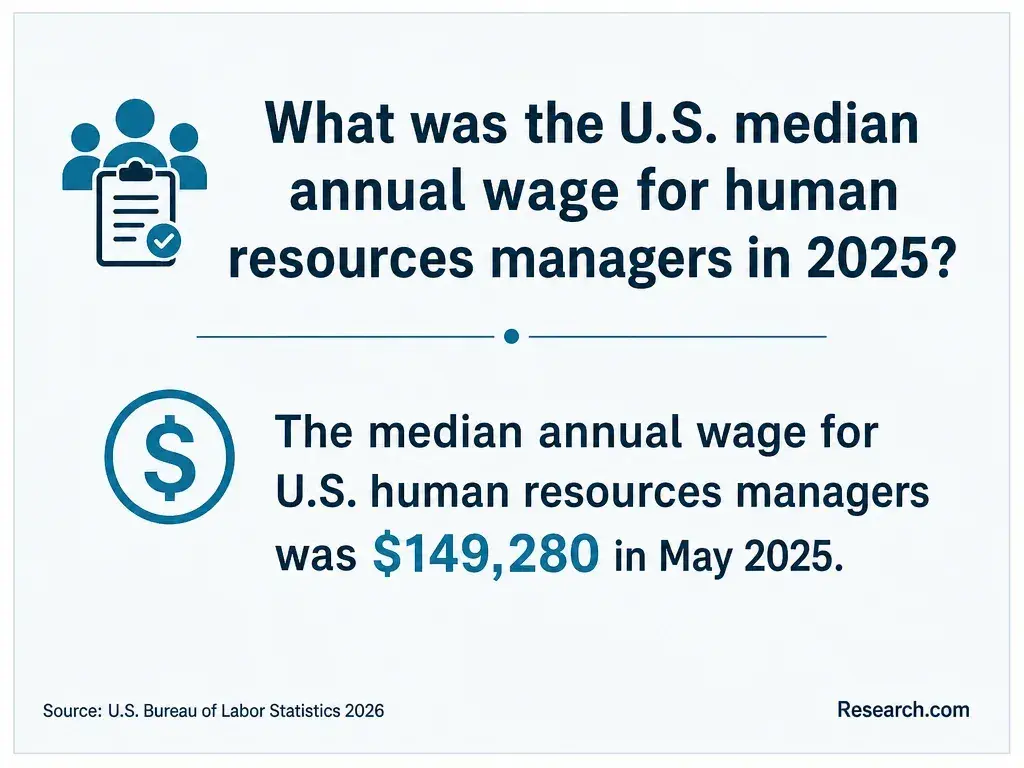
- The U.S. Bureau of Labor Statistics reports a $133,000 median annual salary for training and development managers in May 2025. That occupational median is not an expected salary for Ed.D. graduates or asset management employees.
What is an online Ed.D. in Leadership and Learning in Organizations?
An Ed.D. in Leadership and Learning in Organizations is a practice-oriented doctorate focused on how organizations develop people, lead change, and use evidence to improve work.
The wording describes a field of study, not a standardized degree title: universities differ in their official program names, required courses, and culminating projects. "Online" describes where much of the instruction occurs; it does not necessarily mean self-paced study or no campus visits.
For an asset management professional, the degree is principally about leading organizational learning. It is not a finance qualification or a credential in portfolio management. A PhD may better fit someone seeking a research-centered academic career; a DBA may better fit a business-research problem; and an MBA or focused executive program may be more direct for general management or finance development.
Programs also differ substantially in duration and course sequencing. If the time commitment could change your decision, use a guide to comparing Ed.D. completion timelines as a starting point, then confirm each university's current requirements and realistic completion expectations.
How can an Ed.D. prepare leaders for asset management firms?
In an investment-focused asset management firm, an Ed.D. can help a leader diagnose learning needs, develop managers, and evaluate a change initiative.
Possible applications include improving how newly promoted team leads coach analysts or assessing whether a revised onboarding process helps employees apply firm procedures. These are potential projects, not claims that training alone can fix incentive, technology, staffing, or governance problems.
The best educational route depends on the responsibility you want to take on. This comparison separates organizational-learning preparation from finance and investment preparation:
| Target responsibility | Potentially useful route | Important limitation |
| Lead talent development or firmwide learning | Leadership-and-learning Ed.D., supported by relevant management experience | The doctorate does not confer a senior title or prove that a learning initiative works. |
| Manage investments or investment teams | Investment experience and role-relevant finance education or credentials | An Ed.D. does not replace investment judgment or applicable registration. |
| Improve a defined leadership or training process | Employer-sponsored development, a focused certificate, or an Ed.D. if sustained applied inquiry is valuable | A narrower intervention may achieve the goal sooner and at lower cost. |
Before treating your firm as a project site, ask who can authorize the work and what information may be used. Employee assessments, client information, portfolio records, and internal performance measures can be restricted.
University review and employer permission are separate decisions. If a workplace problem is central to your goal, examine Ed.D. programs emphasizing applied culminating work, then verify the actual project format and approval process at each school.
Is an online Ed.D. accredited and equivalent to a campus-based degree?
An online Ed.D. can be a doctorate awarded by an institution with recognized institutional accreditation. Delivery mode alone does not determine the degree's academic status.
Check the university's accreditation, the exact degree awarded, and whether online students follow the same stated doctoral requirements. Do not assume that accreditation of the university establishes a special asset management credential or professional licensure eligibility.
Academic recognition and career value are different questions. An employer may value an accredited doctorate for a learning-leadership position while prioritizing investment results, regulatory experience, or client-facing judgment for another role.
Ask a prospective program whether the diploma or transcript identifies the delivery mode, and ask your employer how it evaluates the specific degree for the position you want.
Relevant study may cover adult learning, leadership development, organizational culture, change implementation, research methods, and program evaluation.
For an asset manager, the useful test is whether coursework helps you make a better organizational decision: identify a performance problem, distinguish a skills gap from a process problem, select a feasible intervention, and assess its results without overstating causation.
Course titles alone cannot establish that a program teaches finance-sector compliance or advanced analytics. Review syllabi, elective availability, faculty expertise, and the culminating-project rules. A proposed study of manager onboarding, for example, might use interviews and appropriately authorized aggregate measures.
It would still need a credible design, attention to selection bias and confidentiality, and any required institutional or employer review. An encouraging before-and-after result would not, by itself, prove that onboarding caused an improvement.
Requirements vary by university. Programs may ask for a completed master's degree, transcripts, recommendations, a statement of purpose, a résumé, and evidence of relevant professional experience; some also specify grades, tests, or interviews.
A finance or business background is not automatically disqualifying. Your application is stronger when it shows actual responsibility for developing people or improving an organization, rather than relying on a managerial title alone.
Explain a real asset management learning problem you have encountered, what decisions you were responsible for, and why doctoral study would help.
Do not promise access to firm data or a completed workplace project before the firm and university approve it. If you hold an education specialist degree, online Ed.S.-to-Ed.D. study pathways may be worth examining; confirm separately whether prior study meets admission conditions or applies toward doctoral requirements.
Time and total cost depend on required credits, course sequence, enrollment pace, and the time needed to complete the doctoral project. Published minimum completion times may not reflect delays in obtaining project approval or organizational data.
Online students may also have live classes, group meetings, or required campus convenings that conflict with market-hours work, travel, or reporting cycles.
Request a written estimate based on your proposed enrollment plan. It should distinguish tuition from mandatory fees, books or technology, any required travel, and the cost of additional terms if the project takes longer.
Ask your employer whether assistance is available, whether it covers a doctorate, and whether continued employment or repayment conditions apply. For a tuition-conscious search, choosing an education doctorate with a manageable tuition budget is only the first step; compare complete, program-specific costs before enrolling.
Within asset management, plausible paths include learning and development leadership, talent development, leadership-program management, organizational development, and change-focused roles in operations. An experienced professional might also apply organizational-learning skills in consulting.
These roles differ from portfolio management, investment research, and regulated advisory work, where an Ed.D. is not a replacement for functional experience.
Match the degree to the job description rather than the job title. A talent leader may need a record of managing programs and stakeholders; a consultant needs evidence of diagnosing and implementing change.
The Bureau of Labor Statistics projects 10.1% U.S. employment growth for management analysts from 2025 to 2035, but that broad consulting occupation includes many industries and does not predict demand for Ed.D. holders at asset managers.
There is no reliable single salary figure for Ed.D. graduates working in asset management leadership. Pay depends on the job, firm, location, seniority, and compensation structure, not simply on holding a doctorate. As one relevant benchmark, the Bureau of Labor Statistics reports a $133,000 U.S. median annual salary for training and development managers in May 2025.
That figure covers the occupation across industries; it is neither an asset management salary estimate nor a return-on-investment forecast for the degree.
For a personal financial decision, compare roles you can realistically qualify for now with specific internal openings or documented employer expectations after graduation. Consider the full cost of study and any work you would forgo. If the target role does not value a doctorate, a salary increase is an unsound assumption.
There is no universal asset management leadership license, and an Ed.D. grants no securities registration. Requirements depend on what a person does. Investment advisory, securities sales, supervisory, and other regulated activities can involve different registrations, examinations, and firm or state requirements.
Credentials such as the CFA designation may be relevant to investment work, but they are separate from a leadership-and-learning doctorate and do not substitute for any required registration.
A leader whose work is confined to internal learning and development may have different requirements from someone advising clients or supervising regulated activity.
Before choosing a credential, give the firm's compliance team a description of your intended duties and ask which registrations, continuing-education obligations, or employer policies apply. Do not infer eligibility from a degree title or a course on ethics.
How do you choose a reputable online Ed.D. program?
Choose for the work you intend to do, not for the broad appeal of "leadership" in a program name. A credible shortlist should let you verify academic standing, study logistics, and whether a feasible asset management project can satisfy the degree's requirements.
Use these questions in conversations with program staff and faculty:
- What is the exact degree awarded, who accredits the institution, and which courses are required rather than optional?
- When are live sessions and campus convenings, and what support is available during the culminating project?
- Can a student investigate an organizational learning issue at a financial firm, and what approvals, data access, and research review would be required?
- What is the complete cost under a realistic study plan, and what happens if employment or project access changes?
Ask for written answers to policies that materially affect your decision. Applicants with unfinished doctoral study can also review Ed.D. programs considering previous doctoral coursework, but only the receiving institution can determine whether credits transfer or reduce requirements.
If your main goal is investment leadership rather than leading learning or organizational change, compare the Ed.D. with a more direct finance, management, or employer-development route before applying.
Other Things You Should Know About EdD Leadership
Possibly, if the project meets the program's academic requirements. Public information may support a sector-level question, but it may not provide the internal evidence needed to evaluate a firm's learning process. Confirm the proposed scope with faculty before relying on it.
Not necessarily. Academic submission, public distribution, and use of company information may require different permissions. Discuss confidentiality, intellectual property, and redaction with both the firm and the university before selecting a topic.
It may support some teaching applications, but institutions set their own discipline-specific qualifications. Investment expertise and relevant academic preparation may matter more than a doctorate focused on organizational learning.
Coursework may continue, but a workplace-based project could lose its sponsor or data access. Ask the program in advance whether you could change project sites or revise the topic, and what approvals and delays that would involve.
- Accreditation in the U.S. | ed.gov http://www.ed.gov/laws-and-policy/higher-education-laws-and-policy/college-accreditation/accreditation-in-the-us
- Maximizing the Impact and ROI of Leadership Development | nih.gov https://pmc.ncbi.nlm.nih.gov/articles/PMC11505461/
- Cost of Attendance (Budget) | 2025-2026 Federal Student Aid Handbook https://fsapartners.ed.gov/knowledge-center/fsa-handbook/2025-2026/vol3/ch2-cost-attendance-budget
- About | Adult Learning and Leadership | Organization and Leadership | Teachers College, Columbia University https://www.tc.columbia.edu/organization-and-leadership/adult-learning-and-leadership/about/
- What's the Difference Between Asynchronous and Synchronous Learning? | Ohio State Online https://online.osu.edu/content-hub/blogs/whats-the-difference-between-asynchronous-and-synchronous-learning/
- Walden University's Guide to Doctoral Capstone Projects https://www.waldenu.edu/online-doctoral-programs/resource/guide-to-doctoral-capstone-projects
- Asynchronous Courses Still Need Human Connection | harvard.edu https://hbsp.harvard.edu/inspiring-minds/asynchronous-online-courses-human-connection-strategies
- EdD vs. PhD in Education: Choosing the Right Program | Goodwin College of Professional Studies https://drexel.edu/soe/resources/career-path/edd-vs-phd/
- What Is a Capstone Project? Types, Examples, and Tips | SCU https://www.scu.edu/business/blog/business-concepts/what-is-a-capstone-project/
- Education in School System Leadership, Ed.D. | UMD College of Education https://education.umd.edu/academics/programs/doctoral/education-school-system-leadership-edd