2027 Online Ed.D. in Leadership and Learning in Organizations: Comparing Coursework in Hybrid Workplace Learning
Audited and Verified:
Our Editorial and Data Verification Process
Research.com uses government datasets, official education statistics and primary institutional information to support its career and degree guides. Our review process checks factual accuracy, occupational definitions, source dates and the requirements associated with the credentials discussed.
How This Article Was Fact-Checked
Our editorial team verifies salary estimates, employment projections, education requirements and program information against original data providers and official organizations. Salary figures are checked against the relevant occupational definitions and reporting periods. Information about licensure, accreditation and required in-person training is reviewed separately.
Fact-checked and verified on:

Co-Founder and Chief Data Scientist
Designing learning for employees who divide their time between home, offices, and other worksites requires more than moving training online. Leaders must decide what people need to learn together, what they can learn independently, and how to tell whether either approach improves work.
This article is for learning and development professionals and emerging organizational leaders considering an online Ed.D. in leadership and learning in organizations. It compares doctoral coursework with the realities of hybrid workplace learning, then shows how to evaluate a program's curriculum, applied projects, and practical fit.
Key Things You Should Know
- An online Ed.D. can teach adult learning, organizational change, and evaluation, but online course delivery is not itself evidence that a program teaches hybrid workplace learning well.
- Compare programs by what students actually design and evaluate: learning across locations, manager-supported transfer, collaboration, access, and measurable workplace outcomes.
- The U.S. median annual pay for training and development managers was $133,000 in May 2025; that occupational figure is not a predicted salary for Ed.D. graduates.
What Is an Online Ed.D. in Leadership and Learning in Organizations?
An Ed.D. in this area is a practice-oriented doctorate concerned with how organizations develop people, lead change, and use evidence to improve learning. "Online" describes how students participate in the degree; it does not define the subject matter or guarantee a self-paced schedule. Programs may combine recorded work with live discussions, team assignments, campus convenings, and an applied final project.
Hybrid workplace learning is learning designed for employees who work across remote and in-person settings. It may include self-directed modules, live virtual practice, on-site coaching, and support embedded in daily work. That differs from a hybrid doctoral program, which combines online study with required in-person attendance. Check which meaning a school intends when it uses "hybrid."
The degree is most relevant if you already design learning, lead teams, or manage organizational change and need to investigate problems across an organization. If your immediate need is to build a virtual course or learn one learning platform, targeted instructional design training and supervised projects may be more direct.
How Does Online Ed.D. Coursework Compare With Hybrid Workplace Learning?
Doctoral study and workplace learning operate at different levels. An online Ed.D. can provide theories, research methods, feedback, and time to test a problem; a hybrid workplace demands solutions that employees and managers can use within real schedules and constraints. The comparison below shows what to look for in coursework rather than assuming that a program's online format supplies these skills.
| Dimension | What useful Ed.D. coursework should develop | What hybrid workplace learning requires |
| Learning design | Adult learning, motivation, instructional design, and learning transfer | Choosing which activities need live practice, independent study, or on-the-job support |
| Leadership | Organizational diagnosis, stakeholder engagement, and change implementation | Manager support and fair participation across locations, roles, and shifts |
| Evidence | Needs assessment, qualitative and quantitative methods, and evaluation | Measures of work performance and access, not just attendance or course satisfaction |
| Collaboration | Faculty-guided inquiry and constructive work with a doctoral cohort | Learning experiences that connect employees who rarely share a room |
A strong course assignment might ask a student to diagnose why a leadership-development program transfers poorly to daily work, propose different practice opportunities for remote and on-site employees, and specify how managers would support those opportunities. That is more relevant than simply producing another webinar. It is still a proposal until an organization permits implementation and appropriate evidence is collected.
Evaluate the sequence, not just course titles: Can you study learning theory before designing an intervention, learn research methods before claiming an effect, and obtain feedback while revising a workplace project? Ask for sample assignments and project guidelines. A program focused mainly on school administration may be a weaker match than one offering substantial organizational learning and evaluation work, even if both award an Ed.D.
What Careers Can You Pursue With This Ed.D. Degree?
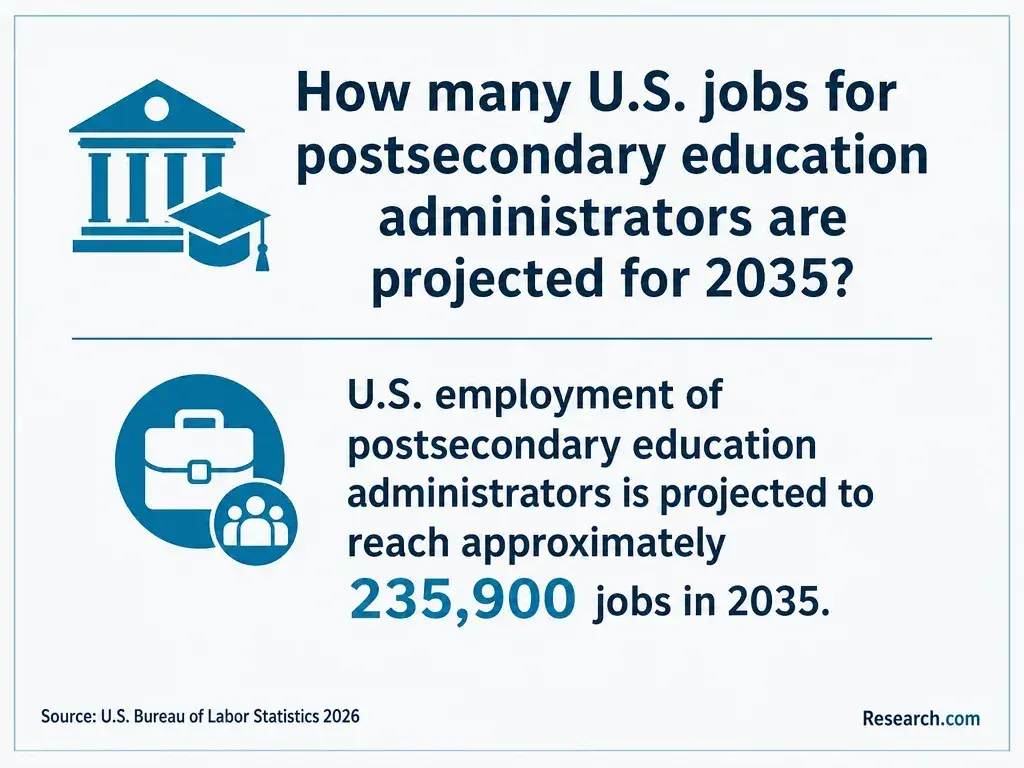
For an established learning professional, the clearest applications are broader responsibility for learning strategy, leadership development, workforce development, or organizational change. Training and development managers typically oversee programs, staff, budgets, and alignment with organizational goals. Organizational development consultants diagnose problems and help clients plan and assess change. Higher-education administrators have different governance and hiring expectations; readers targeting that sector can explore comparing Ed.D. organizational leadership study for higher education.
The degree can strengthen your ability to frame an organizational problem and evaluate a response, but it does not replace experience managing people, influencing stakeholders, or delivering results. If you are moving from instructional design into organizational development, seek cross-functional projects and mentorship alongside coursework. For a narrow platform-design role, a portfolio and technical training may carry more immediate value than a doctorate.
Course names and requirements vary, but the most useful curriculum for hybrid workplace learning connects adult learning and instructional design to organizational systems. Look for work on learning transfer, leadership development, culture and change, needs assessment, program evaluation, and research methods. A learning-analytics course is useful only if it also addresses valid measures, interpretation, and responsible use of employee data.
Examine whether these are required courses, electives offered regularly, or topics mentioned within broader classes. One course on technology does not establish a formal hybrid-learning specialization or advanced analytics preparation. Likewise, the final requirement may be a dissertation in practice, capstone, or another approved project; schools set different standards for scope, supervision, and evidence. If the final deliverable matters to your decision, compare practice-focused Ed.D. final project options, then confirm each program's current rules.
For a useful applied project, consider a question your organization could actually act on - for example, whether managers can support practice after a blended leadership program. Before promising a study, confirm project-site approval, data access, faculty expectations, confidentiality safeguards, and whether institutional research review is needed.
Start by confirming the institution's accreditation through its stated accreditor and the U.S. Department of Education's recognized-accreditor information. Then verify the exact degree title and curriculum: institutional accreditation does not establish that a program specializes in workplace learning or prepares graduates for a licensed education role.
Request a current degree plan and ask which assignments address distributed teams, adult learning, organizational diagnosis, and evaluation. Confirm live-class attendance, time zones, group-work expectations, campus visits, faculty access, and the approved forms of final project. If you need to study a workplace problem, ask whether an external partner is allowed and what happens if you change employers. These details can matter more than an "online" label.
Finally, compare the program's evidence with your goal. A published course list shows coverage, not the depth of feedback or the quality of student work. Ask how students receive methods guidance and how the school reports completion outcomes; check what population and period any reported figures describe.
Requirements are program-specific. Schools may ask for a completed graduate degree, transcripts, recommendations, a statement of purpose, a résumé documenting relevant professional work, and an interview. Some specify academic or experience thresholds; others assess readiness more holistically. Do not assume that an education master's, a senior job title, or prior publication is universally required.
For this subject, a persuasive application connects your actual responsibilities to a feasible learning or leadership problem. Describe decisions you have influenced, the people affected, the evidence you would need, and why doctoral study - not just another training course - would help. If you hold an Ed.S. or other prior graduate credential, review online doctoral program choices after an Ed.S. while asking each admissions office to distinguish credits considered for eligibility from credits that would actually apply to the doctorate.
Completion time depends on the required coursework, enrollment pace, course sequence, and final-project process; there is no universal online Ed.D. timeline. Cohort schedules can limit when a course is available, while workplace permissions or data access can delay an applied project even after classes end.
Ask for the program's published completion expectations and a term-by-term plan for your intended enrollment pace. Check whether live meetings, group projects, or campus convenings conflict with your work schedule, and whether a leave changes course availability or tuition obligations. If speed is essential, compare fast-track online education doctorate programs against their actual attendance and final-project requirements - not advertised duration alone.
There is no reliable single price for an online organizational leadership Ed.D.; schools charge by credit, term, or another published structure, and the final bill depends on progression. To compare tuition across online Ed.D. programs, obtain a written estimate for your enrollment plan and separate the following costs:
- Required tuition, university fees, and any charges for continued final-project enrollment
- Technology, books, and required travel or lodging for campus convenings
- Potential reduced work hours, caregiving, and costs of completing an approved workplace project
Ask whether employer assistance is paid upfront or reimbursed, whether it covers fees, and whether leaving the job triggers repayment. Compare the resulting cost with a smaller learning-and-development credential or employer-sponsored project if your goal does not require a doctorate. Do not count a possible promotion or salary increase as guaranteed funding.
The U.S. Bureau of Labor Statistics reports a May 2025 median annual salary of $133,000 for training and development managers. That describes workers in the occupation across educational backgrounds and experience levels, not the expected earnings of someone who completes this degree. A student still needs evidence of management, budgeting, and learning-strategy responsibility to compete for such roles.
BLS projects 10.8% employment growth for training and development specialists from 2025 to 2035. This suggests opportunities in learning work, but specialist openings and manager openings require different experience. Use occupation-level data to understand the market, then inspect job postings and internal advancement criteria for the positions you actually want.
Do Ed.D. Graduates Need Licensure or Professional Certifications?
General corporate learning, organizational development, and consulting roles do not acquire a universal professional license through an Ed.D. Employers may value relevant certifications or demonstrated technical skills, but those are separate from the doctoral degree.
School leadership is different: a principal or superintendent position may require state-specific credentials and experience. A broadly focused leadership-and-learning Ed.D. should not be treated as an approved licensure pathway without confirmation from the program and the relevant state authority. Check the requirements of your target role before choosing coursework for its title alone.
Other Things You Should Know About EdD Leadership
Follow the program's academic-integrity rules and your organization's data policies. Do not enter confidential employee information into a tool without authorization, and document how permitted tools contributed to your work.
Ask the program whether a project using public information, appropriately authorized aggregate data, or an external partner could meet its requirements. Do not assume you can substitute a project without faculty approval.
That depends on university rules, organizational agreements, and the information it contains. Seek permission and prepare a version that removes restricted details before sharing it as portfolio evidence.
No. Satisfaction can reveal participants' reactions, but it does not establish skill use or improved work. Choose measures that match the decision at hand and be clear about what the available evidence cannot prove.
- Evaluate Training: Measuring Effectiveness | cdc.gov https://www.cdc.gov/training-development/php/about/evaluate-training-measuring-effectiveness.html
- Mental health at work | who.int https://www.who.int/news-room/fact-sheets/detail/mental-health-at-work
- Online EdD - Doctor of Education in Leadership + Innovation | ASU Online https://asuonline.asu.edu/online-degree-programs/graduate/edd-leadership-and-innovation/
- Course Assessment Plan Development | osu.edu https://drakeinstitute.osu.edu/institute-articles/course-assessment-plan-development
- Courses | Organization and Leadership | Columbia University https://www.tc.columbia.edu/organization-and-leadership/courses/
- Ultimate Guide to Hybrid Degree Programs | Goodwin University https://www.goodwin.edu/enews/hybrid-degree-programs/
- 2026 UNC Online EdD in Organizational Learning & Leadership https://online.unc.edu/online-doctoral-programs/online-edd-organizational-learning-and-leadership/
- 5 Benefits of Corporate Cohort-Based Learning | Harvard Business School https://online.hbs.edu/blog/post/corporate-cohort-learning
- Hybrid College Classes: What They Are & How They Work | beal.edu https://beal.edu/what-are-hybrid-college-classes/
- How online learning builds remote work skills for today's workplace | Penn LPS Online https://lpsonline.sas.upenn.edu/features/how-online-learning-builds-remote-work-skills-todays-workplace