2027 Online Corrections Degree Programs With Monthly Tuition Payment Plans

Co-Founder and Chief Data Scientist
Paying a large tuition bill at the start of each term can keep prospective corrections professionals from enrolling, even when an online program otherwise fits their schedule. Monthly tuition payment plans divide a school's net balance into scheduled installments, usually within one term.
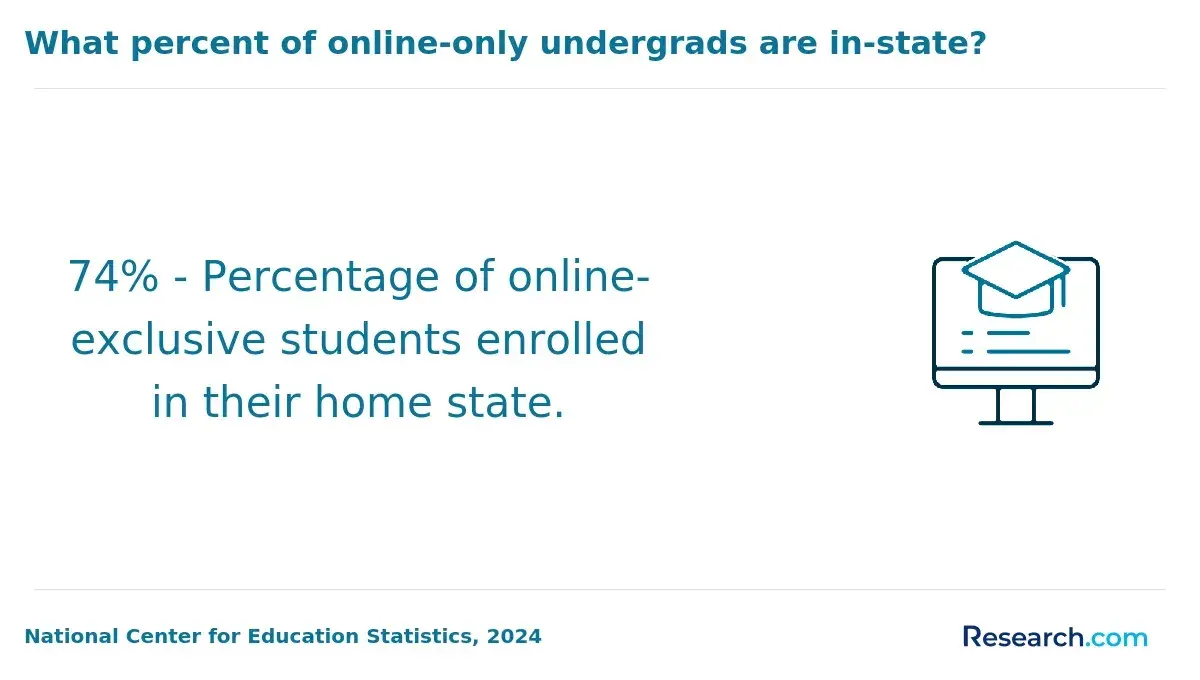
National Center for Education Statistics data published in 2024 show that about 7.2 million U.S. undergraduates were enrolled exclusively online in fall 2022, underscoring why flexible payment options matter. This guide helps aspiring correctional officers, case managers, and justice professionals compare plan terms, costs, aid rules, and program fit.
Key Things to Know About Corrections Programs with Monthly Tuition Payments
- Online Corrections degrees are often offered as criminal justice, corrections and rehabilitation, or public safety programs; many colleges provide term-based installment plans rather than a single year-round monthly tuition arrangement.
- A payment plan can improve cash-flow management, but it does not reduce tuition: a $11,610 annual tuition amount spread across 10 equal payments would be about $1,161 monthly before fees, books, or aid adjustments.
- Confirm the enrollment fee, required down payment, missed-payment consequences, and whether federal aid is applied before installments are calculated; those terms vary substantially by school and term.
Which online Corrections degree programs have monthly tuition payment plans?
Standalone online Corrections degrees are less common than online criminal justice degrees with corrections, rehabilitation, juvenile justice, or law-enforcement coursework. A monthly payment plan is usually administered at the institutional level, so availability can depend on the campus, program format, enrollment term, and whether a student has an unpaid balance after aid.
The programs below are examples of online pathways that may serve corrections-focused career goals. Prospective students should ask the bursar or student accounts office for the current plan agreement in writing before treating a plan as available.
| Online program type | Corrections relevance | What to verify before applying |
| Bachelor's in criminal justice with corrections or rehabilitation coursework | May support advancement into custody, classification, reentry, or supervision roles | Whether the school offers a term payment plan for fully online students and the number of installments |
| Associate degree in criminal justice or criminal justice technology | Often a lower-cost entry route for correctional officer or support roles, subject to employer requirements | Resident tuition rules, online course availability, and whether fees are due before classes begin |
| Master's in criminal justice, public administration, or justice studies | May fit experienced professionals pursuing leadership, policy, or administration work | Whether graduate tuition is billed by credit, by term, or at a flat rate and whether installments cover the full balance |
Schools commonly use third-party tuition-management platforms or an internal billing office. Ask whether the plan is available for your specific academic term, not merely whether the university "offers payment plans." A plan available to campus students may have different deadlines for online learners.
Corrections work also overlaps with community services and reentry support. Students considering case-management-oriented careers may compare the curriculum and financing structure of an MSW degree with a criminal justice pathway, particularly if their intended role involves behavioral health or social services rather than custody operations.
How much do online Corrections degree programs typically cost?
There is no single national tuition average specific to online Corrections degrees because programs are frequently classified under criminal justice and colleges price them differently by residency, transfer credits, and course load. For a useful benchmark, the College Board's 2024-2025 published tuition and fee averages were $4,050 for public two-year in-district students and $11,610 for public four-year in-state students. Those figures are benchmarks, not quotes for an online Corrections program.
The following illustration shows how the same annual tuition benchmark changes when a school divides a balance into installments. Actual plans commonly operate by semester or quarter, so students should calculate using the term balance rather than assume a 12-month schedule.
| Illustrative tuition balance | Installment schedule | Approximate payment before fees or aid | How to use the figure |
| $4,050 | 5 payments | $810 per payment | Comparable to dividing a public two-year annual benchmark across five installments |
| $11,610 | 10 payments | $1,161 per payment | Comparable to dividing a public four-year in-state annual benchmark across 10 installments |
| $11,610 | 5 payments | $2,322 per payment | Shows why a term-based plan can still require a substantial monthly cash commitment |
Start with the program's published per-credit rate and multiply it by the credits you expect to take. Then add mandatory institutional charges and subtract confirmed grants, scholarships, employer benefits, and accepted loans. Students pursuing graduate-level administration roles can also compare Corrections-related programs with an affordable master degree; compare total required credits and mandatory fees, not tuition per credit alone.
How common are monthly tuition payment plans among Corrections programs?
Monthly payment plans are common across U.S. higher education, but schools do not consistently publish a count of Corrections programs that offer them. Because billing is generally centralized, a college that offers installment billing may extend it to eligible online criminal justice and Corrections students, subject to account status and enrollment deadlines.
Plan design is less standardized than tuition. Some colleges split a semester balance into four or five payments; others offer only two or three installments after a down payment. Programs with accelerated eight-week terms may leave less time to spread payments than traditional 15-week semesters.
When comparing colleges, use the same questions for each school so that "monthly payments" means the same thing in your comparison.
- Ask whether fully online Corrections or criminal justice students are eligible for the plan.
- Request the number of payments, due dates, enrollment deadline, and required initial payment.
- Ask whether accepted financial aid is deducted before the installment amount is set.
- Get the enrollment fee, late fee, returned-payment fee, and cancellation policy in writing.
A school that cannot provide these details before registration may not be an easy option for a student with a tight monthly budget.
Can monthly tuition plans make paying for Corrections degrees more attainable?
Monthly plans can make a Corrections degree more attainable for students with predictable income who can cover a series of payments without borrowing for the entire term. They are particularly useful for working adults in corrections, law enforcement, security, military service, or related public-service jobs whose employers reimburse tuition after grades are issued.
A plan is a cash-flow tool, not financial aid. It can be a strong first choice when the remaining balance is manageable over one academic term. It is less suitable when installment amounts would force a student to miss housing, food, transportation, childcare, or emergency savings obligations.
The trade-offs below help distinguish a payment plan from common alternatives.
| Option | Best fit | Main trade-off |
| Monthly tuition payment plan | Students able to pay the net term balance from income or savings | Short repayment window and possible enrollment or late fees |
| Federal student aid and loans | Eligible students who need more time than one term to repay education costs | Loans must be repaid and may accrue interest |
| Employer tuition assistance or reimbursement | Employees with a written education benefit and qualifying program | May require upfront payment, continued employment, or a grade threshold |
| Paying tuition upfront | Students with sufficient savings and a school that charges no advantageous plan fee | Higher immediate cash requirement |
Students drawn to reentry, family support, and behavioral-health coordination should compare career requirements before choosing a discipline. A masters in social work online may lead to different professional pathways than Corrections study, and program length can affect whether a short-term installment plan is realistic.
Does monthly payment plans have an effect on the overall cost of Corrections degrees?
Monthly payment plans usually do not change the published tuition price, but they can increase the amount paid if the school charges a plan enrollment fee, late fees, returned-payment fees, or finance charges. A plan without interest may cost less than borrowing on a high-interest credit card, yet it is not automatically the lowest-cost choice.
Calculate the full plan cost before enrolling. Add tuition, mandatory fees, the plan enrollment fee, and any expected payment-processing charges; then subtract confirmed nonrepayable aid. Compare that result with the cost of paying by the school's regular due date and with any borrowing option you are considering.
Common cost mistakes are avoidable when students read the agreement before the first payment.
- Assuming "monthly" means 12 payments when the school actually requires the balance within one semester or quarter.
- Using a credit card for installments without comparing the card's interest cost to federal loan terms or available aid.
- Choosing the longest available plan without checking whether it adds an enrollment fee or finance charge.
- Ignoring automatic-payment rules that can trigger late charges after a declined card or insufficient bank balance.
For professionals considering supervisory positions, compare the full educational investment across fields rather than relying on a payment amount alone. For example, curriculum, accreditation, and career outcomes may differ materially between Corrections study and the best AACSB online MBA programs.
Do monthly payment plans affect your financial aid eligibility for Corrections programs?
Enrolling in a monthly payment plan generally does not make a student ineligible for federal financial aid. Eligibility is determined by federal rules and the school's financial aid office, including enrollment, satisfactory academic progress, citizenship or eligible noncitizen status, and other applicable requirements. However, payment timing can affect what a student must pay before aid disburses.
For the 2024-2025 award year, the maximum Federal Pell Grant was $7,395. The actual amount available to an individual student can be lower and depends on financial circumstances, enrollment intensity, cost of attendance, and program eligibility. Treat an aid estimate as provisional until the college confirms it.
Before joining a plan, ask the financial aid office whether anticipated aid will be included in the balance calculation and what happens if it is delayed, reduced, or canceled. Students should also complete required aid tasks promptly, such as verification documents, loan entrance counseling, or accepting awards, because an incomplete file may leave the full bill due under the plan.
Do not assume that a payment plan replaces the Free Application for Federal Student Aid. Filing the FAFSA early can reveal grants, work-study eligibility, and federal loan options that reduce the balance needing installments.
Is there a deposit required before starting Corrections monthly payment plans?
Many schools require an initial payment before activating a tuition plan, but the amount is not universal. It may be called a down payment, first installment, enrollment fee, or deposit. Some institutions require a fixed plan fee plus the first payment; others require a percentage of the unpaid term balance.
Ask for the amount due on the day you enroll rather than focusing only on the recurring payment. A plan that advertises low monthly installments can still be unaffordable if a large first payment, registration charge, or prior balance must be paid immediately.
Use this short review before committing to a plan.
- Confirm whether the initial payment is refundable if you drop a course or withdraw before the term begins.
- Determine whether financial aid expected after the start of class reduces the required down payment.
- Ask whether unpaid balances from prior terms disqualify you from enrolling in a new plan.
- Save a copy of the agreement showing the first-payment amount and every due date.
A deposit is not the same as an admission acceptance fee. Admissions, housing, technology, and tuition-plan charges may be separate, even when they appear on the same student account.
Are there fees not covered by monthly tuition payment plans for Corrections programs?
Monthly tuition plans usually cover only the eligible balance that the institution chooses to include. Books, digital course materials, proctoring, technology, background checks, transportation, and professional expenses may be billed separately or due before a plan begins. Corrections-related courses with internships, field experiences, or specialized requirements can create additional costs.
This table identifies charges students should check individually when comparing online programs.
| Charge category | Often included in installment balance? | Why it needs confirmation |
| Base tuition | Usually | It is the primary balance the plan is designed to divide |
| Mandatory institutional fees | Sometimes | Technology, distance-learning, and student-service fees may have separate due dates |
| Books and course materials | Varies | They may be purchased from a separate vendor or charged after registration |
| Application, graduation, and transcript fees | Often no | These charges may be due at specific administrative milestones |
| Late and returned-payment fees | No | They arise only if the account does not meet the plan's terms |
Review the program's cost-of-attendance estimate as well as the student account statement. Cost of attendance can include living and indirect educational expenses that a school payment plan does not collect, while the account statement may omit expenses paid directly to third parties.
What should you look for in payment plan terms for Corrections programs?
The best plan is not always the one with the lowest first installment. It is the one whose payment dates, total fees, refund policy, and consequences for missed payments fit your income pattern and enrollment plan. Read the agreement before the add/drop deadline, because changing classes can alter the balance and installment schedule.
Focus on the terms that most directly affect affordability and academic continuity.
| Term to review | Why it matters | Preferred clarity |
| Payment count and dates | Shows whether payments fit payday timing | Every due date and amount is listed |
| Plan enrollment fee | Changes the total amount paid | Fixed amount and refundability are stated |
| Late-payment policy | Missed payments can add costs or create registration holds | Fee amount, grace period, and hold policy are stated |
| Withdrawal and refund treatment | Dropping courses may leave a balance after aid is adjusted | Written explanation of recalculation and remaining installments |
| Automatic payments | Prevents accidental delinquency but may create overdraft risk | Cancellation and card-update procedures are stated |
Red flags include vague "administrative fees," no written policy for dropped courses, an installment amount based on unconfirmed aid, and pressure to enroll before you can view the agreement. Contact student accounts and financial aid separately if necessary; each office may answer a different part of the question.
How do you know if online Corrections degrees with monthly payments are right for you?
An online Corrections degree with monthly payments may be right for you if you have stable monthly income, a realistic budget for the entire term, and a program that matches the job requirements in the state or agency where you plan to work. It can be especially practical for working adults who need online scheduling flexibility and can use employer support, savings, or confirmed aid to keep the remaining balance low.
Consider another funding strategy if your income changes frequently, the required first payment would consume essential savings, or the school's plan requires installments larger than you can safely make. A federal aid package, part-time enrollment, transfer-credit evaluation, community college pathway, or delayed start may be more sustainable than relying on a credit card to cover repeated installment shortfalls.
Before applying, compare the degree's curriculum, institutional accreditation, transfer-credit policy, online student support, total program cost, and career relevance. Corrections roles are governed by employers and, in some cases, state or local requirements; a degree does not automatically qualify someone for every correctional position or promotion.
Students who are still weighing fields should compare the day-to-day work as carefully as the billing option. An online graphic design bachelor degree, for example, can have very different portfolio expectations, technology costs, and employment paths even if the college uses the same payment-plan provider.
Other Things You Should Know About Corrections
It may strengthen an application or support advancement, but requirements vary by employer, jurisdiction, age, background screening, physical standards, academy training, and civil-service rules. Review the hiring requirements of the agency where you want to work before selecting a degree.
Employers typically focus on whether the institution is appropriately accredited, the credential matches the role, and the applicant meets agency-specific requirements. Ask prospective employers whether they have education preferences for the role you want.
Many colleges evaluate transfer credit, but acceptance is never automatic. Submit official transcripts early and request a written transfer evaluation showing how credits apply to required courses, electives, and graduation requirements.
An associate degree commonly requires about 60 credits, while a bachelor's degree commonly requires about 120 credits. Completion time depends on accepted transfer credits, course availability, term length, and how many credits you take each term.
References
- Tuition Payment Plan https://lowercolumbia.edu/pay-for-college/payment-options/payment-plan/
- Peace Officers Enrolled in Law Enforcement or Criminal Justice Courses https://www.hhloans.com/types-of-financial-aid/peace-officers-enrolled-in-law-enforcement-or-criminal-justice-courses/
- What Is a Tuition Payment Plan and How Can You Benefit from One? | NC Assist Loans https://www.ncassist.org/paying-for-college-101/blog/tuition-payment-plan/
- Do Colleges have Payment Plans? | Ascent Funding https://www.ascentfunding.com/blog/how-to-secure-and-use-a-college-tuition-payment-plan/
- Online Bachelor's Degree in Criminal Justice https://www.monroeu.edu/academics/undergraduate-programs/school-criminal-justice/online-bachelors-degree-criminal-justice
- Low Cost College Programs - Graduate Debt-Free w/ Financial Aid Support https://www.degreeforward.org/cost-aid
- How to Take Advantage of College Tuition Payment Plans Today https://www.edumed.org/financial-aid/tuition-payment-plans/
- 7 Ways to Pay for a Criminal Justice Education | All Criminal Justice Schools https://www.allcriminaljusticeschools.com/blog/how-criminal-justice-students-pay-for-school/
- Financial Aid Tips for Criminal Justice Students https://www.criminaljusticeprograms.com/financial-aid/
- 10 Best Online Criminal Justice Programs in the United States | AscendurePro https://ascendurepro.com/best-online-criminal-justice-programs/