2027 Are There Any One-Year Online Corrections Degree Programs Worth Considering?

Co-Founder and Chief Data Scientist
If you are looking for a Corrections degree that can be finished online in one year, the first thing to know is that a true one-year accredited Corrections degree is uncommon in the United States. Most options marketed as “fast” are accelerated criminal justice or Corrections-related degree-completion programs, not full degrees that take every student from start to finish in 12 months.
That distinction matters. A Corrections degree can support career growth in correctional facilities, probation and parole, reentry services, case management, institutional security, and related criminal justice roles. But the value of the degree depends on accreditation, transfer-credit policies, curriculum fit, fieldwork requirements, total cost, and whether the credential is recognized by employers in your state or agency.
This guide explains what is realistic, which accelerated alternatives may shorten your timeline, what to check before enrolling, and how to compare cost, eligibility, coursework, financial aid, and career usefulness before committing to an online Corrections program.
Key Points About One-Year Online Corrections Degree Programs
- One-year online Corrections degrees offer accelerated study focused on rehabilitation, offender management, and criminal justice policies, differing from traditional programs that span two to four years.
- Students can expect interactive coursework with practical applications, but fewer elective options and limited fieldwork compared to on-campus formats.
- These programs attract working professionals seeking advancement, reflecting a 15% enrollment increase in Corrections-related online degrees since 2020.
Is It Feasible to Finish a Corrections Degree in One Year?
Finishing an online Corrections degree in one year is possible only in limited situations. The most realistic path is a degree-completion program where you already bring substantial transfer credits, prior college coursework, military training, law enforcement training, or other approved prior learning. Without those credits, a one-year timeline is generally not realistic.
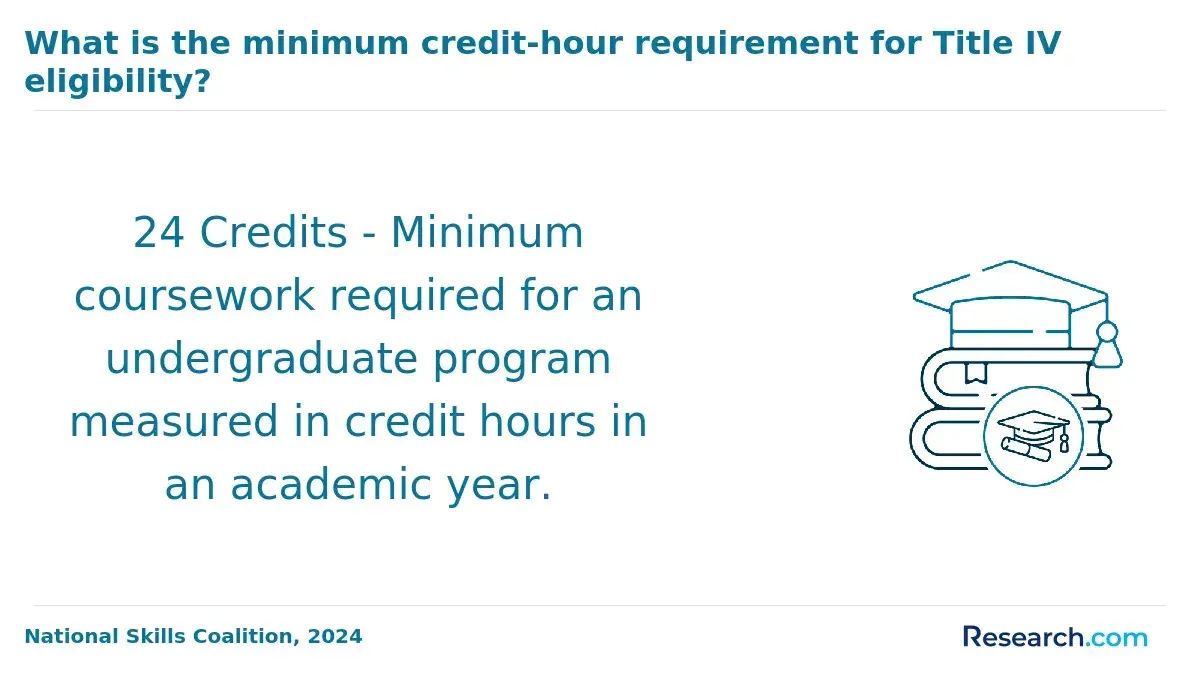
Most bachelor's programs require around 120 credits and typically take three to four years at a traditional pace. Accelerated options often span 16 to 24 months. Associate degrees usually need at least 18 to 24 months, even when schools offer faster terms or year-round enrollment.
Programs that shorten the timeline usually rely on several design features: shorter five- to eight-week terms, multiple start dates, generous transfer-credit rules, competency-based coursework, and full-time or heavier-than-full-time enrollment. These features can help prepared students move faster, but they do not eliminate degree requirements.
| Student situation | One-year completion outlook | What to verify |
| No prior college credit | Unlikely for a degree | Total credit requirement, term length, and full-time course load |
| Some transfer credit | Possible to shorten the timeline, but one year is still difficult | How many credits transfer and whether they apply to major requirements |
| Associate degree or substantial credits | More realistic for accelerated degree completion | Remaining credits, residency requirements, and capstone or internship rules |
| Relevant training or work experience | May reduce requirements if prior learning is accepted | Credit for certifications, academy training, military experience, or portfolio assessment |
Practical requirements can also affect the timeline. Internships, field placements, capstone projects, background checks, or agency approvals may not fit neatly into an accelerated schedule. Before enrolling, ask the school for a written degree plan showing exactly how your credits apply and how many terms you would need to graduate.
Are There Available One-year Online Corrections Degree Programs?
There are currently no accredited one-year online Corrections degree programs in the United States that meet typical credit and curriculum requirements. A bachelor's degree in Corrections or a closely related criminal justice field commonly requires about 120 credits, and most students cannot complete that amount of coursework in one year.
The closest alternatives are accelerated or competency-based criminal justice degree-completion programs. These can be useful for students who already have transfer credits, an associate degree, relevant training, or professional experience. They may reduce time to graduation, but they should not be treated as guaranteed one-year degrees.
- Walden University - Bachelor of Science in Corrections and Human Services: This program uses a self-paced “Tempo Learning” format and can reduce completion time to as little as 16 months. Students must complete 120 credits, and transfer credits may help shorten the path. Coursework covers probation, parole, restorative justice, and case management.
- John Jay College (CUNY) - Online Bachelor of Science in Criminal Justice: This fully online option is designed mainly for transfer students with at least 55 college credits or an associate degree. It can be completed in about two years and includes coursework connected to corrections and public safety practice.
- Southern New Hampshire University - Online Bachelor of Science in Criminal Justice (Corrections Focus): This 120-credit program offers flexible online study, transfer-credit options, and eight-week courses. Topics include offender rehabilitation, criminal justice, and correctional administration. Although most students complete it in four years, prior credits may make a faster pace possible.
When comparing these options, focus less on the marketing phrase “accelerated” and more on your personal completion estimate. Ask admissions for a transfer evaluation, a list of remaining courses, the number of terms required, and the expected weekly workload. Students researching a fast online route can also review fastest online programs for working adults to understand how accelerated degree-completion models work.
Why Consider Taking Up One-year Online Corrections Programs?
The main reason to consider a one-year or accelerated online Corrections pathway is speed with flexibility. For working corrections officers, probation staff, reentry workers, military veterans, and criminal justice professionals, an online format can make it possible to continue working while completing a credential that may support advancement.
Because true one-year degrees are rare, the strongest use case is degree completion. If you already have college credits, academy training, certifications, or an associate degree, an accelerated online program may help you convert prior learning into progress toward a bachelor's degree.
- Credit recognition for law enforcement training: Some programs recognize POST training and similar credentials, awarding up to 25 credits that may reduce both time and tuition.
- Career advancement preparation: Coursework in correctional administration, ethics, offender rehabilitation, case management, and legal procedures can help prepare students for supervisory, administrative, or specialized roles.
- Flexible scheduling: Online programs can be more manageable for students working nights, rotating shifts, weekends, or overtime in correctional settings.
- Applied learning: Corrections-focused coursework often emphasizes real operational issues, including inmate behavior, security, rehabilitation, reentry, mental health concerns, and public safety.
- Better fit for experienced learners: Students who already understand the field may benefit from programs that move quickly through foundational topics and focus on advanced applications.
An accelerated Corrections pathway is not automatically the easiest or best option. It is best for students who are organized, can handle compressed coursework, and have enough prior credit to make the shorter timeline realistic. Readers comparing difficulty across majors can also review what is the easiest degree to get? for broader context.
What Are the Drawbacks of Pursuing One-year Online Corrections Programs?
The biggest drawback is that the promise of a one-year Corrections degree can be misleading. If a program does not clearly explain accreditation, credit requirements, transfer policies, and completion conditions, students may enroll expecting a 12-month finish and later discover that they need more time and money.
Accelerated online study can work well for some learners, but it has real trade-offs:
- Heavy course load and intense pacing: Short terms require students to absorb legal, ethical, administrative, and behavioral material quickly. This can be difficult while working full time in a demanding corrections environment.
- Less time for reflection and applied practice: Corrections work involves judgment, communication, documentation, conflict management, and policy interpretation. A compressed schedule may leave less time to connect theory with practice.
- Limited networking: Short online formats can reduce contact with faculty, classmates, alumni, and local agencies. Networking matters in criminal justice careers, especially for advancement and specialized roles.
- Possible internship or fieldwork delays: If a program includes practical experience, background checks, site approvals, or agency scheduling can extend the timeline.
- Technology and access challenges: Students in remote settings, secure facilities, or locations with limited internet access may struggle with online platforms, proctored exams, or synchronous requirements.
- Risk of choosing a weak program: Speed should never outweigh accreditation, employer recognition, academic support, and curriculum quality.
To reduce these risks, ask for a written completion plan before enrolling. Confirm whether courses are asynchronous, how often required courses are offered, what happens if you fail or withdraw from a class, and whether the degree is acceptable for your target employer, agency, or graduate program.
What Are the Eligibility Requirements for One-year Online Corrections Programs?
Eligibility requirements depend on the school, degree level, and whether the program is a full degree or a degree-completion pathway. Since true one-year Corrections degrees are uncommon, accelerated options often expect students to enter with prior academic credit or professional preparation.
Common requirements include:
- High school diploma or GED: Bachelor's-level online Corrections or criminal justice programs usually require this as a minimum. However, accelerated completion within one year is far more realistic for applicants who already have college credits or an associate degree.
- Bachelor's degree for master's programs: Master's applicants generally need a bachelor's degree from an accredited institution. Some programs require a minimum GPA, often around 3.0 in the final two years.
- Transfer credits: Many fast-track programs are designed for students who can transfer prior coursework. The number of accepted credits and how they apply to major, general education, and elective requirements can determine the actual timeline.
- Prerequisite coursework: Some programs may require foundational criminal justice or related courses before students can enter advanced Corrections coursework.
- Professional experience: Entry-level programs may not require experience, but advanced or competency-based options may value work in corrections, law enforcement, probation, parole, reentry, or human services.
- Background checks: Programs with internships, practicums, or agency placements may require criminal background screening. A record may affect placement eligibility, depending on the school and agency.
- Application materials: Schools may ask for transcripts, a résumé, a statement of purpose, and, for international students, proof of English proficiency.
- Interviews or placement exams: Some institutions use interviews, writing assessments, or placement tools to evaluate readiness for accelerated online study.
Before applying, request a preliminary transfer-credit review and ask which credits must be completed at the institution. Students who need a lower-cost starting point may also compare cheap online associate degrees as a pathway into a future Corrections or criminal justice bachelor's program.
What Should I Look for in One-year Online Corrections Degree Programs?
The right program is not simply the fastest one. A strong online Corrections program should be accredited, transparent about completion time, relevant to your career goals, and realistic for your schedule. Use the following criteria before enrolling.
- Accreditation: Confirm that the institution is accredited by a recognized regional or national accreditor. Accreditation affects credit transfer, financial aid eligibility, graduate school options, and employer acceptance.
- Clear completion timeline: Ask the school to show how a one-year or accelerated timeline would apply to your exact transfer-credit profile. Avoid relying only on general marketing claims.
- Curriculum relevance: Look for coursework in institutional corrections, community corrections, correctional administration, offender rehabilitation, case management, ethics, legal issues, mental health, and reentry.
- Faculty experience: Instructors with corrections, criminal justice, probation, parole, policy, or human services experience can provide practical context that goes beyond textbook theory.
- Online course format: Determine whether courses are asynchronous, synchronous, self-paced, or cohort-based. Working adults often need flexible access, especially if they work shifts.
- Transfer-credit and prior-learning policies: Ask whether the school accepts prior college credits, academy training, military experience, professional certifications, or portfolio-based credit.
- Total cost: Compare tuition, fees, books, technology costs, transfer-credit limits, and the number of credits you must still complete. Students trying to reduce upfront costs can review accredited online schools offering no-cost applications.
- Student support: Strong advising, tutoring, library access, technical support, writing help, and career services are especially important in accelerated programs.
- Career alignment: Ask whether graduates work in the roles you want and whether the program supports advancement in corrections, probation, parole, reentry, public safety, or criminal justice administration.
| Question to ask | Why it matters |
| How many of my credits will transfer? | This determines whether a one-year timeline is realistic. |
| Is the school accredited? | Accreditation affects recognition, aid, and transferability. |
| Are required courses offered every term? | Limited course availability can delay graduation. |
| Are there internships or field requirements? | Practical requirements may extend the timeline. |
| What support is available online? | Accelerated students need fast access to advising and technical help. |
Fully one-year online Corrections degree programs are relatively rare. In many cases, the better choice is an accredited accelerated program that takes slightly longer but provides stronger academic value and employer credibility.
How Much Do One-year Online Corrections Degree Programs Typically Cost?
The cost of an accelerated online Corrections program depends on the institution, tuition model, number of credits required, fees, and how many credits you can transfer. A shorter program can reduce total cost, but only if you truly need fewer credits or can complete courses efficiently without repeating or withdrawing.
Public institutions generally charge less than private institutions, and in-state students often pay lower tuition than out-of-state students. Some online programs use flat-rate or per-term pricing, while others charge by the credit. Degree-completion programs may cost less overall when they accept substantial transfer credit.
Exact tuition for one-year Corrections degrees is not frequently published. For context, conventional four-year bachelor's degrees in social sciences or criminal justice fields average around $13,676 per year. Accelerated study may lower total expenses by shortening enrollment time, but students should calculate the full program cost instead of comparing only annual tuition.
| Cost factor | What to check |
| Tuition rate | Per-credit, per-term, in-state, out-of-state, or online-specific pricing |
| Transfer credits | How many credits are accepted and whether they reduce major requirements |
| Fees | Technology, online learning, graduation, transcript, and course-specific fees |
| Books and materials | Digital textbooks, subscriptions, software, or proctoring costs |
| Time to completion | Whether the advertised pace is realistic for your schedule and credit profile |
| Financial aid | Federal aid eligibility, scholarships, employer tuition assistance, and payment plans |
Before enrolling, ask the school for a net price estimate based on your transfer evaluation. The most affordable option is usually the accredited program that accepts the most applicable credits, offers the courses you need on schedule, and provides enough support to help you finish without costly delays.
What Can I Expect From One-year Online Corrections Degree Programs?
Students in accelerated online Corrections programs should expect a practical, compressed curriculum focused on criminal justice systems, correctional operations, offender behavior, rehabilitation, supervision, ethics, and public safety. Many programs are offered as Corrections concentrations within broader criminal justice degrees rather than standalone Corrections degrees.
Course formats vary, but accelerated programs often use 8-week sessions. That structure can help students move quickly, but it also requires consistent weekly study time, strong time management, and comfort with online discussion boards, digital assignments, exams, case studies, and research-based writing.
Common learning outcomes include the ability to interpret correctional policy, understand institutional and community corrections, evaluate rehabilitation and reentry strategies, communicate professionally, apply ethical standards, and analyze legal issues affecting correctional work. Some courses may use simulations, scenarios, or case studies to connect theory to real corrections settings.
Students should also expect limits. A fast online program may not provide the same level of in-person networking, facility exposure, or hands-on field experience as a campus-based or longer program. If your goal involves a role with agency-specific hiring standards, promotion requirements, or training mandates, verify that the degree fits those requirements before enrolling.
Corrections is one pathway within a wider career and training landscape. Students comparing practical career routes may also find it helpful to review what careers can you go to trade school for when considering related public safety, technical, and service-oriented fields.
Are There Financial Aid Options for One-year Online Corrections Degree Programs?
Financial aid may be available for eligible students in accredited online Corrections or criminal justice programs. The key word is accredited: federal aid, many scholarships, and employer reimbursement programs often require enrollment at an eligible institution and in an eligible program.
- Federal Financial Aid: Students can complete the Free Application for Federal Student Aid (FAFSA) to be considered for aid such as the Federal Pell Grant and Direct Loans. Award amounts typically depend on financial need, enrollment status, and program eligibility.
- Scholarships: Criminal justice, public safety, community service, and corrections-related scholarships may be available through schools, professional associations, foundations, and local organizations. Criteria can include academic performance, career goals, service, or community involvement.
- Employer Tuition Assistance: Corrections departments, law enforcement agencies, county or state employers, and related organizations may offer tuition reimbursement or tuition assistance. Policies vary by employer and may require continued employment, minimum grades, or approval before enrollment.
- Private grants and institutional aid: Some schools and foundations provide grants for students in specialized fields. Eligibility may consider academic merit, financial need, personal background, or professional goals.
Financial aid disbursement usually follows the academic calendar, but accelerated terms can affect timing. Ask the financial aid office how aid is packaged for short sessions, whether your enrollment level qualifies, and what happens if you change your course load. Also confirm deadlines early, because missing a FAFSA, scholarship, or employer reimbursement deadline can increase out-of-pocket costs.
What Corrections Graduates Say About Their Online Degree
- Westin: "The accelerated online Corrections pathway helped me move forward without leaving my job. The pace was demanding, but the practical coursework made it easier to connect what I was studying with real situations in the field."
- Peter: "I chose an online Corrections program because I needed flexibility while working full time. The biggest benefit was being able to study around my schedule, but I had to stay organized every week to keep up with the shorter courses."
- Andrew: "Completing my Corrections coursework online was challenging and worthwhile. The program gave me a stronger understanding of policy, rehabilitation, and correctional operations, and it helped me feel more prepared for broader responsibilities."
Other Things You Should Know About Pursuing One-Yeas Corrections Degrees
One-year online Corrections degrees from accredited institutions are generally recognized by employers, but recognition depends on the school's reputation and accreditation status. Corrections agencies and related employers value programs that offer practical skills and relevant coursework aligned with industry standards. Prospective students should ensure their chosen program is regionally or nationally accredited for the best employment prospects.
No, a one-year online Corrections degree does not by itself qualify you for correctional officer licensure or academy entry. Most state agencies still require a separate hiring process, background check, physical fitness test, and completion of a state-run academy, which often lasts 4 to 12 weeks.
References
- Criminal Justice Degree Online - Montreat College https://www.montreat.edu/online/criminal-justice/
- Financial Aid for Formerly Incarcerated Individuals | Reentry | GEO Reentry Connect https://georeentryconnect.com/education/financial-aid-for-formerly-incarcerated-individuals/
- 2025 Most Affordable Online Criminal Justice Degrees https://www.onlineu.com/most-affordable-colleges/criminal-justice-degrees
- 15 Best Bachelor's Degrees in Corrections - College Educated https://collegeeducated.com/online-degrees/criminal-justice-degree/bachelors-in-corrections/
- Online education comes to prisons https://www.insidehighered.com/digital-learning/article/2019/12/10/online-education-comes-prisons
- Prison Education Programs: Going To College In Prison https://www.affordablecollegesonline.org/college-resource-center/prison-college-programs/
- Online Criminal Justice Degree School | Purdue Global https://www.purdueglobal.edu/degree-programs/criminal-justice/
- Online Bachelor's Degree in Criminal Justice - Wayne State College Nebraska https://www.wsc.edu/online-criminal-justice-degree
- 7 Best Online Bachelor's in Corrections Degree Programs https://legalcareerpath.com/online-bachelors-in-corrections-degree-programs/
- Corrections Learning Academy - IPS Innovative Prison Systems https://prisonsystems.eu/corrections-learning-academy/