2027 Online Christian Counseling Doctorate Accreditation Guide: Institutional, Programmatic, and Licensure Considerations

Co-Founder and Chief Data Scientist
Choosing an online Christian counseling doctorate is really a recognition decision: will the degree be accepted by schools, employers, certifiers, and licensing boards? NCES reported that 53% of U. S. postsecondary students took at least one distance education course in fall 2022, so online format is now mainstream-but accreditation and licensure rules still vary sharply.
This guide explains institutional accreditation, programmatic accreditation, state authorization, and professional licensure so prospective doctoral students can avoid programs that look credible online but may not support their academic, ministry, counseling, or clinical goals.
Key Things You Should Know
- Institutional accreditation is the baseline. An online Christian counseling doctorate should be offered by a college or university accredited by an agency recognized by the U.S. Department of Education or CHEA; online delivery is not accredited separately from campus delivery.
- Programmatic accreditation depends on the career target. CACREP, COAMFTE, APA Commission on Accreditation, ATS, or other field-specific recognition may matter if the doctorate is tied to counselor education, MFT, psychology, theology, pastoral counseling, or clinical supervision.
- Licensure is state-specific. A doctorate labeled "Christian counseling" does not automatically qualify graduates for LPC, LMHC, LMFT, psychologist, or pastoral-counseling credentials; state boards may require specific master's degrees, supervised hours, exams, practicum formats, and disclosures.
Is an Online Christian Counseling Doctorate Accredited Differently From an On-Campus Program?
No. An online Christian counseling doctorate is not accredited under a different system simply because courses are delivered online. Legitimate accreditation evaluates the institution, program quality, faculty qualifications, curriculum, student support, assessment, governance, and outcomes. The delivery method-online, hybrid, low-residency, or campus-based-is reviewed as part of those standards.
The important distinction is whether the accreditor recognizes the school and whether the program's online format meets the same academic and professional expectations as comparable campus programs. A school can offer a fully online doctorate from an accredited institution, but that still does not prove the program meets professional licensure standards.
This table summarizes how online and on-campus accreditation typically compare. It is useful because many students mistakenly assume "online" means either less credible or automatically more flexible for licensure.
| Accreditation issue | Online doctorate | On-campus doctorate | What students should understand |
| Institutional accreditation | Reviewed as part of the institution's accredited operations | Reviewed as part of the same institutional process | The school's recognized accreditation matters more than the delivery format. |
| Programmatic accreditation | May include distance education, residency, and clinical-placement review | May include campus clinical training and in-person supervision review | Field-specific accreditation may still require in-person or supervised experiences. |
| State authorization | Essential because students live outside the school's home state | Usually less complex for students studying in the same state | Authorization to enroll online students is not the same as licensure approval. |
| Licensure eligibility | Depends on the student's state, curriculum, clinical hours, and supervision format | Depends on the same state-board criteria | Online format can create placement and supervision complications if not planned early. |
For Christian counseling doctorates, the biggest risk is not online learning itself. The risk is assuming that a faith-based doctoral title, a ministry emphasis, or institutional accreditation alone makes the program acceptable for a regulated counseling license.
What Is the Difference Between Institutional and Programmatic Accreditation for an Online Christian Counseling Doctorate?
Institutional accreditation evaluates the whole college or university. It affects federal financial aid eligibility, credit transfer, employer recognition, graduate-school admissions, and general academic legitimacy. In the U.S., students should look for accreditors recognized by the U.S. Department of Education or the Council for Higher Education Accreditation.
Programmatic accreditation evaluates a specific academic program or professional training pathway. It is most important when the field has licensing, certification, internship, residency, or professional-practice standards. In counseling-related doctoral education, the relevant body depends on the program's actual discipline, not just the word "Christian" in the title.
The comparison below clarifies what each accreditation type can and cannot tell you. This matters because a legitimate university can offer a doctorate that is academically valid but not designed for your intended license.
| Type of accreditation | What it reviews | Why it matters | Common misconception |
| Institutional accreditation | The college or university as a whole | Supports general recognition, federal aid eligibility, transfer review, and academic credibility | "If the school is accredited, every program meets every licensure rule." |
| Programmatic accreditation | A specific counseling, psychology, MFT, theology, or pastoral-care program | May be required or strongly preferred by boards, employers, internships, or certifying bodies | "Programmatic accreditation is optional for all counseling careers." |
| State authorization | The school's permission to enroll online students in a state | Allows an institution to provide distance education to residents of that state | "Authorization means the program qualifies me for licensure." |
| Professional licensure approval | Whether a degree, coursework, hours, and exams meet a state board's requirements | Determines eligibility for regulated practice titles such as LPC, LMHC, LMFT, or psychologist | "A doctorate automatically overrides missing master's-level requirements." |
Another common point of confusion is the old "regional versus national accreditation" language. The U.S. Department of Education no longer uses the regional/national distinction in the same way it once did for institutional recognition, so students should focus on whether the accreditor is currently recognized and whether the school's status is active.
How Can You Verify That an Online Christian Counseling Doctorate and Its Accreditor Are Legitimate?
Verification should happen before you apply, before you accept an offer, and again before you pay a deposit. Accreditation claims can be outdated, exaggerated, or worded in ways that sound stronger than they are.
Use this sequence to confirm legitimacy and reduce enrollment risk:
- Search the institution in the U.S. Department of Education's Database of Accredited Postsecondary Institutions and Programs or CHEA's recognized institution resources.
- Confirm that the accreditor listed on the school's website is currently recognized and that the institution's accreditation status is active, not withdrawn, expired, or under a severe sanction.
- Check the program page for field-specific accreditation claims, then verify those claims directly with the programmatic accreditor's directory.
- Read the school's professional licensure disclosure for your state of residence and for any state where you may want to practice later.
- Ask the admissions office to identify the exact degree title, CIP code if available, clinical-hour structure, residency requirements, and whether the program is designed for licensure.
- Contact your state licensing board in writing and ask whether the degree, coursework, and supervised experiences can meet that board's education requirements.
Red flags deserve special attention. Be cautious if a school claims "international accreditation" but cannot name a recognized U.S. accreditor, says licensure is guaranteed, avoids written answers about state eligibility, or advertises a doctorate as a shortcut to becoming a licensed counselor without explaining master's-level requirements.
Students comparing doctoral pathways may also want to evaluate total cost and recognized status together, especially if affordability is a major factor. A low price can be attractive, but it should be weighed against institutional accreditation, programmatic fit, and licensure value; resources on the cheapest online PhD in counseling can help frame that cost comparison.
Sometimes yes, sometimes no. Programmatic accreditation is not universally required for every online Christian counseling doctorate because "Christian counseling" can mean several different things: pastoral counseling, biblical counseling, counselor education, marriage and family therapy, psychology, spiritual care, or ministry leadership.
The key question is the intended outcome. If the doctorate is for ministry leadership, pastoral care, teaching in a faith-based setting, or scholarship, institutional accreditation may be the main recognition issue. If the doctorate is connected to regulated clinical practice, supervision, counselor education, psychology, or MFT work, programmatic accreditation may be important or required.
This table helps match common doctoral goals with the accreditation issues most likely to matter. It is not a substitute for state-board review, but it shows why one "Christian counseling doctorate" can have very different implications from another.
| Doctoral goal | Programmatic accreditation that may matter | Why it may matter |
| Pastoral counseling or ministry-based care | ATS or another theology-related accreditation may be relevant, depending on the school | Supports recognition in ministry, chaplaincy, theological education, or church-based roles. |
| Counselor education and supervision | CACREP may be relevant for doctoral counselor education and supervision programs | May influence faculty hiring, professional identity, supervision roles, and some institutional expectations. |
| Marriage and family therapy scholarship or supervision | COAMFTE may be relevant for MFT programs | Can affect recognition by MFT employers, educators, and some licensing pathways. |
| Clinical, counseling, or school psychology practice | APA Commission on Accreditation may be critical for health service psychology doctoral programs | Often affects internship access, licensure eligibility, and employer acceptance for psychologist roles. |
| Biblical counseling or non-licensed ministry counseling | Programmatic accreditation may be less standardized | Recognition may depend more on the institution, denomination, employer, or certifying association. |
Students who still need the foundational graduate counseling degree should be especially careful. Many state counseling licenses are built around master's-level clinical coursework and supervised practice, so researching online master's programs for counseling may be more relevant than starting with a doctorate if licensure is the primary goal.
The accreditation that matters most depends on the professional credential you want. "Christian counselor" is not a single regulated title across all states. Some people use the phrase for church-based care or biblical counseling, while others mean licensed mental health counseling delivered from a Christian worldview.
For regulated clinical roles, the licensing board-not the school's marketing page-controls eligibility. A doctorate can deepen expertise, support teaching, or strengthen supervision credentials, but it usually does not erase required coursework, exams, or supervised hours for a license.
The table below separates common professional goals so readers can see which authority is likely to make the final recognition decision. This helps prevent the mistake of choosing a faith-based doctorate that does not match the intended credential.
| Professional goal | Primary decision-maker | Accreditation or approval to examine | Important caution |
| Licensed professional counselor or licensed mental health counselor | State counseling board | Institutional accreditation, required counseling coursework, and sometimes CACREP-related standards | Many boards focus on the qualifying master's degree rather than a later doctorate. |
| Licensed marriage and family therapist | State MFT board | Institutional accreditation, MFT coursework, clinical hours, and sometimes COAMFTE-related standards | A Christian counseling doctorate may not contain required systemic family therapy training. |
| Licensed psychologist | State psychology board | Doctoral psychology accreditation, internship, postdoctoral supervision, and exams | A counseling doctorate outside psychology usually does not qualify someone to become a psychologist. |
| Pastoral counselor, chaplain, or ministry counselor | Employer, denomination, ministry body, chaplaincy organization, or certifier | Institutional accreditation, theological accreditation, ordination requirements, or certifying-body standards | Ministry recognition does not equal state permission to diagnose or treat mental disorders. |
| Faculty or researcher in counseling-related fields | College, university, seminary, or research employer | Institutional accreditation and field-specific doctoral fit | Hiring committees may prefer programmatic accreditation even when not legally required. |
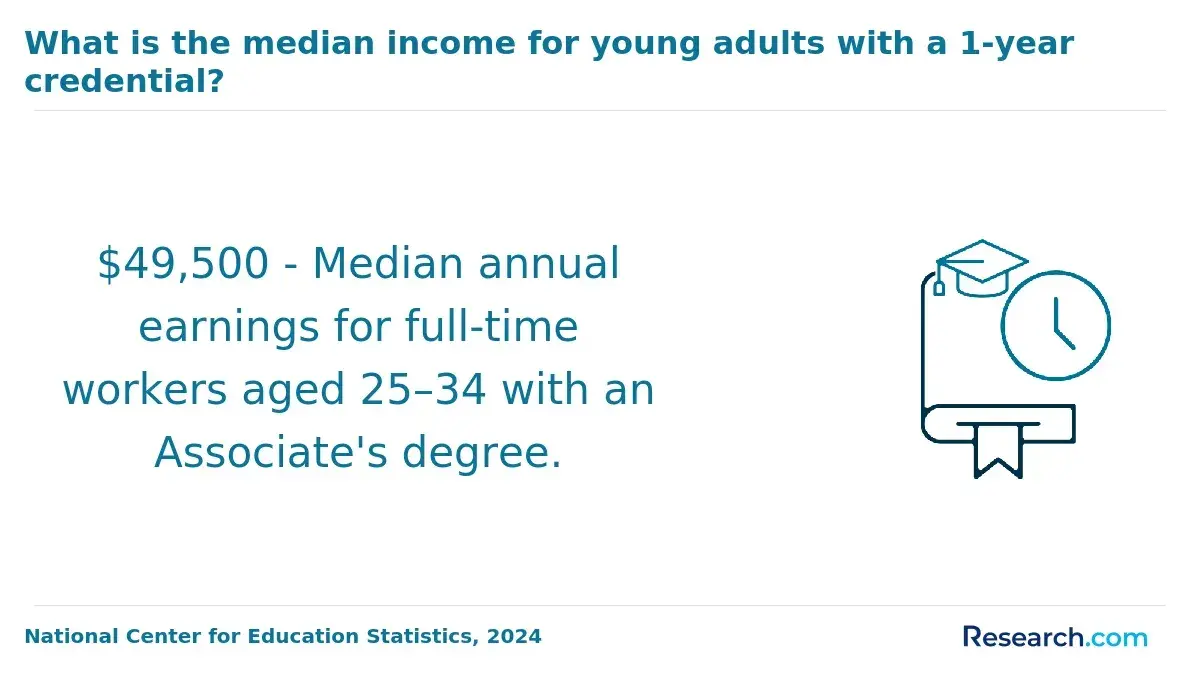
BLS wage data also helps explain why licensure precision matters. The median annual wage for substance abuse, behavioral disorder, and mental health counselors was $59,190 in May 2024, but access to many clinical counseling roles depends on state licensure rather than degree title alone. Use salary data as labor-market context, not as proof that a particular doctorate will qualify you for a specific job.
Maybe, but you should not assume it. State boards can differ on required degree level, institutional accreditation, programmatic accreditation, course titles, semester-hour totals, supervised clinical hours, telehealth supervision, residency rules, jurisprudence exams, background checks, and post-degree experience.
A practical state-check should focus on written evidence, not verbal reassurance. Before enrolling, complete the following review:
- Identify the exact license you want, such as LPC, LMHC, LMFT, psychologist, pastoral counselor where regulated, or another state credential.
- Download the current education rules from the licensing board in the state where you plan to practice.
- Compare the program's catalog, course descriptions, practicum requirements, and supervision structure against those rules.
- Ask the school for its professional licensure disclosure for your state and whether it has determined that the program meets, does not meet, or has not determined requirements.
- Send the board the program name, institution, accreditation status, degree title, coursework, and clinical-hour plan and ask for written guidance when available.
- Keep copies of disclosures, board emails, catalog pages, and degree plans in case rules or personnel change later.
The most common mistake is assuming that a doctorate is "higher" than a master's degree and therefore automatically acceptable. In many counseling and MFT licenses, the qualifying degree must include specific master's-level clinical content. If marriage and family therapy is your target, comparing the structure of best online MFT programs may help you see how licensure-oriented curricula differ from broader Christian counseling doctorates.
Mobility is another issue. A program that meets requirements in one state may not meet them in another, especially if you move before completing supervised hours. Interstate counseling compacts and licensure mobility initiatives may help some professionals, but they do not eliminate the need to meet an initial state's education and experience rules.
Yes. Practicum, internship, clinical, and residency requirements can be the deciding factor in whether an online Christian counseling doctorate supports licensure or professional recognition. Even when coursework is online, regulated counseling and psychology pathways typically require supervised face-to-face, telehealth, or hybrid clinical experience that meets board rules.
Clinical requirements are where many online students discover hidden constraints. Review these issues early because they can affect time to completion, travel costs, supervisor availability, and state-board approval:
- Approved site type: Some boards or programs require clinical work in mental health agencies, schools, hospitals, community clinics, university clinics, or approved private practices.
- Supervisor credentials: States may require supervision by an LPC, LMHC, LMFT, psychologist, approved supervisor, or similarly credentialed professional.
- Direct versus indirect hours: Boards may distinguish client-contact hours from documentation, consultation, assessment, case management, or supervision time.
- Residency or intensive requirements: Some doctoral programs require in-person residencies for assessment, research, supervision, spiritual formation, or clinical skills evaluation.
- Telehealth limits: Online counseling experience may be restricted or require special supervision, informed consent, secure technology, and state-specific practice permissions.
Students trying to reach licensure more quickly should still prioritize board alignment over speed. Programs marketed as fast can be useful only if the curriculum and fieldwork fit the intended credential; comparing accelerated mental health counseling programs online can show how licensure-oriented programs handle clinical sequencing.
For doctoral Christian counseling students, residencies can also serve a legitimate quality-control purpose. They may allow faculty to assess counseling skills, ethical judgment, integration of theology and practice, research readiness, or supervision competence in ways that are harder to evaluate through asynchronous coursework alone.
Accreditation affects more than reputation. It can influence federal financial aid, transfer-credit review, employer acceptance, doctoral-to-postdoctoral pathways, faculty hiring, internship eligibility, military or employer tuition benefits, and admission to later graduate study.
For cost planning, one concrete federal benchmark is the Direct Unsubsidized Loan annual limit for graduate and professional students, which is $20,500 for the 2024-25 award year. That limit matters because many doctoral students must cover remaining tuition, fees, residencies, books, travel, and living expenses through savings, payment plans, assistantships, employer support, scholarships, or Grad PLUS loans.
The following table shows how accreditation status can affect common student outcomes. It is useful for comparing the true value of programs that may look similar by title but differ in recognition.
| Decision area | Why accreditation matters | Risk if overlooked |
| Federal financial aid | Institutional accreditation by a recognized agency is generally tied to Title IV eligibility | Students may have fewer aid options or rely on private financing. |
| Transfer credits | Receiving schools decide whether to accept credits, often considering institutional and program fit | Credits from poorly recognized institutions may not transfer. |
| Employer recognition | Employers may screen for recognized accreditation, especially in education, healthcare, government, and clinical settings | A degree may be questioned even if coursework was rigorous. |
| Further study | Postdoctoral, certificate, seminary, psychology, or counseling programs may require recognized prior degrees | Graduates may need additional coursework or a different qualifying degree. |
| Licensure and certification | Boards and certifiers may require specific accreditation, coursework, supervision, or institutional status | The doctorate may not count toward the intended credential. |
Common mistakes include choosing the cheapest program without checking recognized accreditation, assuming transfer credits are automatic, ignoring residency travel costs, or relying on employer acceptance without confirming HR policy. A better approach is to compare total cost, recognition, and licensure fit together.
What Happens if an Online Christian Counseling Doctorate Loses Accreditation or Is Only in Candidacy?
Accreditation status can change. A program or institution may be fully accredited, in candidacy, on warning, on probation, voluntarily withdrawing, losing recognition, or teaching out current students after closure or loss of accreditation. Each status has different implications.
Candidacy is especially misunderstood. It may indicate that a program is progressing toward accreditation, but it is not the same as full accreditation unless the accreditor's rules explicitly provide retroactive recognition after approval. Students should never assume candidacy will become full accreditation on their timeline.
This table explains common accreditation statuses and why they matter. Use it to interpret school announcements and accreditor directories without relying only on marketing language.
| Status | What it generally means | Student implication |
| Fully accredited | The institution or program currently meets the accreditor's standards | Still verify state licensure requirements and any upcoming review dates. |
| Candidacy or applicant status | The institution or program is seeking accreditation or undergoing review | Recognition may be incomplete, uncertain, or not retroactive. |
| Warning or monitoring | The accreditor has identified concerns that require correction | Students should review the accreditor's public notice and ask about risk. |
| Probation or show-cause | Serious compliance concerns exist | Enrollment risk is higher, especially for aid, transfer, and recognition. |
| Loss or withdrawal of accreditation | Accreditation is ending or has ended | Students may need teach-out options, transfer plans, or board guidance. |
If a program loses accreditation while you are enrolled, act quickly and document everything. Ask for the official teach-out plan, confirm whether federal aid remains available, request transcripts and syllabi, contact your licensing board, and evaluate transfer options before completing more credits that may not serve your goal.
Other Things You Should Know About Christian Counseling
That depends on the setting and your state's title laws. A church or ministry may use "Christian counselor" differently from a state licensing board. Do not use protected titles such as licensed professional counselor, marriage and family therapist, psychologist, or clinical counselor unless you hold the required license.
No. Biblical counseling associations may certify training quality within a ministry framework, but that is different from institutional accreditation recognized by the U.S. Department of Education or CHEA. It may be valuable for church-based roles but may not satisfy academic transfer, financial aid, or clinical licensure requirements.
Usually not by itself. A DMin with a counseling concentration is often designed for ministry leadership, pastoral care, chaplaincy, or applied theology. Clinical practice eligibility depends on state licensure rules, qualifying counseling or psychology education, supervised hours, and exams.
Choose based on the outcome. A PhD or EdD may fit teaching, research, or counselor education; a PsyD fits psychology only when it meets psychology-board standards; a DMin or ThD may fit ministry and theology. The degree title matters less than accreditation, curriculum, supervised experience, and state recognition.
- Compare Counseling And Psychology Accreditation https://www.accreditedschoolsonline.org/psychology/resources/accreditation/
- Best Online Psychology Degrees: Differences Between Christian and Secular Schools - Grace Christian University https://gracechristian.edu/blog/best-online-psychology-degrees-differences-between-christian-and-secular-schools/
- Faith-Based Counselor Certification in Texas: Requirements and Career Path - Counseling Texas https://counselingtexas.org/counseling-careers/faith-based-counselor/
- 50+ Best Christian Schools for Psychology Students | Psychology Degree Guide https://psychologydegreeguide.org/rankings/best-christian-schools-for-psychology-students/
- What is CACREP Accreditation? https://onlinecounselingprograms.com/online-counseling-degrees/cacrep-accredited/what-is-cacrep-accreditation/
- How To Become A Christian Counselor | CCU Online https://www.ccu.edu/blogs/cags/2011/05/how-to-become-a-christian-counselor/
- 2025 Most Affordable Online Master's Degree in Christian Counseling https://www.onlineu.com/most-affordable-colleges/christian-counseling-masters-degrees
- Psychology Accreditation: What you need to know https://www.onlinepsychologydegrees.com/articles/accreditation/
- Best Online Master's in Christian Counseling in 2025 https://www.onlinemastersdegrees.org/best-programs/counseling/christian-counseling/
- What Degree Do I Need to Become a Counselor or Therapist? https://paloaltou.edu/resources/blog/what-degree-do-i-need-become-counselor-or-therapist