2027 Online Christian Counseling Doctorate Programs for First-Time Doctoral Students

Co-Founder and Chief Data Scientist
Choosing an online Christian counseling doctorate is a high-stakes decision because the degree can shape your ministry, counseling, teaching, or leadership path for years. It is also expensive and academically demanding.
The U.S. Bureau of Labor Statistics projects 17% job growth for substance abuse, behavioral disorder, and mental health counselors from 2024 to 2034, signaling strong demand for counseling-related expertise.
This guide is for first-time doctoral students who need to compare program types, support structures, costs, timelines, and outcomes before deciding whether doctoral study is the right next step.
Key Things You Should Know
- Online Christian counseling doctorates are best for students with a clear goal, such as pastoral counseling leadership, counselor education, ministry-based care, clinical supervision, or faith-integrated research; they are not automatically the best route to licensure.
- First-time doctoral students should compare dissertation or capstone expectations, faculty mentoring, residency requirements, and cohort structure before comparing tuition because these factors strongly affect completion.
- Cost planning matters: federal Direct Unsubsidized Loans for graduate students carry a 7.94% fixed interest rate for 2025-2026 loans, so borrowing decisions should be tied to realistic career outcomes rather than prestige alone.
Which Online Christian Counseling Doctorate Programs Are Best for First-Time Doctoral Students?
The best online Christian counseling doctorate for a first-time doctoral student is usually the one that matches the student's career goal and offers structured research support.
"Christian counseling doctorate" can refer to several pathways: a PhD focused on research and teaching, an EdD or professional doctorate focused on leadership and applied practice, a Doctor of Ministry focused on pastoral care, or a counselor education doctorate at a faith-based institution.
Students who want a broader counseling doctoral comparison can also review the cheapest online PhD in counseling options to understand how Christian and non-Christian doctoral programs differ in cost, research focus, and professional positioning.
The table below summarizes common online Christian counseling doctorate pathways. Use it to identify which degree type fits your goal before you compare individual schools:
| Doctoral pathway | Best fit for first-time doctoral students who want to | Typical academic focus | Important caution |
| PhD in Counseling, Counseling Psychology, or Counseling and Psychological Studies with a Christian emphasis | Teach, conduct research, write, or lead faith-informed counseling programs | Research methods, theory, ethics, counseling scholarship, dissertation | May not lead to clinical licensure unless the program is specifically designed for that purpose |
| EdD in Community Care, Counseling, or Pastoral Counseling | Apply counseling knowledge in churches, nonprofits, schools, chaplaincy-related settings, or community care leadership | Applied research, leadership, program evaluation, crisis care, pastoral care | Often practice-oriented, but not always a clinical license pathway |
| Doctor of Ministry in Pastoral Counseling or Care | Strengthen pastoral counseling, spiritual care, chaplaincy, or ministry leadership | Theology, pastoral care, spiritual formation, applied ministry project | Usually intended for ministry contexts, not state-licensed counseling practice |
| PhD in Counselor Education and Supervision at a Christian university | Supervise counselors, teach counseling, conduct research, or advance in professional counseling education | Advanced counseling theory, supervision, pedagogy, research, dissertation | May require prior licensure, a CACREP-aligned master's degree, or counseling experience |
| Doctorate in Marriage and Family Therapy at a faith-based institution | Teach, supervise, research, or lead family therapy services with faith sensitivity | Family systems, therapy research, supervision, dissertation or applied project | Licensure impact depends heavily on state rules and prior graduate preparation |
For first-time doctoral students, a supportive program usually has a defined sequence, early research courses, faculty advising, clear dissertation milestones, and transparent residency requirements. A poor fit is a program that markets itself as flexible but leaves students to navigate research design, topic approval, and committee selection with little structure.
Common mistakes include choosing a school only because it is well known, assuming "Christian counseling" always means the same thing, or enrolling before confirming whether the doctorate supports licensure, teaching, ministry leadership, or clinical supervision. The right choice starts with the end role, not the degree title.
What Should First-Time Students Expect From an Online Christian Counseling Doctorate?
First-time doctoral students should expect a major shift from completing assignments to producing original scholarly or applied work. Master's programs usually teach established knowledge; doctoral programs expect students to evaluate evidence, identify gaps, design research or applied projects, and defend conclusions.
Most online Christian counseling doctorates combine counseling theory, theology or spiritual formation, research methods, ethics, leadership, and advanced writing.
The Christian component may appear through biblical counseling frameworks, pastoral care models, integration of psychology and theology, ministry-based application, or faith-informed counseling ethics.
The table below shows the main areas students are likely to encounter and why each one matters for first-time doctoral success:
| Program component | What students do | Why it matters for first-time doctoral students |
| Advanced counseling theory | Study counseling models, human development, trauma, family systems, or pastoral care frameworks | Builds the conceptual base for research, supervision, teaching, or ministry leadership |
| Christian integration | Analyze how theology, Scripture, spiritual care, and ethical practice relate to counseling contexts | Helps students clarify how faith shapes practice without ignoring professional boundaries |
| Research methods | Learn qualitative, quantitative, mixed-methods, or program evaluation approaches | Prepares students for dissertation, capstone, or applied doctoral work |
| Ethics and professional standards | Study confidentiality, competence, referral, supervision, cultural humility, and faith-sensitive care | Reduces risk in ministry, counseling, teaching, and leadership settings |
| Doctoral project or dissertation | Produce original research, an applied ministry project, or a practice-based capstone | Usually becomes the most difficult and time-consuming part of the degree |
Students should also expect more independent reading and writing than in most master's programs. A useful readiness test is whether you can regularly write analytical papers, interpret scholarly articles, and accept detailed feedback without losing momentum.
Online does not mean self-paced in every program. Some doctorates use weekly live classes, fixed cohorts, residencies, synchronous dissertation seminars, or scheduled intensives. Before enrolling, ask how many hours per week students typically spend outside class and whether major milestones are tied to fixed dates.
What Admissions Requirements Should First-Time Applicants Expect for an Online Christian Counseling Doctorate?
Admissions requirements vary by school and degree type, but most online Christian counseling doctorates expect prior graduate study. Many applicants enter with a master's degree in counseling, psychology, ministry, divinity, social work, theology, marriage and family therapy, or a closely related field.
If you are not ready for doctoral admission, comparing online masters programs for counseling can help you build the academic foundation many doctoral programs expect.
The table below outlines common admissions items and how first-time doctoral applicants should interpret them:
| Admissions item | What schools may request | What it tells you about readiness |
| Accredited master's degree | Graduate degree from an institution recognized by an accepted accreditor | Shows that you have completed advanced coursework before doctoral study |
| Graduate GPA | Minimum GPA, often around the B range or higher depending on the school | Signals whether you have handled sustained graduate-level academic work |
| Writing sample | Research paper, theological essay, counseling paper, or scholarly writing sample | Helps faculty assess doctoral writing potential |
| Statement of purpose | Career goals, research interests, ministry vision, or fit with Christian mission | Reveals whether your goals align with the degree's design |
| Recommendations | Academic, professional, ministry, or clinical references | Provides evidence of maturity, ethics, leadership, and graduate readiness |
| Interview | Faculty or admissions conversation | Allows the program to assess fit, expectations, and research direction |
| Licensure or experience | Required mainly for counselor education, supervision, or clinical doctoral pathways | May determine whether you are eligible for advanced clinical or supervisory training |
First-time applicants should avoid assuming that a master's degree automatically makes them prepared. Doctoral work requires sustained self-direction, research literacy, time management, and the ability to turn broad interests into focused researchable questions.
Before applying, complete a practical readiness check. These steps can help you identify gaps before you spend money on applications:
- Compare your master's transcript with the doctoral program's prerequisite areas, especially counseling theory, research methods, ethics, theology, and human development.
- Ask whether non-counseling master's degrees require leveling courses before full doctoral admission.
- Review recent scholarly articles in your area of interest and assess whether you can summarize methods, findings, and limitations.
- Prepare a short research or ministry problem statement that explains what you want to study and why it matters.
- Ask admissions staff whether first-time doctoral students receive writing support, library training, and early faculty advising.
Research support is one of the most important selection factors for first-time doctoral students. The strongest programs do not wait until the dissertation stage to teach research; they build research thinking into early courses, assignments, advising, and milestone reviews.
Doctoral research support can include structured methodology courses, academic writing centers, librarian consultations, statistics or qualitative analysis help, faculty research groups, and dissertation planning seminars. For a student new to doctoral work, these services are not extras; they can determine whether the student progresses steadily or stalls after coursework.
The following support features are especially valuable because they reduce ambiguity during the first year:
- A required doctoral orientation that explains expectations, academic integrity, research tools, and time management.
- Early coursework that teaches how to read empirical studies, evaluate evidence, and build a literature review.
- Access to faculty who are active in counseling, pastoral care, counselor education, psychology, ministry, or family therapy research.
- Clear rubrics for doctoral writing, discussion posts, research proposals, and major projects.
- Milestone maps that show when students select a topic, form a committee, submit a proposal, and complete final defense or presentation.
One current trend affecting doctoral study is the rise of AI-assisted writing and research tools. Good programs should have clear policies on acceptable AI use, citation, originality, and research ethics. First-time doctoral students should see AI as a support tool for organization or brainstorming only when allowed, not as a substitute for scholarly judgment.
A red flag is a program that says "students work independently" but cannot explain who helps with research design, data collection approval, or dissertation delays. Independence is part of doctoral work, but unsupported independence is risky for new doctoral students.
The dissertation, capstone, or applied project is often where first-time doctoral students discover whether the program is truly supportive. Coursework has deadlines and instructor feedback; independent doctoral projects require topic focus, committee approval, research design, ethical review, revision cycles, and persistence.
Different doctoral formats use different final projects. The table below explains how each option affects workload and program fit:
| Final requirement | Common in | What it usually involves | Best fit |
| Dissertation | PhD, some EdD, counselor education doctorates | Original research with proposal, literature review, method, findings, and defense | Students aiming for research, teaching, publication, or academic leadership |
| Applied dissertation | EdD and professional doctorates | Research tied to a real organizational, ministry, school, or counseling problem | Students who want to solve practice-based problems through structured inquiry |
| Capstone project | Professional doctorates and some ministry doctorates | Practice-focused project, program design, evaluation, or intervention plan | Students focused on applied leadership rather than academic research |
| Doctor of Ministry project | DMin programs | Ministry-based project with theological reflection and applied evaluation | Pastors, chaplains, and ministry leaders improving spiritual care or pastoral counseling practice |
For first-time doctoral students, project structure matters more than project label. A dissertation can be manageable with strong scaffolding, while a capstone can become overwhelming if expectations are unclear.
Ask these questions before enrolling because they reveal how the program handles the hardest stage of doctoral study:
- When do students begin developing a topic: first year, after core courses, or only after comprehensive exams?
- How are dissertation chairs or project mentors assigned, and can students request faculty based on research fit?
- What happens if a faculty chair leaves, retires, or is unavailable?
- Are proposal templates, defense rubrics, sample dissertations, and project timelines available to students?
- Does the school publish typical time-to-completion or dissertation continuation policies?
A common mistake is choosing the shortest advertised program without understanding the final project timeline. Coursework may end quickly, but dissertation or project completion can extend the total time if the student lacks a focused topic, access to participants, or consistent committee feedback.
Online Christian counseling doctorates can be flexible, but flexibility differs by program. Some are fully asynchronous, some require weekly live sessions, and others combine online coursework with campus residencies, ministry intensives, clinical supervision meetings, or dissertation defenses.
Online learning has become mainstream in graduate education, but that does not mean every online doctorate fits a working adult's schedule.
According to the National Center for Education Statistics' most recent postsecondary distance education reporting released in 2024, millions of U.S. graduate students take at least some distance education courses, which shows that online graduate study is common enough for employers and institutions to recognize it.
The decision point is not whether online study is legitimate; it is whether the specific schedule is realistic for your life. The table below compares common format options and their practical implications:
| Format | How it works | Best fit | Potential challenge |
| Asynchronous online | Students complete weekly modules without required live class meetings | Students with variable work, ministry, or caregiving schedules | Requires strong self-discipline and calendar management |
| Synchronous online | Students attend live virtual classes at scheduled times | Students who want structure, discussion, and direct faculty contact | Can conflict with work shifts, church responsibilities, or family routines |
| Hybrid or low-residency | Most work is online, but students attend short campus or intensive sessions | Students who value networking and face-to-face mentoring | Adds travel, lodging, time off work, and scheduling costs |
| Cohort-based online | Students move through courses with the same group | Students who want peer accountability and predictable sequencing | Less flexibility if a student needs to pause or reduce course load |
| Self-paced or independent sequence | Students have more control over pace within school policies | Experienced, self-directed learners with strong research habits | Can feel isolating for first-time doctoral students |
First-time doctoral students should estimate time honestly. A realistic plan accounts for reading, writing, discussion participation, research assignments, library work, and project development. If you work full time, serve in ministry, or have caregiving responsibilities, part-time study may be more sustainable than trying to finish quickly.
The main red flag is a program that advertises convenience but has hidden synchronous meetings, mandatory residencies, intensive weekends, or practicum-like requirements. Ask for the academic calendar, residency schedule, and expected weekly workload before accepting admission.
First-time doctoral students often succeed or struggle based on the support system around them. Cohorts provide peer accountability, mentors help translate doctoral expectations, and student services reduce friction when research, writing, finances, or scheduling becomes difficult.
A cohort can be especially helpful for students who have never completed doctoral coursework. Seeing peers progress through the same sequence normalizes the workload and creates informal support. However, a cohort may be less flexible if you need to pause, change pace, or switch research direction.
Mentorship is different from advising. Advising helps you register and meet requirements; mentorship helps you grow as a scholar, practitioner, ministry leader, or counselor educator. Look for evidence that faculty have expertise aligned with your interests, not just impressive titles.
Use the following questions to evaluate student support before you enroll:
- Will I have an assigned faculty advisor in the first term, or only after dissertation topic approval?
- How often are students expected to meet with advisors, chairs, or mentors?
- Are writing center staff trained to support doctoral-level research and dissertation writing?
- Does the library provide help with counseling, psychology, theology, ministry, and social science databases?
- Are there peer writing groups, research colloquia, dissertation boot camps, or online residency events?
- What support exists if I fail a milestone, need to pause enrollment, or lose momentum during the dissertation stage?
A common mistake is assuming that a Christian university will automatically provide personal mentoring because of its faith mission. Many do provide strong care, but applicants should verify the actual advising model, faculty workload, response-time expectations, and dissertation chair availability.
Good support also includes spiritual and emotional fit. A Christian counseling doctorate may ask students to examine suffering, trauma, family systems, sin, grace, ethics, and spiritual formation. Students should look for programs that combine academic rigor with humility, cultural awareness, and appropriate professional boundaries.
Most online Christian counseling doctorates take about three to seven years, depending on degree type, credit load, transfer credits, dissertation progress, and whether the student studies full time or part time. Shorter advertised timelines often assume continuous enrollment, no major life interruptions, and steady progress through the final project.
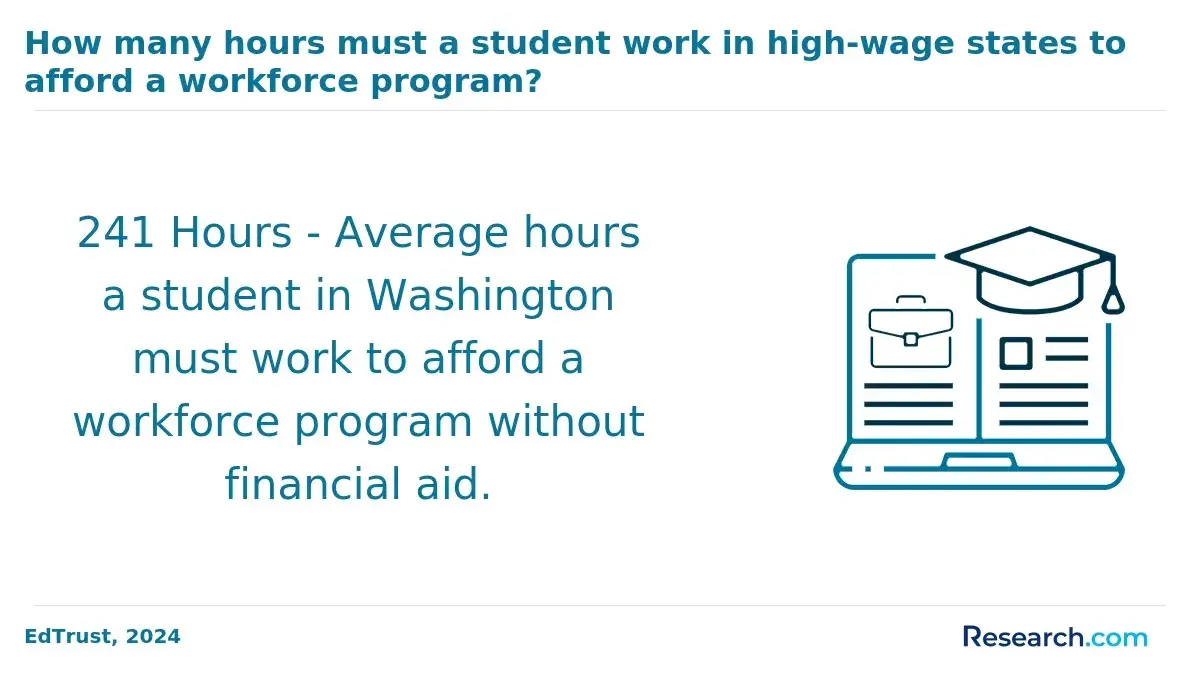
Cost varies widely because tuition is only one part of the total price. Students should also consider technology fees, dissertation continuation fees, residency travel, books, software, professional memberships, graduation fees, and the income effect of reducing work hours.
The table below gives a practical way to compare time and cost factors before committing to a program:
| Cost or timeline factor | Why it matters | Question to ask the school |
| Credit requirement | More credits usually increase tuition and time | How many total credits are required after transfer review? |
| Per-credit tuition | Determines the base academic cost | Is tuition locked, cohort-based, or subject to annual increases? |
| Dissertation continuation | Students may pay fees after coursework while completing research | What is the cost per term if I am working only on dissertation or capstone? |
| Residency or intensive travel | Online programs may still require travel | How many in-person events are required, and what costs should I expect? |
| Transfer credits | Prior graduate coursework may reduce time or cost | What is the maximum transfer allowed, and which courses are eligible? |
| Enrollment pace | Full-time study can shorten the timeline but increase weekly workload | Can working adults move part time without losing cohort standing? |
| Financial aid structure | Borrowing can increase long-term cost through interest | What aid, scholarships, assistantships, employer benefits, or ministry discounts are available? |
Federal loan terms should be part of the cost calculation. For 2025-2026, graduate Direct Unsubsidized Loans have a 7.94% fixed interest rate, and Grad PLUS Loans have a higher fixed rate. That means first-time doctoral students should borrow only after estimating total program cost, likely completion time, and realistic career use of the credential.
Before enrolling, build a simple doctoral budget. Include tuition for all credits, fees, residency travel, books, software, lost income, loan interest, and the cost of extra terms if the dissertation takes longer than expected. Then compare that number with the career benefit you reasonably expect, such as eligibility for teaching, advancement, leadership, supervision, publishing, or ministry development.
An online Christian counseling doctorate can support several career paths, but outcomes depend on the degree type, accreditation, prior licensure, state rules, employer expectations, and the student's experience. It is safest to think of the doctorate as a specialized credential that can expand opportunities, not as a guarantee of a specific job or salary.
Students interested in couple and family therapy should compare doctoral goals with master's-level licensure pathways and review best online MFT programs if they still need the qualifying graduate degree for marriage and family therapy licensure.
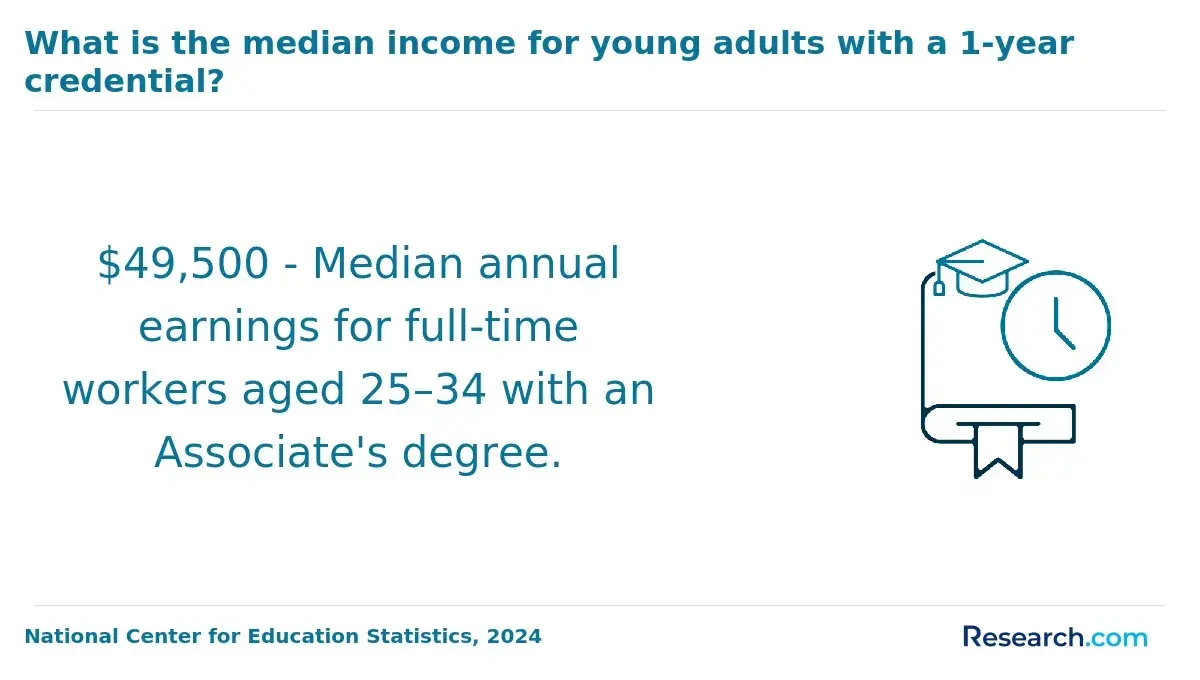
The U.S. Bureau of Labor Statistics reported a May 2024 median annual wage of $59,190 for substance abuse, behavioral disorder, and mental health counselors.
This figure is not a doctoral salary benchmark, but it gives students a useful labor-market reference: many counseling roles are service-oriented and may not produce immediate financial returns large enough to justify heavy doctoral debt.
The table below connects common doctoral pathways with realistic career uses:
| Career direction | Relevant doctoral pathway | How the doctorate may help | Important limitation |
| Pastoral counseling or spiritual care leadership | DMin, EdD, PhD with pastoral counseling focus | Strengthens ministry care, program leadership, teaching, and theological reflection | May not qualify the graduate for state-licensed counseling practice |
| College or seminary teaching | PhD, DMin, EdD depending on institution | Can support teaching in counseling, ministry, pastoral care, or Christian leadership | Faculty hiring depends on discipline fit, publications, experience, and institutional standards |
| Counselor education or supervision | PhD in Counselor Education and Supervision | Supports teaching, supervision, research, and program leadership | May require prior counseling licensure and specific accreditation alignment |
| Nonprofit or church-based counseling program leadership | EdD, PhD, DMin | Builds skills in program evaluation, ethics, crisis response, and care systems | Leadership roles may value experience as much as the degree |
| Clinical practice advancement | Doctorate aligned with prior license and state rules | May strengthen specialization, supervision, credibility, or consulting | Doctorate alone usually does not replace license requirements |
| Writing, speaking, consulting, or curriculum development | PhD, EdD, DMin | Provides scholarly depth and a platform for specialized expertise | Income can be variable and depends on audience, reputation, and business development |
First-time students should be especially cautious if their main motivation is higher earnings. A doctorate may be worthwhile for teaching, leadership, supervision, research, or ministry calling, but the financial return depends on how directly the credential connects to paid opportunities.
A strong career plan identifies the target role before enrollment. For example, a pastor seeking better trauma-informed pastoral care may not need the same doctorate as a licensed counselor seeking university teaching or a family therapist seeking doctoral-level supervision credentials.
How Should First-Time Students Choose an Online Christian Counseling Doctorate Program?
First-time doctoral students should choose an online Christian counseling doctorate by working backward from career goal, licensure status, academic readiness, faith fit, cost tolerance, and support needs. The best program is not always the fastest, cheapest, or most recognizable; it is the one you can finish and use responsibly.
If you need to strengthen your counseling foundation before doctoral study, accelerated mental health counseling programs online may be worth comparing before committing to a doctorate.
Use this step-by-step process to make a defensible decision:
- Define the outcome first: teaching, ministry leadership, clinical advancement, counselor supervision, family therapy, nonprofit leadership, research, or writing.
- Confirm whether the degree is designed for licensure, post-licensure advancement, ministry practice, or academic scholarship.
- Verify institutional accreditation and, when relevant, programmatic accreditation such as CACREP or COAMFTE alignment for counseling-related pathways.
- Compare dissertation, capstone, or ministry project requirements and ask for milestone timelines.
- Review faculty profiles to see whether at least two faculty members have expertise related to your intended topic.
- Ask about cohort size, advisor assignment, dissertation chair availability, writing support, and student retention support.
- Calculate total cost through completion, including fees, extra terms, travel, and loan interest.
- Speak with admissions staff, current students, alumni, and, if licensure matters, your state licensing board before enrolling.
Accreditation deserves special attention. Institutional accreditation affects federal aid eligibility, transfer recognition, and employer confidence. Programmatic accreditation matters in some counseling and therapy fields, but not every Christian counseling or pastoral counseling doctorate is intended to meet clinical standards.
Students should also know when not to start. A doctorate may be premature if you are unclear about your career goal, have weak graduate writing skills, need a license-qualifying master's degree first, cannot sustain weekly study time, or would need to borrow more than your expected career benefit can reasonably justify.
The most practical final test is simple: can you explain why this specific degree, at this specific school, in this specific format, is necessary for your next professional or ministry goal? If the answer is vague, pause and gather more information before enrolling.
Other Things You Should Know About Christian Counseling
Not always. Christian counseling is a broad term that may integrate psychology, counseling theory, theology, and spiritual care. Biblical counseling often places primary emphasis on Scripture and church-based care. Programs use these terms differently, so review the curriculum carefully.
Some do. Faith-based universities may ask for a statement of Christian commitment, ministry experience, pastoral reference, or agreement with institutional beliefs. Others are open to students from varied backgrounds who are willing to study faith-integrated counseling.
Many students do, but it requires a realistic schedule. Part-time enrollment, asynchronous courses, and strong family or workplace support can help. The dissertation or capstone stage often requires more independent time than students expect.
Employer acceptance depends on accreditation, degree relevance, job requirements, and the employer's view of online education. Regionally or institutionally accredited online doctorates are common, but students should confirm expectations with target employers before enrolling.
- Doctorate in Christian Counseling https://breyerstate.com/doctorate-in-christian-counseling/
- Doctor of Philosophy (Ph.D.) in Christian Education and Counseling https://eldermont.com/course/doctor-of-philosophy-ph-d-in-christian-education-and-counseling/
- Best Doctorates in Counseling Online https://www.onlineu.com/degrees/doctoral-counseling
- Doctor of Christian Counseling - Logos University https://logos.edu/academics/graduate-programs/doctor-of-christian-counseling/
- Structure of Online EdD Programs: FT vs PT, Instruction Methods, Cohorts https://www.onlineeddprograms.com/resources/structure-of-online-edd-programs
- Counseling Careers Facts and Figures | CCU Online https://www.ccu.edu/blogs/cags/2012/03/counseling-careers-facts-and-figures/
- Christian Counseling - Manna University https://manna.edu/christian-counseling/
- Does A Christian Counseling Degree Make A Difference? https://www.grace.edu/does-a-christian-counseling-degree-make-a-difference/
- Service Center https://cutsedu.org/doctor-of-philosophy-in-christian-counseling-ph-d-c-c/