
2027 Online Christian Counseling Doctorate vs Master's Degree: Cost, Salary, Career Outcomes, and ROI

Co-Founder and Chief Data Scientist
Choosing between an online Christian counseling doctorate and a master's degree is a financial and career decision, not just an academic one. The stakes are real: BLS wage data shows the median pay for substance abuse, behavioral disorder, and mental health counselors was $59,190 in May 2024, so extra graduate debt can change ROI significantly.
This guide is for students, pastors, counselors, and career changers comparing degree levels. You'll learn how cost, salary potential, licensure fit, career access, time commitment, and opportunity cost affect which path is worth it.
Key Things You Should Know
- A master's degree usually offers the faster and lower-cost path into counseling-related work, especially when the goal is state licensure as an LPC, LMHC, or MFT; a doctorate adds value mainly for teaching, leadership, research, advanced pastoral care, or specialized clinical authority.
- Salary gains are not automatic: BLS 2024 data places median pay at $59,190 for substance abuse, behavioral disorder, and mental health counselors, $63,780 for marriage and family therapists, and $94,310 for psychologists, but psychology roles typically require a different licensure path than Christian counseling.
- The doctorate has a higher opportunity cost because it can add years of tuition, fees, dissertation or project work, and reduced work flexibility; ROI improves when the program is funded, employer-supported, or clearly tied to a promotion, faculty role, consulting niche, or ministry leadership outcome.
What Are the Key Differences Between an Online Christian Counseling Doctorate and Master's Degree?
An online Christian counseling master's degree is typically the entry-level graduate credential for counseling practice, pastoral counseling, ministry-based care, or preparation for state counseling licensure when the curriculum meets state rules. A doctorate is an advanced credential designed for deeper specialization, leadership, research, supervision, higher education, or advanced ministry practice.
The most important distinction is that "Christian counseling" can mean different things. Some programs are clinically oriented and may help meet LPC, LMHC, or MFT licensure requirements. Others are pastoral, biblical, or ministry-focused and may not qualify graduates for state-regulated clinical counseling roles. If your goal is licensure, compare the curriculum, practicum hours, internship requirements, and state board alignment before comparing prestige.
The table below summarizes the practical differences that affect cost, salary potential, and ROI. Use it to identify whether the added doctorate requirements match the job you actually want.
| Factor | Online Christian counseling master's degree | Online Christian counseling doctorate |
| Primary purpose | Entry or advancement into counseling, ministry care, or licensure-aligned preparation | Advanced specialization, leadership, research, teaching, supervision, or high-level ministry practice |
| Common degree types | MA, MS, MDiv with counseling concentration, MFT-focused master's | PhD, EdD, DMin, PsyD-adjacent Christian counseling programs, counselor education doctorates |
| Typical admissions profile | Bachelor's degree, transcripts, references, statement of purpose, sometimes ministry or helping experience | Master's degree, graduate GPA, references, writing sample, professional experience, research or ministry goals |
| Licensure relationship | Often the relevant degree level for LPC, LMHC, or MFT licensure if the program meets state rules | May enhance expertise but usually does not replace state-required master's coursework, supervised hours, and exams |
| Best fit | Students seeking the fastest practical route to counseling roles or ministry-based counseling work | Professionals seeking faculty roles, executive ministry leadership, research, supervision, or advanced specialization |
| Main ROI risk | Choosing a program that is not aligned with licensure or target employment | Paying doctoral tuition without a clear salary, promotion, teaching, or leadership payoff |
If your goal is a licensed counseling career, compare program outcomes carefully and look at broader online masters programs for counseling before assuming a doctorate is necessary. In many states, the master's degree is the credential that starts the licensure pathway.
How Much Does an Online Christian Counseling Doctorate Cost Compared With a Master's Degree?
The doctorate usually costs more because it requires additional credits after the master's degree, longer enrollment, dissertation or doctoral project fees, and more time in advanced coursework. The master's degree can still be expensive, but it is usually the lower-risk financial path when it directly supports licensure or a defined counseling role.
Instead of comparing advertised tuition alone, calculate total degree cost. Online programs may reduce relocation and commuting expenses, but they can still include technology fees, residency fees, supervision costs, background checks, textbooks, and unpaid practicum or internship time.
The table below shows the cost categories that most often change the total price difference between a master's and a doctorate. This matters because a low per-credit rate can still lead to high total cost if the program requires many credits or long enrollment.
| Cost category | Master's degree impact | Doctorate impact | ROI implication |
| Tuition | Usually tied to the full graduate counseling curriculum | Often charged for post-master's coursework plus dissertation or project credits | The doctorate needs a clearer career payoff to justify added tuition |
| Fees | May include online, clinical placement, assessment, graduation, and technology fees | May add residency, dissertation continuation, research, or doctoral project fees | Fees can materially change the real cost even when tuition looks affordable |
| Clinical or ministry placement costs | May include background checks, liability insurance, travel to sites, and supervision documentation | May include advanced practicum, supervision, consulting, teaching, or ministry project requirements | Unpaid hours can reduce earnings while enrolled |
| Books and learning materials | Moderate but recurring across terms | Can be higher if research, assessment, or dissertation resources are required | Small recurring costs add up over longer programs |
| Time in school | Shorter enrollment usually limits total non-tuition costs | Longer enrollment can increase fees, loan interest, and opportunity cost | Duration is part of cost, not separate from it |
A practical cost comparison should include every required payment, not just tuition. Before applying, ask each school for a written total-cost estimate based on your transfer credits, enrollment pace, residency obligations, and expected time to completion.
To compare programs, follow a simple cost checklist:
- Multiply tuition per credit by the number of credits you personally must complete after transfer review.
- Add required university fees, online fees, residency fees, graduation fees, and continuation fees.
- Estimate books, software, liability insurance, background checks, travel, and placement-related expenses.
- Add loan interest exposure if you expect to borrow rather than pay as you go.
- Compare the total against realistic salary or promotion outcomes, not the highest advertised career possibility.
If you already hold a counseling-related master's degree and are comparing doctoral options, a guide to the cheapest online PhD in counseling can help you identify lower-cost doctoral routes, but affordability still needs to be weighed against accreditation, faculty fit, state rules, and career goals.
How Long Does a Christian Counseling Doctorate Take Compared With a Master's Degree?
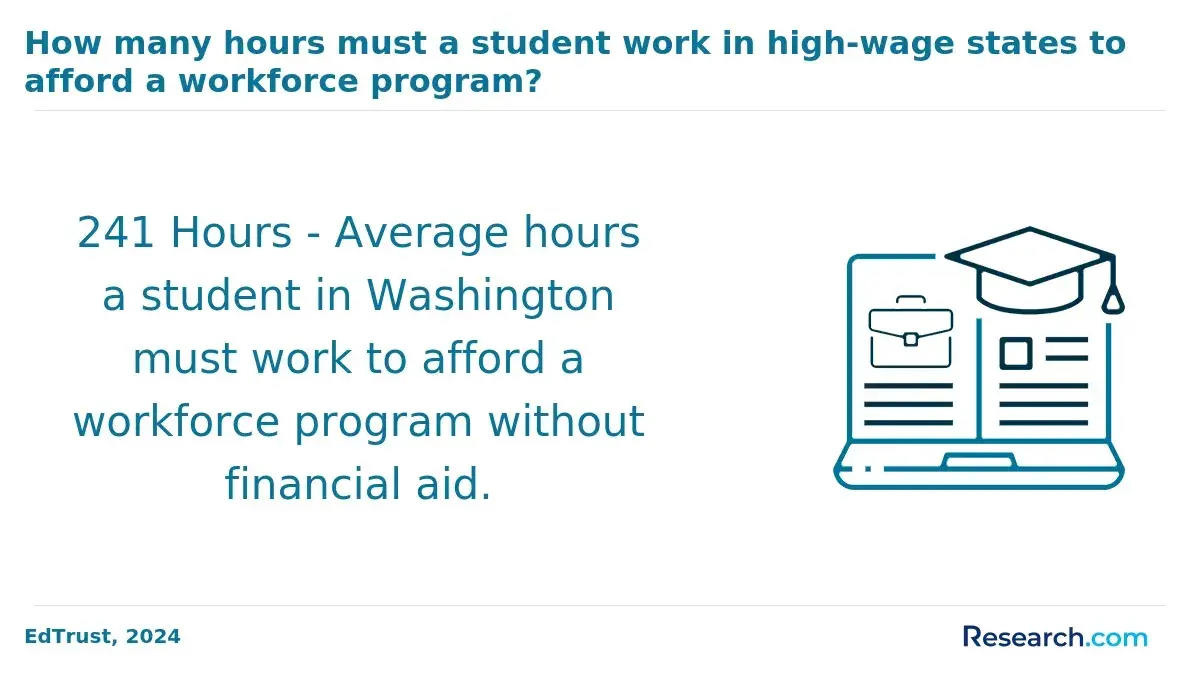
A master's degree is usually the faster credential because it is designed as the main graduate preparation level for counseling practice. A doctorate takes longer because it adds advanced theory, research, leadership training, comprehensive exams, and a dissertation or applied doctoral project.
Time matters because every extra term can affect tuition, loan interest, work hours, family obligations, and career entry. For online learners, part-time study can make school more manageable, but it can also extend the break-even point.
The table below compares common timeline drivers. Use it to estimate not only completion time but also when you can realistically start earning from the credential.
| Timeline factor | Master's degree | Doctorate |
| Enrollment stage | Usually begins after a bachelor's degree | Usually begins after a master's degree, though some programs combine stages |
| Coursework load | Core counseling, theology or integration courses, assessment, ethics, practicum, internship | Advanced counseling theory, research methods, leadership, supervision, theology or ministry integration, dissertation or project |
| Clinical or field requirements | Often central if the program is licensure-oriented | Varies by degree type; may focus on research, teaching, supervision, or ministry application |
| Common completion pattern | Often designed for full-time or part-time completion with a defined course sequence | More variable because dissertation, research, or project completion can extend the timeline |
| Main delay risk | Clinical placement availability, state-specific coursework gaps, or part-time pacing | Dissertation delays, committee review, residency requirements, or changing research scope |
Students who need the quickest route into clinical mental health preparation may want to compare accelerated mental health counseling programs online. A faster master's can improve ROI if it meets state licensure requirements and allows you to enter supervised practice sooner.
Before choosing based on speed, ask schools these questions:
- How many credits will I need after transfer evaluation?
- Are any courses offered only once per year?
- Can online students complete practicum or internship requirements near where they live?
- Are residencies required, and how often do they occur?
- What is the average time to completion for students with my enrollment plan?
Salary comparisons can be misleading if you compare degree titles instead of occupations. A doctorate may improve access to faculty, leadership, consulting, supervision, or specialized roles, but many counseling jobs are tied to licensure, supervised experience, location, employer type, and reimbursement systems rather than the word "doctorate."
BLS May 2024 wage data gives useful labor-market context. It does not isolate Christian counseling graduates, but it helps show the salary range across related U.S. occupations.
| Related occupation | Relevant degree context | Median annual pay from BLS May 2024 data | How to interpret it |
| Substance abuse, behavioral disorder, and mental health counselors | Often master's-level for independent clinical practice, depending on state and employer | $59,190 | This is a realistic benchmark for many counseling-oriented career plans, especially early to mid-career roles |
| Marriage and family therapists | Typically master's-level licensure preparation | $63,780 | A master's can be sufficient for many MFT roles when it meets state requirements |
| Psychologists | Usually doctoral-level, with state licensure and supervised experience | $94,310 | This higher median reflects a different profession and licensure path, not a guaranteed outcome from a Christian counseling doctorate |
The key salary question is not "Which degree is higher?" but "Which credential is required for the role that pays more in my target market?" A master's may produce stronger ROI if it qualifies you for licensure and paid counseling work sooner. A doctorate may produce stronger ROI if it leads to a faculty appointment, administrative promotion, clinical director role, specialized consulting practice, or ministry leadership position that would not be available with the master's alone.
Salary also depends on practice setting. Private practice, faith-based nonprofits, hospitals, group practices, universities, churches, and community agencies can compensate counselors very differently. When comparing programs, ask admissions teams for outcome data by job title rather than broad statements about "advanced career opportunities."
A master's degree can open the door to counseling-related roles, especially when the curriculum is aligned with state licensure. A doctorate can broaden the ceiling, but it is most valuable when the reader wants work that specifically rewards advanced expertise, research ability, teaching preparation, supervision, or executive leadership.
The comparison below shows common outcome differences. It is not a guarantee of eligibility because state licensing boards, employers, and accrediting bodies can set specific requirements.
| Career direction | Master's degree fit | Doctorate fit | Best-value interpretation |
| Licensed professional counseling | Often the core academic requirement if the program meets state LPC or LMHC rules | May support specialization or leadership after licensure | Start with the master's if licensure is the primary goal |
| Marriage and family therapy | Often the standard credential when paired with required supervised experience and exams | May support teaching, supervision, or advanced clinical leadership | The doctorate is optional for many MFT practice goals |
| Pastoral counseling or church-based care | Useful for structured counseling skills in ministry settings | Useful for senior ministry leadership, seminary teaching, or advanced pastoral care models | Choose based on ministry role expectations and denominational norms |
| Clinical supervision | Possible after licensure and experience, depending on state rules | Can strengthen credibility for supervision, training, and program leadership | Doctorate value rises when supervision is central to the career plan |
| Higher education | May qualify for adjunct or skills-based teaching in some settings | Often preferred or required for full-time faculty and research-focused roles | Doctorate is more defensible if teaching or scholarship is the target |
| Nonprofit or ministry executive leadership | May be enough when paired with experience | Can help for senior leadership, curriculum design, policy, or organizational consulting | Doctorate ROI depends on whether the employer rewards the credential |
If your interest is family systems, couples counseling, or relational therapy, comparing best online MFT programs may be more practical than jumping directly to a doctorate. For many relationship-focused counseling careers, the master's degree and supervised clinical experience are the key requirements.
A doctorate can unlock broader professional identity, but it can also over-educate you for roles that pay on a master's-level scale. The best match is the least expensive credential that safely qualifies you for your desired work while leaving room for future advancement.
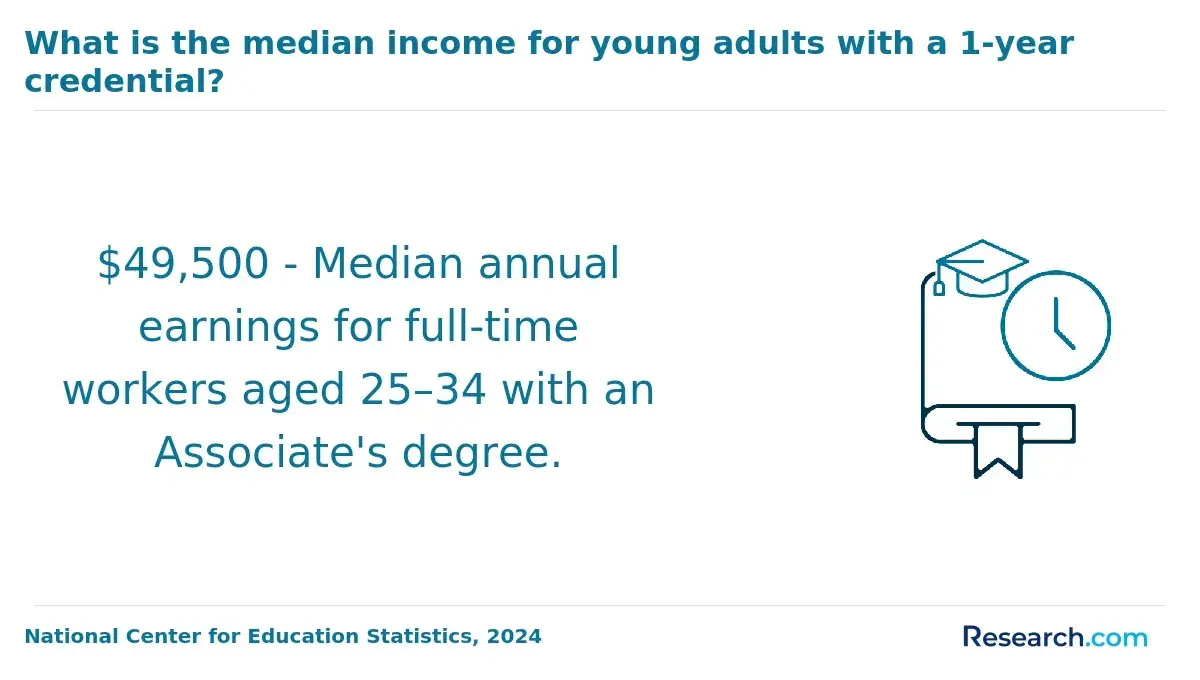
The better ROI depends on the goal. A master's degree often has better short- to mid-term ROI when it is licensure-aligned, completed efficiently, and leads to paid counseling work quickly. A doctorate can have better long-term ROI when it creates access to higher-paying roles that realistically require doctoral preparation.
A useful ROI comparison should include both financial and professional returns. Salary matters, but so do licensure eligibility, career stability, role satisfaction, schedule flexibility, ministry calling, leadership access, and debt burden.
The table below provides a decision-focused ROI comparison rather than a simple "higher degree equals higher value" ranking.
| ROI factor | Master's degree advantage | Doctorate advantage | What to watch |
| Upfront cost | Usually lower total cost and fewer years of fees | Can be reasonable if funded or if many credits transfer | Do not compare tuition rates without total required credits |
| Speed to labor market | Usually faster route into supervised counseling or ministry roles | Slower, unless completed while working full time | Delayed income can reduce ROI even if salary later rises |
| Salary ceiling | Strong enough for many licensed counseling roles | Higher potential in academia, leadership, consulting, or specialized practice | Potential is not the same as likely outcome |
| Licensure fit | Often the required level for counseling licensure pathways | May not fix a non-licensure master's background | State board alignment is more important than degree level |
| Career flexibility | Good for practice-focused roles | Better for teaching, research, supervision, and executive roles | Doctoral flexibility is useful only if you plan to use it |
| Debt risk | Lower if the program is affordable and completed on time | Higher if self-funded and not tied to a compensation increase | Debt can erase the benefit of a modest salary premium |
To estimate your own ROI, use this sequence:
- Identify the exact job title you want within three to five years after graduation.
- Confirm the required degree, accreditation, supervised hours, exams, and license for that role in your state.
- Calculate total program cost, including fees and likely borrowing costs.
- Estimate when you can start earning from the credential, not just when classes end.
- Compare realistic local salary ranges for the target role against your added debt and time in school.
- Choose the lower-cost credential if both degrees qualify you for the same role and pay scale.
Common ROI mistakes include assuming the doctorate automatically pays more, ignoring unpaid practicum or dissertation time, focusing on institutional prestige instead of licensure alignment, and borrowing for a doctoral program before confirming employer demand. A doctorate is most defensible when the job market clearly rewards it.
Opportunity cost is the value of what you give up while pursuing a degree. For graduate students, it can include wages, promotions, retirement contributions, private-practice growth, ministry leadership opportunities, and family time.
The master's degree usually has a lower opportunity cost because it gets students to the qualifying credential sooner. The doctorate can have a high opportunity cost if it requires reduced work hours, unpaid research time, residencies, or an extended dissertation phase.
The table below shows how opportunity cost changes the value calculation. This is especially important for adult learners who are already working in counseling, ministry, education, or social services.
| Opportunity cost issue | Effect on master's ROI | Effect on doctorate ROI |
| Delayed full-time work | Usually shorter delay before counseling-related employment | Longer delay if the doctorate requires intensive research or reduced work |
| Reduced work hours | May occur during practicum or internship | May occur during residencies, dissertation work, teaching requirements, or research |
| Promotion timing | Can support earlier eligibility for clinical or ministry roles | May delay promotion unless the employer rewards doctoral enrollment or completion |
| Professional momentum | Can build experience sooner after graduation | Can deepen expertise but may slow practice growth if poorly timed |
| Personal capacity | Demanding but typically shorter | Can be difficult to sustain across several years of advanced study |
A good rule is to treat time like a cost line. If a doctorate requires several additional years but your target job does not require doctoral training, the financial return may be weak even if the program is academically strong.
Ask yourself these practical questions before choosing the longer path:
- Will the doctorate qualify me for a role I cannot reasonably access with a master's degree?
- Will my employer increase pay, rank, responsibilities, or promotion eligibility after doctoral completion?
- Can I continue earning while enrolled without delaying the dissertation or project indefinitely?
- Will the doctorate strengthen a defined niche, such as trauma-informed pastoral care, counselor education, supervision, or organizational leadership?
- Would completing the master's first and returning later for a doctorate reduce risk?
Funding can completely change the doctorate-versus-master's decision. A self-funded doctorate with significant borrowing has a very different ROI profile from a funded doctoral program, employer-supported pathway, military benefit, denominational scholarship, or tuition-remission arrangement.
Federal loan terms are especially important for graduate students. For the 2024-25 award year, federal Direct Unsubsidized Loans for graduate and professional students carried an 8.08% fixed interest rate, while Direct PLUS Loans for graduate or professional students carried a 9.08% fixed interest rate. That means borrowing for extra doctoral years can grow expensive if the degree does not lead to a clear earnings increase.
The table below compares common funding sources and how they affect ROI. The goal is not just to find aid, but to reduce the amount of high-interest debt needed to complete the credential.
| Funding source | How it helps | Master's ROI effect | Doctorate ROI effect |
| Scholarships and grants | Reduce direct cost without repayment | Can make licensure preparation more affordable | Can make advanced study financially defensible |
| Employer tuition assistance | Offsets tuition while the student remains employed | Improves ROI if the degree supports the current role | Very valuable if the employer also rewards the doctorate with promotion or pay |
| Assistantships or fellowships | May provide tuition support, stipend, research experience, or teaching experience | Less common in many online master's programs | Can substantially improve doctoral ROI, especially for academic goals |
| Denominational or ministry support | May support students preparing for church, chaplaincy, or ministry leadership | Helpful when the master's supports direct ministry service | Useful when doctoral work supports leadership, teaching, or pastoral care specialization |
| Federal loans | Provide access when upfront cash is limited | Manageable only if debt stays aligned with expected earnings | Riskier because longer enrollment can increase total interest exposure |
Before borrowing, compare debt to realistic post-graduation income. Avoid using the highest possible salary as the repayment assumption. A safer approach is to estimate repayment using conservative earnings for your target role and location.
Red flags include programs that cannot provide a clear cost estimate, vague claims about "doctoral-level income," pressure to borrow before transfer evaluation, unclear accreditation, and limited information about clinical placement support. If a school cannot explain how its program supports your specific licensure or career goal, the financial risk increases.
Not all Christian counseling doctorates are designed for the same outcome. A professional doctorate usually focuses on advanced practice, leadership, ministry application, supervision, or organizational problem-solving. A research doctorate usually emphasizes scholarship, research design, dissertation work, theory development, and academic contribution.
A master's degree is different because it usually focuses on foundational counseling knowledge, ethics, assessment, human development, multicultural competence, theology or faith integration, and supervised practice preparation. For many readers, the master's is the practical credential; the doctorate is a specialization or leadership credential.
The table below compares the three paths in a way that connects degree type to career purpose.
| Path | Main focus | Common outcomes | Best fit |
| Master's in Christian counseling or related counseling field | Foundational counseling preparation, faith integration, ethics, and practicum or internship | Counseling roles, ministry counseling, licensure preparation when state-aligned | Students seeking the most direct route into practice or ministry care |
| Professional doctorate | Applied leadership, advanced practice, supervision, program design, ministry systems, or clinical specialization | Clinical leadership, ministry leadership, supervision, consulting, training, organizational roles | Experienced professionals who want advanced authority without a primarily academic research career |
| Research doctorate | Original research, theory, methodology, dissertation scholarship, teaching preparation | Faculty roles, research, curriculum development, policy, advanced academic leadership | Students aiming for scholarship, higher education, or research-heavy leadership |
The professional-versus-research distinction matters for ROI. A professional doctorate can be valuable if it directly improves your leadership or consulting market. A research doctorate can be valuable if you want academic work, but it may offer weaker financial return if you do not plan to teach, publish, or conduct research.
When comparing doctoral programs, ask whether the curriculum is built around practice outcomes, research outcomes, or ministry outcomes. Then compare that answer with your actual career plan. A strong program in the wrong category can still be a poor investment.
When Is a Christian Counseling Doctorate Worth It Instead of a Master's Degree?
A Christian counseling doctorate is worth it instead of stopping at the master's level when the added credential is clearly connected to a career outcome that requires, strongly prefers, or financially rewards doctoral training. It is less likely to be worth it when the master's already qualifies you for the job you want.
The doctorate is most defensible in these situations:
- You want to teach full time in higher education, seminary, counselor education, or a related academic setting.
- You already hold a licensure-aligned master's degree and want advanced specialization, supervision authority, or clinical leadership.
- Your employer, denomination, agency, or institution rewards doctoral completion with promotion, pay, rank, or expanded responsibility.
- You want to conduct research, publish, design curriculum, or influence counseling and ministry practice at a systems level.
- You can reduce cost through funding, employer assistance, scholarships, assistantships, or continued full-time employment.
The master's degree is usually the better choice in these situations:
- Your primary goal is to qualify for LPC, LMHC, or MFT licensure and the master's program meets your state's requirements.
- You want to begin counseling-related work as soon as possible.
- Your target employers pay master's- and doctorate-trained counselors on similar scales.
- You would need to borrow heavily for the doctorate without a realistic earnings increase.
- You are still unsure whether you prefer clinical practice, ministry counseling, teaching, research, or leadership.
A practical decision rule is to choose the master's when it is the credential required for entry and choose the doctorate when it is the credential required for advancement. If both degrees lead to the same job, same pay scale, and same licensing outcome, the master's usually has stronger ROI.
Before enrolling, complete this final decision checklist:
- Confirm whether your target role requires licensure, ordination, certification, board approval, or institutional credentials.
- Verify whether the program is regionally accredited and whether its counseling curriculum aligns with your state's rules.
- Ask for total cost, average completion time, residency requirements, and placement support in writing.
- Compare expected outcomes by job title, not broad promotional language.
- Calculate the added cost and time of the doctorate compared with the salary or role difference it may unlock.
- Choose the lower-risk path if the doctorate does not create a measurable career advantage.
Other Things You Should Know About Christian Counseling
It can, but only if the program meets your state's coursework, clinical hour, accreditation, and exam requirements. Some Christian counseling programs are ministry-focused and are not designed for LPC, LMHC, or MFT licensure, so check with your state board before enrolling.
CACREP is not required in every state or for every counseling role, but it can be important for licensure portability, employer recognition, and state board approval. If your goal is licensed clinical counseling, ask whether the program is CACREP-accredited or otherwise accepted by your state board.
Many licensure-oriented online programs require in-person practicum or internship hours at approved sites near the student's location. Fully online coursework does not always mean fully online clinical training.
Christian counseling often integrates counseling theory, ethics, psychology, and faith perspectives, while biblical counseling may rely more directly on Scripture and church-based care models. The distinction matters because clinical licensure typically requires specific counseling coursework and supervised clinical training.
- Undergraduate Programs https://christianbibleinstitute.net/doctorate-degree-programs/doctor-of-christian-counseling-and-psychology-cpsy-d/
- Is Grad School Worth It? A Comprehensive Return on Investment Analysis - FREOPP https://freopp.org/whitepapers/is-grad-school-worth-it-a-comprehensive-return-on-investment-analysis/
- Masters vs PhD in Counseling Psychology Salary | HealthGrad https://www.healthgrad.com/mental-health/masters-vs-phd-counseling-psychology-salary/
- Counseling Degrees https://www.ccu.edu/ccu/counseling/
- Does A Christian Counseling Degree Make A Difference? https://www.grace.edu/does-a-christian-counseling-degree-make-a-difference/
- What Master's Degree Has the Best ROI? A Data-Based Framework for Choosing Your Specialization https://www.e-business-school.com/how-to-choose-a-master-s-specialization-a-data-driven-guide-to-aligning-passion-with-profit/
- Best Online Psychology Degrees: Differences Between Christian and Secular Schools - Grace Christian University https://gracechristian.edu/blog/best-online-psychology-degrees-differences-between-christian-and-secular-schools/
- Comparing Christian Counseling Degrees: Which Route Fits Your Calling? https://blog.utf.edu/articles/comparing-christian-counseling-degrees-which-route-fits-your-calling
- Online Degrees https://onlinecounselingprograms.com/online-counseling-degrees/
- Is College Worth it? | Return on Investment Analysis of College Degree https://educationdata.org/college-degree-roi


