2027 PhD vs Professional Doctorate in Christian Counseling: Key Differences, Careers, and Salary Outcomes

Co-Founder and Chief Data Scientist
Choosing between a PhD and a professional doctorate in Christian Counseling is really a choice between research depth and applied leadership. The decision matters because counseling-related employment remains strong: the U. S. Bureau of Labor Statistics projects mental health counselor jobs to grow 17% from 2024 to 2034. This guide is for counselors, pastors, ministry leaders, and master's graduates deciding whether doctoral study will improve their teaching, research, clinical, or leadership options. You will learn how the two paths differ in curriculum, cost, licensure fit, careers, and salary context.
Key Things You Should Know
- A PhD in Christian Counseling is usually best for research, teaching, publishing, and academic leadership, while a professional doctorate is usually best for advanced practice, supervision, ministry leadership, consulting, or applied program development.
- Salary depends more on the job than the degree title: BLS May 2024 data lists median pay of $59,190 for substance abuse, behavioral disorder, and mental health counselors, $63,780 for marriage and family therapists, and $83,980 for postsecondary teachers.
- Funding is often stronger in traditional PhD programs, while professional doctorates are more commonly self-funded; graduate students may borrow up to $20,500 per academic year in federal Direct Unsubsidized Loans before considering Grad PLUS or institutional aid.
What Is the Difference Between a PhD and a Professional Doctorate in Christian Counseling?
A PhD in Christian Counseling is a research doctorate. It typically prepares students to study counseling theory, theology, pastoral care, human behavior, ethics, and faith-integrated mental health questions through original scholarship. The main outcome is usually a dissertation that contributes new knowledge to the field.
A professional doctorate in Christian Counseling is an applied doctorate. Depending on the institution, it may be named Doctor of Ministry in Counseling, Doctor of Professional Counseling, Doctor of Pastoral Counseling, Doctor of Counseling, or a similar title. Its purpose is usually to help experienced practitioners solve real problems in churches, counseling centers, schools, nonprofits, chaplaincy settings, or faith-based organizations.
The table below summarizes the practical distinction. Use it to decide whether your long-term goal depends more on producing research or applying advanced counseling and ministry expertise.
| Comparison point | PhD in Christian Counseling | Professional doctorate in Christian Counseling |
| Primary purpose | Original research and academic preparation | Advanced practice, leadership, and applied problem-solving |
| Best fit | Future faculty, researchers, authors, policy analysts, or curriculum developers | Licensed counselors, pastoral counselors, ministry leaders, supervisors, consultants, or administrators |
| Final project | Dissertation based on original research | Applied dissertation, capstone, ministry project, clinical project, or organizational intervention |
| Career signal | Research competence and scholarly specialization | Practice expertise and senior professional leadership |
| Common risk | Choosing it without wanting a research-heavy doctoral experience | Assuming it has the same academic hiring value as a research doctorate at every institution |
Neither pathway is automatically better. A PhD is usually stronger for research-intensive academic goals, while a professional doctorate is often more efficient for practitioners who want advanced credibility without stepping away from full-time work for a traditional research apprenticeship.
How Do PhD and Professional Doctorate Curricula, Research, and Capstone Requirements Differ in Christian Counseling?
Both degree types may include theology, counseling theory, ethics, human development, assessment, pastoral care, and cultural competency. The difference is how those subjects are used. PhD students are trained to ask research questions and defend methods; professional doctorate students are trained to apply evidence and theology to complex practice settings.
The table below shows how academic work usually differs. Program names vary, so treat this as a comparison framework rather than a universal rule.
| Program component | PhD emphasis | Professional doctorate emphasis |
| Research methods | Advanced qualitative, quantitative, or mixed-methods design | Practice-based inquiry, program evaluation, case analysis, or applied research |
| Theology and integration | Scholarly analysis of biblical, theological, and counseling frameworks | Application of faith-integrated models to clients, ministries, teams, or organizations |
| Clinical or ministry application | Often secondary unless the program is tied to licensure or supervised clinical training | Usually central, especially for licensed counselors, pastoral counselors, chaplains, or ministry leaders |
| Faculty mentorship | Research supervision and publication-oriented mentoring | Practice, leadership, supervision, or project mentoring |
| Final scholarly product | Dissertation intended to add new knowledge | Capstone or applied project intended to improve practice or solve a field problem |
When reviewing curricula, look beyond the degree title and examine what you will actually produce. A strong PhD should include rigorous research design, literature review, data analysis, and dissertation supervision. A strong professional doctorate should include advanced applied courses, ethical decision-making, leadership, assessment of outcomes, and a final project tied to a real counseling or ministry problem.
Before applying, compare these program features carefully because they determine whether the doctorate will fit your learning style and career plan:
- Dissertation or capstone expectations, including proposal defense, data collection, committee review, and publication potential
- Faith integration approach, including whether the program is biblical counseling, pastoral counseling, clinical mental health counseling, marriage and family counseling, or ministry-focused
- Clinical relevance, including whether courses support licensure renewal, supervision, private practice leadership, or continuing education goals
- Research support, including faculty expertise, methods courses, writing support, and realistic completion timelines
A common mistake is choosing the path that sounds more prestigious instead of the path that matches the work you want to do every week. If you dislike research design, a dissertation-heavy PhD may become frustrating. If you want a tenure-track academic role, a practice-focused doctorate may not carry the same weight in some hiring committees.
What Are the Admissions Requirements for a PhD vs Professional Doctorate in Christian Counseling?
Admissions requirements vary widely because Christian Counseling programs may be housed in seminaries, universities, psychology-related departments, counseling departments, or ministry schools. Most doctoral programs expect graduate-level preparation, writing ability, professional maturity, and a clear reason for pursuing advanced study.
Applicants who still need a counseling master's foundation may want to compare accelerated mental health counseling programs online before committing to a doctorate. A doctoral program is rarely the best first step if your immediate goal is entry-level counseling licensure.
The table below outlines common admissions differences. Always verify requirements with the school and, if clinical practice is involved, with your state licensing board.
| Requirement | PhD in Christian Counseling | Professional doctorate in Christian Counseling |
| Prior degree | Usually a master's degree in counseling, psychology, theology, divinity, ministry, or a related field | Usually a relevant master's degree; some DMin-style programs require theological or ministry training |
| Professional experience | Helpful and sometimes required, but research fit may matter more | Often strongly valued or required because projects are practice-based |
| Licensure | May be required for clinically oriented programs, but not always for research or ministry programs | Often preferred or required for programs aimed at clinical supervision or advanced counseling practice |
| Writing sample | Usually important because dissertation work depends on scholarly writing | Often required, though it may focus on ministry, practice, case analysis, or leadership experience |
| Statement of purpose | Should explain research interests and faculty fit | Should explain professional goals and the practice problem you want to address |
Strong applicants usually show alignment between their background and the degree's purpose. For a PhD, admissions committees want to see that you can complete independent research. For a professional doctorate, they want evidence that you can apply doctoral-level learning to a real counseling, pastoral, or organizational setting.
Use these steps before you apply so you do not enter the wrong type of doctoral program:
- Confirm whether your career goal requires licensure, academic research credentials, ministry credentials, or advanced professional development.
- Ask whether the program admits students without a counseling master's degree and whether prerequisite courses are required.
- Review faculty biographies to see whether their expertise matches Christian counseling, pastoral care, trauma, marriage and family work, addiction, chaplaincy, or another specialization.
- Request recent dissertation or capstone titles to understand the level and type of scholarship expected.
- Ask admissions staff how many students work full time and what support exists for doctoral writing, research approval, and project completion.
How Long Does a PhD vs Professional Doctorate in Christian Counseling Take, and Can You Work While Studying?
Time to completion depends on enrollment intensity, transfer credits, dissertation progress, clinical or ministry project requirements, and whether the program is residential, hybrid, or online. In general, PhD programs often take longer because original research, committee review, data collection, and dissertation revision can extend the timeline.
Professional doctorates are often designed for working adults, especially licensed counselors, pastors, chaplains, and ministry leaders. That does not mean they are easy; it means the structure may be more compatible with weekend intensives, online coursework, cohort models, or project work embedded in your current setting.
The table below provides a practical planning comparison rather than a promise. Individual programs may be shorter or longer depending on credit load and final project progress.
| Planning factor | PhD pathway | Professional doctorate pathway |
| Typical study pattern | Full-time or part-time, often with sustained research blocks | Often part-time or cohort-based for working professionals |
| Major time pressure | Dissertation proposal, institutional review, data analysis, and defense | Applied project design, implementation, evaluation, and final presentation |
| Work compatibility | Possible, but demanding if assistantships, residencies, or research expectations are heavy | Often more compatible with full-time employment if projects align with current work |
| Best schedule fit | Students who can protect regular research and writing time | Professionals who need structured milestones while continuing practice or ministry |
If you plan to work while studying, the most important question is not simply whether the program is online. It is whether the program's writing, research, residency, practicum, and committee expectations match your available time.
Before enrolling, ask the school these workload questions:
- How many hours per week do successful students usually spend on coursework during the first year?
- Are synchronous class meetings required, and are they compatible with evening counseling sessions, church responsibilities, or agency work?
- How often are campus residencies, intensives, or dissertation defenses required?
- What happens if a dissertation or capstone takes longer than the advertised program sequence?
- Are leaves of absence, reduced loads, or dissertation-continuation fees available if your work or family responsibilities change?
A red flag is a program that advertises a very short completion time but gives little detail about dissertation supervision, capstone approval, or faculty availability. Doctoral completion depends heavily on support after coursework ends.
How Much Does a PhD vs Professional Doctorate in Christian Counseling Cost, and Which Offers Better Funding?
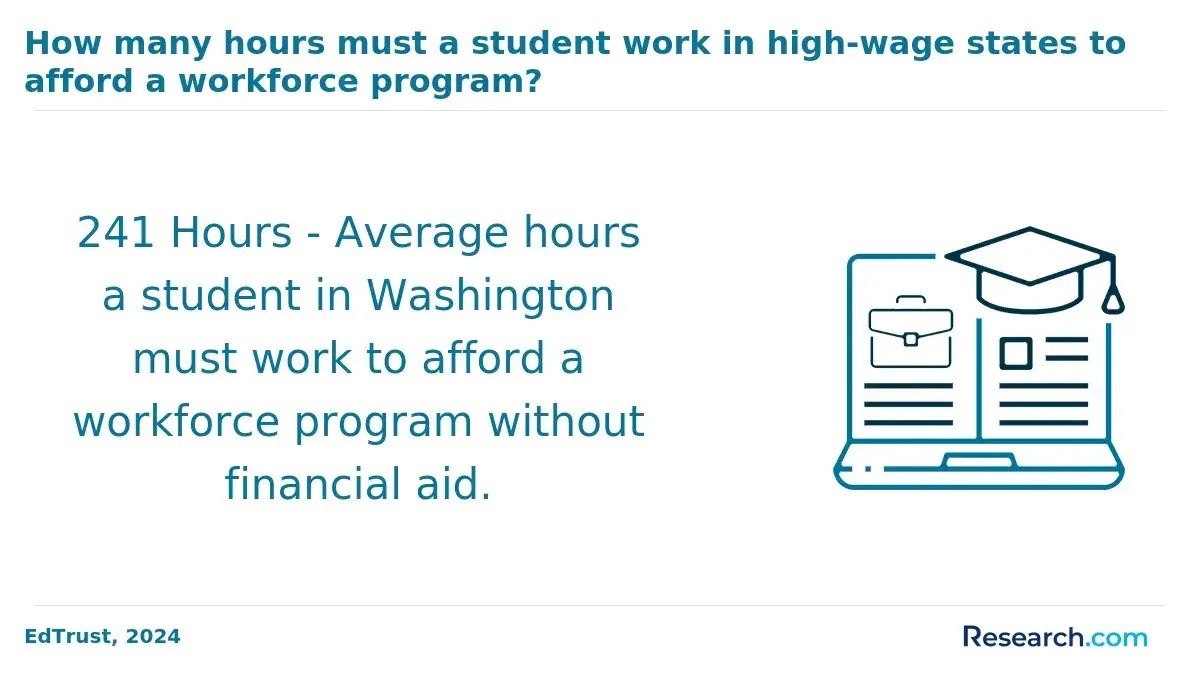
Cost is one of the biggest differences between the two paths. Traditional PhD programs may offer assistantships, tuition remission, stipends, or research roles, especially when housed in larger universities. Professional doctorates are more often tuition-driven programs for working adults, so students may rely more on employer support, personal funds, payment plans, or federal loans.
For readers focused on affordability, comparing the cheapest online PhD in counseling can help establish a cost benchmark before evaluating Christian Counseling specializations. Just remember that the lowest tuition is not automatically the best value if the program lacks relevant accreditation, faculty support, or career alignment.
Federal aid rules also affect the calculation. Graduate and professional students may borrow up to $20,500 per academic year in Direct Unsubsidized Loans, with Grad PLUS loans potentially covering remaining eligible cost of attendance after other aid. This matters because a self-funded doctorate can create repayment pressure even if monthly payments are deferred during enrollment.
The table below compares the major cost and funding variables you should evaluate before choosing either doctoral path.
| Cost factor | PhD in Christian Counseling | Professional doctorate in Christian Counseling |
| Tuition exposure | Can be reduced if the program provides funding, assistantships, or tuition remission | Often paid by the student, employer, ministry organization, or through loans |
| Opportunity cost | May be higher if full-time study reduces employment income | May be lower if the program allows continued full-time work |
| Funding availability | Often stronger in research universities, but not guaranteed | Usually more limited; scholarships may be smaller or competitive |
| Hidden costs | Residencies, research software, conference travel, dissertation continuation fees | Residencies, project implementation costs, supervision fees, technology, continuation fees |
| ROI risk | Higher if the student cannot secure academic or research roles after graduation | Higher if the degree does not improve leadership scope, client base, salary grade, or consulting opportunities |
Do not compare programs by tuition alone. A better cost comparison includes the total cost of attendance, lost income, time to completion, funding certainty, interest accumulation, and whether the doctorate is necessary for the role you want.
Use this checklist to evaluate affordability before signing an enrollment agreement:
- Ask for a written estimate of total program cost, including tuition, fees, residencies, dissertation or capstone continuation, books, technology, and travel.
- Confirm whether funding is guaranteed, renewable, competitive, or dependent on assistantship availability.
- Calculate how much debt you would carry if the final project takes one or two extra terms.
- Ask your employer, church, counseling center, or nonprofit whether tuition reimbursement is available and whether a service commitment is required.
- Compare expected career benefits to realistic salary data for your target occupation, not to general doctoral-degree earnings claims.
What Careers Can You Pursue With a PhD vs Professional Doctorate in Christian Counseling?
Career outcomes depend on your prior credentials. A doctorate in Christian Counseling may deepen your expertise, but it does not automatically replace the supervised hours, exams, accredited degree requirements, or state approval needed for licensed clinical practice. This distinction is especially important for readers comparing counseling, marriage and family, pastoral, and academic pathways.
If your long-term goal is couple and family therapy, comparing best online MFT programs may be more relevant than starting with a doctorate, because licensure pathways usually begin at the master's level. A doctorate can later support teaching, supervision, program leadership, or specialized practice.
The table below connects each doctorate type with common career directions. It is not a list of guaranteed outcomes; employers evaluate licensure, experience, publications, teaching record, leadership history, and institutional fit.
| Career direction | Better-fit doctorate | Why it may fit |
| University faculty member in counseling, theology, ministry, or pastoral care | Often PhD | Research training, dissertation depth, publication potential, and academic hiring expectations |
| Researcher or author on faith-integrated counseling models | Often PhD | Preparation in theory-building, methodology, and scholarly contribution |
| Licensed counselor in private practice seeking advanced specialization | Often professional doctorate | Applied coursework can support practice leadership, supervision, niche expertise, and credibility |
| Pastoral counselor, chaplain, or ministry care director | Often professional doctorate | Projects can address congregational care, crisis response, grief ministry, or organizational systems |
| Counseling center director or nonprofit behavioral health leader | Either, depending on role | PhD may support research and evaluation; professional doctorate may support operations and applied leadership |
| Consultant or trainer for churches and faith-based organizations | Either, depending on niche | PhD may strengthen evidence-based authority; professional doctorate may strengthen practice-based solutions |
For career planning, match the doctorate to the work product employers or clients will value. Universities may want peer-reviewed research and teaching experience. Counseling centers may value licensure, supervision eligibility, outcomes measurement, and leadership experience. Churches may value pastoral credibility, theological fit, crisis-care competence, and practical ministry results.
Common mistakes include assuming that a doctorate automatically expands scope of practice or that "Christian Counseling" means the same thing in every employer setting. To avoid these problems, check whether your target roles require state licensure, denominational endorsement, board certification, faculty publications, clinical supervision approval, or administrative experience.
Which Pays More: a PhD or Professional Doctorate in Christian Counseling?
Neither degree type has a single salary outcome because "Christian Counseling" is not one standardized labor-market category. Pay depends on occupation, license status, employer type, geographic location, years of experience, leadership responsibilities, and whether you work in academia, private practice, ministry, healthcare, education, or nonprofit administration.
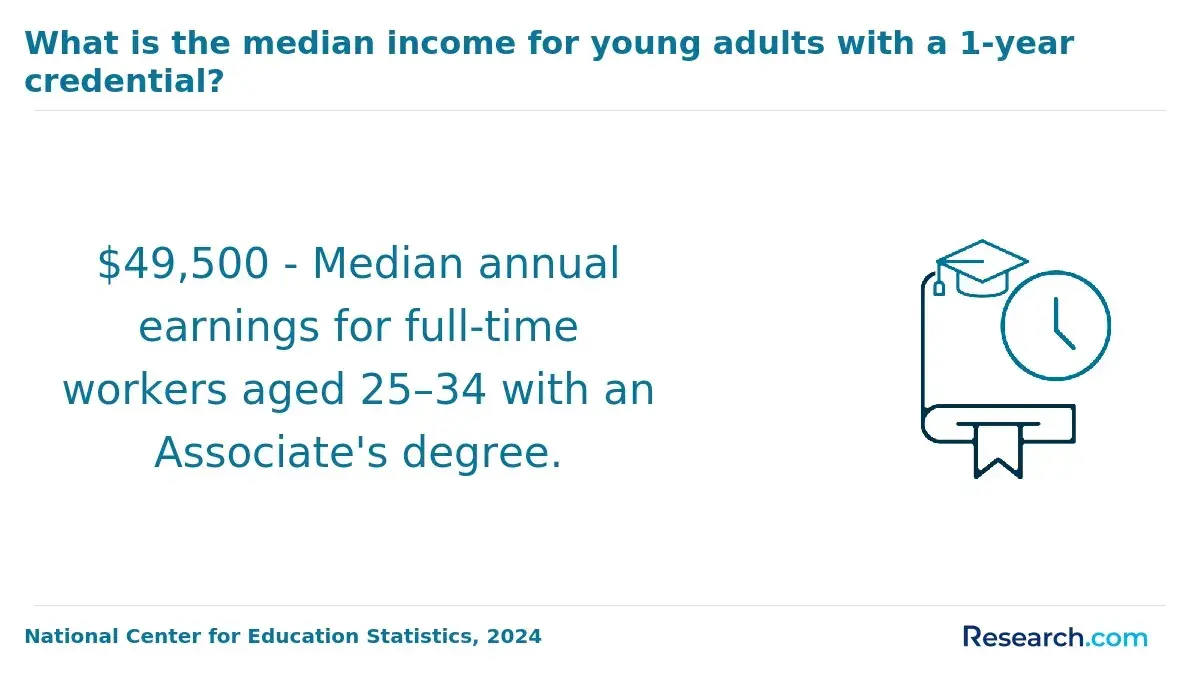
BLS May 2024 data provides useful salary anchors for related U.S. roles: substance abuse, behavioral disorder, and mental health counselors had median pay of $59,190; marriage and family therapists had median pay of $63,780; and postsecondary teachers had median pay of $83,980. These figures should be used as occupational context, not as predictions for any specific Christian Counseling graduate.
The table below shows how salary potential tends to differ by role rather than by degree title alone.
| Role or setting | Relevant salary context | Degree implications |
| Licensed mental health counselor or pastoral-integrative therapist | Often aligned with counselor wage data, but private practice income varies widely | A professional doctorate may help with specialization, supervision, or leadership, but licensure and client base matter more |
| Marriage and family therapist with faith-integrated practice | Often aligned with MFT wage data | A doctorate may support teaching, supervision, or niche practice; the master's-level license remains central |
| Postsecondary teacher | Often aligned with postsecondary teaching wage data | A PhD may be preferred for research-focused faculty roles; some ministry or practice programs may accept professional doctorates |
| Counseling center director, nonprofit leader, or ministry care executive | Pay varies by organization size, budget, funding source, and leadership scope | Either doctorate can help if paired with management experience and measurable outcomes |
| Consultant, speaker, author, or trainer | Income varies by reputation, contracts, audience, and business model | Degree title matters less than expertise, credibility, network, and results |
A PhD may pay more when it leads to a faculty role, funded research position, or academic leadership track. A professional doctorate may pay more when it helps a licensed practitioner move into supervision, program leadership, consulting, or a stronger private-practice niche. The better question is not "Which doctorate pays more?" but "Which doctorate supports the job model that can realistically raise my income?"
To compare salary outcomes responsibly, use this process:
- Choose three target jobs you would pursue after graduation, such as faculty member, clinical supervisor, counseling center director, or pastoral care consultant.
- Look up salary ranges for those exact roles in your state or metro area using employer postings, public salary databases, and BLS occupational categories.
- Separate income tied to licensure, leadership, and business ownership from income tied to the doctoral credential itself.
- Estimate total doctoral cost, including interest and lost income, against conservative salary gains rather than best-case outcomes.
What Is the Job Outlook for PhD and Professional Doctorate Graduates in Christian Counseling?
The strongest labor-market signal is not for "Christian Counseling" specifically, but for counseling and mental health services more broadly. BLS projects employment for substance abuse, behavioral disorder, and mental health counselors to grow 17% from 2024 to 2034, which indicates continued demand for behavioral health support. For doctoral students, this suggests opportunity, but only when the degree is paired with the credentials employers actually require.
Demand is shaped by several current trends. Mental health needs remain high, telehealth has made counseling more accessible, faith-based organizations are paying closer attention to trauma and crisis care, and employers increasingly expect measurable outcomes rather than general helping experience. At the same time, academic jobs can be competitive, so PhD students should not assume that a doctorate alone will secure a tenure-track position.
The table below shows how outlook considerations differ depending on the career path you choose after the doctorate.
| Path | Outlook signal | What it means for doctoral choice |
| Clinical counseling practice | Strong demand in mental health counseling occupations | Licensure and supervised experience matter more than whether the doctorate is a PhD or professional doctorate |
| Marriage and family therapy | Demand is supported by need for family, relational, and behavioral health services | A doctorate can add specialization, but state-recognized MFT preparation is essential |
| Higher education | Opportunities vary by discipline, institution type, budget, and publication expectations | A PhD is often stronger for research universities; professional doctorates may fit practice-oriented or ministry programs |
| Faith-based organizational leadership | Demand depends on church size, nonprofit funding, and program priorities | A professional doctorate may fit applied leadership if it produces measurable ministry or counseling outcomes |
| Consulting and training | Opportunity depends on niche demand and credibility | Either doctorate can work if paired with evidence, practical tools, and a clear audience |
AI and digital tools are also changing the field. Counselors and educators increasingly use telehealth platforms, digital intake systems, outcomes tracking, online learning tools, and AI-assisted administrative workflows. Doctoral programs that teach ethical technology use, data interpretation, privacy, and evidence-based evaluation may offer a stronger preparation than programs that ignore these changes.
For the best outlook, choose a program that strengthens both your credential and your marketable capabilities. Look for training in supervision, trauma-informed care, ethics, cultural humility, program evaluation, teaching, writing, leadership, and technology-supported practice.
How Do Accreditation, Licensure, and Employer Recognition Differ for PhD vs Professional Doctorate in Christian Counseling?
Accreditation and licensure are where many applicants make costly mistakes. A Christian Counseling doctorate may be academically meaningful, spiritually aligned, and professionally useful, but it may not qualify you for state clinical licensure if the program does not meet the required counseling, psychology, social work, or marriage and family therapy standards.
If you are still building the licensure foundation, comparing online masters programs for counseling may be the more practical first move. In many states, the qualifying degree for LPC, LMHC, LMFT, or similar credentials is a master's degree that meets specific coursework and supervised experience requirements.
The table below explains the recognition issues to check before choosing a doctorate. Requirements vary by state, employer, institution, and denomination.
| Recognition issue | Why it matters | What to verify |
| Institutional accreditation | Employers, licensing boards, and other universities may reject degrees from unrecognized institutions | Regional or nationally recognized institutional accreditation accepted by your target employers or boards |
| Programmatic accreditation | Some clinical pathways depend on counseling, psychology, MFT, or social work standards | Whether the program is CACREP, COAMFTE, APA, CSWE, or otherwise aligned when relevant to your license |
| State licensure fit | A doctorate alone may not grant clinical authority | Required degree level, coursework, supervised hours, exams, and post-degree experience in your state |
| Faith-based or pastoral credentials | Churches and ministries may evaluate theological fit and denominational endorsement | Whether the degree supports ordination, chaplaincy, pastoral counseling, or denominational expectations |
| Academic hiring recognition | Faculty roles may distinguish research doctorates from applied doctorates | Whether comparable faculty at target institutions hold PhDs, professional doctorates, licenses, or ministry doctorates |
Employer recognition also depends on language. Some employers may understand "PhD" immediately but need context for a Doctor of Ministry, Doctor of Professional Counseling, or Doctor of Pastoral Counseling. That does not make the professional doctorate weak; it means you should be ready to explain the program's rigor, capstone, applied outcomes, and relevance to the role.
Before enrolling, take these verification steps:
- Check the institution's accreditation directly with a recognized accreditor, not only on the school's marketing page.
- Contact your state licensing board in writing if you expect the doctorate to affect clinical practice, supervision, or license eligibility.
- Review job postings for your target roles to see whether employers request a PhD, doctorate, license, seminary degree, or specific accreditation.
- Ask the program for graduate outcomes, employer examples, licensure disclosures, and recent dissertation or capstone topics.
- Avoid programs that are vague about accreditation, promise licensure without state-specific detail, or use pressure-based admissions tactics.
Is a PhD or Professional Doctorate in Christian Counseling Worth It for Your Career Goals?
A doctorate in Christian Counseling can be worth it when the credential directly supports your target role, improves your expertise, expands your leadership scope, or helps you produce scholarship or applied outcomes you could not develop through a shorter credential. It is less likely to be worth it if you are using it to compensate for unclear goals, avoid licensure requirements, or chase a salary increase that the labor market does not support.
Use the comparison below to make a decision based on fit rather than prestige.
| Your goal | Better choice | Why |
| You want to become a professor, researcher, or scholarly author | Usually PhD | The dissertation, methods training, and publication preparation align with academic expectations |
| You are a licensed counselor seeking advanced practice leadership | Usually professional doctorate | The applied format may strengthen supervision, program development, and specialized practice |
| You lead pastoral care, chaplaincy, or counseling ministries | Often professional doctorate | A practice-based project can directly improve ministry systems and care models |
| You want a tenure-track job at a research university | Usually PhD | Research productivity and scholarly specialization are often central to hiring |
| You are unsure whether you want counseling licensure | Neither yet | Clarify the master's-level licensure path before investing in doctoral study |
| You want the highest possible income with minimal debt risk | It depends on role and funding | Compare total cost, funding, licensure, employer demand, and realistic salary movement |
Students who need a faster route into counseling practice may be better served by master's preparation first, including online masters programs for counseling. A doctorate is usually a later-stage investment for specialization, scholarship, leadership, or credibility after the basic professional pathway is clear.
A practical decision framework is to score each program against your goals. Give more weight to the factors that will actually affect your next career move.
- Define your target role in one sentence, such as "I want to teach counseling at a seminary" or "I want to supervise clinicians in a faith-based practice."
- Identify the required credential for that role, including license, accreditation, doctorate type, publications, ministry endorsement, or leadership experience.
- Compare total cost against conservative salary or career benefits, not best-case marketing claims.
- Choose a PhD if your future depends on research, publication, theory development, or research-focused teaching.
- Choose a professional doctorate if your future depends on applied leadership, advanced practice, ministry systems, supervision, or consulting.
- Delay doctoral study if you cannot explain how the degree will change your responsibilities, qualifications, income model, or contribution to the field.
The most important red flag is a program that sounds attractive but does not match the requirements of your intended career. The right doctorate is not the one with the most impressive title; it is the one that gives you the training, recognition, support, and outcomes your next professional step actually requires.
Other Things You Should Know About Christian Counseling
It depends on your state, role, and services. Pastoral or biblical counseling may be allowed in some ministry contexts, but diagnosing or treating mental health disorders usually falls under state-regulated clinical practice. Check your state board before advertising services.
It can be, especially when the institution is properly accredited, faculty are qualified, and the program includes rigorous research or applied project requirements. Employer acceptance depends more on accreditation, program reputation, licensure relevance, and outcomes than on online delivery alone.
Not always. Many states base clinical supervision eligibility on licensure level, years of experience, approved supervisor training, and board rules rather than a doctorate. A doctorate may strengthen your expertise, but it may not replace state-specific supervisor requirements.
Choose based on the work you intend to do. Biblical and pastoral counseling often fit church or ministry settings, while clinical counseling is usually the path for state-licensed mental health practice. Some professionals combine faith integration with clinical licensure, but the requirements must be planned carefully.
References
- Doctor of Philosophy in Clinical Christian Counseling - CrossPointe Theological Seminary https://crosspointe.education/doctor-of-philosophy-in-clinical-christian-counseling/
- PhD vs. Professional Doctorate: Is there a difference? https://www.applykite.com/blog/phd-guide-phd-vs-postdoc
- What Can You Do With A Ph.D. In Psychology? | Psychology.org https://www.psychology.org/resources/jobs-with-a-doctorate-in-psychology/
- What's the Difference between a PhD, a DMin, and a ThD? https://www.pastortheologians.com/articles/2024/4/10/whats-the-difference
- Undergraduate Programs https://christianbibleinstitute.net/doctorate-degree-programs/doctor-of-christian-counseling-and-psychology-cpsy-d/
- The Role Of The Certified Christian Counselor – AIHCP https://aihcp.net/the-role-of-the-certified-christian-counselor/
- Board Certified Christian Counseling Program https://nacconline.org/board-certified-christian-counseling-program/
- Certification Info/Requirements https://www.ncpastoralcounseling.org/certification-inforequirements.html
- Doctoral Degree - Revayah Bible College https://revayahbiblecollege.org/doctoral-degree/
- Difference Between Licensed and Biblical Counselors - Church and Mental Health https://churchandmentalhealth.com/difference-between-licensed-and-biblical-counselors/