
2027 Best Online Christian Counseling Doctorate Programs for Career Advancement Beyond a Master's Degree

Co-Founder and Chief Data Scientist
A master's degree can qualify you for counseling practice, but it may not be enough for senior clinical leadership, teaching, supervision, or faith-integrated program development. The U. S. Bureau of Labor Statistics projects 17% growth for substance abuse, behavioral disorder, and mental health counselor roles from 2024 to 2034, making advanced credentials more relevant in a competitive field. This guide is for counselors, pastors, therapists, and ministry professionals deciding whether an online Christian counseling doctorate is worth the time, cost, and career trade-off.
Key Things You Should Know
- An online Christian counseling doctorate is most valuable when it supports a specific goal beyond master's-level practice, such as counselor education, clinical supervision, executive leadership, pastoral counseling specialization, or research-informed program design.
- BLS data places the May 2024 median pay for substance abuse, behavioral disorder, and mental health counselors at $59,190, while psychologists had a May 2024 median pay of $94,310; doctorate value depends heavily on the target role and whether the degree aligns with licensure or employer requirements.
- Federal Student Aid allows graduate students to borrow up to $20,500 per year in Direct Unsubsidized Loans, so ROI should be evaluated using total tuition, fees, interest, time to completion, lost flexibility, and realistic promotion potential.
Which Online Christian Counseling Doctorate Programs Best Support Career Advancement Beyond a Master's Degree?
The best online Christian counseling doctorate for career advancement is not simply the most recognizable program. It is the program whose degree type, accreditation, faculty expertise, practicum expectations, research model, and faith integration match the role you want after graduation.
For professionals who already hold a counseling, psychology, social work, ministry, or marriage and family therapy master's degree, the strongest options usually fall into several categories. Each serves a different career purpose, so comparing degree labels alone can be misleading.
This table summarizes the main doctorate pathways and the advancement goals they typically support. Use it to narrow your search before comparing individual schools.
| Doctorate type | Best fit after a master's degree | Typical career advancement use | Important limitation |
| PhD in Counselor Education and Supervision with Christian integration | Licensed or license-eligible counselors who want academic, supervision, research, or advanced clinical leadership roles | Faculty positions, doctoral-level supervision, research, program leadership, counselor training | Licensure rules and faculty hiring standards vary by state and institution; CACREP alignment may matter for some roles |
| Doctor of Professional Counseling or Doctor of Counseling | Practitioners who want applied leadership, advanced practice, or consulting roles | Clinical director roles, private practice differentiation, agency leadership, training development | May not carry the same research or academic hiring value as a PhD |
| Doctor of Ministry in Pastoral Counseling | Clergy, chaplains, pastoral counselors, and ministry leaders | Church-based counseling leadership, chaplaincy leadership, ministry care systems, pastoral formation | Usually not designed to qualify graduates for state counseling licensure by itself |
| PhD in Pastoral Counseling or Christian Counseling | Professionals focused on scholarship, ministry counseling, teaching, or faith-based organizational leadership | Faith-based higher education, research, nonprofit leadership, pastoral counseling specialization | Recognition may vary outside faith-based institutions or non-licensure settings |
| PsyD or psychology doctorate with Christian emphasis | Professionals pursuing doctoral-level psychology training | Psychological assessment, clinical leadership, health systems, doctoral-level practice where licensure pathways are met | Requires careful review of APA accreditation, state licensure rules, internship expectations, and residency requirements |
A strong program should help you move from practitioner-level competence to advanced authority. For most working professionals, that means a curriculum that includes leadership, supervision, ethics, assessment, research methods, trauma-informed care, multicultural counseling, and faith integration without sacrificing professional counseling standards.
Before applying, compare programs using criteria that directly affect career mobility rather than relying only on advertising language. The most important features include:
- Regional accreditation from an institution recognized by the U.S. Department of Education or CHEA-recognized accrediting structures.
- Programmatic accreditation or alignment where relevant, especially CACREP for counselor education and supervision programs when academic or supervisory roles are the goal.
- Clear distinction between licensure-preparing, licensure-enhancing, ministry-focused, and academic-research doctorates.
- Faculty with experience in both professional counseling and Christian integration, not only one or the other.
- Doctoral projects, dissertations, internships, or practicums that can produce usable evidence for promotion, consulting, teaching, or program leadership.
- Online delivery designed for working adults, including asynchronous coursework, limited residencies, and predictable dissertation or capstone milestones.
If cost is the deciding factor, it can also help to compare broader counseling doctorate options before choosing a faith-integrated path. A guide to the cheapest online PhD in counseling can provide a useful baseline for tuition expectations, even if you later prioritize a Christian or pastoral counseling specialization.
Which Career Paths Become More Accessible With an Online Christian Counseling Doctorate?
An online Christian counseling doctorate can expand access to roles that emphasize authority, supervision, teaching, program design, applied research, or organizational leadership. It does not automatically replace licensure, clinical hours, board certification, or state-specific practice requirements.
The most practical way to evaluate career value is to ask whether the doctorate is required, preferred, or simply helpful for your target role. The table below shows how that distinction usually works in U.S. counseling, ministry, and behavioral health settings.
| Career path | Doctorate value | Common responsibilities | Typical employers |
| Counselor educator | Often required or strongly preferred for full-time faculty roles | Teaching graduate counseling courses, advising students, supervising clinical training, publishing or presenting research | Universities, seminaries, Christian colleges, online counseling programs |
| Clinical supervisor | Preferred in some organizations, especially when combined with licensure and supervision credentials | Supervising counselors, reviewing cases, improving documentation, training staff, managing ethical risk | Community agencies, group practices, hospitals, faith-based counseling centers |
| Behavioral health program director | Helpful for leadership credibility and strategic planning roles | Managing programs, budgets, compliance, outcomes, partnerships, and staff development | Nonprofits, treatment centers, ministries, integrated care organizations |
| Pastoral counseling director | Highly relevant when the role is ministry-based rather than state-licensed clinical practice | Developing care ministries, training lay counselors, supporting clergy, coordinating referrals | Churches, denominations, chaplaincy organizations, faith-based nonprofits |
| Private practice owner or consultant | Optional but can strengthen niche positioning | Specialized counseling, supervision, training, workshops, organizational consulting | Independent practice, group practice, churches, schools, nonprofits |
| Research or policy specialist | Usually preferred when advanced research design is central to the role | Evaluating programs, analyzing outcomes, writing grants, shaping policy or training models | Universities, think tanks, healthcare organizations, nonprofits |
The doctorate tends to matter most when your work shifts away from direct client hours alone and toward systems-level influence. A master's degree may be enough to practice counseling, but doctoral training can help professionals document outcomes, lead teams, teach others, evaluate programs, and communicate with executives, boards, and academic committees.
Day-to-day responsibilities after doctoral advancement may include supervising clinicians, designing evidence-based and biblically integrated interventions, leading staff training, evaluating client outcome data, developing crisis response protocols, teaching graduate students, publishing applied research, or building partnerships between churches and mental health providers.
The biggest mistake is assuming every Christian counseling doctorate opens the same doors. A DMin in pastoral counseling may be excellent for ministry leadership but weak for university counselor education roles. A PhD in counselor education may be stronger for academia but less relevant if your goal is church-based pastoral care rather than licensed counseling supervision.
How Does an Online Christian Counseling Doctorate Increase Earning Potential After a Master's Degree?
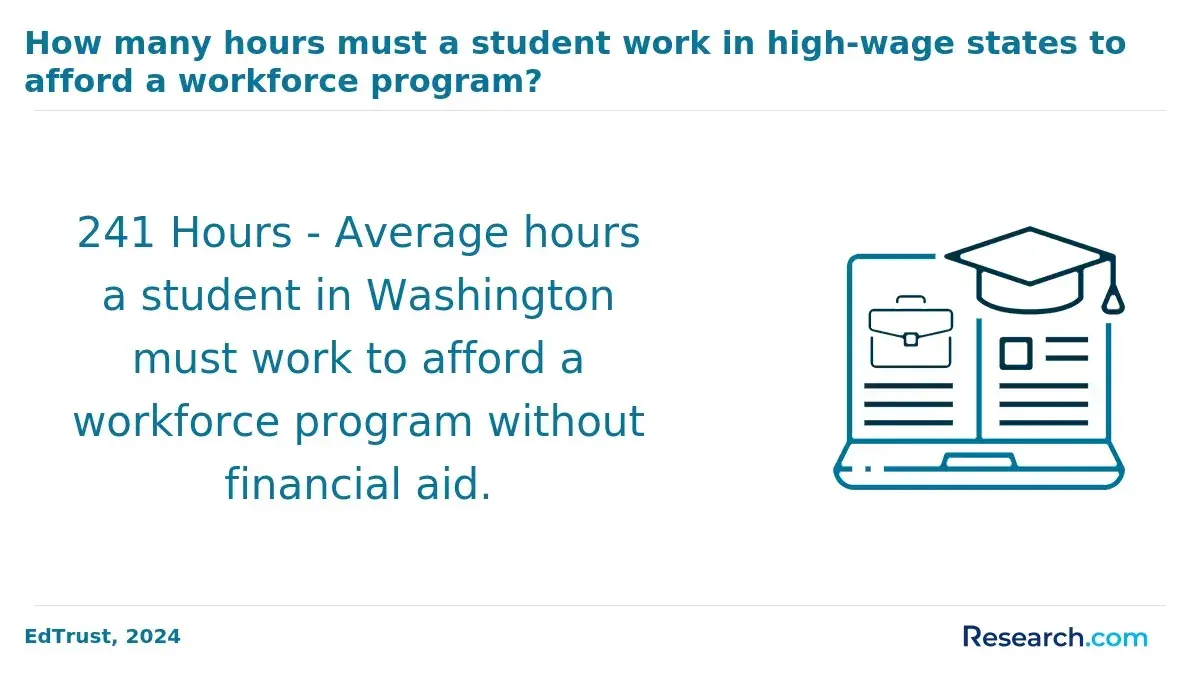
A doctorate can increase earning potential when it qualifies you for higher-responsibility positions, not simply because the credential appears on a résumé. The clearest financial gains usually come from moving into faculty roles, leadership positions, supervision, consulting, specialized practice, or administrative responsibility.
BLS May 2024 wage data shows why the target role matters. The median pay for substance abuse, behavioral disorder, and mental health counselors was $59,190, while the median pay for psychologists was $94,310.
That gap does not mean a Christian counseling doctorate automatically leads to psychologist-level pay; it shows that doctoral-level or doctoral-preferred career categories can occupy different labor markets with different compensation structures.
This comparison shows how a doctorate can change the type of role you compete for after a master's degree. The figures are occupational medians, not guarantees for graduates.
| Role category | Master's-level access | Doctoral-level advantage | Salary context |
| Licensed professional counselor | Usually accessible with a qualifying master's degree, supervised hours, and state licensure | Can support specialization, supervision, consulting, and private practice differentiation | BLS May 2024 median for mental health counselor-related category: $59,190 |
| Marriage and family therapist | Usually accessible with a qualifying master's degree and state licensure | May support teaching, leadership, or advanced family systems specialization | BLS May 2024 median for marriage and family therapists: $63,780 |
| Postsecondary teacher | Some adjunct roles may accept a master's degree | Doctorate is commonly expected for full-time faculty and doctoral-program teaching | BLS May 2024 median for postsecondary teachers: $83,980 |
| Psychologist | Master's degree is generally not sufficient for independent psychologist licensure | Doctoral psychology training may be required, depending on state and program accreditation | BLS May 2024 median for psychologists: $94,310 |
| Social and community service manager | Accessible with experience and often a bachelor's or master's degree | Doctorate may strengthen candidacy for executive-level behavioral health or ministry leadership roles | BLS May 2024 median for social and community service managers: $78,240 |
Earning potential can also rise through diversified income. A doctoral-trained counselor may combine part-time teaching, supervision fees, consulting, speaking, private practice, and organizational training. This is common in counseling and ministry careers where one full-time salary is not always the only measure of financial return.
However, the financial case is weaker when the doctorate duplicates your current master's specialization without opening a new labor market. If you already have strong clinical licensure, a full caseload, and no interest in teaching, supervision, leadership, or research, a shorter certification may provide a better return than a doctorate.
Leadership roles in counseling and faith-based behavioral health require more than clinical skill. Employers often look for professionals who can supervise staff, interpret data, manage ethical risk, design programs, communicate across disciplines, and lead mission-aligned services.
An online Christian counseling doctorate can build that leadership profile by adding structured training in advanced ethics, supervision, organizational systems, applied research, and theological integration.
This can be especially useful in churches, Christian colleges, healthcare ministries, residential treatment programs, and nonprofit counseling centers where leaders must balance clinical standards with faith commitments.
The leadership value of a doctorate usually comes from competencies that are visible to employers. Professionals should look for programs that help them develop evidence of the following abilities:
- Clinical supervision skills, including case consultation, documentation review, gatekeeping, and ethical decision-making.
- Program evaluation skills, including outcome measurement, client satisfaction review, service quality improvement, and grant reporting.
- Faith integration skills, including responsible use of Christian theology, spiritual assessment, referral boundaries, and respect for client autonomy.
- Administrative skills, including budgeting, staffing, compliance, risk management, and interprofessional collaboration.
- Teaching and training skills, including curriculum design, adult learning methods, online instruction, and continuing education delivery.
A doctorate can be especially persuasive when paired with a leadership portfolio. Instead of waiting until graduation to use the credential, professionals should use doctoral assignments to create promotion-ready work products, such as a supervision manual, trauma-informed care protocol, pastoral counseling referral framework, or outcome evaluation plan.
Technology is also changing leadership expectations. AI-assisted documentation, telehealth platforms, client engagement tools, and data dashboards are becoming more common in behavioral health settings. Doctoral programs that address ethics, privacy, clinical judgment, and technology governance may better prepare graduates to lead responsibly in modern counseling environments.
The strongest specialization depends on the career lane you want to enter. A specialization that is valuable for a church counseling director may not be the best choice for a university faculty role, and a research-heavy specialization may not be ideal for a practitioner who wants applied supervision training.
This table compares common Christian counseling doctorate specializations by their likely advancement value. It is most useful for avoiding programs that repeat what you already studied at the master's level.
| Specialization | Strongest advancement potential | Best for | Watch for |
| Counselor education and supervision | High for academia, supervision, training, and leadership | Licensed counselors who want faculty or supervisory roles | Whether the program aligns with CACREP expectations and state supervision rules |
| Trauma and crisis counseling | High in agencies, schools, churches, disaster response, and nonprofit care systems | Clinicians and ministry leaders serving high-need populations | Whether training includes evidence-based trauma models, not only general pastoral care |
| Marriage, family, and relationship counseling | Strong for family systems practice, teaching, supervision, and church-based family ministries | MFTs, pastoral counselors, and clinicians focused on couples and families | Whether licensure as an MFT requires a separate approved degree or coursework in your state |
| Addictions and recovery counseling | Strong in treatment centers, recovery ministries, integrated care, and supervision | Counselors working with substance use, co-occurring disorders, or faith-based recovery programs | Whether state addiction counseling credentials require separate approved hours or exams |
| Pastoral counseling and spiritual formation | Strong in ministry, chaplaincy, church leadership, and denominational care systems | Clergy, chaplains, and ministry care directors | Whether the role is clinical, pastoral, or both, because legal scope of practice differs |
| Leadership and nonprofit administration | Strong for executive roles in faith-based behavioral health organizations | Program managers, directors, and founders | Whether the curriculum includes measurable management and evaluation skills |
Professionals who want to specialize in couples and family systems should also compare doctoral options with master's-level pathways if they are not already licensed in that field. Reviewing best online MFT programs can help determine whether a second licensure-focused master's degree or a doctorate is the more practical route.
A useful rule is to choose a specialization that changes your professional category. For example, moving from general counseling into counselor supervision, trauma program leadership, or pastoral counseling administration may create clearer advancement value than earning a broad Christian counseling doctorate with no defined niche.
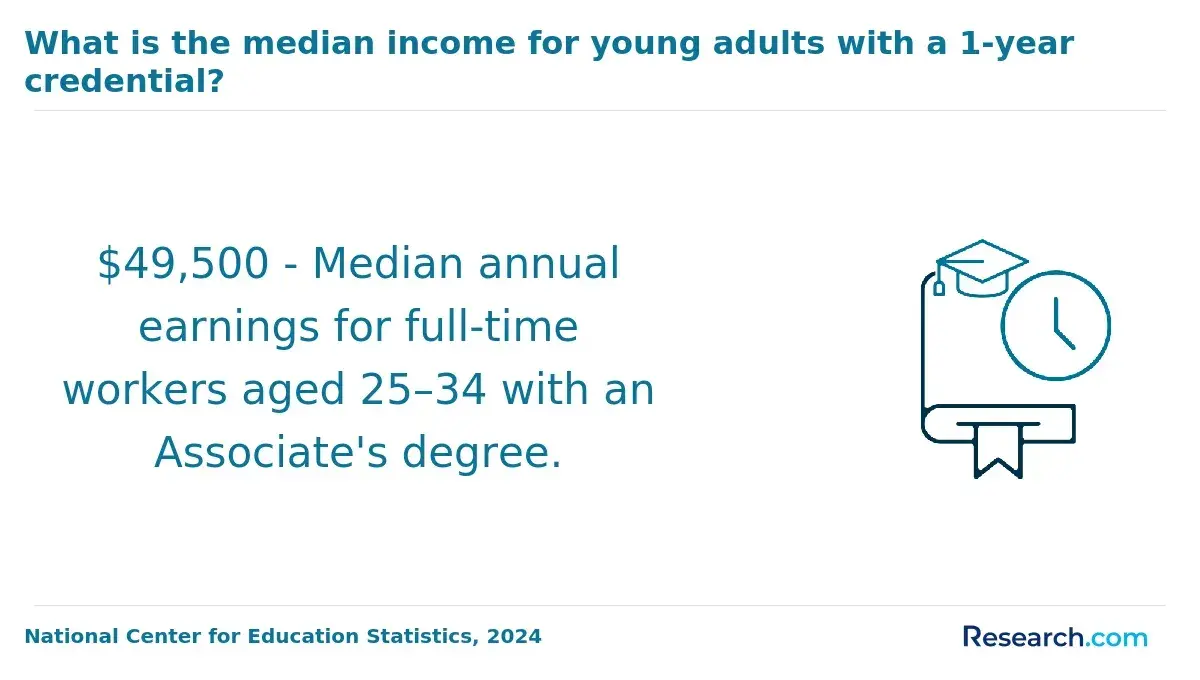
Employers value an online Christian counseling doctorate when it signals advanced capability, recognized academic quality, and relevance to the job. They are less impressed when the degree is unrelated to the role, comes from an institution with weak recognition, or does not connect to licensure, supervision, teaching, or leadership outcomes.
In most U.S. hiring contexts, online delivery is less important than accreditation, curriculum quality, faculty credentials, field requirements, and the applicant's professional record. Many employers now view online graduate education as normal, especially for working professionals, but they still scrutinize whether the program included rigorous doctoral work.
Employer value tends to vary by sector. Faith-based colleges may place high value on Christian integration and theological fit. Community agencies may prioritize licensure, supervision credentials, and trauma or addictions experience.
Universities may prioritize a PhD, publications, teaching experience, and CACREP-related qualifications. Churches may value pastoral credibility, theological training, and a clear referral boundary between pastoral care and clinical treatment.
Before enrolling, professionals should test employer demand directly. Use these steps to avoid investing in a doctorate that your target market does not reward:
- Collect 10 to 15 job postings for your target roles and note whether a doctorate is required, preferred, or absent.
- Identify the exact degree titles employers mention, such as PhD in Counselor Education, DMin in Pastoral Counseling, PsyD, or related doctoral degree.
- Check whether postings require state licensure, supervision credentials, CACREP background, APA accreditation, chaplaincy certification, or teaching experience.
- Ask current leaders in your target setting whether an online doctorate would improve promotion prospects or whether experience and certification would matter more.
- Compare the doctorate's capstone, dissertation, internship, or residency requirements with the work products employers actually want to see.
A common red flag is a program that markets itself as "licensure advancing" without clearly explaining what it does and does not qualify graduates to do. Counseling licensure is regulated by state boards, and Christian or biblical counseling credentials may not authorize independent clinical practice unless they align with state law.
Most online Christian counseling doctorate pathways take about three to seven years after a master's degree, depending on degree type, transfer credit, enrollment pace, dissertation requirements, clinical or ministry fieldwork, and residency expectations. Working full time usually extends the timeline, especially during dissertation or applied-project stages.
Timeline matters because career advancement is not only about graduation. A slower program may still be valuable if it allows you to keep earning income, maintain licensure hours, build leadership experience, and apply doctoral work directly to your current workplace.
This table shows typical completion patterns for master's-prepared professionals. Exact timelines vary by institution and student pace.
| Pathway | Typical pace | Common time to completion | Best for |
| Accelerated professional doctorate | Full-time or heavy part-time | About 3 to 4 years | Professionals with a clear promotion goal, strong schedule control, and transferable graduate preparation |
| Standard online PhD | Part-time or full-time | About 4 to 6 years | Students pursuing faculty, research, or supervision careers |
| DMin in pastoral counseling | Part-time for ministry professionals | About 3 to 5 years | Clergy, chaplains, and ministry leaders applying research to a ministry context |
| Dissertation-delayed doctorate | Coursework completed before research project | Can extend beyond 6 years | Students who need flexibility but should plan carefully to avoid stalled completion |
Applicants should ask whether previous graduate credits can reduce coursework. Some schools may accept a limited number of master's credits, but doctoral programs often require most credits to be completed in residence because doctoral work is more advanced and research-focused.
If your immediate goal is to enter counseling practice rather than advance beyond it, a doctorate may be premature. In that case, comparing accelerated mental health counseling programs online may make more sense than starting a doctoral program before you have the required master's-level foundation.
The main timeline mistake is underestimating the dissertation, capstone, or applied project. Coursework may be predictable, but research design, approvals, data collection, writing, and faculty review can take longer than expected. Programs with clear milestones, dissertation coaching, and transparent completion data are usually safer for working adults.
The ROI of an online Christian counseling doctorate depends on whether the degree creates access to higher-paying or higher-impact work that would not be available with your current master's degree. ROI includes financial return, but it also includes leadership authority, ministry influence, academic eligibility, professional credibility, and long-term career flexibility.
Cost should be evaluated using total program price, not tuition alone. Federal Student Aid currently allows graduate students to borrow up to $20,500 per year in Direct Unsubsidized Loans, and additional borrowing may involve Graduate PLUS Loans with higher borrowing limits and separate credit checks. This matters because interest can make a lower monthly payment look manageable while increasing the long-term cost of the degree.
Use the following framework before deciding whether the doctorate is financially reasonable. It helps compare expected benefit against risk without assuming a guaranteed salary increase.
- Define the exact role you want within three to five years after graduation, such as clinical director, counselor educator, pastoral counseling director, or supervisor.
- Find current job postings for that role and confirm whether a doctorate is required, preferred, or optional.
- Estimate total cost, including tuition, fees, books, residencies, travel, technology, dissertation continuation fees, and loan interest.
- Compare that cost with realistic income changes, such as promotion eligibility, adjunct teaching, supervision revenue, consulting contracts, or leadership salary bands.
- Consider opportunity cost, including reduced availability for private practice, family obligations, ministry responsibilities, or paid work while enrolled.
- Identify non-degree alternatives, such as supervision certification, trauma certification, addictions credentials, chaplaincy certification, business training, or a focused second master's degree.
A doctorate often has stronger ROI when it opens a new professional lane. For example, a licensed counselor who becomes eligible for faculty roles, supervision, and consulting may see broader return than a practitioner who remains in the same job with no pay structure for doctoral credentials.
The ROI is weaker when the employer does not reward the credential, the program lacks relevant accreditation, the student borrows heavily without a promotion plan, or the degree is not connected to licensure or recognized professional pathways. Staying at the master's level can be the better decision when targeted certifications or experience would produce the same career outcome faster and at lower cost.
The professionals who benefit most are those who already have a strong master's-level foundation and a clear reason to move into doctoral-level work. The degree is usually not the best first step for someone still deciding whether counseling, ministry care, or behavioral health leadership is the right field.
An online Christian counseling doctorate is often a good fit for professionals in the following situations:
- Licensed counselors who want to become supervisors, counselor educators, clinical directors, or advanced faith-integrated specialists.
- Marriage and family therapists who want to teach, supervise, lead family ministries, or develop specialized relationship counseling programs.
- Pastors and chaplains who already provide pastoral care and want advanced training in counseling theory, crisis care, referral systems, and spiritual formation.
- Behavioral health managers who want stronger credentials for executive leadership in faith-based agencies, nonprofits, or integrated care settings.
- Private practice owners who want to build a specialized clinical niche, offer continuing education, supervise other clinicians, or consult with churches and organizations.
- Future faculty members who want to teach counseling, pastoral counseling, psychology-related courses, or ministry care at Christian institutions.
The doctorate is less suitable for professionals who need entry-level licensure, are unsure of their career direction, want a quick salary increase, or cannot manage sustained research and writing. It is also risky for students who choose a program because it sounds spiritually aligned but do not verify whether employers, licensing boards, or academic institutions recognize the credential.
If you do not yet hold a qualifying counseling master's degree, it may be smarter to begin with online masters programs for counseling before evaluating doctoral options. In many states, licensure begins with the master's degree, supervised experience, and exams rather than a doctorate.
The best candidates are not simply people who want a higher credential. They are professionals who can connect doctoral study to a defined leadership, teaching, supervision, clinical specialization, or ministry-care outcome.
How Should Professionals Choose an Online Christian Counseling Doctorate for Career Advancement?
Choosing an online Christian counseling doctorate should start with the job you want, not the degree title you like best. The right program should create a credible bridge between your current master's-level role and your next professional stage.
Use this step-by-step process to compare programs in a way that protects your time, finances, and career options:
- Clarify your target outcome, such as faculty work, supervision, pastoral counseling leadership, executive administration, advanced clinical specialization, or consulting.
- Match the degree type to the outcome, distinguishing PhD, professional doctorate, DMin, PsyD, and pastoral counseling doctorates.
- Verify institutional accreditation and ask whether programmatic accreditation matters for your target role.
- Check state licensure rules if you plan to provide clinical counseling, supervision, psychological services, or specialized treatment.
- Ask how many master's credits can transfer and whether transfer credit shortens time, tuition, or only elective requirements.
- Compare dissertation, capstone, applied project, practicum, internship, and residency expectations before assuming the program is fully online.
- Request completion data, average time to degree, faculty mentoring structures, dissertation support, and recent graduate career outcomes.
- Calculate total cost, including fees, residencies, travel, technology, books, continuation credits, and loan interest.
- Evaluate faculty fit by reviewing their research, clinical background, theological orientation, publications, and professional counseling experience.
- Ask employers, supervisors, or mentors whether the credential would improve candidacy for the specific roles you want.
Several red flags deserve special attention. Be cautious if a school implies automatic licensure, avoids discussing accreditation, offers vague career outcomes, has unclear dissertation support, uses broad "Christian counseling" language without professional standards, or cannot explain how online students access supervision, mentoring, and research guidance.
Finally, compare the doctorate with alternatives. A supervision credential, chaplaincy certification, trauma certification, leadership certificate, business training, or second licensure-focused master's degree may be more practical if your target role does not require a doctorate. The strongest decision is the one that fits your career goal, not the one that simply adds the highest degree title.
Other Things You Should Know About Christian Counseling
Not always. Christian counseling may integrate professional counseling methods with Christian faith, while biblical counseling often relies more directly on Scripture and pastoral guidance. Training, licensure status, and scope of practice can differ significantly.
Yes, but ethical practice requires informed consent, respect for client beliefs, and appropriate boundaries. Counselors should not impose religious views and should explain how faith integration is used before making it part of care.
Many faith-based schools require a statement of faith, pastoral recommendation, ministry reference, or agreement with institutional beliefs. Requirements vary, so applicants should review admissions policies before applying.
Yes, when the counselor follows state licensure rules, telehealth regulations, privacy requirements, and ethical standards. Pastoral counseling and clinical counseling may have different legal obligations depending on the service provided.
- Service Center https://cutsedu.org/doctor-of-philosophy-in-christian-counseling-ph-d-c-c/
- Best Online Master's in Christian Counseling in 2025 https://www.onlinemastersdegrees.org/best-programs/counseling/christian-counseling/
- PhD Application Requirements https://www.applykite.com/blog/phd-guide-application-requirements
- Advance Your Ministry: Doctorate in Christian Counseling! https://andersonvilleseminary.com/gradulate/doctor-of-ministry-christian-counseling/
- Doctor of Clinical Pastoral Counseling Online Program https://academics.wuv.edu/doctor-of-clinical-pastoral-counseling-online-program/
- Doctor of Christian Psychology and Counseling Online https://cornerstonechristianuniversity.com/programs/christian-psychology-and-counseling/doctor-of-christian-psychology-and-counseling/
- Doctoral Research Application Requirements https://entrustdn.eu/application/
- Undergraduate Programs https://christianbibleinstitute.net/doctorate-degree-programs/doctor-of-christian-counseling-and-psychology-cpsy-d/
- Doctor of Christian Counseling - Logos University https://logos.edu/academics/graduate-programs/doctor-of-christian-counseling/
- Doctor of Philosophy (Ph.D.) in Christian Education and Counseling https://eldermont.com/course/doctor-of-philosophy-ph-d-in-christian-education-and-counseling/


