2027 Online BA in Psychology - Mental Health for Senior Center Staff: Compare Prerequisites, Workload, and Career Fit
Audited and Verified:
Our Editorial and Data Verification Process
Research.com uses government datasets, official education statistics and primary institutional information to support its career and degree guides. Our review process checks factual accuracy, occupational definitions, source dates and the requirements associated with the credentials discussed.
How This Article Was Fact-Checked
Our editorial team verifies salary estimates, employment projections, education requirements and program information against original data providers and official organizations. Salary figures are checked against the relevant occupational definitions and reporting periods. Information about licensure, accreditation and required in-person training is reviewed separately.
Fact-checked and verified on:

Co-Founder and Chief Data Scientist
If you already work at a senior center, you may know how to welcome participants, notice changes in their needs, and connect them with community resources. An online psychology BA could strengthen that work - but it may also demand substantial study time without qualifying you to provide mental health treatment.
This guide compares admission requirements, online workload, aging-related coursework, costs, and realistic career paths. It will help you decide whether a degree advances your specific role or whether focused training and supervised experience would serve you better.
Key Things You Should Know
- An online psychology BA can support outreach, programming, and referral work with older adults; it does not qualify graduates to diagnose conditions or provide therapy.
- Online study removes commuting, not coursework or scheduled obligations. Check live classes, group projects, and any placement before choosing a pace.
- Compare each program against the duties and qualifications in your target job posting. If you need a narrower skill, employer training or a targeted course may be a better investment.
What is an online bachelor's degree in psychology for senior center mental health work?
It is an undergraduate psychology degree completed primarily online and applied to the needs of older adults in a community setting. Most programs teach psychological science, human development, research methods, and statistics. Some offer electives in aging or mental health; others do not. A course about mental health is academic preparation, not a clinical qualification.
For senior center staff, the most relevant learning may be understanding later-life development, evaluating claims about well-being programs, communicating respectfully, and recognizing when a concern should go to a qualified professional. A BA can be useful if your employer expects a bachelor's degree for program or coordination positions.
If your current role calls chiefly for a defined skill - such as accessible activity design or local referral procedures - a full degree may be more than you need. Use reviewing online psychology education pathways as a starting point, then check individual curricula against your job goal.
What careers can an online psychology degree prepare you for in senior centers?
Your existing relationships with participants and knowledge of local services are valuable. A BA may help you move toward broader nonclinical responsibilities, but employers also weigh experience, supervision, and the requirements of the specific position. The comparison below distinguishes plausible duties from work that requires additional credentials.
| Target work | How psychology study may help | Qualification to verify |
| Senior center program coordination | Plan accessible activities and assess participant feedback. | Employer expectations for management and community-service experience. |
| Outreach or resource navigation | Communicate with participants and make appropriate referrals. | Agency procedures, confidentiality training, and referral authority. |
| Behavioral-health program support | Assist with education, scheduling, and coordination under supervision. | Required training and limits on screening or crisis-response duties. |
| Therapy or clinical assessment | A BA can provide background for later study. | An applicable qualifying degree, license, and supervised training. |
A center serving older adults affected by substance use may value knowledge of recovery resources, but a psychology BA alone does not establish addiction-counselor eligibility. Compare bachelor's study in addiction psychology online only if that subject matches the work you want to do, and check state and employer rules before pursuing a credential-specific role.
What prerequisites do online psychology bachelor's programs require?
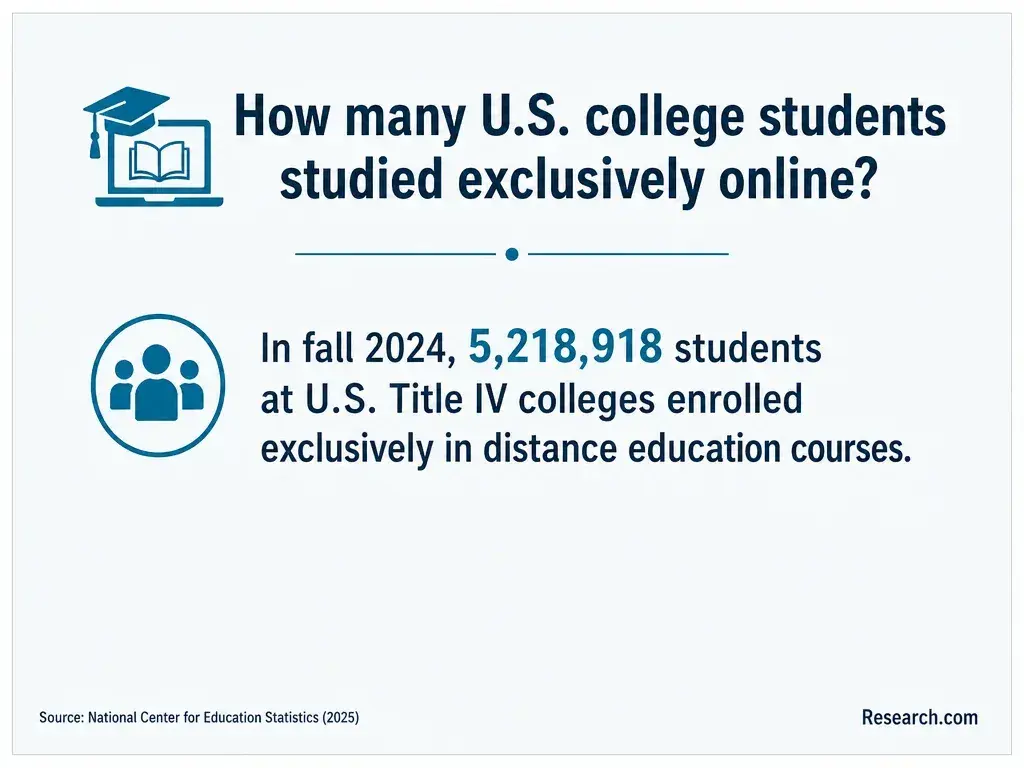
Admission to an online BA and admission to the psychology major may be separate decisions. First-year applicants commonly need secondary-school credentials; transfer applicants generally submit records of prior college work. A school may require introductory psychology, statistics, or another course before advanced major classes, but no single prerequisite pattern applies to every program.
If you have previously studied or trained for senior center work, ask for a written degree audit. Accepted credit is not the same as credit that satisfies a major requirement. The audit should show where prior courses apply, which psychology courses remain, and whether upper-level or residency requirements affect completion. Experience at a senior center can strengthen your application or career preparation without necessarily earning academic credit.
Compare requirements for the degree you actually want rather than assuming every psychology specialization has the same entry rules. For example, resources on forensic psychology program costs and entry requirements address a different career focus; they should not substitute for the admissions and degree audit of an aging-relevant BA.
Online and campus courses can require comparable reading, writing, statistics practice, and research assignments. The difference is how that work is scheduled and supported - not whether it exists. For someone working center hours, the obligations below matter more than an "online" label.
| Workload feature | Online program | Campus program |
| Class attendance | May be asynchronous or require live sessions. | Usually tied to scheduled classroom meetings. |
| Collaboration | May involve timed video meetings and shared deadlines. | May involve meetings outside class. |
| Applied experience | May still require an approved local site or in-person work. | May use local placements with similar scheduling demands. |
| Study support | Depends on remote access to faculty, tutoring, and library services. | May offer easier access to in-person support. |
Before enrolling, request sample course schedules and ask whether required classes have live attendance, proctored assessments, or group meetings during your shifts. Comparing accelerated psychology degree options can help you assess pace, but a shorter calendar is only useful if you can sustain the course load alongside participant-facing work.
Start with the actual course catalog, not the degree's promotional description. Lifespan or adult development can explain changes across later adulthood without treating aging itself as a disorder. Abnormal psychology or mental health courses examine conditions and services, while social psychology and health psychology may illuminate isolation, behavior, and participation. Research methods and statistics help staff judge whether a proposed activity has credible evidence behind it.
For senior center work, look beyond course titles: check whether assignments address older adults, disability access, cultural differences, and community services. An aging elective paired with an approved nonclinical project - such as an accessible-program review using information the center permits you to use - may be more directly relevant than a concentration with little older-adult content.
Projects involving participant information need organizational permission and appropriate privacy safeguards.
Specializations point to different workplaces. Fast-paced BA and BS forensic psychology pathways, for instance, are worth considering for justice-related goals, not simply because they offer a quicker route to a psychology degree.
Completion time depends on the credits that apply to the degree, remaining course sequences, enrollment pace, and when required classes are offered. A returning student may finish sooner than a first-time undergraduate, but neither an advertised completion time nor a preliminary transfer estimate is a personal graduation date.
Compare the price of the remaining degree, not just advertised tuition. Request a term-by-term estimate covering tuition, mandatory fees, materials, any travel or placement expense, and the cost of taking fewer classes while employed. Ask whether employer education assistance applies and what happens to aid or tuition charges if work demands force a reduced load.
If addiction-focused study is among your options, cost-conscious substance use counseling undergraduate options provide a comparison point; verify each option's actual credential and total cost before treating it as equivalent to a psychology BA.
Check that the institution holding the degree has recognized institutional accreditation and that its status covers your enrollment period. Confirm the institution and accreditor through the U.S. Department of Education's accreditation database or the accreditor's own directory, then verify on the school's site that the advertised online BA is the degree you would receive.
Do not look for APA accreditation as a general test of undergraduate psychology quality: APA accreditation does not ordinarily apply to psychology BA programs. Institutional accreditation also does not prove that an aging elective, placement, or licensure pathway exists. Ask the school separately about those features and about eligibility for the financial aid you expect.
Guidance on financial aid planning for a substance use counseling bachelor's may help frame aid questions, but confirm the rules for your chosen institution and degree.
No. A psychology BA alone does not authorize psychotherapy, diagnosis, independent psychological assessment, or use of a protected licensed-professional title. Senior center staff can provide support and referrals within their assigned duties, but must follow employer protocols when a participant may need clinical care or urgent help.
If your goal is to become a licensed counselor, social worker, or psychologist, identify the exact profession and state before choosing a program. Its licensing board determines the applicable education, supervised experience, and examination requirements. A qualifying professional graduate program - not simply more psychology coursework - may be necessary.
Start by comparing clinical counseling master's completion times only after checking whether a specific program meets the educational rules where you intend to practice.
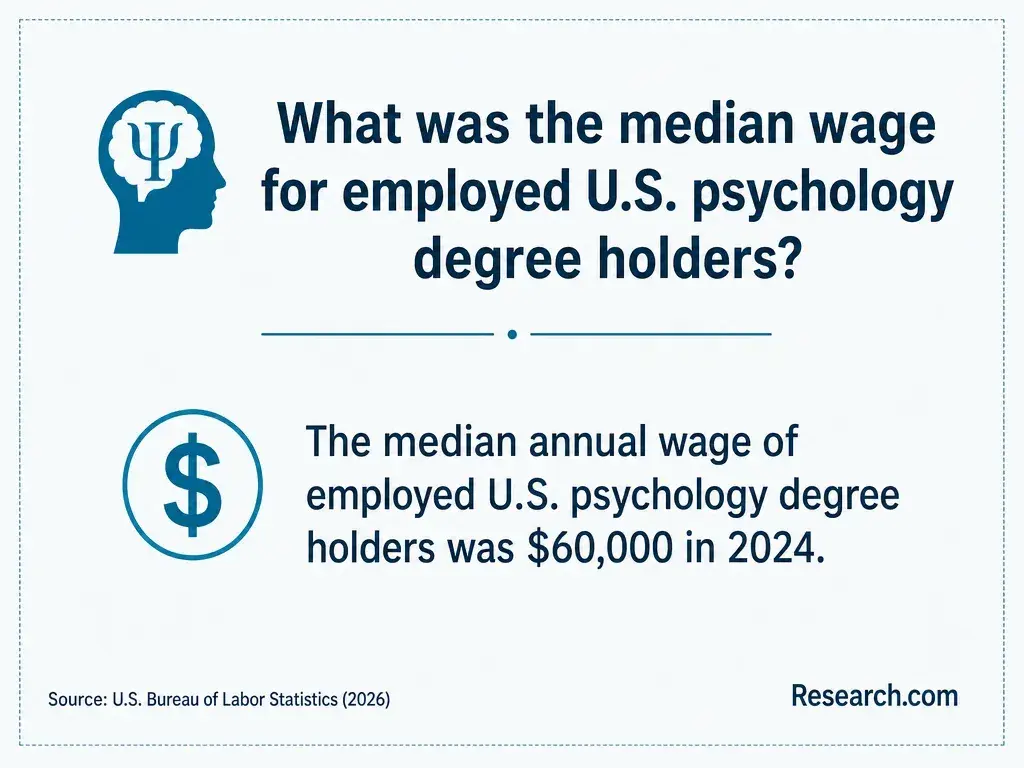
There is no single salary or job-growth figure for "psychology BA graduates working in senior centers." Senior center positions span program administration, community-service support, and regulated clinical work, with different pay structures and entry requirements.
The U.S. Bureau of Labor Statistics publishes occupation-wide wages and projections for categories such as social and human service assistants, but those figures are not the expected pay or placement rate for graduates of a particular degree.
For a useful comparison, identify local postings for the role you want, note their pay range and required qualifications, and ask your employer whether the BA changes eligibility for a specific position or pay grade. Weigh that opportunity against the degree's remaining cost and time.
Additional education is not automatically a better financial choice: planning the time and cost of a counseling master's matters only if licensed counseling - not a nonclinical senior center role - is your intended destination.
How should you choose an online psychology program for senior center work?
Begin with one target responsibility, such as managing programs, coordinating referrals, or moving toward licensed care. Then compare programs against the evidence that responsibility requires, rather than choosing by degree title or advertised speed. Before committing, take these steps:
- Collect target job postings and ask your supervisor which duties or promotions require a bachelor's degree.
- Request a written transfer evaluation and a course sequence showing aging-relevant classes and expected availability.
- Confirm live-session times, applied-work approval rules, remote student support, and the full estimated remaining cost.
- If clinical practice is the goal, verify the intended profession's state requirements before selecting any undergraduate or graduate program.
If the job requires a BA and the program fits your schedule, an online psychology degree may be a sound route.
If you already meet the job's education requirement and need a specific skill, targeted training or supervised nonclinical experience may be more direct. A shorter graduate degree is not a shortcut around professional requirements; shorter graduate degree timelines in forensic psychology, for example, address a different specialization and do not establish readiness for senior center mental health practice.
Other Things You Should Know About Psychology
Possibly. The academic program must approve the site, supervisor, duties, and learning objectives. Employment alone does not make the work an approved internship.
No. A literature review or a project using permitted, nonidentifiable program information may be possible. Check course rules and obtain organizational approval before accessing or using participant data.
Diploma wording varies by institution. Ask the registrar for the exact diploma title and how the degree appears on an official transcript.
Get the policy in writing. Check eligible programs, grade or continued-employment conditions, reimbursement timing, and whether assistance covers fees and books.
- Requirements Related to the Practice of Counseling - NCBI https://www.ncbi.nlm.nih.gov/books/NBK259170/
- The Evolving Role Of Senior Centers In The 21st Century | senate.gov https://www.aging.senate.gov/download/
- Cost of Attendance (Budget) | 2026-2027 Federal Student Aid Handbook https://fsapartners.ed.gov/knowledge-center/fsa-handbook/2026-2027/vol3/ch2-cost-attendance-budget
- 15 to Finish | dhewd.mo.gov https://dhewd.mo.gov/initiatives/fifteen-to-finish
- What's the Difference Between Asynchronous and Synchronous Learning? | Ohio State Online https://online.osu.edu/content-hub/blogs/whats-the-difference-between-asynchronous-and-synchronous-learning/
- Ten Tips For Succeeding in Classes Online | udel.edu https://www.act.udel.edu/tips-for-online-success/
- Psychology (PSY) - The University of Texas at San Antonio https://catalog.utsa.edu/undergraduate/coursedescriptions/psy/
- PSY - Psychology - Academic Catalog - Wayne State University https://bulletins.wayne.edu/courses/psy/
- Psychology (PSYC) - UNC Catalog https://catalog.unc.edu/courses/psyc/
- Psychology (PSYC) | St. Catherine University Academic Catalog https://catalog.stkate.edu/undergraduate/course-descriptions/psyc/