2027 Online BA in Psychology - Mental Health for Office Managers: Compare Prerequisites, Workload, and Career Fit
Audited and Verified:
Our Editorial and Data Verification Process
Research.com uses government datasets, official education statistics and primary institutional information to support its career and degree guides. Our review process checks factual accuracy, occupational definitions, source dates and the requirements associated with the credentials discussed.
How This Article Was Fact-Checked
Our editorial team verifies salary estimates, employment projections, education requirements and program information against original data providers and official organizations. Salary figures are checked against the relevant occupational definitions and reporting periods. Information about licensure, accreditation and required in-person training is reviewed separately.
Fact-checked and verified on:

Co-Founder and Chief Data Scientist
Office managers often notice when workload, conflict, or communication problems affect a team - but noticing a problem is different from providing mental health care. An online BA in psychology can strengthen your understanding of behavior and evidence, yet it takes a substantial commitment and may not be the most direct route to your goal.
This guide compares academic prerequisites, study schedules, costs, and career options so you can decide whether a degree, targeted training, or a different professional pathway fits your work.
Key Things You Should Know
- An online psychology BA can help an office manager improve communication, evaluate workplace initiatives, and make appropriate referrals; it does not qualify someone to diagnose or treat employees.
- Many US bachelor's programs are built around roughly 120 semester credits. Your remaining workload depends on an approved transfer-credit evaluation, course sequence, and enrollment pace - not the online label.
- If your aim is better support in your current job, employer training may be more direct. A BA makes more sense when you also want a bachelor's credential or a broader career transition.
What Is an Online Bachelor's Degree in Psychology for Office Managers?
An online BA in psychology is an undergraduate degree covering human behavior, psychological research, and related subjects. It is not generally a degree designed specifically for office managers. Some programs offer mental-health-focused courses or a formal concentration; others offer only electives. Check the catalog to distinguish an officially awarded concentration from a course you choose to take.
Your existing strengths - coordinating people, handling sensitive conversations, improving processes, and working across departments - give the coursework a practical setting. The degree's distinctive value is learning to test assumptions about behavior rather than relying only on intuition. For a wider program comparison, see guidance on choosing an online psychology program; then verify each school's current curriculum and delivery requirements directly.
Best fit: an office manager who needs a bachelor's degree for future roles or wants sustained study of psychology. If your sole objective is to respond more effectively to employee concerns, a shorter employer-approved course in supportive communication, referral procedures, or manager responsibilities may have a better time-to-benefit ratio.
How Can Psychology Help Office Managers Support Workplace Mental Health?
Psychology can help you recognize that stress, motivation, group dynamics, and individual circumstances affect how people experience work. Research-methods training can also help you assess whether a proposed change - such as a revised onboarding process - is supported by credible evidence. These are organizational skills, not clinical ones.
For example, an office manager can make support resources easy to find, document a concern according to employer policy, and direct an employee to the appropriate HR contact or employee assistance program. They should not investigate a suspected diagnosis, promise confidentiality beyond their role, or attempt counseling. Escalation and emergency procedures should come from the employer's policies and applicable law.
If your interest extends beyond workplace operations to direct nonclinical support, compare the duties and credential expectations across career choices across recovery service settings. Recovery-service work has different responsibilities from supporting employees in an office, and some positions require state-specific credentials.
What Are the Requirements for an Online BA in Psychology?
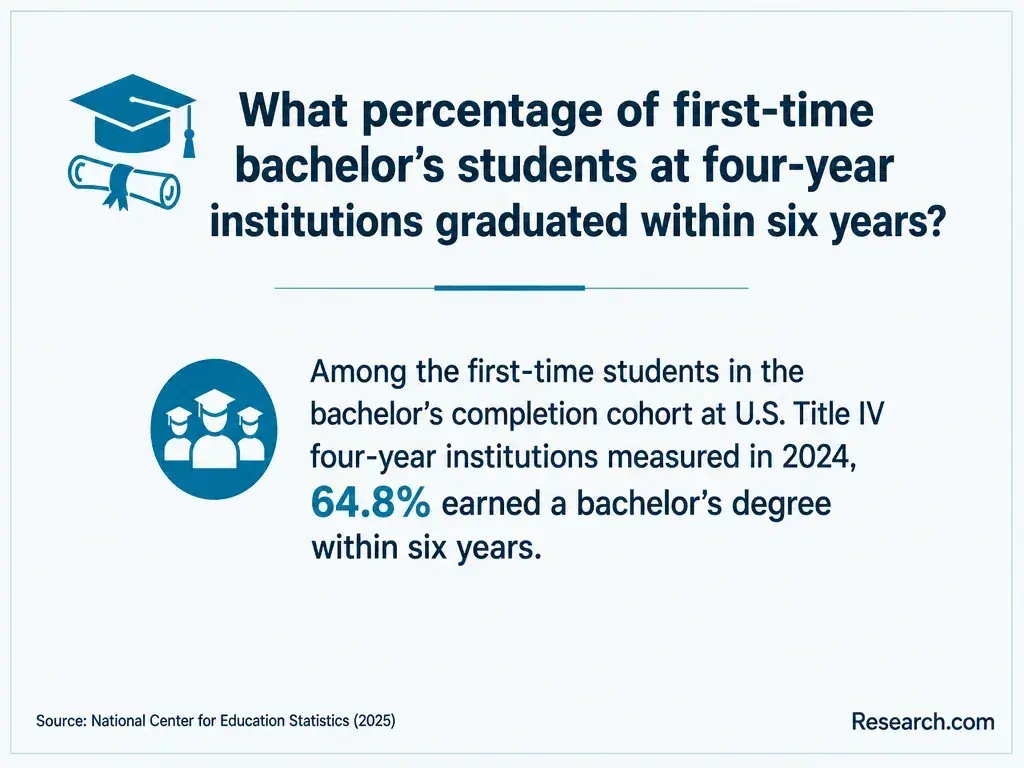
Degree requirements usually combine general education, psychology-major courses, electives, and a minimum amount of study completed through the awarding institution. Some programs also require a capstone, internship, or particular sequence of statistics and research-methods courses. An online format does not remove these academic requirements.
For a working office manager, the most consequential prerequisite may be course sequencing: a methods course may require statistics first, and a capstone may require both. Ask for a term-by-term degree plan showing when each required course runs. If you have prior college work, distinguish credits the school accepts from credits it applies to the major or graduation requirements. Guidance on evaluating transfer options before psychology enrollment can help you frame questions, but only the receiving institution can approve your degree audit.
Before committing, check the school's institutional accreditation, the exact BA requirements for your entry term, and whether a workplace-based project is permitted. Do not assume your current job automatically satisfies an internship or capstone requirement.
Online and campus programs can teach the same academic subject while imposing very different scheduling demands. This comparison focuses on the obligations most likely to affect an employed office manager.
| Decision factor | Online program | Campus program |
| Class schedule | May be asynchronous, but can include live meetings and fixed deadlines | Usually requires scheduled attendance and travel |
| Collaboration | Group projects and faculty meetings may occur outside standard work hours | In-person collaboration may be easier to arrange around class time |
| Applied experience | Local placement or project approval may still be necessary | Campus connections may help, but placement is not automatic |
| Best fit | Someone who can study independently and verify all live or in-person obligations | Someone who benefits from face-to-face structure and can attend regularly |
Ask for sample course schedules rather than accepting "flexible" at face value. Accelerated examples, including three-year online forensic psychology degree options, show why a short advertised timeline needs scrutiny: specialization, transfer credit, course availability, and your realistic weekly capacity all affect whether it is achievable.
Expect foundational psychology, statistics, research methods, and courses examining areas such as development, social behavior, cognition, and psychological disorders. Exact requirements vary by school. For workplace mental health, organizational psychology, health psychology, and evidence-based approaches to behavior may be particularly useful when available.
Prioritize courses by the task you want to perform. Social and organizational psychology can inform team communication; statistics and methods can help you evaluate a staff survey without treating a small response group as representative. A psychopathology course can improve literacy about mental-health terminology, but it does not teach you to assess or diagnose coworkers.
Elective choices should serve your goal rather than merely sound specialized. For example, forensic psychology academic pathways and tuition may matter to someone considering justice-system work, but forensic coursework is unlikely to be the most relevant choice for an office manager focused on everyday workplace support.
First-time undergraduate applicants generally submit evidence of secondary-school completion and meet the institution's admission rules. Transfer applicants typically provide transcripts from every college attended. Requirements for GPA, essays, tests, prior coursework, and admission to the psychology major differ by institution; do not assume that a prior psychology class is universally required.
If you have college credits in business or another field, request both an admission decision and a written evaluation showing how those credits apply to the BA. Ask whether you must take statistics before research methods, whether any course has a recency rule, and how many institutional credits remain. These answers are more useful than a headline transfer-credit maximum.
Undergraduate entry should not be confused with graduate admission. A comparison with twelve-month forensic psychology graduate study pathways illustrates that a master's program is a separate decision with its own bachelor's-degree, preparation, and workload requirements - not a shortcut into undergraduate study.
A full-time student starting without college credit commonly plans around a four-year bachelor's pathway. An office manager studying part time should expect a longer calendar timeline; an applicant with applicable transfer credit may need less time. Neither outcome is certain until the school evaluates prior work and maps the remaining courses.
Calculate workload from the proposed schedule, not from the program's advertised finish time. Include weekly reading and assignments, fixed discussion or exam windows, group meetings, and any approved project or placement. Then check whether the school offers required courses often enough to sustain your preferred pace.
If your goal is specifically to enter addiction-service work, compare the duration and credential relevance of that route before assuming a general psychology BA is fastest. Information on the cost and duration of substance abuse counseling bachelor's degrees can provide a starting comparison; state credential rules and each program's actual requirements determine whether the alternative fits.
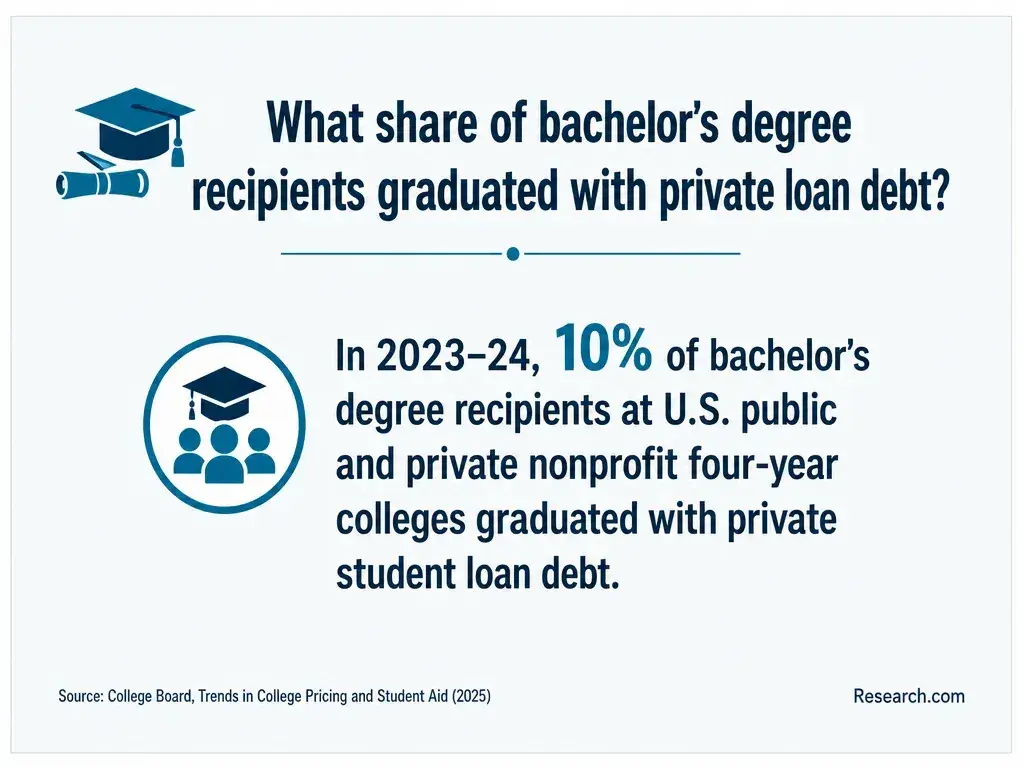
Without a named school and an approved credit evaluation, there is no responsible single tuition figure. Compare the cost of remaining required credits, not just the advertised per-credit rate. Include mandatory fees, materials, technology, any travel or placement expenses, and the effect of studying fewer hours at work. An employer's tuition benefit is valuable only if its eligibility and reimbursement terms cover your chosen program.
Financial aid is a separate determination from admission. Ask each institution for a program-specific cost estimate and confirm its aid eligibility and enrollment rules with the financial aid office. If you are weighing an addiction-focused alternative, information about grants for substance abuse counseling bachelor's study may suggest questions to ask, but it does not establish that you qualify for a grant or that one program will cost less.
For a practical return-on-investment test, compare the full remaining cost with a specific opportunity: a documented degree requirement for a target job, an internal advancement policy, or an academic prerequisite for further study. If none applies, consider whether targeted training could meet your immediate workplace goal at a lower commitment.
Your most direct application may be in your current career: office operations, employee-resource coordination within policy, training administration, or a move toward HR support. Your management experience may matter as much as the new degree. For a substantial transition, employers may also expect function-specific experience, software skills, or credentials.
A psychology BA can be relevant to nonclinical jobs such as program assistant, community-services coordinator, research support worker, or intake support employee, depending on the posting. These jobs differ substantially in supervision, confidentiality obligations, and contact with clients. Build evidence for the particular role - for example, a supervised project evaluating an onboarding process - rather than expecting the degree title alone to establish readiness.
Graduate study opens some different possibilities, but it should be tied to a defined occupation. Comparing jobs associated with forensic psychology graduate education is useful only if justice-related work is your intended transition; those positions should not be treated as outcomes of a general psychology BA or as automatic results of earning a master's degree.
What Salary and Licensing Expectations Apply to Psychology Graduates?
There is no single salary for "psychology graduates." Pay depends on the occupation, location, employer, responsibilities, and prior experience. For an office manager, compare actual local postings for your current role and target role, then use the US Bureau of Labor Statistics occupation definition - not a degree-wide salary claim - to judge whether published wage data describes the work you want.
A psychology BA does not authorize diagnosis, psychotherapy, or independent psychological assessment. Licensed psychologist and counseling roles generally require further qualifying education and other state-specific steps. Even a nonclinical psychology master's degree does not automatically meet a counseling license's educational requirements. If treatment is your eventual aim, comparing the value of shorter clinical counseling degrees is more relevant than assuming the BA itself is clinical training; verify eligibility with the appropriate state board before enrolling.
Decision rule: choose the BA for a credible bachelor's-level career or education objective, not for an assumed salary increase or clinical authority. Choose targeted workplace training first if your main responsibility will remain recognizing concerns, following policy, and connecting employees with qualified support.
Other Things You Should Know About Psychology
Only with your employer's permission and the program's approval. Avoid identifiable employee information; a hypothetical scenario or authorized process-level project may be safer.
Not necessarily. Ask whether it is an officially recorded concentration or simply a suggested group of electives.
That is your choice. If you seek tuition assistance or a workplace project, discuss the relevant policy and approvals without implying that coursework gives you clinical responsibilities.
Request a degree plan based on your transcripts, sample course schedules, and written details on live sessions, projects, and graduation requirements.
- 7.5 Internships and Practicums | wa.gov https://www.dshs.wa.gov/75-internships-and-practicums
- Accreditation in the U.S. | ed.gov http://www.ed.gov/laws-and-policy/higher-education-laws-and-policy/college-accreditation/accreditation-in-the-us
- College Affordability Strategies | ohio.gov https://highered.ohio.gov/wps/portal/gov/odhe/students/pay-for-college/college-affordability-strategies
- Requirements Related to the Practice of Counseling - NCBI https://www.ncbi.nlm.nih.gov/books/NBK259170/
- Internship FAQs | spu.edu https://spu.edu/administration/center-career-calling/internships-experiential-learning/internship-faqs
- FAQs for Clinical Courses: Practicum, Internship, & Field Experience - Wake Forest Department of Counseling https://counseling.wfu.edu/faqs-for-clinical-courses-practicum-internship-field-experience/
- Breaking Down Online Course Workloads: What to Expect and How to Plan | Kent State Online https://onlinedegrees.kent.edu/blog/online-workload
- How Many Credits Do You Need to Graduate from College? | Digital Crafts https://www.trident.edu/how-many-credits-to-graduate-college
- How Do Asynchronous Classes Work? | Hopkins EP Online https://ep.jhu.edu/news/how-do-asynchronous-classes-work/
- Employer Tuition Reimbursement: How It Works and How to Pay for College | Winston-Salem State University https://ramsonline.wssu.edu/blog/employer-education-benefits/