2027 Online BA in Psychology - Addictions for Recovery Support for People Experiencing Homelessness: Which Courses Should You Look For?

Co-Founder and Chief Data Scientist
An online psychology BA can teach you about addiction, but course titles alone will not show whether it prepares you to support people experiencing homelessness. Recovery work also calls for an understanding of housing instability, trauma, service coordination, and the limits of a nonclinical role.
This guide is for prospective students and community-service workers comparing undergraduate programs. It identifies the courses and supervised experiences worth prioritizing, then shows how to check whether a program fits your intended job and your state's credential rules before you enroll.
Key Things You Should Know
- Prioritize addiction science, trauma-informed practice, social determinants of health, research methods, and community-service coursework - not just a course labeled "addictions."
- Look for approved, supervised experience with housing or recovery services; an online BA does not itself qualify you to diagnose or provide therapy.
- Compare the curriculum against the job you want: the U.S. Bureau of Labor Statistics reports a May 2024 median wage of $45,120 for social and human service assistants, an occupation that includes some support roles - not an expected salary for psychology graduates.
What is an online psychology degree focused on addiction recovery and homelessness?
It is usually a psychology bachelor's degree with relevant electives or an addictions concentration, rather than a degree specifically in homelessness services. The BA provides a foundation in behavior and psychological research; selected courses can connect that foundation to substance use, recovery, housing instability, and community support. An advertised "focus" may be a formal concentration, a certificate, or simply suggested electives. Ask which designation, if any, appears on the transcript.
For this goal, the distinction matters less than the learning you can actually complete. A general program among online psychology programs and academic pathways may be a better fit than a named addictions track if it offers stronger community-health electives and an accessible placement. Conversely, a specialized title is of limited value if its courses concentrate on clinical treatment that BA graduates cannot independently provide.
Which courses should an online psychology addictions program include?
The strongest curriculum connects psychological science with the practical conditions that shape recovery. The table separates essential foundations from particularly valuable options; course names vary, so compare syllabi and learning outcomes rather than requiring these exact titles.
| Course area | What it should help you understand | Why it matters in homelessness services |
| Statistics and research methods | Study quality, measurement, bias, and interpretation | Helps you assess claims about outreach, treatment access, and program outcomes without confusing association with causation. |
| Psychology of addiction or substance use | Substance-use patterns, recovery pathways, and evidence-informed interventions | Provides context for support and referral without conferring treatment authority. |
| Abnormal psychology or psychopathology | How mental-health conditions are studied and described | Helps you communicate with service teams without treating classroom knowledge as diagnostic competence. |
| Trauma, stress, and lifespan development | Effects of adversity and developmental context | Supports respectful interactions and awareness of differing needs across adulthood. |
| Social or community psychology | Stigma, social networks, systems, and community participation | Moves the focus beyond individual behavior to barriers such as discrimination and service access. |
| Public health, housing policy, or social determinants of health | How housing, income, disability, and health systems intersect | Connects recovery support to the conditions that can make follow-through difficult. |
| Ethics, cultural responsiveness, and human services | Boundaries, confidentiality, accessibility, and referral practices | Prepares students for supervised, nonclinical contact with people seeking services. |
If elective space is tight, protect the psychology methods sequence first, then seek an addictions course and at least one course on community systems or housing-related barriers. Motivational interviewing and harm reduction are useful subjects, but a classroom introduction is not supervised competence to deliver counseling. Compare actual requirements in addiction psychology undergraduate degree selection, including whether desirable electives run often enough for you to take them.
How do you choose an accredited online psychology addictions degree?
Confirm that the institution holds accreditation recognized by the U.S. Department of Education or the Council for Higher Education Accreditation, then verify the exact BA, its online availability, and its current course catalog with the school. Institutional accreditation is important for degree recognition and federal-aid eligibility, but it does not prove that a concentration meets a state addiction-counselor requirement. APA accreditation is not the standard for a general undergraduate psychology BA.
Next, request a degree map showing which addiction, community, and methods courses are required, elective, or unavailable to online students. Check prerequisites, how often courses run, whether live meetings are required, and who approves local field sites. A program's delivery format is as consequential as its label: even comparisons of forensic psychology degree formats and academic requirements illustrate why a named specialty should not substitute for checking actual courses and professional fit. For homelessness recovery support, prioritize housing- and addiction-relevant learning over an unrelated specialty.
With relevant experience, graduates may pursue nonclinical roles such as shelter program assistant, outreach worker, intake coordinator, housing-navigation assistant, recovery-program coordinator, or case-management support worker. Duties can include explaining services, arranging referrals, documenting contacts, following up on appointments, and working with supervisors and partner agencies. Employers may prefer experience with the population served, a driver's license for outreach, or a particular credential; a BA alone does not establish eligibility.
Choose coursework against the tasks in local job postings. A housing-navigation role may reward knowledge of benefits and service systems more than extra psychopathology electives. A recovery-support role may place greater weight on peer credentials, supervised experience, and relationship-building. These jobs are distinct from licensed counseling and from the roles discussed in forensic psychology master's careers and earning potential; salary claims or graduate credentials from that field should not guide a homelessness-service decision.
Requirements depend on the job and state. Some entry-level support positions require no professional license, although employers may require training, screening, or experience. Peer recovery roles may require a state-recognized peer credential with specified training, lived-experience criteria, supervision, or an examination. Substance-use-disorder counselor titles and permissible counseling duties follow separate state rules. Check the state credentialing authority and the exact job description before relying on a program's claims.
A psychology BA - even one with addiction courses - does not authorize psychotherapy, diagnosis, or independent clinical assessment. If your goal is licensed therapy, investigate a qualifying graduate pathway and its state-specific requirements rather than treating the BA as the final qualification. Comparing affordable accredited mental health counseling study options can help frame that separate decision, but verify that any particular program meets the rules where you intend to practice.
Online courses can build research literacy, writing, ethical reasoning, and knowledge of addiction and social systems. Preparation becomes more convincing when students can apply those skills through an approved internship, service-learning course, or supervised project with a community organization. Suitable undergraduate tasks might include resource mapping, supervised intake support, referral follow-up, or an aggregate-data program brief - not unsupervised treatment.
Ask the academic coordinator whether students locate their own sites, whether paid work or volunteering can count, who supervises them, and which hours must occur in person. Site approval, agency permission, client privacy, and any safeguarding or reporting duties must be settled before work begins. A student project using client information may also need institutional review or data-use authorization; removing names alone does not settle those obligations. To connect coursework with plausible positions, review addiction recovery workforce opportunities alongside local postings and placement options.
First-year applicants commonly submit proof of secondary-school completion and required application materials; transfer applicants generally provide college transcripts. Minimum GPA rules, testing policies, and admission to the psychology major vary by institution. An addictions concentration may also have prerequisites or a separate declaration process, so ask about the specific route you intend to follow.
If you have prior college coursework, request an official degree audit before committing. Accepted credits may count only as electives rather than satisfy statistics, research methods, general education, or residency requirements. Students considering psychology degree completion with transfer coursework should obtain written confirmation of what remains, especially when an addiction elective depends on earlier psychology courses.
A bachelor's degree typically takes about four years of full-time study from the beginning; transfer credit, part-time enrollment, prerequisite sequencing, and course availability can change that substantially. Online delivery does not remove the time needed for a local placement or a course with scheduled meetings.
Compare schools using a written estimate of remaining credits multiplied by the applicable tuition rate, then add mandatory fees, books, technology, and any travel or lost work time associated with fieldwork. Request the estimate after a degree audit rather than assuming an advertised per-credit rate represents your total cost. The guide to reducing undergraduate substance abuse counseling tuition through aid can help you identify aid questions to ask, but eligibility and award amounts require individual verification.
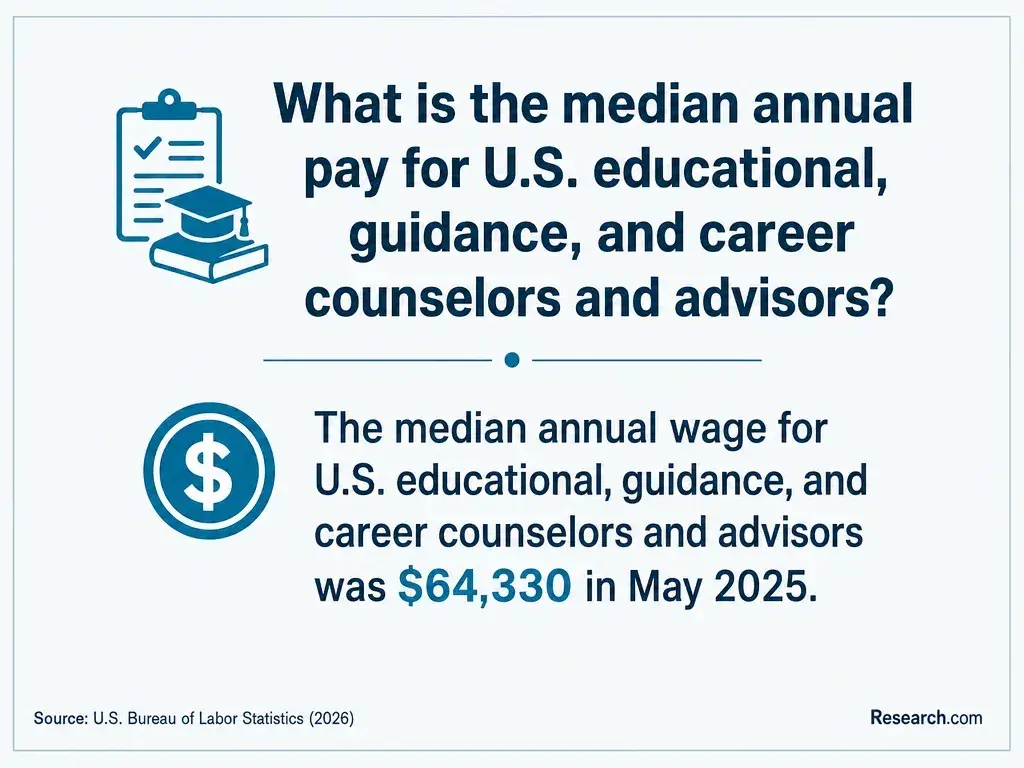
The U.S. Bureau of Labor Statistics reports a May 2024 median annual wage of $45,120 for social and human service assistants. That occupation includes some service-support work relevant to housing and recovery, but its median covers workers with different education and experience; it is not the expected pay for a psychology BA graduate. Local nonprofit budgets, duties, credentials, and location can matter more to an individual offer than an occupation-wide median.
For outlook, compare the occupation named in a job posting with BLS projections rather than treating "addiction services" as one labor market. A licensed counseling position has different entry requirements from a shelter support job. When assessing earnings against tuition, use offers or posted local pay ranges for roles you could actually qualify for. Budget-conscious psychology program comparisons can narrow education costs, but a lower tuition price is valuable only if the courses and field experience still fit your target role.
How can you compare online psychology programs for recovery support careers?
Start with two or three local job descriptions and the requirements of any state credential you may need. Then use the same questions for each school, rather than comparing marketing descriptions or concentration names.
- Request the current degree map and mark which addiction, research, trauma, and community-systems courses you can actually take online.
- Ask for written details on placement approval, supervision, in-person hours, and whether a site serving people experiencing homelessness is feasible.
- Confirm institutional accreditation and ask the relevant state authority - not only the school - whether coursework contributes to a desired credential.
- Obtain a degree audit and personalized cost estimate, including the effect of transfer credits and course availability on completion time.
- Compare the resulting preparation with local hiring requirements; if a peer credential and supervised work would meet your goal sooner, weigh that route before funding a full BA.
A useful program is one whose graduates can demonstrate relevant knowledge and supervised nonclinical skills, not merely name an addictions concentration. If you later decide on graduate training, compare its requirements separately. For example, one-year forensic psychology graduate tuition comparisons concern a different specialty; a faster additional degree is not automatically a better investment for recovery-support work.
Other Things You Should Know About Psychology
No. Housing First generally prioritizes access to housing without making abstinence a precondition. Specific programs differ, so learn the policies and support services of any organization where you hope to work.
That is your choice unless a particular application or credential has a lawful, relevant requirement. You can describe your motivation and skills without sharing private health details.
Not without appropriate permission and guidance. Ask your instructor and site supervisor about consent, confidentiality, and safer alternatives such as a fictionalized scenario or public information.
It may. Many MSW programs consider applicants with varied bachelor's majors, but prerequisites and admission policies differ. A psychology BA does not ordinarily replace the social-work degree required for advanced-standing admission.
- Finding Help for Co-Occurring Substance Use and Mental Disorders - National Institute of Mental Health (NIMH) https://www.nimh.nih.gov/health/topics/substance-use-and-mental-health
- NCDAC Behavioral Health Services Practicum, Internship & Field Opportunities https://www.dac.nc.gov/html/ncdac-behavioral-health-services-practicum-internship-field-opportunities
- Homelessness Programs and Resources | samhsa.gov https://www.samhsa.gov/communities/homelessness-programs-resources
- Housing Instability - Healthy People 2030 | odphp.health.gov https://odphp.health.gov/healthypeople/priority-areas/social-determinants-health/literature-summaries/housing-instability
- Addiction & Recovery Counseling Certificate and Degree Programs | ccsf.edu https://www.ccsf.edu/degrees-certificates/addiction-recovery-counseling-certificate-and-degree-programs
- Psychology of Addiction and Recovery | Stanford Online https://online.stanford.edu/courses/som-xche0005-psychology-addiction-and-recovery
- Online Bachelor's Degree in Psychology in Addictions | Purdue Global https://www.purdueglobal.edu/degree-programs/psychology/bachelor-psychology-addictions/
- Earn Your B.S. in Addiction Studies Online | SUNY Empire https://sunyempire.edu/academics/undergraduate-academics/addiction-studies.html
- Directory of Addiction Study Programs (DASP) | icuddr.org https://icuddr.org/education/directory-of-addiction-studies-programs/