2027 Online BA in Psychology - Addictions for Recovery Outreach Through Community Partnerships: Which Courses Should You Look For?
Audited and Verified:
Our Editorial and Data Verification Process
Research.com uses government datasets, official education statistics and primary institutional information to support its career and degree guides. Our review process checks factual accuracy, occupational definitions, source dates and the requirements associated with the credentials discussed.
How This Article Was Fact-Checked
Our editorial team verifies salary estimates, employment projections, education requirements and program information against original data providers and official organizations. Salary figures are checked against the relevant occupational definitions and reporting periods. Information about licensure, accreditation and required in-person training is reviewed separately.
Fact-checked and verified on:

Co-Founder and Chief Data Scientist
An online psychology BA can teach you about addiction, but recovery outreach also requires practical knowledge of referrals, community trust, and professional boundaries. If you work in a nonprofit or hope to enter recovery support, the right course mix matters more than a concentration's name. This guide identifies the coursework and supervised experiences worth seeking, shows how to evaluate a program's community partnerships, and explains when a different credential may be a more direct route to your goal.
Key Things You Should Know
- Prioritize addiction science, community psychology or public health, research methods, and ethical referral practice - not addiction electives alone.
- Ask whether a community-partner project has approved tasks, a qualified supervisor, and workable hours; an online BA does not guarantee a placement.
- A psychology BA can support nonclinical outreach, but counseling credentials depend on state rules and generally require additional training and supervised experience.
What Is an Online BA in Psychology for Addiction Recovery Outreach?
It is an undergraduate psychology degree whose courses and applied opportunities help a student understand substance use, recovery, and the community systems people navigate to obtain support. "Addictions" might be an official concentration, a minor, or simply a set of electives; check the degree audit rather than relying on the program description.
Recovery outreach can include sharing service information, building relationships with community organizations, helping people navigate referrals, and supporting prevention events. It is not the same as diagnosing a substance use disorder or providing psychotherapy. When reviewing online undergraduate addiction psychology program comparisons, separate the degree's academic content from any claims about eligibility for a specific job or credential.
Which Courses Should an Online Psychology Degree Include?
The strongest course plan connects an understanding of addiction to the practical work of reaching people and evaluating services. Course titles vary, so inspect syllabi and learning outcomes for the following combinations.
| Course area | Why it matters for outreach | What to look for |
| Psychology foundations and lifespan development | Explains behavior, motivation, and changing needs across adulthood and adolescence. | Developmental context without assuming one approach fits every community. |
| Addiction science and health psychology | Introduces substance use, recovery, co-occurring concerns, and evidence-informed prevention. | Attention to stigma, harm reduction, and the limits of undergraduate clinical knowledge. |
| Social or community psychology and public health | Connects individual behavior to housing, access, relationships, and local service systems. | Community engagement, health equity, and partnership design. |
| Research methods and statistics | Helps staff interpret evidence and assess whether outreach is reaching its intended audience. | Survey design, sampling limitations, and responsible interpretation of outcomes. |
| Ethics, communication, and applied learning | Supports respectful conversations, confidentiality, referrals, and appropriate documentation. | Practice with boundaries, accessibility, and feedback from a supervisor. |
Take introductory psychology and statistics before advanced methods where prerequisites require it, then pair an addiction elective with a community-focused course and an applied project. A counseling-skills class may improve communication, but it does not authorize counseling. If your target is a state-recognized substance use counselor credential, compare the psychology curriculum with comparing undergraduate substance use counseling costs and outcomes and check which courses your state actually accepts.
How Do Community Partnerships Strengthen Addiction Recovery Outreach Training?
A useful partnership gives students a defined, supervised way to learn how agencies coordinate services - not merely a partner logo on a website. Possible nonclinical work includes mapping referral resources, helping prepare accessible outreach materials, or evaluating attendance at a prevention event. The agency and school must approve the tasks, supervision, schedule, and any use of information before work begins.
Ask the academic coordinator and potential site these questions before treating an opportunity as part of your degree:
- Is the experience required or optional, and can an existing job qualify after formal approval?
- Who supervises the work, and which duties are off-limits to an undergraduate student?
- Are meetings or site hours available outside standard work hours, and is travel required?
- What information may the student collect or share, and who decides whether review or consent is needed?
For a professional already working at a nonprofit, a narrowly scoped, approved project may be more feasible than an unpaid placement elsewhere. Keep client records out of a class assignment unless the organization and school explicitly authorize access and use. Undergraduate partnership work also differs from the clinical fieldwork involved in online mental health counseling master's timelines; neither experience substitutes for the other.
An online BA's accreditation depends primarily on the institution offering it. Verify the school's current institutional accreditation through the accreditor and the U.S. Department of Education's accreditation database, then confirm that the online psychology degree is offered by that institution. The American Psychological Association does not accredit general undergraduate psychology degrees.
Accreditation does not verify that a BA includes addiction courses, a usable community placement, or a path to counseling licensure. Ask for the current catalog and written clarification of any credential claims. This distinction also matters when comparing a BA with faster completion planning for accredited clinical counseling study: professional-program recognition and state licensure rules concern a different educational pathway.
Schools generally review prior education, but requirements differ for first-year, transfer, and returning applicants. Check the institution's rules for transcripts, minimum academic standing, and any separate admission process for the psychology major. Prior nonprofit work may strengthen your preparation without replacing a formal admission requirement.
If you have college credit, request a written degree audit showing where each course applies - not just how many credits are accepted. Pay particular attention to statistics, research methods, upper-level psychology requirements, and credits that must be completed at the degree-granting school. A guide to college credit evaluation for psychology majors can help frame your questions, but only the institution can approve your individual credits.
A full-time bachelor's degree commonly takes about four academic years; transfer credit and part-time enrollment can change that substantially. The useful estimate is the school's written calculation of your remaining requirements, including prerequisite order and how often addiction, methods, and applied courses run.
Online does not necessarily mean self-paced. A course may be asynchronous while a group project, partner meeting, or supervised experience has fixed hours. If you plan further study, keep the timelines separate: shorter online psychology master's timelines describe study after a bachelor's degree, not a way to bypass undergraduate requirements or clinical credential rules.
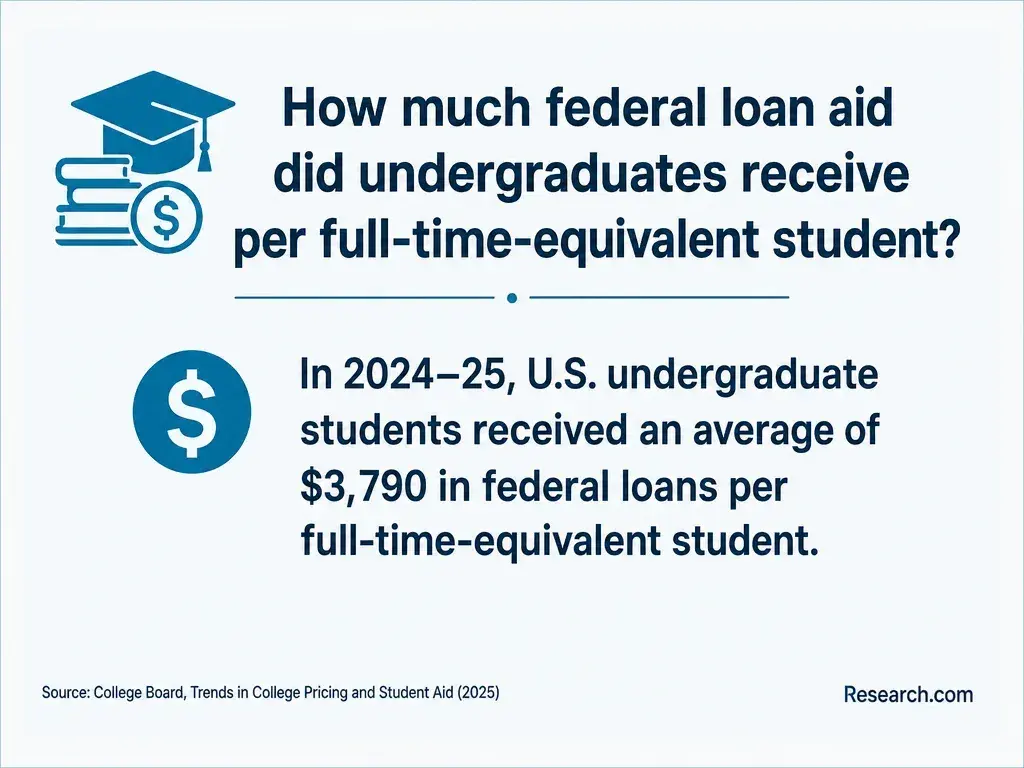
Compare the cost of finishing the degree, not a school's advertised tuition rate alone. Request an estimate based on your approved remaining credits, required fees, textbooks, technology, and any travel or reduced work hours associated with applied learning. A low per-credit price may be less attractive if relevant electives rarely run or a placement delays graduation.
Use the same remaining-credit assumptions when comparing affordable online psychology degree programs. Ask the financial aid office how your enrollment pace affects aid, and check whether an employer will support a degree, selected courses, or neither. If you already hold a bachelor's degree and need only a specified credential, calculate whether targeted coursework and supervised experience would cost less than another BA.
Depending on the employer and your experience, a psychology BA may be relevant to outreach coordinator, prevention-program assistant, intake or referral coordinator, or community-services roles. These jobs can involve maintaining resource lists, explaining available services, coordinating events, documenting nonclinical contacts, and identifying when a qualified professional should take over. Job titles do not establish permission to counsel or diagnose.
For an existing nonprofit worker, the strongest next step may be to add evidence of a specific skill - such as an approved referral-resource project or basic program evaluation - rather than change degrees. Read job postings for the actual duties and required credentials. A specialization aimed at legal settings, including those discussed in online forensic psychology master's graduation planning, is unlikely to be the most direct preparation for community recovery outreach unless your target role specifically serves a justice-involved population.
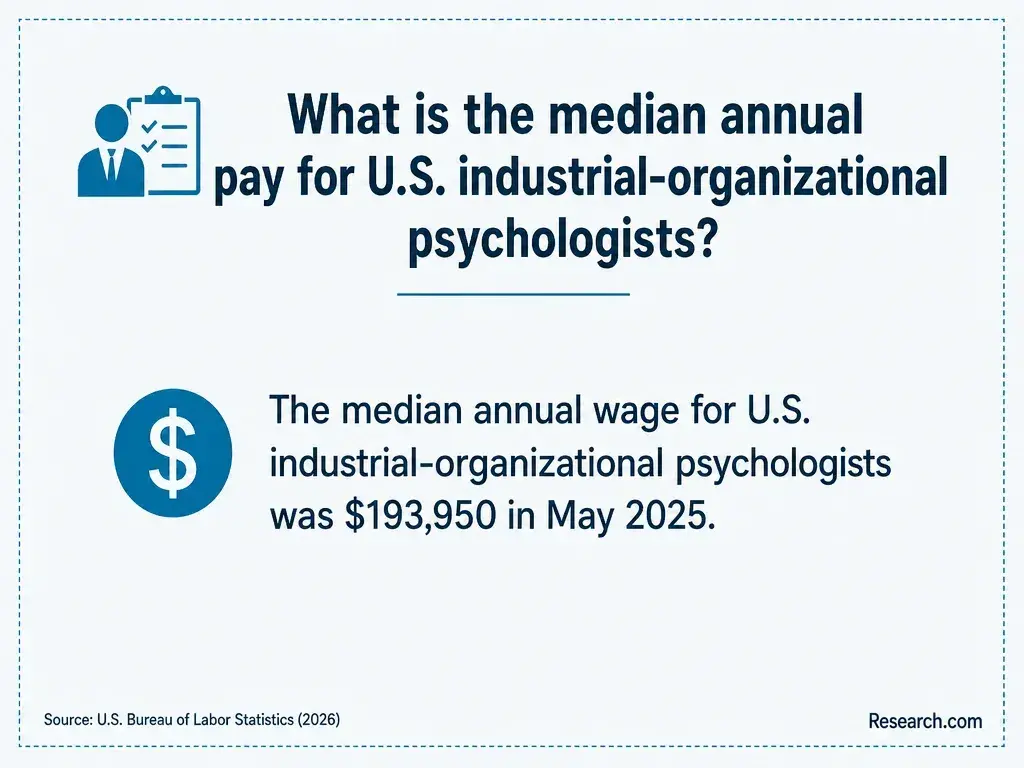
There is no reliable single salary for "psychology BA graduates in recovery outreach." Pay depends on the occupation, employer, location, duties, and credentials. The U.S. Bureau of Labor Statistics reports wages and projections by occupation rather than by undergraduate major; its substance abuse, behavioral disorder, and mental health counselor category includes roles with differing education and licensing requirements. Its figures should not be treated as an entry-level outreach salary or a return promised by a BA.
For a practical comparison, find local postings for the exact outreach role you want, record their pay ranges and credential requirements, and compare those with your likely education costs. If advancement appears to require graduate study, include that later expense; graduate psychology tuition and program value is a separate decision from whether the BA prepares you for outreach now.
Which Certifications and Licenses Support Addiction Counseling Careers?
Recovery support and addiction counseling are not interchangeable credential paths. States may have distinct requirements for substance use counselors, while peer-support certifications can involve their own eligibility, training, and supervision rules. A psychology BA or addictions concentration does not automatically meet either set of requirements.
Before selecting electives, identify the exact job title and state where you intend to work. Ask the responsible state board or credentialing body which degree, courses, supervised hours, and examinations it requires, and whether an online program's courses count. If your goal is licensed mental health counseling rather than outreach, evaluate a qualifying graduate pathway and its full costs and timing; clinical counseling master's fees and graduation timelines provide a different comparison from an undergraduate psychology BA.
Other Things You Should Know About Psychology
Possibly, but get approval from the instructor and employer first. Agree on the deliverable, supervision, work hours, and information you may use; employment alone does not satisfy an academic requirement.
Choose based on required courses and opportunities, not the label. A general major with strong addiction, community, and methods electives may fit outreach better than a concentration without applied learning.
Yes, if the school permits locally arranged experiences and provides a process for approving sites and supervisors. Confirm this before enrolling, especially if travel or fixed meeting times are difficult.
It may be if you already meet employers' degree requirements and need a defined outreach skill or recognized credential. Check target job postings and the credentialing body's rules before paying for either option.
- Service Coordination Partnership Toolkit: Housing Providers | acl.gov http://acl.gov/HousingAndServices/service-coordination-partnership-toolkit-housing-providers
- SBIRT: Screening, Brief Intervention & Referral to Treatment | ny.gov https://oasas.ny.gov/sbirt
- NCDAC Behavioral Health Services Practicum, Internship & Field Opportunities https://www.dac.nc.gov/html/ncdac-behavioral-health-services-practicum-internship-field-opportunities
- Evidence-Based Practices Resource Center | samhsa.gov https://www.samhsa.gov/libraries/evidence-based-practices-resource-center
- Courses - Office of Experiential and Engaged Learning https://experiential.learning.gatech.edu/community-based-learning/courses/
- What is Service-Learning | University of Cincinnati | Post-Graduation Outcomes https://www.ccps.uc.edu/academics/what-is-service-learning-.html
- Earn Your B.S. in Addiction Studies Online | SUNY Empire https://sunyempire.edu/academics/undergraduate-academics/addiction-studies.html
- Experiential Learning Opportunities | txst.edu https://eccel.txst.edu/experiential-learning-opportunities.html
- Assessing Meaningful Community Engagement | NAM https://nam.edu/our-work/programs/leadership-consortium/assessing-meaningful-community-engagement/
- Harm Reduction - an overview https://www.sciencedirect.com/topics/medicine-and-dentistry/harm-reduction