2027 Online BA in Psychology - Addictions for Probation Support Staff: Choosing a Program Without Leaving Your Job
Audited and Verified:
Our Editorial and Data Verification Process
Research.com uses government datasets, official education statistics and primary institutional information to support its career and degree guides. Our review process checks factual accuracy, occupational definitions, source dates and the requirements associated with the credentials discussed.
How This Article Was Fact-Checked
Our editorial team verifies salary estimates, employment projections, education requirements and program information against original data providers and official organizations. Salary figures are checked against the relevant occupational definitions and reporting periods. Information about licensure, accreditation and required in-person training is reviewed separately.
Fact-checked and verified on:

Co-Founder and Chief Data Scientist
Probation support staff often encounter substance-use concerns while managing referrals, records, and coordination with treatment providers. An online psychology BA with an addictions focus could strengthen that work, but its value depends on what your agency expects and whether you can complete the degree around your shifts. This guide shows how to compare programs, identify useful coursework, check work-based learning requirements, and weigh the cost against your career goal - without mistaking an addictions concentration for a counseling credential.
Key Things You Should Know
- Choose a program by its fit with your agency's job requirements, course schedule, and remaining degree requirements - not by the word "addictions" in its name.
- A psychology BA can support referral, documentation, and service-coordination work; it does not authorize substance-use treatment, diagnosis, or independent counseling.
- There is no reliable degree-specific salary figure for probation support staff. Use your agency's pay scale and promotion rules to assess the return on a degree.
What Is an Online BA in Psychology With an Addictions Focus?
It is a bachelor of arts degree in psychology that combines broad study of behavior and research with coursework on substance use, prevention, recovery, or related services. "Addictions focus" may mean an official concentration, a set of electives, or simply an advertised theme. Ask the school which designation appears on the transcript and what courses are guaranteed to be available online.
For probation support, the strongest fit is usually a program that connects addiction science to social context, evidence evaluation, and service systems. A forensic emphasis instead may concentrate more on psychology in legal settings; comparing forensic psychology curricula and career fit can help if your intended work centers on justice-system research or administration rather than recovery referrals. Neither emphasis confers investigative or clinical authority.
Can an Addictions Psychology Degree Prepare You for Probation Support Work?
Yes, as academic preparation for nonclinical duties - especially when you already know probation procedures. Psychology coursework can improve how you read research on substance use, communicate without stigmatizing clients, and understand factors that affect engagement with services. Your agency, however, sets your duties; the degree does not expand them automatically.
Match the curriculum to the work you actually do. Referral coordination calls for knowledge of local service pathways; case documentation calls for precise, confidential writing; program support may call for basic statistics and evaluation skills. If you seek a move into recovery services, review addiction recovery job families against local postings: peer, administrative, case-support, and counseling positions can have very different qualifications.
Do not treat an addictions class as training to diagnose a substance-use disorder, choose treatment, or give clinical advice. A useful workplace project might be a supervisor-approved review of publicly available referral resources - not an analysis of identifiable probation records without agency authorization and appropriate academic oversight.
How Do You Choose an Accredited Online Psychology Bachelor's Program?
First, confirm the institution holds recognized institutional accreditation and that the accreditation covers the institution offering your degree. Then verify the specific program: its degree title, official addictions designation, online course availability, and requirements for your entry term. APA accreditation is not the standard to seek for a general psychology BA; institutional accreditation also does not establish eligibility for an addiction-counselor credential.
For a working probation employee, these comparisons matter more than an advertised claim of flexibility:
- Degree audit: Obtain a written evaluation showing which prior credits satisfy general education, psychology prerequisites, major courses, and in-residence requirements - not merely how many credits are accepted.
- Delivery: Check live meetings, exam windows, group work, campus visits, and whether required courses run often enough for part-time study.
- Applied work: Ask whether a capstone or placement is required, who approves sites, and whether your existing job could qualify under a formal learning agreement.
- Support: Compare advising for working students, leave and reentry policies, career services, and access to online library and research help.
Use published catalogs and direct answers from program staff to evaluate psychology program admissions and curriculum comparisons. Keep copies of the policies and degree audit that apply to your intended start term.
Expect a psychology foundation - such as development, social psychology, research methods, and statistics - alongside whatever addiction-related courses the school actually requires. For probation support, methods training is practical: it helps you distinguish evidence about a program from an anecdote or an unsupported claim of effectiveness.
Look closely at whether addiction courses cover substance-use research, prevention, recovery systems, co-occurring concerns, and ethical boundaries. A course titled "counseling" may teach concepts without providing supervised clinical training. If your goal is eventually to provide treatment, compare addiction counseling degree curriculum choices with your state's credential rules rather than assuming a psychology concentration meets them.
Course sequence matters while employed: ask whether statistics precedes research methods, whether specialized courses have limited offerings, and whether a required internship can be completed outside standard office hours.
Build your study plan around your least predictable workweeks, not your quietest ones. Asynchronous lectures may still come with fixed deadlines, scheduled exams, group meetings, or a daytime placement. An accelerated term can shorten the calendar but compress the same work into fewer weeks; review intensive online psychology program formats with that trade-off in mind.
Before enrolling, take these steps to test whether the schedule is workable:
- Ask for recent syllabi from required psychology and addictions courses, including assignment and exam timing.
- Map deadlines against shifts, court-related obligations, and any on-call periods; ask how missed work is handled.
- Confirm whether a capstone or placement requires fixed hours and whether the agency and school would approve a workplace-based option.
- Ask human resources about education assistance, required approvals, and any repayment terms before committing to tuition.
Keep coursework separate from agency operations unless both the school and your employer authorize an arrangement. Employment gives you relevant experience, but it does not automatically make your workplace an approved internship site or give you permission to use client information.
Requirements depend on whether you apply as a first-time student or a transfer student. Schools commonly request prior transcripts and may have separate rules for admission to the psychology major. Ask admissions to distinguish being admitted from having prior coursework approved toward graduation.
If you have completed criminal justice, human-services, or community-college courses, request a degree audit before accepting an enrollment offer. Have the school assess statistics and research-methods equivalencies, prerequisites, general education, and remaining institutional credits. The receiving institution - not a course title that looks similar - decides what satisfies its requirements.
Admission to a BA also does not reserve a place in a later clinical graduate program. If counseling is a possible future goal, check that program's prerequisites and intensive schedules in accredited mental health counseling study separately; graduate fieldwork can present a different challenge to full-time employment.
Your timeline depends on credits that apply to the degree, course sequencing, and how many courses you can take while working. Published completion estimates may assume a heavier load than your shifts permit. Request a term-by-term plan based on your approved degree audit, including the next available offering of each required addictions course.
Compare costs using the same planned course load at each school. Tuition is only part of the employment decision:
| Cost or time factor | What to verify |
| Tuition and required fees | Your rate, billing unit, online fees, and any changes tied to enrollment status |
| Remaining coursework | Credits that meet requirements after formal transfer evaluation |
| Books and technology | Required materials, software, equipment, and exam arrangements |
| Applied requirements | Placement hours, travel, scheduling restrictions, or unpaid time away from work |
| Financial support | Actual aid eligibility and your employer's written reimbursement conditions |
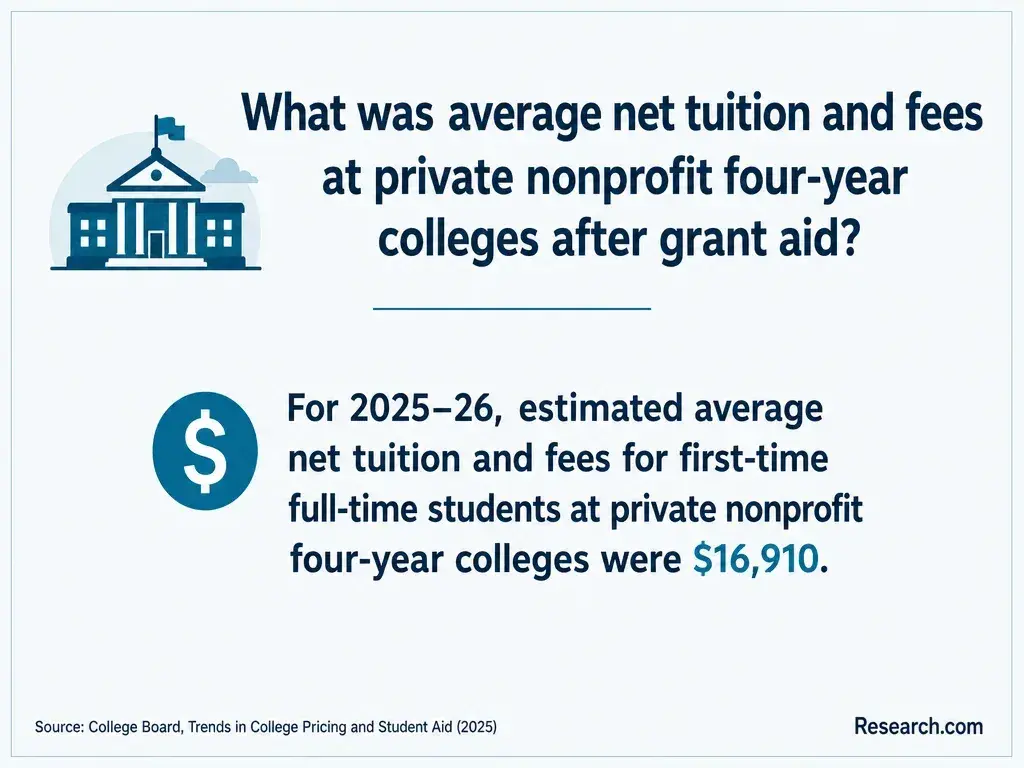
A lower advertised tuition rate may not be the lower-cost route if it leaves more requirements to complete. Use psychology degree options with lower tuition as a starting point, then compare school-issued estimates for your remaining courses. Do not count employer reimbursement until its approval and repayment conditions are clear.
With relevant experience and the qualifications in a particular posting, possible nonclinical paths include probation program support, intake or referral coordination, recovery-service administration, community outreach, and case-support roles. Within a public agency, an internal move may depend more on civil-service classification, experience, examinations, and vacancies than on the concentration name.
Choose electives and applied work for the role you want next. A staff member seeking referral coordination benefits from service-system knowledge and accurate documentation; someone seeking program evaluation needs stronger methods and data skills. If you are considering graduate forensic study for later advancement, assess forensic psychology graduate career value and qualifications against actual agency postings. A graduate degree alone does not make someone a forensic psychologist or guarantee promotion.
If your employer already accepts your current qualification for the next position, targeted training, a supervised project, or an internal application may be more direct than completing a BA.
There is no dependable national salary or growth figure for "psychology graduates in probation support." The Bureau of Labor Statistics reports on occupations, not this degree-and-job combination. Its category for probation officers and correctional treatment specialists may provide labor-market context, but its occupation-wide pay and projections should not be presented as the wages or prospects of support staff - or of graduates from a particular BA.
For an actionable estimate, check your agency's current support-role pay grade, the posted range for your target classification, required credentials, and whether completing a bachelor's changes your eligibility or pay step. Compare those facts with your remaining education costs and time. Clinical counseling has different qualifications and employment conditions; clinical counseling master's completion time and employment outlook should not be used as a salary forecast for probation support work.
What Licenses and Certifications Require More Than a Psychology Bachelor's Degree?
A psychology BA with an addictions focus is not a license to diagnose, provide psychotherapy, independently assess clients, or practice as a psychologist. Addiction-counselor requirements vary by state and credential level; they may specify particular coursework, supervised experience, examinations, and an approved education pathway. Peer-support credentials and the permitted duties attached to them also vary.
If your goal is treatment rather than probation support, identify the exact job title and state credential before selecting another degree. Licensed professional counseling generally requires qualifying graduate education and additional state requirements. Compare affordable accredited mental health counseling study options only after checking the relevant licensing board's education and placement rules; low tuition does not establish credential eligibility.
Ask your employer which duties require a credential, then confirm the pathway with the state board or certifying authority. That check can prevent paying for an attractive concentration that does not meet the requirement you actually need.
Other Things You Should Know About Psychology
Possibly, if a school has an approved prior-learning assessment process. Ask what evidence it accepts, what fees apply, and whether any awarded credit would satisfy degree requirements rather than count only as an elective.
Do not share identifiable or restricted case information without agency authorization and any required school approval. A hypothetical example or publicly available material is often a safer choice, subject to your employer's policies.
Usually, the label matters less than the curriculum and your employer's stated degree requirement. Compare research, statistics, addictions coursework, and credits remaining under each option.
Tell them if you need schedule changes, education assistance, or permission for workplace-based coursework. Discuss those requests before a course or placement commits you to hours your agency cannot accommodate.
- Accreditation in the U.S. | ed.gov http://www.ed.gov/laws-and-policy/higher-education-laws-and-policy/college-accreditation/accreditation-in-the-us
- 7 Training and Supervision - Substance Abuse Treatment - NCBI https://www.ncbi.nlm.nih.gov/books/NBK64226/
- Cost of Attendance (Budget) | 2025-2026 Federal Student Aid Handbook https://fsapartners.ed.gov/knowledge-center/fsa-handbook/2025-2026/vol3/ch2-cost-attendance-budget
- Supervisor's Responsibilities During the Probation Period | CalHR Website https://www.calhr.ca.gov/state-supervisors-managers/supervisors-responsibilities-during-the-probation-period/
- Types of Financial Aid: Grants, Work-Study, and Loans | studentaid.gov https://studentaid.gov/understand-aid/types
- Trinity Policies for Online Teaching and Learning | trinitydc.edu https://discover.trinitydc.edu/catalog-25-26/online-teaching-and-learning-policy/
- How Do Transfer Credits Work When You Go Back to School? | Whitworth Online https://online.whitworth.edu/news-articles/how-do-transfer-credits-work-when-you-go-back-to-school/
- What You Need to Know About Counseling Accreditation | Boundless Learning Online Learning Services https://onlinedegrees.bradley.edu/blog/what-you-need-to-know-about-accreditation
- Practicums, Internships and Projects What's the Difference? | Oregon State University https://health.oregonstate.edu/internships/types-of-experiential-learning
- What's the Difference Between Asynchronous and Synchronous Learning? | Ohio State Online https://online.osu.edu/content-hub/blogs/whats-the-difference-between-asynchronous-and-synchronous-learning/