
2027 Online Applied Business & Technology Degree Programs Costs: Tuition & Fees

Co-Founder and Chief Data Scientist
Choosing an online Applied Business & Technology degree is partly an academic decision and partly a financial one. These programs combine business fundamentals with technology-focused coursework, so they often appeal to working adults, transfer students, and learners who want a practical path into operations, management, analytics, information systems, or technology-enabled business roles.
The challenge is that published tuition rarely tells the full story. Two programs with similar per-credit rates can produce very different total costs once transfer credits, residency rules, online fees, textbooks, software, financial aid, and time to completion are included. This guide explains what students should expect to pay, what tuition usually covers, which factors raise or lower the final bill, and how to compare programs based on value rather than sticker price alone.
Key Points About Online Applied Business & Technology Degree Costs
- Average tuition for online Applied Business & Technology degrees ranges from $15,000 to $35,000 depending on the institution and program length in 2024.
- Costs vary based on credit hours, residency status, and additional fees such as technology or lab use charges.
- Investing in these programs often leads to higher earning potential and access to specialized skills in growing technology-driven business sectors.
What Is the Average Cost of an Online Applied Business & Technology Degree?
The average tuition for online Applied Business & Technology bachelor's degrees in 2025 typically falls between $7,500 and $15,000 annually at public universities. Some programs in states like Texas offer rates closer to $9,000 per year, while private schools often charge $15,000 or more. These figures usually refer to annual tuition, not the total amount a student will pay to finish the degree.
For a four-year bachelor's program, tuition commonly totals between $30,000 and $60,000. The actual amount can be lower for students who enter with transfer credits, complete an associate degree first, receive employer tuition assistance, or qualify for grants and scholarships. It can be higher for students who pay nonresident tuition, enroll part time for many years, or choose a private institution with higher per-credit rates.
Associate-level programs in applied business, business technology, or related fields at community colleges are often less expensive. Some have annual tuition under $5,000, making them a cost-conscious entry point for students who plan to transfer into a bachelor's program later.
Public universities tend to be more affordable than private institutions, especially for in-state students. However, online pricing is not always tied to residency. Some schools charge one online rate for all students, while others still apply in-state and out-of-state tuition rules. Because of this, students should compare the full program cost, not just the advertised annual or per-credit price.
Compared with many related business or information technology degrees, online Applied Business & Technology programs are often competitively priced. Regional public universities can be especially strong options for students who want a practical curriculum, recognized accreditation, and a lower total cost.
What Is Typically Included in the Tuition for an Online Applied Business & Technology Degree?
Tuition generally pays for instruction and access to the academic systems needed to complete the program. It does not always include every expense required to participate in online courses, so students should request a complete cost breakdown before enrolling.
In most online Applied Business & Technology programs, tuition commonly covers:
- Faculty instruction: Teaching, feedback, grading, and academic guidance from instructors during each course.
- Course access: Enrollment in required business, technology, management, analytics, or applied systems courses.
- Learning management platforms: Use of the online classroom, discussion boards, assignment portals, video tools, and communication systems.
- Standard academic support: Services such as online tutoring, writing help, advising, library access, and technical support, when offered as part of enrollment.
- Some digital learning tools: Access to selected software, simulations, virtual labs, or business platforms if they are built into the curriculum.
Students should not assume that tuition includes every required item. Common additional costs may include a reliable computer, high-speed internet, textbooks when they are not bundled, specialized software licenses, exam proctoring fees, graduation fees, transcript fees, and optional professional certification exams.
For example, tuition at Western Governors University is about $3,755 per six-month term, but this does not mean every possible cost is included. Students should ask whether the quoted price includes resource fees, technology fees, assessment fees, and books or digital materials.
A useful question to ask admissions or financial aid staff is: “What is the estimated total cost of attendance for one year and for the full program after required fees?” That answer is more useful than tuition alone because it reflects the amount students may need to pay out of pocket or finance through aid.
What Factors Influence the Cost of Pursuing an Online Applied Business & Technology Degree?
The cost of an online Applied Business & Technology degree depends on more than the listed tuition rate. The biggest drivers are the type of school, residency policy, number of credits required, transfer credit rules, fees, and how quickly the student finishes.
- Institution type: Public universities usually charge lower tuition rates than private institutions. Median annual tuition for online business degrees is approximately $7,454 at public four-year institutions versus about $7,784 at private colleges, though prestigious programs may cost more.
- Residency status: Some public universities charge different rates for in-state and out-of-state online students. Others use one online tuition rate for everyone. Schools such as the University of North Texas offer uniform online rates regardless of residency, which can make budgeting easier.
- Program structure: Total cost depends on the number of credits required, whether courses are charged per credit or by term, and how many credits the school accepts from prior college work, military training, certifications, or professional experience.
- Transfer credit policies: A generous transfer policy can reduce both cost and time to graduation. Students with an associate degree or previous college credits should request a transfer evaluation before committing to a program.
- Technology and course fees: Online students may pay fees for digital resources, learning platforms, virtual labs, proctored exams, or software access. These can add hundreds of dollars per term, though they are often lower than campus-based housing, parking, or facility costs.
- Length of study: Accelerated formats can reduce time away from full-time work or help students graduate sooner. Part-time study can make each term more affordable but may increase the total number of terms and fees paid.
- Net price after aid: Grants, scholarships, employer tuition reimbursement, and military education benefits can lower the actual cost substantially. Financial aid and scholarships can often reduce annual costs well under $6,000 compared to on-campus options.
Students comparing programs should avoid choosing solely by sticker price. A lower per-credit rate may not be the best value if the program accepts few transfer credits, charges high fees, or has limited advising. A slightly higher-cost program may be worth considering if it shortens the path to graduation or provides stronger career support.
Additional expenses such as textbooks, software, internet access, and a capable computer should be included in the budget. Students interested in shorter, career-focused credentials before committing to a degree can review 6 month online courses that pay well as a possible bridge into further study.
When comparing costs, look at net cost after aid, graduation rates, transfer credit acceptance, course scheduling, and career alignment. The best financial choice is usually the program that helps you finish with the least unnecessary debt while still meeting your academic and career goals.
Are Online Applied Business & Technology Programs Cheaper Than Traditional Programs?
Online Applied Business & Technology programs are often cheaper than traditional campus programs when total cost of attendance is considered. Tuition may be similar in some cases, but online students can often avoid major campus-related expenses such as housing, meal plans, commuting, parking, and relocation.
For example, Kansas State University's online Applied Business and Technology bachelor's degree charges about $409.42 per credit hour, totaling around $49,539 for 121 credits. A campus-based option may add costs beyond tuition, especially for students who must move, reduce work hours, or pay for daily transportation.
The price gap can be especially large at high-cost institutions. The University of Miami's on-campus Master of Science in Business Technology costs approximately $2,644 per credit plus semester fees, reaching a total near $87,340-significantly higher than most online alternatives.
Online pricing can also be competitive at large universities with established distance-learning programs. Southern New Hampshire University, for instance, offers a business-related online bachelor's degree at $342 per credit, totaling about $41,040.
However, “online” does not automatically mean “cheap.” Some online programs charge premium tuition, and students may still pay technology, course, or proctoring fees. The financial advantage is strongest for students who can keep working while enrolled, live at home, transfer previous credits, and avoid borrowing for living expenses.
For readers comparing degree difficulty, flexibility, and cost, this guide to what is an easy bachelor's degree to get may provide additional context. Still, students should choose a program based on fit, accreditation, curriculum, and career value rather than ease alone.
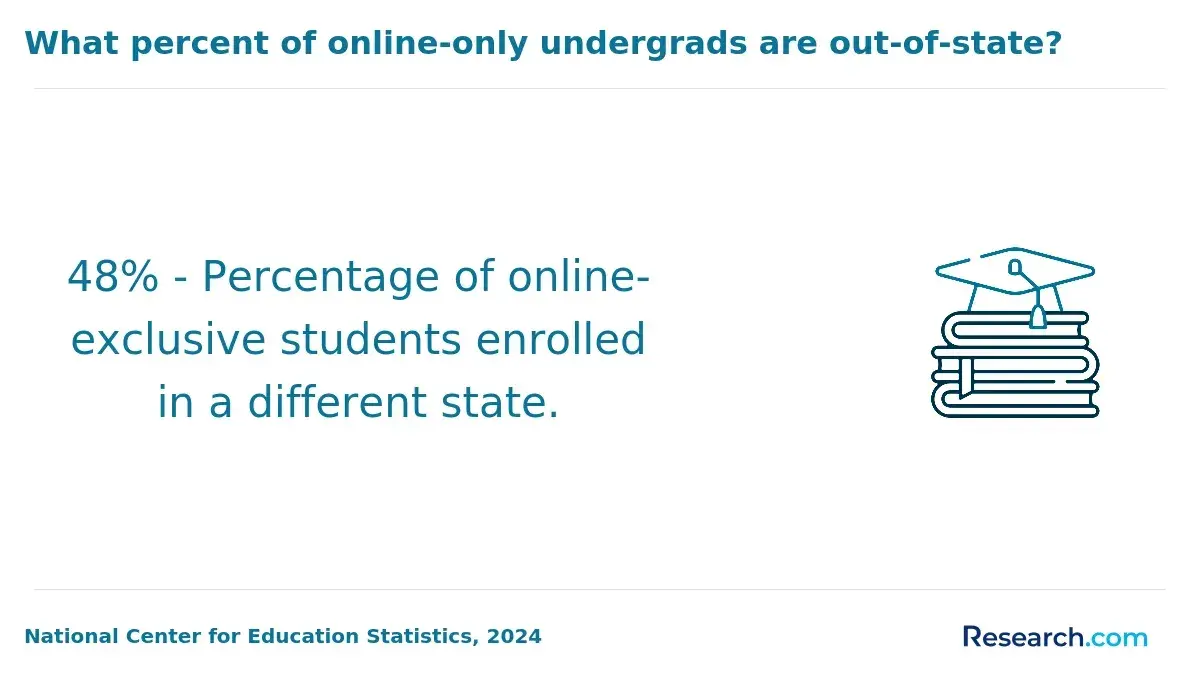
Are There In-State and Out-of-State Tuition for Online Applied Business & Technology Programs?
Yes, some online Applied Business & Technology programs still use in-state and out-of-state tuition, especially at public universities. Other schools charge a flat online rate to all distance learners, regardless of where they live. This difference can have a major effect on affordability.
For instance, Texas residents enrolled in a 36-credit graduate program at the University of North Texas at Dallas pay approximately $12,667, while non-resident students are charged around $21,872. This shows how traditional residency-based pricing can still apply even when courses are delivered online.
By contrast, some institutions use a uniform online tuition model. The University of Texas at Dallas, for example, offers a uniform per-credit rate for executive online business degrees without distinguishing residency status. Private and online-centric institutions like Southern New Hampshire University similarly maintain consistent tuition rates across all online learners.
Students should also ask about regional tuition agreements. In some cases, students from neighboring states may qualify for discounted tuition even if they are not residents of the state where the university is located.
Before applying, confirm the school’s exact policy in writing. Ask whether the rate is based on residency, whether online students pay the same mandatory fees as campus students, and whether tuition changes if you move to another state during the program.
Which Schools Offer the Most Affordable Applied Business & Technology Degree Programs?
The most affordable online Applied Business & Technology options are often found at accredited public universities, regional institutions, and competency-based programs that allow students to move quickly through material they already know. The lowest-cost choice will depend on residency, transfer credits, pacing, and aid eligibility.
Examples of comparatively affordable options include:
- University of Houston-Clear Lake: Offers a Bachelor of Science in general business with technology coursework. Texas residents pay just $310 per credit, while out-of-state students pay $866 per credit. Up to 63 transfer credits are allowed, and full course loads can enable completion in as little as two years.
- University of North Texas: Provides a fully online Bachelor of Science in general business at a flat tuition rate of $330 per credit for both in-state and out-of-state students. The program includes business technology concentrations and flexible eight-week terms with synchronous and asynchronous options.
- Auburn University at Montgomery: Features an online BS in Business Administration costing $371 per credit for Alabama residents and $393 for non-residents. This program has no application fees and offers scholarships automatically for new and transfer students.
For students interested in alternative pricing models, Western Governors University charges $3,830 per six-month term, allowing progression at a personalized pace. This type of model can be cost-effective for disciplined students who can complete courses quickly.
Affordability should be measured by the final degree cost, not the lowest single course price. Students should compare per-credit tuition, required credits, fees, transfer limits, scholarship availability, and expected time to completion. Those comparing broader business pathways may also want to review affordable online business degree options before selecting a specialized program.
Students considering graduate study after a bachelor's degree can also explore this resource on online masters degree cheap programs to understand how future education costs may fit into a long-term plan.
Breakdown of All 2-Year Online Title IV Institutions

Which Schools Offer the Most Expensive Applied Business & Technology Degree Programs?
Some online Applied Business & Technology and closely related business technology programs cost substantially more than public regional alternatives. Higher tuition may reflect brand recognition, specialized curriculum, extensive student services, faculty profile, or institutional prestige. It does not automatically guarantee a better return for every student.
Examples of higher-cost programs include:
- Kansas State University: Known for its Bachelor of Science in Applied Business & Technology, this degree costs approximately $44,251 for completion, far exceeding typical rates seen in similar programs. The school's strong reputation and research focus partly justify its higher tuition.
- University of Southern California: Offers an online Bachelor's in Business Administration with a technology concentration, pricing tuition close to $45,000. USC emphasizes advanced curriculum and industry-experienced faculty, which contribute to the cost.
- Northeastern University: Provides an online Bachelor's in Integrated Business and Technology costing around $43,000, combining rigorous coursework with extensive student resources and networking opportunities.
A higher-cost program may be reasonable if it offers meaningful advantages for your goals, such as stronger employer recognition in your target market, better career services, relevant concentrations, networking access, or a curriculum that aligns closely with your desired role. It may not be worth the added cost if a lower-priced accredited program offers similar coursework and outcomes.
Before choosing a more expensive program, compare expected debt, transfer credit acceptance, graduation timeline, employer tuition reimbursement, and the school’s support for online learners. Students who plan to use federal aid should also review online schools accepting financial aid to understand how aid eligibility can affect affordability.
How Long Does It Take to See a Return on an Online Applied Business & Technology Degree?
Many graduates of online Applied Business & Technology programs can see a positive return on investment within three to five years after completing the degree, but the timeline depends on cost, debt, salary growth, and whether the degree helps the graduate move into a better-paying role.
The average starting salary for business graduates is about $76,000, which can help shorten the payback period for students who keep borrowing low. Career paths connected to IT management, web development, operations, analytics, and business systems may improve long-term earning potential when the degree is paired with relevant experience and technical skills.
The fastest ROI usually comes from programs that keep total cost manageable and help students apply their education quickly in the labor market. Students who work while studying, transfer previous credits, use employer tuition support, or complete the program at an accelerated pace may recover their investment sooner.
Several factors can lengthen the timeline, including high loan balances, additional living expenses, reduced work hours while enrolled, or choosing a program that does not align with realistic job goals. Students should estimate ROI before enrolling by comparing total program cost with the salary increase they reasonably expect after graduation.
A practical approach is to calculate the amount you would need to borrow, estimate monthly loan payments, and compare that figure with expected income gains. A degree that improves career mobility without creating excessive debt is more likely to produce a strong financial return.
Are Online Applied Business & Technology Students Eligible for Financial Aid?
Online Applied Business & Technology students are generally eligible for the same major financial aid options as on-campus students if they attend an accredited institution, enroll in an eligible program, and meet aid requirements. Accreditation matters because federal student aid is usually tied to institutional and program eligibility.
The first step is submitting the Free Application for Federal Student Aid (FAFSA). FAFSA eligibility for online business technology programs can open access to federal options such as Pell Grants, Direct Loans, and Federal Work-Study programs, depending on the student’s circumstances and the school’s participation.
Financial aid can cover tuition and fees, and in some cases may also help with books and living expenses. Students should confirm the school’s cost of attendance, aid packaging process, satisfactory academic progress rules, and disbursement schedule before relying on aid to pay for a term.
Common funding sources include:
- Federal grants and loans: These may include need-based grants and federal student loans for eligible students enrolled in qualifying programs.
- State grants and scholarships: These are often available to residents enrolled in online programs within their home state and typically depend on financial need, academic achievement, or specific areas of study.
- Institutional scholarships: Numerous universities provide internal scholarships aimed at online business and technology students, awarded on the basis of merit or financial need to help reduce education costs.
- Private scholarships and grants: Various organizations offer scholarships for students in business and technology fields, with award amounts and eligibility criteria differing widely.
- Employer tuition assistance: Working adults should ask their employer whether tuition reimbursement, education benefits, or professional development funds can be applied to an online degree.
Students should be cautious with borrowing. Federal loans can make a degree possible, but the long-term cost depends on interest, repayment terms, and total debt. Grants, scholarships, transfer credits, and employer assistance should be pursued before taking on unnecessary loans.
For students who want a shorter and potentially lower-cost career pathway, reputable online vocational schools may also be worth comparing with degree programs.
Are Online Applied Business & Technology Programs Expected to Increase in the Coming Years?
Costs for online Applied Business & Technology programs are expected to rise at a modest pace in the coming years, though the increase will vary by institution. Tuition changes are commonly influenced by inflation, instructional technology costs, faculty and student support needs, and demand for flexible online programs.
At the same time, online education remains highly competitive. Schools that want to attract working adults and transfer students may continue offering flat-rate tuition, accelerated terms, generous credit transfer policies, and scholarships to keep programs accessible.
Students planning to enroll should not assume today’s tuition will remain unchanged through graduation. Ask whether tuition is locked for enrolled students, how often rates are reviewed, and whether fees have increased in recent years. This is especially important for part-time students who may take longer to complete the degree.
The best way to manage future cost increases is to plan early. Complete the FAFSA on time, apply for institutional scholarships, ask about employer tuition reimbursement, transfer as many eligible credits as possible, and create a realistic course schedule that minimizes delays.
Prospective students should compare specific schools rather than relying on general cost trends. A program with a slightly higher current tuition but stronger transfer policies or faster completion options may still cost less overall than a lower-priced program that requires more credits or more terms to finish.
What Students Say About The Cost of Pursuing Online Applied Business & Technology Programs
Student experiences with cost often come down to three issues: whether the program was affordable upfront, whether the online format made it possible to keep working, and whether the degree helped create career value after graduation. The following reflections show how students may weigh tuition against flexibility and professional benefit.
- Jason: "Pursuing the online Applied Business & Technology degree was a game-changer for me. The cost was surprisingly reasonable compared to traditional programs, making it an accessible investment in my future. Since graduating, I've been able to advance my career significantly, proving that the return on investment was worth every dollar spent."
- Camilo: "Reflecting on my experience, the affordability of the online Applied Business & Technology program was crucial in my decision to enroll. Balancing personal responsibilities while managing costs made this degree the perfect fit. Now, I feel confident that the knowledge I've gained will open doors without leaving me burdened by excessive debt."
- Alexander: "Completing the Applied Business & Technology degree online was a strategic move to enhance my professional profile. While the tuition fees were not negligible, the program's flexible format and industry-relevant curriculum justified the expense. It's a sound financial commitment with tangible benefits in my current role."
Other Things You Should Know About Applied Business & Technology Degree Program Costs
Yes, students should be aware that tuition is often only part of the total cost. Additional fees may include technology fees, course materials, exam fees, and administrative charges. These costs vary by institution but can add several hundred dollars annually to the overall expense of the program.
Many employers offer tuition reimbursement or assistance programs that can help offset the cost of an online degree. Students should verify eligibility with their employer, as some programs may cover partial or full tuition costs. This assistance can substantially reduce the financial burden of completing the degree.
Yes. Many programs add fees for online access, learning platforms, proctoring, and digital course materials. These charges are often listed per course or per credit, and some schools also require a one-time technology fee at enrollment or each term.
References
- Best Online MBA Programs https://www.princetonreview.com/business-school-rankings
- Student Financial Aid & Tuition Assistance - South College https://www.south.edu/admissions/financial-aid/
- Types of Financial Aid for Online Colleges https://www.umassglobal.edu/blog-news/types-financial-aid-online-colleges
- Applied Technology BAS https://online.usm.edu/undergrad/applied-technology-degree/
- Online and on-campus colleges | University of Phoenix https://www.phoenix.edu/blog/cost-of-online-vs-traditional-college.htm
- Cost of Online College vs. Traditional | Champlain College Online https://online.champlain.edu/blog/cost-of-online-education-vs-traditional-education
- How Much is Tuition? Online Tuition Costs | SNHU https://www.snhu.edu/tuition-and-financial-aid/online
- Quantic School Review: Drawbacks & ROI of Online MBA Programs - The Quantic Blog https://quantic.edu/blog/2025/07/01/quantic-school-review-drawbacks-roi-of-online-mba-programs/


