
2027 How Long Does It Take to Earn an Online Applied Business & Technology Degree?

Co-Founder and Chief Data Scientist
Choosing an online applied business & technology degree is partly an academic decision and partly a time-management decision. The right program can help you build business, leadership, data, and workplace technology skills without relocating or leaving your job, but the timeline can vary widely depending on degree level, transfer credits, course load, and program format.
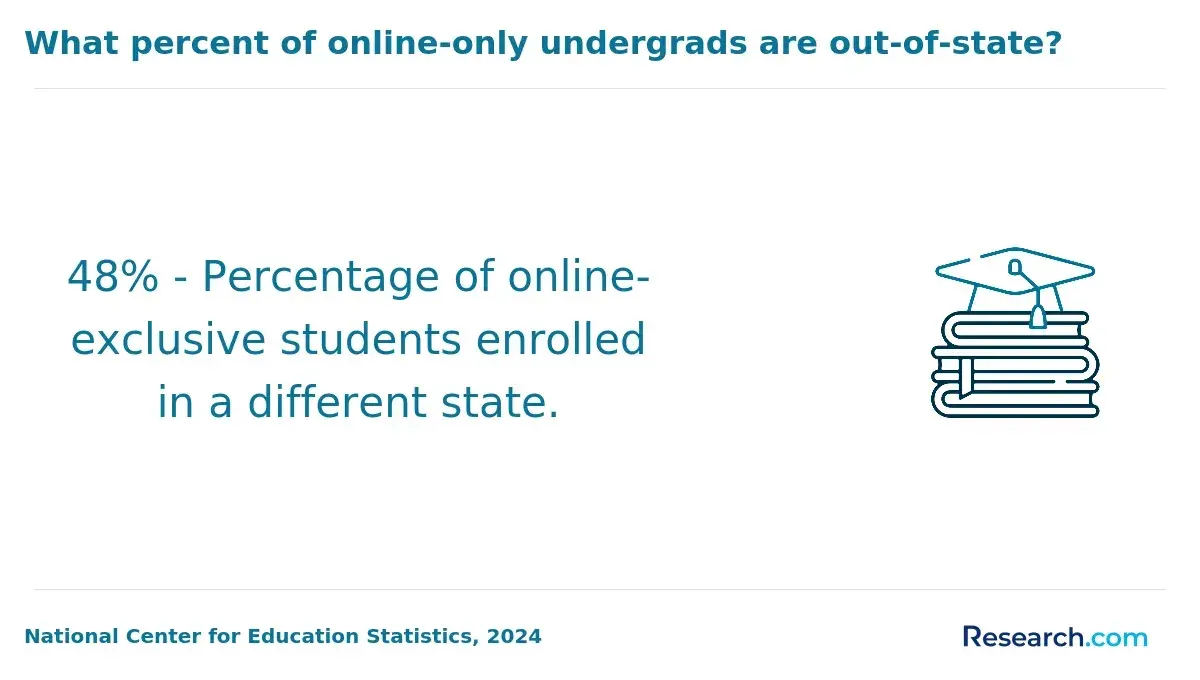
According to the National Center for Education Statistics, over 30% of undergraduate students engage in some form of online learning, which shows how common online study has become for students balancing education with work and family responsibilities. This guide explains how long these programs usually take, what can shorten or extend your path, what courses and degree types to expect, and how completion speed may affect cost, employment timing, and earning potential.
Key Benefits of Online Applied Business & Technology Degree
- Most online applied business & technology degrees can be completed in 2 to 3 years for full-time students, allowing for faster entry into the workforce compared to traditional programs.
- The flexible schedule of online programs enables students to balance work and study, with many programs offering asynchronous courses that fit individual timelines.
- Part-time options extend the degree timeline to about 4 to 6 years, providing opportunities for working professionals to advance their education without leaving their jobs.
What is the Average Completion Time for Online Applied Business & Technology Programs?
Most online applied business & technology programs take between two and four years to complete, but the real answer depends on the credential you pursue and how many credits you bring with you. A first-time student starting a full bachelor's program should plan for a longer timeline than a transfer student entering a degree-completion track.
- Associate Degree: An associate degree typically requires about two years of full-time study. It can prepare students for entry-level administrative, business support, or technology-enabled office roles, and it can also serve as a transfer pathway into a bachelor's program. Part-time enrollment can extend the timeline, while summer courses or prior credits may shorten it.
- Bachelor's Degree: A bachelor's degree usually takes approximately four years of full-time study. Students who transfer credits or choose accelerated formats may finish in two to three years. Students taking fewer courses because of work, caregiving, or financial limits may take up to six years.
- Degree Completion Programs: Degree-completion options, including bachelor's in applied technology & business leadership programs, are designed for students who already have college credits, an associate degree, or technical training. With substantial transfer credit, many students finish within one to two years.
- Master's Degree: Online master's programs in this area are less common, but they usually take one to two years for full-time students. These programs are generally best for professionals who already have business or technical experience and want to move into management, consulting, operations, or specialized technology leadership roles.
The most important planning step is to ask each school for a transfer-credit evaluation before you enroll. A program that looks faster on paper may take longer if your previous credits do not apply. If you want a shorter credential before committing to a full degree, reviewing the best 6 month online courses that pay well can help you compare certificate options with degree pathways.
What Factors Can Affect How Long It Takes to Earn an Online Applied Business & Technology Degree?
The length of an online applied business & technology degree is shaped by more than the catalog description. Two students in the same program can graduate at different times because of credit transfer, course availability, work schedules, financial aid limits, and required projects. Before choosing a program, review the factors below with an admissions counselor or academic advisor.
- Enrollment status: Full-time students move faster because they take more courses each term. Part-time students usually take longer but may be able to keep working, reduce borrowing, and avoid overloading their schedules. A manageable pace is often better than an aggressive plan that leads to withdrawals or failed courses.
- Credit hour requirements: Requirements vary by institution and degree level. Graduate programs often range between 36 and 48 credits. A higher credit requirement is not automatically a problem, but it can affect cost, course sequencing, and time to graduation.
- Course load per term: Students who can handle four courses or 12 credit hours per semester may finish in as little as 18 to 24 months in some formats. Students taking one or two courses at a time will need more terms, especially if required courses are not offered every session.
- Transfer credits: Transfer credit can be one of the biggest timeline advantages. Prior college coursework, an associate degree, military training, professional certifications, or technical credits may reduce the number of remaining courses. Policies vary, so request a written evaluation rather than relying on a general estimate.
- Mandatory program components: Internships, capstones, theses, portfolios, or applied projects can add time if they require employer approval, site placement, faculty review, or a specific course sequence. These requirements can be valuable, but students should plan for them early.
- Individual circumstances: Work hours, family obligations, health, finances, and learning pace all affect completion. Online learning offers flexibility, but it still requires weekly study time, deadlines, participation, and sustained organization.
- Program structure and flexibility: Some schools offer accelerated tracks, short sessions, and frequent start dates. Others follow fixed semesters and strict prerequisites. A rigid structure can delay graduation if a required course is missed or only offered once per year.
- Student support and engagement: Advising, tutoring, writing support, career services, and responsive faculty can help students avoid mistakes that delay completion. Strong support is especially important for adult learners, transfer students, and first-generation college students.
Students who need flexible entry requirements may also want to compare the best open admission colleges when evaluating online applied business & technology options.
What Are the Different Types of Online Applied Business & Technology Programs Available?
Online applied business & technology programs are not all built the same way. Some emphasize business administration with technology electives, while others are designed for technical workers who want leadership training. The best fit depends on your background, target job, and whether you want a broad business foundation or a more technology-focused path.
- Applied Business & Technology Solutions (BA or BS): These programs usually combine accounting, marketing, management, communication, and technology-focused coursework. They are a strong fit for students who want practical business skills supported by digital tools, systems thinking, and applied projects. Internship options can help students connect coursework to workplace experience.
- Applied Technology & Business Leadership: This option is often designed for students with technical, vocational, military, or professional experience. Coursework commonly focuses on leadership, ethics, budgeting, marketing, communication, and organizational decision-making. It can be useful for technicians, supervisors, or operations workers who want to move into management.
- Business Technology (Associate or Bachelor's): Associate programs typically focus on business software, office systems, communication, and digital workplace skills. Bachelor's programs go further into entrepreneurship, product development, technology management, and organizational strategy. This route can work well for students who want business roles that require comfort with technology platforms and process improvement.
- Information Technology Management: These programs sit closer to the intersection of business operations and IT. Students usually study management concepts alongside systems, infrastructure, databases, cybersecurity basics, or IT project coordination. This path may appeal to students who want to manage technology resources rather than work only in general business administration.
When comparing options, look beyond the program title. Review the course list, transfer policy, accreditation, career services, and whether the curriculum matches the roles you actually want. Students considering broader business pathways may also compare an online college business degree with applied business & technology programs to see which curriculum better matches their goals.
How Many Credit Hours Are Required for an Online Applied Business & Technology Degree?
Credit hours are the clearest way to estimate how much coursework remains. They also affect tuition, financial aid eligibility, graduation timing, and whether you can study full time or part time. Requirements vary by school, but the following ranges are common in U.S. online programs.
- Associate degree: Most online associate programs in applied business & technology require 60 to 65 credit hours for graduation. Full-time students often complete the program in about two years. Part-time students may need longer, while transfer credits can reduce the number of courses still required.
- Bachelor's degree: An online bachelor's degree generally requires 120 to 123 credit hours. Full-time students typically finish in four years. Part-time study can extend this to six years or more. Students with an associate degree or prior college coursework may be able to apply transfer credits and shorten the timeline.
- Master's degree: Online master's programs related to applied business & technology usually require 30 to 36 credit hours. Full-time students may complete them in 1-2 years, while part-time students often take longer. Admission usually requires a bachelor's degree, and prerequisites can affect the actual number of courses a student must complete.
- Doctoral degree: Doctoral options are rare online but typically require 60 to 90 post-bachelor's credit hours. Full-time study may take 3-5 years, and dissertation research or part-time enrollment can lengthen that period. Some institutions may accept limited graduate transfer credits, but policies differ widely.
Students should ask three practical questions before enrolling: how many credits are required, how many credits will transfer, and how often required courses are offered. A student may technically need only a small number of credits, but graduation can still be delayed if a required capstone, internship, or prerequisite is available only in certain terms.
One graduate of an online applied business & technology degree described the credit-planning process as challenging but manageable. She balanced work, family, and coursework by completing assignments late at night after her children were asleep. Careful advising helped her apply transfer credits, which shortened her study time. Her experience shows why students should treat credit evaluation as a graduation strategy, not just an admissions formality.
What Courses Are Included in a Standard Online Applied Business & Technology Curriculum?
A standard online applied business & technology curriculum blends business fundamentals with technology-enabled problem-solving. The goal is not just to teach software tools or management theory in isolation, but to help students use business knowledge, data, communication, and digital systems to improve workplace decisions.
- Accounting fundamentals: Students learn financial and managerial accounting basics, including budgets, financial statements, cost tracking, and fiscal analysis. These skills support roles in operations, administration, finance support, and management.
- Business analytics: Coursework introduces data collection, interpretation, reporting, and decision-making. Students may learn how to identify trends, evaluate performance, and use analytical tools to support planning and process improvement.
- Computer information systems: These courses cover business software, databases, information systems, and digital tools used in daily operations. Students learn how technology supports workflow, communication, reporting, and organizational efficiency.
- Management principles: Students study planning, organizing, leading, and controlling in business settings. The focus is usually practical: supervising teams, managing change, improving processes, and making decisions with limited resources.
- Marketing: Marketing courses often include market research, customer behavior, branding, digital marketing, sales strategy, and product positioning. These subjects are useful for students interested in sales, customer experience, entrepreneurship, or product support.
- Economics and finance: Students examine micro- and macroeconomics, financial management, investment analysis, market conditions, and risk. This foundation helps graduates understand how business decisions are shaped by costs, demand, competition, and financial constraints.
- Business communications: These courses strengthen professional writing, presentations, reports, digital communication, and collaboration. Clear communication is especially important in online, hybrid, and cross-functional work environments.
- Emerging workplace technology: Students may study cloud computing, data visualization, automation, Microsoft Power BI, and other tools used to improve business processes. The strongest programs teach students how to evaluate technology, not just use a specific platform.
- Applied internship or capstone: Many programs require an internship, portfolio, business project, or capstone. These experiences help students demonstrate applied skills and may provide resume material before graduation.
- Ethics and business law: Coursework covers ethical decision-making, compliance, contracts, workplace responsibilities, privacy, and legal issues. These topics matter for students moving into supervisory, administrative, or technology-influenced roles.
Students comparing curricula should check whether technology courses are current, whether business courses include applied projects, and whether electives align with career goals such as IT management, analytics, entrepreneurship, healthcare administration, or operations.
How Often Do Online Applied Business & Technology Programs Start During the Year?
Online applied business & technology programs often start more frequently than traditional campus programs. This can help students begin sooner, but start-date flexibility does not always mean every course is available every term. Before applying, confirm both the admission start dates and the course rotation for required classes.
- Traditional Academic Calendar: Many universities use fall (August/September) and spring (January) starts, often with a summer intake (May/June). This structure works well for students who prefer predictable semesters and a pace similar to on-campus study.
- Multiple Term or Session Starts (6 per year): Some institutions, including Southern New Hampshire University and Arizona State University, offer six start dates annually, with new terms every 6-8 weeks. This format can reduce waiting time and help students maintain momentum.
- Rolling Admissions: Some online programs review applications as they arrive and admit students close to the next available term. Rolling admissions can be convenient, but students should still allow time for transcripts, financial aid, employer tuition benefits, and transfer-credit review.
- Accelerated and Short-Term Sessions: Courses often run in 7-8 week accelerated sessions. Short sessions can speed progress, but they require consistent weekly effort because deadlines arrive quickly.
- Monthly or Quarterly Starts: Certain career-focused technology programs begin monthly or quarterly. This can be useful for students who want minimal downtime, but it is still important to verify accreditation, credit transferability, and total program cost.
A common mistake is choosing the earliest start date before reviewing workload and financing. Students who rush enrollment without a plan may begin quickly but lose time later if they need to withdraw, pause, or retake a course.
How Much Faster Can You Complete an Accelerated Online Applied Business & Technology Degree?
An accelerated online applied business & technology degree can shorten the timeline substantially for students who have transfer credits, prior experience, strong time-management skills, or the ability to study year-round. In some cases, an accelerated format can reduce a bachelor's timeline from four years to two or three. Some fast-track business management programs can be finished in as little as 14 months for qualified learners.
- Shorter Course Terms: Accelerated programs often use five to eight week terms instead of the usual fifteen. This allows students to complete more courses in a calendar year, but it also compresses reading, assignments, exams, and projects into a shorter window.
- Year-Round Enrollment: Multiple start dates and summer sessions help students avoid long academic breaks. Continuous enrollment can be effective for motivated students who can sustain the pace without burnout.
- Transfer Credits: Previously earned college credits, such as credits from an associate's degree, may allow students to skip general education or introductory requirements. In some cases, transfer credit can reduce the total credits required by half.
- Competency-Based Learning: Competency-based formats let students progress by demonstrating mastery. This can benefit working professionals who already understand parts of the curriculum and want to focus on new material.
- Credit for Prior Experience: Some schools award credit for work experience, military training, professional certifications, or portfolios. This can reduce remaining coursework, but students should confirm how credits are evaluated and whether fees apply.
Acceleration is not automatically better. A faster program can be a smart choice if you have a stable schedule, reliable internet access, strong writing skills, and a clear support system. It may be risky if you are working unpredictable hours, caring for family members, or relying on financial aid rules that require a specific enrollment status.
A graduate of an accelerated online applied business & technology degree described the experience as demanding but motivating. Short terms kept progress visible, and prior work experience reduced the amount of new coursework required. The trade-off was intensity: late nights, early mornings, and careful weekly planning were necessary to stay on track.
Does Finishing an Online Applied Business & Technology Degree Faster Save You Money?
Finishing faster can save money, but only if the accelerated pace does not cause dropped courses, repeated classes, or excess borrowing. The financial benefit depends on how the school charges tuition, whether you pay by credit or term, how much work you can continue doing, and whether faster completion helps you enter or advance in the workforce sooner.
- Lower Tuition Costs: Some online applied business & technology programs charge by credit, while others charge by term. If tuition and fees are tied to time enrolled, graduating sooner can reduce costs. This matters because the average annual net price for an online business degree was $4,256 in 2020.
- Reduced Living Expenses: Online students may avoid campus housing and commuting costs, but they still pay for housing, utilities, food, technology, and childcare. A shorter program may reduce the period during which school limits work hours or increases household expenses.
- Earlier Entry Into the Workforce: Finishing sooner may allow graduates to seek full-time roles or promotions earlier. Business graduates often have median starting salaries above $55,000, so entering the workforce faster can affect total earnings over time. Students comparing long-term income by field may also review majors that make the most money.
- Less Time Off Work: Students who reduce work hours to study can return to full-time employment sooner if they complete the degree faster. This can reduce income disruption and make it easier to manage tuition without relying as heavily on savings or loans.
- Minimized Student Debt: A shorter timeline can reduce borrowing and interest, especially if students avoid extra terms. However, the savings disappear if the pace leads to failed courses, withdrawals, or changes in financial aid eligibility.
The safest approach is to compare total program cost, not just monthly or per-term cost. Ask the school for a full estimate that includes tuition, fees, books, technology requirements, transfer-credit decisions, and the cost of any internship, capstone, or assessment fees.
How Soon Can Graduates Start Working After Earning Their Online Applied Business & Technology Degree?
Graduates can often begin working within a few weeks to several months after finishing an online applied business & technology degree. The timeline depends on the role, local labor market, prior experience, internship history, professional network, and how well the graduate can show applied skills on a resume and in interviews.
Students who already work in business, operations, healthcare, IT, customer service, administration, or technical roles may be able to move into a new position faster because they can combine the degree with existing workplace experience. Newer students may need more time to build a portfolio, complete internships, earn certifications, or apply broadly.
Programs that include internships, capstones, employer-based projects, and networking can make the transition smoother. Some programs award internship credit, sometimes up to 12 credits, which allows students to gain practical experience while completing degree requirements. Online study can also help students keep working while enrolled, reducing the gap between education and employment.
To improve job-readiness before graduation, students should start early: update their resume each term, save project samples, connect with faculty and classmates, use career services, and apply before the final course ends. Students seeking lower-cost schools with financial aid options may also compare cheap online colleges that accept financial aid.
How Much Do Online Applied Business & Technology Graduates Earn on Average?
Online applied business & technology degree salary outcomes in the US typically range from $37,000 to over $130,000 annually. The wide range reflects differences in job title, industry, location, experience, technical skill level, certifications, and management responsibility. The degree can support several career paths, but salary is not guaranteed by the credential alone.
- Entry-Level Roles: Graduates may start in positions such as administrative assistant, customer service manager, office support specialist, or coordinator roles. Salaries often range between $37,000 and $61,000 per year. Pay depends heavily on employer size, location, industry, and prior work experience.
- Mid-Career Professionals: With experience, graduates may move into roles such as human resources specialist or public relations specialist, with median salaries from $64,000 to $67,000 annually. Advancement often depends on communication skills, project coordination, technology adoption, and measurable workplace results.
- Specialized Positions: Graduates who focus on healthcare, IT, analytics, or operations may pursue roles such as medical and health services manager or IT project manager. Some positions exceed $90,000 and may reach up to $130,000 for roles such as human resources manager. Relevant certifications and industry experience can make a major difference.
- Leadership Roles: Senior positions such as general manager, IT director, or public relations manager often offer six-figure salaries ranging from $100,000 to $130,000. These roles usually require experience, leadership ability, strategic decision-making, and a record of improving business outcomes.
- Industry Variations: Technology and healthcare roles generally pay more than retail or food service roles, and geographic location also affects compensation. Urban and tech hub areas often provide higher pay, though cost of living should be considered when comparing offers.
Students who want to raise their earning potential should align electives, internships, and projects with higher-demand skills. Specialized credentials can also help in some fields, so graduates may want to research high paying job certifications that match their intended career path.
Here's What Graduates of Online Applied Business & Technology Programs Have to Say About Their Degree
- : "Completing my online applied business & technology degree opened doors I did not expect. Balancing work, family, and school was difficult, but the flexibility let me keep gaining real-world experience while studying. That made the move into a management role feel more natural. I finished the program with stronger skills and more confidence leading projects at my company. — Aaliyah"
- : "The online applied business & technology program changed how I understood the relationship between technology and business growth. The coursework required discipline, but it pushed me to think more critically and solve problems in a practical way. It helped me secure a stable job in IT consulting, where I now work on digital solutions for different clients. It also motivated me to mentor others in my community who want to advance their careers. — Dolan"
- : "Pursuing this degree online was both challenging and empowering. Remote coursework required strong time management, but it also gave me independence and flexibility. The degree helped me advance professionally and strengthened my interest in helping small businesses use technology more effectively. The network I built through the program has continued to be valuable after graduation. — Lottie"
Other Things You Should Know About Online Applied Business & Technology Degree Programs
Most online Applied Business & Technology associate degrees require 15 to 30 general education credits in English composition, college math, communication, and social science. These courses support the 60-credit degree plan and often must be completed before upper-level business and technology classes are finished.
In 2027, earning an online Applied Business & Technology degree generally takes about 18 months to 3 years, depending on the program's structure and whether you study full-time or part-time. Many institutions offer flexible schedules to accommodate diverse student needs, balancing work, life, and study.
Yes, online Applied Business & Technology degrees in 2027 often offer flexible schedules tailored for working professionals. These programs may include asynchronous classes, enabling students to access materials and complete assignments at their convenience, alongside options for part-time enrollment to help balance work and study commitments.
References
- Breaking Barriers: The Rise of Online MBA Programs vs. Traditional Distance MBAs https://onlineamrita.com/blog/breaking-barriers-the-rise-of-online-mba-programs-vs-traditional-distance-mbas/
- Top Salary Insights for Online MBA Professionals 2025 https://amityonline.com/blog/salary-trends-for-online-mba-graduates
- 25 Highest Paying Online Tech & Computer Degrees | Best Paying Online Degrees https://www.collegeconsensus.com/degrees/highest-paying-online-tech-computer-degrees/
- Business Management Technology https://www.wright.edu/degrees-and-programs/profile/business-management-technology
- Business Technology Degree Jobs - Salaries & Outlook https://www.geteducated.com/careers/business-technology-degree-jobs/
- Applied Technology Online | SEMO https://semo.edu/academics/programs/online/undergrad-online/applied-technology-online
- Online vs Traditional Degrees: Similarities and Differences https://www.aiu.edu/blog/online-vs-traditional-degrees/
- How Many Years is a Bachelor's Degree? https://www.snhu.edu/about-us/newsroom/education/how-long-does-it-take-to-get-a-bachelors-degree
- What Employers Really Think about Your Online Degree https://bachelors-completion.northeastern.edu/knowledge-hub/are-online-degrees-respected/
- Is an Online Degree as Good as a Traditional One? https://scs.georgetown.edu/news-and-events/article/8050/is-an-online-degree-as-good-as-a-traditional-one


