
2027 Can You Get Licensed With an Online Applied Business & Technology Degree? Requirements, Rules, and What to Know

Co-Founder and Chief Data Scientist
An online applied business & technology degree can support career growth, but it does not automatically make a graduate eligible for every license, certification, or regulated role. The real question is whether the specific program, accreditation, coursework, exams, and supervised experience match the rules for the credential you want.
This guide is for students comparing online programs, working adults planning a career change, and graduates trying to understand whether an online degree will be accepted by employers, certification bodies, or state licensing boards. It explains where online degrees are usually treated the same as campus degrees, where state rules can create barriers, and what to verify before enrolling so you do not discover a licensing problem after graduation.
Key Benefits of Getting Licensed with an Online Applied Business & Technology Degree
- Licensure with an online applied business & technology degree enhances professional credibility, meeting industry standards necessary for roles requiring formal certification.
- It broadens employment opportunities and job mobility across various sectors, including technology management and business operations.
- Licensed professionals typically enjoy higher earning potential and greater advancement prospects, with salaries often outperforming non-licensed counterparts by up to 20%.
Can You Get Licensed With an Online Applied Business & Technology Degree?
Yes, you can get licensed with an online applied business & technology degree if the program satisfies the education, accreditation, curriculum, exam, and experience rules for the credential you are pursuing. Licensing bodies generally care less about whether courses were online or on campus and more about whether the degree came from an acceptable institution and covered the required competencies.
The important caveat is that applied business & technology is a broad field. Some career paths rely on industry certifications rather than state licensure, while others may require credentials tied to compliance, cybersecurity, project management, finance, public-sector work, or regulated business functions. A degree can help you meet eligibility requirements, but the license or certification itself usually requires additional steps.
| What to verify before enrolling | Why it matters for licensure |
| Institutional accreditation | Many boards and credentialing organizations require a degree from an accredited institution. |
| Program curriculum | Required topics may include business operations, technology systems, management, compliance, analytics, or security. |
| Experiential learning | Some credentials expect projects, internships, labs, or supervised workplace experience. |
| State or industry rules | Eligibility can differ by jurisdiction and by credentialing body. |
| Exam eligibility | A degree alone may not qualify you to sit for an exam if work experience or specific coursework is also required. |
Before committing to a program, ask the school to identify which licenses or certifications its curriculum is designed to support. Then confirm that information directly with the relevant licensing board or credentialing organization. This is especially important if you plan to work in a regulated role, move across state lines, or use the degree for promotion into a position with formal credential requirements.
The same due-diligence approach applies in other regulated fields as well; for example, students comparing SLP online programs must verify whether the program aligns with professional and state requirements rather than relying on online delivery alone as a sign of eligibility.
Do Licensing Requirements for Applied Business & Technology Vary by State?
Yes. Licensing and credential rules can vary by state, especially when the role involves regulated business practices, public-sector responsibilities, compliance work, information security, financial oversight, or specialized technology functions. A 2023 survey revealed that over 40% of states demand specific types of supervised experience or internships before licensure, which shows why students should not assume one state’s requirements apply everywhere.
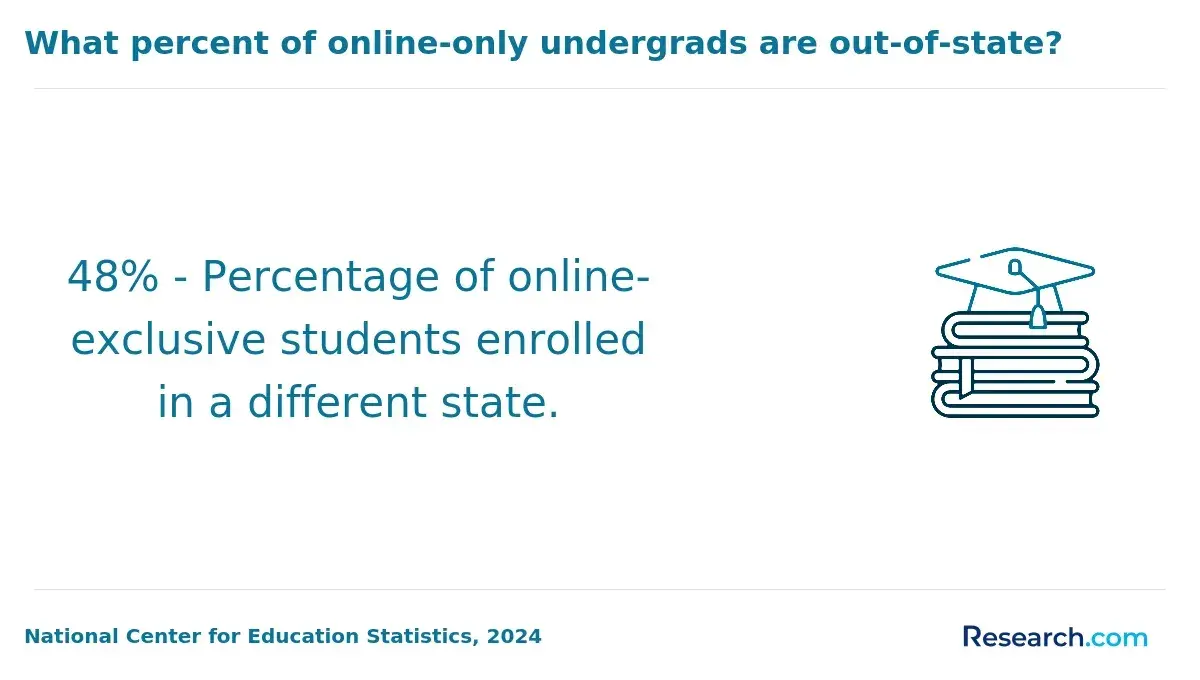
State variation matters most when you plan to study online in one state, live in another, and work in a third. Online students are especially likely to cross jurisdictional lines, so they should identify the state where they intend to practice before choosing electives, internships, or exam preparation pathways.
- Examinations: Some states or credentialing bodies require specialized exams, while others rely more heavily on education, experience, or employer-based qualifications. Exam rules can affect how quickly you become eligible after graduation.
- Continuing education: Some credentials require annual or periodic coursework to remain active. These obligations can affect long-term cost, time management, and renewal planning.
- Scope of practice: States may define what licensed or credentialed professionals are allowed to do. This can influence job duties, independent authority, and the types of employers willing to hire you.
- Renewal policies: Renewal cycles, documentation requirements, fees, and training expectations can differ. Missing a renewal requirement may interrupt your ability to work in a regulated role.
- Supervised experience: Many states require specific supervised work, internships, or documented professional practice before granting full credentials. This can extend the timeline beyond graduation.
To avoid problems, create a licensure checklist for your target state before enrolling. Include required degree type, accreditation, course topics, supervised hours, exam names, application deadlines, and renewal obligations. If you are still deciding where you will work, compare requirements in multiple states and choose the program that gives you the widest practical eligibility.
Accreditation is not limited to business and technology fields. Students researching fields with strict professional standards, such as CACREP accredited online masters counseling programs, face a similar need to match the program’s accreditation and curriculum to the rules of the state where they plan to practice.
Are Online Applied Business & Technology Programs Different From Campus Programs for Licensure?
Online applied business & technology programs are not automatically different from campus programs for licensure. In most cases, licensing boards and certification providers focus on accreditation, coursework, assessment standards, supervised experience, and exam eligibility. The delivery format matters only if it affects one of those requirements.
That said, online students should look closely at how a program handles practical training. A campus program may have established local employer relationships, while an online program may expect students to arrange internships or supervised projects near where they live. This can be manageable, but it requires early planning.
| Licensure factor | Online program consideration | Campus program consideration |
| Accreditation | Must be recognized by the relevant board or credentialing body. | Must meet the same recognition standard. |
| Curriculum | Course sequence should cover required business and technology competencies. | Course sequence should cover the same required competencies. |
| Practical experience | May require local placements, virtual simulations, employer projects, or approved supervisors. | May use campus-connected employers, labs, or regional internship sites. |
| Assessment integrity | May include proctored exams, projects, case studies, or verified workplace deliverables. | May use in-person exams, presentations, labs, or supervised projects. |
| Employer recognition | Over 75% of employers now view online degrees from accredited institutions as equal to traditional degrees. | Often familiar to employers, especially when the institution has regional industry relationships. |
- Curriculum coverage: Both formats should align with licensing or certification criteria. Do not assume that a program title alone proves eligibility.
- Practical experience: If a credential requires hands-on work, confirm who finds the placement, who approves the supervisor, and how hours are documented.
- Assessment integrity: Exams, case studies, projects, and evaluations should demonstrate the same competencies whether students learn online or on campus.
- Professional recognition: Accredited online credentials are increasingly accepted, but reputation, accreditation, and field fit still matter.
One licensed professional who completed his degree online said the most difficult part was coordinating local internships while balancing work and family responsibilities. He valued the flexibility of elective courses because they let him focus on emerging technologies relevant to his career. His experience reflects the main lesson for online students: format is usually less important than accreditation, planning, and documented competency.
Does an Online Applied Business & Technology Degree Require Clinical or Practicum Hours?
An online applied business & technology degree may require clinical, practicum, internship, capstone, or supervised project hours, depending on the program and credential pathway. The term “clinical” is more common in health and counseling fields, while business and technology programs often use terms such as practicum, internship, field experience, lab, consulting project, or applied capstone.
Programs generally require a defined number of supervised clinical or practicum hours, often ranging from 100 to 300, depending on the specialization. These hours can be important for licensure, certification, employer readiness, or proof that the student can apply classroom concepts in a real workplace.
- Typical hours required: Requirements often range from 100 to 300, depending on the specialization and credential goal. Students should ask whether hours are required for graduation, licensure eligibility, or both.
- Professional placement: Placements may occur in corporations, technology firms, business departments, nonprofit organizations, government offices, or approved employer settings. The work should connect directly to business technology practice.
- Supervision and evaluation: Supervisors may evaluate project management, technical problem-solving, documentation, communication, ethical judgment, and workplace professionalism. Written evaluations are often needed for credential applications.
- Skill development: Practicum work can help students build evidence of applied ability in areas such as analytics, systems implementation, compliance, operations, cybersecurity support, or technology-enabled business improvement.
- Online program facilitation: Some online programs help arrange local placements, while others require students to secure approved sites independently. Ask this question before enrolling, not after coursework begins.
Students should request written answers to three questions: how many hours are required, who approves the site, and whether the hours meet the expectations of the licensing or certification body they plan to use. If the answer is unclear, contact the board or credentialing organization directly.
Clinical and practicum expectations can be even more formal in adjacent fields. Students comparing programs such as the best online masters in psychology should pay close attention to supervised experience requirements because missing required hours can delay or prevent credential eligibility.
What Licensing Exam Is Required After Earning an Online Applied Business & Technology Degree?
The exam required after an online applied business & technology degree depends on the specific license, certification, industry, and job function. There is no single universal exam for every graduate in this field. Some graduates pursue management credentials, others pursue technology, security, compliance, analytics, or project management certifications, and some roles may not require a formal exam at all.
One widely recognized credential mentioned in this field is the Certified Business Manager (CBM) exam. Approximately 65% of test-takers succeed on their first try, which suggests that candidates should treat exam preparation as a serious part of their credentialing plan rather than an afterthought.
- Exam name: The Certified Business Manager (CBM) exam is a widely recognized credential designed to assess knowledge and competencies used in business management roles.
- Content areas: Topics may include business strategy, marketing, finance, operations management, and technology systems.
- Exam format: Candidates may encounter multiple-choice questions, case studies, and situational problem-solving exercises that test both knowledge and application.
- Preparation strategies: Review courses, practice exams, structured study schedules, and case-based practice can help candidates prepare for applied questions.
- Retake policies: Most providers allow multiple attempts within a year, but waiting periods between retakes are common.
- Relevance for online graduates: Online degree holders can generally pursue these exams if they meet the same eligibility standards as other candidates, including degree completion and any required work experience.
Before choosing an exam, match it to the job you want rather than selecting the most familiar credential. A future project manager, compliance officer, IT security specialist, and operations leader may need different credentials even if they hold the same degree title.
A licensed professional who completed her applied business & technology degree online described the exam process as demanding but useful. She said the case studies required her to think beyond textbook definitions and apply judgment to realistic business problems. Her main advice was to start exam planning early, especially for students working full time while finishing their degree.
Is Supervised Work Experience Required After an Online Applied Business & Technology Degree?
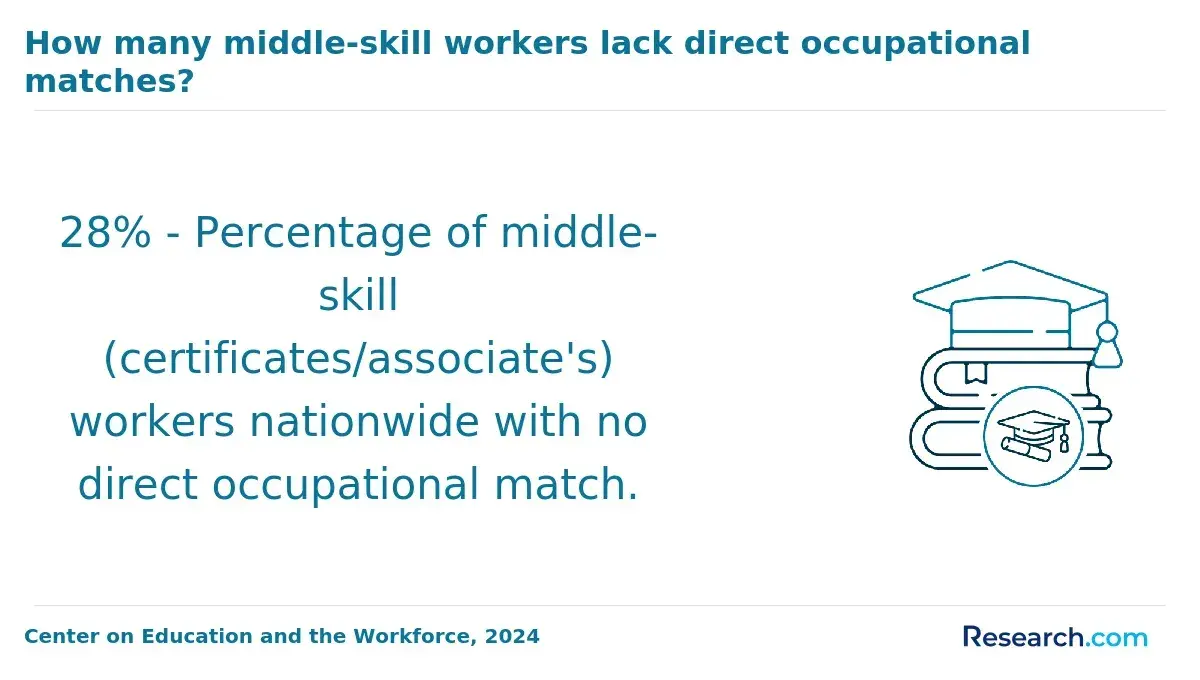
Supervised work experience is often required after an online applied business & technology degree when the graduate is pursuing a license, advanced certification, or regulated role. It is not always required for every business technology job, but around 60% of graduates in this field engage in supervised professional practice before full credentialing.
Supervised experience gives boards, credentialing bodies, and employers evidence that a graduate can apply technical and business knowledge responsibly in a real setting. It can also help new professionals build references, document competencies, and qualify for higher-responsibility positions.
- Duration: Requirements typically vary between six months and two years, depending on the credential, employer setting, and regulatory standards.
- Mentorship: Supervision usually comes from licensed, credentialed, or experienced professionals who can guide the graduate’s work and verify performance.
- Skill development: Experience may focus on project management, technical implementation, communication, decision-making, documentation, ethics, or compliance.
- Work settings: Common settings include corporate offices, technology companies, government agencies, consulting teams, and business operations departments.
- Career readiness and licensure: Completion may be required before a board or credentialing body grants full status, particularly when the role involves public trust, sensitive systems, or regulatory accountability.
Ask whether supervised experience must occur after graduation or whether practicum hours completed during the degree can count. Also confirm whether your current job can qualify. Working adults often save time by having an existing employer-approved project or supervisor recognized, but approval should be documented in advance.
If cost and flexibility are part of your planning, compare accredited online pathways carefully; resources on online colleges for business degree options can help you evaluate affordability while you verify whether a program supports your credential goals.
Does Licensure Reciprocity Apply to Online Applied Business & Technology Graduates?
Licensure reciprocity may apply to online applied business & technology graduates, but it is not automatic. Reciprocity means one state or jurisdiction may allow a licensed professional from another state to become licensed with fewer repeated steps. Whether that happens depends on the profession, the state, the credential, the applicant’s education, exams, supervised experience, and disciplinary history.
Online graduates should pay special attention to reciprocity because online education often gives students geographic flexibility. A student may enroll in a program based in one state, complete supervised work in another, and later apply for jobs elsewhere. That flexibility is valuable, but only if the credential remains portable.
- Eligibility criteria: States may require specific accreditation, coursework, exams, or experience before granting reciprocity. Not all degrees or credentials are treated the same.
- Program requirements: Some states may reject or limit eligibility if a program lacks required content, even when the institution is accredited. Verify state-specific rules before enrollment.
- State agreements: Reciprocity agreements vary widely by state and profession. Some states have streamlined pathways, while others require a full review.
- Application process: Applicants commonly submit transcripts, exam results, license verification, employment records, supervised experience documentation, background checks, and fees.
- Potential limitations: Even with reciprocity, a state may require additional exams, training, ethics coursework, supervised practice, or documentation.
The safest strategy is to plan for the strictest state where you reasonably expect to work. If you meet only the minimum requirement in your current state, you may face delays if you relocate. Keep copies of syllabi, internship records, supervisor evaluations, exam reports, and license renewal documents because these materials can be useful during reciprocity review.
Professionals considering additional flexible credentials sometimes compare broader online doctoral options, such as fully funded EdD programs online, but reciprocity still depends on the specific license or credential rather than the online format alone.
What Are the Pros and Cons of Online Applied Business & Technology Programs for Licensure?
Online applied business & technology programs can be a strong option for licensure-minded students, especially working adults who need flexibility. Enrollment in these programs has increased by over 30% in the last ten years, reflecting demand from students who want career-focused education without leaving the workforce. The trade-off is that online students must be more proactive about accreditation, placements, documentation, and state-specific rules.
Pros
- Flexible scheduling: Online coursework can make it easier to study while working, caring for family, or completing supervised experience.
- Wider access: Students outside major metro areas can reach programs that may not be available locally.
- Career alignment: Many programs include applied projects, simulations, employer-based assignments, or technology-focused electives that can support credential preparation.
- Potential continuity with employment: Working students may be able to connect coursework, capstones, and supervised experience to their current job duties if the program and credentialing body approve.
Cons
- Placement responsibility: Some online programs expect students to find their own practicum or internship sites, which can delay progress if local options are limited.
- Hands-on training limitations: If a credential requires in-person work, a mostly online program must still provide a credible way to meet that requirement.
- Documentation risk: Online students working across state lines may need extra records to prove that courses, hours, and supervisors meet board standards.
- Networking challenges: Fewer in-person interactions can make it harder to build professional relationships unless the program offers strong virtual networking, employer partnerships, or alumni support.
- Employer perception: While acceptance of accredited online degrees has improved, some employers still look closely at institution reputation, program rigor, and demonstrated skills.
| Best fit | Potential concern |
| Working adults who need schedule flexibility | Students who need extensive in-person supervision may need to verify placement support carefully. |
| Students with access to an approved local workplace or internship site | Students in rural areas may have fewer approved supervisors or placement options. |
| Self-directed learners who can manage deadlines independently | Students who need frequent face-to-face support may prefer a hybrid or campus program. |
Does Getting Licensed With an Online Applied Business & Technology Degree Affect Salary?
Licensure can improve salary potential for graduates of online applied business & technology programs, but the size of the benefit depends on the role, industry, employer, location, and credential. Industry data show that licensed professionals in this field often earn between 10% and 25% more than their non-licensed counterparts. That premium usually reflects verified skill, eligibility for regulated responsibilities, and stronger employer confidence.
Licensure is most likely to affect salary when it gives a graduate access to roles they could not otherwise hold. In other cases, a credential may help with promotion, bargaining power, or specialization rather than creating an immediate raise.
- Access to higher-paying roles: Some positions require a license or certification before an employer can assign certain duties. Meeting that requirement can expand the range of jobs available.
- Eligibility for leadership positions: Credentials may support advancement into management, compliance, project leadership, or technology governance roles.
- Specialized responsibilities: Licensed or certified professionals may handle higher-risk work involving systems, budgets, data, audits, security, or regulatory obligations.
- Increased credibility: A recognized credential can strengthen a resume, especially when paired with measurable work experience and an accredited degree.
Students should weigh the salary upside against the full cost of licensure, including exam fees, preparation materials, continuing education, renewal fees, and supervised experience time. A license is most valuable when it is tied to a clear career target, not pursued only because it sounds impressive.
Graduates may also consider targeted online certifications that complement their degree and align with the roles they want. The strongest strategy is to match each credential to a specific job requirement, promotion path, or skill gap.
What Jobs Can You Get With or Without a License as an Online Applied Business & Technology Degree Holder?
An online applied business & technology degree can lead to both licensed or credentialed roles and jobs that do not require formal licensure. Around 38% of these graduates take jobs involving licensure or certification, earning about 15% higher median salaries than those in non-licensed roles. The right path depends on whether your target job involves regulated duties, employer-mandated credentials, or industry-standard certifications.
Jobs With a License
- Project Manager: Some positions prefer or require credentials such as PMP, particularly for roles involving budgets, timelines, cross-functional teams, and formal project governance.
- IT Security Specialist: Roles may require credentials such as CISSP or CISM when professionals are responsible for protecting systems, data, risk controls, and security policies.
- Business Compliance Officer: Some employers or jurisdictions require state or industry-specific credentials for professionals managing regulatory adherence, audits, risk, or governance.
Jobs Without a License
- Operations Manager: Many operations roles focus on workflow improvement, team supervision, vendor coordination, and process efficiency, often relying on education and experience rather than licensure.
- Sales and Marketing Coordinator: These roles may value business technology skills, customer data tools, campaign platforms, and communication ability without requiring a license.
- Business Analyst: Analysts use data, process mapping, stakeholder interviews, and technology planning to improve business performance. Certifications can help, but they are not always mandatory.
| Career goal | Credential strategy |
| Work in regulated compliance, security, or public-facing business functions | Identify required licenses or certifications before choosing a program. |
| Move into management or project leadership | Pair the degree with recognized credentials and documented project experience. |
| Build a flexible business technology career | Focus on applied skills, internships, portfolios, and employer-valued tools. |
What Graduates Say About Getting Licensed with an Online Applied Business & Technology Degree
- : "The online applied business & technology degree helped me keep working while I completed the coursework I needed for licensure. The flexible schedule mattered, but the bigger value was that the program connected business concepts to practical technology decisions. After earning my credential, I became a stronger candidate for managerial roles. — Elsa"
- : "I compared the cost of the online program and the licensure process with more traditional routes, and the online option made sense for my situation. The coursework was structured enough to keep me on track, and the credential gave employers clearer evidence of my skills. It expanded the roles I felt qualified to pursue. — Benito"
- : "For me, the degree was worthwhile because it was practical. The licensure process required planning, documentation, and steady preparation, but the online format made it possible to balance school with professional responsibilities. The combination improved my confidence and strengthened my career path. — Andro"
Other Things You Should Know About Applied Business & Technology Degrees
Yes, in many cases, coursework completed during an online applied business & technology degree can fulfill continuing education requirements needed to maintain or renew a professional license. However, this depends on the accreditation of the program and whether the licensing body recognizes the credits. It's important to verify with your state's licensing board to ensure the online courses qualify for continuing education purposes.
In 2027, online applied business & technology degree programs must be accredited by recognized accrediting bodies such as the Association to Advance Collegiate Schools of Business (AACSB) or regional accrediting agencies. Proper accreditation ensures the program meets educational standards necessary for pursuing licensure in relevant fields.
State boards verify the degree by checking the school’s regional accreditation, reviewing official transcripts, and confirming the program title and credit hours against the license rule. Some boards also require direct program documentation, course descriptions, or a dean’s certification before they approve the credential for licensure.
References
- Is an Online Degree Worth It? Pros and Cons Explained https://manavrachnaonline.com/blogs/is-an-online-degree-worth-it-prons-cons/
- State Authorization Reciprocity Agreement (SARA) https://www.navarrocollege.edu/online-learning/state-authorization-reciprocity-agreement.html
- US State Business Licenses - Avalara https://www.avalara.com/us/en/learn/licenses.html
- Is an Online Business Degree Program Right for You? https://www.allbusinessschools.com/blog/getting-a-business-degree-online/
- State and Local Small Business Licenses for Start-Ups - FindLaw https://www.findlaw.com/smallbusiness/starting-a-business/state-and-local-small-business-licenses-for-start-ups.html
- University Accreditation & State Licensure https://www.trident.edu/why-trident/accreditation/
- Online Programs & Degrees https://www.ciat.edu/programs/all
- Licensure and Certification Disclosures https://www.snhu.edu/consumer-information/state-authorizations/licensure-and-certification-disclosures
- Do Employers Care About College Accreditation? https://www.accreditedschoolsonline.org/accreditation/do-employers-care/
- Business Technology Degree Jobs - Salaries & Outlook https://www.geteducated.com/careers/business-technology-degree-jobs/


