
2027 Weekly Start Online Degrees vs Self-Paced Accelerated Applied Business & Technology Degree Programs

Co-Founder and Chief Data Scientist
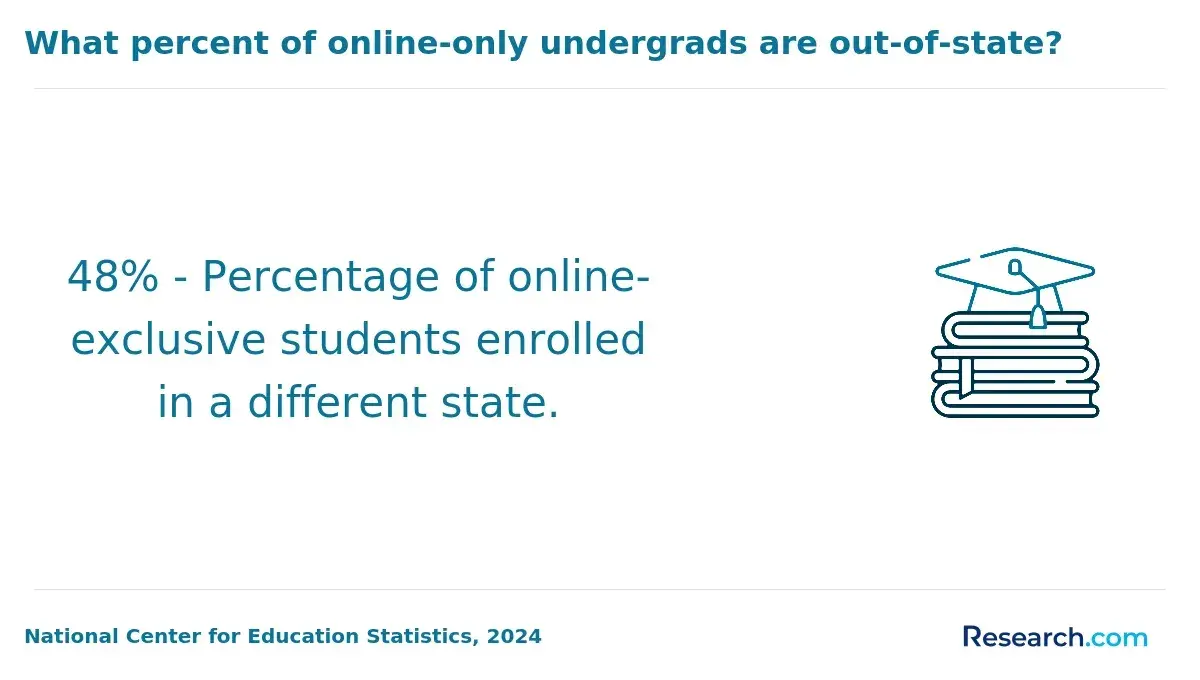
The choice between a weekly start online degree and a self-paced accelerated applied business & technology program is really a choice about structure: how quickly you want to begin, how much control you want over your schedule, and how much outside accountability you need to finish. According to the National Center for Education Statistics, over 40% of online learners cite scheduling flexibility as their primary reason for enrollment. That flexibility can look very different depending on the program model.
Weekly start programs give students frequent entry points while still using fixed course timelines, instructor deadlines, and predictable weekly expectations. Self-paced accelerated programs give students more control over when and how fast they complete coursework, but they also place more responsibility on the learner to stay organized and maintain momentum.
This guide compares both formats across structure, admissions, completion time, flexibility, difficulty, grading, tuition, instructor support, employer perception, salary considerations, and graduate experience. The goal is to help you choose the format that fits your work schedule, learning style, budget, and career plans in applied business & technology.
Key Benefits of Weekly Start Online Degrees vs Self-Paced Accelerated Applied Business & Technology Degree Programs
- Weekly start online degrees offer enhanced flexibility with multiple enrollment opportunities per month, enabling students to begin their applied business & technology studies without waiting for traditional semester dates.
- Self-paced accelerated programs reduce overall tuition costs by shortening completion time, helping learners save on both fees and potential lost income during prolonged studies.
- Applied business & technology students in self-paced formats report higher retention and success rates, often attributed to personalized pacing that aligns with individual learning speeds and professional commitments.
How Are Weekly Start Online Degrees and Self-Paced Accelerated Applied Business & Technology Programs Structured?
Weekly start online degrees and self-paced accelerated applied business & technology programs are both designed for online learners, but they organize time and accountability in very different ways. The best fit depends less on which format sounds more convenient and more on how you actually study, meet deadlines, and balance competing responsibilities.
Weekly Start Online Degrees
A weekly start online degree program structure gives students regular opportunities to enroll without removing course deadlines. You may be able to begin soon, but once the course starts, the academic calendar usually follows a defined rhythm.
- Consistent Term Starts: Courses begin every week, giving students more entry points than traditional semester-based programs.
- Fixed Term Length: Courses commonly run five to eight weeks, which creates a steady pace without stretching one course across a long semester.
- Scheduled Assignments: Students typically complete readings, discussions, quizzes, projects, and other assignments by set weekly due dates.
- Predictable Time Commitment: Many students plan for 10 to 15 hours per week, though the actual workload depends on course level, prior experience, and writing or project requirements.
- Structured Interaction: Because students move through the course on the same timeline, instructor feedback and peer discussion are usually easier to anticipate.
Self-Paced Accelerated Degrees
A self-paced accelerated applied business & technology degree gives students more control over the speed of completion. This can be a major advantage for experienced learners, but it also removes some of the built-in structure that helps many students stay on track.
- Flexible Enrollment: Students may be able to start anytime because the program is not tied to traditional term dates.
- Variable Duration: Coursework may be completed in condensed timeframes, sometimes as brief as three months depending on the learner's pace and program rules.
- Broader Deadline Windows: Assignments and assessments often have more flexible submission timelines, which can reduce schedule conflict but increase the risk of procrastination.
- Variable Time Commitment: Weekly study time can range from 5 to over 20 hours, depending on how aggressively the student wants to progress.
- Greater Learner Responsibility: Students must plan their own study calendar, monitor progress, and decide when they are ready for assessments.
In simple terms, weekly start programs are flexible at the point of entry but structured after the course begins. Self-paced accelerated programs are flexible throughout the course but demand stronger self-management. Students comparing business-focused online options may also want to review the best online business schools to understand how cost, format, and academic structure vary across institutions. For students interested in adjacent technology pathways, options such as AI degrees online can also show how different online formats are used in applied technical fields.
Are Weekly Start Online Applied Business & Technology Programs Easier to Get Into vs Self-Paced Accelerated Programs?
Weekly start online applied business & technology programs are often easier to enter quickly because they commonly use rolling admissions, frequent start dates, and broader applicant review criteria. Self-paced accelerated programs may be more selective when they expect students to move through demanding material with limited external structure. Recent trends show that programs with rolling admissions see approximately 20% higher acceptance rates due to more flexible review processes and holistic evaluations.
Admissions policies vary by school, so applicants should review requirements carefully rather than assuming that “online” means open admission. The most important differences usually involve academic readiness, prior coursework, and evidence that the student can handle the pace.
- GPA Expectations: Weekly start online applied business program admissions may accept a wider range of GPAs, sometimes as low as 2.0, especially when the school considers work history, prior college performance, or other indicators of readiness.
- Prerequisite Coursework: Self-paced accelerated applied business degree requirements are often more specific because students need enough background knowledge to move quickly without constant instructor intervention.
- Standardized Testing: Weekly start programs tend to waive standardized test requirements more frequently, which can make them more accessible for working adults and transfer students.
- Admissions Process: Weekly start options generally rely on rolling admissions and faster review cycles, while accelerated formats may use fixed application deadlines or additional screening steps.
- Experience Requirements: Accelerated programs may give preference to applicants with relevant work experience, completed general education credits, or previous academic success in business, technology, analytics, or management courses.
Who May Have an Easier Time Applying?
- Choose a weekly start program if: you want a faster admissions decision, have a nontraditional academic background, or need a program that offers several start opportunities throughout the year.
- Choose a self-paced accelerated program if: you already have transfer credits, strong study habits, and enough subject knowledge to manage condensed coursework independently.
Applicants comparing accelerated models in other fields can learn from options such as MSW accelerated programs online, where readiness, pacing, and prior preparation also play a major role in admissions fit.
How Long Does a Weekly Start Online Degree Take to Complete vs Self-Paced Accelerated Applied Business & Technology Degree?
A self-paced accelerated applied business & technology degree can be faster, but only if the student has the time, preparation, and discipline to complete coursework at an accelerated rate. A weekly start online degree may not be as fast in theory, but its fixed schedule can make steady progress easier to sustain. With over half of online degree seekers showing interest in accelerated options, the demand for faster programs continues to grow.
- Term length: Weekly start degrees use fixed course schedules, often aligned with traditional academic calendars lasting several months per term. Self-paced accelerated programs allow students to move ahead without waiting for the next term start date.
- Pacing control: Weekly start students usually progress with a course schedule or cohort. Self-paced students control the timing more directly, advancing when they complete lessons, projects, or assessments.
- Credit load: Accelerated applied business & technology degrees may allow heavier credit loads or faster course completion. Weekly start programs typically use standard credit limits to keep workloads more predictable.
- Transfer credits: Both formats often accept transfer credits, but each school sets its own rules for how many credits apply and which degree requirements they can satisfy.
- Enrollment flexibility: Weekly start degrees reduce waiting time by offering frequent course starts. Self-paced programs may provide continuous access, which can shorten gaps between courses.
Practical Completion-Time Considerations
Students often focus on the fastest possible graduation date, but the more useful question is whether that pace is realistic. A student working full time, caring for family members, or returning to school after a long break may graduate more successfully in a structured weekly start format. A student with transfer credits, relevant work experience, and a strong study routine may benefit from the speed of a self-paced model.
When asked about his experience completing a self-paced accelerated applied business & technology program, one graduate described the process as both motivating and demanding. "Managing the pace was both empowering and overwhelming," he explained. Moving quickly helped him stay engaged, but the workload also created periods of burnout. He valued the ability to pause and resume as needed, calling the format "more practical for someone balancing work and family." His experience shows the central trade-off: accelerated pathways may reduce time to graduation, but they require careful planning and consistent effort.
How Flexible Are Weekly Start Online Degrees vs Self-Paced Accelerated Applied Business & Technology Programs?
Self-paced accelerated applied business & technology programs usually offer more day-to-day flexibility, while weekly start online degrees offer controlled flexibility within a structured course calendar. The difference matters because flexibility can either support progress or make it harder to maintain momentum.
- Scheduling control: Weekly start programs let students begin at frequent intervals but require them to follow the course schedule once enrolled. Self-paced programs give students more control over when they study and when they submit work.
- Pacing speed: Self-paced accelerated programs allow students to move quickly through familiar material or slow down when topics are more difficult. Weekly start programs maintain a predetermined weekly rhythm.
- Start dates: Weekly start degrees offer fixed weekly start points. Self-paced programs may allow students to begin without waiting for a weekly or term-based opening.
- Assignment deadlines: Weekly start courses use deadlines to keep students on track. Self-paced formats typically provide broader windows or student-managed deadlines, which can be helpful for irregular schedules but risky for students who need external accountability.
- Instructor interaction: Weekly start programs often include scheduled discussions, office hours, and feedback cycles. Self-paced programs usually rely more on asynchronous support and student-initiated communication.
- Ability to pause or accelerate: Self-paced formats make it easier to slow down, pause, or move ahead when circumstances change. Weekly start programs provide less room to pause once a course is underway.
Which Format Is More Flexible for Working Adults?
For workers with a consistent schedule, weekly start programs can be easier to manage because assignments arrive in a predictable pattern. For workers with rotating shifts, seasonal workloads, caregiving demands, or travel requirements, self-paced programs may provide more practical control. However, flexibility is only useful if the student has a plan for using it; otherwise, open-ended coursework can delay completion.
Are Self-Paced Accelerated Applied Business & Technology Degrees Harder Than Weekly Start Online Programs?
Self-paced accelerated applied business & technology degrees are not automatically harder academically, but they can feel harder because they require more independence. Weekly start online programs may cover similar material, but the work is divided into smaller, scheduled pieces with more frequent reminders and checkpoints.
- Workload intensity: Self-paced accelerated programs can concentrate more material into a shorter period, which may increase weekly study demands. Weekly start courses distribute work across fixed terms, making the pace easier to anticipate.
- Pacing expectations: Weekly start formats provide clear weekly deadlines. Self-paced programs require students to create and follow their own timeline, which can be difficult without strong planning habits.
- Self-discipline required: Students in self-paced accelerated tracks must maintain motivation without constant external prompts. Weekly start programs create accountability through regular due dates and participation requirements.
- Assessment structure: Weekly start programs commonly use scheduled assignments, quizzes, discussions, and exams. Self-paced options may rely more on cumulative assessments, projects, or larger submissions that require students to judge when they are ready.
- Instructor interaction: Weekly start courses often provide more predictable instructor contact. Self-paced students may need to request help proactively and may not receive feedback in the same structured rhythm.
Common Challenges by Format
- Weekly start challenge: Missing one deadline can create pressure because the course continues on schedule.
- Self-paced challenge: Waiting too long to begin or submit work can create a backlog that is difficult to recover from.
- Weekly start advantage: The schedule helps students build habits and measure progress weekly.
- Self-paced advantage: Motivated students can use prior knowledge and available time to finish faster.
One graduate of a weekly start online applied business & technology degree described the experience as demanding but manageable. She said the fixed weekly deadlines helped her avoid last-minute cramming and kept her progress visible. Balancing coursework with a job was still difficult, but regular instructor and classmate interaction made the program feel less isolating. "Having a clear schedule actually motivated me-it kept me accountable and ensured I wasn't falling behind," she said. For students who benefit from structure, that accountability can be a major advantage.
How Does Grading Differ Between Weekly Start Online vs Self-Paced Accelerated Applied Business & Technology Programs?
Grading in weekly start online programs is usually more frequent and deadline-driven. Grading in self-paced accelerated applied business & technology programs is often more flexible, but it may depend more heavily on major assessments or mastery-based submissions. The difference affects how students experience pressure, feedback, and progress tracking.
- Assessment frequency: Weekly start programs usually include multiple smaller assessments, such as quizzes, discussions, assignments, and short projects due on a fixed schedule. Self-paced accelerated programs may use fewer but larger projects, exams, or competency demonstrations completed within broader deadlines.
- Mastery requirements: Weekly start formats measure learning in stages, helping students confirm understanding throughout the course. Self-paced programs may evaluate mastery more cumulatively, requiring students to integrate several concepts at once.
- Pacing of evaluations: Weekly start students complete graded work at regular intervals. Self-paced learners decide when to submit assessments, which can support faster progress but also requires accurate self-assessment.
- Feedback timing: Weekly start formats tend to provide feedback on a predictable weekly or unit-based cycle. Self-paced courses may provide feedback after larger submissions, and timing can vary by program and instructor model.
- Grading flexibility: Weekly start programs often have stricter late-work and revision policies. Self-paced programs may allow multiple attempts or revisions, particularly when the model emphasizes competency or mastery.
What Students Should Check Before Enrolling
- Whether grades are based on points, competencies, projects, exams, or a combination of methods.
- How quickly instructors or evaluators return feedback.
- Whether students can revise work or retake assessments.
- How late submissions, inactivity, or missed deadlines affect grades.
- Whether group work is required, especially in business and technology courses that simulate workplace collaboration.
How Does Tuition Compare Between Weekly Start Online and Self-Paced Accelerated Applied Business & Technology Programs?
Tuition can be difficult to compare because weekly start and self-paced accelerated programs often use different pricing models. A weekly start program may look more predictable because charges are tied to courses or credit hours. A self-paced program may look less expensive if the student finishes quickly, but costs can rise if progress slows.
- Pricing structure: Weekly start programs generally charge by the credit hour with fixed term lengths of 8 to 12 weeks, creating clearer per-course costs. Self-paced accelerated formats may use flat rates per program or subscription period, which can reward faster completion but may require larger upfront planning.
- Time-to-completion: Self-paced accelerated options can reduce total cost when students complete more coursework in less time. Weekly start formats follow a steadier schedule that may extend the overall enrollment period.
- Cost predictability: Weekly start programs make it easier to estimate term-by-term expenses. Self-paced programs may be more variable because the final cost depends on how quickly the student completes requirements.
- Course intensity: Weekly start courses spread work across a defined calendar. Self-paced students who accelerate may face a concentrated workload, which can affect how much paid work or family time they can realistically maintain.
- Additional fees: Weekly start formats may include recurring technology, activity, or term-based fees. Self-paced programs may have fewer recurring fees, but students should confirm all required charges before enrolling.
- Transfer credits and prior learning: Both formats may accept transfer credits or prior learning assessments. These credits can reduce the number of required courses and lower total tuition when applied successfully.
According to the National Center for Education Statistics, average online undergraduate credit hour costs vary widely but often fall between $350 and $500, influencing overall tuition in any format.
How to Compare Costs Fairly
- Calculate the total program cost, not just the advertised tuition rate.
- Ask how transfer credits affect remaining tuition.
- Check whether subscription or flat-rate tuition continues during breaks or inactivity.
- Include fees, books, software, exam proctoring, and required technology.
- Consider whether the pace is realistic enough to achieve the savings the program advertises.
Do Weekly Start Online Applied Business & Technology Degrees Offer More Instructor Support Than Self-Paced Accelerated Programs?
Weekly start online applied business & technology degrees often provide more predictable instructor support because students and faculty follow the same course calendar. Self-paced accelerated programs may still offer help, but the support model is usually more student-driven. Learners who need regular feedback should look closely at the support structure before choosing a format.
- Instructor Availability: Weekly start online applied business instructor support is usually scheduled around the course term, with instructors actively guiding students through weekly modules. In self-paced accelerated business technology program help models, availability may be more flexible but less tied to a shared course timeline.
- Response Times: Weekly start formats generally offer quick responses, often within 24 to 48 hours. Self-paced programs can have variable response times that sometimes exceed 48 hours, depending on staffing and course design.
- Structured Interaction: Weekly start programs commonly include announcements, discussion boards, scheduled feedback, and regular instructor check-ins. Self-paced accelerated formats rely more heavily on students asking for help when they need it.
- Live Communication: Scheduled live sessions, office hours, and group discussions are more common in weekly start courses. Self-paced programs may offer live support as optional or limited sessions.
- Academic Advising: Weekly start online programs often build advising and career planning into the student experience. Self-paced programs may provide advising, but students may need to initiate appointments and monitor degree progress more independently.
- Student Independence: Weekly start courses expect consistent participation within a guided structure. Self-paced formats assume a higher level of autonomy and self-management.
Questions to Ask About Support
- How do students contact instructors, tutors, advisors, and technical support?
- Are office hours live, recorded, optional, or required?
- Who grades assignments: the instructor, an evaluator, or an automated system?
- How often will students receive feedback on written projects, business cases, or technology assignments?
- What happens if a student falls behind or becomes inactive?
Students comparing flexible formats in other disciplines, including masters in library science online, should use the same approach: evaluate not only convenience, but also the level of academic support available when coursework becomes difficult.
Do Employers Prefer Weekly Start Online or Self-Paced Accelerated Applied Business & Technology Degrees?
Most employers care more about institutional credibility, accreditation, relevant skills, work experience, and demonstrated results than whether an online degree used weekly starts or self-paced acceleration. However, program format can influence how graduates describe their strengths in interviews and resumes.
- Perceived Rigor: Weekly start online degree programs may appear more familiar to employers because they resemble traditional course structures with deadlines, instructor interaction, and peer engagement.
- Completion Timelines and Flexibility: Self-paced accelerated applied business & technology degrees can show initiative and efficiency, especially when graduates explain how they balanced fast completion with strong performance.
- Time Management Skills: Weekly start programs provide clear evidence that students met recurring deadlines and managed ongoing assignments, which aligns with workplace expectations.
- Adaptability and Motivation: Self-paced formats can demonstrate independence, goal-setting, and adaptability, but graduates may need to explain how they maintained quality without a traditional course schedule.
- Collaboration Experience: Weekly start programs often include discussions, team assignments, and peer interaction. Self-paced programs may include less collaboration, so students should seek projects, internships, or workplace examples that show teamwork.
- Alignment with Workforce Needs: According to reports like the Online Learning Consortium, employers may favor weekly start online business degree programs for reflecting real-world business challenges, though growing recognition for self-paced degrees exists when paired with relevant skills and certifications.
How to Present Either Degree to Employers
Graduates should not lead with the delivery format unless it strengthens their story. Instead, they should emphasize accredited coursework, applied projects, business technology tools, leadership experience, analytics skills, process improvement, and measurable outcomes. A self-paced graduate can highlight independence and fast execution. A weekly start graduate can highlight deadline management, collaboration, and consistent performance.
Students who want to compare accelerated pathways more broadly can review an accelerated bachelor's degree online to better understand how speed, credibility, and employer expectations intersect.
Is There a Salary Difference Between Weekly Start Online vs Self-Paced Accelerated Applied Business & Technology Degrees?
There is usually no automatic salary difference based only on whether a degree was weekly start or self-paced accelerated. Salary outcomes depend more on the school’s credibility, program quality, the student’s prior experience, technical and business skills, location, industry, job level, and how effectively the graduate applies the credential in the labor market.
- Employer Perception: Many employers prioritize competencies over pacing. Weekly start programs may suggest strong deadline management, while self-paced acceleration may signal discipline, independence, and adaptability.
- Time-to-Completion: Self-paced accelerated programs may help students finish sooner. Earlier graduation can support earlier job changes, promotion eligibility, or credential-based advancement.
- Skill Mastery: Both formats can teach applied business and technology concepts when the curriculum is rigorous and aligned with workplace needs. The format matters less than whether students build usable skills.
- Career Advancement: A faster program may help motivated students pursue opportunities sooner, but speed alone does not guarantee higher pay. Graduates still need relevant experience, interview readiness, and evidence of performance.
- Return on Investment: Students should compare expected career benefits against total program cost, fees, debt, and time away from work. A lower-cost or faster program may improve ROI if it leads to the same employment outcome.
What Matters More Than Format for Salary
- Accreditation and employer recognition of the institution.
- Relevant coursework in management, operations, data, systems, technology, finance, or project-based business skills.
- Internships, portfolios, certifications, or applied projects that show job-ready ability.
- Prior work experience and the student’s current career stage.
- The industry and role the graduate targets after completing the degree.
Students researching a salary comparison for weekly start vs self-paced online degrees should connect expected earnings to their specific career path rather than relying on format alone. For broader context on fast programs and earning potential, resources on quick degrees that pay well can help frame the decision.
What Graduates Say About Their Weekly Start Online Degrees vs Self-Paced Accelerated Applied Business & Technology Degrees
- Jason: "Choosing the weekly start online applied business & technology degree program worked well with my unpredictable schedule. I did not have to wait months to begin, and the weekly structure kept me moving once classes started. The average cost per term was a concern, but employer tuition reimbursement and monthly payments made it manageable. After graduating, I moved into a managerial role, and the steady pacing helped me build skills consistently."
- Carmilla: "I chose the self-paced accelerated applied business & technology degree because I needed room to balance family responsibilities with school. The format was cost-effective for me because I budgeted carefully and used scholarships to offset the average attendance expenses. Finishing faster and controlling my learning pace gave me more confidence when handling complex business technology problems at work."
- Dax: "The weekly start online applied business & technology degree matched my professional goals because it allowed me to progress steadily without feeling overloaded. I used federal aid and planned carefully around the average costs. Since completing the program, I have gained technical competencies that expanded my career options and strengthened my strategic decision-making."
Other Things You Should Know About Applied Business & Technology Degrees
In 2027, weekly start online degrees often follow a structured schedule with set term lengths, typically allowing completion in two to four years. Self-paced accelerated programs offer flexibility, enabling students to progress at their own speed, potentially graduating more quickly if they can devote sufficient time and effort.
Weekly-start online degrees usually have stricter deadlines because courses follow a fixed weekly rhythm with due dates for discussions, quizzes, and projects. Self-paced accelerated applied business and technology programs often allow flexible submission windows, but many require completion of each term’s assessments before the term end date.
References
- Southwestern College - Professional Studies https://ps.sckans.edu/news/view/110/
- Guide to Online Accelerated Degree Programs https://www.onlineu.com/resources/accelerated-degrees
- Student Handbook and Policies | Online Education https://accelerate.academy/policies-and-handbook/
- Top 1 to 2-Year Online DBA Programs: Accelerate Your Education https://www.eimt.edu.eu/top-1-year-2-year-accelerated-dba-programs-online
- Cohort-Based Courses vs Self-Paced Learning: The Best Learning Approach for You https://inspirelondoncollege.co.uk/cohort-based-courses-vs-self-paced-learning-the-best-learning-approach-for-you/
- Accelerated Degree Completion: The Fastest Way to Your Degree https://abound.college/finishcollege/advice/accelerated-degree-completion/
- Top Reasons To Earn A Bachelor's Degree Online | Explore Careers https://www.learnhowtobecome.org/best-online-bachelors-degree-programs/
- Picture an Online Degree at Your Own Pace https://www.snhu.edu/about-us/newsroom/education/picture-an-online-degree-at-your-own-pace
- Guide To Self-Paced Online Colleges And Courses https://www.affordablecollegesonline.org/college-resource-center/self-paced-online-college/
- Self-Paced Online Degree Programs https://www.umassglobal.edu/why-umassglobal/flexible-ways-to-learn/self-paced


