2027 One-Year Online Global Security Master's Degree Programs: Accelerated Options, Costs & Outcomes

Co-Founder and Chief Data Scientist
A one-year online master’s in global security is built for students who need graduate-level security training quickly without pausing their careers. The decision is not simply whether the program is fast; it is whether the format is credible, affordable, manageable, and aligned with the roles you want in cybersecurity policy, intelligence, homeland security, risk management, crisis response, or international security.
Demand for flexible security-focused graduate study is rising. Recent data shows that online master's programs in global security have seen a 35% enrollment increase over the past five years, reflecting stronger interest from working professionals, career changers, and students who want an advanced credential without relocating. This guide explains how one-year online global security master’s programs work, what they cost, how admissions and financial aid usually function, and what to check before enrolling.
Key Things to Know About One-Year Online Global Security Master's Degree Programs
- Online global security master's programs provide flexible schedules, enabling recent graduates and working professionals to balance studies with employment or personal commitments efficiently.
- Accelerated one-year formats allow career changers to quickly acquire specialized skills, reducing time to enter or transition within the security sector.
- These programs offer international applicants access to diverse global networks, fostering cross-cultural collaboration and expanding professional opportunities worldwide.
What Exactly Is a One-Year Online Global Security Master's Degree Program, and How Does It Differ from a Standard Graduate Format?
A one-year online global security master’s degree program compresses graduate study that often takes two years, or longer on a part-time schedule, into roughly 12 months. The degree may focus broadly on global security or more narrowly on related areas such as cybersecurity policy, international security, intelligence analysis, homeland security, crisis management, or threat assessment.
The main difference is pace. A standard graduate format gives students more time between assignments, more room for electives, and often more flexibility to reduce the course load. A one-year format usually uses consecutive accelerated terms, fewer long breaks, and a heavier weekly workload. Students should expect the program to feel closer to a full-time academic commitment, even when courses are online.
Coursework commonly covers topics such as cybersecurity, international security policy, intelligence and threat analysis, risk management, and legal or ethical issues in security decision-making. Because the schedule is compressed, students often move quickly from theory to applied projects, simulations, policy briefs, or capstone work.
For example, the University of Maryland Global Campus has a one-year accelerated master's degree in cybersecurity policy, balancing theory and practical application within a short timeframe. American University offers an online global security master's emphasizing leadership in crisis management and diplomatic security, geared toward professionals seeking swift completion. Georgetown University provides an accelerated master's program focused on global security challenges, integrating academic rigor with applied skills across comprehensive modules.
A one-year program can be a good fit, but only for students who can protect consistent study time and handle a fast assignment cycle. It is less suitable for learners who need a lighter schedule, extensive career exploration, or a broad elective-heavy curriculum.
- Working professionals seeking efficiency: A one-year format can help experienced professionals add a graduate credential quickly, but it requires disciplined scheduling and often employer support.
- Career changers: Students moving into global security or related fields can use the degree to build vocabulary, frameworks, and applied knowledge faster than in a traditional format.
- International students: Online accelerated study can reduce relocation barriers, visa complications, and time zone constraints, depending on the program’s live-session requirements.
- Motivated recent graduates: Students with strong academic habits may use the compressed schedule to enter the workforce faster with a specialized graduate credential.
Students comparing accelerated graduate formats may also want to review how financial aid, pacing, and field placement expectations work in other online degrees, such as accelerated online MSW programs, because many of the same planning questions apply.
Which Accredited Universities Currently Offer Legitimate One-Year Online Global Security Master's Programs?
Legitimate one-year online global security master’s programs should come from accredited institutions with clear admissions standards, published tuition information, identifiable faculty, and transparent curriculum requirements. For most students, regional accreditation is the baseline to confirm first because it affects employer recognition, transferability, federal financial aid eligibility, and future doctoral or certificate options.
Specialized accreditations such as AACSB or ABET may also matter in some related fields, particularly when a program is housed in a business, engineering, information systems, or cybersecurity unit. However, specialized accreditation is not a substitute for confirming institutional accreditation.
The following universities represent accredited accelerated or fast-track online options in global security or closely related security fields:
- University of Southern California (Western Region): Offers an accelerated Master of Science in Cybersecurity Engineering completed within 12 months. It is regionally accredited by the WASC Senior College and University Commission, with tuition around $63,000 for the full program.
- George Mason University (Mid-Atlantic): Provides a one-year online Master of Science in Security and Resilience Studies, regionally accredited by the Middle States Commission on Higher Education, with tuition approximately $30,000 for accelerated track students.
- University of Texas at Dallas (South Central): Features a 12-month Master of Science in Information Security and Privacy fully online, regionally accredited by the Southern Association of Colleges and Schools Commission on Colleges, costing about $28,000 total.
- Quinnipiac University (Northeast): Delivers a fast-track online Master of Science in Cybersecurity and Information Assurance program, regionally accredited by the New England Commission of Higher Education, with tuition near $33,000.
- University of Minnesota Duluth (Midwest): Offers a one-year accelerated Master of Science in Cybersecurity online, accredited by the Higher Learning Commission, with total tuition roughly $25,000.
Before applying, verify each school’s current accreditation and program format through the U.S. Department of Education's College Navigator, the school’s accreditor, or a reputable college database such as Peterson's database. Program names, delivery formats, costs, and completion timelines can change, so do not rely only on third-party summaries.
Applicants should also compare admissions requirements carefully. A one-year program may require a minimum GPA, prerequisite coursework, a resume showing relevant experience, letters of recommendation, or a statement of purpose that explains why an accelerated security degree is appropriate. Students who are not yet ready for graduate study may consider whether an online associates degree or other foundational credential would be a more realistic first step.
How Much Does a One-Year Online Global Security Master's Program Typically Cost in Tuition and Fees?
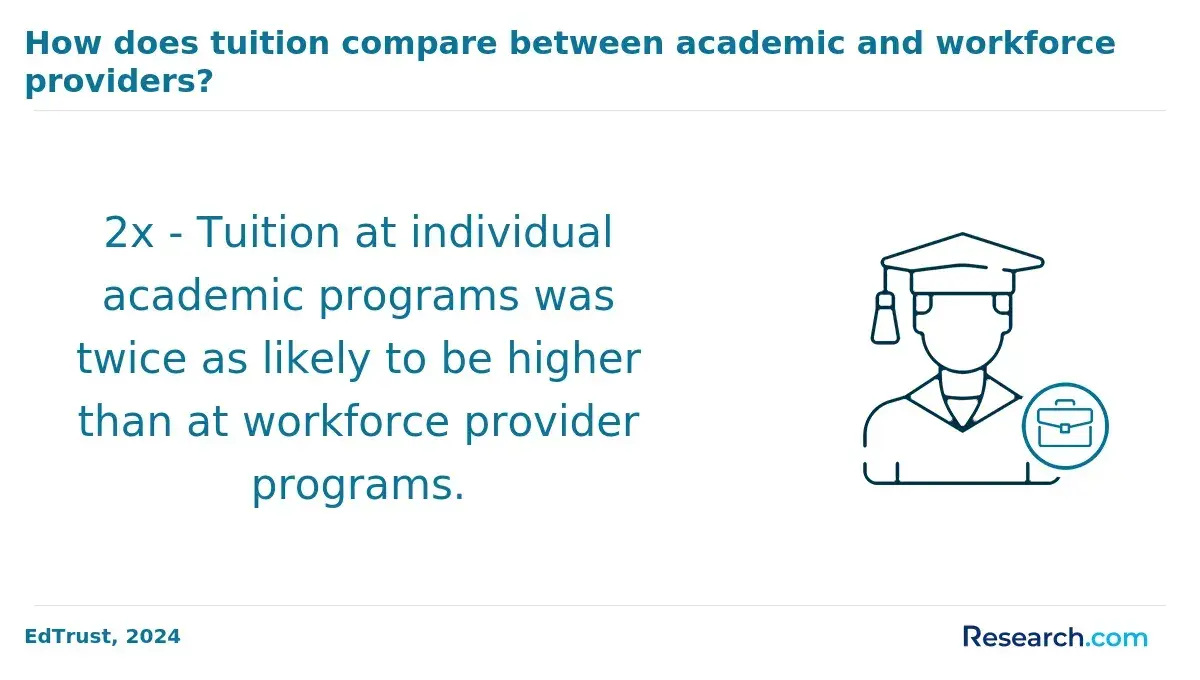
The cost of a one-year online global security master’s program depends on the institution, residency status, credit requirements, technology fees, and whether the program is public or private. Public universities usually charge between $15,000 and $30,000 annually for in-state students, while private schools tend to have higher fees, ranging from $30,000 to $50,000 for accelerated programs.
Tuition is only the starting point. A realistic budget should include all required fees and any expenses tied to software, proctoring, travel, or intensive residencies. Data from the National Center for Education Statistics shows graduate tuition and fees have increased by about 2.7% annually over the last five years, so students should request current, program-specific cost sheets before committing.
- Technology fees: Many online programs charge technology or online learning fees to support learning platforms, library access, and digital student services. These fees commonly fall between $300 and $1,000 per year.
- Course materials: Textbooks, case studies, databases, simulations, and specialized software may add $500 to $1,200 annually.
- Proctoring costs: Some schools charge $50 to $150 for online exam proctoring services.
- Residency requirements: A program advertised as online may still require a short campus visit, workshop, or intensive session, which can add $1,000 to $3,000 in travel and lodging expenses.
- Financial aid variability: Scholarships, assistantships, employer benefits, and loans can reduce the net price, but eligibility varies. Use each school’s net price calculator and confirm graduate-specific aid policies with the financial aid office.
When comparing programs, ask for the total cost of attendance, not just tuition per credit. Also confirm whether tuition is locked for the full accelerated program or may change between terms.
One professional who pursued an online global security master’s to change careers described the planning process this way: "Budgeting for all fees beyond tuition was initially overwhelming." His advice was to contact schools directly, ask which fees are mandatory, and build a term-by-term budget before enrolling. Understanding the full financial commitment upfront helped him reduce stress and focus on completing the degree efficiently.
Students in one-year online global security master’s programs may be eligible for federal loans, institutional scholarships, departmental awards, employer tuition reimbursement, and outside scholarships. The challenge is timing: accelerated programs often start outside traditional academic calendars, so aid deadlines may come earlier than expected.
Federal aid for graduate students commonly includes Direct Unsubsidized and Grad PLUS loans. Work-study may be available at some institutions, but the demanding schedule of a one-year program can make it difficult to use. Students should file the FAFSA early and confirm that their enrollment level meets the school’s aid requirements for each accelerated term.
Institutional funding can be competitive. Merit-based scholarships and departmental fellowships often consider undergraduate performance, professional experience, leadership, military or public service background, and alignment with the program’s mission. Employer tuition reimbursement can also be valuable for working professionals, especially when the degree connects directly to cybersecurity, risk, intelligence, compliance, emergency management, or public-sector security work.
More than half (56%) of graduate students recently have benefited from some form of financial aid, highlighting the importance of checking every funding source before assuming the sticker price is the final price.
- Federal loans and work-study: Direct Unsubsidized and Grad PLUS loans may be available to eligible graduate students, while work-study may be limited by program intensity and institutional rules.
- FAFSA timing: Submit early and ask whether the program uses standard semesters, accelerated terms, or nontraditional start dates that affect disbursement.
- Merit-based scholarships and fellowships: Contact the department, not only the central financial aid office, because program-level awards may have separate applications.
- Employer tuition reimbursement: Ask your employer whether reimbursement requires preapproval, minimum grades, continued employment, or a direct connection between the degree and your current role.
- Scholarship databases: Tools such as the College Board's Scholarship Search may help identify outside awards for graduate students in security, public service, technology, or international affairs.
Students balancing work, tuition planning, and accelerated coursework can also compare financing strategies used in other professional online degrees, including an executive online MBA.
One-year online global security master’s programs commonly look for applicants who can succeed immediately in a compressed graduate curriculum. Many expect a minimum undergraduate GPA near 3.0 on a 4.0 scale, but admissions committees often review the full file rather than making decisions on GPA alone.
Prerequisites vary by program focus. A global security policy program may prefer prior coursework in international relations, political science, public policy, criminology, or security studies. A cybersecurity-oriented program may expect foundations in networking, programming, information systems, or cybersecurity fundamentals. Students without the right background may need bridge or leveling courses before or during the first term.
Professional experience can be especially important in accelerated admissions. Applicants from law enforcement, military service, intelligence, cybersecurity, emergency management, public policy, compliance, or risk management may be able to demonstrate readiness through work history even if their undergraduate major is unrelated. Some programs may waive GRE or other test requirements for applicants with substantial relevant experience.
Notably, a recent study found that 63% of accelerated online master's programs in security now prioritize professional experience over standardized testing, reflecting a shift toward valuing applied expertise.
- Minimum GPA requirements: Most programs look for around a 3.0 GPA, while also considering grade trends, major difficulty, prior institution, and professional growth since graduation.
- Prerequisite coursework: Common foundations include international relations, cybersecurity, political science, criminology, or related fields. Missing coursework may be addressed through bridge classes.
- Professional experience: Relevant work history can strengthen an application, support a test waiver, and show that the applicant can connect theory to practice.
- Program variability: Requirements differ widely. Read each admissions page carefully and ask whether prerequisites must be completed before admission or can be completed after enrollment.
- Application strategy: Use the statement of purpose to explain why the accelerated format fits your background, schedule, and career goal.
One graduate who completed her online master’s in global security in just one year entered with a nontraditional background. Her undergraduate GPA was slightly below some programs' preferred thresholds, but her extensive field experience in emergency management strengthened her application. She explained, "I was initially concerned about missing prerequisite courses, but the program offered leveling classes that helped me catch up quickly without delaying my studies." She also noted that her work history allowed her to bypass GRE requirements, making the admissions process smoother.
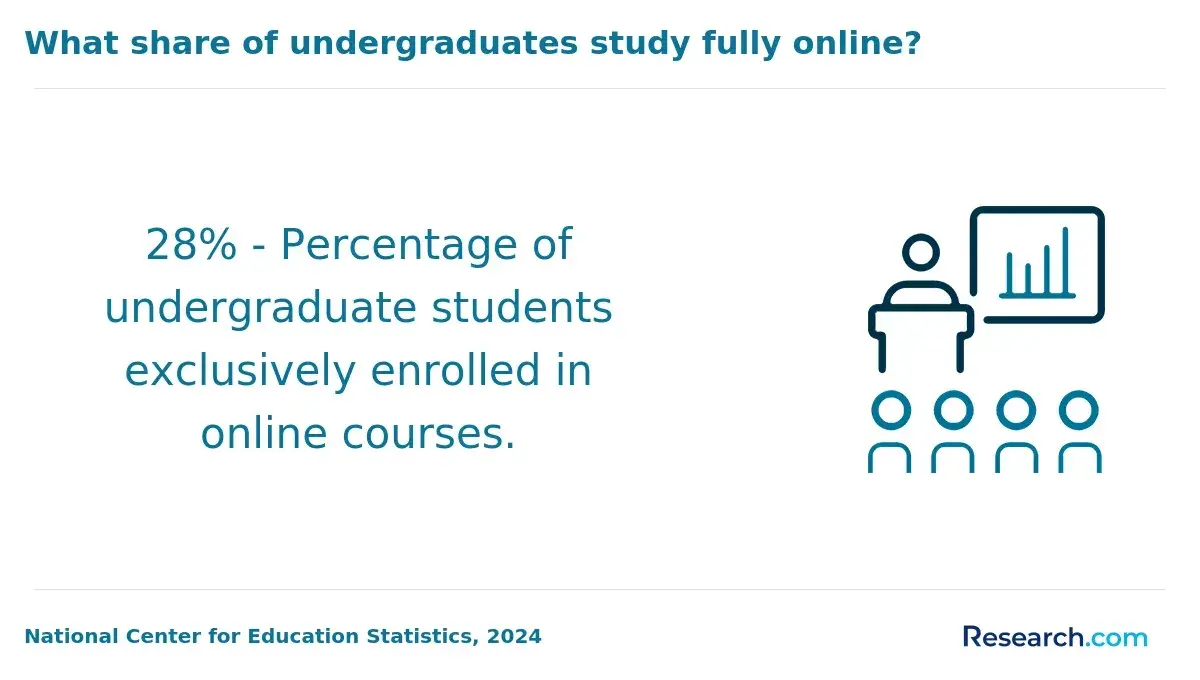
GRE and GMAT requirements are less common than they once were in accelerated online global security master’s admissions. After the COVID-19 pandemic, many schools adopted test-optional or test-free policies to reduce barriers for working professionals, international applicants, and students with strong practical experience.
That does not mean tests have disappeared everywhere. Some programs still require scores, especially for applicants with limited professional experience, weaker academic records, or no prior graduate coursework. Others allow waivers for applicants who can show relevant work experience, strong undergraduate performance, professional certifications, military or public service experience, or a substantial portfolio.
A 2023 National Education Association report found over 60% of online graduate programs in security and related areas now practice test-optional admissions, a significant rise from under 30% pre-2020. Because policies change frequently, applicants should verify requirements on the official program website before applying.
- Test-optional programs: These programs allow applicants to decide whether GRE or GMAT scores strengthen their file.
- Test-free programs: These programs do not consider GRE or GMAT scores, even if submitted.
- Programs that still require scores: Some schools use standardized tests to evaluate quantitative, analytical, or writing readiness.
- Waiver-based admissions: Applicants may qualify for a waiver through professional experience, prior graduate study, certifications, or a strong academic record.
- Best next step: Email admissions with your resume and transcript summary if you are unsure whether a waiver is realistic.
One-year online global security master’s programs usually combine asynchronous coursework with some synchronous interaction. Asynchronous learning lets students watch lectures, review materials, post in discussion boards, and complete assignments on their own schedule. Synchronous sessions use live video meetings for seminars, guest speakers, simulations, presentations, or group work.
The academic calendar is often compressed into three or four shorter terms. Students may take about 9 to 12 credit hours each term, which creates a steady cycle of readings, papers, policy memos, technical labs, group projects, and exams. Weekly study commitments average 15 to 20 hours, though the actual load depends on the student’s background, writing speed, technical preparation, and whether a major project is due.
Capstones, practicums, or thesis projects are commonly built into the final term. These culminating requirements usually ask students to apply the program’s concepts to a real-world or simulated security problem, such as a cyber incident response plan, threat assessment, intelligence brief, resilience strategy, or policy analysis.
- Synchronous vs. asynchronous delivery: Live sessions create interaction and accountability, while self-paced materials support working students and learners in different time zones.
- Compressed academic terms: Shorter terms require students to start assignments early and avoid falling behind, because there is little recovery time.
- Assignment cadence: Expect frequent deadlines rather than a few large assignments at the end of the term.
- Group work: Many programs use team projects to mirror security decision-making environments, but students should ask how groups are scheduled across time zones.
- Capstone, practicum, or thesis: Final projects are typically designed to demonstrate applied competence rather than only theoretical knowledge.
In recent years, accelerated online master's programs in security fields have seen a 20% enrollment increase, highlighting rising demand for flexible advanced education.
A one-year online global security master’s degree typically starts with core courses that build a shared foundation in security concepts, policy frameworks, risk analysis, intelligence, technology, and global threats. The exact curriculum depends on whether the program is housed in international affairs, public policy, criminal justice, cybersecurity, engineering, or information systems.
Common core topics include intelligence analysis, cyber security fundamentals, risk management, international policy, legal and ethical frameworks, crisis response, homeland security, and research methods. These courses help students understand how security decisions are made across governments, private organizations, international bodies, and critical infrastructure sectors.
Specialization tracks allow students to narrow the degree toward a specific career path. Options may include cyber defense, counterterrorism, homeland security, international conflict resolution, intelligence, emergency management, or resilience planning. In a one-year format, specialization choices may be more limited than in a two-year program, so students should confirm that the available track matches their goals before enrolling.
- Core curriculum foundations: Students study essential topics such as intelligence analysis, cyber security fundamentals, risk management, and legal frameworks.
- Specialization tracks: Options like cyber defense, counterterrorism, and homeland security help students build targeted skills for specific roles.
- Compression vs. depth: Accelerated programs cover material quickly, so students may need to choose between speed and a broader elective experience.
- Curriculum updates: Strong programs revise content to reflect current threats, technology changes, policy developments, and employer expectations.
- Career readiness focus: Applied projects, simulations, and brief-writing assignments help students practice the communication and decision-making skills used in security roles.
Students who are still building academic foundations may also compare earlier credentials, including easy online associate degrees, before committing to a compressed graduate program.
A one-year timeline does not automatically mean a program is less rigorous. The best accelerated online global security programs preserve graduate-level expectations by redesigning the schedule rather than cutting essential learning outcomes. They use shorter terms, focused modules, intensive assignments, applied projects, and close faculty feedback to keep students moving quickly while still requiring advanced analysis.
Concerns about quality are reasonable, especially when a program promises fast completion. Students should look for evidence that the program measures learning outcomes, uses qualified faculty, provides academic support, and publishes transparent information about alumni outcomes. Research and employer surveys show that graduates from these intensive formats perform comparably to those in traditional programs, alleviating worries about compromised standards.
Many programs use cohort models, where students progress together through the curriculum. This structure can improve accountability, peer support, and networking. Block scheduling may also help by allowing students to focus deeply on one subject or module before moving to the next.
- Cohort and block scheduling models: These formats create structure, encourage peer collaboration, and help students manage a fast curriculum.
- Qualified faculty: Strong programs use instructors with academic credentials and practical expertise in global security, cyber policy, intelligence, resilience, or related fields.
- Comprehensive student support: Advising, tutoring, writing support, library access, and career coaching are especially important in a compressed program.
- Learning outcome evidence: Ask how the program assesses writing, research, technical skills, policy analysis, and applied security decision-making.
- Alumni networks and placement rates: Active alumni connections and published job placement statistics can help students judge long-term value.
Students comparing accelerated models in other fields may find useful parallels in accelerated online MFT programs, where programs must also balance compressed timelines with professional preparation.
Online global security master’s students should be prepared to use digital research tools, secure collaboration platforms, data analysis software, and field-specific applications. Technical expectations vary by specialization. A cybersecurity-focused program will require more hands-on security tools, while an international security or policy program may emphasize intelligence databases, geospatial tools, and analytical writing platforms.
Students typically need a reliable computer that meets current hardware standards, stable high-speed internet-typically 25 Mbps or higher-and access to required software. Some programs include licenses through tuition or student technology fees, while others require students to install or subscribe to tools independently.
- Geospatial analysis tools: Programs may include GIS platforms such as ArcGIS to help students visualize geographic data, assess conflict zones, and support intelligence or risk analysis.
- Cybersecurity platforms: Tools such as Wireshark, Metasploit, and Splunk may be used to analyze network traffic, simulate threats, monitor incidents, or support digital forensics exercises.
- Data analytics software: Students may work with Tableau and Python libraries like Pandas and Matplotlib to interpret datasets used in risk evaluation, intelligence analysis, and policy planning.
- Information management systems: Secure communication, encrypted collaboration, document management, and operational security practices are often emphasized.
According to the recent Cybersecurity Workforce Study by (ISC)², 68% of security professionals consider proficiency with analytical and monitoring tools among the top hiring priorities, highlighting the importance of technical fluency even for students pursuing policy or management roles.
Yes, some students complete a one-year online global security master’s degree while working full-time, but it requires careful planning and a realistic view of the workload. One-year programs may involve 12 to 15 credit hours per term, which typically translates to 30 to 40 hours of study each week, including lectures, readings, discussion posts, research, exams, and projects.
This schedule can be difficult for students with unpredictable work hours, heavy travel, caregiving responsibilities, or limited employer flexibility. Asynchronous courses can help because students can complete work at night, early in the morning, or on weekends. However, asynchronous does not mean self-paced; most programs still have firm weekly deadlines.
Institutional surveys indicate that approximately 60% of students enrolled in accelerated global security programs maintain full-time employment while studying. Success often depends on time-blocking, advance planning, clear family or employer expectations, and avoiding unnecessary commitments during the program year.
Before enrolling, ask the program direct questions about workload and flexibility:
- Weekly time expectations: Ask how many hours students typically spend per course each week and whether workload spikes during certain terms.
- Flexibility in scheduling: Confirm whether live sessions are required, recorded, or optional, and whether deadlines are fixed.
- Employer accommodations: Ask whether the program can provide documentation to support tuition reimbursement, schedule adjustments, or professional development approval.
- Support services: Check whether working students have access to evening advising, writing support, career services, and technical help.
- Success rates: Request completion data for students who work full-time while enrolled.
What Graduates Say About Their One-Year Online Global Security Master's Degree Program
- Tiffany: "Choosing an online global security master's degree was pivotal when I decided to transition from finance to international risk management. The flexibility allowed me to maintain my job while studying, making the investment of time and money much more manageable. Ultimately, the affordable program cost and relevant curriculum opened doors to new roles I hadn't imagined possible."
- Kathleen: "Reflecting on my experience, pursuing an online global security degree was a smart professional move that enhanced my strategic thinking and led to a promotion within six months of graduation. The cost was reasonable compared to traditional programs, and the ability to learn at my own pace helped me balance family commitments. This program truly strengthened my expertise in cybersecurity policy, impacting my career trajectory."
- Joaquin: "The decision to earn an online global security master's degree stemmed from a desire to deepen my understanding of international threats while continuing my work in defense analysis. The comprehensive coursework combined with the cost-effective tuition made it a worthwhile investment. Since completing the program, I've gained credibility among peers and was invited to participate in high-level consultancy projects."
Other Things You Should Know About Global Security Degrees
Graduates of one-year online global security master's programs often see improved salary prospects and faster career progression compared to those with only a bachelor's degree. The specialized skills and knowledge gained can open doors to higher-level roles in government agencies, private security firms, and international organizations. However, actual salary growth depends on prior experience, job market conditions, and the reputation of the awarding institution.
Most programs require a laptop with a current Windows or macOS system, reliable broadband of at least 25 Mbps download, webcam and microphone access, and the latest Zoom or learning-management software. Some courses also require VPN access and a recent browser for secure proctored exams.
Typical courses in a one-year online global security master's program in 2027 include Cybersecurity Fundamentals, International Relations and Security, Risk Management, Threat Analysis, and Crisis Management. These courses are designed to equip students with a comprehensive understanding of global security issues and prepare them for various roles in the field.
- Luiss â Libera Università Internazionale degli Studi Sociali https://www.luiss.edu/admissions/graduate-admissions/students-luiss-ue-schengen/certifications
- MA in Global Security and Strategy https://www.brussels-school.be/education/ma-global-security-and-strategy
- Master in International Security https://www.sciencespo.fr/psia/academics/masters/master-international-security/
- Top Cyber Security Skills for a Successful Career in 2025 | Walbrook https://www.walbrook.ac.uk/subjects/cyber-security/cyber-security-skills-programming-languages-you-should-know/
- Global Security MA, PG Dip, PG Cert (online) - Fees | King's College London https://www.kcl.ac.uk/study/postgraduate-taught/courses/global-security-ma-pg-dip-pg-cert/fees
- Master of Global Security and Strategy | SUSS https://www.suss.edu.sg/programmes/detail/master-of-global-security-and-strategy
- Scholarships https://www.insaonline.org/foundation/scholarships
- Tuition and Funding https://www.sans.edu/admissions/tuition/
- Scholarship Programme | MSc Security Studies https://informaconnect.com/msc-security-studies/scholarship-programme/