2027 Does an Online Global Security Master's Degree Qualify You for Licensure?

Co-Founder and Chief Data Scientist
Consider a prospective student who completed an online global security master's degree and now seeks licensure to work in their state. Despite holding a relevant degree, licensure boards often require specific accreditation, supervised practicum hours, and passing nationally recognized exams.
According to recent studies, only 65% of graduates from online global security programs meet all eligibility criteria for licensure on their first attempt. This gap highlights the challenges online graduates face in obtaining licensure. This article explores the critical factors influencing licensure eligibility for online global security master's degrees, guiding readers to make informed decisions based on jurisdiction-specific requirements.
Key Benefits of Qualifying for Online Global Security Master's Degree Licensure
- An online global security master's degree often meets licensure requirements set by state boards and national credentialing organizations when the program is properly accredited and includes necessary practicum hours.
- Flexible scheduling accommodates working professionals, career changers, and those returning to academia, enabling them to complete licensure-qualifying coursework without sacrificing employment or personal obligations.
- Students must verify state-specific policies and examination prerequisites, as well as interstate licensure portability, to ensure their online degree supports professional credentialing nationwide.
What Is a Global Security Master's Degree, and What Forms Does It Take Online?
Prospective students and career changers must evaluate whether an online global security master's degree meets licensure requirements set by state boards and credentialing bodies. Such degrees vary widely in structure and delivery, influencing eligibility for professional licensing. Here are key aspects to consider when researching types of online global security master's degrees and their formats.
- Degree Types: Online global security master's programs generally offer Master of Science (M.S.) or Master of Arts (M.A.) degrees, with some professional variants that emphasize applied skills and policy. The M.S. tends to focus on technical, analytical training, while the M.A. explores strategic, political, or social aspects of security.
- Online Delivery Formats: Programs usually employ synchronous (live, real-time classes) or asynchronous (self-paced, recorded lectures) formats. Synchronous instruction enables interaction but limits flexibility, whereas asynchronous formats provide scheduling freedom, suiting working professionals and international students.
- Cohort vs. Self-Paced: Many institutions use cohort models, encouraging collaboration and peer networking by progressing together, though some offer self-paced tracks for students needing more flexible timelines.
- Common Online Offerings: Asynchronous or hybrid formats prevail in global security degree programs due to their adaptability across time zones and demands, though students must be self-motivated to succeed.
- Licensure Implications: Understanding the degree type and online format is crucial, as some licensing boards require accredited professional degrees with supervised practicum hours, which not all online programs provide. This awareness helps avoid selecting degrees that do not fulfill licensure prerequisites.
When deciding on an online global security master's degree, students should also review best degrees recognized for meeting licensure standards and professional expectations. Aligning program choices with state-specific rules reduces the risk of licensure denial or portability issues later.
Do State Licensing Boards Recognize Online Global Security Degrees for Licensure Purposes?
Prospective students pursuing an online Global Security master's degree must carefully assess whether these programs fulfill licensure requirements set by varied state boards. Differences in jurisdictional policies mean an online degree that is accepted in one state may not automatically qualify for licensure in another. This evaluation is essential before enrollment to avoid obstacles in professional credentialing.
- Varied State Licensing Policies: State boards have diverse stances on online degrees. Some states, such as California, explicitly accept accredited online programs for licensure, while others scrutinize each degree individually based on institutional accreditation and program rigor.
- Accreditation Is Key: Most boards require degrees from regionally accredited institutions, regardless of whether the program was completed online or on-campus. Degrees without recognized accreditation often face rejection for licensure eligibility.
- Supervised Experience Requirements: Many licensing bodies mandate supervised practicum or clinical hours. Online Global Security programs must clarify how these requirements are met to ensure graduates qualify for licensure.
- Licensure Examination and Portability: Passing relevant licensure exams is universally necessary, but whether online degrees qualify for exam eligibility varies by state. Interstate licensure portability remains limited, requiring compliance with individual state board rules.
- Consult State Boards Directly: To navigate these complexities, applicants should contact their specific state licensing board before enrolling, ensuring the online Global Security master's degree they choose meets local licensure criteria.
A 2023 national survey found that over 60% of state boards make no substantial distinction between accredited online and on-campus degrees for licensure, though policies continue to evolve rapidly. Prospective students should also consider employer perceptions and credentialing-body standards, as well as ongoing continuing education requirements after initial licensure.
When evaluating programs, it can be useful to compare with other fields such as social work; for instance, information on msw accelerated programs highlights the importance of accreditation and supervised experience in state board acceptance.
What Supervised Clinical or Practicum Hours Are Required for Global Security Licensure After an Online Degree?
For students pursuing an online global security master's program, knowing the supervised clinical or practicum hour requirements is essential, as nearly 85% of licensing boards demand documented field experience for licensure.
- Hour Requirements: Licensing authorities typically stipulate between 1,200 and 2,000 hours of supervised practical experience, regardless of whether the degree was earned online or on campus. These hours validate a candidate's ability to apply knowledge in real-world contexts.
- Placement Assistance: Online programs generally support students by coordinating with approved agencies or employers near the student's location to arrange internships, practica, or fieldwork, ensuring they meet licensing criteria.
- Residency Constraints: Many boards require that supervised experiences be completed in the state where the candidate seeks licensure. This may differ from the state where the online institution is based, though some boards allow hours from any U.S. state.
- Documentation Issues: Graduates often face challenges obtaining proper verification from supervisors or meeting specific board documentation standards, which can delay or jeopardize licensure approval.
- Program Transparency: Prospective students should confirm that their chosen program clearly outlines practicum requirements and offers guidance on compliance with state-specific licensing rules to avoid unexpected hurdles.
A professional who enrolled in an online global security master's degree that accepted transfer credits shared that arranging supervised hours was more complex than anticipated. "Even though the program helped connect me with local agencies, I had to navigate varying state rules on where and how those hours could be completed," he explained. He also mentioned struggling with collecting proper supervisor signatures and meeting the precise documentation formats the licensing board required. "It was frustrating at times because the hours felt completed, but the paperwork delays held up my licensure process," he recalled, emphasizing the need for diligent preparation and proactive communication during practicum planning.
Graduates aiming to pass the global security licensure examinations in the United States, whether from online or on-campus programs, generally face the same eligibility criteria if their degree comes from an accredited institution with a recognized program. The match between a master's curriculum and exam content is crucial, ensuring candidates are well-prepared in core areas like risk management, security policies, cybersecurity, and ethics. Online delivery usually does not affect eligibility but can impact readiness depending on instructional quality and resources offered. Prospective candidates must check state board requirements for global security practitioner licensing exams directly with each credentialing or licensing authority, as standards frequently change. As of recent studies, over 70% of professional security boards accept accredited online degrees for licensure.
- Certified Protection Professional (CPP) Examination: Administered by ASIS International, this certification covers broad security management topics such as threat analysis and technology. Accredited program graduates typically meet the requirements to attempt this respected exam.
- State-Specific Security Licenses: Many states require candidates to pass local licensing exams focused on state laws and security regulations. Eligibility includes meeting educational, background, and sometimes residency criteria set by state security commissions.
- Physical Security Professional (PSP) Exam: Also offered by ASIS International, the PSP exam tests expertise in physical security systems and assessments. Graduates whose programs align with exam topics generally excel in this credential pursuit.
- Cybersecurity and Information Security Certifications: Certifications like CISSP or CISM are important for practitioners focusing on cyber risk. While not usually mandatory for licensure, they complement global security master's degrees and require specific qualifications.
To evaluate programs effectively, consider how well they prepare you to meet these requirements, particularly for the state board requirements for global security practitioner licensing exams in your jurisdiction. For students seeking the flexibility of distance education, programs such as an emba online provide examples of accredited offerings; however, always confirm licensure applicability beforehand.
Prospective students considering an online global security master's program aiming for licensure should be aware of common GPA requirements that influence admission and professional progression. Recent studies show around 70% of accredited programs require a minimum GPA of 3.0, reflecting the level of academic commitment needed to succeed.
- Standard GPA Thresholds: Most accredited global security master's degrees, whether online or in-person, expect applicants to maintain a minimum GPA near 3.0 on a 4.0 scale. This benchmark helps ensure students possess the foundational knowledge crucial for advanced coursework and later licensure processes.
- Online vs. On-Campus Requirements: GPA expectations rarely differ between remote and traditional program formats. Accrediting agencies enforce similar standards to guarantee consistent degree quality, preserving the credibility of online credentials in licensure evaluations.
- Licensing Board Policies: Licensing authorities commonly do not establish explicit GPA minimums themselves. Instead, they rely on academic institutions to uphold academic standards, focusing their requirements on curriculum completion, supervised practice, and passing required exams.
- Impact on Licensure Exams: A strong GPA can influence whether candidates qualify to sit for licensure exams and how their applications are assessed. Boards or employers may consider GPA as one aspect of overall readiness or competence during review.
- State-Specific Considerations: Because requirements vary, applicants should confirm with individual state boards whether GPA factors into their licensure decisions, as some states apply a holistic review that includes academic performance.
A professional who transitioned careers after completing an online global security master's shared that maintaining the necessary GPA felt demanding but essential. She recalls, "Balancing work and studies challenged me, especially knowing my GPA might affect eligibility for the licensure exam." Her experience emphasized the importance of steady academic performance and proactive communication with her program's advisors. This careful approach gave her confidence in meeting both educational and professional requirements, reinforcing that GPA standards serve as an important checkpoint rather than just a hurdle.
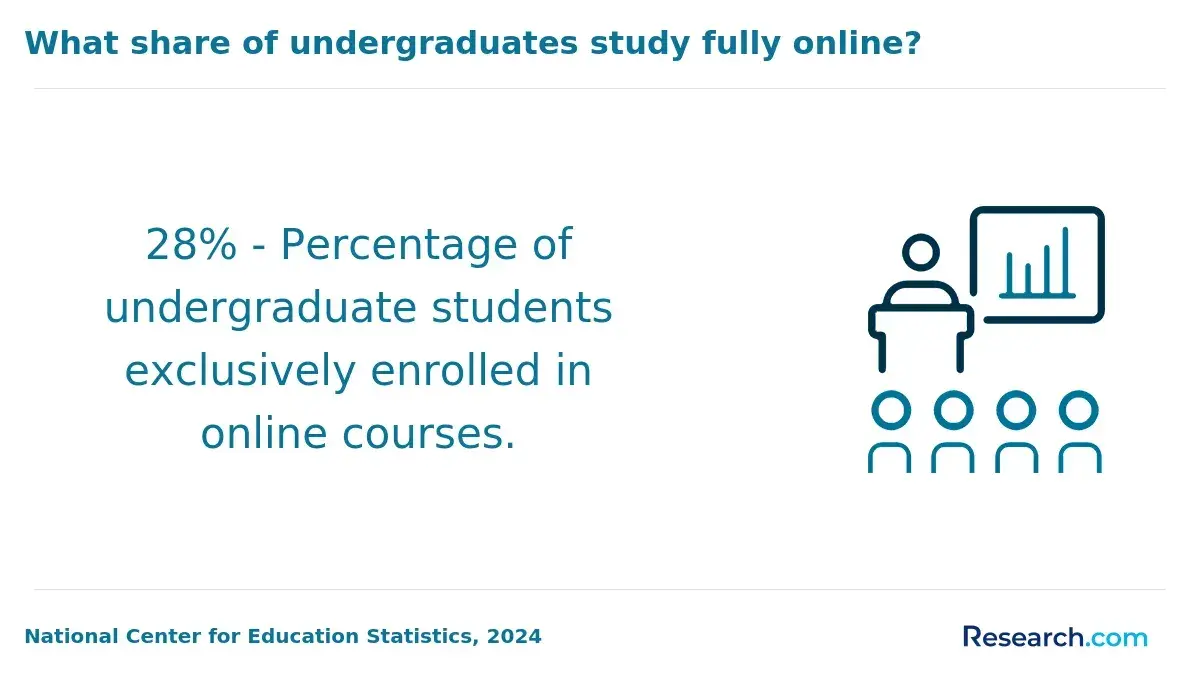
Enrollment in online global security master's degree programs has increased by more than 15% annually, underscoring the growing interest in flexible education options. For prospective students, navigating residency requirements can be critical in ensuring their program meets licensure standards. The following points summarize essential aspects of residency and transfer credit evaluations:
- Residency Requirements: Many licensing boards require some portion of coursework or practical training to be completed in person to guarantee hands-on experience and maintain professional competence in global security practices.
- Transfer Credit Evaluation: Applicants submit official transcripts and detailed course information for review. Schools assess prior learning to determine equivalency with program standards, which can shorten the time needed to graduate.
- Hybrid and Residency Models: Online programs often offer intensive in-person residencies or hybrid learning formats, allowing students to fulfill in-person mandates through local placements or scheduled campus events approved by accreditors.
- Licensing Board Assessment: Licensing authorities verify completion of required residencies, practicum hours, and coursework during the licensure application process, sometimes requesting direct confirmation from the educational institution.
- Regulatory Changes: Recent advances in remote supervision technologies have led some states to ease residency regulations, but students should confirm current rules for their specific jurisdiction to ensure compliance.
Interstate licensure portability is a critical consideration for prospective online Global Security master's degree students, as many may complete their studies in one state but seek to work in another. A 2023 report from the National Association of Credential Evaluation Services found nearly 40% of credential evaluations encounter complications when crossing state lines, highlighting the importance of understanding portability before enrollment.
- Interstate Compacts: Few formal interstate compacts exist specifically for Global Security licensure. Unlike professions such as nursing, Global Security often requires state-by-state approval, creating challenges for those moving across states.
- Reciprocity Agreements: Some states maintain informal reciprocity or endorsement frameworks enabling licensed individuals to apply for licensure elsewhere based on their existing credentials. These agreements vary widely and typically demand additional documentation or fees.
- Credential Evaluation Challenges: Online Global Security degrees may be assessed differently by state licensing boards, especially if accreditation or practicum requirements differ. Boards review whether supervised experience complies with local standards, which can delay or prevent licensure.
- Accreditation Importance: Graduates should verify regional or specialized accreditation status, as many states only recognize licenses from accredited programs, substantially impacting portability.
- Actionable Steps: Prospective students should contact licensing boards in their intended work states early, review licensure requirements-such as required exams and supervised hours-and confirm their program's acceptance to avoid portability issues after graduation.
Prospective students pursuing an online global security master's degree must be aware of several critical factors that often lead to licensure application denial. Recognizing these potential pitfalls can help applicants select programs that truly meet state board requirements and avoid common barriers associated with online education in this field.
- Accreditation Deficiencies: Licensing boards typically require degrees from programs accredited by recognized agencies. Graduates from nonaccredited online global security programs face a high risk of credential rejection, as boards question the academic rigor and oversight of such institutions.
- Inadequate Documentation of Supervised Hours: Many licensure processes mandate the completion of supervised practicum or clinical hours. Online programs that do not provide clear, verifiable records of these hours-or that lack sufficient supervision components-often lead to licensure denial due to unconfirmed practical experience.
- Mismatch Between Coursework and Licensing Requirements: Some online curricula fail to align with specific state or national standards required for certification. Missing key core courses or relevant electives can result in delays or outright rejection of a licensure application, particularly when state or board requirements are strict.
- Background Check Issues: Thorough criminal and professional background checks are standard in security-focused professions. Graduates unfamiliar with proper procedures or with undisclosed issues frequently encounter licensure denials, underscoring the importance of transparency and preparation throughout the application process.
- Appeal Processes and Corrective Steps: Applicants denied licensure may appeal by submitting additional evidence, completing remedial coursework, or accruing extra supervised hours. Understanding these options is vital for graduates to take necessary corrective actions and eventually obtain licensure.
Given these challenges, evaluating online programs against state-specific licensing board policies and supervised practicum requirements is essential. Prospective students should research program accreditation carefully and verify supervised hours documentation before enrollment. Additionally, many students benefit from exploring continuing education obligations post-licensure to maintain credentials.
For those seeking alternatives or related fields, consider exploring the detailed rankings and information on affordable distance education options such as the online masters in psychology, which may offer different pathways or complementary skills aligned with security-focused careers.
Students pursuing an online global security master's degree must verify the technology infrastructure supporting licensure-track programs, as these tools directly affect compliance with state board requirements and practical skill development. With master's degree holders in global security earning a median salary near $90,000, selecting a program that meets licensure standards is essential.
- Accredited Technology Platforms: Licensing boards require secure, interactive learning management systems that handle video lectures, real-time discussions, and skills assessments. Platforms approved by accreditors ensure an authentic, supervised learning environment, crucial for online global security program technology requirements for licensure.
- Simulation and Virtual Labs: Skill-based training depends heavily on simulations where students practice threat analysis and crisis response. Effective simulation tools for licensure-track global security students must be realistic and measurable, fulfilling practical experience criteria.
- Supervised Practicum Integration: Many states mandate supervised practicums or clinical hours. Online programs should offer tele-supervision tools allowing live feedback, ensuring students meet hands-on experience standards even when remote.
- Evaluation by Licensing Boards: Boards assess how programs use technology to foster competency in operations and decision-making. They review documentation, engagement metrics, and outcome data to verify compliance with licensure standards.
- Student Inquiry Recommendations: Prospective students should ask about simulation software features, supervised practice opportunities, and how programs confirm skill mastery remotely. Questions about pilot initiatives involving augmented reality or AI-driven training reflect a program's commitment to innovation and emerging standards in the field.
For those comparing offerings in related fields, programs recognized as the best online masters in construction management also prioritize accredited technology and practical training standards, underscoring this approach's importance across disciplines.
For prospective online Global Security master's degree students, meeting continuing education (CE) requirements is a vital part of maintaining licensure, with nearly 90% of states mandating regular CE to ensure ongoing professional competence.
- State CE Hour Requirements: Most jurisdictions require licensees to complete between 12 and 30 CE hours biennially. These hours focus on keeping practitioners up to date with industry advances, regulatory shifts, and evolving best practices within global security.
- Online CE Accessibility: Digital CE programs have expanded opportunities for professionals to fulfill requirements flexibly. However, states differ in their acceptance of online CE credits, so it is essential for candidates to confirm their board's policies before enrolling in courses.
- Professional Association Influence: Bodies such as ASIS International set CE standards and offer accredited trainings aligned with state mandates. They work closely with licensing boards to ensure CE content supports both ethical and skill development relevant to the field.
- Specialization and Ethics Components: Many states add requirements for ethics-focused CE or specialty-specific training, emphasizing integrity and regulatory compliance. Planning early to address these tailored CE topics helps graduates avoid obstacles during renewal.
- Strategic CE Planning: Selecting educational programs and certifications that ease CE credit accumulation can streamline license renewal. Graduates benefit from proactively integrating CE into their career path to maintain credentials without interruption.
Prospective online global security master's degree students face a crucial challenge: ensuring their chosen program meets licensure requirements in their state. A 2023 survey revealed nearly 40% of online learners overlooked how state-specific licensure rules impact their eligibility, risking investments in degrees that don't qualify for professional practice.
- Check Accreditation: Confirm the program holds accreditation from recognized organizations, as state licensing boards commonly rely on accreditation status to evaluate eligibility for licensure.
- Contact State Boards: Direct communication with your state's licensing authority is vital. Request official licensure criteria documents, which are typically public, for clarity on course and clinical hour requirements.
- Compare Curriculum: Carefully examine the program's coursework and practicum components against your state board's mandates to ensure alignment with required licensure standards.
- Verify Practicum Arrangements: Ensure the program provides supervised clinical or practicum experiences that meet your state's regulations, as these are often non-negotiable for licensure approval.
- Use Program Disclosures: Review the program's own disclosures on licensure pathways; transparent programs usually specify how their degrees support licensure goals and compliance.
- Consult Advisors and Practitioners: Speak with program advisors and licensed professionals in global security to gain insights about the program's licensure reputation and potential hurdles prior to enrollment.
Conducting thorough due diligence beforehand significantly reduces the risk of unknowingly completing a degree program that falls short of your state's licensure requirements, saving time and resources in your career journey.
What Graduates Say About Qualifying for Online Global Security Master's Degree Licensure
- Omar: "Choosing an online global security master's degree was a strategic move to balance my full-time job and education. I appreciated the program's clear accreditation status, which made verifying licensure eligibility straightforward and stress-free. Completing the degree has not only boosted my expertise but also opened doors to positions requiring certified professionals in the security field."
- Hugh: "The journey to confirm that my online global security degree qualified me for licensure required meticulous research and communication with both the school and licensing boards. Reflecting on the process, I value how the program's rigorous curriculum aligned with professional licensure standards, which gave me confidence to pursue a career in law enforcement oversight. This degree truly set a foundation that respected both my career goals and the complexities of regulatory compliance."
- Nancy: "As someone passionate about advancing in the security sector, I found the online global security master's degree to be an invaluable tool for career progression. The step-by-step guidance offered on verifying licensure qualifications was crucial, providing clarity in what initially seemed a complicated process. Graduating with this credential gave me practical skills and formal recognition that greatly enhanced my professional credibility."
Other Things You Should Know About Global Security Degrees
Accreditation is crucial for an online global security master's program because it verifies that the program meets established academic standards. Most state boards and credentialing bodies require degrees earned from accredited institutions to approve licensure applications. Without accreditation, graduates may face hurdles in obtaining licensure or may be ineligible altogether.
State licensing boards, not universities, decide whether an online global security master’s degree counts for licensure. In 2027, you must check the exact board for the profession you want, such as state public safety, emergency management, or private security boards, and confirm its education rules, exam requirements, and any supervised experience.
In 2027, obtaining licensure after earning an online global security master's degree typically requires ensuring the program is accredited. Additional steps may include passing relevant exams, meeting specific coursework stipulations, and fulfilling experience requirements mandated by the licensing body in your region. It's crucial to verify these with the relevant authorities.
- Pathways to portability and mobility - Association of Social Work Boards https://www.aswb.org/pathways-to-portability-and-mobility/
- Cybersecurity talent shortage: not the lack of people, but the lack of the right people https://ventureinsecurity.net/p/cybersecurity-talent-shortage-not
- Graduate Programs https://www.njcu.edu/academics/schools-colleges/college-professional-studies/departments/professional-security-studies/graduate-programs
- Licensure Portability 101 https://plus.aamft.org/licensure-portability-101/
- Transitioning into an Applied Doctorate: Global Security https://amuedge.com/transitioning-into-an-applied-doctorate-global-security/
- Washington University of Science and Technology Ranks Among The Top MBA in Project Management Degree Programs in the U.S. https://www.wust.edu/blog/global-cybersecurity-skills-shortage
- Top 10 Cybersecurity Certifications https://www.infosecurityeurope.com/en-gb/blog/guides-checklists/top-10-cybsersecurity-certifications.html
- Global Security Studies M.S. https://www.angelo.edu/academics/programs/global-security-studies-ms/
- Porting Professional Privileges Across State Lines https://www.robinsonbradshaw.com/newsroom/publications/Porting-Professional-Privileges-Across-State-Lines
- Information security qualifications https://grcsolutions.io/information-security-qualifications/