2027 How Fast Can You Earn an Online Global Security Master's Degree? Timelines & Completion Options

Co-Founder and Chief Data Scientist
Many prospective students face uncertainty about how quickly they can complete an online global security master's degree. With 35% of graduate students juggling work and studies, timing is a critical factor. Additionally, understanding admission requirements, such as GPA thresholds and standardized test expectations, complicates planning.
This article addresses these challenges by detailing the typical timelines and flexible completion options available. It also clarifies how to navigate key admission components like prerequisite coursework, language proficiency, and recommendation letters. By outlining evaluation criteria and application steps, the guide empowers applicants to create effective, strategic enrollment plans.
Key Things to Know About How Fast You Can Earn an Online Global Security Master's Degree
- Most online global security master's degrees require 30-36 credits; accelerated paths and competency-based formats can reduce completion to 12-18 months by focusing on mastery instead of seat time.
- Transfer credits from accredited institutions and prior professional experience can significantly shorten time to graduation, depending on institutional policies and program flexibility.
- Enrollment intensity, start-date options, and financial factors like continuous full-time study or employer tuition support affect how quickly students realistically finish their degrees.
What Is the Typical Time to Complete an Online Global Security Master's Degree?
Knowing the typical completion timeframe for an online Global Security master's degree can help prospective students plan their education and career paths more effectively. Demand for professionals in global security is growing steadily, with salaries rising in many areas of the field. Below are key factors influencing the average duration to earn a global security master's degree online.
- Credit requirements: Most accredited programs mandate between 30 and 36 credit hours, consistent with federal guidelines for master's degrees. Completion depends largely on how many credits a student takes each term.
- Enrollment intensity: Full-time students usually enroll in 9 to 12 credit hours per term, finishing within 18 to 24 months. Part-time learners, often taking 6 credits or fewer per term, typically take 2 to 3 years to complete the degree.
- Accelerated and competency-based formats: Some programs offer accelerated pathways or allow students to demonstrate prior knowledge for faster completion, sometimes under 18 months. These options require strong self-discipline and time management.
- Transfer credits and flexible starts: Accepted transfer credits can reduce the total credit load, while multiple yearly start dates provide greater pacing flexibility.
- Financial considerations: Balancing tuition and living expenses influences enrollment status and course load, impacting completion speed.
For those exploring all options, including best AI masters programs online, understanding typical completion times is essential to making informed decisions about graduate study timelines.
How Many Credits Are Required for an Online Global Security Master's Degree?
Knowing the typical credits needed for global security graduate programs helps prospective students plan their course load and timeline effectively. Online global security master's degree credit requirements generally fall between 30 and 36 credit hours, divided among core courses, electives, and a culminating project like a thesis or internship. The global security job market is growing steadily, with related roles expected to expand 12% through 2032, signaling strong career prospects.
Key points to consider include:
- Credit Load Distribution: Core courses cover essential topics such as international security, policy analysis, and risk management, typically comprising 18 to 24 credit hours, while electives add 6 to 9 credits, and the capstone component ranges from 3 to 6 credits.
- Completion Time: Most full-time students finish within 18 to 24 months, but part-time options and accelerated pathways can modify this timeline based on enrollment intensity and course availability.
- Accelerated Formats: Competency-based and accelerated programs allow students to demonstrate mastery of skills to progress faster than traditional credit-hour requirements.
- Transfer Credits: Students may reduce their required hours by transferring applicable credits aligned with program prerequisites, shortening their degree completion.
- Enrollment Flexibility: Year-round start dates and part-time study opportunities enable students to tailor their pace to personal and professional demands. Those interested in fastest degree options can also explore the cheapest EdD programs online as a model for accelerated online study.
Can You Finish an Online Global Security Master's Degree in One Year?
Completing an online global security master's degree within one year is achievable but requires careful evaluation of program demands and institutional policies. Nearly 40% of applicants gain acceptance into such programs, underscoring the competitive admissions landscape. Key factors influencing timely graduation include course load intensity, prerequisite requirements, and continuous enrollment commitments.
Consider the following essential points when assessing accelerated master's pathways:
- Institutional Verification: Schools like American University and University of Denver offer verified 12-month formats, typically requiring students to enroll full-time without breaks. Academic calendars confirm that 30 to 36 credit hours must be completed across three or four back-to-back terms.
- Prerequisite and Eligibility Conditions: Many programs mandate prior relevant coursework or professional experience in security studies. Some universities assign prerequisite courses to prepare students for accelerated curricula, ensuring they can manage the rigorous pace.
- Workload Intensity: The condensed schedule means multiple courses per term with frequent assessments. Terms usually last 8 to 12 weeks, limiting downtime and preventing part-time attendance.
- Continuous Full-Time Enrollment: Maintaining enrollment through consecutive terms without interruption is crucial to meet the one-year timeline, leaving minimal room for breaks or delays.
A graduate of a global security master's program shared their experience, describing the journey as both demanding and rewarding. They recalled juggling heavy coursework and tight deadlines, mentioning, "It felt like a sprint from start to finish, with no room to slow down." Despite the intensity, the continuous engagement helped maintain momentum, allowing them to complete the degree within 12 months. They emphasized the importance of strong time management and a clear focus on long-term goals, concluding that the accelerated path, while challenging, was ultimately fulfilling and worth the effort.
When exploring the fastest accredited online global security master's degree in 2026, prospective students must carefully consider program design, credit requirements, and institutional accreditation verified through the Council for Higher Education Accreditation. These elements fundamentally influence how quickly a degree can be completed. The following factors, each supported by academic policies and recognized standards, offer insight into accelerated completion possibilities.
- Credit hour requirements: Most regionally or nationally accredited programs recognized by the U.S. Department of Education require between 30 and 36 semester credit hours. Programs structured around this range provide a baseline for estimating time to completion.
- Accelerated enrollment options: Intensive course schedules, including back-to-back classes or year-round availability, enable students to progress faster than traditional semester pacing. These options support students seeking accelerated online global security master's programs USA-wide.
- Competency-based education models: Some schools allow students to demonstrate mastery in certain subjects, shortening the time spent on coursework as they advance more quickly through content they already understand.
- Multiple start dates: Flexible enrollment windows throughout the year reduce delays caused by waiting for a semester to begin, facilitating continuous progress.
- Transfer credit policies: Accredited programs that accept relevant graduate credits from prior study or professional experience help reduce total credit requirements, accelerating degree completion.
Students should confirm timelines and policies by consulting official academic catalogs and verifying accreditation status. Admissions rigor and financial planning also impact graduation speed. For those considering affordability alongside speed, reviewing the cheapest executive MBA online options may offer helpful financial context within related accelerated graduate programs.
Exploring course formats and academic calendars can help prospective students identify pathways to finish an online global security master's degree more quickly. Several institutional policies provide options beyond traditional semester lengths, potentially accelerating progress.
Consider these key factors when evaluating program pacing and scheduling:
- Course Lengths and Calendars: Many programs follow standard 15- to 16-week semesters but also offer shorter 7- or 8-week terms. This compression enables students to take what would traditionally be one semester-long course in half the time, officially recognized by academic institutions.
- Annual Course Load: By enrolling in multiple compressed sessions-sometimes four per year instead of two-students can complete more courses annually. This arrangement doubles enrollment opportunities and may reduce total time to degree completion.
- Weekly Study Intensity: Shorter terms usually demand a heavier weekly workload, often requiring 15 to 20 hours of study per course each week. Prospective students should carefully assess their capacity to maintain this pace, especially if balancing work or family responsibilities.
- Competency-Based Formats: Some programs incorporate competency assessments, allowing learners with relevant prior experience to demonstrate mastery and accelerate through portions of the curriculum, thus shortening overall duration.
A graduate I consulted shared that switching to a global security master's program after working in an unrelated field initially felt overwhelming. However, the structure of accelerated 8-week courses made it manageable to focus intensively without long semesters dragging on. He noted that while the fast pace required discipline, it ultimately felt easier to maintain momentum and stay engaged compared to traditional timing. "It was challenging balancing everything, but having clear, short deadlines helped me keep up and finish sooner than I expected," he recalled.
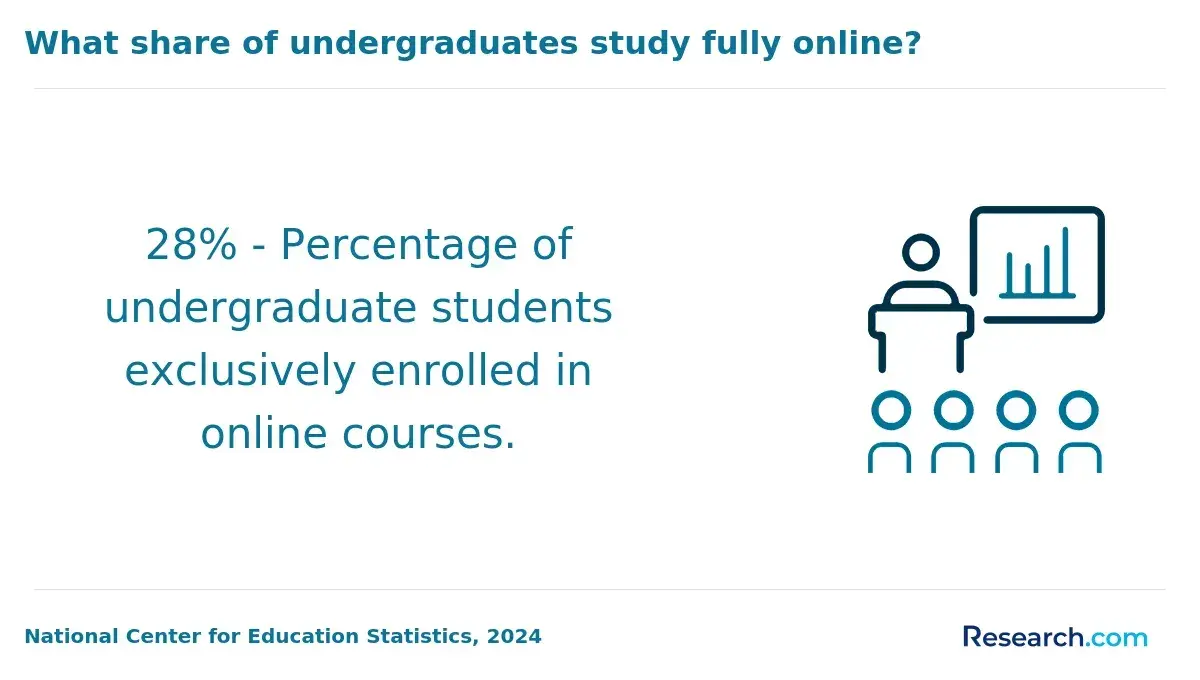
Deciding between full-time and part-time enrollment can greatly influence how quickly a student completes an online global security master's degree. A clear understanding of credit requirements and typical course loads helps students choose the best path for their circumstances. Recent data from the National Center for Education Statistics shows that full-time graduate students tend to complete their programs faster than part-time peers.
Below are key factors to consider:
- Credit Thresholds Define Enrollment Status: Most universities classify full-time graduate students as those taking 9 or more credits per semester, while part-time status usually involves fewer than 9 credits, often around 6. This distinction affects financial aid eligibility and academic progress benchmarks.
- Typical Completion Timelines: For a 36-credit curriculum, full-time students taking 9 credits each term can finish in about four semesters (roughly 16 months). In comparison, part-time students enrolling at 6 credits per term may take around six semesters, equivalent to two years, to meet degree requirements.
- Employment and Scheduling Constraints: Many students balance work and other obligations by opting for part-time study, which can extend graduation timelines. These demands often prevent continuous full-time enrollment, making the extended timeframe more practical despite a slower pace.
- Accelerated and Competency-Based Options: Some programs offer faster completion routes through summer courses or competency assessments. However, availability varies by institution and typically requires approval, allowing motivated students to shorten their academic journey.
- Influence of Transfer Credits and Start Dates: Transfer credits can reduce the number of required courses, while flexible start dates allow students to begin their studies without delay. Both factors can contribute to a quicker path to graduation but differ widely between schools.
Transfer credits can significantly shorten the time required to complete an online Global Security master's degree, depending on institutional policies and accreditation standards. Many accredited programs allow students to transfer a limited number of graduate-level credits from regionally accredited institutions, often reducing the total coursework needed. In fact, nearly 40% of applicants to related security and policy programs use transfer credits to accelerate degree completion, highlighting their value in expedited credentialing.
Below are key points clarifying transfer credit limits, evaluation procedures, and eligibility criteria for those considering whether transfer credits reduce time to complete an online global security master's degree:
- Maximum Transferable Credits: Most graduate programs permit between 6 and 12 transferable semester credits, typically up to one-third of the total credit requirements. For example, some schools allow up to 9 transfer credits toward a 30-credit master's degree, effectively shortening the timeline for graduation.
- Evaluation Processes: Institutions generally require official transcripts along with detailed course descriptions or syllabi to assess equivalency with core or elective global security courses. Admissions committees verify that transferred coursework aligns with curriculum standards and learning outcomes to maintain academic rigor and program integrity.
- Eligibility Criteria: Transfer credit acceptance often depends on a minimum grade threshold, commonly a B or higher, and recent course completion, usually within five to seven years. These criteria ensure that knowledge remains current and relevant to evolving global security challenges.
- Variation Across Programs: Policies differ widely among institutions, so prospective students should consult each program's official graduate handbook or transfer credit guidelines before applying. Flexibility in transfer policies contributes to expedited degree paths but requires careful verification.
- Financial and Enrollment Factors: Along with transfer credits, enrollment intensity and start-date flexibility also impact completion speed. Students exploring accelerated pathways might consider programs focused on competency-based formats and flexible scheduling.
Career changers, recent graduates, and international applicants aiming for a fast completion timeline can benefit from understanding these transfer policies. Exploring options for an affordable master degree online program further supports accessing quality education with reduced financial burden.
Candidates seeking admission to online global security master's degree programs often explore options beyond just professional experience to accelerate their studies. Prior learning assessments (PLA) or portfolio evaluations offer alternative avenues for students to earn credit by demonstrating relevant competencies. The following summarizes key policies and distinctions related to these options that impact completion timelines.
- Availability of Prior Learning Assessments: Many institutions permit PLA or portfolio reviews as a way to recognize prior work experience impact on online global security master's degree completion time. These assessments typically require documentation and evidence to verify skills gained through employment, military service, or independent study.
- Limitations in Traditional Programs: Most traditional master's programs do not automatically award credit solely for professional experience. Instead, they require formal assessments such as exams or competency-based evaluations that align with institutional standards to ensure academic rigor and learning outcome mastery.
- Competency-Based Education vs. Experiential Credit: Competency-based education (CBE) allows students to advance by proving mastery of skills irrespective of classroom hours, differing from experiential credit models which focus primarily on documented past learning. While CBE can accelerate global security graduate programs for experienced professionals, it remains uncommon in many traditional curricula.
- Institutional Policy and Accreditation: Official academic catalogs emphasize that credit for prior learning must be thoroughly documented and evaluated according to accreditation standards. Students should review institutional PLA policies carefully, as these impact eligibility and how transfer credits contribute to overall requirements.
- Flexible Pathways and Completion Rates: Using PLA, portfolio evaluations, or competency assessments may reduce time to degree completion, especially when combined with options such as credit transfer and enrollment intensity. For those researching the best online colleges, understanding these factors helps in planning a realistic graduation timeline.
Prospective students are encouraged to consult official sources and institutional policies to navigate how relevant professional experience accelerates global security graduate programs while maintaining academic standards. For further exploration, see the best online colleges offering such flexible credit recognition options.
Competency-based education models offer significant advantages for students pursuing an online global security master's degree by providing flexibility and the option to progress at an individualized pace. These formats cater especially well to professionals who need to balance studies with work or personal commitments. The following points highlight key features and institutional offerings related to competency-based programs.
- Accredited providers: Institutions such as Western Governors University and Southern New Hampshire University deliver competency-based master's degrees in fields aligned with global security. Accreditation from agencies like NWCCU and NECHE ensures these programs meet rigorous academic standards and qualify for federal financial aid.
- Self-directed pacing: Students move through coursework by demonstrating mastery of competencies, allowing faster completion if they quickly acquire required skills. Conversely, learners who need more time can extend their study period without the constraints of a traditional semester timeline.
- Differences from term-based programs: Unlike conventional degree tracks based on credit hours and fixed enrollment periods, competency-based models emphasize demonstrated learning outcomes. This can decrease overall time to degree by enabling students to bypass repetitive material when prior knowledge exists.
- Transparency through official documentation: Detailed academic catalogs from these universities clearly outline program structure, pacing options, and credit expectations. This information provides prospective students with verified guidance on what to expect during their studies.
In online global security master's programs, choosing a thesis track often lengthens the time to graduation due to the depth of research involved. This can add one or two extra semesters compared to non-thesis options, which tend to require less extensive projects or exams.
- Thesis credit requirements: Graduate catalogs usually allocate between 6 and 9 credits for the thesis, reflecting substantial tasks such as literature reviews, data gathering, and formal academic writing.
- Non-thesis alternatives: These programs replace the thesis with a capstone project or comprehensive exam, generally involving 3 to 6 credits and a shorter time commitment, while still demanding synthesis of course knowledge.
- Internship and practicum hours: Some programs include practical experience components requiring between 100 and 300 clock hours. These experiences can extend total completion time depending on scheduling and program flexibility.
- Impact on timeline: Research and experiential requirements increase the academic workload, potentially prolonging the program. Students opting for accelerated or competency-based formats may offset this additional time by progressing at a faster pace.
Utilizing summer terms can notably shorten the time needed to complete an online global security master's degree by allowing year-round course enrollment. Many accredited programs offer summer or intersession classes, which help eliminate breaks between standard semesters and accelerate progress.
- Continuous Enrollment: Taking courses during summer sessions enables students to maintain momentum, often reducing an 18- to 24-month program by several months when combined with fall and spring semester loads.
- Course Availability: Verified academic calendars confirm that accredited programs typically provide summer or short-term courses, facilitating uninterrupted enrollment throughout the year.
- Tuition Costs: Since many institutions charge tuition per credit hour, summer courses may increase overall expenses unless offset by financial aid or employer sponsorship.
- Financial Aid Considerations: Year-round enrollment can affect eligibility for certain aid programs, requiring students to consult financial offices to understand potential impacts.
What Graduates Say About Graduating From an Online Global Security Master's Degree
- Joshua: "The most challenging part of my online global security master's degree was managing the credit requirements efficiently. I found that diving deep into the official academic catalogs helped me understand exactly what courses I needed to prioritize. The accelerated pathways offered by the program allowed me to finish faster than I initially expected, which was a huge relief."
- Hugh: "Reflecting on my journey, I relied heavily on accrediting agencies and federal education resources to ensure my master's degree in global security would be recognized and valued. Navigating the credit requirements felt less overwhelming once I had a clear roadmap provided by these official sources. I also appreciated how the program's flexible structure accommodated my full-time work schedule."
- Vanessa: "When I searched for an online global security master's program, I prioritized finding the fastest and most efficient pathway to graduation. The program's accelerated options were ideal for me, offering a way to complete the degree without unnecessary delays. Also, consulting the academic catalogs and federal resources gave me confidence that I was meeting every requirement properly and maintaining academic integrity."
Other Things You Should Know About Global Security Degrees
Yes. Many universities allow up to 6 to 12 transfer credits in a 30- to 36-credit global security master’s program, which can reduce completion time by one term or more. Approval usually requires graduate-level coursework, a minimum 3.0 GPA, and official transcripts for review.
Online global security master's degrees often offer more flexible pacing, which can speed up completion compared to traditional on-campus programs. Some online programs provide accelerated courses or year-round enrollment options, enabling students to finish in as little as 12 to 18 months. However, the actual time depends on program structure, credit requirements, and student availability.
For working professionals, a realistic timeline is typically between two and three years to complete an online global security master's degree. Most programs expect part-time enrollment with 6 to 9 credits per semester. Balancing work, study, and personal responsibilities often means a slower pace compared to full-time students but still allows steady progress toward graduation.
- Cybersecurity Master's Degree https://www.sans.edu/cyber-security-programs/masters-degree/
- University of Glasgow - Postgraduate study - Taught degree programmes A‑Z https://www.gla.ac.uk/postgraduate/taught/globalsecurity/
- Global Security MA, PG Dip, PG Cert (online) - Fees | King's College London https://www.kcl.ac.uk/study/postgraduate-taught/courses/global-security-ma-pg-dip-pg-cert/fees
- MA in Global Security and Strategy https://www.brussels-school.be/education/ma-global-security-and-strategy
- Global Security Studies M.S. https://www.angelo.edu/academics/programs/global-security-studies-ms/
- Home - IMSISS https://www.securityintelligence-erasmusmundus.eu/
- Security Studies MSc https://www.ucl.ac.uk/prospective-students/graduate/taught-degrees/security-studies-msc
- Online Master’s Degree: Cybersecurity Management & Policy https://www.umgc.edu/online-degrees/masters/cybersecurity-management-policy
- International Security StudiesMA https://www.londonmet.ac.uk/courses/postgraduate/international-security-studies---ma/
- Master of Global Security and Strategy | SUSS https://www.suss.edu.sg/programmes/detail/master-of-global-security-and-strategy