2027 MPH vs MS in Social Policy for Community Health Advocacy

Co-Founder and Chief Data Scientist
Community health advocacy can mean organizing residents around a local health concern, improving access to services, or analyzing the policies behind unequal outcomes. An MPH and an MS in Social Policy can both support that work, but they prepare students for different parts of it. If you work in a nonprofit, public agency, or community organization - or hope to move into one - this comparison will help you judge which curriculum, field experience, and financial commitment fit the responsibilities you actually want.
Key Things You Should Know
- Choose an MPH when your target work centers on population health, community partnerships, program implementation, and evaluation; choose an MS in Social Policy when it centers on policy design, social programs, and research.
- Neither degree makes someone a licensed clinician or automatically qualifies them for an advocacy job. Employers also assess community relationships, policy or data skills, and relevant experience.
- Compare the complete cost and required fieldwork - not the degree label alone. Confirm whether an MPH is covered by CEPH accreditation and whether either program can support a project with the communities you intend to serve.
What is the difference between an MPH and an MS in Social Policy for community health advocacy?
An MPH is a professional public health degree focused on improving health at the population level. An MS in Social Policy generally examines how policies and social programs are designed, financed, implemented, and evaluated. "Social Policy" is not a standardized degree title: schools may use it for programs with substantially different methods, policy areas, and research expectations.
The distinction matters because advocacy has both a health-practice side and a policy-systems side. The table shows which preparation is more likely to be central to each degree; it does not replace a review of a particular school's courses.
| Decision factor | MPH | MS in Social Policy |
| Primary lens | Population health, prevention, and health equity | Social programs, institutions, and policy effects |
| Typical advocacy contribution | Translate community health evidence into programs and partnerships | Analyze policy options, implementation, and distributional effects |
| Common applied work | Public health practice experience and integrative project | Policy analysis, research project, thesis, or internship, depending on the program |
| Main limitation to check | Policy-analysis depth may depend on electives or a concentration | Public health methods and community fieldwork may not be required |
For example, an advocate helping a neighborhood organization evaluate an outreach program may use MPH training directly. Someone estimating how housing-benefit rules affect access to care may find a policy-intensive MS more useful. If neither example fits neatly, comparing specialization fit across public health master's degrees can help identify a closer match.
Which degree better prepares you for community health advocacy careers?
For community-facing health program work, the MPH is usually the more direct choice. Look for supervised opportunities to work with residents, assess needs without speaking for a community, plan interventions, and report results to partners. For legislative analysis or social-program reform, an MS in Social Policy may fit better if it offers substantial policy methods and access to relevant organizations.
Your starting point can reverse that recommendation. A nonprofit professional who already manages trusted community partnerships may gain more from rigorous policy evaluation than from repeating introductory engagement work. A policy analyst who has never planned or evaluated a health intervention may benefit more from an MPH. In either case, ask whether your current organization could host a project, who would supervise it, and whether the school permits work-based placements; employment alone does not satisfy a fieldwork requirement.
A master's degree may be unnecessary for an initial outreach or program-support role. Someone still building experience can compare supervised entry-level work and targeted training with the expense of graduate study; public health bachelor's cost comparisons are relevant if they do not yet hold a bachelor's degree.
What careers can you pursue with an MPH or MS in Social Policy?
Both degrees can support advocacy-related careers, but job descriptions - not degree titles - determine whether you qualify. The examples below distinguish the work involved and the preparation most worth demonstrating.
| Role or function | Typical responsibilities | Especially useful evidence of readiness |
| Community health program coordinator | Coordinate partners, outreach, services, and reporting | Supervised implementation and community-engagement work |
| Health policy analyst | Assess proposals, summarize evidence, and brief decision-makers | Policy writing and quantitative or qualitative analysis |
| Program evaluator | Define measures, examine implementation, and communicate limitations | Evaluation design and ethical data handling |
| Advocacy or coalition staff member | Organize partners, develop materials, and support policy campaigns | Trusted relationships, communication, and knowledge of applicable advocacy rules |
An MPH can be particularly useful in health departments and health-focused nonprofits; an MS in Social Policy may also open work on housing, income support, education, and other policies that shape health. Neither degree substitutes for experience needed to lead a large coalition or research team. For later senior practice or academic ambitions, public health doctorate pathways for advanced study address a different career decision - not a prerequisite for routine community advocacy.
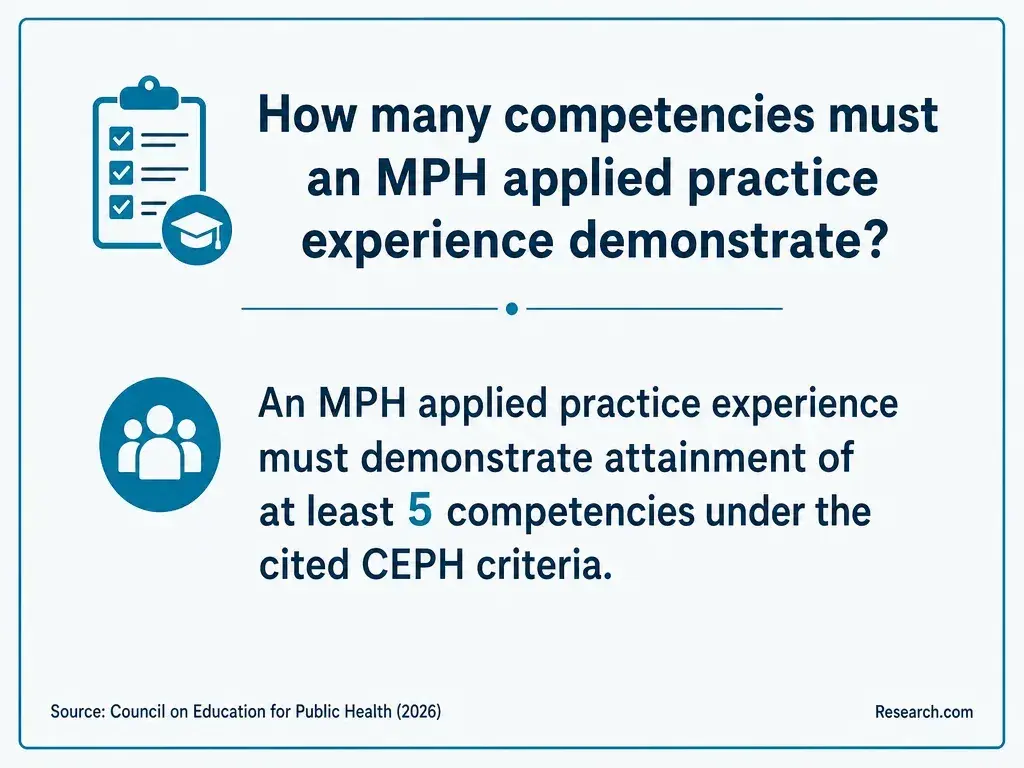
The Council on Education for Public Health, or CEPH, accredits eligible public health schools and programs. Check its current directory for the exact school or program and degree under consideration. A university's institutional accreditation is a separate matter, and an accredited public health unit does not automatically mean every related MS is covered.
CEPH status provides an external check on public health educational standards and can matter for some employers or credential pathways. It does not tell you whether a program has strong local partnerships, a suitable policy curriculum, or an accessible placement. An MS in Social Policy housed outside a public health school should not be dismissed merely because it lacks CEPH accreditation; judge it against its own academic aims and your target work.
Accreditation scope also matters if you later pursue another degree. Do not infer a doctoral program's status from an MPH's status; verify each credential separately before comparing online doctorate admission routes in public health.
Both pathways generally expect a completed bachelor's degree and an application documenting academic preparation and fit. Specific GPA policies, prerequisites, tests, recommendations, and experience expectations vary. An undergraduate major outside public health does not automatically rule out an MPH; likewise, an MS may welcome applicants with community or public-sector experience even if their bachelor's degree was not in policy.
Preparation should match the program's work. Ask an MPH program whether it requires or recommends prior statistics and how it assesses community experience. For an MS with substantial research or economics coursework, check its mathematics and methods expectations before applying. If references are difficult to obtain after time away from school, verify the actual policy rather than assuming they are universal; public health master's programs that omit reference letters illustrate one application feature to compare.
Use the statement of purpose to connect your prior responsibilities to a specific advocacy goal. Describe what you did, what evidence you used, and which skills you still need; a job title or general commitment to equity cannot show all three.
Completion time depends on required credits, full- or part-time enrollment, course sequencing, and any placement or thesis. MPH and MS labels alone cannot establish which will finish sooner or cost less. Request each school's current degree plan and an itemized estimate for your intended enrollment pattern.
Compare tuition alongside mandatory fees, travel, books or software, and income you might forgo during fieldwork. For a working nonprofit professional, an apparently cheaper program can be more expensive overall if its required daytime placement forces a reduction in paid hours. Ask whether an approved project at your employer is possible, but do not budget on that assumption until the program confirms it.
Scholarships and employer assistance can change the comparison, though eligibility, renewal, and payment timing require confirmation. Use online MPH net tuition after scholarships as a framework for comparing what you would actually owe, rather than comparing advertised tuition alone.
Neither format is inherently better. An online program can let an employed advocate study while remaining embedded in a community organization. A campus program may make local placements, in-person collaboration, and faculty access easier. The decisive issue is whether you can complete meaningful, supervised work with the people and institutions relevant to your goals.
Check live-session times, group-work schedules, campus visits, placement geography, and who arranges a field site. "Online" does not mean asynchronous, and remote study does not remove the need for community permission, supervision, or secure handling of project data. If comparing advanced online study later, keep that separate from the master's decision: cost-conscious public health doctoral advancement involves different time and career trade-offs.
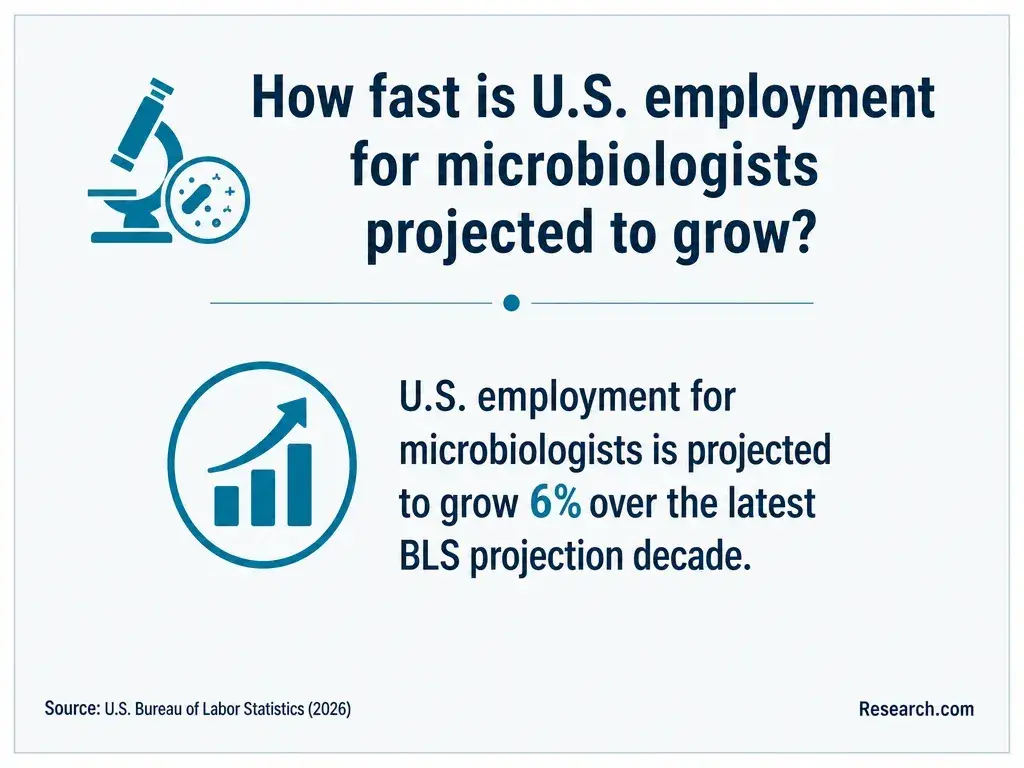
There is no reliable single salary or job-growth figure for "community health advocate": the label spans outreach, health education, policy analysis, and management. For a usable US comparison, match the responsibilities in a vacancy to an occupation in the Bureau of Labor Statistics Occupational Outlook Handbook, such as community health worker or health education specialist, then check its published wage year and projection period.
Those figures describe occupations, not earnings caused by an MPH or MS in Social Policy. Location, employer budgets, experience, and whether a position is primarily outreach or analysis can matter more than the degree name. MPH-related occupations and earnings can provide additional role comparisons, but use actual local postings and public-sector pay scales when assessing whether tuition is worthwhile.
Do community health advocates need licenses or professional certifications?
General community health advocacy is not, by itself, a single licensed profession. Requirements attach to the particular job and jurisdiction: direct clinical care requires the applicable clinical license, while some community health worker positions may specify state training or certification. Neither an MPH nor an MS in Social Policy automatically awards a license.
Optional credentials may be relevant to particular responsibilities. The Certified in Public Health credential and health education credentials such as CHES have their own eligibility and examination rules; check the responsible certifying organization's current requirements rather than assuming any master's degree qualifies. For policy advocacy, experience with coalition work, accurate evidence communication, and an employer's rules for lobbying or grant-funded activities may be more useful than an unrelated certificate.
A research doctorate is also not an advocacy license. If your longer-term goal shifts toward independent epidemiologic research, compare research preparation and funding - including reducing epidemiology doctorate costs through assistance - as a separate decision.
Other Things You Should Know About Public Health
Advocacy can include education, organizing, and communicating evidence; lobbying generally concerns attempts to influence specific legislation. Legal definitions and restrictions vary by activity and funding source, so follow your organization's policies and obtain qualified guidance when needed.
Possibly, if the program approves the site, supervision, learning objectives, and deliverable. Employer permission and school approval are separate; neither automatically grants access to organizational data.
Only after checking permissions, privacy obligations, community expectations, and any required institutional review. A class assignment does not automatically authorize publication of partner information or participant data.
Bring a target job description and a brief account of your experience. Ask the program to identify courses, supervised projects, and alumni work that directly address the gaps between the two.
- Community-based Participatory Research (CBPR) - PMC - NIH https://pmc.ncbi.nlm.nih.gov/articles/PMC6054913/
- 10 Essential Public Health Services | cdc.gov https://www.cdc.gov/infrastructure/public-health-systems-emerging-practices/10-essential-public-health-services.html
- Community Engaged Internship | noaa.gov https://seagrant.noaa.gov/communities/students/community-engaged-internship/
- Health Policy Analysis Specialization | Robert F. Wagner Graduate School of Public Service https://wagner.nyu.edu/education/degrees/mpa-health-policy-management/health-policy-analysis
- Community Engagement - Emory Prevention Research Center https://sph.emory.edu/eprc/community-engagement
- Differences Between MPH and MS Degrees | Yale School of Public Health https://ysph.yale.edu/school-of-public-health/graduate-programs/mph-degree-and-ms-degree/
- Where MPH Graduates Work: Careers Across Sectors | tufts.edu https://medicine.tufts.edu/news-events/news/where-mph-graduates-work-careers-across-sectors
- Public Health Research Methods Certificate | Columbia University Mailman School of Public Health https://www.publichealth.columbia.edu/academics/degrees/master-public-health/certificates/public-health-research-methods
- Community-Engaged Research | washington.edu https://epi.washington.edu/community-engaged-research/
- General Community Outreach & Services - Field Study https://fieldstudy.soceco.uci.edu/pages/traditional-field-study-catalog-general-community-outreach-services