2027 Most Popular Concentrations in Web Design Degrees

Co-Founder and Chief Data Scientist
Choosing the right concentration in web design is increasingly important as the industry demands more specialized skills. For example, job postings for UX/UI designers have grown by over 20% in recent years, reflecting a shift toward user-centered digital experiences. Students must pick a focus that matches evolving market needs and personal career ambitions to stay competitive.
This article explores the most popular concentrations within web design degrees, such as front-end development, UX design, and digital branding. It aims to provide clear insights helping prospective students and professionals identify which path aligns best with their goals and the current job market trends.
Key Benefits of Popular Concentrations in Web Design Degrees
- Specialized concentrations increase job placement rates by equipping students with targeted skills like UX/UI design, which 75% of employers prioritize for web design roles.
- Focused training enhances technical proficiency in tools such as Adobe XD and Figma, accelerating career advancement and versatility in project workflows.
- Concentrations align education with industry demand trends, ensuring graduates meet evolving standards like mobile responsiveness and accessibility compliance, critical in 2024.
What are the most popular web design concentrations in 2027?
Interest in specialized web design concentrations is growing as the workforce demands professionals with targeted skills to address evolving digital challenges. Students increasingly select study paths that align closely with industry trends and emerging technologies.
Top web design concentrations today include:
- User Experience (UX) Design: This concentration focuses on optimizing the interaction between users and digital platforms. Its demand is driven by businesses seeking to improve customer satisfaction and retention.
- Front-End Development: Emphasizing visual and interactive elements of websites, this area is critical due to the proliferation of mobile and responsive design needs, influencing enrollment patterns noticeably.
- Motion and Animation Design: With motion graphics becoming a standard in engaging websites, programs offering this specialization see growth, reflecting employer interest in dynamic content.
- 3D Web Design: The integration of 3D elements into web interfaces is gaining traction, driven by virtual and augmented reality applications, making this concentration increasingly popular among students.
- AI-Driven Design: The use of artificial intelligence to customize and optimize user experiences is a cutting-edge field, aligning well with technology trends and attracting students interested in innovative web design methods.
While these concentrations reflect industry demand, precise enrollment statistics and detailed degree concentration offerings vary by institution. Reliable data sources such as the National Center for Education Statistics or Bureau of Labor Statistics provide better insight into enrollment and labor market outcomes.
For those interested in accelerated programs that align with these trends, exploring best paying 6 month certificate programs can offer a practical pathway into the field with a focus on high-demand skills.
What skills are required for the top web design concentrations?
Skill development is essential for success in specialized web design study paths, as evolving industry expectations demand a combination of creative and technical expertise. Students must build competencies aligned with current workforce needs to excel in various concentrations and adapt to rapidly changing technology.
- UX UI design skills for web designers: Mastering wireframing, prototyping, and usability testing helps create intuitive and engaging interfaces that satisfy both user experience and business goals. These skills are critical for those pursuing user-centered design careers.
- Responsive design and JavaScript frameworks: Proficiency in CSS Grid, Flexbox, Bootstrap, and JavaScript frameworks ensures websites perform well across devices, reflecting the dominance of mobile traffic in global web usage.
- Coding fundamentals: A strong grasp of HTML, CSS, and JavaScript forms the foundation of web design, supporting collaboration through version control systems like Git and API integrations.
- Visual design principles: Understanding typography, color theory, and layout enhances site aesthetics and accessibility, directly impacting user engagement and brand perception.
- SEO and performance optimization: Balancing appealing design with fast load times and strong search rankings is increasingly vital, making designers with these skills highly sought-after by employers.
Students interested in these in-demand skills often explore options at top open admission colleges to find flexible programs that build comprehensive web design competencies.
Do different web design concentrations have different admission requirements?
Admission requirements for web design degrees do indeed vary significantly based on concentration. Programs with specialized tracks that demand advanced technical skills or professional experience typically implement stricter criteria than those with more general focuses.
These differences align with the varying levels of complexity and prerequisite skills needed for each concentration, reflecting how program standards adjust to ensure student readiness. This distinction is important when comparing web design program admission requirements by concentration, as it highlights the tailored expectations set by institutions for different career pathways within the field.
Common disparities between associate vs bachelor web design admission standards include the minimum GPA requirements, prerequisite coursework, and submission of portfolios that demonstrate design capability. For example, associate programs often accept students with only a high school diploma or GED and have open enrollment policies, whereas bachelor programs may require a minimum GPA of 2.0 to 2.5 and standardized test scores.
Graduate concentrations tend to be more selective, sometimes waiving standardized tests like the GRE. Programs use these criteria to screen applicants effectively, ensuring candidates possess foundational knowledge necessary for success and program completion. For insights on career potential linked to advanced education, students can explore what master degrees make the most money.
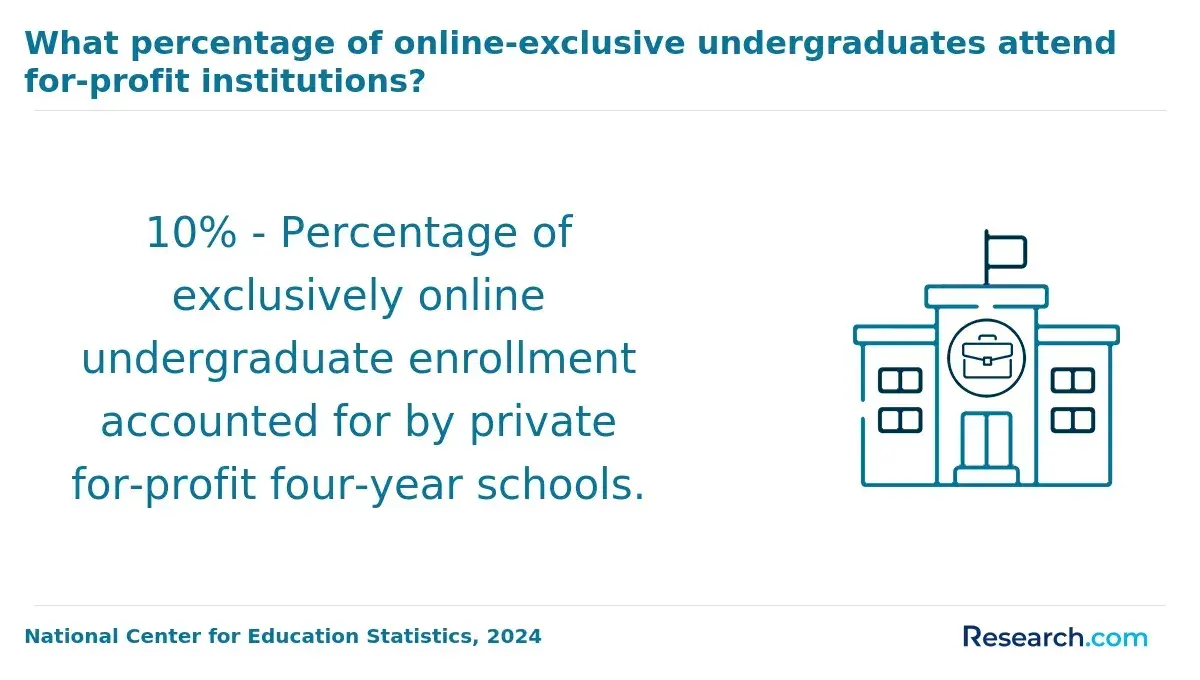
Breakdown of Private Fully Online For-profit Schools (In Percentage)

Accreditation helps verify the quality and rigor of specialized web design programs, influencing your access to advanced education, certifications, and career opportunities. Knowing when accreditation matters ensures you choose programs aligned with your professional goals.
- Degree program standards: Regional accreditation ensures a recognized curriculum and institutional quality, essential for pursuing higher degrees or jobs requiring formal credentials.
- Certification focus: Many web design concentrations, like UX or Adobe tools, don't mandate accredited programs but benefit from certificates such as Adobe Certified Expert or Nielsen Norman UX Certification valued by employers.
- Employer priorities: Practical portfolios and experience may outweigh accreditation in UX roles, while coding-related positions often prefer candidates from accredited programs showing comprehensive knowledge.
- Curriculum depth: Accredited degrees offer broad educational validation, whereas certificates typically emphasize technical skill development without institutional oversight.
- Industry standards: Specific licensing or professional certifications may require coursework within accredited programs to meet compliance and eligibility criteria.
As more students explore options for web design concentrations, comparing online and on-campus programs becomes essential. The evolving quality of curricula and delivery methods plays a crucial role in guiding their decisions.
- Curriculum Standards: Core content remains consistent across formats, ensuring foundational skills in design principles and coding.
- Accreditation: Recognition by educational authorities is vital, affecting program credibility and employer acceptance.
- Faculty Expertise: Experienced instructors provide comparable mentorship both online and in person, though interaction styles differ.
- Learning Outcomes: Performance data suggests online students often achieve equivalent or better understanding than their campus peers.
- Technology Utilization: Advanced platforms enable interactive lessons, yet hands-on design studio work challenges purely virtual environments.
- Student Support: Services like tutoring and advising are increasingly accessible online, narrowing past gaps.
- Hands-on Training: Hybrid models integrate in-person labs and clinics, bridging the gap found in fully remote programs.
A graduate of a popular concentration in web design recalled navigating a hybrid program balancing online coursework with periodic campus visits. She reflected, "The flexibility of online lectures allowed me to absorb theory at my own pace, but collaborative studio projects felt richer during in-person sessions."
Facing initial uncertainty about mastering practical skills remotely, she found the blended approach effective: "The hands-on critiques and real-time feedback on-site boosted my confidence and creativity." Overall, her experience affirmed that while pure online and on-campus paths each have strengths, combining them enhanced her learning and prepared her for the professional world.
Certain web design concentrations impose greater challenges due to differences in course difficulty, technical skill demands, workload intensity, and how programs are structured. These factors influence the academic rigor and practical experience required, making some paths notably tougher to complete.
- Advanced Coding Requirements: Concentrations emphasizing programming languages like JavaScript, CSS, and HTML demand strong coding proficiency, increasing complexity.
- Comprehensive Project Work: High expectations for portfolio development and real-world projects require extensive time and effort beyond regular coursework.
- Interdisciplinary Knowledge: Some tracks integrate concepts from user experience, graphic design, and marketing, requiring mastery across multiple domains.
- Rapid Technological Updates: Staying current with evolving web standards and tools adds continuous learning pressure throughout the program.
- Team Collaboration Load: Programs stressing group-based assignments demand effective communication and coordination, adding social and organizational challenges.
Different concentrations in web design equip graduates with tailored skills, steering them toward distinct professional roles. Recognizing these connections can help students select a focus that aligns with their career ambitions and industry demands.
- Front-end development: Professionals here design and build interactive user interfaces using HTML, CSS, and JavaScript. They often find roles in tech firms, digital agencies, or e-commerce companies, ensuring websites look and function well across devices.
- Web design: Graduates typically work as web or UX designers, concentrating on visual aesthetics, typography, and user experience rather than backend coding. They frequently operate in freelance capacities, design studios, or corporate marketing teams.
- E-commerce web development: These specialists create and maintain online retail platforms, incorporating secure payment systems and personalized shopping features. Their expertise supports businesses in optimizing site performance and boosting sales.
- CMS development: This area focuses on building custom themes and plugins for platforms like WordPress or Drupal, serving clients from bloggers to government entities. The work combines programming with content management system knowledge.
- Mobile web development: Graduates develop mobile-optimized websites, collaborating closely with app developers to provide unified experiences on smartphones and tablets.
A professional who graduated with a focus on front-end development shared insights on navigating career options. Initially overwhelmed by the variety of tech roles, he found clarity by experimenting with freelance projects and internships. He recalls, "Understanding which part of the user interface I enjoyed building made all the difference."
Emphasizing perseverance, he noted how learning to adapt to fast-evolving tools was challenging yet rewarding. Reflecting on his journey, he encouraged others to embrace hands-on experiences early to better identify the career path best suited to their strengths and interests.
Keeping up with evolving industry trends helps students select web design concentrations that align with employers' needs, boosting career prospects and earning potential. Market demands influence which skills and specializations hold the greatest value in today's competitive digital environment.
- Interactive 3D and Spatial Design: The rise of 3D graphics and immersive interfaces encourages focus on 3D modeling, motion design, and interactive development. Designers with these skills create engaging, dynamic websites that allow users to explore products and data in innovative ways.
- Motion and Animation Design: Emphasizing purposeful, minimal animations enhances user experience by improving engagement without distractions. Concentrations in motion design and micro-interactions are increasing as businesses seek streamlined, sophisticated visual feedback.
- Brutalism and Anti-Design: Bold typography and raw layouts reject polished templates, driving demand for expertise in typography, UX/UI, and brand identity. This approach appeals to companies wanting distinctive, authentic digital presentations.
- Sustainable and Ethical Web Design: Growing environmental awareness prioritizes minimalist, responsible design practices. Students focusing on accessibility, sustainable principles, and ethical UX find opportunities with employers valuing long-term brand reputation and social impact.
Salary prospects for web design professionals vary widely depending on their area of focus. Knowing the average earnings for each specialization helps students aiming to find a path that aligns with both their passions and financial goals.
Average salaries for web designer salaries by specialization and location show clear differences in demand and compensation across roles.
- UX/UI Design: UX designers earn a median total pay of about $109,000 per year, while UI designers average slightly higher at $114,000. These roles are highly sought after because they directly influence user satisfaction and business success, driving strong industry demand.
- Front-End Development: Combining design skills with coding ability, front-end developers earn around $101,000 annually. Proficiency in HTML, CSS, and JavaScript enhances earning potential, attracting designers who want technical depth.
- Full-Stack Web Development: Full-stack developers managing both front-end and back-end tasks make approximately $94,000 yearly. This versatile role appeals to those interested in comprehensive web solutions and broad project involvement.
- Senior and Leadership Roles: Senior web designers receive an average of $129,000 annually, and lead web designers earn about $119,000. Chief web designers command top salaries around $141,000, reflecting the premium on experience and strategic leadership in web design.
Students choosing a web design concentration should also consider the advantages of attending the best non profit accredited colleges, as these institutions often provide quality education aligned with industry standards and salary expectations.
The growing market for UX UI designer salary United States professionals highlights the importance of specialization when exploring career options in web design.
Selecting the right concentration in a web design program is essential for aligning your education with career goals and personal strengths. Careful consideration of specific factors will help ensure you gain expertise relevant to your desired professional path.
- Career Aspirations and Job Market Demand: Focus on roles that interest you, such as web developer, UX/UI designer, or interactive media specialist. Research how different concentrations correspond to these positions; for example, extended reality offers skills in AR/VR design attracting growing industry demand. Choosing the best web design specialization for your goals means matching skill sets with employment opportunities.
- Technical Skill Development and Learning Style: Evaluate whether you excel more at visual design or backend programming. Some tracks emphasize responsive design and UX/UI principles, while others focus on digital design tools like Adobe Photoshop and Illustrator. Aligning your concentration with your technical strengths helps develop confidence and capability.
- Hands-On Project Experience and Portfolio Building: Consider the types of projects - such as professional websites, digital publications, interactive media, or AR/VR applications - each concentration offers. A portfolio reflecting relevant, impressive work enhances employability in your chosen field.
- Program Requirements and Personal Interests: Review course structure, faculty expertise, and resources available. Select programs that fit your learning preferences and foster passion, ensuring motivation and sustained commitment. Exploring options at a top online school for trade skills can also expand possibilities.
- Web Design Concentration Selection Criteria and Requirements: Understand the criteria programs use to differentiate concentrations and the requirements needed to complete them effectively. This focus assists in selecting a concentration that fits your schedule, academic ability, and career timelines.
What Graduates Say About Their Popular Concentrations in Web Design Degrees
- Nathanael: "Choosing the user experience concentration within my web design degree was truly eye-opening. The hands-on projects and real-world simulations prepared me to enter the job market with confidence. While the average cost of attendance was a consideration, the investment paid off by landing a role that I am passionate about."
- Russell: "Pursuing web design with a focus on front-end development deepened my technical skills far beyond my expectations. Reflecting on the journey, the cost-averaging around $15,000 a year-felt justified given the career boost it provided. Today, I can build sleek, responsive websites that attract clients, proving the value of what I learned. "
- Jose: "My concentration in visual design taught me the subtleties of aesthetic and function that distinguish great websites. The cost of education in this field was moderate, but the personal growth and expanded career opportunities were immense. I now work freelance full-time, knowing that dedication to my craft made all the difference."
Other Things You Should Know About Web Design Degrees
In 2027, UX knowledge remains crucial in web design degrees as it ensures the creation of intuitive and user-friendly websites. Most programs emphasize UX to align with industry demand, ensuring graduates understand user-centered design to enhance internet usability and accessibility.
Many web design degree programs strongly encourage or require internships to provide students with hands-on industry experience. Practical work experiences allow students to apply theoretical knowledge in professional settings, build professional networks, and improve employability. Internship opportunities can vary by program but are highly recommended in most popular web design concentrations.
Most web design concentrations include WCAG 2.2 training, with emphasis on Level AA requirements such as keyboard navigation, color contrast, text alternatives, and form labels. Many programs also map assignments to ADA compliance and Section 508 rules used by public agencies and employers.
- What Degree for Web Design That Sets You Apart - Blue Gift Digital Hub https://bluegiftdigital.com/what-degree-for-web-design/
- Concentration of Web users' online information behaviour https://informationr.net/ir/12-4/paper324.html
- 19 essential web designer skills for 2025 | Webflow Blog https://webflow.com/blog/web-designer-skills
- Why web design matters and how to take advantage (in 2025) https://loopstudio.dev/why-web-design-matters/
- Online vs Traditional Degrees: Similarities and Differences https://www.aiu.edu/blog/online-vs-traditional-degrees/
- The Ultimate Web Designer Career Guide https://www.4cornerresources.com/career-guides/web-designer/
- How To Choose The Best Online Web Design Courses In 2025 https://olympiamarketing.com/how-to-choose-the-best-online-web-design-courses/
- How to Choose the Best Web Development Courses Online https://stemlink.online/blogs/best-web-development-courses-online
- Web Design and Development | Build Modern Websites https://central-college.ca/our-blogs/top-skills-you-learn-in-a-web-design-and-development-program/
- Information Systems Technology, Web Development Concentration | Reynolds Community College https://www.reynolds.edu/programs/program-pages/ist-web-development-csc.html