2027 Web Design Degree Levels Explained: Bachelor's vs Master's vs Doctorate

Co-Founder and Chief Data Scientist
Choosing the right educational path in web design can be challenging for many prospective students. For instance, a recent report reveals that 68% of web design professionals hold a bachelor's degree, highlighting its prominence as an entry point into the industry. However, as the field grows increasingly complex, questions arise about when pursuing a master's or doctorate might offer an edge in career advancement or specialized expertise.
This article examines the distinctions between bachelor's, master's, and doctoral web design degrees to help readers align their educational choices with their professional goals and industry demands.
Key Things to Know About Web Design Degree Levels
- Bachelor's degrees offer foundational web design skills, master's degrees focus on advanced specialization and strategic leadership, while doctorates emphasize research and innovation in the field.
- Bachelor's graduates typically enter roles like junior designers; master's holders move into management or consultancy, and doctorate recipients pursue academic or high-level industry leadership positions.
- Completion times and costs increase with each level: bachelor's programs usually take four years, master's require two additional years, and doctorates extend three to five years, often with higher tuition.
How Are Web Design Degree Levels Structured Academically?
Choosing the right degree level requires understanding how academic structures differ between bachelor's, master's, and doctoral web design programs. These differences influence curriculum depth, research requirements, and skill development, helping students align their education with career goals. Below is a breakdown highlighting key academic aspects across degree levels:
- Bachelor's Curricula: These programs provide a broad foundation in web design degree curriculum differences by level, combining design principles, coding, and user experience basics. Coursework is structured and emphasizes practical projects and introductory capstones to build fundamental skills.
- Master's Programs: Building on undergraduate knowledge, master's studies involve advanced coursework like interactive media and strategic project management. They focus heavily on applied research and foster increased independent study, preparing students for leadership or specialist roles.
- Doctorate Focus: Doctoral degrees demand original research and academic contribution with minimal coursework. Students undertake substantial, independent research projects culminating in dissertations and defenses that can influence future industry practices or academic knowledge.
Prospective students seeking an affordable route to specialization might explore options such as the bcba degree while considering how academic structures impact their learning experience and outcomes.
What Do You Learn in a Bachelor's Degree in Web Design?
A bachelor's degree in web design provides foundational knowledge necessary for entry-level careers or advanced academic pursuits in design and technology fields. It builds a versatile skill set that supports both practical work and further study, combining technical proficiency with creative problem solving. The core skills learned in web design bachelor programs typically include a blend of design principles, programming, and collaboration techniques.
- Core Coursework: Students study fundamental design principles, user experience (UX), front-end programming languages such as HTML, CSS, and JavaScript, and graphic and interface design tools to create visually appealing and functional websites.
- General Education: Alongside technical subjects, general education courses foster critical thinking, communication, and problem-solving skills, which are essential for adaptability and success in diverse work environments.
- Experiential Learning: Practical experiences like projects, internships, and portfolio development allow students to apply theory in real-world settings, enhancing their creativity and technical expertise.
- Skill Development: Students learn responsive and mobile web design, human-computer interaction principles, and project management or collaboration tools, strengthening their ability to work effectively in teams and on varied platforms.
- Career and Graduate Preparation: Graduates are prepared for roles as web developers, UI/UX designers, or digital content creators, and possess the analytical and technical foundation for further study in design and technology fields.
For those exploring further educational paths, it is also helpful to consider programs such as online business degree programs accredited to complement design skills with business acumen, expanding career flexibility.
What Specializations Are Available in a Web Design Master's Degree?
Choosing a specialization within a web design master's program is crucial for tailoring advanced training to specific career goals and industry needs. These focused areas allow students to deepen expertise in precise skill sets, aligning their education with targeted professional roles.
- User Experience (UX) Design: Concentrates on designing user-centered interfaces by integrating usability research, human factors, and cognitive psychology. This prepares graduates for roles such as UX designers and usability analysts focused on enhancing digital interactions.
- Interactive Media: Combines principles of graphic design, animation, and multimedia production. Students develop skills for creating engaging digital content suited for creative and marketing positions.
- Front-End Development: Emphasizes proficiency in coding languages like HTML, CSS, and JavaScript along with responsive design techniques. It equips learners to build dynamic and accessible websites as front-end developers.
- Information Architecture: Focuses on structuring and organizing digital content through taxonomy, navigation systems, and data management strategies. Career opportunities include content strategists and information architects who optimize user navigation.
- Digital Strategy: Merges marketing analytics, project management, and business alignment to steer design initiatives. Graduates typically pursue roles as digital project managers or strategists, guiding creative efforts to meet organizational goals.
By concentrating on these specializations, students connect academic focus with sectors like technology, advertising, or education, improving their readiness for specialized positions upon graduation.
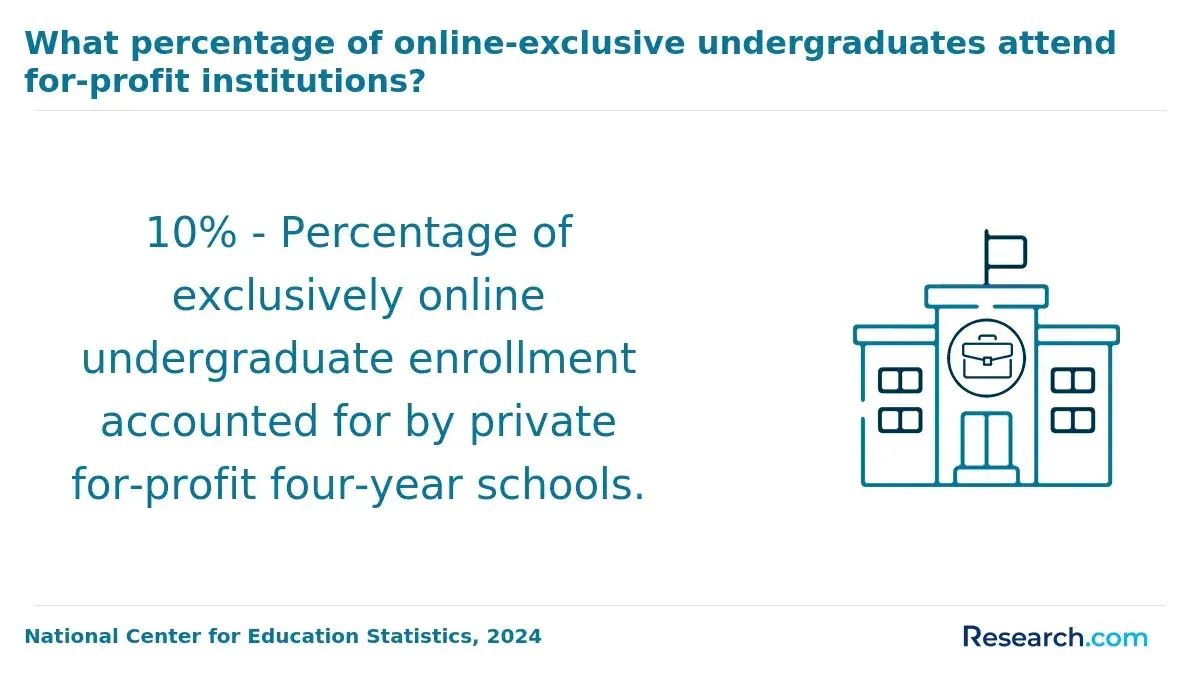
Breakdown of Private Fully Online For-profit Schools

Choosing the right doctoral degree in web design is crucial for aligning academic pursuits with professional goals. Less than 5% of doctoral degrees in design-related fields awarded in the U.S. focus specifically on emerging digital design disciplines such as web design. Below are the main types of doctoral programs available in this arena.
- Professional Doctorates: These degrees prioritize practical application and leadership skills within the web design industry. Curriculum often includes project management and innovative problem-solving, preparing graduates for executive or consultancy roles that demand advanced industry expertise.
- Research-Focused Doctorates: Typically represented by PhDs, these programs emphasize original theoretical research related to web design, human-computer interaction, and digital media. Graduates tend to pursue careers in academia, research institutions, or cutting-edge development teams.
- Interdisciplinary Doctorates: These tracks merge web design with complementary fields such as computer science or communication. They encourage exploration of technology's evolving role in design, allowing students to customize their studies to meet specific professional or scholarly interests.
When I spoke with a graduate of a doctorate web design program, he described the journey as both demanding and transformative. "Navigating the balance between intense research deadlines and creative experimentation was a constant challenge," he recalled. He emphasized how developing patience and persistence were vital, alongside mastering new methodologies to contribute original insights. "It wasn't just about earning a degree; it became a deep personal and professional evolution," he said, highlighting the complex emotions involved in completing such advanced study.
Knowing the admission requirements for bachelor's, master's, and doctoral web design programs aids students in selecting the path that best fits their academic records and career goals. Each degree level demands distinct qualifications that reflect the increasing depth and specialization of study.
Bachelor's
- Educational Background: Applicants generally need a high school diploma or equivalent with a competitive GPA to qualify.
- Standardized Testing: SAT or ACT scores are commonly requested, though many programs have adopted test-optional policies in recent years.
- Prerequisite Coursework: Completing classes in art, computer science, or related areas strengthens applications but is not universally required.
Master's
- Undergraduate Degree: A bachelor's degree in web design or a closely related field is typically mandatory for admission.
- Academic Performance: Graduate programs often evaluate the applicant's undergraduate GPA as an indicator of preparedness.
- Professional Experience: Relevant work history can enhance the application and demonstrate practical skills.
- Supporting Materials: Letters of recommendation and a portfolio highlighting design capabilities are frequently requested.
- Standardized Tests: Some programs may require GRE scores, though requirements vary.
Doctorate
- Master's Degree: Holding a relevant master's degree is essential for doctoral admission consideration.
- Research Potential: Strong academic records, including a high GPA and well-developed research proposals, are critical.
- Recommendations: Multiple letters endorsing scholarly aptitude and professional achievements are expected.
- Experience and Publications: Extensive professional experience and scholarly publications can significantly improve admission prospects.
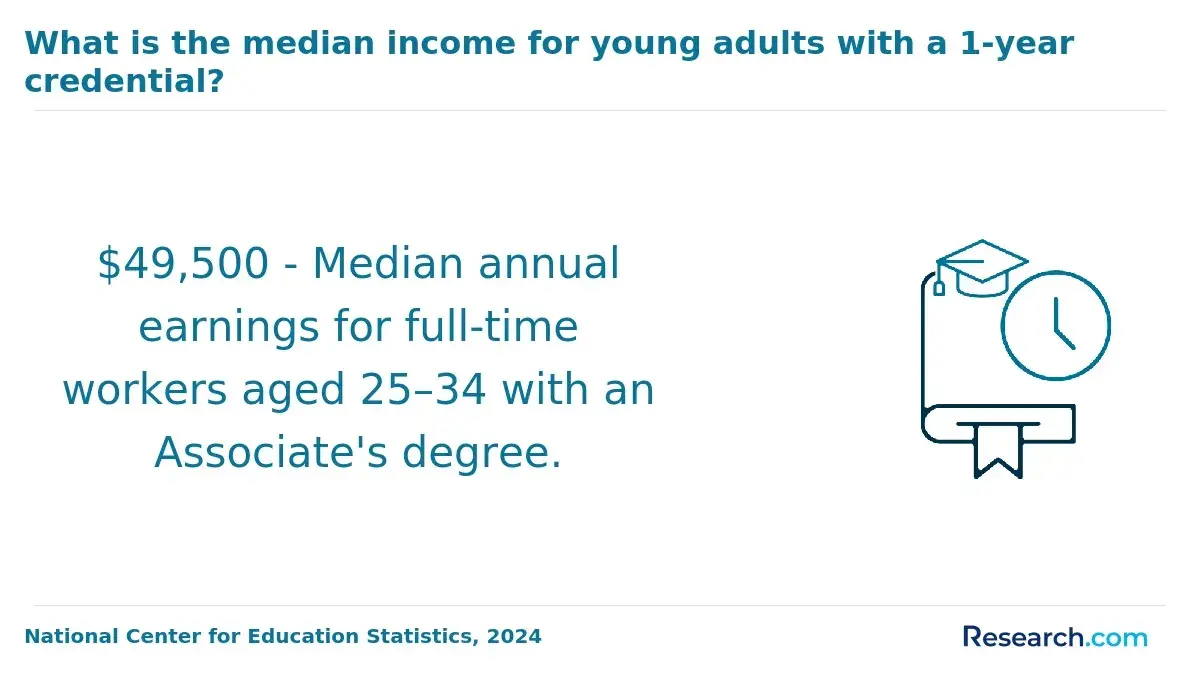
Web design degree programs vary widely in length, with bachelor's degrees typically around four years, master's degrees requiring one to two years beyond that, and doctorate programs spanning three to six years. Knowing these timelines helps students plan their education alongside their career aspirations. For instance, the National Center for Education Statistics reports that the average time to finish a bachelor's degree in the U.S. is approximately 5.1 years, reflecting diverse student paths. Several factors influence how long each program takes, such as:
- Enrollment Type: Full-time study usually shortens program duration, while part-time allows flexibility but extends completion time, especially common in graduate studies.
- Credit Transfer: Applying previously earned academic credits can reduce total study length, benefiting those who switch programs or have prior coursework.
- Program Format: Online, hybrid, or on-campus delivery affects pacing, with some formats offering accelerated tracks or self-paced learning options.
- Prior Experience: Students with relevant professional or academic backgrounds may progress faster through foundational courses, impacting overall time to degree.
- Individual Pace: Personal commitments and learning speed contribute significantly to the variability in program completion times across all degree levels.
When speaking with a graduate of an online master's web design program, she described managing work and family alongside her studies as a constant balancing act. "I appreciated the flexibility to study whenever I could, but it also meant my timeline extended beyond the nominal two years," she explained. The research-focused projects, while demanding, deepened her expertise and confidence in the field. "It took dedication and sometimes pushing through frustrating moments, but finishing on my own terms felt rewarding and aligned perfectly with my professional growth," she shared. Her experience highlights how individual circumstances and program structure jointly shape the duration of earning a web design degree.
Evaluating the total cost at each degree level is essential for prospective students comparing web design programs. These costs vary widely depending on factors such as tuition rates, credit requirements, and enrollment status. Below is a breakdown of key financial considerations for bachelor's, master's, and doctoral web design degrees.
- Bachelor's Tuition and Credits: Bachelor's programs typically charge lower tuition per credit but require more credits, usually between 120 and 135, resulting in a considerable total cost. Mandatory fees for technology, labs, and materials also contribute to the overall expense.
- Master's Degree Costs: Master's degrees often involve fewer credits, generally 30 to 45, but higher per-credit tuition reflecting advanced coursework. Additional fees may apply, and part-time enrollment could extend the program length and increase cumulative costs. Students considering a master's might explore financial aid options similar to those available for mlis programs to manage expenses.
- Doctoral Expense Factors: Doctoral web design program tuition and financial aid options vary, with the highest per-credit costs and possible extra charges related to research or dissertations. Total program length and structure significantly influence cost, and part-time enrollment can add to the financial commitment.
- Enrollment Status: Whether a student enrolls full-time or part-time impacts the duration and total fees incurred. Part-time students gain flexibility but may face higher cumulative fees over a longer period.
Financial aid is vital for students pursuing bachelor's, master's, or doctoral web design degrees to help offset the considerable costs of higher education. Recent data from the National Center for Education Statistics shows that about 85% of full-time undergraduate students received financial aid, with average awards exceeding $14,000 annually. Below are key financial aid options available to support students at all levels.
- Grants: These funds generally do not require repayment and are primarily awarded based on financial need. Grants provide a valuable resource for many students seeking scholarships and grants for web design students without the burden of debt.
- Scholarships: Often merit-based, scholarships reward academic or creative excellence in web design. They can come from various organizations committed to fostering talent and may be renewable for multiple years.
- Federal Loans: Federal student loans offer fixed interest rates and flexible, income-driven repayment plans, making them a common borrowing choice. These loans can help bridge gaps not covered by grants or scholarships.
- Private Loans: These loans are offered by banks or other lenders, usually with higher interest rates and less flexible terms than federal loans, serving as an alternative when other aid sources are insufficient.
- Work-Study Programs: These programs enable students to work part-time on campus while enrolled, providing both income and valuable experience. They are especially beneficial for undergraduates managing both work and study.
- Employer Tuition Assistance: Working professionals pursuing further education in web design can often access tuition assistance from their employers, which may cover partial or full tuition costs.
- Military Education Benefits: Benefits like the GI Bill support service members at all degree levels in web design, offering financial assistance applicable to tuition, fees, and related expenses.
Exploring financial aid options thoroughly is crucial for selecting a program that fits both career ambitions and budget. For those considering the return on investment of different majors, it's useful to review what job makes the most money to understand potential outcomes following graduation.
Career opportunities in web design expand significantly as degree levels increase, offering a broader range of roles and responsibilities. Understanding these options helps students align their education with job opportunities with web design degrees and map a clear path for professional growth.
Bachelor's Degree
- Web Designer: Graduates typically engage in creating visually appealing and user-friendly websites, integrating graphic design and coding skills to build functional online platforms.
- Front-End Developer: This role focuses on implementing website designs using HTML, CSS, and JavaScript, requiring collaboration with designers and back-end developers to enhance user experience.
- Digital Content Creator: Responsible for producing multimedia content such as images, videos, and interactive elements that support website engagement and branding efforts.
Master's Degree
- Senior UX/UI Designer: Specialists at this level refine user interfaces and enhance the overall user experience by applying advanced design principles and user research methodologies.
- Project Manager: These professionals coordinate web design projects, managing timelines, resources, and teams to ensure quality and timely delivery.
- Digital Marketing Strategist: Leveraging expertise in web technology management and marketing analytics, this role develops strategies that increase website traffic and engagement.
Doctorate Degree
- University Professor: Doctoral graduates often teach web design theory and practices, mentoring students while conducting academic research to advance the field.
- Design Researcher: Focused on human-computer interaction and emerging technologies, these experts contribute to innovative design methodologies and tools.
- Chief Innovation Officer: Leading technological innovation in firms, this role involves strategic oversight of design initiatives and fostering interdisciplinary collaboration.
For professionals interested in advancing quickly, exploring 1 year masters programs online can offer efficient pathways to acquire specialized skills and broaden career prospects in this dynamic field.
Salary prospects are a key consideration when deciding between bachelor's, master's, and doctorate degrees in web design, as they influence career potential and financial return. The following points outline typical earnings associated with each level of education.
- Bachelor's Degree: Graduates typically earn between $50,000 and $70,000 annually. These roles often involve entry to mid-level responsibilities such as contributing to design projects and collaborating with development teams.
- Master's Degree: Salaries usually range from $70,000 to $90,000 or more, reflecting greater expertise in user experience, interface design, and project leadership. This qualification often grants access to senior designer roles or managerial positions.
- Doctorate Degree: Although less common, doctorate holders generally command salaries starting above $80,000 and potentially exceeding $100,000. Their careers often include research, academic roles, and high-level consultancy where advanced technical and leadership skills are critical.
What Graduates Say About Their Web Design Degree Level
- Nathanael: "I was excited to pursue a bachelor's degree in web design despite the financial investment, which was about $25,000 on average. The cost felt justified when I saw how quickly I could land a job and start freelancing with confidence. My education not only sharpened my technical skills but also ignited my passion for creating intuitive user experiences. "
- Russell: "Reflecting on my master's degree in web design, the tuition was a significant consideration, roughly $30,000, but it profoundly expanded my strategic abilities and design thinking. This deeper expertise has allowed me to impact companies at a higher level, often leading project teams and shaping brand identities. The program gave me a solid foundation to innovate within the field professionally. "
- Jose: "Completing my doctorate in web design was a rigorous journey, with costs nearing $40,000, but it positioned me uniquely as both a practitioner and researcher. This dual perspective has enhanced my credibility and influence in academic and industry circles. My degree empowered me to contribute to cutting-edge design theories and mentor future professionals. "
Other Things You Should Know About Web Design Degrees
A Bachelor's degree in web design typically requires a capstone project that showcases a comprehensive design portfolio. A Master's degree involves a specialized project or thesis demonstrating advanced design solutions. Doctorate programs demand a dissertation presenting original research contributing to web design theory or methodologies in 2027.
Online degrees in web design can be equivalent to on-campus degrees if they come from accredited institutions. Many reputable colleges offer bachelor's, master's, and even doctorate programs fully online while maintaining academic rigor. However, students should verify accreditation status and program reputation to ensure their degree is respected by employers and qualifies for further education.
Most web design master’s programs require a portfolio of 15 to 20 projects, a résumé, transcripts, and a statement of purpose. Some schools also ask for letters of recommendation and may expect evidence of UI, UX, or front-end coding ability before admission.
- Navigating the Path: Understanding Bachelorâs and Masterâs Degrees - Oreate AI Blog https://www.oreateai.com/blog/navigating-the-path-understanding-bachelors-and-masters-degrees/2b0810096d7e2c38c3f2c561855df35c
- Scholarship Program for Graphic & Web Design Excellence For USA – Canada | International Scholarships Search https://www.internationalscholarships.com/scholarships/3193/Scholarship_Program_for_Graphic_&_Web_Design_Excellence_For_USA_%E2%80%93_Canada
- Best Master's in Web Development Degree Programs of 2025 - Intelligent https://www.intelligent.com/best-masters-in-web-development-degree-programs/
- What is Bachelor's vs. Master's Degree? | University of Phoenix https://www.phoenix.edu/articles/online-college/what-is-a-bachelors-vs-masters-degree.html
- Do bachelor's and master's degrees have to be the same in order to apply for a doctorate? https://academia.stackexchange.com/questions/170994/do-bachelors-and-masters-degrees-have-to-be-the-same-in-order-to-apply-for-a-d
- Web Design and Content Planning, MA https://www.gre.ac.uk/postgraduate-courses/ach/web-design-and-content-planning-ma
- University Web Design Programs: Which One Is Right for You? - Usability Geek https://usabilitygeek.com/university-web-design-programs/
- Top 30 Affordable Bachelor's in Web Design Degrees https://www.collegevaluesonline.com/rankings/affordable-web-design-degree/
- Bachelor’s Degree vs. Master’s Degree | DeVry University https://www.devry.edu/blog/bachelors-vs-masters-degree.html
- Top 5 Cheapest Bachelor's in Web Design Degrees Online - Computer Science Degree Hub https://www.computersciencedegreehub.com/best/cheap-online-bachelors-web-design/