
2027 How to Compare Web Design Degree Programs Effectively

Co-Founder and Chief Data Scientist
Choosing the right web design degree program can be overwhelming when faced with varied curricula, teaching quality, and career support. Many prospective students struggle to identify which program will best prepare them for the evolving digital job market. According to the Bureau of Labor Statistics, employment in web development and digital design is projected to grow 15% through 2032, outpacing average job growth. This article outlines key factors to compare web design programs objectively, helping readers align their educational choice with career goals, financial constraints, and learning preferences to make informed decisions confidently.
Key Benefits of Comparing Web Design Degree Programs Effectively
- Accreditation ensures program credibility and eligibility for federal aid; ANSI and regional accreditations are important for employer recognition in the web design field.
- Evaluate curriculum specifics, including up-to-date software training and specialization in UX/UI or front-end development aligned with industry demands.
- Consider total cost against known employment placement rates and average starting salaries, as return on investment varies widely across programs.
What Types of Accreditation Should a Web Design Degree Program Have?
Accreditation helps prospective students compare the quality, credibility, and long-term value of different web design degree programs by ensuring they meet established educational standards. According to the U.S. Department of Education, graduates from accredited institutions are significantly more likely to be recognized by employers and qualify for federal financial aid.
Here are the key types of accreditation to consider when evaluating programs:
- Regional Accreditation: This covers the entire institution and is viewed as the most respected form of institutional accreditation in the U.S. It guarantees overall academic quality, facilitates credit transfer between colleges, and ensures eligibility for federal financial aid, which is critical for many students.
- Programmatic Accreditation: Focused on specific disciplines, programmatic accreditation assures that the curriculum meets industry standards in areas like web design, digital media, or computer science. This type of accreditation enhances employer trust by demonstrating that the program prepares students for professional demands.
For those weighing options, it's essential to verify both regional and relevant programmatic accreditation to find programs that align with career goals and financial needs. Students interested in shifting careers or pursuing flexible learning paths might also explore related fields or support programs such as MSW programs that emphasize accredited quality and strong outcomes.
What Specializations Are Offered in Web Design Degree Programs?
Available specializations help prospective students compare web design degree programs by focusing on career alignment and academic emphasis. Employment in web development and digital design is projected to grow 15% from 2021 to 2031, reflecting strong demand for professionals with specialized expertise.
Understanding career-focused tracks in web design education can guide students to programs best suited to their goals. Common specializations include:
- User Experience (UX) Design): Focuses on creating intuitive, user-friendly interfaces; builds skills in user research, prototyping, and usability testing; prepares students for roles emphasizing customer interaction and product improvement.
- Front-End Development: Emphasizes coding skills like HTML, CSS, and JavaScript; develops technical competencies to build responsive, interactive websites; aligns with jobs requiring both design sense and programming ability.
- Graphic and Visual Design: Centers on visual storytelling and branding; teaches tools such as Adobe Creative Suite; suits careers in digital marketing and multimedia content creation.
- Content Management and Strategy: Involves managing digital content workflows and SEO techniques; equips students for roles involving online brand management and content optimization.
For those seeking affordability while pursuing such career-focused tracks, exploring online business degree programs can provide insights into cost-effective options that balance quality education with budget considerations.
How Can You Compare Courses Across Web Design Degree Programs?
Comparing courses across web design degree programs is crucial for prospective students to evaluate program rigor, skill development, and career alignment. Research shows that students in programs with well-structured, skill-based curricula have a 20% higher completion rate, highlighting the value of comprehensive course design.
Considering scheduling flexibility in web design programs also ensures better fit with personal commitments. Here are practical strategies to guide your comparison:
- Review Course Content: Analyze course descriptions to determine coverage of essential technical skills like HTML, CSS, UX design, and graphic tools. This ensures that the program aligns with current industry standards and your professional objectives.
- Evaluate Faculty Expertise: Instructors with professional backgrounds provide practical insights and valuable networking opportunities, which enrich the learning experience and career prospects.
- Assess Workload and Scheduling: Examine credit hours and project demands to understand program intensity and how it fits with your available time. Scheduling flexibility in web design programs is especially important for balancing work or personal commitments.
- Check Hands-On Experience: Look for integration of practical projects, real-world assignments, or portfolio development, which enhance skill applicability and job readiness.
- Align With Career Focus: Investigate electives or specialization options that match your desired niche such as front-end development or mobile design, supporting targeted career goals.
Students comparing programs should also explore affordable options and varied delivery methods by searching for online courses for psychology degree, which can sometimes offer transferable insights on program structure and scheduling flexibility.
Flexible scheduling plays a vital role for students balancing education with work, family, or other responsibilities. Choosing a program with suitable timing options can greatly influence your ability to stay on track and complete your studies successfully.
Below are common scheduling formats offered by web design degree programs that cater to diverse needs:
- Fully Online or Hybrid: These options allow remote learning through asynchronous or synchronous classes, providing maximum flexibility for students who need to study on their own time or prefer some live interaction.
- Flexible Start Dates: Programs with multiple enrollment periods throughout the year help students begin when it's most convenient, avoiding delays and making it easier to plan around personal schedules.
- Evening and Weekend Classes: Designed for working professionals, these classes fit outside regular business hours, enabling students to pursue their degree without interrupting their job commitments.
- Part-Time and Full-Time Enrollment: Part-time allows spreading coursework over a longer period to reduce overload, while full-time tracks accelerate progress for those who want to finish faster. Both cater to different learning speeds and life circumstances.
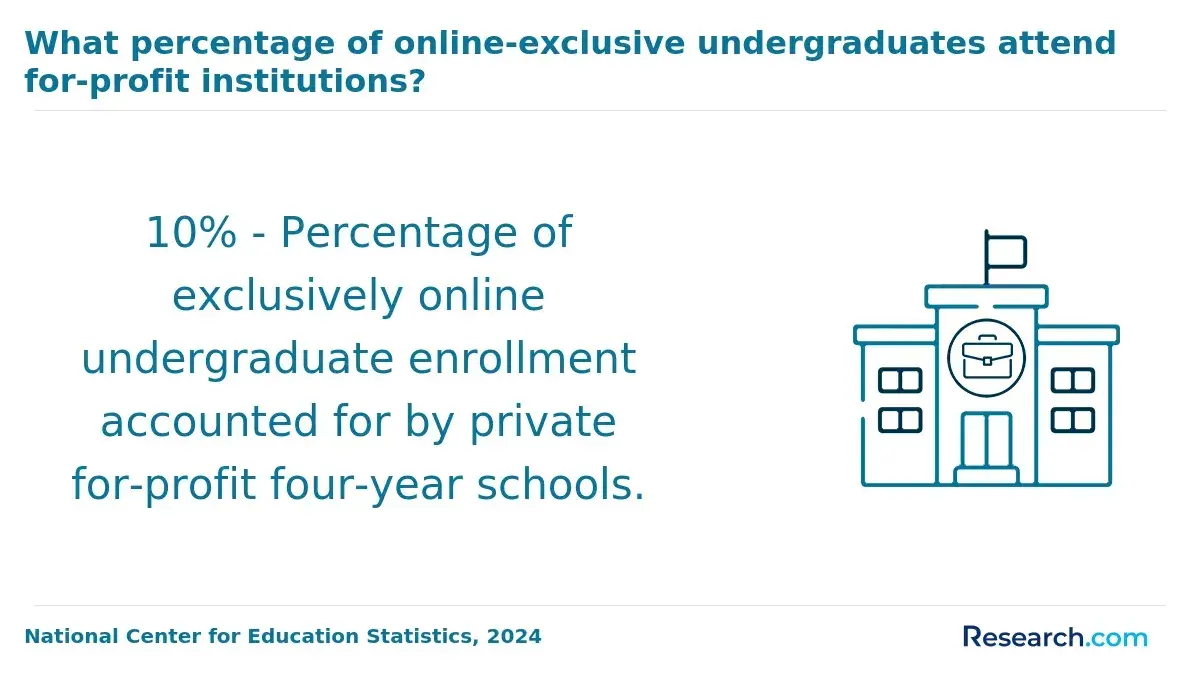
Choosing between online and campus-based web design degree programs significantly affects scheduling, interaction, and career readiness. Recent data reveals that over 40% of U.S. college students have enrolled in at least one online course, demonstrating growing adoption of digital learning.
Below is a detailed comparison of both delivery formats.
Online Web Design Degrees
- Flexible Scheduling: Students can access course content anytime, accommodating work and family commitments without strict deadlines.
- Limited Networking: Reduced face-to-face interaction may hinder relationship building with peers and instructors important for career connections.
- Self-Motivation Required: Success depends heavily on personal discipline, as learners navigate materials independently.
- Cost Efficiency: Often less expensive due to savings on housing and commuting, making it accessible to more students.
Campus-Based Web Design Degrees
- Interactive Environment: Direct communication with faculty and classmates fosters collaboration and immediate feedback.
- Structured Routine: Fixed class times and locations help maintain consistency and accountability in learning.
- Networking Opportunities: On-campus events and internships enhance professional connections valuable for job placement.
- Additional Expenses: Commuting, housing, and sometimes higher tuition may increase overall cost and reduce flexibility.
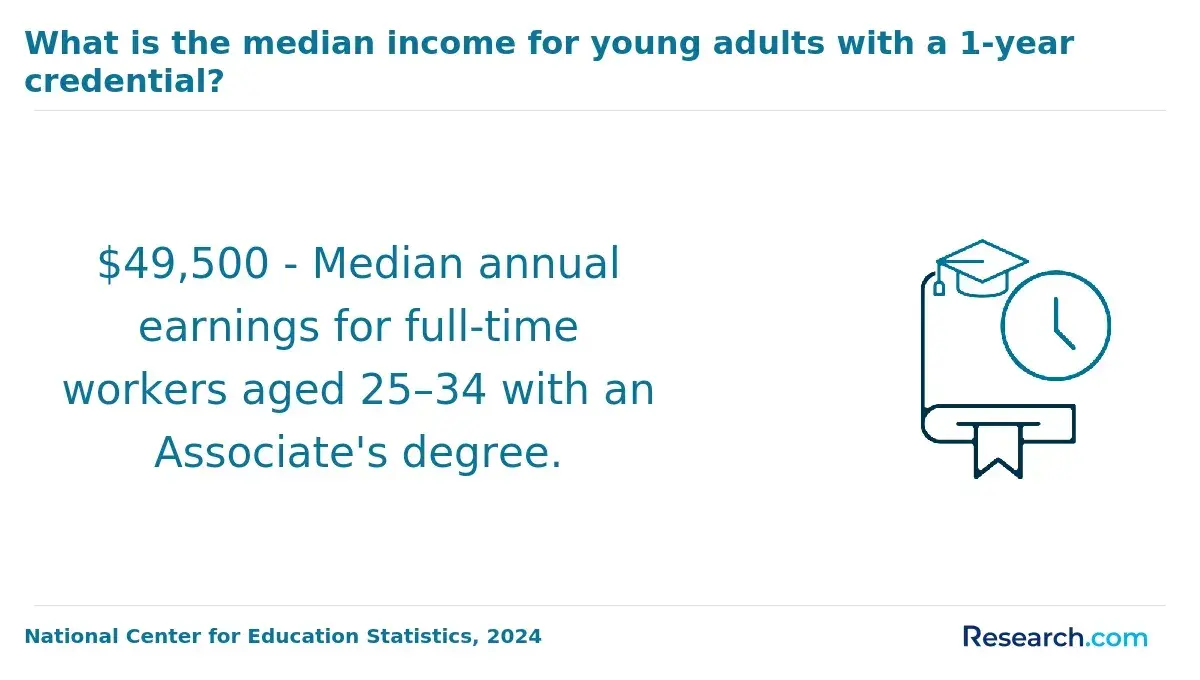
GPA requirements represent a crucial criterion when comparing web design degree programs, as they often indicate the academic rigor and selectivity of admissions. These requirements can be quite diverse, so it's helpful to consider several key aspects when evaluating programs:
- Variability Across Programs: Some web design programs enforce strict minimum GPA standards, commonly around a 3.0 on a 4.0 scale, to ensure applicants demonstrate consistent academic achievement. Others apply more lenient or flexible GPA thresholds, reflecting different institutional priorities.
- Admissions Flexibility: Certain programs allow conditional admission or place less emphasis on GPA, especially when applicants strengthen their profile with other qualifications like portfolios or relevant work experience.
- Holistic Evaluation: An increasing number of programs weigh GPA alongside creative potential, recommendations, and practical skills to form a more balanced admissions decision.
- Program Level Differences: GPA policies may vary depending on whether the program is a certificate, associate, or bachelor's degree in web design, with some levels requiring more rigorous academic expectations than others.
Grasping this range in GPA requirements helps prospective students identify programs that best match their academic backgrounds and professional goals, enabling a more informed choice among web design degree options.
Comparing tuition is essential for prospective students seeking a Web Design degree to manage education costs while avoiding excessive debt. In 2023-2024, the average published tuition and fees at in-state public four-year colleges reached approximately $10,940, highlighting the need to carefully assess expenses before committing.
Here are key factors to consider when comparing programs:
- Total Program Cost: Evaluate the full expense beyond tuition, including mandatory fees and any additional charges such as technology or lab fees that some programs require, which can significantly affect the overall price.
- Cost Per Credit: Comparing tuition on a per-credit basis helps identify programs that offer more flexibility or affordability, especially for students planning part-time enrollment or transferring credits from other institutions.
- Fees: Be mindful of hidden or variable fees not included in advertised tuition rates, such as registration, materials, or lab usage fees, to avoid unexpected costs during your studies.
- Financial Aid: Access to scholarships, grants, and employer tuition assistance can greatly reduce out-of-pocket expenses; understanding what aid options are available is crucial in evaluating each program's affordability.
- Employer Tuition Benefits: Many students offset costs through employer-sponsored programs, which vary widely; researching if your current or future employer offers tuition assistance can impact your selection.
- Long-Term Value: Consider how potential salary outcomes and career services support from the program balance against upfront costs to ensure your investment aligns with your professional goals.
Aligning a web design degree with licensure requirements is vital for students entering regulated professions or seeking significant career shifts. Nearly 20% of U.S. jobs require government-issued licenses or certifications, making it crucial to evaluate how degree programs support these credentials.
Consider the following key factors when comparing programs:
- Accreditation Status: Many licensing boards mandate degrees from accredited institutions, so verify that the program holds recognized accreditation to ensure eligibility for professional credentials.
- Supervised Experience: Some fields require practical training or internships as part of licensure prerequisites. Assess whether the curriculum includes these components to fulfill hands-on experience criteria.
- State-Specific Compliance: Licensure rules differ by state and can impact qualification for exams and certifications. Check that the program's curriculum aligns with the regulatory requirements in your intended location.
- Exam Preparation: Effective programs cover foundational knowledge areas tested in licensing exams, enhancing readiness and increasing the likelihood of passing these assessments.
While web design itself usually does not require licensure, related careers may demand strict adherence to certification standards. Students aiming for multidisciplinary roles or transitions into regulated sectors should carefully compare how well each degree supports these requirements to streamline their professional advancement.
Career placement rates provide a clear measure of how effectively a web design degree program prepares students for employment, reflecting the alignment of training with industry needs. Recent data shows that some top web design programs boast graduate employment rates exceeding 85% within six months of graduation.
To better understand these rates, prospective students should consider several key factors including:
- Employer Partnerships: Strong collaborations with employers often result in direct job opportunities and valuable internships. These relationships signal a program's connection with the job market and can enhance graduate placement outcomes.
- Internship Pipelines: Access to internships offers practical experience and networking advantages. Students who complete internships usually have higher chances of receiving job offers upon graduation, indicating a program's efficacy.
- Alumni Outcomes: Tracking the career paths of former students can reveal long-term success and the true impact of the program's training. Programs with consistently positive alumni results tend to have stronger reputations in the industry.
- Support Services: Comprehensive career support such as counseling, resume workshops, and job placement assistance plays a vital role in helping graduates secure relevant jobs. These services boost confidence and preparedness throughout the job search process.
Students seeking the best career placement rates for web design degree programs should also evaluate program accreditations and verified graduate surveys to confirm reported outcomes. Those exploring affordable options can consider institutions on the list of the cheapest online bachelor's degree programs, which sometimes include web design pathways with favorable employment rates.
Thorough research helps identify top web design programs with high graduate employment that align with individual goals, experience, and budgets.
Post-graduation salary outcomes serve as a critical comparison metric for prospective students evaluating web design degree programs because they reflect the practical return on educational investment. On average, graduates earn between $45,000 and $80,000 annually, indicating a substantial range influenced by various factors.
Below are key elements affecting salary differences among graduates.
- Role Variation: Entry-level positions, such as junior web designer, typically offer salaries at the lower end of the spectrum while specialized roles like UX/UI design command higher wages. Experienced professionals with three to five years in web development may earn upwards of $75,000 annually.
- Industry Impact: Graduates working in technology or digital marketing sectors generally receive higher compensation compared to those employed in education or non-profit organizations, reflecting industry demand and budget differences.
- Geographic Location: Salary levels vary significantly by region, with metropolitan areas like San Francisco, New York, and Seattle offering premium pay due to their strong tech hubs and competitive markets. However, higher wages often coincide with increased living costs in these cities.
- Experience Level: As graduates gain professional experience, their earning potential rises substantially, making experience a key factor in salary growth over time.
Understanding average starting salaries for web design degree holders by region can further guide students in selecting programs aligned with their financial and career aspirations. For those considering educational pathways, exploring options like an associate degree in related fields may also impact long-term earnings and job prospects.
What Graduates Say About Comparing Web Design Degree Programs Effectively
- Wynn: "Before enrolling in a web design degree program, I was torn between self-study and more traditional computer science degrees, but the affordability of the program really stood out to me, especially since the average cost was about half that of comparable programs. Completing the degree not only enhanced my technical skills but also boosted my confidence to land a role at a top marketing agency. I couldn't be happier with how this choice shaped my career. "
- Merek: "I spent a lot of time weighing the pros and cons of different paths, especially considering how steep some tech programs can be. The reasonable tuition of the web design degree program was a decisive factor, making it a practical investment without the burden of excessive debt. Since graduating, I've noticed a significant growth in my opportunities and professional recognition. "
- Fallon: "Looking back, cost was a critical factor that influenced my decision to pursue a web design degree instead of a more traditional four-year route, as the average attendance fees were considerably lower. Finishing the program gave me a solid foundation to pivot into freelance work successfully and expand my client base rapidly. It truly transformed my professional trajectory. "
Other Things You Should Know About Web Design Degrees
Internships are crucial in web design degree programs as they provide hands-on experience and exposure to real-world projects. They enhance your practical skills, build your portfolio, and often lead to job opportunities. When comparing programs in 2027, prioritize those offering robust internship opportunities.
Web design programs often require access to specific software like Adobe Creative Suite, coding platforms, and design tools. Some programs provide access to these tools, while others expect students to supply their own. Understanding these requirements upfront can help avoid unexpected costs and ensure you are prepared to meet coursework demands.
A strong web design degree should require a portfolio with at least 4 to 8 completed projects, including responsive websites, UX case studies, and collaborative work. Compare programs by checking whether the portfolio is reviewed in a capstone course, internship, or senior studio before graduation.
- Best Online Web Design Classes: Reviews, Ratings, and Comparison | CourseHorse https://coursehorse.com/blog/best-online-web-design-classes-reviews-ratings-and-comparison
- What Is the Average Web Designer’s Salary in 2025? https://elementor.com/blog/what-is-the-average-web-designers-salary/
- Online Vs On-Campus - What Are The Pros and Cons? https://notgoingtouni.co.uk/blogs/online-vs-on-campus-what-are-the-pros-and-cons-322
- Comparison of Web Design Training Formats https://www.nobledesktop.com/learn/web-design/training-format-comparison
- Web Design & Development Degree | Online Associate Degree (AOS) https://www.sessions.edu/online-degrees/web-design/
- Top 5 Cheapest Bachelor's in Web Design Degrees Online - Computer Science Degree Hub https://www.computersciencedegreehub.com/best/cheap-online-bachelors-web-design/
- The web designer salary (and career) guide https://slickplan.com/blog/web-design-salary-guide
- Online Web Design & Development Degree | Champlain College https://online.champlain.edu/degrees-certificates/bachelors-web-design-development
- 2025 Most Affordable Online Colleges for Web Design Degrees https://www.onlineu.com/most-affordable-colleges/web-design-degrees
- The best 8 web design & web development courses 2025 https://xd-i.com/en/digital-design-en/web-designing-course-en/webdesign-courses/


