2027 Return on Investment (ROI) of a Web Design Degree Program

Co-Founder and Chief Data Scientist
Many prospective students hesitate to invest in a web design degree without clear evidence of career benefits. The U. S. Bureau of Labor Statistics projects a 13% growth rate for web developers and digital designers through 2031, signaling strong demand. However, uncertainties about salary potential and job stability persist. Understanding the return on investment (ROI) is crucial for making informed decisions amid rising education costs. This article examines the financial and professional outcomes associated with web design degrees, helping readers assess whether pursuing this path aligns with their career goals and economic expectations.
Key Things to Know About Web Design Degree ROI
- Graduates with a web design degree can expect a median starting salary around $50,000, with potential growth to over $85,000 after five years in the field.
- Web design skills offer flexibility across industries such as marketing, technology, and e-commerce, increasing job stability amid shifting economic trends.
- Advanced knowledge in web design boosts career advancement opportunities, often leading to roles in project management, UX strategy, or senior developer positions.
How Is ROI Calculated for a Web Design Degree Program?
Return on investment (ROI) in higher education quantifies the financial gains a student can expect after completing a degree compared to the costs and time invested. This metric helps prospective students determine if pursuing a web design degree is economically viable by weighing expenses against potential earnings and career growth.
Several key factors contribute to calculating ROI for a web design degree program, including:
- Tuition and fees: This includes direct costs such as tuition, textbooks, and required materials. Lower expenses generally improve ROI but should be balanced against the program's quality and outcomes.
- Opportunity cost: Time spent studying often means lost income from working, which is an important consideration when calculating total investment in the degree.
- Time to completion: Shorter programs reduce the duration of both direct costs and opportunity costs, allowing earlier entry into the workforce and potentially boosting ROI.
- Post-graduation salary outcomes: Graduates' starting salaries and long-term earning potential in web design careers impact the financial returns of the degree. Higher salaries increase ROI over time.
- Career advancement potential: The likelihood of promotions and wage growth due to holding a degree strengthens the long-term ROI through cumulative earnings.
Students can compare these factors to assess the web design degree program return on investment effectively. For those exploring broader options in business-related fields, programs like the cheapest online MBA programs may also offer competitive financial returns.
How Much Does a Web Design Degree Program Cost?
Evaluating the total cost of a web design degree is vital for determining its true return on investment, especially as graduate tuition rates in the U.S. continue to rise by over 3% yearly, contributing to average student debts near $37,000. This rising financial burden makes it important to account for all expenses beyond just tuition.
Several key factors influence the overall cost and potential ROI of a web design program:
- Tuition and fees: These include payments for courses, lab access, and administrative services essential to completing the program.
- Books and materials: Expenses often cover software licenses, textbooks, and digital design tools required for coursework and projects.
- Living or relocation expenses: Housing, transportation, and daily living costs add up, especially if the program requires moving away from home.
- Opportunity cost: The income foregone by dedicating time to study rather than working full-time can significantly impact overall financial outcomes.
- Hidden or indirect costs: Additional fees such as certification exams, printing, and internet upgrades may arise during or after the program.
A graduate of a web design degree shared how challenging balancing work and study was. He recalled, "Paying for software on my own and finding affordable housing were constant struggles." Despite the hurdles, he emphasized the value of hands-on projects but cautioned that understanding the full financial and time commitment upfront is crucial for anyone considering this path.
What Financial Aid Is Available for Web Design Degree Programs?
Financial aid reduces the initial expenses of pursuing a web design degree, which can significantly enhance a student's long-term return on investment by lowering borrowed amounts and out-of-pocket payments. Recent data shows that about 85% of college students benefit from some form of financial aid, underscoring its vital role in education financing.
Below are common types of financial aid that can impact the cost-effectiveness of a web design program:
- Scholarships: These awards, often merit-based or targeted to specific groups, require no repayment and directly decrease the overall cost of the program, helping students avoid future debt.
- Grants: Typically need-based, grants provide financial assistance that offsets tuition fees, reducing the necessity for loans and improving the financial ROI of the degree.
- Fellowships: More common at the graduate level, fellowships may include stipends or other financial support that ease living expenses and limit loan dependency.
- Employer Tuition Assistance: Some employers offer tuition reimbursement programs that cover part or all of educational expenses, accelerating debt repayment and increasing cost savings.
- Federal Loans: Though loans increase total debt, federal options generally offer lower interest rates and flexible repayment terms, making education funding more manageable when other aid is insufficient.
The time it takes to complete a web design degree significantly influences its return on investment (ROI) by affecting opportunity costs, total expenses, and how quickly graduates can start earning. Faster completion means less income lost during study and earlier entry into the workforce, while longer programs may increase costs and delay earnings.
Key factors impacting duration and ROI include:
- Enrollment status: Full-time study generally leads to quicker graduation but limits flexibility. Part-time students often balance work or family commitments, which can extend the timeline and affect when they begin earning.
- Program format: Online and accelerated programs can shorten completion time by offering flexible pacing and condensed coursework, potentially improving financial outcomes.
- Transfer credits: Prior education or relevant experience may reduce required courses, cutting years off the degree and lowering costs, resulting in increased ROI.
- Practical requirements: Internships or thesis projects might lengthen study but add valuable skills and experience, which can enhance employability and future salary.
- Scheduling options: Evening, weekend, or self-paced classes provide working adults the chance to progress steadily, though often at a slower rate that affects overall time and cost.
When I spoke with a recent web design graduate about her experience, she reflected on how balancing a part-time schedule with a full-time job required patience and discipline. She shared, "Managing coursework around work meant the degree took longer than I expected, but it allowed me to keep earning. It was challenging at times, especially when deadlines overlapped with busy project periods at my job." Despite the extended timeline, she valued the practical portfolio she developed through a required internship, saying it "opened doors to better job offers afterward." Her journey illustrates how flexible pacing and practical experience can shape not just how long it takes to earn the degree, but also the real-world benefits that influence long-term financial and career returns.
Delivery format can significantly influence the return on investment (ROI) of web design degree programs, affecting cost, flexibility, and career outcomes. In fact, about 37% of U.S. undergraduate students took at least one distance education course in 2019, reflecting rising acceptance of online learning options. Evaluating the ROI for online versus on-campus formats helps prospective students gauge which path aligns best with their financial and professional goals.
Key factors to consider when comparing online and on-campus programs include:
- Tuition and fees: Online programs generally have lower tuition and fees due to reduced overhead costs, making them more affordable upfront and minimizing student debt.
- Opportunity cost: The flexibility of online study often allows students to continue working while completing their degree, reducing lost wages compared to the full-time commitment required on campus.
- Time to completion: Many online programs offer flexible pacing, which can enable faster graduation for motivated students.
- Networking and career services: On-campus programs often provide richer face-to-face networking and access to career support, which can influence job placement success after graduation.
- Employer perception and long-term earnings: While some employers traditionally favored on-campus degrees, this perception is evolving as online programs gain accreditation and credibility, influencing long-term earning potential.
For students interested in specialized fields, exploring resources such as CACREP accredited online masters counseling programs can also provide insight into affordable and reputable online degree options. When assessing the web design program return on investment online and campus, it's crucial to weigh these financial, timing, and career factors carefully to maximize educational value.
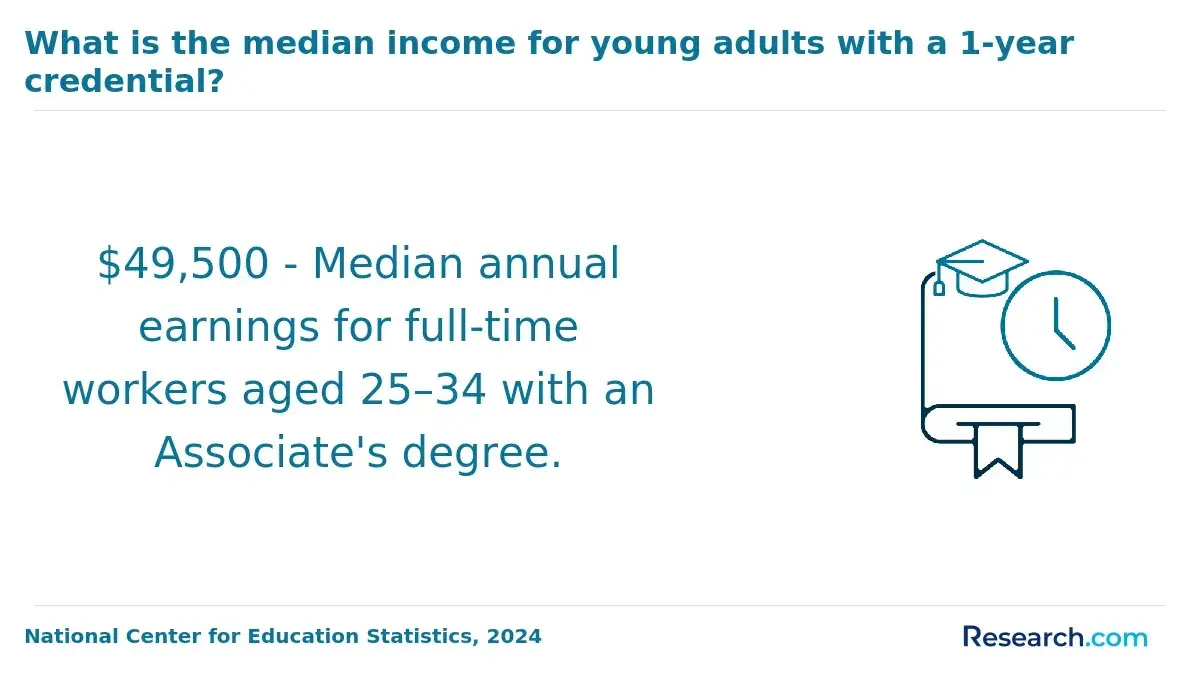
Post-graduation salary is a crucial factor in determining the return on investment (ROI) for students pursuing a web design degree, as it directly impacts how quickly educational costs can be recovered. The average salary for web design graduates in the U.S. generally ranges from $45,000 to $75,000 annually, with entry-level roles closer to the lower end and experienced professionals or specialists earning higher pay.
Several factors influence these salary expectations and thus affect the overall ROI of a web design degree:
- Industry: Technology and advertising sectors often provide higher salaries compared to nonprofit or education fields, influencing the earning potential for graduates.
- Geographic location: Salaries tend to be higher in urban centers and tech hubs due to increased market demand and cost of living.
- Prior experience: Graduates who have completed internships or relevant work experience typically secure better-paying positions more quickly.
- Specialization: Skills in areas like user experience (UX), front-end development, or mobile design can command premium salaries.
- Career level: With time, advancement into senior or managerial roles considerably boosts earning potential, enhancing long-term ROI.
For those exploring advanced education paths that might complement a web design degree, consider an online masters degree psychology, which can open diverse career opportunities and potentially impact salary outcomes.
Promotions contribute significantly to the return on investment (ROI) of a web design degree by offering salary increases, expanded responsibilities, and greater career mobility. These benefits enhance long-term earnings and overall job satisfaction, making career advancement with a web design degree a critical consideration for many professionals. A notable workforce trend is the increasing emphasis on credential-based promotion, where formal education is often required alongside experience for leadership roles.
Several key factors illustrate how a web design degree may influence promotional opportunities and ROI:
- Credential requirements: Many supervisory and management roles now mandate formal education, and holding a web design degree helps meet these essential criteria, positioning graduates ahead in competitive promotion processes.
- Leadership preparation: The degree provides foundational knowledge in project management and strategic thinking, which are critical for higher-level responsibilities beyond technical tasks.
- Tuition support eligibility: Graduates may qualify for employer tuition reimbursement programs, effectively reducing the cost of education and enhancing its financial value.
- Promotion frameworks: Organizations often prioritize internal advancement for employees with formal degrees, aligning with evolving corporate policies that reward educational achievements.
- Experience synergy: While hands-on experience remains vital, combining it with academic credentials improves candidates' profiles and confidence, making them stronger contenders for advancement after web design graduation.
Employers frequently consider a degree as evidence of specialized skills and dedication, thereby strengthening the case for promotion. Additionally, individuals interested in integrating leadership studies into their career may explore advanced options such as an online doctorate in organizational leadership, which can further enhance promotional prospects and professional growth.
Return on investment (ROI) for web design graduates varies significantly across industries due to differences in salary levels, career advancement opportunities, and demand for specialized skills. Industries that prioritize technical expertise and provide clear growth trajectories typically offer stronger financial returns over time. The best career opportunities in web design often arise within sectors investing heavily in digital innovation and user experience.
Industries offering some of the highest paying industries for web design graduates include:
- Technology and Software Development: This industry values a blend of web design and user experience skills, offering competitive compensation and frequent promotions that enhance long-term ROI.
- Financial Services: Designers in this sector benefit from high salary growth and job stability, as financial firms demand secure and intuitive web interfaces.
- Healthcare and Pharmaceuticals: Growing digital patient engagement and information platforms increase demand for skilled web designers, providing steady career growth.
- Marketing and Advertising: Agencies and corporate teams focus on innovative digital designs to attract customers, resulting in dynamic career paths and strong skills utilization.
- E-Commerce and Retail: Expansion of online sales channels drives sustained demand for web design professionals, with varied roles and reliable income potential.
Choosing a sector that emphasizes digital growth and high compensation helps maximize ROI by leveraging web design skills in environments with advancing salary scales and promotion avenues. For prospective students and professionals exploring web design education, understanding what certifications can I get online may enhance their competitiveness in these fields.
In the context of web design degree programs, accreditation is a thorough evaluation carried out by recognized organizations to verify the quality of education and institutional standards. This process plays a significant role in return on investment (ROI) because degrees from accredited programs tend to be more valued by employers, increasing graduates' employment prospects and potential earnings.
As the job market increasingly favors candidates with credentials from accredited programs, holding such a degree can enhance credibility and open doors within the digital design field. Additionally, accreditation may be linked to eligibility for certain licensure requirements, depending on the career path pursued.
Accreditation impacts long-term ROI by fostering employer confidence in the degree's validity and by enabling access to federal financial aid and scholarships that reduce the initial expense of obtaining the credential. Credits earned through accredited programs generally transfer more smoothly to other institutions, supporting continued education without unnecessary repetition or cost.
For students aiming at licensed professions or evolving roles in tech-driven industries, accreditation can be a prerequisite. Overall, accreditation enhances career flexibility, allowing graduates to advance or shift roles more easily in response to industry changes.
The return on investment for a web design degree depends largely on factors such as tuition costs, program length, and expected earnings after graduation. Programs can cost anywhere from a few thousand dollars for short certificate courses to tens of thousands for full degrees, with completion times ranging from months to several years.
Graduates typically start with salaries between $40,000 and $60,000 annually, and employment in web design-related fields is expected to grow faster than the average for all occupations. This trend suggests solid potential for salary growth and career progression over time, contributing positively to the overall financial benefits of obtaining the degree.
Whether pursuing a web design degree is worthwhile varies based on individual circumstances and industry factors. Programs offered online or with flexible schedules may reduce time and cost burdens, while scholarships and aid can further improve ROI.
In growing digital markets, a formal degree can enhance job opportunities and credibility, but those with prior experience or strong portfolios might find alternative paths equally effective. Careful evaluation of local job demand, personal goals, and the availability of financial support is essential to make an informed decision on the value of investing in a web design education.
What Graduates Say About The ROI of Their Web Design Degree
- Milo: "Choosing a web design degree felt like a strategic investment; despite the average cost of around $40,000, I saw the long-term ROI through the doors it opened in the tech industry. The hands-on projects and networking opportunities were invaluable, making every dollar worth it. Today, I'm leading creative teams confidently, all thanks to that solid foundation."
- Lesley: "I was initially hesitant about the cost of a web design degree, especially since prices can vary between $15,000 to $35,000 for online programs. However, balancing work and study online gave me flexibility and still delivered quality education that boosted my freelance career. The convenience and affordable tuition made it a truly worthwhile path."
- Jo: "As a part-time student juggling family and work, the moderate cost of roughly $25,000 for my web design degree was a big decision. Reflecting now, the blend of theory and practical skills elevated my professional profile and salary prospects substantially. This degree was a meaningful step forward, justifying the investment with steady career growth."
Other Things You Should Know About Web Design Degrees
A web design degree program develops both technical and creative skills, including proficiency in HTML, CSS, JavaScript, user experience (UX) design, and graphic design software. These skills enhance employability and enable graduates to take on more complex projects, which can lead to higher-paying roles and better ROI over time.
A strong portfolio can raise ROI by improving job placement and starting salaries after graduation. Many web design employers expect 4 to 6 completed projects, including responsive layouts, UI mockups, and live or coded samples. Programs that require portfolio reviews before graduation often improve employability.
Strong and growing demand for web designers tends to improve the ROI of a degree in this field by increasing employment opportunities and salary potential. As businesses prioritize online presence, the need for skilled web designers remains high, which supports positive returns on educational investment.
- Career In Web Design in 2025: Skills, Strategies, and opportunities https://elementor.com/blog/career-in-web-design/
- A Guide to Understanding Website ROI https://www.miolo.io/blog/a-guide-to-understanding-website-roi
- The ROI Of Professional Web Design https://www.roninand.co/design/roi-of-professional-website-design
- 6 Industries that Need Web Design the Most https://web.dev.co/blog/industries-that-need-web-design
- Analyzing the return on investment for online education https://www.insidehighered.com/news/tech-innovation/teaching-learning/2022/11/27/analyzing-return-investment-online-education
- The ROI of Accredited Learning for Business Advisors https://project-equity.org/news/employee-ownership-insider/roi-accredited-learning-business-advisors/
- The ROI of Investing in Professional Web Design and Development https://www.pgsuae.com/blogs/the-roi-of-investing-in-professional-web-design-and-development/
- Web Design & Development Degree | Online Associate Degree (AOS) https://www.sessions.edu/online-degrees/web-design/
- Web Design https://online.champlain.edu/degrees-certificates/undergraduate-certificate-web-design
- Is Web Design a Good Career? (2025 Guide) | BrainStation® https://brainstation.io/career-guides/is-web-designer-a-good-career