2027 Most Affordable Online Bachelor's Degrees for Long-Term Value

Co-Founder and Chief Data Scientist
Choosing an affordable online bachelor's degree is not just about finding the lowest tuition; it is about avoiding debt while earning a credential that employers value. College Board's 2024 data shows average published tuition and fees at public four-year colleges reached $11,610 for in-state students, making cost control a major part of degree planning. This guide is for working adults, transfer students, first-time undergraduates, and career changers who want a practical way to compare low-cost programs, understand return on investment, and choose a major that supports stable long-term earnings.
Key Things You Should Know
- True affordability includes tuition, fees, books, technology costs, transfer-credit acceptance, financial aid, and time to graduation-not just the advertised per-credit rate.
- BLS May 2024 wage data shows the median annual wage for all U.S. occupations was $49,500, so degree value should be judged against realistic career paths, not broad promises.
- The strongest low-cost online bachelor's options usually combine recognized accreditation, generous transfer policies, career-aligned curricula, and transparent outcomes data.
Top 10 Most Affordable Online Bachelor's Degrees for Long-Term Value
Business Degrees
Online business bachelor's degrees are often affordable because they scale well online and accept many transfer credits. They fit students aiming for roles in operations, sales, human resources, accounting support, or management training. The long-term value depends on concentration: accounting, finance, analytics, and supply chain tracks usually offer clearer job alignment than a broad general business degree. Look for regional or institutional accreditation and, when possible, programmatic accreditation such as AACSB, ACBSP, or IACBE. BLS May 2024 data places accountants and auditors at a median annual wage of $81,680, making accounting-focused pathways especially worth comparing.
Healthcare Degrees
Healthcare administration, health sciences, public health, and health information management degrees can offer strong value for students who want healthcare careers without direct patient-care licensure. These programs fit organized students who like compliance, operations, data, and service delivery. Costs vary because some programs require practicums, background checks, or specialized software. The best affordable options clearly state whether they prepare students for certifications such as RHIA or healthcare management credentials. Avoid assuming every healthcare bachelor's leads to clinical roles; nursing, imaging, therapy, and many allied health careers have separate licensure or clinical requirements.
Information Technology Degrees
Information technology degrees are practical for students who want applied computing roles such as systems support, network administration, cloud operations, database support, or IT project coordination. They can be more accessible than theory-heavy computer science programs because they focus on tools, infrastructure, and troubleshooting. Affordable IT programs offer the best value when they include labs, cloud platforms, cybersecurity basics, and preparation for industry certifications. BLS May 2024 data reports a median annual wage of $105,990 for computer occupations overall, but entry-level pay varies widely by location, portfolio, experience, and certifications.
Computer Science Degrees
Computer science can deliver high long-term value, but it is not the easiest low-cost path. Students should expect programming, algorithms, databases, software engineering, and math. It fits learners who enjoy problem-solving and independent technical practice. Affordable programs are strongest when they include projects, version control, portfolio development, and employer-relevant languages. BLS May 2024 data lists software developers at a median annual wage of $133,080, but that figure should be used as a market benchmark rather than a starting-salary expectation. Students without prior coding experience should compare tutoring and academic support carefully.
Cybersecurity Degrees
Cybersecurity bachelor's degrees can be valuable, especially when paired with hands-on labs, networking foundations, and certifications. They fit students interested in risk, systems defense, incident response, compliance, and security operations. The most affordable program is not always the best if it lacks virtual labs or experienced faculty. BLS May 2024 data places information security analysts at a median annual wage of $124,910, reflecting strong demand for security skills. However, many entry-level cybersecurity jobs still expect IT fundamentals, so beginners may need help desk, networking, or systems experience before moving into analyst roles.
Psychology Degrees
An online psychology bachelor's degree is affordable at many public institutions and fits students interested in human behavior, research, social services, human resources, or graduate study. Its long-term value depends heavily on the next step. A bachelor's alone may qualify graduates for entry-level case management, behavioral support, market research assistance, or HR roles, but licensed counseling, school psychology, and clinical practice require graduate education and state licensure. Students should choose programs with statistics, research methods, internship options, and clear advising if they plan to apply to master's or doctoral programs later.
Nursing Degrees
Affordable online nursing bachelor's degrees are usually RN-to-BSN programs for licensed registered nurses, not pre-licensure programs for beginners. They fit working RNs who want advancement, leadership roles, public health exposure, or preparation for graduate nursing. BLS May 2024 data reports a median annual wage of $93,600 for registered nurses, but pay depends on state, facility, shifts, specialization, and experience. Before enrolling, confirm state authorization, clinical or practicum requirements, CCNE or ACEN accreditation, and whether your associate degree credits transfer. Non-nurses should verify whether a program actually leads to RN licensure.
Education Degrees
Education degrees can be affordable and mission-driven, but licensure rules make program selection especially important. Students seeking teacher certification must confirm that the online program meets requirements in the state where they plan to teach. Some online education bachelor's degrees are non-licensure programs designed for childcare, training, or education support roles. BLS May 2024 data lists elementary school teachers, excluding special education, at a median annual wage of $62,340. Long-term value improves when programs include supervised field experiences, exam preparation, and transparent placement support for student teaching.
Criminal Justice Degrees
Criminal justice degrees are often offered online at relatively low tuition and may fit students pursuing law enforcement, corrections, probation support, victim advocacy, compliance, or public safety administration. Value depends on the target role. Some law enforcement jobs require academy training more than a specific major, while federal, investigative, and administrative paths may prefer bachelor's-level education. Students should compare internship access, writing and research training, ethics coursework, and local agency partnerships. Avoid enrolling solely because the topic is interesting; first confirm whether your desired agency has age, fitness, background, citizenship, or academy requirements.
Engineering Degrees
Fully online engineering bachelor's degrees are less common than online business or IT degrees because labs, design work, and accreditation requirements are harder to deliver remotely. When available, they can be valuable for disciplined students with strong math preparation. ABET accreditation matters for many engineering paths, especially where professional licensure may be relevant. Some students may find better affordability through engineering technology, industrial technology, or transfer pathways that start at a community college. Compare lab delivery, campus visit requirements, equipment costs, and whether the program supports the specific engineering discipline you want.
How do you compare true affordability and long-term value in online bachelor's programs?
To compare true affordability and long-term value, start with the total cost to finish and the career outcome you are buying access to. A school with a higher per-credit tuition can be cheaper in practice if it accepts more transfer credits, offers flat-rate tuition, or lets you finish faster. Researching cheap online colleges is useful, but the smartest comparison goes beyond list price.
The table below summarizes the main factors that determine whether a low-cost online bachelor's degree is genuinely affordable over the full enrollment period.
| Factor | Why it matters | What to compare |
| Net price | Shows estimated cost after grants and scholarships, which is more useful than sticker tuition. | Use each school's net price calculator and financial aid estimate. |
| Transfer credit | Accepted credits can reduce both tuition and time in school. | Ask for a written transfer evaluation before enrolling. |
| Fees | Online programs may add technology, assessment, graduation, clinical, or proctoring fees. | Request a full cost sheet by term. |
| Completion time | Longer enrollment can increase living, opportunity, and financing costs. | Compare full-time, part-time, accelerated, and competency-based timelines. |
| Career alignment | A low-cost degree has weaker value if it does not connect to realistic roles. | Match courses, internships, projects, and credentials to job postings. |
A practical affordability test is simple: estimate your remaining credits, multiply by the actual tuition and fees, subtract confirmed aid, then compare the result with realistic entry-level and mid-career roles in your field. Do not use top-end salaries as your main ROI assumption.
What accreditation and quality signals matter most for low-cost online bachelor's degrees?
Accreditation is the baseline quality signal for any affordable online bachelor's degree. In the U.S., students should first confirm that the institution is accredited by an agency recognized by the U.S. Department of Education or the Council for Higher Education Accreditation; without that, federal aid eligibility, graduate school admission, licensure, and employer acceptance may be limited.
Programmatic accreditation matters when a field has professional standards, licensure expectations, or specialized employer screening. This is especially important in nursing, engineering, education, business, social work, health information management, and some computing fields.
Use the following checklist when reviewing quality signals, because low tuition is only helpful if the credential is recognized and the program can support completion.
- Confirm institutional accreditation directly through official accreditor or federal databases, not only the school's marketing pages.
- Check whether programmatic accreditation is required or preferred for your target career, licensure exam, graduate program, or employer type.
- Review faculty qualifications, course delivery format, student support hours, tutoring access, library services, and career advising for online students.
- Ask for graduation, retention, licensure-exam, certification, and employment data where applicable, and note whether the data is program-specific or institution-wide.
- Verify state authorization if you live outside the school's home state, especially for programs involving field placements, clinicals, student teaching, or licensure.
Good signs include transparent costs, clear degree maps, written transfer policies, accessible advisors, and employer-relevant coursework. Weak signs include vague accreditation language, pressure-heavy admissions, missing faculty information, and reluctance to provide cost or outcome details.
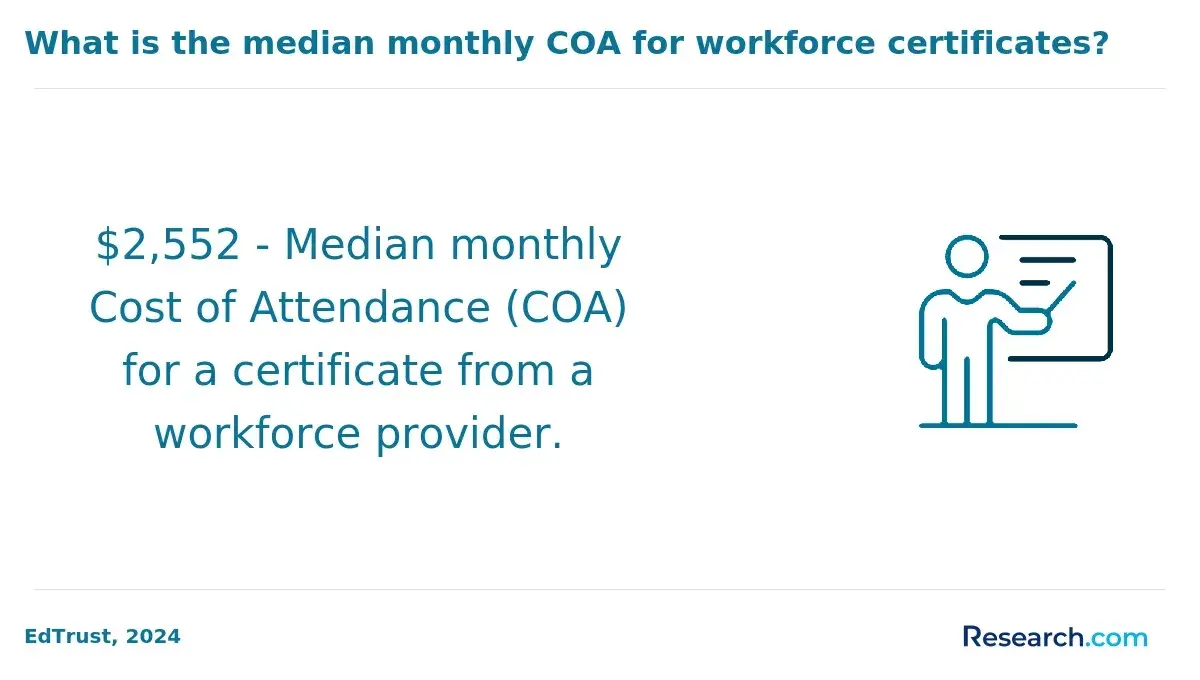
How much do online bachelor's degrees really cost, and what financial aid can reduce expenses?
Online bachelor's degree costs vary widely, but students should separate published tuition from the amount they will actually pay. College Board's 2024 Trends in College Pricing reports average published tuition and fees of $11,610 for in-state students at public four-year institutions and $43,350 at private nonprofit four-year institutions for the 2024-25 academic year. This gap shows why school type, residency status, and aid policy can change the affordability picture dramatically.
Online students may save on commuting or campus housing, but they can still face technology fees, books, exam proctoring costs, program fees, clinical expenses, and graduation fees. Some students also lose income if course loads interfere with work hours, so affordability should include both direct and indirect costs.
Financial aid can reduce expenses, but students need to understand which aid does not have to be repaid and which aid creates future obligations. If a full degree is not necessary for a career pivot, carefully chosen online courses or certifications may be a lower-risk first step before committing to a bachelor's program.
Before enrolling, compare these cost-reduction options in a deliberate order so you do not borrow more than necessary.
- Submit the FAFSA and review federal, state, and institutional grant eligibility before considering private loans.
- Ask whether employer tuition assistance, military education benefits, union benefits, or workforce grants can be applied to the program.
- Complete transferable general education courses at a community college if the bachelor's institution confirms acceptance in writing.
- Use prior learning assessment, standardized exams, portfolio credit, or professional certification credit only when the school clearly states the fee and credit award.
- Choose a realistic course load that supports completion without increasing withdrawals, repeated courses, or lost work income.
What admission requirements and transfer-credit policies can lower the time and price of an online degree?
Admission requirements for affordable online bachelor's programs usually include a high school diploma or equivalent, transcripts, an application, and sometimes a minimum GPA. Degree-completion programs may require prior college credit, while RN-to-BSN, teacher licensure, and some healthcare programs may require an active license, background check, prerequisites, or field-placement eligibility.
Transfer-credit policy is one of the biggest cost levers. A student entering with 60 accepted credits may cut the remaining price and time roughly in half compared with starting from zero credits, although the exact savings depend on tuition, degree requirements, and residency rules.
Competency-based programs can also lower costs for experienced learners who can move quickly through material they already know. Students comparing the best competency-based colleges should check subscription terms, assessment rules, faculty access, and whether graduate schools or licensing bodies accept the format for their goals.
Ask admissions and advising teams for written answers to these questions before making a deposit.
- How many of my prior credits apply directly to the major, general education requirements, and free electives?
- What is the minimum number of credits I must complete at your institution to graduate?
- Do credits expire for technical, science, nursing, education, or business courses?
- Can professional certifications, military training, exams, or work portfolios earn credit, and what fees apply?
- Will changing majors, concentrations, or licensure tracks cause accepted credits to stop counting?
How do online and on-campus bachelor's formats differ for flexibility, support, and outcomes?
Online and on-campus bachelor's formats can lead to the same degree credential when they come from the same accredited institution, but the student experience can be very different. Online learning offers flexibility for work, caregiving, military service, or commuting constraints, while campus learning may provide easier access to labs, peer networks, faculty interaction, and in-person recruiting.
The right format depends less on prestige and more on how you learn, how much structure you need, and whether your major requires hands-on practice. This comparison highlights the practical differences that affect completion and value.
| Decision point | Online format | On-campus format |
| Schedule | Often asynchronous or evening-based, which helps working adults. | Usually follows fixed class times and campus calendars. |
| Support | Requires strong remote advising, tutoring, tech help, and instructor responsiveness. | Support may be easier to access in person, especially for labs and services. |
| Networking | Depends on virtual events, group projects, alumni access, and career platforms. | Often stronger for campus recruiting, clubs, and informal peer contact. |
| Hands-on requirements | May use simulations, local placements, short residencies, or mailed lab kits. | Usually easier for lab-heavy, studio, clinical, or equipment-based courses. |
| Best fit | Self-directed students who need flexibility and can manage deadlines independently. | Students who benefit from structure, face-to-face interaction, and campus resources. |
Online is usually better when flexibility prevents stopping out. Campus may be better when the major depends on equipment, local internships, intensive mentoring, or state-based licensure placements that the online program cannot support well.
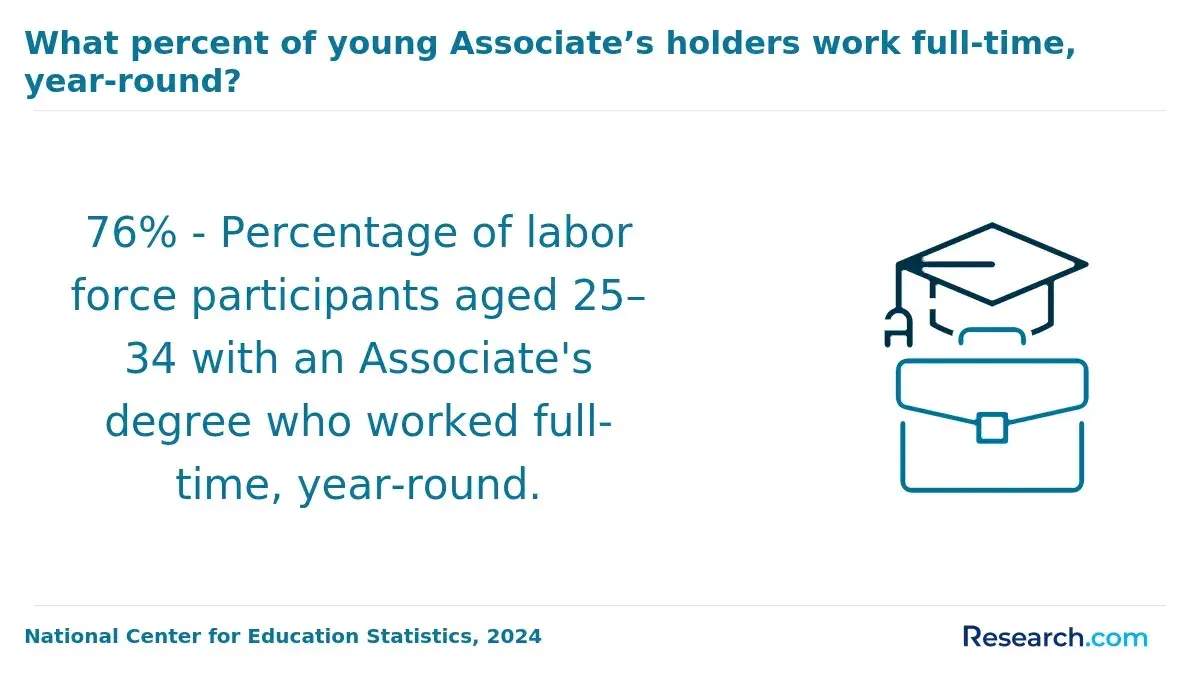
Which majors offer the best combination of low tuition, strong salaries, and job stability?
The best majors for long-term value tend to combine reasonable tuition, clear employer demand, transferable skills, and multiple career paths. High salary potential matters, but stability, credential requirements, advancement options, and your ability to complete the program are just as important.
Students comparing affordable online bachelor's degrees often focus on technology, healthcare, business, and education because these fields have recognizable labor-market pathways. For a broader salary comparison, reviewing the top 10 highest paying degrees can help, but a high-paying major is only a good investment if it matches your strengths and hiring market.
The table below compares common online majors by value profile rather than ranking them as universally "best." Use it to narrow choices based on fit, not to assume one major works for everyone.
| Major area | Value strengths | Watch-outs | Best fit |
| Computer science | Strong salary potential and broad software, data, and systems pathways. | Requires sustained coding practice and math readiness. | Students who like abstract problem-solving and building technical projects. |
| Information technology | Practical path into support, networking, systems, cloud, and operations roles. | Certifications and experience may matter alongside the degree. | Students who enjoy troubleshooting and applied technology. |
| Cybersecurity | Growing need for risk, compliance, monitoring, and defense skills. | Many roles are not truly entry-level without IT foundations. | Students willing to build networking and systems knowledge first. |
| Nursing | Clear professional pathway for licensed RNs seeking advancement. | Online BSN options often require an existing RN license. | Working nurses who need flexible degree completion. |
| Accounting or business analytics | Career-aligned business skills with measurable employer demand. | CPA or advanced roles may require additional credits or exams. | Detail-oriented students who like numbers, systems, and decision support. |
| Education | Stable public-service pathway when licensure alignment is correct. | State rules and field placements can limit online flexibility. | Students committed to teaching or education support roles. |
For undecided students, the safest value strategy is to choose a major with portable skills: writing, quantitative reasoning, data literacy, project management, communication, ethical judgment, and technology fluency. These skills make it easier to shift roles if the first job path changes.
What careers and entry-level roles align with the most affordable online bachelor's degrees?
Affordable online bachelor's degrees can connect to many entry-level roles, but the degree title should match the job market you plan to enter. Employers often look for a combination of degree, skills, internships, projects, certifications, and work history, especially for technical or regulated fields.
The table below maps common affordable online bachelor's majors to realistic early-career directions. These are examples, not guaranteed outcomes, because hiring depends on region, employer, experience, and labor-market conditions.
| Degree area | Possible entry-level roles | Typical responsibilities | Value-building additions |
| Business | Operations coordinator, sales analyst, HR assistant, accounting assistant | Track processes, support reporting, assist teams, manage client or employee data. | Internships, Excel, analytics tools, accounting coursework, project experience. |
| Healthcare administration | Patient services coordinator, medical office manager trainee, health data assistant | Support scheduling, compliance, billing workflows, records, and service operations. | Healthcare compliance knowledge, EHR exposure, coding or health data credentials. |
| Information technology | Help desk analyst, junior systems administrator, network support technician | Troubleshoot users, maintain systems, document issues, support networks and devices. | CompTIA, cloud basics, home labs, ticketing-system experience. |
| Computer science | Junior developer, QA tester, data assistant, application support analyst | Write code, test applications, fix bugs, maintain databases, document technical work. | GitHub portfolio, internships, coding projects, algorithms practice. |
| Cybersecurity | SOC analyst trainee, compliance assistant, security support technician | Monitor alerts, document risks, support audits, investigate basic incidents. | Networking foundations, security labs, Security+, scripting basics. |
| Psychology | Case management assistant, behavioral health technician, HR assistant | Support clients, document services, communicate with teams, assist research or training. | Internships, research methods, crisis training, graduate-school planning. |
| Education | Teacher candidate, instructional assistant, training coordinator | Support learning, plan lessons or training materials, assess progress, manage classrooms or learners. | State licensure alignment, field experience, classroom technology skills. |
| Criminal justice | Corrections officer, probation support assistant, loss prevention specialist | Apply policy, write reports, support investigations, monitor compliance or safety. | Internships, writing skills, background eligibility, local agency knowledge. |
The strongest candidates usually treat the degree as one part of a career package. Build a resume while enrolled through internships, part-time work, volunteer experience, simulations, portfolios, certifications, or employer-sponsored projects.
How can students evaluate job outlook, industry demand, and ROI before choosing a program?
Before choosing an affordable online bachelor's program, evaluate ROI using conservative assumptions. ROI means the relationship between what you spend, how long you study, what opportunities the credential may open, and how likely you are to complete the program. It is not a promise of a specific salary.
BLS employment projections released in 2024 show that computer and mathematical occupations are expected to grow much faster than the average for all occupations over the 2023-33 period. For readers, the practical takeaway is not "choose tech automatically," but "compare whether your target field has enough demand to justify the cost and effort."
Use this step-by-step process to evaluate job outlook and ROI before enrolling.
- Identify three target job titles that match the major, then review current postings in your state or intended job market.
- Check whether postings ask for a bachelor's degree, a specific major, certifications, licensure, experience, portfolio samples, or technical tools.
- Compare BLS wage and outlook data with local job postings, because national medians can overstate or understate your regional opportunity.
- Estimate total net cost through graduation, including fees, repeated courses, and any unpaid fieldwork or clinical time.
- Ask the school for program-level outcomes, but treat broad institution-wide salary claims cautiously.
- Choose the lower-cost option only if it still provides the accreditation, support, curriculum, and career preparation your target role requires.
AI and automation also affect ROI. Degrees that build adaptable skills-data interpretation, ethical decision-making, communication, technical fluency, and problem-solving-are more resilient than programs focused only on narrow software tools that may change quickly.
What red flags indicate an online bachelor's program may not deliver long-term value?
Some online bachelor's programs look affordable upfront but may deliver weak long-term value. Red flags usually involve unclear accreditation, poor transparency, limited support, low transfer acceptance, or career claims that sound too certain.
The table below separates common warning signs from better alternatives so you can identify risk before signing an enrollment agreement.
| Red flag | Why it can hurt value | Better alternative |
| Accreditation language is vague or hard to verify. | The degree may not qualify for aid, licensure, transfer, graduate study, or employer acceptance. | Verify institutional and programmatic accreditation through recognized databases. |
| The school advertises low tuition but does not provide total program cost. | Fees, repeated courses, or long timelines can erase savings. | Request a written estimate through graduation. |
| Admissions pressure is high and advising is rushed. | You may enroll before understanding fit, cost, or requirements. | Take time to compare offers and ask for written answers. |
| Transfer credits are reviewed only after enrollment. | You may pay for courses you expected to skip. | Get a preliminary transfer evaluation before committing. |
| Career claims rely on top salaries or broad averages. | Those figures may not reflect entry-level roles or your region. | Use BLS data, local job postings, and program-specific outcomes together. |
| Licensure requirements are unclear. | You may graduate without eligibility for your intended credential. | Confirm requirements with the state board or licensing authority before enrolling. |
Common mistakes include choosing the cheapest advertised tuition without calculating net cost, assuming every online program is accepted in every state, ignoring student support, and selecting a major before checking job postings. The best protection is documentation: save tuition sheets, transfer evaluations, accreditation confirmations, degree plans, and advisor responses.
Other Things You Should Know About
The most affordable option is usually a public, accredited online degree that accepts substantial transfer credit and offers in-state, flat-rate, or low per-credit tuition. The cheapest degree for one student may not be cheapest for another because aid, residency, transfer credits, and program length vary.
Many employers accept online bachelor's degrees when they come from accredited institutions and align with the role. Employer response is strongest when the program includes relevant skills, projects, internships, certifications, or licensure preparation where needed.
It can be worth it if the program is accredited, affordable after aid, realistic to complete, and connected to a clear career goal. It may not be worth it if the major has weak job alignment, the program lacks support, or the total cost requires debt that is hard to justify.
Start by transferring prior credits, using community college credits strategically, applying for grants and employer assistance, considering prior learning credit, and choosing a course load you can complete successfully. Finishing faster only saves money if it does not lead to withdrawals or repeated courses.
References
- Financial Aid Guide for Students at Online Colleges - OnlineColleges.net https://www.onlinecolleges.net/for-students/financial-aid-online-students/
- Guide to Financial Aid for Online Students https://www.onlineu.com/resources/financial-planning/financial-aid
- Making College Affordable by Improving Aid Policy https://issues.org/long-2/
- Best Accredited Online Universities in 2025 https://www.study.eu/article/best-accredited-online-universities
- How Does Increasing Financial Aid Promote Student Economic Success? https://www.ihep.org/press/how-does-increasing-financial-aid-promote-student-economic-success/
- Is College Worth it? | Return on Investment Analysis of College Degree https://educationdata.org/college-degree-roi
- Online Degrees: Convenient, Affordable, Flexible! But Will You Graduate? https://www.encoura.org/resources/wake-up-call/online-degrees-convenient-affordable-flexible-will-graduate/
- How does a college degree improve graduates’ employment and earnings potential? - APLU https://www.aplu.org/our-work/4-policy-and-advocacy/publicuvalues/employment-earnings/
- Does College Pay Off? A Comprehensive Return On Investment Analysis - FREOPP https://freopp.org/whitepapers/does-college-pay-off-a-comprehensive-return-on-investment-analysis/
- Which College Degrees Have the Best ROI? — Dallas CPA Firm https://www.jchestercpa.com/blog/which-college-degrees-have-the-best-roi