2027 Most Affordable Online Bachelor's Degrees for Careers With Purpose

Co-Founder and Chief Data Scientist
Choosing an affordable online bachelor's degree is really a three-part decision: cost, credibility, and career purpose. College Board's 2024 data shows average published tuition and fees at public four-year colleges reached $11,610 for in-state students, making price comparisons more important than ever.
This guide is for students who want meaningful work in fields such as healthcare, education, technology, public service, and business without overpaying. You'll learn which degree paths fit different goals, how to compare total cost, and what red flags to avoid before enrolling.
Key Things You Should Know
- Affordable online bachelor's programs are usually strongest when they combine regional or national institutional accreditation, transparent tuition, generous transfer-credit policies, and clear career pathways tied to licensure or employer demand.
- BLS May 2024 wage data shows several mission-aligned fields can offer solid earnings, including $93,600 for registered nurses, $124,910 for information security analysts, and $77,270 for police and detectives, though outcomes vary by role, state, and experience.
- The lowest tuition is not always the lowest total cost, students should compare fees, books, technology requirements, clinical or field-placement costs, transfer limits, financial aid, and time to completion before choosing an online bachelor's program.
Top 10 Most Affordable Online Bachelor's Degrees for Careers With Purpose
Business Degrees
An online bachelor's in business can fit students who want mission-focused work in nonprofit management, healthcare administration, social entrepreneurship, public agencies, or ethical corporate operations. Common majors include business administration, accounting, human resources, and organizational leadership. BLS reports a May 2024 median annual wage of $80,920 for business and financial occupations, but purpose-driven roles may trade maximum pay for impact. Look for programs with AACSB, ACBSP, or IACBE programmatic accreditation if available, plus courses in analytics, finance, communication, and responsible management.
Healthcare Degrees
Healthcare bachelor's degrees can lead to roles that improve patient systems, community health, long-term care, and health access. Options include health sciences, healthcare administration, public health, and health information management. Medical and health services managers had a May 2024 median wage of $117,960, according to BLS, but many leadership roles require experience after graduation. Students should confirm whether the program includes internships, coding or compliance coursework, and any required accreditation for their target job, especially in health information or public health pathways.
Information Technology Degrees
An online bachelor's in information technology is often a practical choice for students who want to solve real operational problems for schools, hospitals, nonprofits, local governments, and socially responsible companies. IT programs usually focus on networks, cloud systems, databases, help desk management, systems administration, and cybersecurity basics. The degree may suit students who prefer applied technology over heavy theory. Because AI and automation are changing entry-level tech work, prioritize programs with hands-on labs, industry certifications, projects, and career services that help document job-ready skills.
Computer Science Degrees
Computer science can support purpose-driven careers in accessibility technology, education software, public-sector data systems, climate modeling, health tech, and civic platforms. Compared with IT, computer science usually emphasizes programming, algorithms, software engineering, data structures, and mathematics. BLS lists a May 2024 median wage of $133,080 for software developers, quality assurance analysts, and testers, but entry-level competition can be strong. Students should choose programs with portfolio-building projects, internships, coding practice, and exposure to AI tools used responsibly in software development.
Cybersecurity Degrees
Cybersecurity is purpose-driven when it protects patients, students, public infrastructure, small businesses, and vulnerable communities from fraud or data exposure. Online bachelor's programs typically cover network defense, risk management, incident response, ethical hacking, governance, and digital forensics. BLS reports a May 2024 median wage of $124,910 for information security analysts and projects strong demand. For affordability and quality, compare lab access, certification alignment, faculty experience, and whether the curriculum maps to recognized frameworks such as NICE, CompTIA Security+, CISSP domains, or cloud security foundations.
Psychology Degrees
An online bachelor's in psychology can be meaningful for students interested in mental health support, social services, user research, human resources, or community programs. It does not qualify graduates to become licensed psychologists; that usually requires graduate study and supervised practice. BLS reports a May 2024 median wage of $59,190 for substance abuse, behavioral disorder, and mental health counselors, roles that often require a master's degree and state licensure. Choose psychology programs with statistics, research methods, ethics, practicum options, and advising for graduate-school prerequisites.
Nursing Degrees
Online nursing bachelor's programs are most common as RN-to-BSN degrees for licensed registered nurses who already completed an associate degree or diploma pathway. These programs support purpose-driven work in bedside care, public health, case management, leadership, and community health. BLS reports a May 2024 median wage of $93,600 for registered nurses. Students without RN licensure should not assume a fully online BSN is available; pre-licensure nursing programs usually require in-person labs and clinical placements approved by the state board of nursing.
Education Degrees
Education degrees are designed for students who want to teach, support learners, design curriculum, or work in youth-serving organizations. Online bachelor's options may include elementary education, special education, early childhood education, or educational studies. Teacher licensure rules vary by state, so students should verify that an online program meets certification requirements where they plan to work. Affordable programs are strongest when they include supervised field experiences, licensure-test preparation, classroom management training, and clear placement support for student teaching or practicum requirements.
Criminal Justice Degrees
A criminal justice bachelor's degree can prepare students for service-oriented roles in law enforcement, corrections, victim advocacy, probation, homeland security, or policy reform. BLS reports a May 2024 median wage of $77,270 for police and detectives, but many public safety jobs also require academy training, background checks, physical standards, or civil service exams. Students interested in reform, community safety, or legal advocacy should look for coursework in ethics, constitutional law, evidence-based policing, restorative justice, data analysis, and trauma-informed public service.
Engineering Degrees
Online engineering bachelor's degrees are less common than business or IT degrees because engineering often requires labs, design projects, and ABET-aligned technical coursework. Still, some programs offer online or hybrid options in electrical, industrial, systems, or engineering technology fields. BLS reports a May 2024 median wage of $99,590 for civil engineers, a field tied to infrastructure, sustainability, and public safety. Students should pay close attention to ABET accreditation, lab delivery, transfer rules, licensure pathways, and whether the degree supports the Fundamentals of Engineering exam.
What makes an online bachelor's degree both affordable and aligned with purpose-driven careers?
An online bachelor's degree is both affordable and purpose-aligned when it helps students enter or advance in work that serves people, communities, public systems, or ethical organizations without taking on unnecessary debt. Affordability should mean total value, not just a low advertised tuition rate. Purpose-driven career alignment should mean the curriculum, internships, licensure preparation, and employer recognition match the student's intended field.
Students comparing university majors should weigh both employment demand and personal fit. A lower-cost program is not a bargain if it lacks accreditation, limits transfer credit, or does not meet licensing requirements for teaching, nursing, counseling, engineering, or public safety roles.
This comparison shows the main features that separate a low-price program from a high-value online bachelor's degree. Use it to evaluate whether a school is reducing barriers or simply shifting costs elsewhere.
| Factor | Why it matters | What to check |
| Accreditation | Protects credit transfer, financial aid access, employer recognition, and graduate-school eligibility. | Verify institutional accreditation and any field-specific accreditation required for your goal. |
| Total cost | Tuition alone can hide technology fees, books, proctoring, travel, clinical costs, or repeated-course charges. | Ask for a full cost-of-attendance estimate for your expected enrollment pace. |
| Transfer policy | Generous transfer credit can shorten the degree and reduce borrowing. | Request a written transfer evaluation before committing. |
| Career alignment | Purpose-driven careers often require fieldwork, licensure, portfolios, or exams. | Compare curriculum, placement support, exam pass-rate disclosures, and employer partnerships. |
A good program should help students answer one practical question: "Will this degree move me toward the work I want at a cost I can reasonably manage?" If the answer is unclear after speaking with admissions, financial aid, and program faculty, keep comparing options.
Which types of online bachelor's degrees lead to the most impactful helping professions?
The most impactful helping professions usually fall into four broad categories: health, education, behavioral services, and public protection. Some can begin with a bachelor's degree, while others use the bachelor's as a required step toward graduate school, licensure, or specialized credentials.
This table summarizes common purpose-driven degree paths and the type of service they support. It also highlights where a bachelor's degree may be enough for entry and where additional education is commonly expected.
| Degree area | Purpose-driven career direction | Typical bachelor's-level fit | When more education may be needed |
| Nursing | Patient care, public health, care coordination, clinical leadership | RN-to-BSN advancement for licensed nurses | Advanced practice nursing, nurse education, or administration |
| Education | Teaching, special education, early learning, curriculum support | Teacher preparation if state-approved | School counseling, administration, reading specialist, or special endorsements |
| Psychology | Human services, behavioral support, case work, research assistance | Entry-level social service and support roles | Licensed counseling, psychology, therapy, or clinical roles |
| Criminal justice | Community safety, corrections, advocacy, probation, investigation | Public safety, compliance, victim services, and agency roles | Law school, forensic specialization, or leadership roles |
| Healthcare administration | Improving patient systems, access, compliance, and operations | Coordinator, analyst, or entry-level management roles | Executive leadership, health policy, or specialized administration |
Students who already know they need a graduate credential should plan backward from the final role. For example, psychology, counseling, social work, and advanced nursing often require education beyond the bachelor's level, so comparing a fastest masters degree online may be useful after confirming licensing rules and graduate admission prerequisites.
A helping-profession degree is a strong fit when students are prepared for emotional labor, ethical responsibility, documentation, and service to diverse populations. It may be a poor fit if the student wants fully independent practice immediately after graduation in a field where state licensure requires graduate education.
How can students compare tuition, financial aid, and total cost for online bachelor's programs?
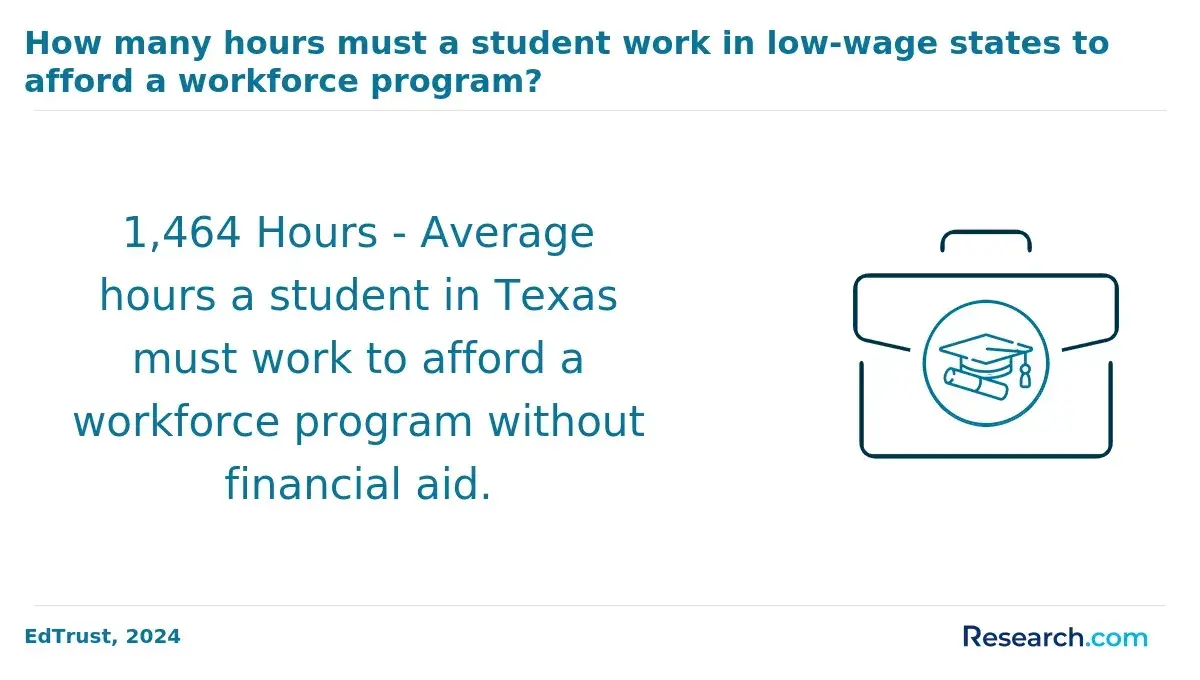
To compare tuition and financial aid accurately, students should calculate the total cost to finish, not the cost of one course or one semester. The most affordable option is often the program that accepts the most prior credits, keeps fees low, and lets the student graduate without extending enrollment unnecessarily.
College Board's 2024 Trends in College Pricing report lists average published tuition and fees of $11,610 for in-state students at public four-year institutions and $43,350 at private nonprofit four-year institutions. Those figures are campus-wide averages rather than online-specific prices, but they show why online students should compare public, private nonprofit, and private for-profit options carefully.
This table explains the major cost categories students should ask schools to disclose. It is designed to help readers move beyond advertised tuition and estimate what they may actually pay.
| Cost category | Why it changes total price | Best question to ask |
| Per-credit tuition | Programs may charge different rates for residents, nonresidents, online students, or upper-division courses. | What is my exact per-credit rate after residency and online-program rules? |
| Required fees | Technology, graduation, assessment, proctoring, and course fees can add up. | Which fees are mandatory for every online student? |
| Transfer credits | Accepted credits reduce both time and tuition. | How many of my previous credits apply to the major, not just electives? |
| Books and materials | Open educational resources can lower recurring costs. | Does the program use free or low-cost digital materials? |
| Fieldwork or clinicals | Travel, background checks, insurance, uniforms, or testing fees may be required. | What out-of-pocket costs are tied to placements? |
Students searching for a cheap bachelor degree online should still complete a return-on-investment check before enrolling. A practical comparison process includes the following steps.
- Request a written degree plan showing remaining credits, expected terms, tuition, fees, and graduation timeline.
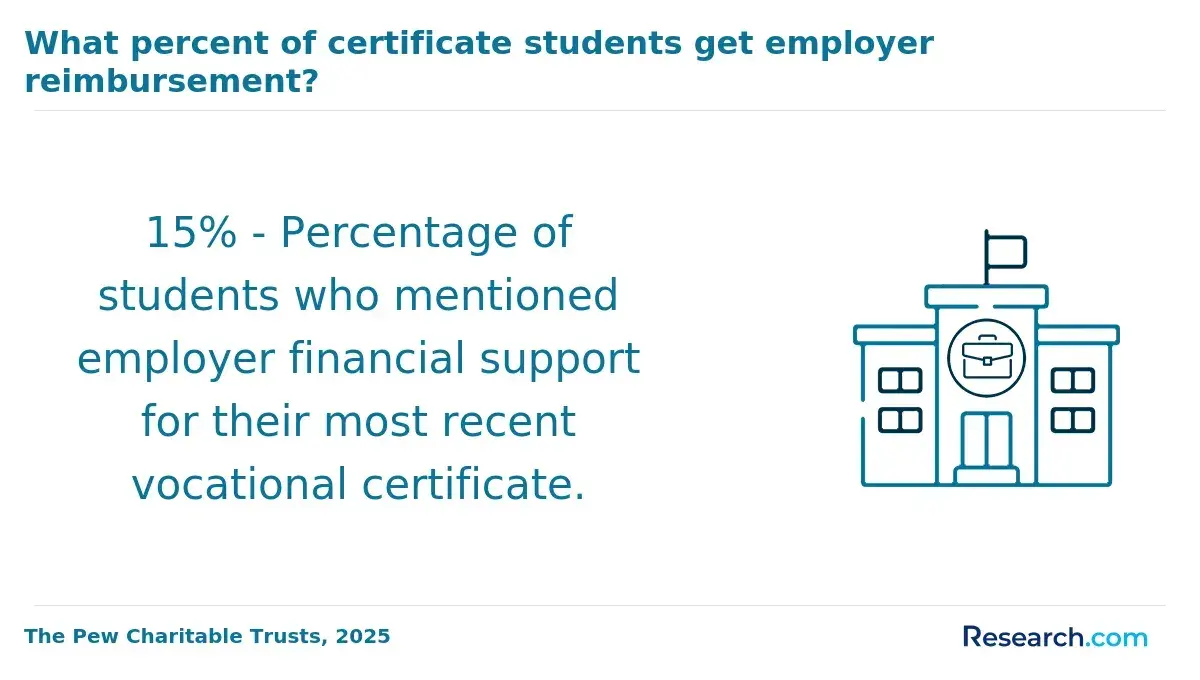
- Compare net price after grants, scholarships, employer tuition assistance, military benefits, and transfer credits.
- Ask whether tuition is locked, cohort-based, subscription-based, or subject to annual increases.
- Estimate borrowing conservatively and compare monthly loan payments with realistic entry-level wages in your target field.
- Confirm whether the program's schedule lets you keep working, because lost income can be a major hidden cost.
How do accreditation and program quality affect outcomes for purpose-driven online degrees?
Accreditation and program quality directly affect whether an affordable online bachelor's degree is useful after graduation. Institutional accreditation helps determine access to federal financial aid, credit transfer, graduate-school eligibility, and baseline academic credibility. Programmatic accreditation matters in fields where employers, licensing boards, or certification bodies expect specialized review.
The U.S. Department of Education recognized a 2024 negotiated-rulemaking focus on accreditation and distance education oversight, reflecting continued attention to online program quality. For students, the takeaway is simple: low tuition should never outweigh verified approval, transparent outcomes, and documented student support.
This table highlights where accreditation is especially important. Requirements can vary, so students should confirm rules with the relevant state board, school district, employer, or certification body.
| Field | Quality marker to verify | Why it matters |
| Nursing | State board approval plus CCNE or ACEN accreditation when applicable | Supports licensure, employment mobility, and graduate nursing admission. |
| Education | State-approved teacher preparation and CAEP accreditation when available | Helps ensure the program meets certification and student-teaching expectations. |
| Engineering | ABET accreditation for engineering or engineering technology programs | Can affect licensure pathways and employer recognition. |
| Business | AACSB, ACBSP, or IACBE accreditation when available | Signals external review of curriculum and faculty standards. |
| Health information | CAHIIM accreditation when tied to health information management credentials | May affect eligibility for professional certification pathways. |
Quality also shows up in advising, tutoring, faculty access, placement coordination, and career services. A reputable online program should be able to explain how students receive help before they fail a course, not only after they fall behind.
Common red flags include vague accreditation claims, pressure to enroll immediately, unclear transfer evaluations, missing licensure disclosures, very low graduation transparency, and refusal to provide a written cost estimate. If a school cannot answer basic questions in writing, treat that as a decision-making warning sign.
What admission requirements and prerequisites do affordable online bachelor's programs typically have?
Affordable online bachelor's programs typically require a high school diploma or GED, official transcripts, an application, and proof of prior college credit if applicable. Some adult-friendly schools offer rolling admissions, test-optional policies, or simplified applications, while selective programs may require minimum GPAs, prerequisite courses, essays, or professional experience.
Students comparing online colleges with open enrollment and no application fee should still verify accreditation, transfer policies, and degree requirements. Open enrollment can reduce barriers, but it does not automatically mean every student is admitted into every major, clinical sequence, teacher-preparation track, or upper-division cohort.
Admissions requirements vary most in programs tied to licensure or technical preparation. Before applying, students should check the following items because they can affect both eligibility and graduation timeline.
- Minimum GPA for admission to the university and separate admission to the major.
- Prerequisite courses in math, science, statistics, writing, anatomy, programming, or education foundations.
- Background checks, immunizations, drug screening, fingerprinting, or liability insurance for clinical and field placements.
- State residency rules for teacher education, nursing clinicals, tuition rates, and supervised fieldwork.
- Technology requirements, including webcam proctoring, specialized software, internet speed, or lab kits.
The smartest approach is to ask for a pre-enrollment audit. This should show accepted credits, remaining requirements, required course sequence, and any non-course requirements such as exams, placements, or licensure paperwork.
How do online and campus-based formats differ for students pursuing mission-focused careers?
Online and campus-based bachelor's programs can lead to the same degree when the school is accredited and the curriculum is equivalent. The practical differences are flexibility, access to campus resources, field-placement logistics, networking style, and how students manage time.
This comparison can help students decide which format fits their responsibilities and career goals. Neither format is automatically better; the right choice depends on learning style, schedule, local placement access, and the need for hands-on training.
| Format | Best fit | Trade-off |
| Fully online | Working adults, caregivers, military students, and learners far from campus | Requires strong self-management and may still require proctored exams or local placements. |
| Hybrid | Students in lab, clinical, engineering, teaching, or cohort-based programs | Offers hands-on support but may require commuting or scheduled campus sessions. |
| Campus-based | Students who want face-to-face labs, residential life, immediate faculty access, or local networking | Less flexible and may involve housing, transportation, and opportunity costs. |
Mission-focused careers often involve people, systems, and supervised practice. That means online students should ask how the school arranges internships, clinicals, student teaching, capstones, service learning, or applied projects. A flexible format is valuable only if it still provides the experiences employers or licensing boards expect.
Online learning is also changing because of AI tools, virtual simulations, remote collaboration platforms, and digital assessment systems. Students should look for programs that teach ethical technology use rather than ignoring it, especially in education, healthcare, cybersecurity, business analytics, and social-service documentation.
What coursework and skills do purpose-focused online bachelor's programs usually include?
Purpose-focused online bachelor's programs usually combine major knowledge, professional communication, ethical judgment, data literacy, and applied experience. The exact coursework depends on the field, but strong programs help students connect academic learning to real community or organizational problems.
The following skill areas appear across many affordable online degrees tied to service, public impact, or mission-driven work. They matter because employers often evaluate graduates by what they can do, not only by the diploma they hold.
- Communication: writing reports, explaining complex information, documenting services, and working with clients, patients, students, or stakeholders.
- Ethical reasoning: protecting privacy, reducing bias, handling power responsibly, and following professional standards.
- Data literacy: interpreting evidence, using dashboards, reading research, and making decisions without overstating what data proves.
- Technology fluency: using discipline-specific software, AI tools, learning platforms, electronic records, or cybersecurity practices responsibly.
- Applied problem-solving: completing capstones, internships, labs, simulations, case studies, or field experiences tied to real-world needs.
Coursework should also match the target career. A student aiming for healthcare administration needs compliance, finance, health systems, and quality improvement. A future teacher needs classroom management, child development, assessment, and supervised teaching. A cybersecurity student needs labs and incident-response practice, not only theory.
Students should be cautious of programs that advertise broad career outcomes but provide few applied assignments or no portfolio evidence. Purpose-driven careers require judgment under real constraints, so practice matters.
What careers, salaries, and job outlooks can graduates expect from these online degrees?
Career outcomes from online bachelor's degrees vary by field, location, experience, licensure, and employer. Salary data should be used as a benchmark, not a promise. The strongest purpose-driven programs prepare students for a specific role family and make clear whether additional credentials are needed.
The table below uses BLS May 2024 wage data and 2024-2034 outlook categories where available. It helps students compare several mission-aligned paths by typical roles, salary context, and the kind of work graduates may pursue.
| Degree direction | Example roles | BLS salary or outlook context | Purpose-driven impact |
| Business | Nonprofit operations coordinator, HR specialist, budget analyst, healthcare office manager | Business and financial occupations had a May 2024 median wage of $80,920. | Improves organizations that deliver services, jobs, funding, and community programs. |
| Healthcare administration | Clinic coordinator, health services manager, compliance analyst, patient access supervisor | Medical and health services managers had a May 2024 median wage of $117,960. | Improves care delivery, access, safety, and operational efficiency. |
| Information technology | Systems administrator, support analyst, network technician, cloud support specialist | Computer and IT occupations remain among higher-wage occupational groups in BLS data. | Keeps schools, agencies, clinics, and nonprofits running securely and reliably. |
| Cybersecurity | Security analyst, incident response associate, risk analyst, compliance specialist | Information security analysts had a May 2024 median wage of $124,910. | Protects sensitive data, public systems, and vulnerable users. |
| Nursing | Registered nurse, public health nurse, case manager, nurse supervisor | Registered nurses had a May 2024 median wage of $93,600. | Delivers patient care, prevention, education, and community health support. |
| Education | Elementary teacher, special education teacher, instructional assistant leader, curriculum support specialist | Teacher wages and demand vary heavily by state, district, and subject area. | Supports learning, equity, youth development, and family stability. |
| Criminal justice | Police officer, probation assistant, victim advocate, compliance investigator | Police and detectives had a May 2024 median wage of $77,270. | Contributes to safety, accountability, legal processes, and community trust. |
| Engineering | Engineering technician, project coordinator, civil engineer, systems analyst | Civil engineers had a May 2024 median wage of $99,590. | Builds safer infrastructure, transportation, water systems, and sustainable projects. |
Students should also think about career stages. A bachelor's degree may be enough for entry-level work in business, IT, criminal justice, and some healthcare administration roles. In psychology, counseling, social work, advanced nursing, and school leadership, graduate education or licensure is often part of the long-term path.
The best ROI usually comes from aligning the degree with a realistic first job, then building toward advancement through experience, certifications, licensure, or graduate study. Students should avoid choosing a major only because of a high median wage if the day-to-day work does not fit their interests or strengths.
How can students evaluate and choose reputable, low-cost online programs that fit their goals?
Choosing a reputable, low-cost online bachelor's program requires more than scanning rankings or picking the lowest advertised tuition. Students should evaluate schools the way employers and licensing boards may evaluate the credential: accreditation, curriculum relevance, applied experience, support systems, and outcomes transparency.
A strong shortlisting process should be practical and evidence-based. Use these steps before submitting a deposit or signing enrollment paperwork.
- Confirm institutional accreditation through an official accreditor or federal database, then verify any programmatic accreditation required for your field.
- Ask for a written transfer-credit evaluation and degree-completion plan before enrollment.
- Compare total cost, not only tuition, including fees, materials, travel, exams, and placement-related expenses.
- Check whether the program meets licensure or certification rules in the state where you plan to work.
- Review student support, including tutoring, advising, disability services, library access, career coaching, and technical help.
- Ask about field placements, clinicals, labs, capstones, portfolios, internships, or service-learning projects.
- Look for transparent outcomes such as completion rates, licensure exam disclosures, employment support, or graduate-school placement where relevant.
This table summarizes common mistakes and better alternatives. It can help students avoid decisions that make an "affordable" degree more expensive or less useful later.
| Common mistake | Why it creates risk | Better alternative |
| Choosing only by lowest tuition | Fees, low transfer acceptance, and delayed graduation can raise total cost. | Compare full cost to completion and expected timeline. |
| Ignoring licensure rules | The degree may not qualify you for teaching, nursing, counseling, or engineering pathways. | Verify state-specific requirements before applying. |
| Assuming online means self-paced | Many programs have weekly deadlines, cohorts, practicums, or synchronous sessions. | Ask for sample course schedules and attendance expectations. |
| Relying only on rankings | Rankings may not reflect your transfer credits, state rules, or career goal. | Prioritize fit, accreditation, affordability, and outcomes for your field. |
| Overlooking student support | Online students need proactive advising and technical support to stay on track. | Ask how often advisors contact students and what help is available after business hours. |
A good final test is to compare three programs side by side and ask which one gives you the clearest path to graduation, the strongest connection to your intended career, and the lowest manageable net cost. If a program cannot provide clear answers, it may not be the right investment.
Other Things You Should Know About
Yes, employers generally focus on whether the school is accredited, the degree is relevant, and the applicant can demonstrate skills. The diploma usually does not need to state that the program was completed online.
There is no single cheapest option for every student because transfer credits, residency rules, fees, and financial aid vary. Public universities, competency-based programs, and schools with generous transfer policies are often worth comparing first.
Yes, especially in business, IT, criminal justice, healthcare administration, and some education pathways. However, counseling, advanced nursing, psychology, school leadership, and some licensed roles commonly require graduate education or additional credentials.
A traditional bachelor's degree usually requires about 120 credits. Full-time students often finish in about four years, while transfer students or RN-to-BSN students may finish faster depending on accepted credits and course availability.
References
- Scholarships for Students Pursuing Career Education https://career.org/web/web/Multimedia/CER/Articles/Scholarships-for-Students-Pursuing-Career-Education.aspx
- Scholarships for Working Adults | Top Eleven Online Colleges https://www.college-scholarships.com/11-scholarships-for-working-adults-top-eleven-online-colleges/
- Is College Worth it? | Return on Investment Analysis of College Degree https://educationdata.org/college-degree-roi
- 20 Best Online Bachelor's in Public Health - MPH Online https://www.mphonline.org/best-online-bachelors-in-public-health/
- Financial Aid Guide for Online College Students | Onlinedegrees.com https://www.onlinedegrees.com/degree360/student-loans-scholarships/
- Can you do experiential learning online? Assessing design models for experiential learning | Tony Bates https://www.tonybates.ca/2014/12/01/can-you-do-experiential-learning-online-assessing-design-models-for-experiential-learning/
- Research Summary: Education and Lifetime Earnings https://www.ssa.gov/policy/docs/research-summaries/education-earnings.html
- Health and Human Services: Campus & Online Degrees and Careers https://www.publichealthonline.org/human-services/online-degree-programs/
- Experiential Online Graduate Programs Enhance Learning Outcomes and Career Readiness https://evolllution.com/opinions/experiential-online-graduate-programs-enhance-learning-outcomes-career-readiness
- Online Bachelor's Degree Student Scholarships | Cornerstone University https://www.cornerstone.edu/tuition-financial-aid/apply-for-aid/scholarships-grants/undergraduate-online-scholarships/