2027 Best Undergraduate Degrees With Easy Admission Requirements

Co-Founder and Chief Data Scientist
Choosing a degree is harder when you want a realistic admissions path without sacrificing career value. Many open-access, transfer-friendly, and test-optional programs now lead to in-demand fields, especially online.
College Board's 2024 pricing data shows average published tuition and fees at $11,610 for in-state public four-year colleges, so picking the right program can affect both access and affordability. This guide is for students, adult learners, and transfer applicants who want practical degree options, admissions expectations, cost trade-offs, and career outcomes before applying.
Key Things You Should Know
- Easy-admission undergraduate degrees are most often found at community colleges, regional public universities, online colleges, and adult-completion programs that use open admission, rolling admission, test-optional policies, or minimum GPA thresholds.
- Affordability varies widely: College Board's 2024 data lists average published tuition and fees at $4,050 for public two-year colleges and $11,610 for in-state public four-year colleges, making transfer pathways one of the strongest cost-control strategies.
- Career value depends more on accreditation, licensure alignment, internships, portfolio work, and labor-market fit than on admissions difficulty alone; BLS May 2024 wage data shows strong median pay in fields such as IT, nursing, cybersecurity, engineering, and business analytics.
Top 10 Best Undergraduate Degrees With Easy Admission Requirements
Business Degrees
Business is one of the most accessible undergraduate paths because many schools offer bachelor's, associate, online, and transfer-completion options with flexible admissions. Common majors include general business, accounting, marketing, finance, human resources, and management. It fits students who want broad career mobility rather than a single licensed occupation.
Admissions may require a high school diploma or GED, transcripts, and basic placement testing. BLS May 2024 data reports a $79,880 median wage for accountants and auditors, showing why students who pair a business degree with quantitative skills, internships, or accounting coursework often improve their options.
Healthcare Degrees
Healthcare degrees with easier admission often include health sciences, healthcare administration, public health, medical billing, and allied health pathways. These programs suit students who want healthcare careers without immediately entering a highly selective clinical major. Some clinical tracks still require background checks, immunizations, prerequisite science courses, and separate program admission.
A healthcare administration bachelor's can lead toward clinic operations, patient services, and insurance roles. Students should confirm whether the program is career-focused or designed mainly for graduate school, because job outcomes differ significantly between administrative, clinical, and pre-professional tracks.
Information Technology Degrees
Information technology programs are often more admission-friendly than highly selective computer science departments because they emphasize applied systems, networking, cloud tools, databases, and user support. They fit students who like practical problem-solving, business technology, and hands-on labs. Many online IT degrees accept transfer credits and offer rolling starts.
BLS May 2024 wage data places computer user support specialists at a $60,340 median wage, while more advanced IT roles can pay more with experience and certifications. Students should look for programs with labs, industry-aligned coursework, and employer-recognized certification preparation.
Computer Science Degrees
Computer science admission can be competitive at major research universities, but many regional, online, and transfer-completion programs have more accessible requirements. The degree fits students who want programming, algorithms, software development, data structures, and systems design. It is less ideal for students who dislike math, abstraction, or long debugging sessions.
BLS May 2024 data reports a $133,080 median wage for software developers, but entry-level hiring can be competitive. To improve ROI, applicants should prioritize programs with project portfolios, internship support, career services, and current coursework in software engineering and AI tools.
Cybersecurity Degrees
Cybersecurity degrees are commonly offered by online and public institutions with accessible admissions, especially at the associate and bachelor's levels. Students learn networks, operating systems, risk management, incident response, security law, and ethical hacking. The field rewards verified skills, so a degree alone may not be enough for competitive roles.
BLS May 2024 wage data lists information security analysts at a $124,910 median wage, but many students first enter help desk, network support, or security operations roles. Strong programs include virtual labs, security tools, and preparation for recognized certifications.
Psychology Degrees
Psychology is widely available and often has easier undergraduate admission because most bachelor's programs are not licensure programs. It suits students interested in behavior, research, counseling foundations, human services, business, or graduate study. The key limitation is that becoming a licensed psychologist, counselor, or therapist requires graduate education and state licensure.
A bachelor's degree can support entry-level roles in case management, behavioral health support, human resources, and research assistance. Students should choose programs with statistics, research methods, internships, and clear advising about graduate-school prerequisites if clinical practice is the goal.
Nursing Degrees
Nursing is not always easy admission, but pathways can be accessible through licensed practical nursing, associate degree in nursing, RN-to-BSN, and some pre-nursing programs. The selective part is usually clinical admission, not general college admission. Students should expect science prerequisites, minimum grades, background checks, drug screening, immunizations, and state board requirements.
BLS May 2024 wage data reports a $93,600 median wage for registered nurses, which helps explain demand for nursing programs. Applicants should verify state approval, clinical placement support, NCLEX preparation, and graduation-to-licensure outcomes before enrolling.
Education Degrees
Education degrees can have accessible college admission, especially for early childhood, elementary education, special education, and paraprofessional-to-teacher pathways. However, teacher licensure requirements vary by state and usually include field experiences, student teaching, exams, background checks, and approved program completion.
This degree fits students who want classroom, childcare, instructional support, or education nonprofit roles. BLS May 2024 wage data lists elementary school teachers, except special education, at a $63,680 median wage. Students should confirm that the program leads to certification in the state where they plan to teach.
Criminal Justice Degrees
Criminal justice programs are commonly accessible and offered online, on campus, and through transfer pathways. Coursework typically covers policing, courts, corrections, criminology, ethics, law, and public safety administration. The degree can support roles in law enforcement, corrections, probation support, security management, victim advocacy, and public agencies.
Students should know that many sworn law enforcement roles require academy training, physical standards, background checks, and local hiring processes beyond the degree. A strong program should include writing, data literacy, constitutional law, and internship options rather than only broad survey courses.
Engineering Degrees
Engineering is usually more demanding than other easy-admission majors, but access is improving through community college transfer pathways, engineering technology programs, and regional universities. Students who are not ready for calculus-based engineering may consider engineering technology, industrial technology, or pre-engineering transfer tracks.
BLS May 2024 wage data lists civil engineers at a $99,590 median wage, but outcomes depend heavily on discipline, internships, and licensure goals. Applicants should check ABET accreditation for engineering programs, math placement policies, transfer agreements, and whether the curriculum supports professional engineer licensure.
What makes an undergraduate degree have easier admission requirements compared to others?
An undergraduate degree has easier admission requirements when the school admits a broad range of applicants and does not use highly selective screening before the student can start coursework. This does not mean the program is low quality. It usually means the institution is designed for access, transfer, adult learners, or workforce preparation.
The most common features of easier-admission programs include open admission, rolling deadlines, test-optional policies, lower minimum GPA requirements, simplified applications, and generous transfer-credit rules. The trade-off is that students must still meet academic progression standards after enrolling, and some majors have separate requirements before advanced coursework, clinical placements, or licensure preparation.
This comparison helps separate admissions access from academic and career requirements. A program may be easy to enter but still rigorous once major coursework begins.
| Admissions feature | What it means | What students should verify |
| Open admission | Most applicants with a high school diploma or GED can enroll | Whether the desired major has separate selective admission |
| Test optional | SAT or ACT scores are not required for admission | Whether scores are needed for scholarships or placement |
| Rolling admission | Applications are reviewed as they arrive | Whether financial aid, housing, or clinical seats have earlier deadlines |
| Transfer-friendly policy | Prior college credits may reduce time to graduation | How many credits apply to the major, not just electives |
| Adult-completion format | Programs are built for students with prior credits or work experience | Whether courses are accelerated, self-paced, or cohort-based |
Which affordable undergraduate degrees offer both easy admission and strong career potential?
The most affordable easy-admission degrees are usually found through community colleges, in-state public universities, and online public programs. College Board's 2024 data lists average published tuition and fees at $4,050 for public two-year colleges, which makes an associate-to-bachelor's transfer route especially useful for students who need a lower-cost start.
The table below compares degree options that often balance accessible admissions, manageable cost, and career potential. Use it to identify which path fits your budget, academic strengths, and career target.
| Degree area | Why admission may be easier | Career potential | Best fit |
| Business | Widely offered online and on campus with broad entry requirements | Accounting, operations, sales, marketing, management support | Students who want flexible career options |
| Information technology | Often available through applied online and transfer programs | Help desk, systems support, networking, cloud support | Students who prefer hands-on technical work |
| Healthcare administration | Less selective than many clinical healthcare majors | Clinic operations, patient services, insurance coordination | Students who want healthcare without direct licensure at first |
| Criminal justice | Commonly offered with rolling or transfer-friendly admission | Public safety, corrections, legal support, security management | Students interested in law, policy, and public service |
| Education | Accessible entry, though licensure rules apply later | Teaching, childcare, instructional support, youth programs | Students committed to state certification requirements |
Students who expect to continue into graduate study should also think about long-term affordability. If you are comparing future options, reviewing what is the cheapest online master's degree program can help you plan beyond the bachelor's degree without overborrowing.
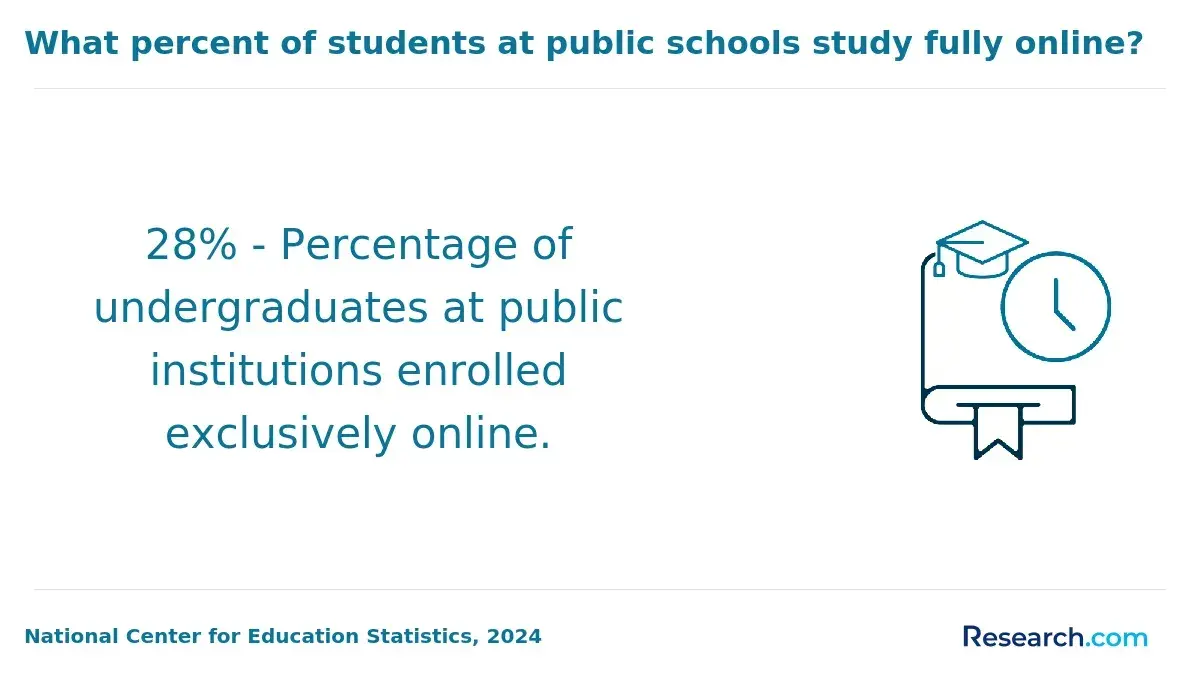
How do online and campus-based programs differ for degrees with easier admission?
Online and campus-based easy-admission programs can lead to the same degree, but they create different learning experiences. The best choice depends on your schedule, need for structure, comfort with technology, and whether the major requires labs, clinical placements, fieldwork, or in-person exams.
The table below summarizes the main differences students should weigh before choosing a format. It is especially important for working adults, caregivers, military students, and transfer applicants.
| Factor | Online programs | Campus-based programs |
| Schedule | Often asynchronous, evening, or accelerated | Usually follows fixed class meeting times |
| Support | Virtual advising, tutoring, library access, career services | In-person advising, peer networks, campus resources |
| Hands-on learning | May use simulations, local placements, or short residencies | Better access to labs, clinics, studios, and campus facilities |
| Best for | Self-directed students with work or family obligations | Students who benefit from structure and face-to-face interaction |
| Risk to check | Weak placement support for clinical or licensure programs | Higher commuting, housing, or scheduling costs |
If flexibility is your main concern, compare programs that offer online college classes at your own pace, but confirm that self-paced courses still include instructor access, tutoring, and clear deadlines. Too much flexibility can backfire for students who need weekly structure to stay on track.
What admission requirements do colleges typically waive or relax for these programs?
Colleges with easier admission often relax barriers that do not directly predict whether a student can complete college-level work. However, they may still require placement exams, prerequisite courses, or major-specific screening after enrollment.
Students should ask admissions teams which requirements are waived for general admission and which requirements still apply later. The most commonly relaxed requirements include:
- SAT or ACT scores, especially at test-optional colleges and adult-completion programs
- High minimum GPA thresholds, with some schools admitting students who meet basic diploma or GED requirements
- Application essays, recommendation letters, or extensive extracurricular documentation
- Fixed fall-only deadlines, replaced by rolling admission or multiple start dates
- Strict first-year entry rules, allowing transfer, readmission, or prior-learning credit pathways
Students who want to finish faster should compare accelerated formats carefully. Some fast-track degrees reduce time by using shorter terms, transfer credits, or year-round study, but the workload can be intense and may not fit every learner.
How can students verify accreditation for easy-admission undergraduate degree programs?
Accreditation is the first quality check for any easy-admission undergraduate program. It affects federal financial aid eligibility, credit transfer, graduate-school admission, licensure pathways, and employer trust. A simple rule is to verify accreditation before you submit an application fee or sign an enrollment agreement.
Use this step-by-step process before enrolling:
- Confirm that the institution is accredited by an accreditor recognized by the U.S. Department of Education or the Council for Higher Education Accreditation.
- Check programmatic accreditation when it matters, such as ABET for engineering, ACEN or CCNE for nursing, CAEP for educator preparation, and specialized accreditors for allied health fields.
- Ask whether the program meets licensure requirements in the state where you plan to work, especially for nursing, teaching, counseling-related pathways, and engineering licensure preparation.
- Verify that transfer credits from the school are commonly accepted by public universities or graduate programs you may attend later.
- Read the school's consumer disclosures, graduation information, placement support details, and complaint history before committing.
A major red flag is a school that emphasizes "no requirements" but avoids clear answers about accreditation, transferability, state authorization, clinical placement, or licensure. Easy admission should not mean unclear accountability.
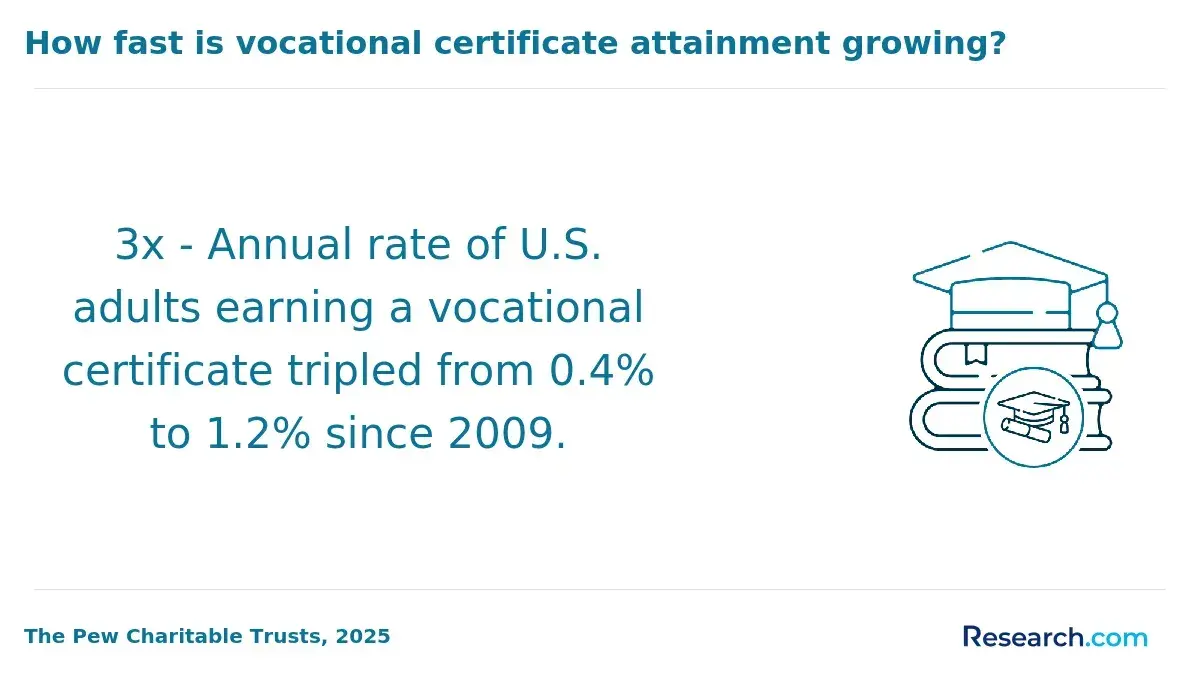
What core courses and skills are common in easy-admission undergraduate degrees?
Easy-admission undergraduate degrees often share a core set of general education, major foundation, and career-readiness courses. These courses are not filler; they build the reading, writing, quantitative, digital, and professional skills employers expect from bachelor's graduates.
Across business, healthcare, IT, education, psychology, and criminal justice, students commonly encounter the following skill areas:
- College writing and communication, including reports, presentations, research summaries, and professional email
- Quantitative reasoning, such as statistics, spreadsheets, budgeting, data interpretation, or basic analytics
- Digital fluency, including learning management systems, productivity software, databases, and field-specific tools
- Ethics and legal awareness, especially in healthcare, education, criminal justice, cybersecurity, and business
- Applied projects, internships, simulations, capstones, or portfolios that show what the student can do
Students entering technical fields should also consider stackable credentials. If you are asking what certifications can I get online, look for options that complement your degree rather than replace it, such as IT support, cloud, cybersecurity, project management, or healthcare administration credentials.
What careers can you pursue with these degrees, and what are typical entry-level salaries?
Career outcomes vary by degree, location, experience, internships, licensure, and employer expectations. The best way to use salary data is as a benchmark, not a promise. BLS May 2024 wage data reflects national median wages for occupations, while individual entry-level offers may be lower.
The table below connects easy-admission degree areas to realistic early career directions and national salary context. Use it to compare whether a degree's likely roles match your income needs and interests.
| Degree area | Common entry-level or early career roles | Relevant BLS May 2024 median wage benchmark |
| Business | Accounting assistant, sales coordinator, operations associate, HR assistant | Human resources specialists: $72,910 |
| Healthcare administration | Patient services coordinator, medical office supervisor, insurance specialist | Medical and health services managers: $117,960 |
| Information technology | Help desk technician, desktop support, junior systems support | Computer user support specialists: $60,340 |
| Computer science | Junior developer, QA tester, software support analyst | Software developers: $133,080 |
| Cybersecurity | SOC analyst trainee, IT security assistant, network support specialist | Information security analysts: $124,910 |
| Psychology | Case aide, behavioral health technician, research assistant, HR assistant | Social and human service assistants: $44,240 |
| Nursing | Registered nurse after licensure, LPN-to-RN pathway, care coordinator | Registered nurses: $93,600 |
| Education | Teacher after certification, paraprofessional, childcare program staff | Elementary school teachers, except special education: $63,680 |
| Criminal justice | Corrections officer, security manager trainee, legal support, public safety aide | Probation officers and correctional treatment specialists: $64,520 |
| Engineering | Engineering technician, junior engineer after accredited preparation, CAD technician | Civil engineers: $99,590 |
Students should compare the degree's first job with its long-term ladder. Some degrees, such as psychology and healthcare administration, may require graduate study or experience for higher-level roles, while IT and cybersecurity may reward portfolios, certifications, and hands-on experience earlier.
How strong is the job outlook for graduates of easy-admission undergraduate programs?
The job outlook is strongest when a degree connects to clear labor-market needs, supervised practice, technical skills, or licensure. Healthcare, nursing, IT, cybersecurity, software, education, and engineering remain practical choices because employers continue to need workers who can manage systems, support patients, teach students, protect data, and solve infrastructure problems.
Students should be careful with broad degrees that do not include applied experience. A psychology, business, or criminal justice degree can be valuable, but the student may need internships, specialized coursework, a minor, or certifications to compete for specific roles. AI and automation also make skill selection more important. Routine office tasks are easier to automate, while roles requiring judgment, ethics, technical troubleshooting, patient care, teaching, security response, and human communication are harder to reduce to software alone.
A smart outlook strategy is to pair an accessible degree with a concrete employability plan. Before choosing a program, identify three job titles you would pursue, read current postings in your state, and list the skills, software, licenses, or experience employers request most often.
How should students choose a reputable school offering easy-admission undergraduate degrees?
A reputable easy-admission school should be transparent about cost, accreditation, transfer credit, outcomes, and student support. Do not choose a program only because the application is simple or the admissions representative is responsive. The real test is whether the school can help you complete the degree and use it for your next goal.
Before applying, use these questions to compare schools in a practical way:
- Is the institution properly accredited, and does the specific program have programmatic accreditation if my field requires it?
- What is the total estimated cost after fees, books, technology charges, housing, commuting, and lost work time?
- How many of my previous credits will apply to major requirements rather than only electives?
- Does the program meet licensure or certification requirements in the state where I plan to work?
- What academic support is available for writing, math, tutoring, advising, disability accommodations, and career planning?
- Are internships, clinicals, field placements, labs, or capstone projects included, and who is responsible for arranging them?
- What are the withdrawal, refund, satisfactory academic progress, and financial aid policies if I need to pause enrollment?
Common mistakes include ignoring accreditation, focusing only on advertised tuition, assuming online programs automatically meet licensure rules, and choosing a broad major without a career plan. A better approach is to compare total cost, completion support, employer relevance, and transferability before committing.
Other Things You Should Know About
They can be, as long as the school is properly accredited and the program teaches relevant skills. Employers usually care more about the degree's credibility, your experience, portfolio, license, certifications, and interview performance than whether admission was highly selective.
General business, psychology, criminal justice, liberal studies, healthcare administration, and some IT programs are commonly accessible because they are widely offered and often use flexible admissions. The easiest option still depends on the school's policies and whether the major has separate requirements.
Yes, if the institution is eligible for federal student aid and you meet aid requirements. Accreditation and Title IV eligibility are essential, so verify them before enrolling or borrowing.
Choose a degree if your target jobs require a bachelor's credential, licensure pathway, or long-term advancement. Choose a certificate if you need a faster, lower-cost skill upgrade for a specific tool, technology, or entry-level role.
References
- Admission Requirements | Undergraduate Admissions + Programs https://www.ualberta.ca/en/admissions/how-to-apply/admission-requirements/index.html
- High School Classes Required for College Admission - National Association for College Admission Counseling (NACAC) https://www.nacacnet.org/high-school-classes-required-for-college-admission/
- FloridaShines - Common Prerequisites Manual https://www.floridashines.org/common-prerequisites
- Applicant Support https://appsupport.commonapp.org/applicantsupport/s/article/What-do-I-need-to-know-about-the-Common-App-fee-waiver
- Alma Career – A better world of work for everyone https://www.almacareer.com/blog/how-does-a-university-degree-influence-pay
- Affordable U.S. Colleges for International Students | WorldTrips Travel Insurance https://www.worldtrips.com/resources/affordable-us-colleges-for-international-students
- Labour market value of higher and further education qualifications: a summary report https://www.gov.uk/government/publications/labour-market-value-of-higher-and-further-education-qualifications-a-summary-report/labour-market-value-of-higher-and-further-education-qualifications-a-summary-report
- Best Colleges That Accept Lower GPAs: How to Find and Get In https://www.road2college.com/low-gpa-colleges/
- How does a college degree improve graduates’ employment and earnings potential? - APLU https://www.aplu.org/our-work/4-policy-and-advocacy/publicuvalues/employment-earnings/
- Great Reputation, Less Selective College Choices https://www.collegexpress.com/lists/list/the-experts-choice-colleges-with-great-reputations-that-are-not-incredibly-selective/680/