2027 Most Affordable Bachelor's Degree Programs for Part-Time Students

Co-Founder and Chief Data Scientist
Choosing a bachelor's degree part time is often a cost-control decision as much as an academic one. College Board reported average published tuition and fees of $11,610 for in-state public four-year colleges and $43,350 for private nonprofit four-year colleges in 2024-25, before aid.
This guide is for working adults, parents, transfer students, military learners, and anyone balancing school with life. You'll learn which majors tend to fit flexible schedules, what affects total cost, and how to compare programs without sacrificing accreditation, career relevance, or long-term value.
Key Things You Should Know
- For part-time students, the most affordable bachelor's programs usually combine low per-credit tuition, strong transfer-credit policies, online or hybrid scheduling, and access to federal aid such as the 2024-25 maximum Pell Grant of $7,395.
- High-value majors for flexible study often include business, information technology, computer science, cybersecurity, psychology, healthcare administration, criminal justice, and education because many programs can be completed online or in evening formats.
- Tuition alone is not enough: compare total credits required, fees, textbook costs, internship or clinical requirements, accreditation, licensure alignment, and whether extending enrollment part time will increase total expenses.
Top 10 Most Affordable Bachelor's Degree Programs for Part-Time Students
Business Degrees
Business administration, accounting, finance, marketing, and management are among the most part-time-friendly bachelor's options because coursework often uses projects, case studies, and asynchronous discussions rather than labs. A business degree can fit students seeking broad career mobility while keeping graduate school optional.
BLS May 2024 data placed the median annual wage for accountants and auditors at $81,680, but outcomes vary by specialization, location, and whether a student later pursues CPA eligibility. To keep costs down, prioritize programs that accept community college business credits and include spreadsheet, analytics, and communication training.
Healthcare Degrees
Healthcare administration, health sciences, public health, and healthcare management degrees can work well for part-time students who want healthcare careers without direct patient-care licensing. These programs often emphasize compliance, budgeting, healthcare operations, population health, and leadership. BLS 2024-34 projections show medical and health services managers growing much faster than average, reflecting demand from aging populations and complex delivery systems.
Check whether internships are required and whether they can be completed near your home or workplace. Students seeking clinical roles should verify licensure rules before enrolling.
Information Technology Degrees
Information technology bachelor's degrees are practical for part-time learners because many courses are skills-based and available online. Common topics include networking, cloud systems, databases, systems administration, scripting, and IT project support. IT programs can suit students who want applied technology roles without the heavier math sequence found in some computer science degrees.
Look for programs that embed industry certification preparation, hands-on labs, and portfolio projects. Affordability improves when schools include virtual lab access in tuition rather than charging separate technology fees.
Computer Science Degrees
Computer science can be a strong long-term investment, but part-time students should plan carefully because prerequisite chains in programming, discrete math, algorithms, and systems can extend the timeline. BLS May 2024 data listed software developers with a median annual wage of $133,080, though entry-level outcomes depend heavily on projects, internships, and local hiring conditions.
Choose programs with clear course sequencing, tutoring support, and opportunities to build a public coding portfolio. Students who dislike math or abstract problem-solving may find IT or data analytics a better fit.
Cybersecurity Degrees
Cybersecurity degrees are well suited to working adults with IT experience because many programs offer evening, online, or competency-based formats. Courses typically cover risk management, ethical hacking, digital forensics, security operations, cloud security, and governance. BLS 2024-34 projections for information security analysts show much faster-than-average growth, but employers often want practical experience alongside a degree.
Affordable programs should provide labs, capture-the-flag exercises, and preparation for common credentials. Be cautious of programs that promise rapid entry into senior security roles without networking, systems, or incident-response foundations.
Psychology Degrees
A psychology bachelor's degree can fit part-time students interested in human behavior, research, social services, human resources, marketing, or graduate study. It is usually flexible online, but it does not by itself qualify someone to become a licensed psychologist or counselor. Students should review career goals early because clinical and counseling roles typically require graduate education and supervised experience.
Affordable programs should include statistics, research methods, ethics, and applied electives. If you want faster workforce entry, pair psychology coursework with internships, data skills, case management experience, or HR-related training.
Nursing Degrees
Nursing affordability depends heavily on whether the program is pre-licensure, RN-to-BSN, or another completion pathway. RN-to-BSN programs are often the most flexible for part-time learners because students already hold an RN license and complete upper-division coursework online. BLS May 2024 data placed the median annual wage for registered nurses at $93,600, but pay varies by state, setting, shifts, and specialization.
Pre-licensure BSN students must confirm clinical placement availability, state board approval, NCLEX preparation, and whether part-time enrollment is allowed through clinical sequences.
Education Degrees
Education degrees can be affordable for part-time learners, but licensure requirements make careful planning essential. Programs may focus on elementary education, special education, early childhood, secondary subject areas, or non-licensure education studies. Student teaching can be difficult to complete while working full time, so ask whether placements are flexible and whether substitute teaching or paraprofessional experience counts.
BLS May 2024 wage data for elementary school teachers varies by state and district, making local salary schedules more useful than national figures. Accreditation and state approval matter more than convenience.
Criminal Justice Degrees
Criminal justice bachelor's programs commonly cover courts, policing, corrections, criminology, ethics, homeland security, and victim advocacy. They can fit part-time students because most coursework is reading- and writing-based rather than lab-heavy. Career outcomes vary widely: some roles require academy training, background checks, physical standards, or civil service exams in addition to a degree.
Students with justice-system involvement should review employer policies and may also compare pathways such as best associate degrees for felons before committing to a four-year plan. Transfer credit can substantially reduce cost.
Engineering Degrees
Engineering bachelor's degrees can lead to strong opportunities, but they are often harder to complete part time because of labs, calculus sequences, design studios, and ABET accreditation requirements. Online options exist, especially for engineering technology or completion programs, but students should verify lab delivery and transfer rules.
BLS May 2024 data placed the median annual wage for civil engineers at $99,590, yet engineering salaries differ by discipline and licensure. Affordability is strongest when students complete lower-division math, physics, and general education credits at a low-cost community college first.
What makes a bachelor's program truly affordable for part-time students?
A bachelor's program is truly affordable for part-time students when the total cost to graduate is manageable, not merely when the advertised tuition looks low. Part-time learners often pay by the credit, so every accepted transfer course, waived fee, employer benefit, and avoided repeat class matters.
Use the following comparison to separate low sticker prices from real affordability. The table highlights cost factors that can change the total amount you pay before earning the degree.
| Affordability factor | Why it matters for part-time students | What to check before enrolling |
| Per-credit tuition | Part-time students usually pay one course at a time, so per-credit pricing is more useful than annual tuition. | Ask for the tuition rate by residency, modality, and degree level. |
| Transfer credits | Accepted credits reduce both tuition and time to completion. | Request an official transfer evaluation before committing. |
| Fees | Technology, online, lab, graduation, and course fees can erase tuition savings. | Ask for a full cost sheet, not just tuition. |
| Financial aid eligibility | Federal aid may require at least half-time enrollment, and aid can vary by credit load. | Confirm how many credits are needed each term for grants and loans. |
| Course availability | If required courses are offered rarely, part-time students may need extra semesters. | Review a multi-year course rotation or degree map. |
College Board's 2024-25 tuition figures show why this matters: the published price gap between in-state public and private nonprofit four-year colleges can exceed $30,000 per year before aid. That does not mean private programs are never worth considering, but part-time students should compare net price, employer reimbursement, scholarships, and completion speed before assuming one sector is always cheaper.
Students searching broadly may also compare the cheapest online college options, but affordability should always be judged against accreditation, degree fit, transfer policy, and career relevance.
How do online and campus bachelor's programs compare for part-time learners?
Online and campus bachelor's programs can both work for part-time students, but they solve different problems. Online programs usually offer better schedule flexibility, while campus programs may provide easier access to labs, advising, student teaching, clinical placements, tutoring, and local employer networks.
This comparison can help you decide which format fits your constraints. The best choice depends on your major, work schedule, support needs, and whether the degree includes hands-on requirements.
| Format | Best for | Main affordability advantage | Main risk |
| Fully online | Working adults, parents, military students, rural learners, and students with unpredictable schedules | Lower commuting costs and easier course scheduling | May offer less face-to-face support or require self-directed study habits |
| Hybrid | Students who want flexibility but still need campus labs, advising, or cohort interaction | Reduces travel while preserving some in-person services | Campus meeting times can conflict with work |
| Evening or weekend campus | Local students who learn best in person and need predictable class times | May provide access to campus resources without full-time attendance | Limited course sections can delay graduation |
| Competency-based online | Self-motivated students with prior knowledge or work experience | Can reduce cost if students complete work quickly | May be difficult for students who need structured weekly deadlines |
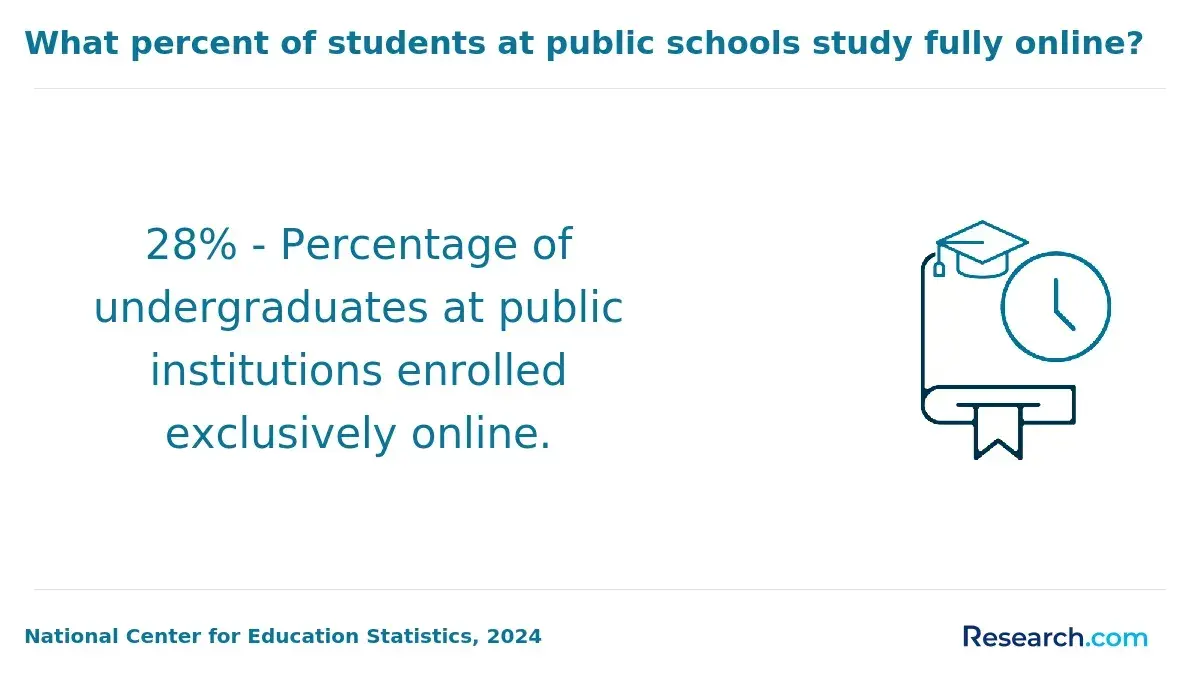
Online education is also becoming more mainstream for adult learners because schools have expanded asynchronous courses, virtual labs, remote advising, and digital tutoring. For individuals exploring the best degrees for felons, online options provide a flexible, accessible environment to build specialized skills while managing personal and professional commitments.
Still, students should not assume online is automatically cheaper. Some universities charge online program fees, and some campus-based public programs may be less expensive for local residents.
What admission requirements do affordable part-time bachelor's programs typically have?
Affordable part-time bachelor's programs usually use the same academic admission standards as full-time programs, but they may offer more flexible start dates, transfer pathways, and adult-learner support. Requirements vary by school, major, and whether the student is a first-year applicant, transfer applicant, or degree-completion student.
Most applicants should be ready to provide the following materials. Reviewing these early helps prevent delays that can push enrollment into a later term.
- High school transcript, GED record, or proof of prior college enrollment, depending on applicant type.
- Official transcripts from every college previously attended, even if credits were old, incomplete, or earned at multiple institutions.
- Minimum GPA documentation, which may differ for general admission, competitive majors, nursing, education, engineering, or business schools.
- Placement information or prerequisite proof for math, writing, science, or major-specific gateway courses.
- Residency, financial aid, military benefit, or employer reimbursement documents when applicable.
A common mistake is applying before requesting a transfer-credit review. This can lead students to repeat courses unnecessarily or choose a school that accepts fewer credits than a comparable program. If you have significant prior coursework, ask admissions whether credits apply to the major, general education, electives, or only total-credit requirements.
How long does it take to complete a part-time bachelor's degree and what does it cost?
A full bachelor's degree typically requires about 120 semester credits, but part-time completion time depends on how many credits you already have and how many courses you can realistically take each term. A student taking 6 credits per semester from the beginning may need many years, while a transfer student entering with an associate degree may finish much faster.
The table below shows how enrollment intensity affects the path. Use it as a planning framework rather than a promise, because course sequencing, summer enrollment, transfer credit, and major requirements can change the timeline.
| Student situation | Typical credit load | Planning implication | Cost issue to watch |
| First-time bachelor's student | 3 to 6 credits per term | Needs a long-range degree map to avoid prerequisite delays | Fees may accumulate over more terms |
| Working adult with some college credit | 6 to 9 credits per term | Can often finish faster if prior credits transfer cleanly | Old credits may not meet current major requirements |
| Associate-degree transfer student | 6 to 12 credits per term | May focus mostly on upper-division major coursework | Out-of-state or upper-division tuition may increase the price per credit |
| Competency-based student | Variable | Progress depends on demonstrated mastery rather than fixed weekly seat time | Subscription pricing can be costly if progress is slow |
For cost planning, multiply required remaining credits by the per-credit tuition, then add mandatory fees, books, software, transportation, parking, background checks, clinical fees, testing fees, and graduation charges. The 2024-25 maximum Pell Grant of $7,395 can help eligible undergraduates, but award amounts depend on financial need, enrollment intensity, cost of attendance, and federal aid rules.
What accreditation should part-time bachelor's programs have to be recognized and reputable?
Accreditation is one of the most important quality checks for part-time bachelor's students because it affects credit transfer, federal financial aid, graduate school options, employer recognition, and licensure eligibility. At minimum, the institution should be accredited by an agency recognized by the U.S. Department of Education or the Council for Higher Education Accreditation.
Some majors also need programmatic accreditation or state approval. This is especially important when the degree connects to licensure, certification, or regulated employment.
- Nursing students should verify state board approval and appropriate nursing accreditation for the specific program pathway.
- Education students should confirm that the program is approved for teacher licensure in the state where they plan to work.
- Engineering students pursuing professional engineering pathways should check whether the program has ABET accreditation where relevant.
- Business students interested in accounting licensure should confirm whether coursework meets state CPA education requirements.
- Cybersecurity and IT students should review lab quality, faculty expertise, and certification alignment in addition to institutional accreditation.
A red flag is a school that avoids clear accreditation language or implies that all credits, licenses, and employer recognition are automatic. Requirements vary, so verify with the school, state licensing board, graduate programs, or employers before enrolling.
What majors and coursework are best suited to flexible, part-time bachelor's programs?
The best majors for flexible, part-time bachelor's study are usually those with predictable course rotations, limited daytime labs, online-friendly assignments, and clear career connections. That does not mean every student should choose the easiest schedule; the right major should match your goal, available time, and tolerance for math, writing, fieldwork, or clinical requirements.
Part-time students often do well in majors that allow steady progress without requiring a fixed full-time cohort. Consider these fit signals before choosing a program.
- Choose business, management, or healthcare administration if you want broad workplace mobility and prefer applied projects over lab science.
- Choose IT, computer science, or cybersecurity if you can commit to regular technical practice outside class and want a skills-based portfolio.
- Choose psychology, criminal justice, or human services if you are comfortable with reading, writing, research, ethics, and people-focused work.
- Choose nursing, education, or engineering only after confirming clinical, student-teaching, lab, or accreditation requirements can fit your schedule.
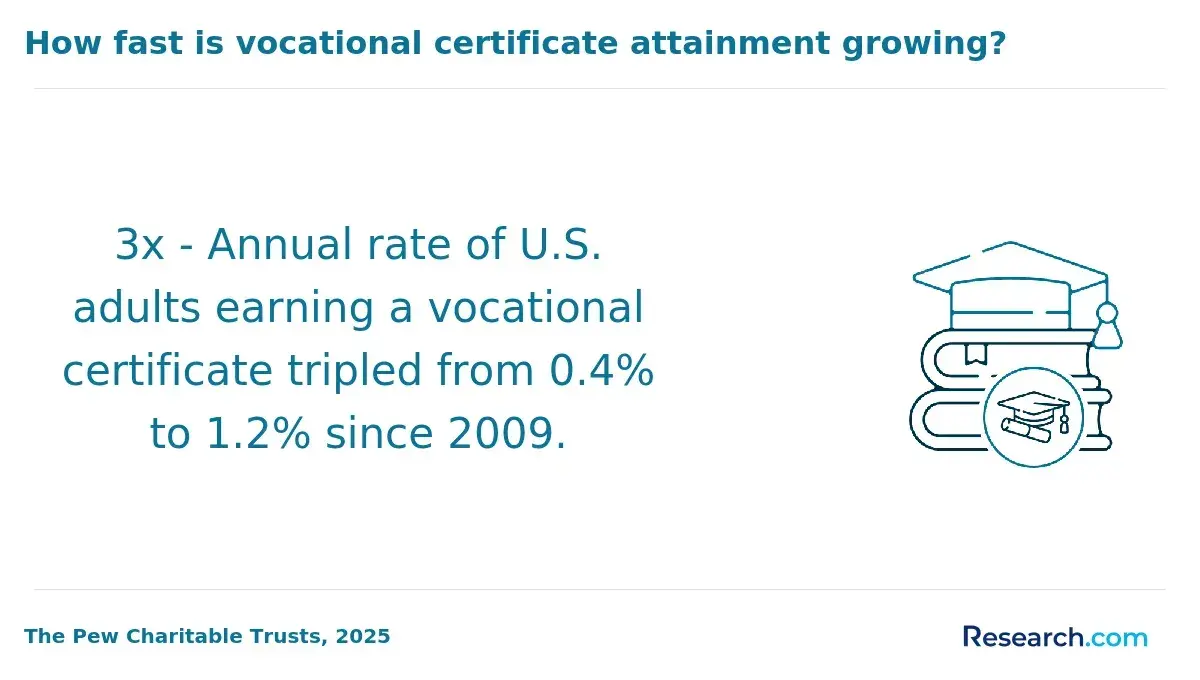
Some students may not need a bachelor's degree right away. If your goal is faster entry into a specific technical or support role, compare degree pathways with jobs that only require a certificate, then decide whether a bachelor's degree should come later.
What careers and job roles can affordable part-time bachelor's degrees lead to?
Affordable part-time bachelor's degrees can lead to entry-level roles, advancement in a current field, eligibility for graduate study, or qualification for roles that require a four-year degree. The best outcome usually comes when the major, internships, work experience, and skills portfolio point toward the same career direction.
The table below connects common part-time-friendly majors with realistic role categories. It is meant to help you evaluate fit, not to imply that a degree alone is enough for every position.
| Degree area | Possible roles | What employers often look for |
| Business | Operations coordinator, accountant, financial analyst trainee, marketing specialist, HR specialist | Excel, communication, analytics, internships, industry knowledge |
| Healthcare administration | Clinic coordinator, healthcare operations analyst, compliance assistant, patient services manager | Healthcare systems knowledge, data literacy, privacy and compliance awareness |
| Information technology | Help desk analyst, systems administrator, network technician, cloud support associate | Hands-on labs, troubleshooting ability, certifications, customer support skills |
| Computer science | Software developer, QA analyst, data analyst, application support specialist | Programming projects, GitHub portfolio, algorithms, internships |
| Cybersecurity | Security analyst, SOC analyst, digital forensics technician, risk analyst | Networking basics, security labs, incident-response practice, certifications |
| Psychology or criminal justice | Case manager, victim advocate, probation support role, research assistant, HR assistant | Writing, ethics, interviewing, documentation, local agency experience |
| Education or nursing | Teacher, instructional support specialist, registered nurse, care coordinator | State approval, licensure exams, supervised practice, clinical or field placements |
Students planning long-term academic careers, advanced clinical roles, research, or college teaching may eventually compare master's and PhD programs, but the bachelor's degree should first be evaluated on its own cost, flexibility, and near-term usefulness.
What salary ranges and job outlook can graduates of part-time bachelor's programs expect?
Salary and job outlook depend on occupation, location, experience, industry, licensure, and whether the student builds relevant experience while enrolled. A part-time bachelor's degree can improve eligibility for many roles, but it does not guarantee a specific job title or wage.
Use labor-market data as a directional tool. For example, BLS 2024-34 projections show especially strong demand for information security analysts, while May 2024 wage data shows wide differences among bachelor's-level occupations.
| Career area | Example role | Recent U.S. labor-market signal | How to interpret it |
| Cybersecurity | Information security analyst | BLS projects much faster-than-average growth for 2024-34. | Demand is strong, but entry-level candidates still need technical practice and experience. |
| Computer science | Software developer | BLS May 2024 median wage was $133,080. | High median pay reflects experienced workers as well as entry-level staff, so portfolio quality matters. |
| Nursing | Registered nurse | BLS May 2024 median wage was $93,600. | Licensure, state, setting, overtime, and shifts can significantly affect earnings. |
| Business | Accountant or auditor | BLS May 2024 median wage was $81,680. | CPA eligibility, industry, and analytical skills can influence advancement. |
| Engineering | Civil engineer | BLS May 2024 median wage was $99,590. | ABET accreditation and professional licensure may affect long-term options. |
The practical takeaway is to compare programs by career alignment, not just major title. A lower-cost program with internships, employer partnerships, licensure alignment, and strong advising may offer better value than a cheaper program with limited career support.
How can part-time students compare and choose the most affordable, high-quality programs?
To choose the most affordable, high-quality bachelor's program, start with your career goal and work backward. The cheapest option is not always the best value if it delays graduation, blocks licensure, rejects transfer credits, or lacks support for working students.
Follow this step-by-step process before you enroll. It will help you compare programs using total value rather than marketing claims.
- Define the job, promotion, licensure path, or graduate program you want the degree to support.
- Confirm institutional accreditation and any required programmatic accreditation or state approval.
- Request a written transfer-credit evaluation showing exactly how prior credits apply.
- Calculate total remaining cost using tuition, required fees, books, software, transportation, exams, and lost work time.
- Ask whether required courses are available online, evenings, weekends, summers, or in a predictable rotation.
- Compare student support, including tutoring, advising, career services, disability services, technical support, and faculty access.
- Review career outcomes carefully, but avoid schools that present salary or placement claims without context.
- Check whether employer tuition assistance, military benefits, scholarships, grants, or payment plans can reduce out-of-pocket costs.
Before making a final decision, ask each school direct questions that reveal hidden costs and practical barriers. Strong programs should answer clearly and provide documentation.
- How many of my credits will apply to the degree, and which requirements will they satisfy?
- What is the total estimated cost from my current credit status to graduation?
- Are courses asynchronous, synchronous, hybrid, or campus-based, and how often are required courses offered?
- Does the program meet licensure or certification requirements in the state where I plan to work?
- What happens if I stop out for a term because of work, caregiving, deployment, or health issues?
- Are internships, labs, clinicals, practicums, or student teaching required, and can they be completed locally?
Common red flags include unclear accreditation, aggressive enrollment pressure, vague transfer policies, unusually high fees, limited course availability, and promises of guaranteed salary outcomes. A good program should make the path to graduation understandable before you commit.
Other Things You Should Know About
The most affordable option is often an in-state public university degree-completion program that accepts substantial transfer credit. Online public programs, community college transfer pathways, and employer-supported programs can also be cost-effective.
Yes, many part-time students can receive federal financial aid if they meet eligibility rules, but award amounts often depend on enrollment intensity. Ask the financial aid office how grants, loans, and scholarships change at 3, 6, 9, or 12 credits.
An online bachelor's degree from an accredited institution is generally evaluated by the school, major, skills, and experience behind it. Employers may care more about accreditation, portfolio quality, internships, licensure, and work history than delivery format.
Many working adults start with one or two classes to test the workload. A heavier schedule can shorten the timeline, but it may increase burnout risk if the student is also managing full-time work, caregiving, or irregular shifts.
References
- Can Part Time Student Receive Financial Aid? | Ascent Funding https://www.ascentfunding.com/blog/can-part-time-students-receive-fafsa/
- Cost of College by Country [2025]: Average Tuition Fees https://educationdata.org/average-cost-of-college-by-country
- Scholarships for College Students https://accessscholarships.com/blog/50-scholarships-for-college-students/
- 2025 Most Affordable Online Bachelor's Degrees https://www.onlineu.com/most-affordable-colleges/bachelors-degrees
- Financial Aid Options for Part-Time Students - ELFI https://www.elfi.com/financial-aid-for-part-time-students/
- Full-time, part-time, online - which study mode is right for you? https://www.studentspace.pl/en/blog/post/studia-stacjonarne-zaoczne-wieczorowe---ktory-tryb-wybrac
- Top 15 Scholarships for Part-Time Students in 2026 https://bold.org/scholarships/by-type/part-time-student-scholarships/
- Top Degrees in Demand for the Future: 2026 & Beyond https://skillifysolutions.com/blogs/career-growth/top-degrees-in-demand-for-the-future/
- Part-timers at greatest risk of failing to complete their studies - Grattan Institute https://grattan.edu.au/news/part-timers-at-greatest-risk-of-failing-to-complete-their-studies/
- Easy Degrees That Pay Well https://www.citizensbank.com/student/articles/easy-degrees-that-pay-well.aspx