2027 Military-Friendly Online Healthcare Informatics Doctorate Programs: Benefits, Accreditation, and Career Outcomes

Co-Founder and Chief Data Scientist
Choosing an online healthcare informatics doctorate while serving, transitioning, or using veteran benefits is a high-stakes decision because cost, accreditation, and deployment flexibility can affect whether you finish. The U. S. Bureau of Labor Statistics reported a $117,960 median annual wage for medical and health services managers in May 2024, showing why advanced health data leadership skills matter.
This guide is for active-duty personnel, veterans, spouses, and reservists comparing online doctoral options, military education benefits, accreditation, and career value before enrolling.
Key Things You Should Know
- Military Tuition Assistance is not always available for doctoral coursework; many students rely more heavily on the Post-9/11 GI Bill, Yellow Ribbon funding, institutional military discounts, employer tuition aid, and scholarships.
- Healthcare informatics doctoral options are limited, so compare true health informatics doctorates with related DNP nursing informatics, DHA analytics, and health administration doctoral pathways based on your career goal.
- For private or foreign schools, the Post-9/11 GI Bill national maximum for the 2024-25 academic year is $28,937.09, which can significantly reduce doctoral tuition but may not cover the full program cost.
Which Military-Friendly Online Healthcare Informatics Doctorate Programs Offer the Best Benefits for Service Members?
The best military-friendly online healthcare informatics doctorate is not simply the one with the biggest military badge on its website. For service members and veterans, the strongest programs combine verified VA benefit participation, flexible online delivery, accredited institutional standing, clear leave policies, and a curriculum that matches a specific career outcome.
Because dedicated online doctorates in healthcare informatics are less common than master's programs, many students compare three pathways: a Doctor of Health Informatics, a DNP with a nursing informatics focus, or a Doctor of Health Administration with analytics, data governance, or digital health coursework. Students who are not yet ready for doctoral admissions may first need a health information management degree online or a related graduate credential to build the academic foundation expected by doctoral programs.
The table below shows how military-connected students can compare strong program types. Treat these as examples to investigate, not as a final ranking, because benefit participation, tuition rates, and Yellow Ribbon funding can change by academic year.
| Program or pathway to compare | Best fit for military-connected students | Military-friendly features to verify | Potential watch-outs |
| Doctor of Health Informatics, such as Rutgers University's DHI pathway | Experienced health IT, clinical data, informatics, or healthcare operations professionals seeking senior informatics leadership | VA education benefit eligibility, online course delivery, veteran services, graduate transfer policy, and any current Yellow Ribbon participation | May require substantial prior healthcare, informatics, or graduate-level preparation |
| DNP with nursing informatics concentration, such as online public university DNP options | Registered nurses, nurse leaders, nurse informaticists, and clinical systems specialists | VA benefit processing, nursing accreditation, practicum flexibility, clinical placement expectations, and deployment accommodation policies | Usually requires an active RN license and may require clinical or practice-hour documentation |
| Doctor of Health Administration with analytics or digital health coursework | Healthcare administrators, military medical officers, health services managers, and operations leaders moving into data-informed executive roles | Military tuition discount, VA certification, asynchronous coursework, dissertation or applied project format, and doctoral residency requirements | May be less technical than a true informatics doctorate, so review course titles carefully |
| PhD in biomedical or health informatics with online or low-residency components | Students targeting research, faculty, policy, or advanced analytics roles | Residency expectations, research mentorship, funding rules, VA benefit use, and whether remote research participation is allowed | Often less flexible than professional doctorates and may require synchronous research meetings |
A good shortlist should include programs that publish military contacts, tuition policies, transfer rules, and interruption procedures. If a school will not clearly explain how deployments, PCS moves, or VA payment delays are handled, that is a red flag even if the program advertises itself as military-friendly.
What Military Benefits Can Students Use for an Online Healthcare Informatics Doctorate?
Military-connected doctoral students may be able to combine federal military education benefits, school-based military discounts, employer support, and general financial aid. The right mix depends on duty status, remaining entitlement, branch rules, school participation, and whether the program is approved for the benefit you plan to use.
The most relevant benefits fall into several categories. Each one affects doctoral affordability differently, so verify eligibility before assuming it will cover your full tuition.
- Post-9/11 GI Bill: Often the most important benefit for veterans and eligible active-duty members because it can help pay tuition and fees and may include a housing allowance and book stipend when eligibility requirements are met.
- Yellow Ribbon Program: Can help reduce remaining tuition at participating schools after the standard Post-9/11 GI Bill private-school cap is reached, but contribution amounts vary by institution, degree level, and academic year.
- Military Tuition Assistance: Branch-funded TA may apply to some graduate coursework, but doctoral-level eligibility is restricted or unavailable in many cases, so students must check current service policy before planning around it.
- Veteran Readiness and Employment: Eligible veterans with a service-connected disability may receive education support when the degree is part of an approved employment plan.
- Institutional military discounts and scholarships: Some universities reduce tuition for active-duty students, veterans, spouses, or dependents, but discounts may not stack with every VA or institutional award.
- Employer tuition assistance: Hospitals, health systems, federal agencies, contractors, and military-affiliated employers may help pay for doctorates tied to workforce needs in health IT, quality, analytics, or leadership.
One common mistake is assuming that a benefit listed on a school's military page automatically applies to a specific doctoral program. Always ask the school's VA certifying official and the program office whether your exact doctorate, enrollment pace, and delivery format are eligible.
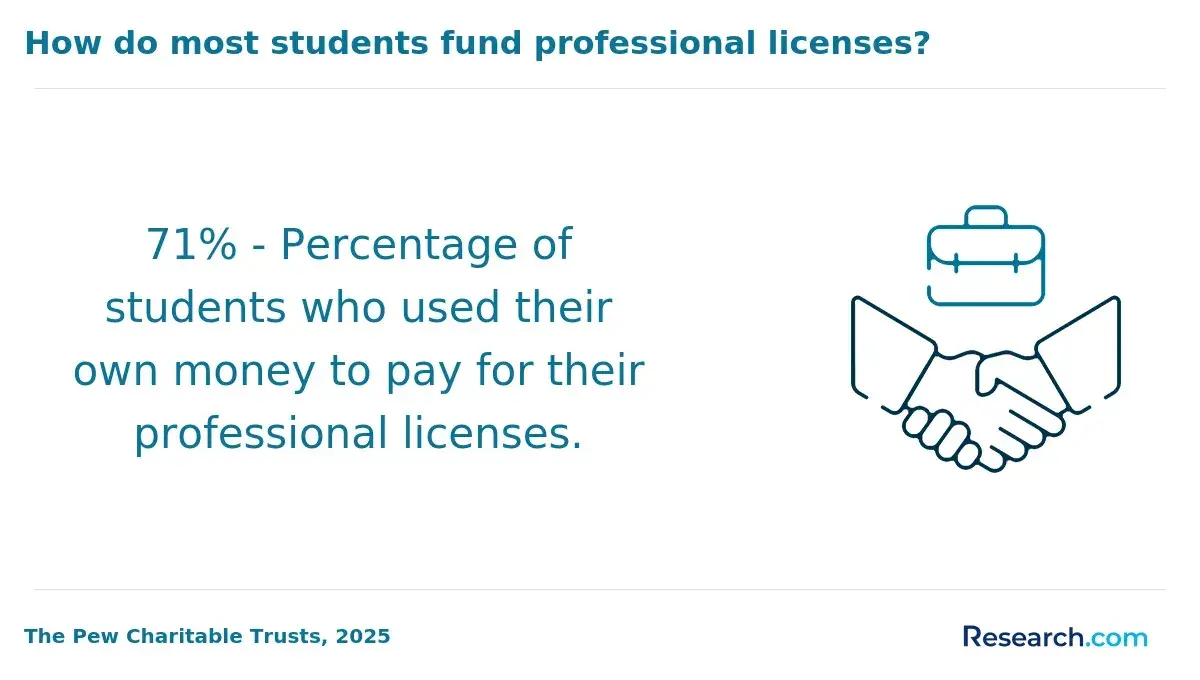
How Does Military Tuition Assistance Work for Online Healthcare Informatics Doctorate Programs?
Military Tuition Assistance is branch-funded education support for eligible service members, but it is not the same as the GI Bill. For doctoral students, the key issue is whether your branch currently allows TA for doctorate-level courses and whether your school participates in the required military education systems.
Most service members should treat TA as a benefit to verify, not a benefit to assume. Branch policies can change, and approvals often depend on degree level, annual caps, grade requirements, prior education, and command approval.
- Confirm your branch's current TA rules for doctoral coursework before applying to any program.
- Ask the school whether it is approved in your service's education portal and whether the specific doctorate is eligible for TA billing.
- Compare the school's per-credit tuition with the TA semester-hour cap and calculate any remaining out-of-pocket balance.
- Check whether using TA affects your ability to use school military discounts, employer aid, or VA benefits in the same term.
- Build a plan for courses that start during field assignments, deployment windows, or high-tempo duty periods because TA approval and course withdrawal rules can be strict.
A practical rule is to create a term-by-term funding map before enrollment. If TA will not apply to the doctorate, ask whether the school offers a military graduate rate, whether the GI Bill can be used instead, and whether you can slow enrollment during periods when out-of-pocket costs would be too high.
Are Military-Friendly Online Healthcare Informatics Doctorate Programs Accredited?
Accreditation is one of the most important quality checks for military-connected students because it affects federal aid eligibility, VA benefit processing, transfer credit, employer recognition, and future academic opportunities. At minimum, the institution should hold recognized institutional accreditation from an accreditor accepted by the U.S. Department of Education.
Programmatic accreditation is more complicated in healthcare informatics. CAHIIM is highly relevant for health information management and health informatics programs, but doctoral-level informatics programs may not always have a CAHIIM-specific doctoral accreditation pathway. If programmatic accreditation matters to your career path, compare the school's claims with recognized standards and review options such as the best online CAHIIM accredited health information management degree programs for earlier-stage academic planning.
The table below explains which accreditation signals matter most and how to interpret them when evaluating an online doctorate.
| Accreditation or approval signal | Why it matters | How military students should use it |
| Institutional accreditation | Supports federal financial aid, VA benefit eligibility, transfer review, and broad employer acceptance | Verify the institution in official accreditation databases and confirm the exact campus or online division is covered |
| CAHIIM relevance | Signals alignment with health information management or health informatics education standards where applicable | Ask whether the doctoral program itself is accredited or whether only related bachelor's or master's programs are accredited |
| Nursing accreditation for DNP informatics programs | Important for nurses using a DNP pathway, especially when employers expect accredited nursing education | Confirm the DNP program's nursing accreditation and any state licensure implications before enrolling |
| State authorization for online learning | Determines whether the school can enroll online students in your state or location | Ask how the school handles PCS moves, overseas assignments, and states with special authorization rules |
| VA benefit approval | Indicates whether the program can be certified for eligible VA education benefits | Confirm approval with the school certifying official before relying on GI Bill payments |
A military-friendly label should never substitute for accreditation review. If a school is unclear about accreditation, program approval, or state authorization, pause the application until you receive written answers.
How Do Online Healthcare Informatics Doctorate Programs Support Active-Duty and Veteran Students?
Strong military student support is practical, not just symbolic. The most helpful schools assign knowledgeable staff who understand VA certification, TA billing, deployment interruptions, military transcripts, and the academic pressure of completing doctoral research while working full time.
Look for support services that reduce administrative friction and academic risk. These features are especially important in doctoral programs because a delay in dissertation, capstone, practicum, or research milestones can extend your timeline and increase cost.
- Dedicated military or veteran advising that coordinates with financial aid, registrar, billing, and academic departments.
- A school certifying official who can explain GI Bill certification, Yellow Ribbon rules, enrollment status, and payment timing for doctoral terms.
- Deployment, military withdrawal, leave-of-absence, and readmission policies that are written clearly and available before enrollment.
- Flexible faculty communication for students serving across time zones, ships, field environments, or overseas assignments.
- Career support that translates military medical, cyber, logistics, operations, or leadership experience into civilian healthcare informatics language.
- Disability, counseling, and transition support for veterans balancing academic work with service-connected health needs.
Veterans should also evaluate whether the program has strong graduate-level career coaching, not just undergraduate veteran services. Doctoral students often need help positioning themselves for executive, consulting, faculty, analytics, or federal health IT roles.
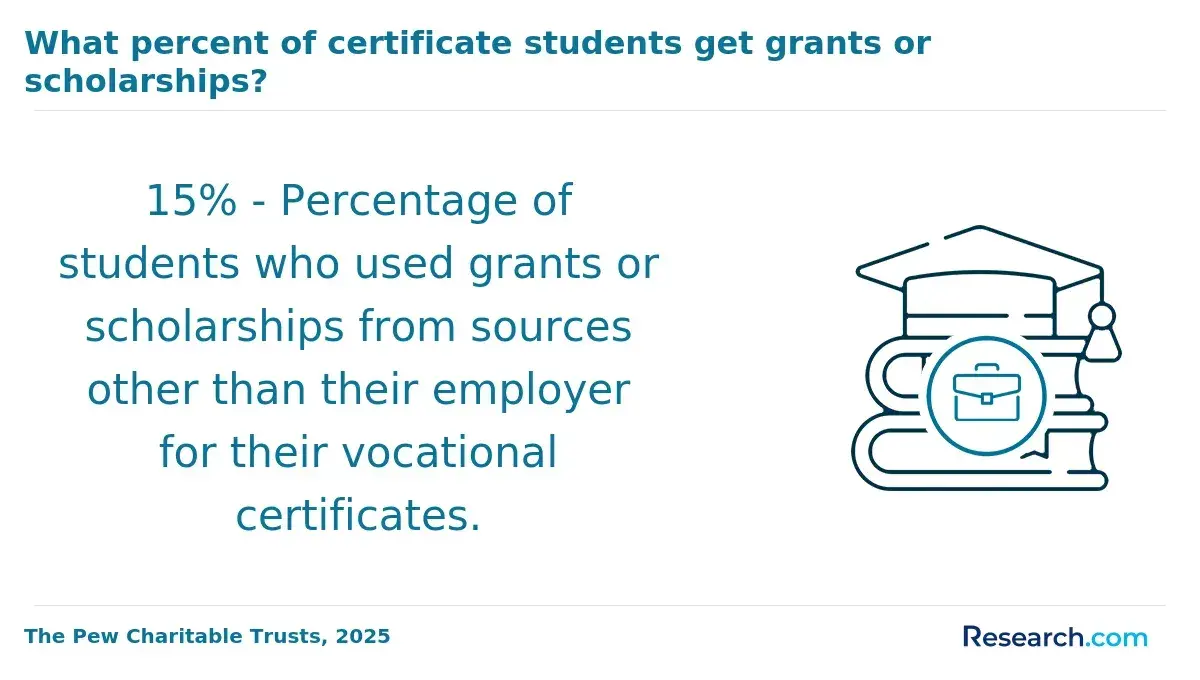
Can Military Training and Experience Transfer Into an Online Healthcare Informatics Doctorate?
Military training can strengthen a doctoral application, but it rarely converts directly into large blocks of doctoral transfer credit. Doctoral programs usually expect advanced graduate coursework, research readiness, leadership experience, and a strong match between your professional background and the program's focus.
Transfer policies are school-specific, so ask detailed questions before assuming that Joint Services Transcript entries, officer education, enlisted technical training, Defense Health Agency experience, or military medical systems work will reduce your credit load. Prior graduate credits in health informatics, health information management, nursing informatics, public health, data analytics, cybersecurity, or healthcare administration are more likely to be reviewed for doctoral transfer than basic training or occupational schooling.
Before applying, gather documentation that helps the program evaluate your background fairly. The stronger your evidence, the easier it is for admissions committees and transfer evaluators to understand your readiness.
- Official transcripts from all colleges and graduate programs attended.
- Joint Services Transcript, Community College of the Air Force transcript, or other official military education records where applicable.
- Course syllabi for graduate classes you hope to transfer into the doctorate.
- Descriptions of informatics-related military duties, such as EHR implementation, clinical systems management, cybersecurity, medical logistics data, quality improvement, or health operations analytics.
- Professional certifications in healthcare IT, project management, cybersecurity, data analytics, nursing informatics, or health information management.
The most common mistake is expecting military experience to shorten a doctorate substantially. A better expectation is that military experience may improve admission strength, dissertation topic relevance, practicum placement, and career positioning, while transfer credit remains limited and formally reviewed.
How Flexible Are Military-Friendly Online Healthcare Informatics Doctorate Programs for Service Members?
Online format matters, but "online" does not always mean flexible enough for active-duty life. Some programs require synchronous evening sessions, on-campus residencies, scheduled intensives, clinical practice hours, or dissertation meetings that may conflict with duty schedules.
The table below compares flexibility features that can make or break a doctoral plan for service members who may deploy, relocate, work shifts, or lose reliable internet access.
| Flexibility feature | Why it matters for military students | What to ask before enrolling |
| Asynchronous coursework | Allows students to complete weekly work around duty schedules and time zones | Are lectures recorded, and are any live sessions mandatory? |
| Part-time enrollment | Helps students manage doctoral workload during high operational tempo | What is the minimum credit load, and does it affect VA housing allowance or aid? |
| Deployment leave policy | Protects academic standing during service interruptions | Can I pause without reapplying, and how are incomplete courses handled? |
| Residency or immersion requirements | Can create travel conflicts and extra costs | How many in-person days are required, where, and how far in advance are dates published? |
| Dissertation or applied project format | Affects timeline, research access, and employer alignment | Can projects use workplace or military-relevant healthcare data if approvals are obtained? |
| State authorization and relocation rules | PCS moves can affect online enrollment eligibility | What happens if I move to another state or overseas during the program? |
Active-duty students should prioritize programs with predictable calendars, documented leave policies, and low-residency or no-residency formats. A campus-based doctorate may be a better fit only if you have geographic stability, employer-sponsored research access, or a local academic mentor who is essential to your career goal.
How Much Do Military-Friendly Online Healthcare Informatics Doctorate Programs Cost After Military Benefits?
The out-of-pocket cost of an online healthcare informatics doctorate depends on tuition per credit, total credits, fees, residency travel, dissertation extension charges, books, technology fees, and how your benefits apply. The 2024-25 Post-9/11 GI Bill cap of $28,937.09 for private or foreign schools is useful for planning because it shows that even a strong benefit may leave a balance at higher-cost institutions.
Use these cost categories to build a realistic doctoral budget before you enroll. The goal is to compare total program cost, not just advertised tuition.
- Tuition: Multiply tuition per credit by total required credits, then subtract only benefits you have confirmed in writing.
- University fees: Include technology, graduation, doctoral continuation, library, health, and student service fees when applicable.
- Residency travel: Add airfare, lodging, meals, local transportation, and leave time if the program has in-person intensives.
- Dissertation or capstone extension costs: Ask whether students pay per term after coursework while completing research or applied projects.
- Books and software: Include statistics software, database tools, EHR simulation platforms, research tools, and required subscriptions.
- Benefit gaps: Plan for terms when TA is unavailable, GI Bill entitlement runs out, Yellow Ribbon funds are capped, or enrollment status changes.
To calculate affordability, ask each school for a written cost worksheet based on your benefit status. If two programs have similar tuition, the more affordable choice may be the one with fewer fees, no residency travel, stronger transfer credit, and clearer policies that prevent costly stop-outs.
What Career Outcomes Can Military Students Expect After an Online Healthcare Informatics Doctorate?
An online healthcare informatics doctorate can support advancement into senior roles where healthcare, data, technology, compliance, operations, and leadership intersect. It is usually best for experienced professionals who want to lead health IT strategy, clinical data governance, quality improvement analytics, EHR optimization, digital health initiatives, or informatics education.
Salary outcomes vary by role, region, employer, prior experience, clearance, clinical background, and technical skill level. For context, readers comparing healthcare leadership pathways can review broader health information management salary data to understand how management responsibility, credentials, and healthcare setting affect compensation.
The table below summarizes common outcomes and how military experience may translate. It does not promise a specific job; it helps you connect doctoral training with realistic employment targets.
| Possible role | Typical responsibilities | Military experience that may translate well | Doctoral value signal |
| Chief health informatics officer or informatics director | Lead clinical systems strategy, EHR optimization, data governance, and cross-functional informatics teams | Military treatment facility leadership, medical operations, systems implementation, and command-level coordination | Advanced leadership, research literacy, and enterprise informatics strategy |
| Healthcare data governance or analytics leader | Oversee data quality, reporting, interoperability, dashboards, and analytics initiatives | Operations analysis, readiness reporting, logistics data, cyber operations, and quality improvement | Ability to connect data methods with healthcare decision-making |
| Clinical informatics consultant | Advise hospitals, agencies, vendors, or contractors on workflow, implementation, and regulatory alignment | Program management, stakeholder training, procurement, and change management | Credibility for complex health technology transformation work |
| Federal health IT or contractor leadership role | Support agencies, defense health systems, VA-related projects, or public-sector health technology programs | Security awareness, mission-driven operations, clearance eligibility, and familiarity with federal environments | Doctoral-level expertise paired with government healthcare context |
| Faculty or applied research role | Teach, mentor, publish, evaluate systems, or lead applied healthcare informatics projects | Training, doctrine development, team leadership, and technical instruction | Research, scholarship, and curriculum credibility |
Current market trends favor leaders who understand AI governance, cybersecurity, interoperability, privacy, patient safety, and data quality. A doctorate is most valuable when it builds on relevant professional experience rather than serving as a substitute for healthcare, analytics, or leadership exposure.
How Should Military Students Choose the Best Online Healthcare Informatics Doctorate Program?
The best program is the one that fits your mission obligations, benefit eligibility, academic background, and career target. A school can be military-friendly and still be the wrong fit if it has inflexible live sessions, unclear transfer rules, weak career alignment, or high costs after benefits.
Use a structured review process before applying. This helps you separate meaningful military support from marketing language.
- Define the outcome first: Decide whether you want informatics executive leadership, nursing informatics, applied analytics, federal health IT, consulting, academia, or research.
- Match the doctorate type to the goal: Compare DHI, DNP, DHA, PhD, and related doctoral pathways instead of assuming they lead to the same roles.
- Verify accreditation and approvals: Confirm institutional accreditation, any relevant programmatic accreditation, VA approval, and state authorization for your location.
- Request a military benefit estimate: Ask the school to show how GI Bill, Yellow Ribbon, TA, military discounts, scholarships, and fees would apply to your exact program.
- Audit flexibility: Review synchronous requirements, residency dates, leave policies, practicum expectations, dissertation timelines, and overseas access.
- Check transfer and prior learning rules: Ask how graduate credits, military transcripts, certifications, and professional experience are evaluated.
- Review faculty and curriculum: Look for coursework in clinical data, interoperability, AI governance, privacy, healthcare quality, analytics, EHR systems, and implementation leadership.
- Ask about outcomes: Request examples of graduate roles, employer partnerships, alumni support, dissertation topics, and career services for doctoral students.
Students earlier in the healthcare data pathway should also compare non-doctoral credentials and entry-level roles before committing to a doctorate. For example, reviewing medical coding salary information can help determine whether a shorter credential, bachelor's degree, master's degree, or doctorate offers the right return for the next career step.
Common red flags include vague accreditation language, pressure to enroll quickly, unclear doctoral fees, no written deployment policy, mandatory residencies that conflict with service obligations, and advisors who cannot explain VA certification. If a program cannot answer military-specific questions in writing, continue your search.
Other Things You Should Know About Healthcare Informatics
Healthcare informatics focuses on using data, technology, and systems to improve care delivery and decision-making. Health information management focuses more on health records, coding, privacy, compliance, data integrity, and information governance, though the fields overlap.
Some programs include analytics, databases, interoperability, or technical systems coursework, but they do not all require advanced programming at admission. Applicants should still be comfortable with data, technology, research methods, and healthcare workflows.
Many professional doctorates take about three to five years, depending on transfer credit, enrollment pace, dissertation or capstone progress, and military interruptions. PhD pathways may take longer, especially when original research and faculty mentorship are central.
Yes, but they may need healthcare, analytics, IT, public health, or administration experience to be competitive. Military backgrounds in cybersecurity, logistics, operations, data analysis, medical systems, or program management can be relevant when paired with the right prerequisites.
References
- 100 Percent Online Master's in Health Informatics - MSHI Degrees https://www.mhaonline.com/faq/fully-online-ms-health-informatics-programs
- From Service to Scholarship: The Military Veteran's Guide to Pursuing a PhD https://www.phds.me/resources/military-personnel-veterans/
- Military-friendly Online Master’s Programs for Service Members https://www.onlinemastersdegrees.org/features/military-friendly-programs/
- 5 Health Informatics Careers https://www.albany.edu/cehc/communications/health-informatics-careers
- Health Informatics Job Description and Salary Information https://www.usfhealthonline.com/resources/health-informatics/health-informatics-jobs-health-informatics-salary/
- Trident Serves Those Who Serve Our Country https://www.trident.edu/military-and-veteran/veterans/
- Masters in Healthcare Informatics Salary Outlook https://www.careersinpublichealth.net/resources/masters-healthcare-informatics-salary-outlook/
- Top Online Degree Programs: Veterans U.S. Veterans Magazine https://usveteransmagazine.com/usvm/top-online-degree-programs-for-veterans/
- 2025 Best Military-Friendly Online Colleges https://www.onlineu.com/online-schools/military-friendly
- MEDSCHOOL, PMB, Education, Health Informatics and Information Sciences Distance Learning Certificate Program https://medschool.usuhs.edu/pmb/education/health-informatics-and-information-sciences-certificate-program