Is an Online MBA in Supply Chain Management Worth It for Military Veterans?

Co-Founder and Chief Data Scientist
Military logistics experience can translate well to civilian supply chain work, but an online MBA is a substantial investment - not an automatic route to a management job. For veterans weighing that investment, the important questions are whether the degree fills a real skills gap, whether employers will recognize their service experience, and how much they will actually pay after education benefits.
This guide examines those trade-offs alongside career paths, program formats, and alternatives so you can decide whether an online supply chain MBA is the right next step.
Key Things You Should Know
- Best fit: An online supply chain MBA is most compelling for veterans with relevant logistics or leadership experience who need broader business skills to pursue civilian management roles - not those expecting the degree to replace functional experience.
- Cost depends on eligibility: Post-9/11 GI Bill coverage varies by benefit level, school, enrollment, and remaining entitlement; confirm your personal out-of-pocket cost before comparing programs.
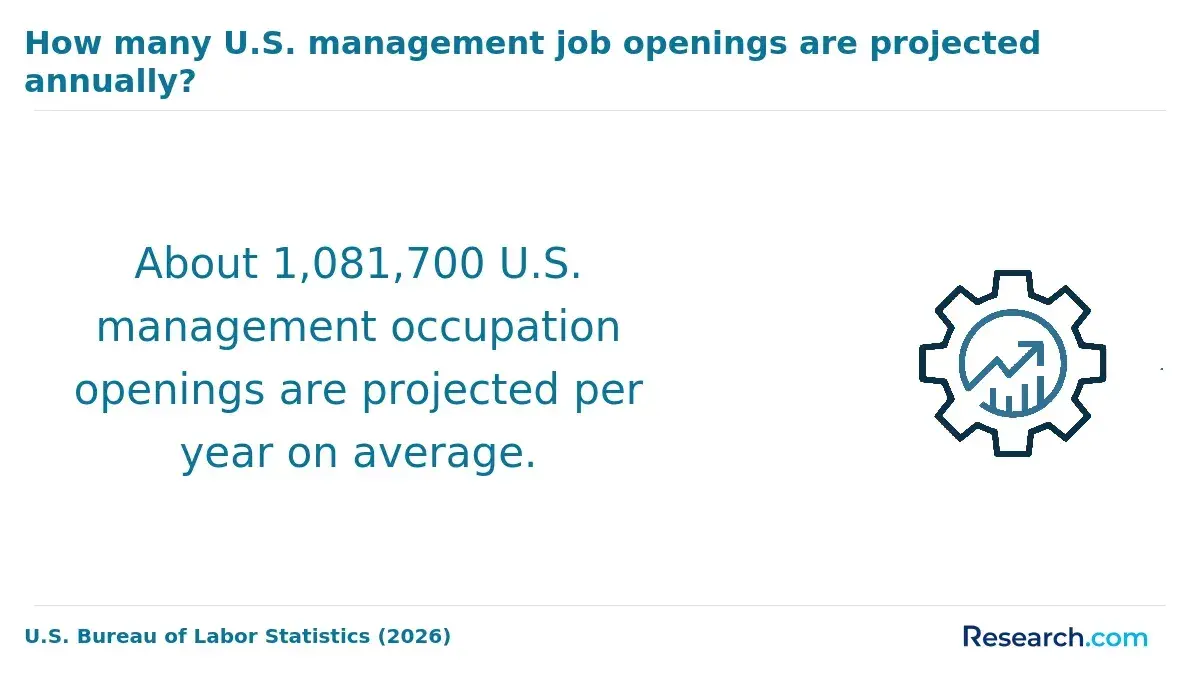
- Salary context: The U.S. Bureau of Labor Statistics reports a $126,520 median annual wage for management occupations in May 2025, but that figure covers many occupations and is not an MBA graduate salary.
Is an online MBA in supply chain management worth it for military veterans?
It can be worth it when the MBA bridges a specific gap between your military experience and a civilian role you can realistically pursue. A veteran who has led transportation, procurement, maintenance, or distribution teams may already know how to manage people and complex operations. The MBA can add corporate finance, commercial decision-making, and supply chain strategy while providing a recognizable civilian credential.
The return is less certain if you have not identified a target role, need hands-on experience more than classroom study, or would take on substantial debt without a plausible advancement path. Military responsibility does not always map neatly to civilian job titles: an employer may value your leadership yet still expect familiarity with commercial suppliers, enterprise software, or industry-specific regulations.
Compare the MBA with a narrower qualification based on the gap you need to close. The distinctions below can keep you from paying for a broad degree when a more direct route would serve you better.
| Primary goal | Potentially stronger option | Why |
| Lead a business unit or move into broader operations management | Supply chain MBA | Combines management fundamentals with supply chain coursework. |
| Build deep technical supply chain or analytics expertise | Specialized master's degree | May devote more coursework to the function and less to general management. |
| Validate a defined skill for a current or near-term role | Professional certification, targeted course, or employer training | May address the skill gap with less time and expense. |
Estimate value using your net cost - tuition and fees plus materials, financing, and any lost work time, minus confirmed benefits or employer support. Then compare that cost with a conservative career scenario, not a published salary for an entire occupation. If your goal is closer to technical or engineering management, online MBA programs for engineers may provide a more relevant comparison than a supply chain concentration alone.
What careers can veterans pursue with an MBA in supply chain management?
Veterans can pursue procurement, transportation, inventory, distribution, and operations roles. The best entry point depends on what they actually managed in service and how clearly they can explain that work in civilian terms. A former logistics officer who oversaw budgets and suppliers may be positioned differently from someone whose experience centered on executing warehouse procedures.
Supply chain manager and operations manager roles involve coordinating teams, budgets, suppliers, and performance. Procurement manager roles emphasize sourcing, contracts, and supplier relationships; distribution or transportation manager roles focus on moving goods safely and efficiently. Employers may also hire veterans into analyst or supervisor positions before assigning broader management responsibility.
Translate your experience into evidence employers can assess: the size of operations you led, the decisions you owned, the systems you used, and measurable improvements you can substantiate. Learn the terminology of your target industry and ask career services whether they help online students reach employers hiring for that function. Healthcare is one possible destination, but hospital sourcing and distribution involve sector-specific constraints; veterans targeting leadership across healthcare operations may also compare online MBA programs for healthcare professionals.
How much does an online supply chain MBA cost, and can veterans use GI Bill benefits?
There is no single price for an online supply chain MBA. Schools may charge by credit, course, or term, and the advertised tuition figure may exclude mandatory fees, books, software, and any required travel. Ask each school for a written estimate based on the credits you must complete and your intended enrollment pace. For a starting point when comparing lower-cost choices, see mba programs - then verify current charges directly with each institution.
Eligible veterans may use Post-9/11 GI Bill benefits at an approved program, but coverage is individual. At a public institution, the benefit can cover applicable in-state tuition and mandatory fees according to the student's eligibility level. Private-school coverage is subject to a VA annual cap, and eligible students at participating schools may receive Yellow Ribbon support for costs above the applicable GI Bill payment. Rules and caps change, so a published program price is not your personal net price.
Online-only enrollment can also affect the monthly housing allowance. The amount depends on VA rules, enrollment level, eligibility, and whether a student takes qualifying in-person coursework; active-duty status can affect payment as well. Before committing, ask the school's VA certifying official to confirm program approval, how your courses will be certified, whether Yellow Ribbon applies, and what charges remain your responsibility. Check your own benefit entitlement with the VA rather than assuming that veteran status alone establishes eligibility.
An MBA provides a broad business core - typically subjects such as accounting, finance, strategy, leadership, and operations - alongside supply chain courses or electives. Relevant coursework may cover sourcing, logistics, inventory decisions, forecasting, process improvement, and supply chain risk. The exact mix varies: an MBA with one logistics elective is not necessarily a formally designated supply chain concentration.
For veterans, the useful shift is often from running an operation under military priorities to evaluating commercial trade-offs. A course might ask you to weigh delivery speed against working capital or supplier risk against purchase price. Review the course catalog for applied projects and analytics tools, but do not assume an MBA supplies the technical depth of a specialized analytics degree or replaces experience with civilian procurement systems.
Online study can let a veteran remain employed or stay in one location during a career transition. Campus study may make in-person recruiting and informal networking easier. Neither format is uniformly better; the differences that matter are the school's actual schedule, access to employers, and your ability to participate.
The comparison below identifies questions to test with individual programs rather than features guaranteed by either format.
| Consideration | Online MBA | Campus-based MBA |
| Scheduling | May offer recorded work, but live classes, group meetings, or residencies can still be required. | Often requires regular attendance at a set location and time. |
| Career access | Virtual advising and recruiting may be available; access can differ from the campus program. | In-person events may be easier to attend, subject to program and employer participation. |
| Work continuity | May allow continued full-time employment, depending on course load. | Full-time formats may require reducing or leaving work; part-time campus options vary. |
Ask to see a typical term calendar, including live sessions and group-project expectations. If recruiting is central to your decision, confirm which career events and employer introductions online students can actually use rather than assuming they share every campus opportunity.
Requirements vary by school. Applicants commonly need a bachelor's degree and may be asked for transcripts, a résumé, recommendations, or a statement of goals. GMAT or GRE policies differ, as do work-experience expectations and any foundation-course requirements. A nonbusiness bachelor's degree or a military career does not automatically rule out admission.
Present military experience in terms an admissions committee can evaluate: leadership scope, resource decisions, cross-functional coordination, and results. If your academic background lacks accounting or quantitative coursework, ask whether the program offers preparation before or during the MBA. Check each school's current requirements and deadlines rather than treating common admissions practices as universal rules.
Completion time depends on required credits, course sequencing, and how many courses you take at once. Accelerated programs compress the schedule; part-time study spreads it out and may be easier to combine with work or family responsibilities. A concentration can also affect timing if its courses are offered only in certain terms.
Compare calendars rather than advertised completion times alone. Check whether a faster plan remains workable alongside employment, whether you can pause enrollment, and how a change in course load could affect your VA benefit payments. Veterans evaluating a compressed schedule can use this guide to accelerated online MBA programs as a starting point, then confirm each program's current course sequence.
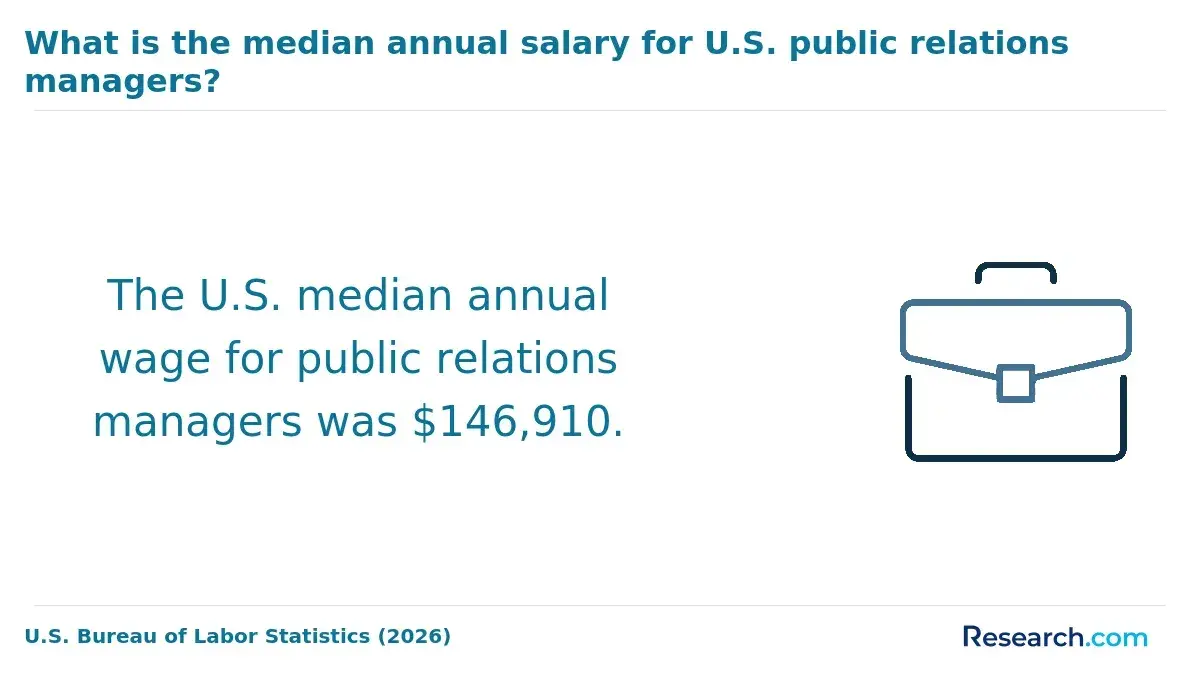
There is no reliable single salary for "supply chain MBA graduates." Pay depends on occupation, location, industry, prior experience, and level of responsibility. The U.S. Bureau of Labor Statistics reports that the median annual wage across management occupations was $126,520 in May 2025. That broad figure includes many jobs outside supply chain management and should not be used as a starting-salary forecast or evidence that an MBA caused higher earnings.
BLS projects management occupations overall to grow faster than the average for all occupations from 2025 to 2035. That outlook indicates opportunities across management, not guaranteed demand for graduates of a particular concentration. For a useful personal estimate, compare compensation in specific roles and locations you could reasonably enter with your current experience, then assess whether the MBA would change your competitiveness for those roles.
Most general supply chain management roles do not require a universal professional license, and an MBA concentration is not itself a license or certification. An employer may nevertheless prefer evidence of expertise in procurement, inventory, logistics, project management, or a particular software system. Requirements can be more specific in regulated industries or specialized positions.
Choose a credential only after examining target job postings and your own experience gap. A certification may help demonstrate a focused capability, while the MBA is better suited to broader management development. Neither substitutes for the other automatically, and neither guarantees a promotion.
How can veterans choose an accredited online supply chain MBA program?
Start by confirming that the institution holds recognized institutional accreditation, then check whether its business school or MBA has specialized business accreditation, such as AACSB, ACBSP, or IACBE. These are distinct checks: institutional accreditation concerns the university, while specialized accreditation evaluates business education. Also verify that the supply chain concentration is formally offered in the online MBA, not merely in a campus catalog.
Before applying, narrow your choices using questions tied to your intended job and available benefits:
- Which required courses and applied projects address the skills missing from my military experience?
- What is my estimated total out-of-pocket cost after confirmed VA benefits, fees, and any employer assistance?
- Which live sessions, campus visits, career services, and employer events are available or required for online students?
- Can the school connect me with veteran support staff and graduates working in my target supply chain field?
Compare the answers side by side rather than relying on a ranking or a "military-friendly" label. If location affects your employer network, a regional list of online MBA programs can help you identify options to investigate; confirm concentration availability, current costs, and VA approval with each school.
Other Things You Should Know About MBA
Possibly, but graduate transfer-credit policies are school-specific. Ask whether the MBA accepts credit for prior graduate study or evaluated military learning; do not assume service experience will reduce required MBA coursework.
Some veterans with a service-connected disability may qualify for VA Veteran Readiness and Employment services. Eligibility and approval of an MBA depend on an individual vocational plan, so discuss the proposed program with a VA counselor before relying on this benefit.
No. Federal veterans' preference applies under qualifying federal hiring rules, not automatically to private employers. Private companies may value military experience, but their hiring criteria vary.
Not necessarily. If you are unsure which civilian role fits your experience, informational interviews or a period of civilian work may clarify whether an MBA, a narrower credential, or no additional degree is the better investment.
- VA Education And Training Benefits https://www.va.gov/education/
- DAPIP | Homepage - Office of Postsecondary Education (OPE) https://ope.ed.gov/dapip/
- The Value of Accreditation | AACSB https://www.aacsb.edu/educators/accreditation/value-of-accreditation
- GMAT and GRE Preparation - McCoy College of Business https://www.mccoy.txst.edu/graduate/admissions/gmat-gre.html
- MBA Accreditation Types and Benefits | Freeman News https://freemannews.tulane.edu/2026/08/06/mba-accreditation-types-and-benefits
- 10 Reasons why Military Veterans are Especially Suited for Supply | umn.edu https://carlsonschool.umn.edu/graduate/resources/10-reasons-military-veterans-great-fit-supply-chain-operations
- UConn Supply Chain Cost & Financial Aid https://supplychain.business.uconn.edu/costs/
- Online Master of Business Administration (MBA) | American Military University https://www.amu.apus.edu/online-masters-programs/master-of-business-administration/
- Post-9/11 GI Bill®/Yellow Ribbon | nyu.edu https://www.nyu.edu/students/communities-and-groups/military-students-and-veterans/military-connected-student-benefits/post-9-11-gi-bill-yellow-ribbon-montgomery-gi-bill.html
- Online MBA Degree Program | Master of Business Administration | University of Delaware Online https://www.udel.edu/academics/online/programs/mba-masters-business-administration/