2027 Is an Online BS in Business Administration the Right Next Step for Business Development Representatives?
Audited and Verified:
Our Editorial and Data Verification Process
Research.com uses government datasets, official education statistics and primary institutional information to support its career and degree guides. Our review process checks factual accuracy, occupational definitions, source dates and the requirements associated with the credentials discussed.
How This Article Was Fact-Checked
Our editorial team verifies salary estimates, employment projections, education requirements and program information against original data providers and official organizations. Salary figures are checked against the relevant occupational definitions and reporting periods. Information about licensure, accreditation and required in-person training is reviewed separately.
Fact-checked and verified on:

Co-Founder and Chief Data Scientist
Business development representatives (BDRs) already practice outreach, prospect research, and customer communication. An online BS in Business Administration may help them move toward account management, sales operations, or another business function - but it also takes time and money that could go toward gaining sales experience. This guide is for working BDRs deciding whether a degree fills a real qualification or skill gap. It explains what the degree teaches, how online study fits around a sales schedule, and when a more targeted route may be the better next step.
Key Things You Should Know
- An online BS in Business Administration is most compelling when a target role or employer expects a bachelor's degree and you want broader business skills beyond prospecting.
- If your immediate goal is a better BDR role or an account executive opportunity, documented sales results, coaching, and product knowledge may be more direct than a full degree.
- The U.S. Bureau of Labor Statistics projects 7% employment growth for market research analysts from 2025 to 2035, but that adjacent career requires analytical preparation; the projection is not a forecast of BDR promotions.
Is an Online BS in Business Administration Right for Business Development Representatives?
It can be, if the degree addresses a specific barrier between your current BDR work and your next role. A BDR typically identifies prospects, initiates conversations, qualifies potential customers, and arranges sales handoffs. A business administration degree adds broader preparation in finance, marketing, operations, management, and analysis. It does not replace the selling experience needed to manage accounts or lead a team.
The comparison below separates goals that may benefit from a degree from goals that may call for a shorter intervention.
| BDR goal | When the BS may help | What else matters |
| Move into account management or account executive work | A target employer requires a bachelor's degree, or you need stronger financial and strategic business knowledge. | Discovery calls, deal execution, product expertise, and evidence of customer-facing results. |
| Enter sales operations or marketing analysis | Coursework and projects develop spreadsheet, research, and reporting skills. | Practice with the tools and data used in the target role. |
| Become a sales manager | The degree fills an education requirement and develops budgeting and organizational knowledge. | A record of sales performance, coaching, and responsibility for team outcomes. |
| Improve performance in a current BDR role | A broad degree is worthwhile for a longer-term goal beyond the immediate role. | Manager feedback, call review, product training, and targeted sales practice may help sooner. |
Online study makes continued employment possible, but it does not automatically make coursework self-paced. Before choosing it, compare your busiest prospecting periods with assignment deadlines and live-session requirements. Resources on flexible online study for business administration career growth can help frame that schedule check.
What Education Does a Business Development Representative Need?
There is no universal degree requirement for BDR jobs. Employers set their own criteria: some consider candidates with a high school credential and relevant communication or customer-service experience, while others prefer a bachelor's degree. Technical products may also call for industry or product knowledge. Read the requirements for jobs you actually want rather than treating one posting as a rule for the occupation.
A BS in Business Administration is an undergraduate degree, not a sales license or certification. For admission, online programs commonly request evidence of prior schooling and, for transfer applicants, college transcripts. A school may have separate entry requirements for its business major. Prior college work can be accepted as credit without satisfying a required business course, so ask for an official evaluation before planning around a shorter completion time. If you are unsure about math preparation, prior credits, or application documents, review what to check before applying for a business administration degree.
How Can an Online Business Administration Degree Advance a BDR Career?
The strongest case for the degree is not that it changes your title automatically. It is that you can pair new business knowledge with responsibilities you already hold. For example, a BDR interested in sales operations could learn to interpret conversion data, then seek an approved opportunity to analyze a nonconfidential part of the team's process. Someone pursuing account management could use finance and marketing coursework to better understand a customer's purchasing decisions.
Industry focus matters, too. A BDR selling logistics services may decide that supply chain knowledge is more valuable than a general-business elective. In that case, compare the actual coursework and remaining time in supply chain undergraduate programs with shorter terms against the broader BS. A specialized program is useful only if it serves the target role without adding unnecessary credits or displacing relevant sales experience.
To test whether the degree could change your prospects, collect several postings for your intended next role. Note which require a bachelor's degree, which name specific tools or industry knowledge, and which expect prior ownership of accounts or team results. Use those findings - not the degree title alone - to choose coursework and work assignments.
Most programs combine general education with a business core, but their course requirements differ. For a BDR, marketing can clarify segmentation and customer research; accounting and finance can improve commercial judgment; statistics and spreadsheets can support pipeline analysis; and management and operations can explain how sales work connects to delivery and staffing. An introductory course provides a foundation, not proof of specialist expertise.
Look beyond course titles to assignments. A useful program might ask students to assess a market, explain a financial trade-off, or present a recommendation using stated assumptions. If you hope to use workplace material, first check employer permission, customer-data privacy, and the instructor's project rules. A classroom case or simulation can be valuable without requiring access to confidential CRM records.
Choose a formal concentration only when its required courses serve your intended move. For example, organizational behavior may help a future team lead, while a BDR considering recruiting or people operations may need a closer look at human resources education and career options. An elective is not automatically an official concentration or a separate credential.
Online and campus programs can lead to the same type of bachelor's degree, but the learning experience depends on the institution. Online delivery may reduce commuting and allow a BDR to keep working. Campus study may offer easier access to in-person classes, recruiting events, or classmates nearby. Neither format is inherently more rigorous or more flexible.
For a working BDR, the deciding details are live attendance, group-meeting schedules, proctored exams, presentation requirements, course availability, and any campus visits. Ask whether evening sales calls or travel would conflict with required activities. When considering online colleges with accelerated business programs, check whether shorter terms mean more concentrated weekly work. A faster calendar does not reduce the coursework you must complete.
Requirements vary by school and by whether you apply as a first-time student, transfer student, or returning student. Programs may ask for secondary-school records, transcripts from every college attended, and evidence that you meet any business-major prerequisites. Some evaluate admission to the institution separately from admission to the major.
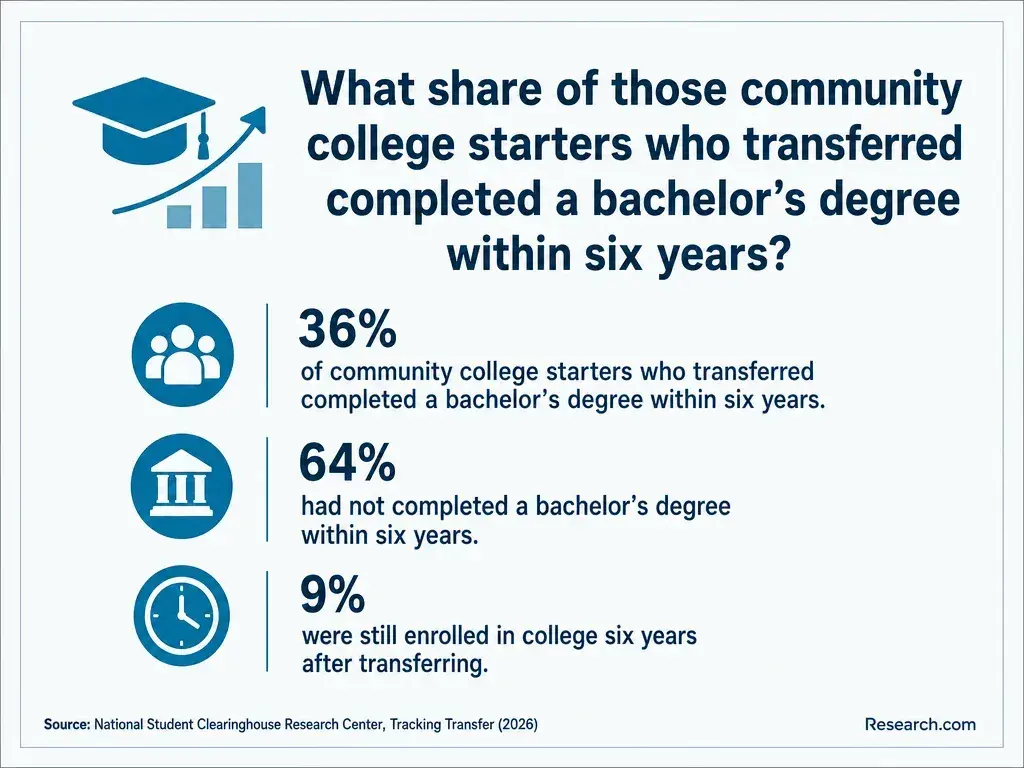
If you have prior credits, request a written evaluation showing where they apply: general education, business core, electives, or remaining residency requirements. Ask admissions which documents are needed, an academic adviser which courses remain, and the financial-aid office whether your intended enrollment is aid-eligible. A program appearing among affordable accredited business administration programs accepting FAFSA is not a promise of individual aid eligibility or a final net price.
A first-time student generally has a longer path than a BDR bringing applicable college credits. Completion time depends on the credits still required, enrollment pace, prerequisite sequences, and when needed courses are offered. Online delivery alone does not shorten the degree; part-time study may make weekly work manageable while extending the calendar.
Ask each school for a degree audit and a term-by-term plan based on your evaluated records. Check whether required courses run every term and whether a capstone must be taken near graduation. If speed matters, compare online business bachelor's degrees with shorter timelines using your remaining requirements, not an advertised finish time that assumes different transfer credits or a heavier course load.
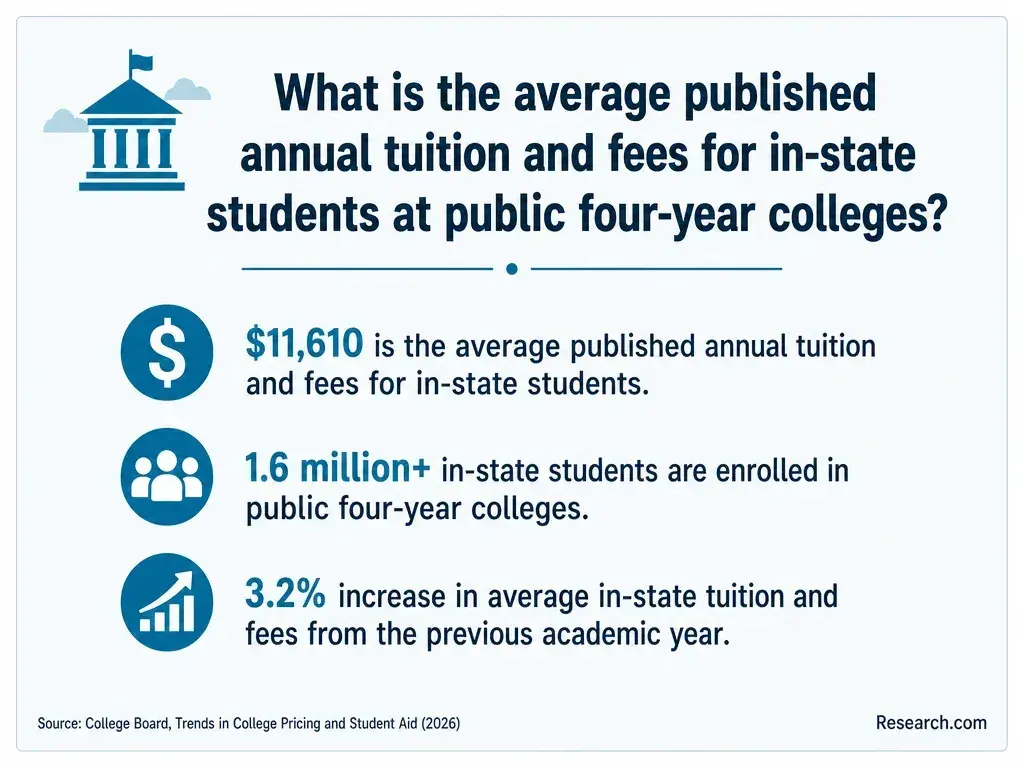
The relevant price is your total cost to finish, not the advertised tuition rate. Request an estimate based on the courses your degree audit says remain. Include mandatory fees, books, software, proctoring, and any travel; then consider loan interest and whether coursework would reduce your working hours or commission opportunities.
Compare cheapest online business administration degrees only after checking how each school charges tuition and applies your credits. A lower per-credit rate can still produce a higher total if more courses are required. Ask your employer whether tuition assistance covers the program, when reimbursement is paid, and whether grades or continued employment affect the benefit. Do not count reimbursement or a future raise until the applicable terms are confirmed.
A BDR who completes the degree may pursue sales, account management, sales operations, marketing analysis, or eventually leadership. The feasible next step depends on work history and job-specific skills. A degree does not convert BDR experience into management experience, and there is no single Bureau of Labor Statistics (BLS) wage figure for BDRs that should be treated as a graduate starting salary.
These BLS occupations illustrate two possible directions. Their national figures cover workers at all experience levels, not new business administration graduates or BDRs specifically.
| Occupation | Median annual wage, May 2025 | Projected U.S. employment growth, 2025-2035 | Relevance to a BDR |
| Market research analyst | $78,760 | 7% | An analytical move that requires research and data skills beyond prospecting. |
| Sales manager | $148,270 | 5% | A longer-term leadership path generally requiring substantial sales experience. |
These medians should not be used to calculate a guaranteed return on tuition. If your goal is leading a sales team rather than broad business analysis, compare the curriculum and admission requirements of fast-track online colleges for leadership majors with a business administration BS. Neither degree substitutes for evidence that you can coach colleagues and take responsibility for team performance.
How Can You Choose an Accredited Online Business Program?
First, verify the institution's accreditation with the accreditor and confirm the school offers the exact online degree you intend to earn. Institutional accreditation and business-specific accreditation, such as AACSB, ACBSP, or IACBE, are different; if a school advertises the latter, check which school or programs it covers. Accreditation is important, but it does not establish that a program fits your schedule or leads to your target job.
Then request the current curriculum, an individual credit evaluation, the full cost estimate, and written answers about live classes, assessments, advising, and career support. Ask whether sales- or analytics-related projects are available and what approval is needed to use workplace work. If a specialized route appeals to you, resources that compare supply chain degrees by cost and length can illustrate why you should compare remaining credits and relevant courses - not just program names - before choosing between a broad BS and a narrower degree.
The best next step is to take those verified program details back to your target job postings. Enroll when the degree closes a meaningful qualification gap and the schedule and total cost are workable. If the gap is primarily sales execution or a specific tool, pursue that experience or training first.
Other Things You Should Know About Business Administration
Yes, if you are enrolled. Label it "in progress" and use an expected completion date only if you have a realistic plan. Do not present it as an awarded degree.
It can demonstrate training in a specific tool, but it does not replace a bachelor's degree when an employer requires one. It may be the more direct choice for a CRM-focused skills gap.
No. Tools can assist with research and drafting, but evaluating evidence, understanding customers, and handling data responsibly still require judgment. Check company policies before entering prospect information into a tool.
Not without the necessary employer permission and compliance with school rules. Use a fictional case or properly authorized, de-identified material when you cannot share customer or company information.
- Types of Financial Aid: Grants, Work-Study, and Loans | studentaid.gov https://studentaid.gov/understand-aid/types
- Research Summary: Education and Lifetime Earnings | ssa.gov https://www.ssa.gov/policy/docs/research-summaries/education-earnings.html
- On-Campus vs. Online Graduate Programs: Picking the Best Fit | Baker College https://www.baker.edu/about/get-to-know-us/blog/on-campus-vs-online-graduate-programs/
- 6 Types of Business Degrees and Career Paths | UMass Global https://www.umassglobal.edu/blog-news/6-types-business-degrees-and-career-paths
- Career Guide: What Is Business Development? | Purdue Global https://www.purdueglobal.edu/blog/business/what-is-business-development-career-guide/
- Online vs. In-Person College: Which is Better for You or for Your Career? | CityU of Seattle https://cityu.edu/online-vs-in-person-college/
- Types of Business Degrees: Your Complete Guide | UWA Online https://online.uwa.edu/news/types-business-degrees/
- Business Development Representative: Role, Salary and How to Get Started - App State https://onlineprograms.appstate.edu/blog/business-development-representative/
- Fast Online Bachelor's Degree Completion: How to Spot a Smart Investment vs. a Degree Mill https://www.ndnu.edu/articles/business-management/fast-online-bachelors-degree-completion-smart-investment-vs-degree-mill.html
- Online Business Degree | AACSB Accredited - Online Programs | Adelphi University https://onlineprograms.adelphi.edu/programs/bs-bachelor-business/