2027 Is an Online BS in Business Administration the Right Next Step for Agricultural Business Office Staff?
Audited and Verified:
Our Editorial and Data Verification Process
Research.com uses government datasets, official education statistics and primary institutional information to support its career and degree guides. Our review process checks factual accuracy, occupational definitions, source dates and the requirements associated with the credentials discussed.
How This Article Was Fact-Checked
Our editorial team verifies salary estimates, employment projections, education requirements and program information against original data providers and official organizations. Salary figures are checked against the relevant occupational definitions and reporting periods. Information about licensure, accreditation and required in-person training is reviewed separately.
Fact-checked and verified on:

Co-Founder and Chief Data Scientist
Managing invoices, customer accounts, purchasing records, or seasonal payroll can give agricultural business office staff a strong foundation for advancement. Moving into operations, procurement, or financial coordination, however, may require skills that a current job does not teach - or a bachelor's degree an employer expects. This guide examines when an online BS in Business Administration is worth pursuing, when a shorter or more specialized path makes more sense, and what to verify before enrolling. The goal is to help you build on your agricultural experience without paying for education that misses your next role.
Key Things You Should Know
- An online BS in Business Administration is most useful when your target agricultural employer values a bachelor's degree and you need broader finance, operations, or management preparation - not merely another office software skill.
- xperience remains decisive: the U.S. Bureau of Labor Statistics reports a May 2025 median annual wage of $82,320 for logisticians across industries, not a starting salary for business graduates or agricultural office staff.
- Before enrolling, obtain a written transfer evaluation and degree plan, then check total remaining cost, seasonal scheduling demands, accreditation, and access to relevant applied work.
Is an online bachelor's in business administration useful for agricultural business office staff?
Yes - if it closes a specific gap between your present duties and your intended role. A BS in Business Administration is an undergraduate degree covering several business functions rather than training for one agricultural occupation. For someone who already understands producer accounts, input orders, commodity records, or equipment-service workflows, its value lies in adding financial analysis, process improvement, and broader organizational judgment.
Consider the responsibility you want next. If you reconcile invoices but want to analyze purchasing costs or help plan inventory, accounting, operations, and analytics courses may add useful depth. If the only barrier is proficiency with a spreadsheet or a particular accounting system, employer training or a focused course may be faster and less costly. For a project-coordination goal, compare the business degree with online degree options in project management at lower cost; compare actual remaining credits and relevant courses, not advertised degree titles alone.
A business degree also does not replace agricultural knowledge. Grain handling, crop inputs, food distribution, and agricultural lending each have distinct practices and sometimes separate regulatory requirements. Your strongest case for advancement may combine existing sector experience with new business skills and documented improvements at work.
What careers can an online business administration degree prepare agricultural office staff for?
The most realistic next step is often an adjacent role with greater responsibility, not an immediate management appointment. The distinctions below connect common office experience to possible roles and show what additional evidence an employer may expect.
| Potential role | Relevant responsibilities | Evidence to develop |
| Operations or administrative coordinator | Track workflows, budgets, vendors, and service deadlines | Process documentation, spreadsheet reporting, and cross-team coordination |
| Purchasing or supply chain coordinator | Support orders, inventory records, supplier communication, and delivery issues | Purchasing analysis and familiarity with the employer's products and systems |
| Project coordinator | Maintain schedules, action items, and communications for a defined initiative | Planning tools and examples of completed, appropriately scoped projects |
| HR or payroll specialist | Support personnel records, payroll processes, or hiring administration | Relevant HR knowledge and careful handling of confidential information |
Some employers may prefer a specialized degree or experience for analyst, accounting, or supervisory positions. If personnel work is your clear destination, compare the BS curriculum with human resources degree costs and options. For any target role, read local postings for required software, industry experience, and degree expectations before choosing a program.
How much does an online business administration degree cost and take to complete?
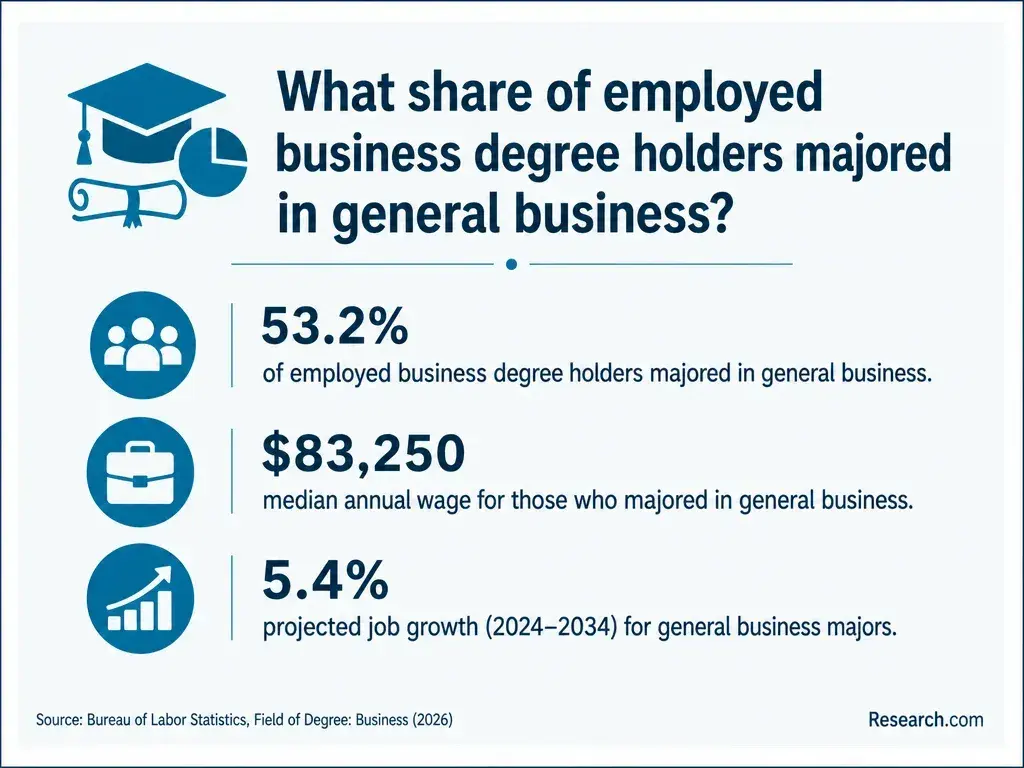
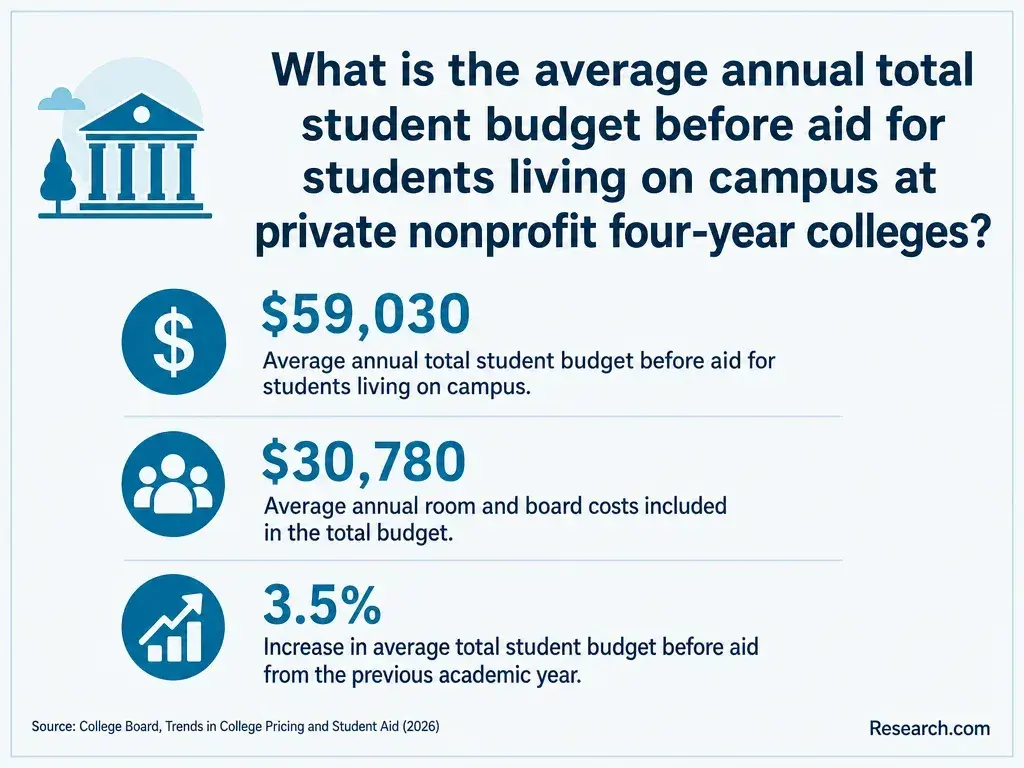
There is no reliable single price or completion time: schools charge differently, and prior coursework may satisfy different parts of the degree. Ask each institution for an individualized estimate covering tuition, mandatory fees, books or software, proctored assessments, and any required travel. Compare the cost of remaining required courses, not just the advertised per-credit rate.
A conventional full-time bachelor's path can take about four years, while a returning student's timeline depends on the approved transfer audit, course sequence, and workable enrollment pace. Credits accepted as electives may not replace business-core requirements. Part-time study can preserve income during planting or harvest seasons but extend the time over which fees and other costs arise.
Ask whether your employer reimburses tuition, which courses qualify, when payment arrives, and whether a grade or continued-employment condition applies. Federal aid eligibility and the aid you personally receive are separate questions. For a broader comparison of business administration tuition time commitment and career value, keep your own transfer evaluation and work schedule at the center of the calculation.
Most programs combine general education with business subjects such as accounting, economics, finance, management, marketing, statistics, and business law. The exact degree requirements vary. Agricultural office staff should pay particular attention to managerial accounting for cost decisions, operations or supply chain courses for purchasing and inventory, and spreadsheet-based analysis for explaining trends to decision-makers.
Course titles alone do not show how deeply a program teaches these skills. Look for assignments that require interpreting a budget, assessing a supplier trade-off, or mapping a workflow. An operations concentration may be useful if its required courses match your target job; a few related electives are not necessarily a formally awarded concentration.
If project coordination is the goal and you have college credit already, a project management bachelor's transfer planning guide offers another curriculum to compare. Have each school show where prior accounting, mathematics, and business courses apply before assuming either path will be shorter.
An online degree can be a recognized bachelor's credential when the institution holds recognized institutional accreditation and awards the degree under its approved academic policies. Online delivery itself does not make a degree less legitimate, but neither does a polished website establish accreditation or employer acceptance.
Verify the institution and the specific program through the school and the relevant accreditor. AACSB, ACBSP, and IACBE are business-focused accreditors; if a school cites one, check whether its stated scope covers the business program you would enter. Institutional accreditation and business-program accreditation are different claims.
Employer recognition is job-specific. Ask a target employer or review its postings if a particular accreditation or degree field matters. Even when comparing schools with zero-cost college applications, check accreditation and program requirements independently; an application-fee saving says little about degree quality.
Requirements depend on whether you apply as a first-time student, transfer student, or returning adult. Schools commonly request prior academic transcripts, but GPA thresholds, mathematics preparation, business-major admission rules, and policies for older coursework vary. Employment in an agricultural office can strengthen the context of an application without automatically replacing academic requirements.
Request two separate decisions: whether you can enter the institution and how previous credits apply to the degree. An adviser or transfer office can identify unmet accounting, quantitative, or general-education requirements; the official degree audit should show what remains. If you need to check likely preparation before applying, review college coursework required for business administration entry, then confirm the rules with each school.
The academic choice is less about where a lecture occurs than whether you can reliably complete the required work. This comparison highlights constraints that can matter during agricultural busy seasons.
| Consideration | Online program | Campus-based program |
| Attendance | May offer recorded instruction, but live meetings and fixed deadlines can still apply | Usually requires travel to scheduled classes |
| Collaboration | Group work may require remote meetings outside normal office hours | Meetings may be easier to arrange around time on campus |
| Applied work | A current workplace may provide a project setting if the school and employer approve it | May offer easier access to local campus activities or employer events |
| Pacing | Part-time or accelerated options depend on course availability and policies | Available schedules likewise depend on the institution |
Before choosing a format, request sample course schedules, exam rules, group-project expectations, and policies on pauses or reduced course loads. When you compare fast-paced online business degrees, remember that a shorter calendar does not necessarily mean less coursework or a lighter week.
No national wage figure predicts what an agricultural office employee will earn after a BS in Business Administration. Pay depends on the occupation, responsibilities, location, employer, and experience. As one reference point, the U.S. Bureau of Labor Statistics reports a May 2025 median annual wage of $82,320 for logisticians across U.S. industries. That occupation-wide midpoint includes experienced workers; it is not an agricultural-sector starting offer or a degree-specific outcome.
Compare compensation using local postings for roles you could plausibly enter next, including their experience requirements. A proposed degree change should not be justified by substituting an established manager's wage for your likely next salary. The same caution applies if you compare accelerated organizational leadership degrees: a leadership-oriented curriculum does not itself qualify a graduate for a management salary.
Choose a credential for a function you actually want to perform. Bookkeeping or payroll training may help with financial administration; supply chain or project management credentials may be relevant to purchasing and coordination; HR credentials may suit personnel work. Each issuer sets its own eligibility, examination, and renewal rules, so an introductory college course does not automatically qualify you for a professional certification.
Start by checking the credentials named in target job postings, then compare those requirements with your present duties. Ask whether your employer would value the credential, provide training, or pay examination fees. If postings consistently require a bachelor's degree, a short certificate may complement but not replace it; you can explore accelerated online degree programs while checking whether their pace remains feasible during peak seasons.
How should agricultural office staff choose an online business administration program?
Begin with a target role and compare programs against the requirements of that role, not against general claims of flexibility or career growth. The following sequence helps turn program marketing into a decision you can verify.
- Collect several relevant job postings and identify the degree, business skills, agricultural knowledge, and experience each requests.
- Request an official transfer evaluation and degree audit showing business-core, elective, and residency requirements separately.
- Confirm institutional accreditation, the exact degree title, any claimed business accreditation, and whether the desired concentration is formally available online.
- Ask for a term-by-term plan that accounts for planting, harvest, year-end reporting, live sessions, group work, and required course availability.
- Compare written estimates of remaining tuition and fees, aid eligibility, employer benefits, and any conditions for using current work in an approved project.
For the financing step, online business administration degrees accepting federal aid applications can provide comparison candidates. Submitting an aid application is not a promise of aid, and the least expensive advertised program may not be least expensive after your credits are evaluated. Enroll when the approved plan supports both your next role and a workload you can sustain.
Other Things You Should Know About Business Administration
It can strengthen an application and provide material for approved assignments. Academic credit for prior learning is separate and depends on the institution's assessment policy and documentation requirements.
Only with appropriate employer permission and under the school's rules. Ask whether anonymized, aggregated, or hypothetical data can meet the assignment instead of sharing confidential records.
It may help with budgeting and operations, but succession also involves ownership, financing, tax, legal, and agricultural decisions. Seek qualified advice for those matters rather than treating the degree as a succession plan.
No. Insurance sales generally involves separate state licensing requirements. Check the rules for the state and products involved before paying for related coursework or applying for a role.
- Careers | Farm Production and Conservation Business Center https://www.fpacbc.usda.gov/careers
- Cost of Attendance (Budget) | 2025-2026 Federal Student Aid Handbook https://fsapartners.ed.gov/knowledge-center/fsa-handbook/2025-2026/vol3/ch2-cost-attendance-budget
- Accreditation in the U.S. | ed.gov http://www.ed.gov/laws-and-policy/higher-education-laws-and-policy/college-accreditation/accreditation-in-the-us
- Career Descriptions | Florida Department of Agriculture & Consumer Services https://www.fdacs.gov/Education/Preparing-for-Careers-in-Agriculture/Career-Descriptions
- Understanding U.S. Accreditation | EducationUSA https://educationusa.state.gov/understanding-us-accreditation
- Credit for Prior Learning FAQs | uafs.edu https://uafs.edu/cpl/credit-for-prior-learning-faq.php
- Agriculture Careers Guide: Different Careers in Agriculture | Edison State Community College https://www.edisonohio.edu/blog/agriculture-careers-guide-different-careers-in-agriculture
- What Can You Do With a Business Degree? | American Military University https://www.amu.apus.edu/area-of-study/business-administration-and-management/resources/what-can-you-do-with-a-business-degree/
- 10 Key Subjects Taught in a Bachelor of Business Administration Program | Carson-Newman University https://www.cn.edu/cps-blog/10-key-subjects-taught-in-a-bachelor-of-business-administration-program/
- Bachelor's Degree in Business: Administration or Accounting? | Bay Path University https://www.baypath.edu/news/bay-path-university-blogs/post/bachelor-s-degree-in-business-administration-or-accounting/