2027 Is a Communication Disorders Master's Degree Worth It? ROI, Salary & Career Impact

Co-Founder and Chief Data Scientist

Reviewed by Rhea Paul, PhD
SLP Education & Research Expert
A communication disorders master’s degree is usually considered by students who want to become speech-language pathologists, move into clinical or school-based communication roles, or qualify for advanced credentials that are not available with only a bachelor’s degree. The decision is significant because the degree can lead to stable, mission-driven work, but it also requires graduate tuition, clinical training time, licensing preparation, and careful planning around debt.
The financial picture is not one-dimensional. Graduates with this degree see a median annual salary of approximately $78,000, and the field is growing, with a projected 17% employment increase through 2035. Still, outcomes depend on program cost, location, clinical placement quality, licensure requirements, employer demand, and whether you choose healthcare, education, research, nonprofit, or private practice settings.
This guide explains what the degree typically costs, how financial aid works, what salaries look like, how employers value the credential, and when the return on investment is strongest. It is written for prospective graduate students comparing online, campus-based, public, private, full-time, part-time, and accelerated communication disorders programs.
Key Things to Know About the Value of Communication Disorders Master's Degree
- Admission to communication disorders master's programs often requires a bachelor's degree in a related field, relevant experience, and a mix of coursework and clinical practica over two to three years.
- Graduates typically earn median salaries between $65,000 and $80,000 annually, with variations depending on setting, location, and credentialing status.
- Long-term career growth is strong, with a projected employment increase of 21% over ten years, rewarding candidates who weigh program cost, flexibility, and reputation carefully.
How Much Does a Communication Disorders Master's Degree Cost?
The cost of a communication disorders master’s degree depends heavily on school type, residency status, delivery format, program length, and required clinical experiences. Because many students enter this field to qualify for speech-language pathology roles, it is important to compare the total cost of attendance against expected earnings, not just tuition. Demand is also a factor: the demand for speech-language pathologists is expected to grow 17% from 2025 to 2035, which supports positive career prospects but does not eliminate the need for cost control.
Use the following ranges as a practical benchmark when comparing communication disorders graduate program options:
- Public in-state tuition: Public universities usually charge between $10,000 and $25,000 annually for in-state students. This is often the lowest-cost route, especially if the program has strong clinical partnerships and does not require relocation.
- Public out-of-state tuition: Out-of-state students often pay two to three times the in-state rate, typically ranging from $25,000 to $50,000 per year. Before choosing an out-of-state program, ask whether you can establish residency, qualify for tuition waivers, or access regional tuition agreements.
- Private university tuition: Private institutions generally charge between $30,000 and $60,000 yearly regardless of residency. A higher price may be justified if the program offers exceptional clinical placement support, strong licensing outcomes, or specialized training, but students should verify those benefits before borrowing more.
- Online program costs: Online master’s degrees offer flexibility and can range from $15,000 to $40,000 total tuition. Some programs charge per credit hour, so the final price depends on credit load, required campus visits, clinical placement fees, and timeline. Students comparing shorter timelines can review 1-year online master’s programs, while those focused specifically on speech-language pathology may also want to compare accelerated speech pathology programs online.
- Ancillary expenses: Additional expenses include textbooks costing between $1,000 and $2,000, technology fees ranging from $500 to $,000, plus living costs which fluctuate widely but typically add $20,000 annually based on location. Clinical attire, immunizations, background checks, transportation, and exam preparation can also affect your budget.
- Program length and format: Most communication disorders master’s programs last two to three years. Accelerated formats may reduce living expenses and time away from work, while part-time formats can make tuition easier to manage but may delay full-time earnings.
Before enrolling, calculate your total program cost using tuition, fees, living expenses, transportation, clinical placement requirements, and expected borrowing. A lower-tuition program with weak placement support may not be the best value, but a high-cost program also needs clear evidence of strong outcomes.
What Financial Aid and Scholarships Are Available for Communication Disorders Master's Students?
Financial aid can make a communication disorders master’s program more manageable, but students should distinguish between aid that reduces cost and loans that postpone payment. This matters because demand for speech-language pathologists is projected to grow 17% from 2025 to 2035, yet strong job demand does not guarantee that every student can comfortably repay graduate debt.
Communication disorders students should start with the FAFSA, then build a funding plan that combines federal aid, institutional awards, external scholarships, assistantships, and employer support when available.
- Federal graduate loans: Federal loans are commonly used by graduate students, but borrowers should read the terms carefully before accepting them. Review whether a loan is subsidized or unsubsidized before accepting it: subsidized loans have government-paid interest while enrolled at least half-time, whereas unsubsidized loans accrue interest immediately. Repayment typically begins six months after graduation or if enrollment drops below half-time.
- Institutional grants and fellowships: Many universities award need-based or merit-based grants exclusively for communication disorders students. These funds do not require repayment and usually depend on FAFSA submissions, academic achievement, program fit, and available departmental funding.
- Graduate assistantships: Some programs offer teaching, research, or clinical assistantships that may include stipends or tuition support. These positions can be competitive, so ask whether assistantships are guaranteed, renewable, or limited to second-year students.
- External scholarships: Organizations such as the American Speech-Language-Hearing Foundation offer scholarships targeting communication disorders graduate students based on enrollment status, academics, and professional dedication. External awards may be smaller than institutional aid, but several awards combined can reduce borrowing.
- Professional association awards: The American Speech-Language-Hearing Association provides scholarships and research grants supporting clinical practice and diversity, with clear application guidelines. Students interested in specialty areas should also look for awards tied to pediatric practice, medical speech-language pathology, bilingual services, or rural service.
- Search strategies and application tips: Use discipline-specific databases, your university’s financial aid office, and scholarship portals, including scholarships listed by accredited online colleges that accept FAFSA. Tailor essays to the award’s mission, request recommendations early, and reuse a strong core application while customizing each submission.
The best financial aid strategy is early and layered. Apply before priority deadlines, ask the department about funding for clinical placements, and compare net cost after grants and scholarships rather than relying on the advertised tuition price.
What Is the Average Salary for Communication Disorders Master's Degree Holders?
Salary outcomes for communication disorders master’s degree holders vary by role, setting, region, licensure status, and experience. The degree is most closely associated with speech-language pathology, but graduates may also work in schools, hospitals, rehabilitation centers, research environments, assistive technology, or program coordination.
Below are common salary patterns reported from sources such as the Bureau of Labor Statistics, LinkedIn Salary, and Glassdoor:
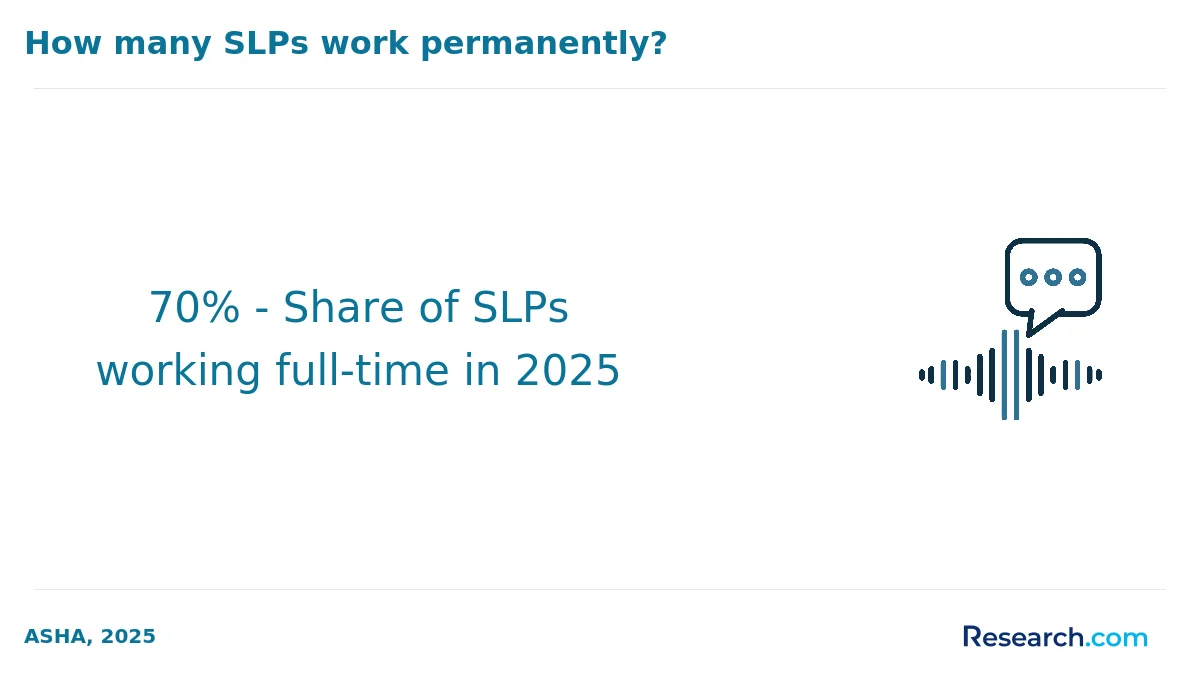
- Salary by experience level: Entry-level professionals often earn between $50,000 and $60,000 annually. Those with mid-career experience typically see increases into the $65,000 to $80,000 range. Senior-level experts with extensive responsibilities can command salaries exceeding $85,000 to $95,000.
- Wage premium over bachelor’s degree holders: Individuals holding only a bachelor’s degree in communication disorders usually earn 20-30% less than master’s degree holders, with average salaries between $40,000 and $50,000. This difference reflects the fact that many clinical roles require graduate-level preparation, supervised clinical training, and licensure eligibility.
- Sector differences: The private sector often provides the highest compensation, sometimes surpassing $90,000 for seasoned clinicians. Public education and nonprofit organizations generally offer more modest pay scales, though they may provide predictable schedules, public benefits, pension access, or loan forgiveness opportunities.
- Geographic location impact: Professionals in higher cost-of-living regions like the Northeast and West Coast benefit from elevated salaries. Rural or lower-cost areas tend to pay less but may offer non-monetary incentives such as loan forgiveness programs, broader clinical responsibility, or faster advancement.
Salary should be evaluated alongside workload and employment setting. A school-based position may offer a different calendar and benefit structure than a hospital role, while private practice may offer higher earnings potential but more business risk. Students should compare job postings in the state where they plan to practice before estimating return on investment.
One graduate of a communication disorders master’s program described the experience as demanding but career-changing: “The practical clinical experiences were invaluable, though managing time was challenging.” They noted that the degree opened doors to higher-paying roles and more specialized work, improving both career satisfaction and financial stability.
How Does a Communication Disorders Master's Degree Impact Long-Term Career Advancement?
A communication disorders master’s degree can influence long-term advancement in two ways: it can qualify graduates for regulated clinical practice, and it can help them move into specialized, supervisory, or leadership roles over time. For many speech-language pathology pathways, the degree is not simply an enhancement; it is part of the professional preparation needed for licensure and independent practice.
Key career advancement effects include:
- Promotion rates: A master’s degree in communication disorders often accelerates career advancement, enabling professionals to secure senior roles such as lead therapist or program coordinator more rapidly. These positions usually require advanced clinical judgment, documentation skills, and experience coordinating care or educational services.
- Leadership opportunities: Holding this degree increases eligibility for administrative and managerial roles within healthcare, schools, and research institutions. Employers commonly favor candidates with graduate-level education for leadership positions because the degree signals advanced training in assessment, intervention, ethics, and evidence-based practice.
- Professional credibility: The degree builds a strong foundation of knowledge and clinical skills, enhancing trust among colleagues, clients, families, and employers. This credibility is especially important when collaborating with physicians, teachers, psychologists, occupational therapists, and special education teams.
- Expanded professional networks: Graduate programs offer access to faculty, alumni, supervisors, and clinical placements. These networks can help students identify job openings, specialty certifications, mentorship opportunities, and local licensure expectations.
- Industry requirements: In many healthcare and educational sectors, this graduate degree is mandatory for licensure and practice, making it essential rather than optional. Conversely, some private and nonprofit organizations view it as advantageous but not compulsory, particularly for nonclinical program, advocacy, or research support roles.
- Continued education pathways: Completing the master’s degree lays groundwork for advanced doctoral studies or certifications like CCC-SLP, which further enhance professional credentials and open specialized career tracks.
Students should also understand the difference between accreditation systems across helping professions. Communication disorders students should focus on the accreditation and licensure requirements relevant to speech-language pathology or audiology, while those comparing related counseling pathways may find CACREP-accredited counseling program information useful for understanding how professional accreditation affects career mobility in adjacent fields.
What Is the Return on Investment (ROI) of a Communication Disorders Master's Degree?
The ROI of a communication disorders master’s degree depends on how much you pay, how quickly you graduate, whether you become licensed, where you work, and how soon you move into a full-time role. The degree can be financially worthwhile, especially for students who choose affordable programs and enter strong employment markets, but the payoff is weaker when tuition is high or job placement is delayed.
Consider these factors before estimating ROI:
- Total program cost: This includes tuition, fees, materials, clinical placement expenses, transportation, and living expenses. Public programs often have lower tuition, while private ones can significantly increase the initial financial commitment.
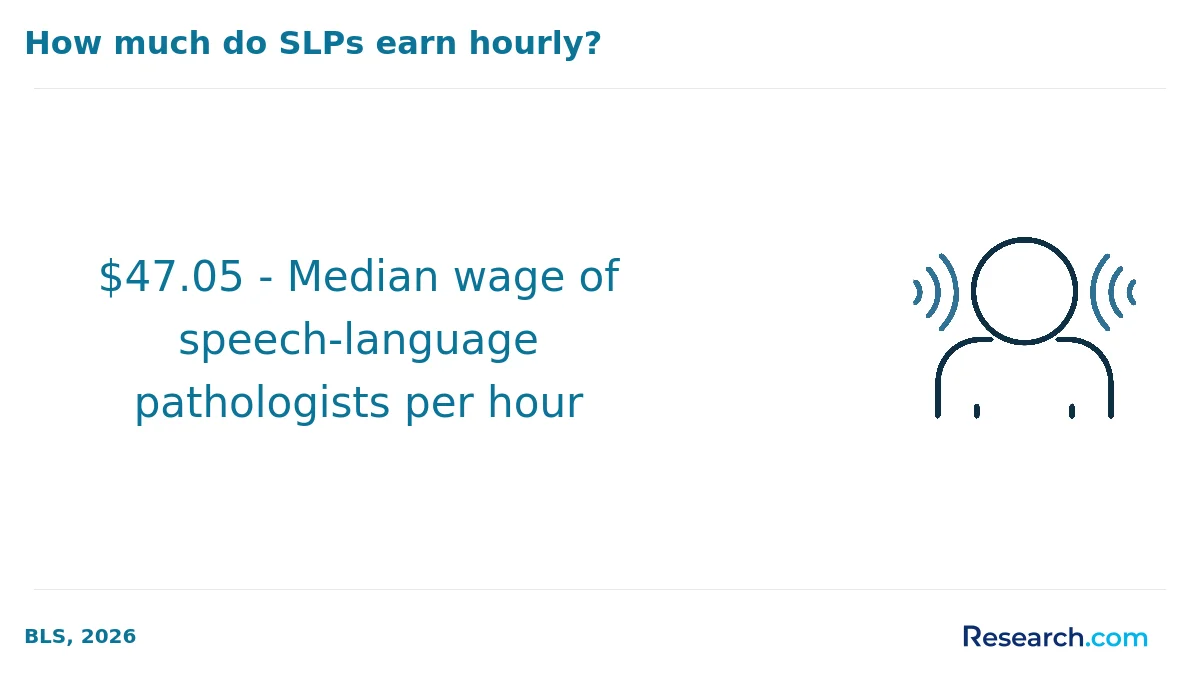
- Lifetime salary premium: Graduates tend to earn more than those with only an undergraduate degree. Speech-language pathologists, a typical career outcome, earn median annual wages near $81,000, surpassing many other fields.
- Best-case ROI scenario: Graduates from affordable programs who secure jobs in high-demand healthcare settings often recover their investment within three to five years, benefiting from consistent employment and strong salary growth.
- Worst-case ROI scenario: Those who attend costlier institutions or enter lower-paying sectors might take over seven years to break even, especially if part-time work or job search delays occur.
- Payback period: On average, it ranges between four and six years, accounting for direct expenses and lost income from full-time study.
- Opportunity cost consideration: Income forgone during the one to two years of study is a critical factor impacting net ROI and should be carefully weighed. Students who can work part time may reduce opportunity cost, but they should confirm that clinical schedules allow it.
- Use of online ROI calculators: Free online tools enable students to enter their own financial data for personalized ROI and payback period estimates, assisting in more accurate financial planning.
A practical ROI estimate should include three scenarios: conservative, expected, and optimistic. In the conservative case, assume higher living costs, slower job placement, and lower starting pay. In the optimistic case, assume lower tuition, timely licensure, and employment in a higher-paying setting. If the degree only looks affordable in the optimistic scenario, reconsider the program cost or timeline.
A graduate shared that balancing coursework with financial concerns was challenging at first: “I worried about how long it would take to earn back what I spent on tuition and living expenses.” However, securing a stable position soon after graduation made the investment feel worthwhile.
“The steady salary and growing demand for my skills made it easier than I expected to overcome initial uncertainties.” Their experience shows why ROI is strongest when students pair a reasonably priced program with a clear licensure and employment plan.
What Are the Admission Requirements for a Communication Disorders Master's Program?
Admission to a communication disorders master’s program is competitive because programs must ensure that students can handle graduate science coursework, clinical training, documentation, and client-facing responsibilities. Requirements vary by institution, but most programs evaluate academic readiness, prerequisite preparation, communication skills, and evidence of commitment to the field.
Common admission requirements include:
- Undergraduate GPA benchmarks: Applicants are generally expected to hold at least a 3.0 GPA on a 4.0 scale, though leading programs often look for academic records exceeding 3.5 to maintain competitiveness. Admissions committees may also review your major GPA and performance in prerequisite courses.
- Standardized test requirements: Many programs request GRE scores, but some waive this due to evolving admissions policies or pandemic-related changes. The GMAT is seldom necessary. Strong GRE results can enhance an application’s appeal, especially when other parts of the file are less competitive.
- Prerequisite coursework: Foundational classes in anatomy, physiology, linguistics, psychology, and statistics are typically required to ensure candidates are prepared for advanced graduate work. Applicants from unrelated majors may need a post-baccalaureate leveling sequence before full admission.
- Statement of purpose: This essay allows applicants to explain their motivations, career aims, and fit with the program. Strong statements connect personal experience with specific clinical, research, or service interests in communication disorders.
- Letters of recommendation: Most programs ask for two to three letters from professors, clinical supervisors, employers, or professionals familiar with the applicant’s relevant skills and commitment. The best letters provide specific examples rather than general praise.
- Relevant work or research experience: Practical involvement such as clinical internships, volunteer work, classroom support, research assistance, or work with children, older adults, or people with disabilities can strengthen the application.
- Competitive differentiators: Strong candidates combine solid academic records with diverse experiences, clear professional goals, and evidence that they understand the realities of clinical communication work.
Applicants should build a requirements spreadsheet before applying. Track prerequisites, deadlines, recommendation requirements, interview formats, clinical observation expectations, and whether each program uses a centralized application system. Missing one prerequisite or deadline can make an otherwise strong application ineligible.
What Is the Minimum GPA Requirement for a Communication Disorders Master's Program?
The minimum GPA requirement for a communication disorders master’s program is commonly 3.0 on a 4.0 scale, but the true competitive GPA can be higher. More selective programs may expect averages closer to 3.3 or 3.5, especially when applicant pools are strong.
A lower GPA is not always an automatic rejection, but it does require a stronger strategy. Admissions committees may look at grade trends, prerequisite performance, recent coursework, clinical exposure, recommendations, and the applicant’s explanation of academic challenges.
- Typical GPA thresholds: Most accredited communication disorders master’s programs require a minimum GPA of 3.0, with leading universities often preferring applicants to have 3.3 or above to demonstrate academic readiness and commitment.
- Holistic admissions: Admissions committees often evaluate professional experience, compelling personal statements, and competitive GRE scores. These factors can sometimes offset a GPA slightly below the usual cutoff, especially when the applicant shows maturity and clear improvement.
- Conditional admission: Some institutions offer conditional acceptance or probationary enrollment, providing applicants with borderline GPAs a chance to prove their capacity through successful initial coursework before full admission.
- Program selectivity impact: Less selective or newer programs may have more flexible GPA requirements, making them viable options for candidates with lower academic performance but high motivation and relevant experience.
- Improvement strategies: Candidates can strengthen their profile by completing additional post-baccalaureate courses, earning high grades in prerequisites, gaining clinical or research experience, and securing strong letters of recommendation.
If your GPA is below the published minimum, contact admissions before applying and ask whether the program reviews exceptions. If your GPA meets the minimum but is below the typical admitted-student range, apply to a balanced list that includes reach, target, and safer programs.
Students comparing graduate pathways should also avoid treating unrelated advanced degrees as substitutes for licensure-focused preparation. For example, a doctorate in organizational leadership may be useful for management-focused careers, but it does not replace the specific clinical preparation expected in communication disorders.
Is an Online Communication Disorders Master's Degree as Valuable as an In-Person Degree?
An online communication disorders master’s degree can be as valuable as an in-person degree when it is properly accredited, includes the required clinical training, prepares students for licensure, and is recognized by employers in the state where the graduate intends to practice. Employers generally care more about accreditation, clinical competence, licensure eligibility, and supervised experience than whether lectures were completed online or on campus.
The right format depends on your schedule, learning style, location, and access to clinical placements.
- Employer acceptance has grown: The widespread adoption of remote learning during the pandemic led many employers to reassess online degrees, increasingly treating accredited programs as credible. Although some regions or institutions still favor in-person credentials, the general consensus favors accreditation over delivery method.
- Accreditation remains the critical standard: Employers prioritize whether a program is accredited rather than how it is delivered. Both online and residential master’s programs in communication disorders undergo rigorous review to uphold curriculum quality and professional standards.
- Equivalent academic rigor: Accredited online programs maintain similar coursework, clinical practicum requirements, and faculty expertise as residential programs, ensuring graduates achieve comparable skills and knowledge.
- Clinical placement quality matters: Online students should ask who secures placements, how far students may need to travel, what happens if a placement falls through, and whether the program has relationships in the student’s state. A flexible online format loses value if clinical placements are difficult to complete.
- Networking and professional relationships: On-campus programs offer more direct, face-to-face networking and local clinical partnerships that can aid job placement. However, many online programs now provide virtual networking events, remote advising, and alumni connections that support professional growth.
- Career support services: Career advising, job fairs, and licensure resources are accessible in both formats, though in-person students may benefit from more immediate, campus-based support. Prospective online students should verify availability of virtual career resources prior to enrollment.
- When online options work best: Online degrees offer flexibility for working professionals, caregivers, or students unable to relocate. They may also reduce commuting and housing costs.
- When in-person attendance offers advantages: Students seeking immersive campus life, frequent in-person mentorship, or stronger local clinical ties may find in-person programs provide advantages in certain job markets.
Before choosing an online program, confirm accreditation, state authorization, clinical placement policies, licensure alignment, campus visit requirements, and graduation outcomes. Those details matter more than the word “online” on its own.
What Jobs Can You Get With a Communication Disorders Master's Degree?
A communication disorders master’s degree prepares graduates for clinical, educational, research, and assistive-technology roles. Some positions require the degree for licensure or certification, while others treat it as a strong advantage rather than a strict requirement.
Common career paths include:
- Licensed speech-language pathologist: This profession almost always necessitates a master’s degree combined with state licensure and certification from the American Speech-Language-Hearing Association (ASHA). Speech-language pathologists typically earn between $80,000 and $95,000 annually, with higher compensation often seen in medical or specialized clinical environments.
- Clinical audiologist assistant: Though audiology-specific degrees are standard, those with a background in communication disorders may enter this supportive healthcare role. Salaries generally range from $40,000 to $60,000, reflecting growing demand within audiology services.
- Special education coordinator: Holding a master’s in communication disorders provides a competitive edge in educational leadership roles focused on speech and language programs. Salary expectations usually fall between $60,000 and $80,000, varying by experience and geographic location.
- Assistive technology specialist: This emerging role integrates knowledge of communication disorders with technology aimed at aiding individuals with disabilities. While a master’s degree is not mandatory, it significantly enhances job prospects. Starting salaries often hover around $65,000, increasing with specialization and experience.
- Research analyst in communication sciences: Graduates can pursue research careers in universities or private sectors, examining communication disorders trends and treatment efficacy. Compensation typically falls within the $70,000 to $90,000 range, rising with greater experience and publication achievements.
The most direct career path is usually licensed speech-language pathology, but students should not assume every communication disorders job has the same requirements. Review state licensure rules, employer job postings, and certification expectations before selecting electives or clinical placements.
How Do Employers and Industries Value a Communication Disorders Master's Degree?
Employers value a communication disorders master’s degree most when the role involves assessment, intervention, documentation, compliance, and licensed clinical service. In those settings, the degree signals that a candidate has completed advanced academic and clinical preparation. In nonclinical roles, employers may value the degree as evidence of subject-matter expertise, but they may also look for research, management, technology, or policy skills.
- Large corporations: Large healthcare providers and educational institutions commonly consider the master’s degree the standard qualification for clinical speech-language pathology and audiology roles. These employers prioritize candidates with this degree for entry-level jobs and often require it for advancement in specialized areas.
- Government agencies: Public health and education sectors view the communication disorders master’s degree as essential for licensed practice. It is critical for compliance with regulatory standards and frequently influences salary grades and job classifications in government roles.
- Startups and nonprofits: These organizations show more flexibility but still value the master’s degree as proof of professional expertise. Startups may especially favor applicants with interdisciplinary skills or additional credentials such as business knowledge, product experience, data analysis, or research experience.
- Disciplinary variation: The master’s degree is the terminal professional degree in many clinical communication disorders fields. However, research-intensive or leadership positions often prefer candidates with a doctorate or an MBA to handle advanced clinical research and management responsibilities.
- Communicating degree value: Applicants should emphasize clinical skills, licensure preparedness, evidence-based practice, supervised practicum experience, and measurable outcomes. Resumes should translate coursework into employer-relevant abilities such as assessment, treatment planning, caseload management, documentation, collaboration, and compliance.
Students comparing communication disorders with other behavioral health paths should be clear about credential differences. For example, PsyD programs prepare students for a different professional route and should not be viewed as interchangeable with communication disorders graduate training.
Is a Communication Disorders Master's Degree Worth It?
A communication disorders master’s degree is worth it for students who want a licensure-aligned clinical career, can manage program costs responsibly, and are prepared for intensive coursework and supervised practice. It is less compelling for students who are uncertain about clinical work, plan to pursue unrelated roles, or would need to take on high debt without a clear employment plan.
- Employer perceptions vary by sector: Large corporations and government entities generally regard the master’s degree as a fundamental qualification for entry and advancement, valuing its clinical and research components. Startups often prioritize hands-on skills and flexibility over formal degrees, while nonprofits focus on how the degree supports community programs and service effectiveness.
- Disciplinary norms affect credential value: In clinical practice, the master’s degree is often the highest required credential, serving as the standard for professional licensing. However, roles in research or academia typically prefer doctoral qualifications, and leadership positions, especially in healthcare administration, may call for an MBA or other advanced credentials.
- Industry survey insights: Approximately 70% of employers within health-related fields consider a communication disorders master’s degree critical for qualified practice. Opportunities for promotion frequently improve with specialized certifications or additional training, depending on an employer’s priorities.
- Effectively communicating degree worth: Candidates should emphasize clinical work, readiness for licensure, and specific skills gained through their programs. Demonstrating clear outcomes and alignment with employer objectives enhances the perceived relevance of the master’s credential during interviews and applications.
The degree is strongest when three conditions line up: the program is affordable and accredited, the student has a realistic plan for licensure and clinical placement, and the target job market has consistent demand. If any of those conditions is weak, applicants should slow down, compare alternatives, and calculate the financial risk before enrolling.
What Graduates Say About Their Communication Disorders Master's Degree
- : "Applying to the communication disorders master’s program was initially overwhelming, but carefully studying the official academic catalogs made the process transparent and manageable. I appreciated how these resources clarified prerequisites and helped me prepare a strong application. Now, as a graduate, I feel equipped to navigate the diverse job market confidently, knowing which industries value my degree the most. — Megan"
- : "Reflecting on my journey through the communication disorders master’s program, I found that relying on accrediting agencies greatly enhanced my understanding of program expectations and standards. This knowledge kept me focused and motivated throughout my studies. After graduating, exploring employment opportunities required persistence, but the federal education resources provided valuable data on where communication disorders graduates are in demand, which guided my career path effectively. — Grace"
- : "Enthusiastically applying for the communication disorders master’s program, I dived deep into official academic catalogs to ensure I met all the requirements before submission. The clarity these catalogs offered was crucial in streamlining my admission process. Post-graduation, I’ve been able to leverage insights from federal education sources to better understand how to position myself in various sectors that seek skilled communication disorders professionals. — Jessica"
Other Things You Should Know About Communication Disorders Degrees
A communication disorders master's degree provides foundational academic training and clinical practicum necessary for licensure and certification. Professional certifications, such as the Certificate of Clinical Competence in Speech-Language Pathology (CCC-SLP) issued by the American Speech-Language-Hearing Association (ASHA), build upon the degree and demonstrate specialized competence. While the master's degree is mandatory for entry-level practice, certifications enhance credibility and career advancement prospects.
One of the main challenges is the cost and time commitment, as these programs typically require two years of full-time study plus supervised clinical hours. Students may face competition for clinical placements, which are essential for degree completion and certification eligibility. Additionally, graduates enter a field that, while growing, can have regional variability in job availability and salary levels, which could affect return on investment. Prospective students should consider these factors carefully before enrolling.
In 2027, job prospects for graduates with a communication disorders master's degree are promising, with increasing demand for speech-language pathologists in schools, hospitals, and private practices. The BLS projects a 17% job growth rate from 2025 to 2035. This positive outlook highlights a strong ROI, with median salaries of $97,870 annually.
References
- U.S. Bureau of Labor Statistics - Speech-Language Pathologists https://www.bls.gov/ooh/healthcare/speech-language-pathologists.htm
- ASHA EdFind - Accredited Speech-Language Pathology Programs https://find.asha.org/ed/
- Audiology and Speech-Language Pathology Interstate Compact https://aslpcompact.com/compact-map/
- Idaho State University - Master of Science in Speech-Language Pathology (Online/Distance Education) https://www.isu.edu/slp/programs-offered/slp-graduate-program/
- West Virginia University - Speech-Language Pathology, M.S. - Online https://medicine.hsc.wvu.edu/communications-sciences-and-disorders/speech-language-pathology-ms/future-students/curriculum/online-slp-program/
- New York University - Online MS, Communicative Sciences and Disorders (Speech@NYU) https://steinhardt.nyu.edu/degree/online-ms-communicative-sciences-and-disorders
- Pepperdine University - Master of Science in Speech-Language Pathology https://healthscience.pepperdine.edu/online-masters-in-speech-language-pathology/
- Abilene Christian University - Master of Science in Speech-Language Pathology (Online) https://acu.edu/academics/graduate/master-of-science-in-speech-language-pathology/