
2027 Is a Business Communications Degree Better Than Experience Alone? Salary, Hiring, and Career Growth Compared

Co-Founder and Chief Data Scientist
The practical question is not whether a business communications degree is “better” than experience in every case. It is whether the degree gives you enough advantage in hiring, pay, promotion, networking, and career mobility to justify the time and cost.
Business communications sits between strategy, writing, marketing, public relations, employee communication, analytics, and digital media. Employers often want candidates who can write clearly, understand audiences, use communication platforms, interpret performance data, and protect a brand during high-stakes situations. A degree can provide that foundation in a structured way, while experience can prove that you can apply those skills under real business pressure.
The comparison matters because many roles now blend formal credentials with skills-based hiring. Degree holders tend to earn 14% higher salaries and secure promotions faster, while some employers value practical skills equally when candidates can show a strong portfolio and measurable results. Entry into many business communications roles usually requires at least a bachelor's degree, which can limit access for non-degree candidates. At the same time, experience-driven professionals may struggle with upward mobility beyond mid-level positions if they lack a credential that signals broader strategic preparation.
A 2025 survey found companies hiring graduates displayed 22% higher retention rates, which points to the continued relevance of formal education. This guide explains where a business communications degree can help, where experience may compete well, and how to evaluate the return on investment before choosing your path.
Key Points About Having Business Communications Degrees vs Experience Alone
- Business communications degree holders typically access higher starting salaries, averaging 15% more than peers relying solely on experience, enhancing early career financial stability.
- Employers favor degree holders for entry and mid-level roles, granting broader job opportunities due to recognized formal training in communication strategies and business principles.
- Promotion and leadership roles are more frequently awarded to degree holders, who demonstrate both theoretical knowledge and industry best practices valued for management positions.
What technical proficiencies can you gain from having Business Communications degrees vs self-teaching?
A business communications degree usually gives students a more complete and sequenced skill set than self-teaching alone. Self-taught professionals can become excellent writers, content creators, or campaign operators, but their learning often depends on the roles, managers, tools, and projects they happen to encounter. Degree programs are designed to expose students to the wider communication function: strategy, research, analytics, ethics, media, internal communication, and business decision-making.
The strongest advantage of formal study is not that it teaches every tool. Tools change quickly. The advantage is that it teaches students how to choose the right message, channel, audience strategy, and performance measure for a business goal.
- Strategic communication planning: Degree programs typically teach students how to define objectives, segment audiences, conduct research, build message frameworks, select channels, and evaluate results. A self-taught professional may learn pieces of this process through campaigns, but may not develop the same systematic approach to planning and measurement.
- Digital content creation: Students often practice writing, editing, visual communication, brand voice, and publishing workflows across digital platforms. They may also work with tools such as Adobe Creative Suite or CMS platforms. Self-taught learners can build strong tool skills, but may miss the brand governance, accessibility, and audience research behind effective content.
- Data analytics for communication: Formal coursework can help students understand what engagement metrics mean and how to connect them to business outcomes. Tools like Google Analytics can be learned independently, but a degree program can add context around interpretation, reporting, attribution limits, and ethical data use.
- Multimedia production: Business communications programs may include video scripting, presentation design, podcasting, interactive media, and cross-channel storytelling. Self-teaching can produce strong technical ability, but academic projects often require students to coordinate creative work with a defined strategy and stakeholder goal.
- Organizational communication theory: Degree programs introduce concepts such as internal communication flows, leadership communication, crisis messaging, culture, employee engagement, and change management. These areas are especially useful for professionals who want to move beyond execution into advisory or leadership roles.
According to a National Association of Colleges and Employers report, graduates with business communications degrees demonstrate 23% higher proficiency in applied technical skills compared to self-taught professionals. That does not mean experience is unimportant. It means degree holders may enter the market with a broader baseline, while self-taught professionals often need a portfolio, certifications, and documented results to prove equivalent readiness.
Students comparing credential paths should focus on fit, cost, and career relevance rather than choosing a program because it is labeled “affordable.” For example, resources such as the cheapest BCBA certification programs can be useful for understanding how credential requirements vary by field, but business communications students should prioritize programs with communication strategy, writing, analytics, internships, and employer-aligned projects.
Are there certifications or licenses that only Business Communications degree holders can obtain?
Business communications is not usually a licensed profession in the same way nursing, teaching, accounting, or law can be. In most cases, a degree is not a government-mandated license requirement. However, a business communications degree can help candidates meet eligibility expectations for professional certifications, especially when the credential requires postsecondary education, related coursework, professional experience, or evidence of strategic communication competence.
The important distinction is this: certifications can strengthen a resume, but candidates should verify current eligibility rules directly with the issuing organization before enrolling in a degree program solely for certification access.
- Accredited Business Communicator (ABC): This credential has historically been associated with advanced business communication practice and strategic communication competence. Candidates are generally expected to show formal preparation and relevant professional experience, making a business communications degree useful when documenting readiness.
- Communication Management Professional (CMP): Administered by the International Association of Business Communicators, this certification is designed for professionals who manage communication programs, teams, or projects. A business communications degree can support eligibility by showing academic preparation in strategy, planning, stakeholder communication, and ethics.
- Public Relations Society of America (PRSA) Accreditation in Public Relations (APR): The APR is not limited strictly to business communications degree holders, but a related degree can help candidates demonstrate the educational background and professional grounding expected for public relations accreditation.
- Certified Professional Technical Communicator (CPTC): Managed by the Society for Technical Communication, this credential can be relevant for professionals who produce technical documentation, user guidance, business process content, or complex explanatory materials. A communications-related educational background can help candidates build the writing, editing, audience analysis, and information design skills tested in this area.
Industry data shows that 68% of hiring managers prefer candidates with formal communication certifications and degrees over those relying solely on experience and informal training. The practical takeaway is not that certification replaces job performance. It is that a degree plus certification can reduce doubt for employers when a candidate is applying for roles involving crisis response, executive messaging, regulated communication, public relations, or communication leadership.
If cost is the main concern, compare tuition, transfer policies, internship access, and completion time across online business degree programs before committing to a credential pathway.
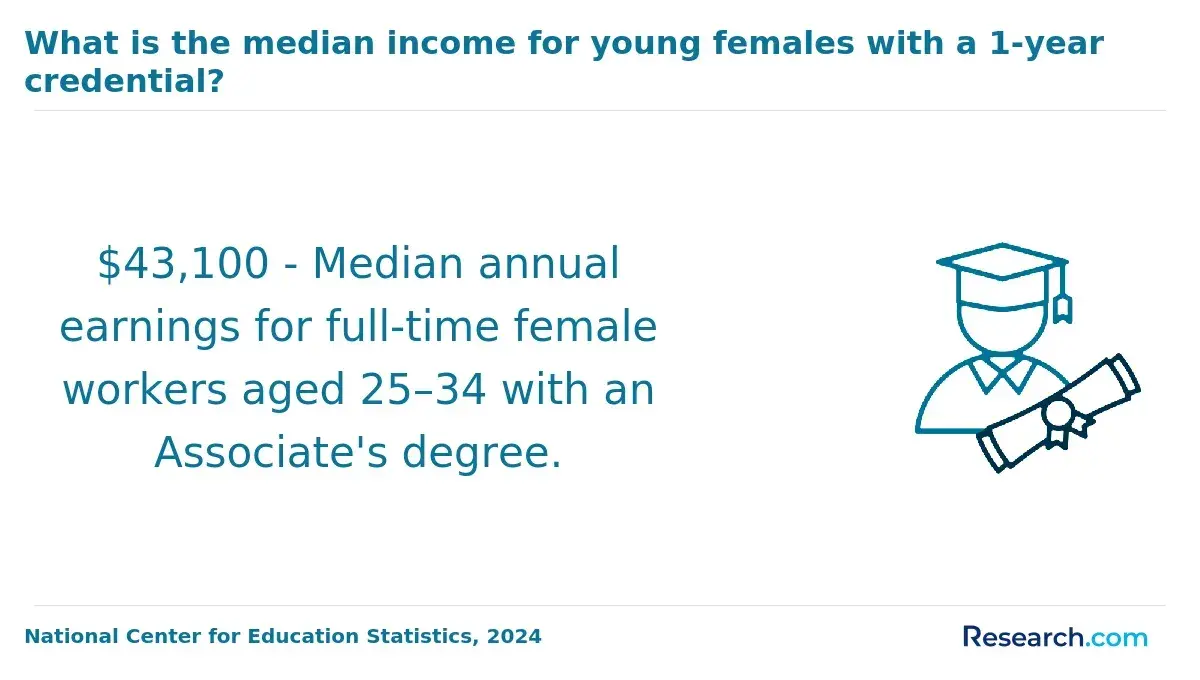
Will a degree in Business Communications make you more employable?
A business communications degree can make you more employable, especially for entry-level and early-career roles where employers use degree requirements to screen applicants. It signals that you have studied writing, audience analysis, business strategy, media relations, digital communication, and organizational communication in a structured setting. That can help you get interviews before you have a long record of professional wins.
The degree is most useful when it is paired with evidence of applied skill. Employers still want to see writing samples, campaign work, social media or content projects, presentations, internships, analytics reports, or examples of stakeholder communication. A diploma may open the door, but a portfolio shows whether you can do the work.
When the degree helps most
- Entry-level hiring: Many companies list a bachelor's degree as a minimum qualification for communications, marketing communications, public relations, or corporate communication roles.
- Structured organizations: Larger employers, public institutions, nonprofits, and regulated industries may rely more heavily on degree requirements because their hiring systems are formalized.
- Roles involving strategy or risk: Positions tied to crisis communication, executive messaging, investor communication, employee relations, or public reputation often favor candidates with formal training.
- Career changers: A degree can help professionals from unrelated fields prove they have studied the language, tools, and expectations of business communication.
When experience can compete
- Portfolio-driven roles: Content creation, social media, copywriting, and digital campaign roles may place heavy weight on samples and performance metrics.
- Small businesses and startups: These employers may prioritize adaptability, tool proficiency, and immediate output over formal credentials.
- Mid-career transitions: Professionals with strong results, leadership experience, or industry expertise may overcome the lack of a degree if they can clearly document impact.
One professional who completed an online business communications bachelor's program described the degree as useful but not automatic career insurance. Balancing coursework with work commitments was difficult, but the program expanded his interview opportunities and professional network. “The degree opened doors I hadn't expected,” he said. He also noted that the real value came from applying theory to workplace projects: “It wasn't just about the diploma—it was how I integrated what I learned with practical situations.”
That is the best way to view employability: a degree can improve access, but long-term career strength depends on demonstrated writing ability, judgment, digital fluency, business awareness, and measurable communication results.
What careers are available to Business Communications degree holders?
Business communications degree holders can pursue roles across corporate communication, public relations, marketing, human resources, business development, and digital media. The degree is broad, which is both a benefit and a risk. It creates flexibility, but students need to choose projects, internships, and electives that point toward a specific career track.
- Corporate Communications Specialist: These professionals manage internal and external messaging, including company announcements, leadership updates, press materials, intranet content, and stakeholder communication. A business communications degree is often useful because the role requires writing accuracy, judgment, business ethics, and an understanding of how messages affect reputation.
- Public Relations Manager: Public relations professionals shape public perception through media outreach, campaign planning, reputation management, and crisis communication. A degree helps candidates understand audience behavior, media dynamics, ethics, and strategic messaging. Professionals from journalism, marketing, or event management may also enter this path through experience.
- Marketing Communications Coordinator: This role connects brand messaging with campaigns, email, content, advertising support, social media, and sales materials. Degree holders can bring research, writing, campaign planning, and analytics skills. Candidates without degrees may compete well if they have strong creative samples and documented campaign results.
- Human Resources Communications Officer: HR communications professionals write and manage employee messages related to benefits, policy changes, culture, onboarding, engagement, and organizational change. Degree coursework in organizational behavior and internal communication can be especially relevant here.
- Business Development Analyst: Analysts use market research, customer communication, presentation materials, and messaging strategy to support growth. A business communications background can help translate complex findings into persuasive business recommendations.
A 2025 industry report shows degree holders earn about 18% higher entry-level salaries. That advantage is strongest when graduates leave school with practical assets: internship experience, polished writing samples, campaign examples, presentation work, and familiarity with communication analytics.
Students who want to expand into product, digital experience, or customer communication may also consider adjacent skill paths. For example, a UX design degree online can complement business communications by adding user research, interface communication, and product storytelling skills.
Does having Business Communications degrees have an effect on professional networking?
Yes. A business communications degree can improve professional networking because it gives students access to structured relationship channels that are harder to build alone. These may include alumni networks, faculty referrals, internship pipelines, career fairs, guest speakers, student chapters of professional associations, and employer-sponsored projects.
Networking matters in this field because many communication jobs depend on trust. Employers want people who can represent the organization, handle sensitive information, write for leaders, and communicate with external audiences. A referral from a professor, internship supervisor, alumnus, or professional association contact can reduce perceived risk during hiring.
Networking advantages tied to a degree
- Alumni access: Graduates may be able to contact people already working in corporate communication, public relations, marketing, nonprofit communication, and media relations.
- Faculty connections: Instructors may know local employers, agency leaders, nonprofit communication teams, or corporate recruiters.
- Internship pathways: Many programs help students find supervised experience that can lead to references or job offers.
- Peer network: Classmates can become future colleagues, hiring managers, collaborators, or sources of job leads.
- Professional events: Programs may connect students with panels, competitions, workshops, and association events that introduce them to practitioners.
Professionals without a degree can still build strong networks, but they usually need to be more intentional. They may rely on LinkedIn outreach, local business groups, webinars, freelance clients, volunteer projects, conferences, or professional communities. That approach can work well, especially for people with strong initiative, but it lacks the built-in structure a degree program may provide.
The key is to avoid passive networking. A student who attends class but never meets faculty, joins projects, applies for internships, or follows up with speakers may gain little advantage. The networking value of a degree depends on how actively the student uses the institution’s access points.
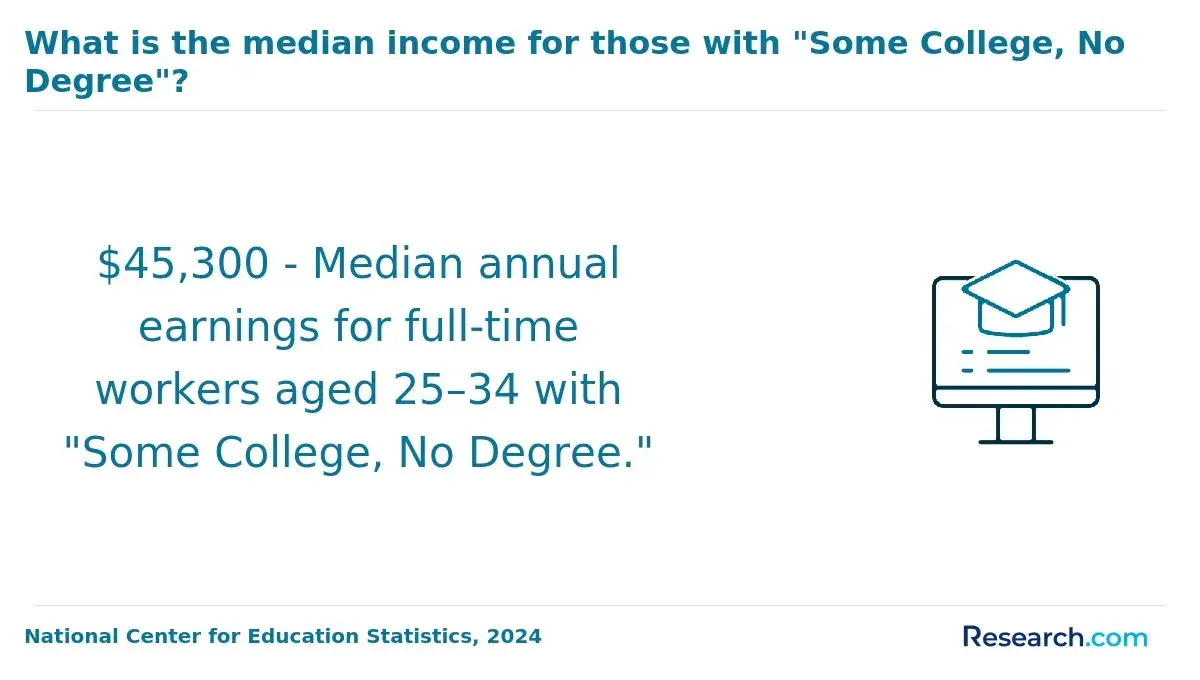
How do Business Communications degrees impact promotion opportunities?
A business communications degree can improve promotion prospects when an employer values formal preparation for leadership, strategy, and cross-functional work. Promotions in communications are rarely based on writing skill alone. As professionals advance, they are expected to advise leaders, manage risk, guide teams, interpret data, coordinate campaigns, and align messaging with business goals.
- Demonstrated expertise: Degree programs can build knowledge in corporate strategy, crisis management, media relations, organizational communication, ethics, and data-driven decision-making. These areas are useful when moving from execution-focused roles into planning or advisory roles.
- Access to leadership development: Some employers are more likely to place degree holders into management tracks, mentorship programs, rotational opportunities, or internal leadership training because the credential signals readiness for broader responsibilities.
- Industry perception: A degree can help candidates stand out in structured organizations where promotion criteria include education, professional development, and evidence of long-term commitment to the field.
- Credibility with executives: Communication leaders often work closely with senior managers. Formal training can help professionals speak the language of strategy, risk, reputation, stakeholder management, and organizational change.
However, the degree alone does not guarantee promotion. Employers promote people who solve problems, improve communication outcomes, build trust, and help the organization perform better. Degree holders should document achievements such as campaign results, improved employee engagement, successful crisis response, stronger executive presentations, or measurable growth in audience reach.
For professionals without a degree, promotion is still possible. The strongest substitutes are a strong internal reputation, leadership experience, certifications, a portfolio of measurable results, and the ability to communicate clearly with decision-makers.
Do Business Communications degrees affect a professional's income outlook?
Yes, a business communications degree can affect income outlook, particularly at the start of a career and during advancement into managerial or strategic roles. Professionals with a business communications degree earn about 18% more in entry-level positions than those relying solely on experience, with starting salaries around $55,000 compared to $46,500.
The income gap may widen when degree holders move into higher-paying managerial and strategic roles faster, frequently surpassing $90,000. Non-degree professionals may hit a salary plateau near $75,000 unless they add credentials, leadership experience, specialized digital skills, or a strong record of measurable results.
Several factors influence whether the degree translates into higher earnings:
- Industry: Corporate, technology, healthcare, finance, and regulated industries may pay more for communication professionals who can manage risk, compliance-sensitive messaging, or executive communication.
- Role level: Entry-level writing and coordination roles usually pay less than strategy, management, public relations leadership, or internal communication leadership roles.
- Portfolio quality: Employers may pay more when candidates can show results, not just coursework.
- Technical skills: Analytics, content systems, marketing automation, SEO, social platforms, and presentation tools can improve marketability.
- Location and employer size: Larger organizations and competitive markets may offer higher compensation, but expectations are often higher as well.
Professionals without formal education can still improve their income outlook by earning relevant certifications, mastering current digital communication platforms, building leadership experience, and tracking measurable outcomes. Advanced or complementary study can also help. For example, a data science masters online may strengthen analytics skills for professionals who want to move into data-informed communication strategy.
How long would it take for Business Communications degree holders to get an ROI on their education?
The return on investment for a business communications degree depends on tuition, debt, completion time, scholarships, work experience, and post-graduation salary. Tuition for a business communications degree usually ranges between $20,000 and $40,000 for a bachelor's program, depending on the institution. Graduates can expect to earn an average annual salary of $55,000 to $65,000, which typically allows them to recoup educational costs within five to seven years after starting their careers.
Data indicates that holders of a business communications degree earn about 20% more on average than those relying solely on experience or self-teaching. That difference can make the degree financially worthwhile, but only if students manage costs and complete a program that leads to employable skills.
Ways to improve ROI
- Reduce upfront cost: Look for scholarships, grants, transfer credits, community college pathways, and employer tuition assistance.
- Keep working while enrolled: Online, part-time, or flexible programs may allow students to maintain income and build experience while studying.
- Prioritize internships: Paid internships, cooperative education, and employer projects can shorten the job-search period after graduation.
- Build a portfolio before graduation: Students should leave with writing samples, campaign plans, analytics reports, presentations, and examples of internal or external communication work.
- Choose skill-aligned electives: Courses in analytics, public relations, digital marketing, crisis communication, content strategy, and organizational communication can improve job readiness.
- Avoid unnecessary debt: A higher-cost program is not automatically better. Compare outcomes, support services, internship access, and total net price.
The fastest ROI usually comes from combining education with experience. A student who graduates with internships, professional references, and a strong portfolio is more likely to convert the degree into salary growth than a student who completes coursework without applied work.
Are Business Communications degree holders less likely to be displaced by automation and economic downturns?
Business communications work is changing quickly as automation and artificial intelligence affect content drafting, analytics, scheduling, reporting, and customer messaging. Routine communication tasks are easier to automate than strategic judgment, stakeholder advising, crisis response, leadership communication, ethics, and relationship management.
A business communications degree may reduce displacement risk when it helps graduates move beyond task execution. Degree holders often study data analysis, digital media management, organizational communication, persuasion, ethics, and leadership. These skills can make them more adaptable when employers adopt new platforms or reduce staff during downturns.
However, a degree is not a shield against automation. Professionals who rely only on general writing ability may face pressure from AI-assisted tools. The safer path is to combine communication expertise with skills that are harder to replace:
- Strategic judgment: Knowing what to say, when to say it, and how a message affects business goals.
- Human sensitivity: Managing tone, conflict, employee concerns, public trust, and sensitive stakeholder issues.
- Data interpretation: Turning analytics into decisions rather than simply reporting metrics.
- Cross-functional collaboration: Working with legal, HR, marketing, product, sales, and executive teams.
- Technology adaptation: Using AI and automation as tools while maintaining quality control and ethical standards.
Professionals without formal education can also protect themselves by learning analytics platforms, AI-assisted communication workflows, crisis communication, and stakeholder management. The difference is that degree holders may have a broader base for adapting when job requirements shift.
A professional who earned a business communications degree online described initial worries about automation but said the coursework helped him evaluate new digital tools and think critically about messaging strategy. “The internships and real-world projects made a huge difference,” he said. During a recent economic slowdown, he felt the degree gave him more negotiating power and a clearer path to pivot into emerging roles than some colleagues who relied only on on-the-job experience.
Will a degree in Business Communications make it easier to pivot into related industries?
Yes, a business communications degree can make it easier to pivot into related industries because it develops transferable skills: writing, audience analysis, stakeholder communication, research, presentation, persuasion, digital media, and data-informed decision-making. These skills are useful in many business functions, not only traditional communications roles.
Professionals relying only on experience can also pivot successfully, especially if their experience is tied to measurable outcomes. The degree advantage is breadth. Graduates often have exposure to multiple communication contexts, which can make it easier to explain their value to employers in adjacent fields.
- Marketing and Public Relations: Graduates can transition into roles such as marketing coordinator or public relations specialist. Skills in messaging, stakeholder engagement, media writing, and campaign planning support brand management and outreach.
- Corporate Training and Development: Business communications graduates may move into employee training, internal communication, onboarding, or engagement roles. Their understanding of organizational behavior and message design can help improve how companies teach and inform employees.
- Human Resources: Roles such as HR communication strategist or conflict resolution consultant draw on negotiation, audience analysis, policy communication, and employee relations skills.
- Digital Content Creation: Graduates with digital media experience can pursue content creation, social media management, brand storytelling, email communication, or website content roles.
- Business Development and Client Relations: Communication skills can support proposal writing, pitch development, client presentations, and relationship management.
Research from the National Career Board shows that 63% of degree holders successfully transition into new fields within five years, compared to 44% of professionals without formal education. This advantage is linked to the practical, ethical, and analytical foundations emphasized in academic programs.
The same transferable-skill logic applies beyond business communications. For example, someone asking what can I do with an environmental science degree is also evaluating how a degree can support movement across policy, research, consulting, education, and corporate roles. In business communications, the strongest pivots happen when graduates can connect their communication training to a specific industry problem.
What Graduates Say About Their Business Communications Degrees
- : "Graduating with a degree in business communications gave me a clear edge when I entered the job market. The program's focus on practical skills made me immediately job-ready, which was invaluable for standing out among other candidates. I have seen a direct impact on my salary growth and promotional opportunities, thanks to the solid foundation this degree provided. — Aries"
- : "Reflecting on my career, the strategic communication and critical thinking training from my business communications degree truly set me apart. It wasn't just about theory; the hands-on projects prepared me for real-world challenges, making me highly competitive. This degree opened doors to leadership roles I hadn't anticipated so soon in my career. — Massimo"
- : "My business communications education has been instrumental in shaping my career trajectory. The degree enhanced my confidence and sharpened my ability to convey ideas effectively, which employers highly value. Over time, this has translated into increased job security, advancement opportunities, and a stronger salary outlook. — Angel"
Other Things You Should Know About Business Communications Degrees
Employers often seek a balance of formal education and practical experience. A business communications degree provides foundational knowledge and critical thinking skills, which can be advantageous in structured corporate environments. However, hands-on experience demonstrates adaptability and real-world problem-solving, which some employers prioritize depending on the role.
A business communications degree can open doors to management and leadership pathways by offering a comprehensive understanding of organizational dynamics. Over time, degree holders may find it easier to access executive-level roles, while experience alone may limit advancement without complementary education or training. Nevertheless, sustained performance and continuous learning remain critical regardless of credentials.
Specialized roles that require knowledge of communication theories, strategic planning, or corporate messaging often favor candidates with relevant degrees. Business communications graduates typically have formal training in these areas, making them strong contenders for positions like corporate communications manager, PR strategist, or internal communications specialist. In contrast, experienced professionals may excel in more generalist or operational roles.
References
- impact - Tłumaczenie po polsku - Słownik angielsko-polski Diki https://www.diki.pl/slownik-angielskiego
- The rise of artificial intelligence can make college degrees 'out of date': Upskill in AI or fall behind, says expert https://www.cnbc.com/2025/06/11/report-the-rise-of-ai-can-make-college-degrees-out-of-date.html
- No, College Degrees Aren't Losing Their Value https://washingtonmonthly.com/2025/11/02/no-college-degrees-arent-losing-their-value/
- Does a business major improve your social skills? - Business Majors - College Confidential Forums https://talk.collegeconfidential.com/t/does-a-business-major-improve-your-social-skills/1872014
- Home https://www.husson.edu/online/blog/2023/03/communications-vs-business
- AI not all 'doom and gloom' for graduates, say businesses https://www.bbc.com/news/articles/cvg33nwy9llo
- The Impact of Communication Professionals in Global Business https://www.swinburneonline.edu.au/the-impact-of-communication-professionals-in-global-business/
- Zespół https://www.impactinternational.com/pl/zespol
- ABOUT THE EVENT https://impactcee.com/impact/2026/
- Communication Certifications: Highest-Paying Certification, Exam Preparation, and Job Outlook https://careerkarma.com/blog/communication-certifications/


