
2027 Are Too Many Students Choosing Business Communications? Oversaturation, Competition, and Hiring Reality

Co-Founder and Chief Data Scientist
Business communications can open doors to public relations, corporate messaging, content strategy, social media, internal communications, and related business roles. The harder question is whether there are enough good entry-level jobs for the number of graduates entering the field.
That concern is reasonable. The U.S. Bureau of Labor Statistics projects only a 4% growth in related communications jobs over the next decade, and many entry-level openings attract large applicant pools. A business communications degree is not useless, but it is no longer enough by itself. Graduates who get hired faster usually pair communication ability with internships, portfolio samples, digital tools, industry knowledge, and a clear career target.
This guide explains where the field is crowded, which roles may offer better odds, how salaries influence competition, and what students can do before graduation to improve their hiring prospects.
Key Things to Know About the Oversaturation, Competition, and Hiring Reality in the Business Communications Field
- Graduates with business communications degrees increased by 35% over the past decade, intensifying job scarcity in traditional entry-level marketing and PR roles.
- Employers now expect advanced digital skills and strategic expertise, raising competition and emphasizing candidates' ability to differentiate through niche expertise or portfolios.
- Understanding sector-specific hiring trends helps graduates set realistic salary and career growth expectations amid evolving communication technologies and organizational needs.
Is the Business Communications Field Oversaturated With Graduates?
The business communications field is crowded at the entry level, but it is not equally oversaturated in every role or industry. Oversaturation happens when more qualified graduates are looking for similar jobs than employers are ready to hire. In this field, about 20,000 students graduate annually with degrees related to business communications and communication studies, while the growth of common entry-level roles is slower.
That mismatch creates a difficult first-job market. New graduates often compete for titles such as communications assistant, public relations coordinator, social media specialist, content coordinator, and corporate communications associate. Because many applicants have similar coursework, employers look for proof that a candidate can perform on day one.
What oversaturation looks like in practice
- Longer job searches: Graduates may need to apply broadly and repeatedly before receiving interviews.
- Higher employer expectations: Internships, writing samples, campaign experience, and platform skills can matter as much as the degree title.
- More contract or hybrid roles: Some employers test early-career candidates through temporary, freelance, or combined marketing-communications positions.
- Greater pressure to specialize: General communication skills are valuable, but they are easier to find than specialized skills in analytics, healthcare communications, technical writing, crisis communication, or internal communications.
The practical takeaway is that students should not treat business communications as a guaranteed direct route into a communications department. It works best when paired with a focused niche, measurable work samples, and evidence of professional judgment.
What Makes Business Communications an Attractive Degree Choice?
Business communications remains popular because it sits between business, writing, media, and organizational strategy. Enrollment increased by approximately 15% between 2012 and 2022, showing that students continue to see value in a degree that can apply across industries rather than locking them into one narrow occupation.
The major is especially attractive to students who want a business-related education but prefer writing, speaking, audience analysis, branding, and relationship management over accounting, finance, or highly quantitative tracks.
Why students choose this major
- Versatility: Coursework often connects marketing, management, public relations, workplace communication, and digital media. This gives students room to explore before choosing a specific career direction.
- Practical communication training: Students learn how to write for audiences, present ideas clearly, manage professional tone, and adapt messages for different stakeholders.
- Connection to digital work: Many programs include social media, content planning, multimedia communication, or digital strategy, which aligns with how organizations now communicate with customers and employees.
- Team-based learning: Projects, presentations, and campaign assignments help students practice collaboration, feedback, and leadership in realistic settings.
- Wide industry use: Employers in technology, healthcare, government, nonprofit organizations, finance, retail, and education all need people who can explain ideas clearly and manage relationships.
The same versatility that makes the degree appealing can also make the job search less defined. Students should use electives, internships, and online certificates to build a more specific profile, such as digital marketing, employee communications, technical communication, or public affairs.
What Are the Job Prospects for Business Communications Graduates?
Job prospects are steady but competitive. About 68% of graduates find relevant employment within six months, which suggests that the degree can lead to related work but does not guarantee a fast or easy transition. Outcomes depend heavily on location, internships, portfolio strength, technical skills, and willingness to consider adjacent roles.
Graduates have the best odds when they apply beyond the most obvious job titles. A communications graduate may be qualified for roles in marketing operations, client success, recruiting communications, sales enablement, project coordination, training, and community management, not only traditional public relations or corporate communications jobs.
Common roles for business communications graduates
- Corporate Communications Specialist: This role supports internal announcements, executive messaging, employee updates, press materials, and brand-aligned communication. Entry-level candidates usually need internships, writing samples, or experience in a communications office.
- Public Relations Coordinator: PR coordinators help with media lists, press releases, event support, reputation monitoring, and campaign execution. Smaller firms and niche agencies may offer more accessible entry points than major national agencies.
- Content Strategist: This path is tied to digital marketing and audience planning. Employers often expect writing ability plus search awareness, analytics familiarity, content management system experience, and an understanding of customer journeys.
- Social Media Manager: Social media roles are visible and popular, so competition can be high. Candidates stand out when they can show campaign planning, reporting, brand voice management, community moderation, and measurable engagement results.
Students should also distinguish between “communications” as a department and communication as a skill used in many business functions. The second category often creates more openings for early-career candidates.
What Is the Employment Outlook for Business Communications Majors?
The employment outlook is moderate rather than explosive. Employment in related roles is projected to grow about 7% from 2022 to 2032, aligning with the average across occupations. That means opportunities should exist, but graduates should expect competition for attractive entry-level positions.
Hiring patterns vary by employer type. Large companies may have dedicated communications teams with specialized roles. Smaller organizations may combine communications, marketing, social media, events, and administrative work into one position. Neither path is automatically better; the right choice depends on whether a graduate wants specialization, broad exposure, faster responsibility, or a clearer promotional ladder.
Outlook by role
- Corporate Communications Specialist: Demand remains consistent because organizations need clear internal and external messaging. Competition is moderate in companies with established communications departments.
- Public Relations Coordinator: Opportunities are growing in areas such as healthcare and technology, where reputation and stakeholder communication are important. Hiring can be competitive because the work is visible and appealing to many graduates.
- Content Strategist: The outlook is positive as organizations invest in digital content, but candidates need more than writing ability. Analytics, audience research, and search-informed planning can strengthen employability.
- Social Media Manager: Growth potential is strong, but the applicant pool is large. Candidates who can connect social activity to business goals have an advantage over those who only understand platforms casually.
- Technical Writer: Demand is stable in technology and manufacturing, especially for candidates who can explain complex information accurately and clearly.
For students comparing communication-related careers with other degree outcomes, salary and growth data for highest paying majors can provide useful context.
How Competitive Is the Business Communications Job Market?
The business communications job market is highly competitive at the entry level and less crowded in specialized or experience-based roles. Entry-level communication coordinator positions can attract many applicants, with applicant-to-job ratios sometimes as high as 15:1. That level of competition makes it difficult for a generic resume to succeed.
The main problem is not that employers no longer need communication skills. They do. The problem is that many graduates market themselves in similar ways: strong writer, good presenter, team player, social media user. Employers need clearer evidence of results, tools, industry understanding, and judgment.
What makes competition stronger
- Popular job titles: Public relations, social media, branding, and content roles attract applicants from communications, marketing, journalism, English, media studies, and business programs.
- Major-city concentration: Jobs in large media and corporate markets may offer more openings but also draw far more candidates.
- Low entry barriers: Many postings ask for a bachelor's degree, which creates a broad applicant pool.
- Portfolio expectations: Employers increasingly want work samples, not just coursework listed on a transcript.
- Digital overlap: Candidates may compete with marketing, design, analytics, and advertising graduates for similar roles.
How to compete more effectively
- Build a portfolio with press releases, campaign briefs, email copy, social posts, reports, and presentations.
- Complete at least one internship, campus communications role, nonprofit project, or freelance assignment before graduation.
- Learn tools used in the workplace, such as content management systems, analytics dashboards, email platforms, and project management software.
- Target a sector instead of applying only by title. Healthcare, technology, government, education, and nonprofit communications all have different hiring needs.
- Use informational interviews to understand what employers actually expect from entry-level candidates.
Competition is real, but it is not random. Graduates who can show a focused direction and credible work samples are less likely to be treated as interchangeable applicants.
Are Some Business Communications Careers Less Competitive?
Yes. Some business communications careers are less competitive because they require sector knowledge, technical understanding, regulatory awareness, or comfort with less glamorous behind-the-scenes work. A 2023 study revealed that certain communication specialist positions have vacancy rates about 15% above the average, indicating ongoing staffing challenges in those fields.
These roles may not always be the first choice for graduates who imagined brand campaigns or media relations, but they can offer stronger entry points and better long-term positioning.
Less crowded communication niches
- Technical Communications Specialist: This role involves translating complex technical information into clear instructions, documentation, reports, or user-facing content. The specialized nature of the work limits the applicant pool.
- Internal Communications Manager: Organizations need employees to understand priorities, policies, culture, and change initiatives. Remote and hybrid work have made internal messaging more important.
- Corporate Social Responsibility (CSR) Communications Coordinator: CSR communication requires explaining environmental, social, governance, community, and ethical initiatives clearly and credibly. Candidates with niche knowledge may face less direct competition.
- Healthcare Communications Officer: Healthcare organizations need careful messaging for patients, staff, communities, and regulators. Fewer candidates combine communication skills with healthcare awareness.
- Government Communications Specialist: Public sector hiring can involve strict requirements and longer processes, but the applicant pool may be less crowded than popular private-sector marketing and PR roles.
Students seeking a less saturated path should look for roles where communication intersects with a specific domain. The narrower the problem a candidate can solve, the easier it is for an employer to understand their value.
How Does Salary Affect Job Market Saturation?
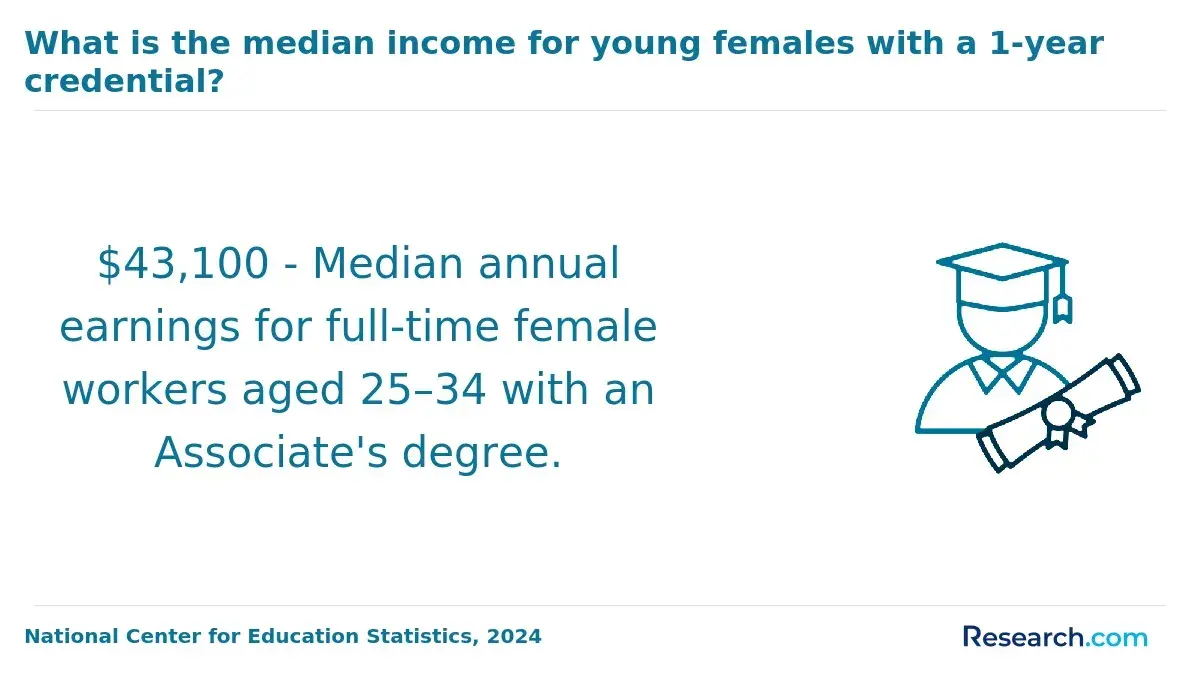
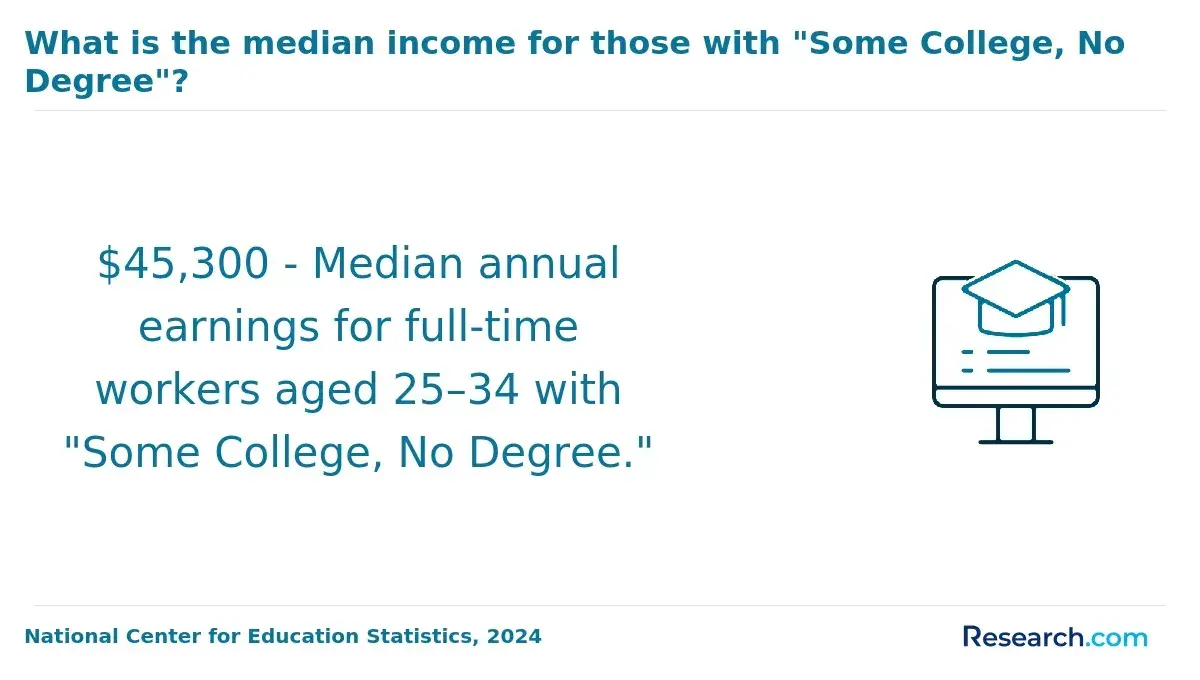
Salary strongly affects competition. Higher-paying communication roles attract more applicants because they offer better financial security and clearer advancement potential. Entry-level public relations specialists earn around $45,000 annually, while experienced communication directors can make upwards of $90,000 per year. That difference shapes how graduates choose which jobs to pursue.
The most competitive roles are often those that combine strong pay, recognizable titles, remote or hybrid flexibility, and a clear connection to brand strategy or leadership. Lower-paying roles may still be important to employers, but they can experience vacancies if candidates see them as unstable, underpaid, or lacking advancement.
How salary shapes applicant behavior
- High-paying roles become crowded: Corporate communications management, marketing strategy, and senior content roles may draw candidates with stronger experience and specialized portfolios.
- Lower-paying roles may have hidden opportunity: Entry-level or less visible positions can provide the experience needed to move into better roles later, especially if they involve writing, analytics, stakeholder communication, or campaign execution.
- Salary expectations must match experience: New graduates who apply only to mid-level roles may face repeated rejection if they lack proof of results.
- Industry matters: Communication work in technical, regulated, or high-growth sectors may offer different compensation patterns than general nonprofit or small-business roles.
Graduates should evaluate compensation alongside learning potential. A first role that pays less but builds strong portfolio evidence can be more valuable than a better-titled job with limited responsibility.
What Skills Help Business Communications Graduates Get Hired Faster?
Business communications graduates get hired faster when they can prove both communication quality and workplace usefulness. Research indicates that candidates with strong communication and digital literacy skills are 30% more likely to receive job offers within three months of graduation. Employers want graduates who can write clearly, use modern tools, understand audiences, and connect messaging to business goals.
The strongest candidates do not simply say they are good communicators. They show examples: a campaign plan, edited website copy, a newsletter, an analytics report, a presentation deck, a crisis response draft, or social media performance results.
Skills that improve hiring odds
- Clear Written Communication: Employers need concise, accurate, audience-appropriate writing for emails, reports, scripts, web pages, executive updates, and presentations.
- Digital Literacy: Familiarity with content management systems, social platforms, analytics tools, email marketing platforms, and collaboration software helps graduates contribute quickly.
- Interpersonal Skills: Listening, empathy, professional judgment, and collaboration matter because communications work often involves executives, employees, customers, media contacts, and cross-functional teams.
- Strategic Thinking: Candidates should understand why a message is being sent, who it is for, what action it should prompt, and how success will be measured.
- Adaptability and Learning: Platforms, audience behavior, and employer expectations change quickly. Graduates who can learn new tools and adjust tone across contexts are more useful.
Evidence employers like to see
- Internship experience with specific responsibilities and outcomes.
- A portfolio organized by skill area, not just by class assignment.
- Examples of editing, analytics, campaign planning, and stakeholder communication.
- Certificates or coursework tied to a clear career goal.
- Industry awareness, especially for technical, healthcare, government, or nonprofit roles.
For students interested in a more specialized digital-media route, an online game development degree may be relevant to interactive media or gaming-related communications, though it is not a direct substitute for business communications preparation.
What Alternative Career Paths Exist for Business Communications Graduates?
Business communications graduates are not limited to public relations or corporate communications departments. Their skills can transfer to roles that require writing, coordination, persuasion, audience analysis, training, stakeholder management, and digital content. Considering adjacent paths can reduce the pressure of competing for the same small set of popular communications titles.
Alternative career paths to consider
- Corporate Training: Graduates can help design onboarding materials, employee workshops, presentation decks, and learning resources. This path uses public speaking, instructional writing, and audience adaptation.
- Public Relations: PR remains a traditional route, but graduates can broaden their search to agencies, nonprofits, healthcare organizations, schools, startups, and local firms rather than only major brands.
- Human Resources: HR teams need strong communicators for recruiting messages, employee relations, policy explanations, internal campaigns, and culture-building efforts.
- Digital Marketing: Communication graduates can apply writing, editing, and audience research to websites, social media, email campaigns, landing pages, and brand content.
- Project Coordination: Project coordinators communicate across departments, track deadlines, prepare updates, manage documentation, and keep stakeholders aligned.
Graduates who want broader management preparation may compare communications training with a business administration degree, especially if they are interested in operations, management, or entrepreneurship as well as messaging.
Some graduates also pursue an MBA under 30k to strengthen management credentials, but graduate school should be chosen for a clear career purpose rather than as a way to delay a difficult job search.
Is a Business Communications Degree Still Worth It Today?
A business communications degree can still be worth it, but its value depends on how strategically the student uses it. Employment surveys show that roughly 72% of business communications graduates secure related jobs within six months, which points to continued demand. At the same time, competition means students need more than a diploma and a general interest in communication.
The degree is strongest for students who actively build a career direction while enrolled. A student who completes internships, creates a portfolio, learns digital tools, and develops sector knowledge will usually be better positioned than a student who waits until senior year to think about employment.
When the degree is a good fit
- You enjoy writing, presenting, editing, and explaining ideas clearly.
- You want a business-related role but do not want a narrowly technical or finance-heavy major.
- You are willing to build a portfolio and pursue internships before graduation.
- You are open to adjacent roles in marketing, HR, training, project coordination, or customer-facing business functions.
- You are prepared to specialize in a niche such as digital communications, data analytics, healthcare communications, technical writing, or internal communications.
When students should be cautious
- You expect the degree alone to guarantee a communications job.
- You are only interested in highly competitive roles such as social media manager or brand strategist.
- You do not want to create work samples, network, or gain experience before graduation.
- You prefer a field with more clearly defined licensure, certification, or occupational pathways.
Prospective students should also compare program cost, internship access, alumni outcomes, curriculum quality, and career support. A lower-cost program with strong experiential learning may be a better investment than a more expensive option with limited career preparation.
What Graduates Say About the Oversaturation, Competition, and Hiring Reality in the Business Communications Field
- : "When I graduated with my business communications degree, I quickly realized the hiring reality was tougher than I expected. The field felt oversaturated, and standing out required more creativity and persistence than I had planned for. Building a personal brand and adding specialized skills helped me get noticed. — Aries"
- : "Looking back, I can see how competitive business communications roles are, especially at the beginning. Many of my peers struggled to land their first positions, so I focused on less saturated niches within the field. That choice gave me a clearer path and helped me build a career that matched my interests. — Massimo"
- : "My business communications degree helped me grow professionally, but the job market was crowded. I had to stay flexible, consider alternative career paths, and keep improving my digital communication skills. That flexibility opened doors I had not originally considered. — Angel"
Other Things You Should Know About Business Communications Degrees
Internships often provide practical skills and real-world exposure that many entry-level roles require, improving hiring prospects. Candidates with relevant internship experience stand out because they demonstrate the ability to apply communication theories and tools in professional environments.
Technology skills such as proficiency in digital communication platforms, social media management, and content creation software are increasingly essential. Employers prefer candidates who can navigate both traditional and digital communication channels effectively, making tech-savvy graduates more competitive.
In 2027, geographic factors can significantly impact hiring in business communications. Urban centers typically offer more opportunities due to a higher concentration of businesses. However, remote work trends are leveling the field, allowing talent from varied locations to compete for roles that were once region-specific.
References
- 11 Reasons Why Business Communication is Critical For Success https://blog.haiilo.com/blog/business-communication-success/
- IS - Translation in Polish - bab.la https://en.bab.la/dictionary/english-polish/is
- Corporate communications job market trends in 2025 https://www.the-works.co.uk/newsrooms/corporate-communications-job-market-trends-in-2025
- Unwrapping the truth: Why high-volume hiring is broken all year long https://eightfold.ai/learn/unwrapping-the-truth-why-high-volume-hiring-is-broken-all-year-long/
- 6 Ways to Improve Your Communication Skills at Work | SNHU https://www.snhu.edu/about-us/newsroom/liberal-arts/communication-skills
- What to expect from the comms job market in 2025 - PR Daily https://www.prdaily.com/what-to-expect-from-the-comms-job-market-in-2025/
- Etusivu https://www.is.fi/
- Corporate Communications Done Poorly in Small Companies: A Missed Opportunity for Growth https://everything-pr.com/corporate-communications-done-poorly-in-small-companies-a-missed-opportunity-for-growth/
- Business Communication Skills: 6 Powerful Tips for Career Growth - WisdomQuant https://www.wisdomquant.com/business-communication-skills-career/
- Business Communication Skills to get a Job | Edu4Sure https://edu4sure.com/business-communication-skills-for-job/


