2027 What Job Postings Reveal About Business Communications Careers: Skills, Degrees, and Experience Employers Want

Co-Founder and Chief Data Scientist
Business communications hiring is no longer about writing well alone. Employers now look for candidates who can create clear messages, understand business goals, use digital tools, interpret audience data, and work across departments. Nearly 85% of job postings in business communications emphasize strong digital literacy alongside traditional communication skills, which shows how quickly the field has shifted toward technology-supported communication.
This guide explains what current job postings reveal about business communications careers, including the skills, degrees, experience levels, credentials, and industries most commonly associated with these roles. It is designed for students choosing a program, recent graduates preparing applications, and working professionals deciding whether to upskill, pursue a credential, or reposition their resume for better opportunities.
Key Things to Know About Skills, Degrees, and Experience Employers Want
- Job postings emphasize strong communication, digital literacy, and project management skills as essential for business communications roles, reflecting evolving employer demands.
- Employers typically require a bachelor's degree in business communications or related fields, with 60% preferring candidates with 2-5 years of experience.
- Analyzing job postings clarifies real-world hiring standards, enabling students to target relevant skills and qualifications for competitive career preparation.
What Do Job Postings Say About Business Communications Careers?
Business communications job postings show that employers want candidates who can connect strong messaging with practical business execution. The strongest applicants are not just good writers or presenters; they can adjust tone for different audiences, use communication platforms effectively, support brand or internal messaging goals, and measure whether their work is reaching the right people.
A notable 78% of analyzed job listings require applicants to demonstrate expertise in both communication and digital competencies. This reflects a clear hiring pattern: traditional communication skills remain essential, but they are now expected to work alongside tools such as content management systems, social media platforms, collaboration software, email marketing systems, and analytics dashboards.
Degree expectations vary by role level. Entry-level postings often focus on a bachelor's degree, internship experience, portfolio samples, or demonstrated writing ability. Mid-level and senior roles usually ask for a stronger mix of professional experience, campaign ownership, strategic planning, stakeholder management, and sometimes graduate education or specialized credentials.
The main takeaway is that business communications careers reward candidates who can combine message quality, business judgment, and digital fluency. Applicants who show only classroom knowledge may struggle; applicants who show how they have applied communication skills to real projects are more competitive.
What Skills Are Most Requested in Business Communications Job Postings?
The most requested skills in business communications job postings fall into two broad categories: core communication skills and business-ready digital skills. According to the National Association of Colleges and Employers, more than 80% of business communications job listings prioritize written and verbal communication abilities as essential abilities.
Employers usually evaluate these skills through resumes, writing samples, interviews, portfolios, and examples of past projects. Candidates should be ready to show evidence rather than simply list abilities.
- Written Communication: Employers expect clear, concise, accurate writing for emails, reports, press releases, web content, newsletters, executive messages, and marketing materials. Strong candidates adapt style and tone based on audience, purpose, and channel.
- Verbal Communication: Business communications professionals must explain ideas in meetings, present recommendations, brief leaders, interview subject matter experts, and speak with clients or stakeholders. The goal is not just confidence, but clarity and good judgment.
- Digital Literacy: Job postings increasingly mention content management systems, social media tools, analytics platforms, collaboration software, and digital publishing workflows. Digital literacy helps professionals distribute messages, track engagement, and improve future communication.
- Interpersonal Skills: Communication roles require close work with executives, marketing teams, HR departments, sales teams, clients, media contacts, and community partners. Active listening, diplomacy, responsiveness, and adaptability matter because communication work often depends on trust.
- Strategic Thinking: Employers want professionals who can connect messages to business outcomes. This includes understanding audience needs, planning campaigns, managing timing, anticipating risks, and aligning communication with organizational goals.
Applicants should avoid presenting these skills as generic claims. A stronger resume explains the setting, audience, tool, and result. For example, “wrote internal updates” is weaker than describing the audience served, the channel used, and the business purpose of the message.
Exploring colleges online that accept FAFSA can be a practical step for students who need an affordable path toward building these requested qualifications and experience for business communications careers.
What Degrees Do Employers Require for Business Communications Careers?
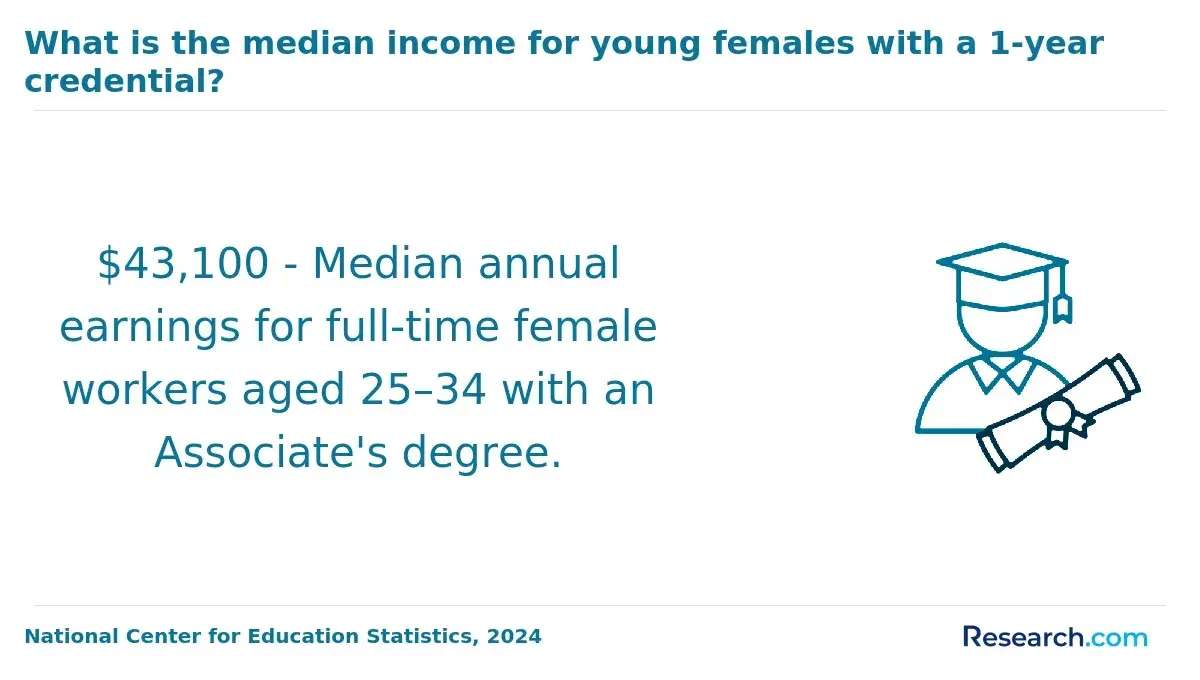
Most business communications postings use a degree as a baseline signal that a candidate understands writing, audience analysis, media channels, organizational communication, and business context. Research shows around 70% of postings mandate a bachelor's degree as the baseline credential.
Common acceptable majors include business communications, communications, marketing, public relations, journalism, English, and related fields. Some employers are flexible when candidates can show strong writing samples, internships, campaign work, or industry experience.
- Bachelor's Degree Minimum: Many entry-level and generalist roles list a bachelor's degree as the standard requirement. This credential helps employers screen for foundational communication training, research ability, writing practice, and presentation experience.
- Advanced Degrees Preferred: Senior communication, organizational communication, strategic communication, and leadership-oriented roles may prefer a master's degree. This is more common when the role involves strategy, executive advising, change communication, or high-level stakeholder management.
- Industry Variations: Degree expectations can rise in regulated or technical sectors, including healthcare and finance, because messaging must be accurate, compliant, and understandable to specialized audiences.
- Emphasis on Hybrid Education: Employers increasingly value programs that combine communication, business, marketing, analytics, and technology. Students comparing flexible study options may also consider whether a business degree online offers enough communication-focused coursework, writing practice, and project-based learning for their target roles.
When speaking with a business communications degree graduate about employer expectations, he shared that securing his first role felt daunting because many jobs requested more than just the degree. “Even though I had the formal education, the process revealed that employers also deeply valued how we applied those skills in real-world settings.” He found that articulating his educational background alongside practical project experience during interviews was key. “The degree opened doors, but showing I could navigate complex communication scenarios truly made the difference.”
The practical lesson is straightforward: a degree can qualify you to apply, but examples of applied work help you compete. Students should build writing samples, class projects, internship experience, campaign plans, presentations, and digital content they can discuss during interviews.
How Much Experience Do Business Communications Job Postings Require?
Experience requirements in business communications depend heavily on role level. Employers use years of experience to estimate whether a candidate can work independently, manage deadlines, interact with stakeholders, and handle the complexity of the communication work.
Typical patterns include the following:
- Entry-Level Roles: These positions often require minimal or no prior full-time experience. Employers may accept internships, class projects, campus media work, volunteer communication work, writing portfolios, or part-time roles that demonstrate communication ability.
- Junior or Associate Positions: These roles often require around one to three years of relevant experience. Employers usually expect familiarity with workplace communication processes, basic project coordination, content creation, and common digital tools.
- Mid-Level Roles: These postings commonly request three to five years of experience. Candidates are expected to manage projects, create content with less supervision, coordinate with departments, support campaigns, and contribute to communication planning.
- Senior and Advanced Roles: These roles generally demand experience exceeding five years, especially when the job involves leadership, crisis communication, executive messaging, strategic planning, budget input, or cross-functional management.
Applicants should read experience requirements carefully but not too literally. If a posting asks for several years of experience and you are close, strong evidence of relevant projects may still make an application worthwhile. However, if the role requires leadership, compliance knowledge, or specialized industry experience you do not have, applying may be less effective unless you can show equivalent preparation.
Business communications postings reflect average years of experience requested aligned with role complexity. Understanding these requirements can help candidates plan education and work experience, especially those considering options like cheap online universities to build an academic foundation while gaining practical experience.
What Industries Hire Fresh Graduates With No Experience?
Fresh graduates can find entry points in several industries, especially when employers need strong writers, social media support, event assistance, internal communication help, or junior content creators. In fact, around 45% of these positions in communication-focused industries are open to candidates without previous employment.
Industries that commonly welcome new business communications graduates include the following:
- Marketing and Advertising: Agencies and in-house teams often hire graduates for content development, social media coordination, campaign support, research, client communication, and reporting tasks. These jobs can be fast-paced and useful for building a portfolio quickly.
- Public Relations: Entry-level PR roles may involve media list building, press release drafting, event coordination, coverage tracking, and client or community support. These positions are strong options for graduates who enjoy writing under deadlines and working with external audiences.
- Nonprofit and Government: Mission-driven organizations may hire graduates for community engagement, public information, internal updates, donor communication, program promotion, and event messaging. These employers often value adaptability and commitment to the organization’s mission.
- Corporate Business: Companies in areas such as finance and tech may offer entry-level communications roles supporting employee newsletters, stakeholder updates, intranet content, brand projects, recruitment messaging, or executive communication support.
When speaking with a recent business communications graduate about her job search, she described encountering several hurdles early on. Although she found many postings geared toward inexperienced candidates, competition was stiff and required patience. She shared that applying widely and preparing thoroughly for interviews helped her gain confidence. “It was challenging at times to prove my potential without prior jobs,” she reflected, “but focusing on my eagerness to learn and adaptability made a difference.”
For graduates with no experience, the strongest strategy is to turn academic and volunteer work into proof of ability. A class campaign, campus newsletter article, student organization social media plan, or nonprofit volunteer project can show employers that you understand deadlines, audiences, editing, and collaboration.
Which Industries Require More Experience or Skills?
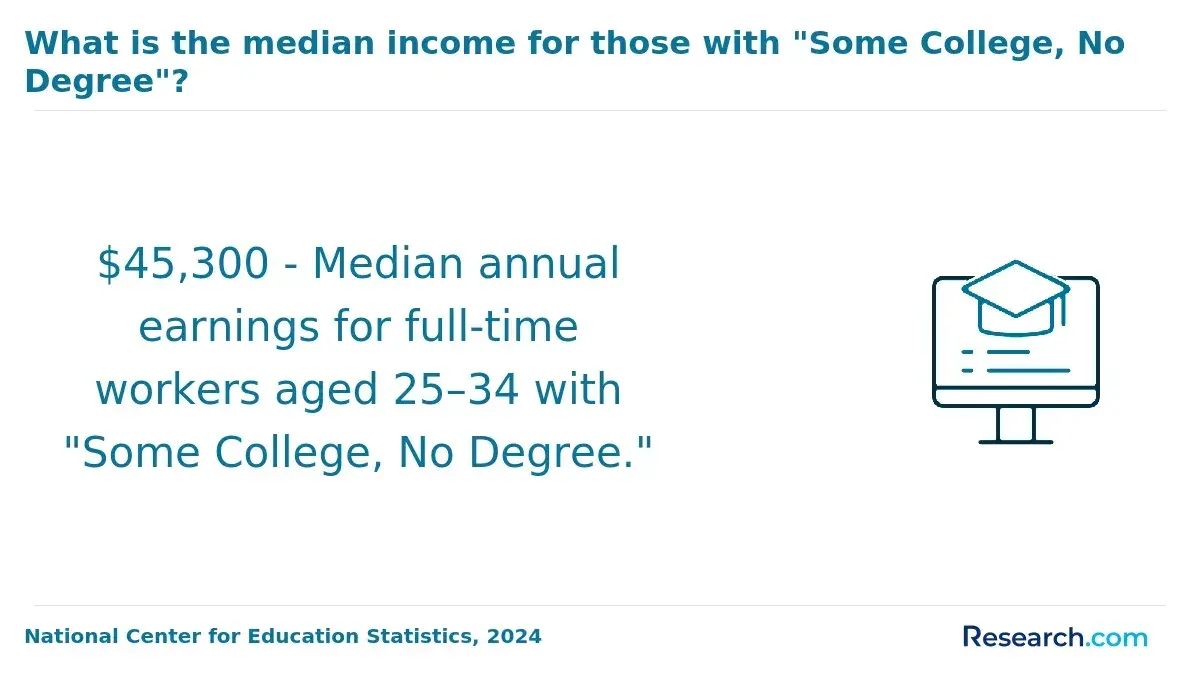
Some industries set a higher bar for business communications candidates because the messages are more technical, regulated, sensitive, or high-risk. For example, a 2023 report by the National Association of Colleges and Employers shows that 45% of business communications roles in these sectors require three or more years of experience, reflecting rising qualification standards.
Industries that typically expect more experience or specialized skills include the following:
- Finance and Banking: Communications professionals may need to explain financial information accurately, support investor or customer messaging, and understand compliance-sensitive language. Employers often prefer candidates with experience in corporate communications, risk-aware messaging, and stakeholder communication.
- Healthcare and Pharmaceuticals: These roles often involve translating medical, scientific, or patient-related information for public, internal, or professional audiences. Candidates must be careful with accuracy, privacy, and regulatory expectations.
- Technology and Software Development: Tech employers value communicators who can simplify complex products, translate technical language, support product launches, and collaborate with engineers, marketers, and sales teams. Digital platform experience and content strategy skills are especially useful.
- Legal Services and Compliance: Communication in legal or compliance-heavy environments requires precision, confidentiality, and risk awareness. Employers may look for candidates who have worked with regulated messaging, internal policy communication, or sensitive stakeholder updates.
Across these industries, job postings often emphasize advanced writing, editing, analytics, project management, and the ability to work with subject matter experts. Candidates aiming for these sectors should build industry vocabulary, collect relevant writing samples, and learn the basic regulatory or technical context before applying.
Which Credentials Are Most Valuable for Business Communications Careers?
The most valuable credentials for business communications careers are those that match the role’s responsibilities. A degree may satisfy the baseline requirement, while certifications can help demonstrate specialized knowledge in project management, digital marketing, analytics, or strategic communication.
- Bachelor's Degree: A degree in business communication, communications, marketing, public relations, journalism, or a related field remains the most common academic credential. It signals preparation in writing, research, persuasion, audience analysis, and professional communication.
- Certified Business Communicator (CBC): This certification can support candidates seeking to demonstrate professional communication knowledge, ethical awareness, and commitment to the field. It may be especially helpful for applicants pursuing corporate communication or strategic communication roles.
- Project Management Professional (PMP): PMP certification can be valuable for roles involving campaigns, cross-functional projects, timelines, vendors, deliverables, and stakeholder coordination. It is most useful when communication work overlaps with project leadership.
- Digital Marketing Licenses: Certifications or licenses tied to content management systems, social media, analytics, email marketing, or digital advertising can strengthen applications for roles with online publishing, campaign tracking, or audience engagement responsibilities.
Credentials are most effective when paired with evidence. A certification listed without projects may not carry much weight. A certification connected to a campaign, dashboard, content calendar, or measurable communication project is more persuasive to employers.
Are Salaries Negotiable Based on Experience?
Yes, salaries in business communications roles are often negotiable based on experience, but the amount of flexibility depends on the employer, role level, budget, and how closely a candidate matches the posting. Employers commonly list salary ranges rather than fixed numbers because compensation may change based on a candidate’s background.
Data shows that professionals with over five years of experience generally earn 20 to 30 percent more than entry-level employees. This does not guarantee a specific raise for every candidate, but it shows why documented experience, leadership responsibility, specialized industry knowledge, and advanced skills can affect salary conversations.
Entry-level roles usually have narrower pay ranges and less negotiation room. Mid-level and senior roles often have broader ranges because employers may be comparing candidates with different combinations of experience, credentials, management ability, and technical skills.
Before negotiating, candidates should prepare a clear case based on job-relevant value. Useful points may include years of experience, writing or campaign outcomes, industry specialization, leadership duties, analytics skills, software proficiency, and credentials requested in the posting. Candidates considering further education might explore affordable online masters programs to strengthen long-term qualifications and potential earnings.
How Can You Match Your Resume to Job Descriptions?
Matching your resume to a job description means showing the employer, quickly and accurately, that your background fits the role. Research shows that approximately 75% of large employers use applicant tracking systems (ATS) to filter resumes, making keyword alignment vital for success.
The goal is not to copy the posting word for word. The goal is to use the employer’s terminology where it honestly reflects your experience, then support those keywords with concrete examples.
- Interpret Job Descriptions: Identify the repeated skills, required qualifications, software tools, responsibilities, and outcomes. Items mentioned near the top of the posting or repeated throughout the ad are often especially important.
- Align Terminology: Use exact phrases from the job listing when they accurately describe your background. Terms such as “content development,” “stakeholder engagement,” “internal communications,” or “campaign reporting” can help both ATS systems and recruiters recognize fit.
- Highlight Relevant Experience: Connect your past work to the listed duties. If the posting emphasizes internal communications, describe newsletters, intranet updates, employee announcements, change communication, or leadership messaging rather than only general writing.
- Emphasize Credentials: Place required or preferred degrees and certifications where they are easy to find. If a bachelor's degree in communications or a related field is required, do not bury it at the bottom of the resume.
- Leverage Related Learning: Relevant coursework, certificates, and cross-industry experience can help, especially for early-career applicants. For example, hospitality management courses online may demonstrate customer-facing communication, service communication, and business operations knowledge when presented clearly.
A strong resume for business communications should include action verbs, audience context, tools used, and results where possible. Avoid broad claims such as “excellent communicator” unless the surrounding bullet points prove it.
What Should You Look for When Analyzing Job Ads?
Business communications job ads reveal more than minimum qualifications. They show what the employer values, how the role is positioned, and whether the job is focused on writing, strategy, internal communication, media relations, marketing support, executive communication, or digital content.
Studies show that nearly 70% of hiring managers consider detailed job descriptions essential for attracting qualified talent, highlighting why applicants should study postings closely before applying.
- Core Responsibilities: Look at the daily duties and strategic responsibilities. A role focused on newsletters is different from one focused on crisis communication, campaign analytics, executive messaging, or public relations.
- Educational Qualifications: Note whether the degree is required or preferred. Required credentials are usually screening criteria, while preferred credentials may be flexible if you bring strong experience or samples.
- Experience Requirements: Pay attention to years of experience, but also to the type of experience requested. Three years of social media content may not match a role asking for three years of internal communications or media relations.
- Technical and Soft Skills: Strong postings usually combine tools and behaviors. Look for software platforms, writing tasks, analytics expectations, collaboration needs, presentation duties, and stakeholder management.
- Certifications and Training: Certifications can signal specialized expectations, especially in project management, digital marketing, analytics, compliance, or technical communication.
Also watch for warning signs. Vague responsibilities, unrealistic requirements for an entry-level title, unclear reporting lines, or a long list of unrelated duties may indicate a poorly defined role. For those exploring educational pathways, programs like the best online social work programs demonstrate how specialized degrees can support career growth across sectors when aligned with clear professional goals.
What Graduates Say About Skills, Degrees, and Experience Employers Want
- Aries: "As a fresh graduate in business communications, I found job postings to be invaluable in identifying where my skills fit best. They helped me understand employer expectations and tailor my applications, making the daunting job market feel more navigable and approachable. This approach gave me the confidence to land a role that truly matches my credentials."
- Massimo: "Throughout my evolving business communications career, job ads have been a key resource to spot emerging trends and skill demands. Relying on them allowed me to strategically upskill and position myself for advancement. It's interesting to reflect on how these postings not only guide job searches but also shape professional growth pathways."
- Angel: "With years of experience in business communications, I view job postings as a mirror reflecting the industry's shifting priorities and required expertise. Keeping an eye on these ads has helped me stay relevant and competitive, enabling me to adapt my professional profile effectively. They've truly had a lasting impact on my career development."
Other Things You Should Know About Business Communications Degrees
Job postings for business communications roles frequently specify proficiency in digital communication tools such as Microsoft Office, content management systems, and social media platforms. Employers expect candidates to be adept at using these technologies to create, distribute, and manage content effectively. This requirement reflects the growing role of technology in facilitating internal and external business communication.
Many job postings highlight interpersonal skills such as teamwork, conflict resolution, and client interaction in addition to technical competencies. Employers in business communications seek professionals who can collaborate with diverse teams and communicate clearly across departments. This emphasis shows how communication roles often demand more than just writing or technical ability-they require strong relational capabilities to support organizational goals.
In 2027, employers prioritize interpersonal skills alongside technical expertise to ensure effective collaboration and communication in diverse settings. With technological advancements reshaping workplaces, the ability to connect with colleagues and stakeholders remains crucial for interpreting complex information and fostering a productive work environment.
Employers sometimes require candidates to have experience or familiarity with specific industries such as healthcare, finance, or technology in business communications roles. Job ads may list preferred knowledge of industry jargon or regulatory environments, indicating that understanding the sector can enhance the effectiveness of communication strategies. This suggests that tailored experience can make candidates more competitive in specialized markets.
References
- How to analyze a job advertisement https://www.uni-potsdam.de/en/praxisportal/job-applications/job-application-tips/analyzing-job-advertisements
- What Jobs Can I Get with a Communications Degree? https://www.global-business-school.org/content-type/blog/what-jobs-can-get-communications-degree/
- 18 Jobs That Need Good Communication Skills to Succeed https://lead-academy.org/blog/good-communication-skills/
- These are The Most Important Business Communication Skills https://www.pridestaff.com/blog/important-business-communication-skills/
- 5 qualities employers are really looking for in graduates https://blogs.surrey.ac.uk/careers/2025/05/20/5-qualities-employers-are-really-looking-for-in-graduates/
- A beginner's guide to starting a career in communications - from the beginner - Sussex New Media https://www.sussexnewmedia.ca/a-beginners-guide-to-starting-a-career-in-communications-from-a-beginner/
- Executive Search and Outplacement Services for the Engineering, Architecture, Construction, and Manufacturing Industries https://www.davron.net/communication-is-the-key-to-negotiating-salary/
- What are the Best Certifications for Communications Professionals? - Best Communications Degrees https://www.bestcommunicationsdegrees.com/faq/what-are-the-best-certifications-for-communications-professionals/
- 15 Marketing Certifications to Build Must-Have 2025 Skills https://www.cmswire.com/digital-marketing/10-marketing-certifications-that-can-help-you-earn-a-better-salary/
- How to Analyse a Job Advert Like a Strategist | The CV Guru Blog https://thecvguru.co.uk/2025/09/13/analyse-job-advert-like-strategist/