2027 How Fast Can You Get an Educational Leadership Degree Online?

Co-Founder and Chief Data Scientist
An online Educational Leadership degree is usually chosen by working educators who want to move into school administration, instructional leadership, district leadership, curriculum leadership, or related roles without leaving their current job. The main decision is not simply whether online study is convenient; it is whether the program’s pace, accreditation, fieldwork requirements, and licensure alignment match your career goal.
Fast online programs can shorten the path to a credential, but they also compress assignments, practicum expectations, and leadership projects into a tighter schedule. That can be an advantage for experienced educators with strong time management, employer support, and clear certification needs. It can be a poor fit for students who need a slower pace, extensive faculty interaction, or more time to complete field experiences.
This guide explains how long Educational Leadership programs typically take, how accelerated and competency-based formats work, when transfer credit or prior learning may reduce your timeline, and what to check before enrolling in a fast-track online program.
What are the benefits of pursuing a degree in Educational Leadership online?
- Accelerated online programs can be completed in as little as 12 to 18 months, enabling students to advance their careers without long-term interruption.
- Online formats offer flexible scheduling, allowing educators and professionals to balance coursework with work and family responsibilities effectively.
- Digital learning platforms provide interactive, student-centered tools that enhance engagement and support diverse learning styles in Educational Leadership development.
How long does it typically take to earn a degree in Educational Leadership?
The time required to earn an Educational Leadership degree online depends mainly on the degree level, enrollment pace, transfer credit, field experience requirements, and whether the program is designed for licensure. A faster format can reduce calendar time, but it does not eliminate the academic and practical work expected of aspiring education leaders.
For many students, a master’s degree is the standard entry point for leadership preparation. A full-time master’s program typically takes about two years. Part-time enrollment may extend completion to three or four years, especially for educators balancing coursework with full-time teaching or administrative responsibilities. Some accelerated options allow students to finish in as little as 15 months.
Doctoral programs require a longer commitment. Students should generally expect at least four years, with the timeline shaped by research requirements, dissertation or capstone work, cohort pacing, and professional obligations. Additional endorsements, certifications, or state-specific administrator preparation requirements can add time beyond the degree itself.
What affects your completion timeline?
- Degree level: Master’s programs are usually shorter than doctoral pathways.
- Full-time or part-time status: Taking fewer courses per term usually lowers weekly workload but extends the graduation date.
- Accelerated terms: Shorter sessions can move students through courses faster but require steadier weekly effort.
- Fieldwork or internship requirements: Licensure-oriented programs may require supervised practice in approved education settings.
- Transfer and prior learning credit: Eligible credits may reduce the number of courses you need to complete.
- State certification rules: Principal, superintendent, or administrator requirements vary, so degree completion and licensure eligibility are not always the same timeline.
Are there accelerated Educational Leadership online programs?
Yes. Accelerated online Educational Leadership programs are available, especially at the master’s level. They are built for educators who want to complete leadership coursework faster than a traditional academic calendar allows. These programs often use short terms, multiple annual start dates, year-round enrollment, and tightly sequenced courses.
The key is to distinguish “accelerated” from “easier.” A shorter calendar usually means the same graduate-level expectations are concentrated into fewer months. Before enrolling, confirm the program’s accreditation, state certification alignment, fieldwork expectations, and whether the degree supports your intended role.
- University of Southern Maine provides a fully online Master of Science in Education (MSEd) in Educational Leadership that can be finished in as few as 14 months. The 7-week course format supports six start dates annually and aligns with the Professional Standards for Educational Leaders (PSEL). This program is approved for PK-12 leadership certification in Maine and is regionally accredited.
- Fitchburg State University offers a 33-credit, non-licensure Master of Education (M.Ed.) in Educational Leadership and Management online that can be completed in 12 months. The curriculum emphasizes leadership competency development for roles such as department chair, curriculum leader, or academic coach and holds accreditation from the New England Commission of Higher Education (NECHE).
- Lamar University features a fast track educational leadership degree program that can be completed in as little as 13 months. This affordable option is designed for professionals looking to accelerate their leadership credentials, although detailed curriculum information is less highlighted.
Who is a strong fit for an accelerated program?
- Educators with several years of classroom, curriculum, coaching, or school leadership experience.
- Students who can dedicate consistent weekly time to reading, writing, projects, and field-based assignments.
- Professionals whose employer can support internship hours, leadership projects, or schedule flexibility.
- Applicants who already know whether they need licensure, non-licensure leadership preparation, or a district-specific credential.
Accelerated programs can be efficient, but students should verify whether the program prepares them for certification in the state where they plan to work. A program approved in one state may not automatically satisfy requirements elsewhere.
How do accelerated Educational Leadership online programs compare with traditional ones?
Accelerated and traditional Educational Leadership programs can lead to similar academic outcomes when both are properly accredited and aligned with professional standards. The main difference is pacing. Accelerated programs reduce calendar time by compressing coursework, while traditional programs spread the workload over a longer period.
The better option depends on your work schedule, family responsibilities, certification timeline, and ability to manage intensive graduate study.
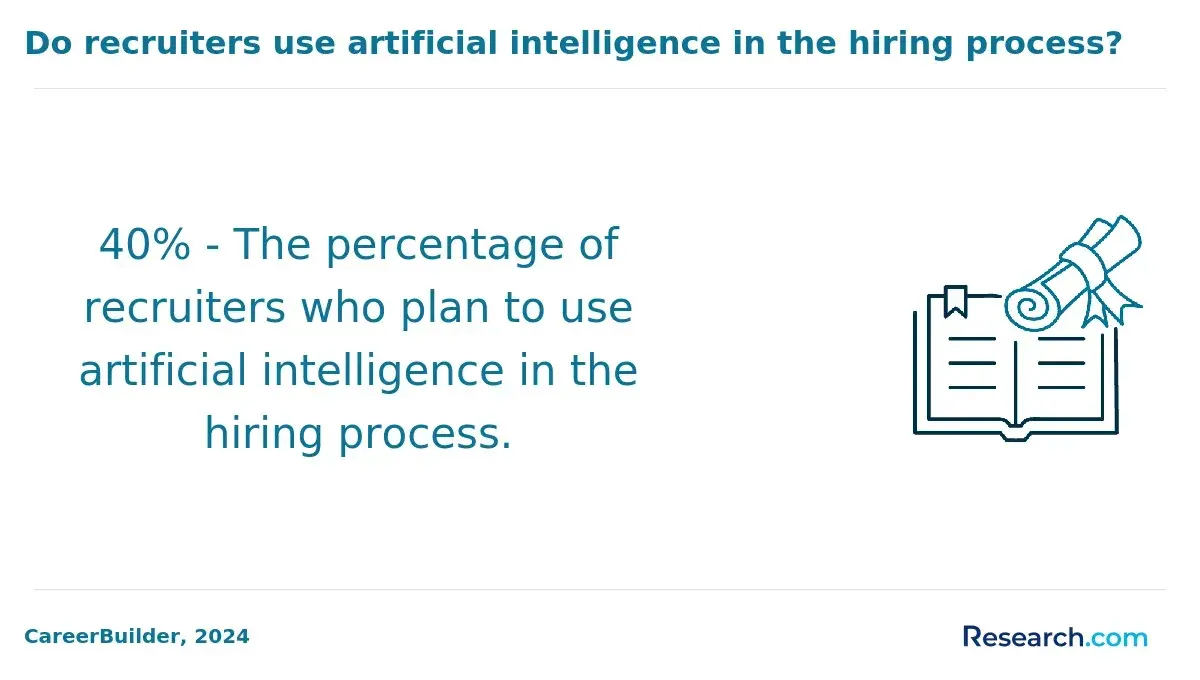
- Program duration: Accelerated online programs typically allow completion in 15 to 21 months, whereas traditional full-time programs usually take around two years.
- Course structure: Accelerated formats use condensed courses and may require students to manage a heavier workload in a shorter period.
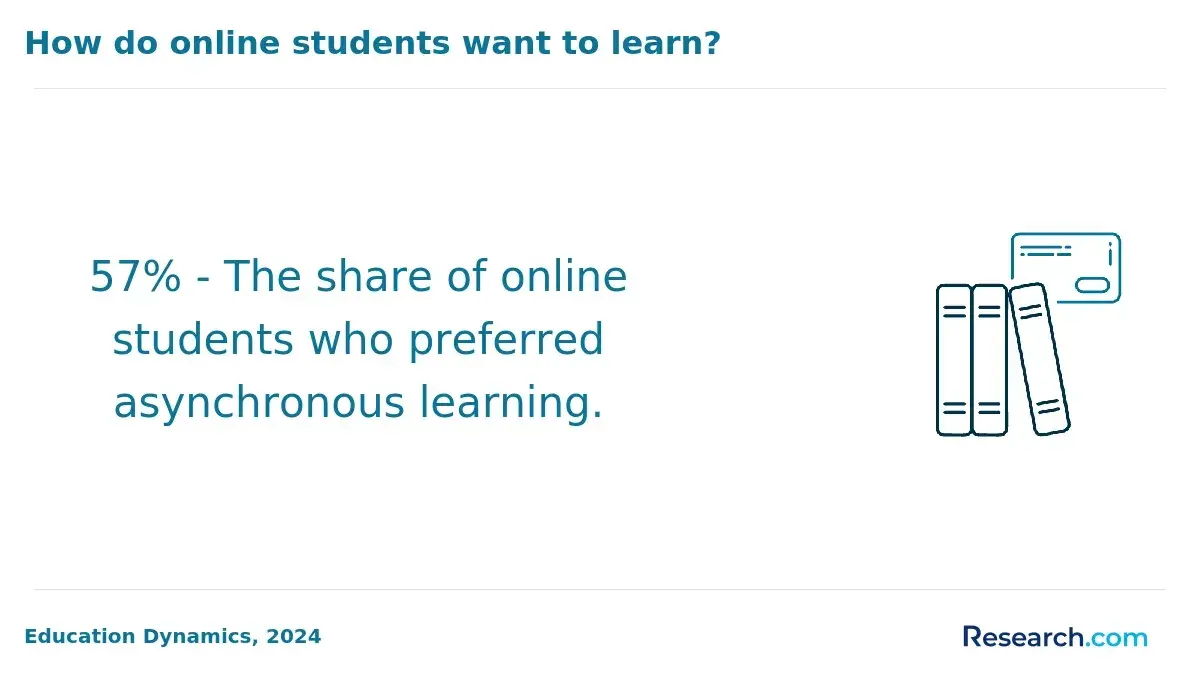
- Flexibility: Many accelerated programs offer asynchronous learning, which can help working professionals complete assignments outside standard school hours.
- Workload intensity: A shorter program can mean less downtime between courses, faster assignment cycles, and fewer breaks.
- Field experience planning: Licensure-focused programs may still require internships, observations, or supervised leadership practice, regardless of pace.
- Accreditation and outcomes: Accelerated and traditional programs can meet the same accreditation standards, but students should confirm this before applying.
When an accelerated program may be better
- You need a leadership credential quickly for a promotion, internal hiring cycle, or administrative opportunity.
- You are comfortable with short terms and frequent deadlines.
- You have employer support for fieldwork or leadership projects.
- You already have strong graduate-level writing and time management skills.
When a traditional pace may be better
- You want more time to absorb leadership theory, policy, finance, supervision, and school law content.
- You work unpredictable hours or have heavy family responsibilities.
- You need more flexibility for practicum placement or certification documentation.
- You prefer deeper faculty interaction and longer project development timelines.
The accelerated vs traditional educational leadership programs comparison is ultimately a trade-off between speed and workload. Students who value flexible study options may also find useful context in Research.com’s guide to online programs for seniors, especially when comparing online formats designed around nontraditional learners.
Will competency-based online programs in Educational Leadership affect completion time?
Competency-based online programs can affect completion time because they measure progress by demonstrated mastery rather than by time spent in a traditional semester. Students who already understand school operations, instructional leadership, assessment, budgeting, or policy may move more quickly through familiar material. Students who need more time to master competencies may take longer.
In a competency-based model, learners typically complete assessments, projects, papers, or performance tasks that show they have met defined learning outcomes. This can be useful for working educators because assignments often connect directly to problems they see in schools, districts, or instructional teams.
For example, Western Governors University's Master of Science in Educational Leadership can often be completed in around 23 months, though individual times vary based on prior expertise and learning pace.
Advantages of competency-based pacing
- Potential time savings: Experienced educators may progress faster through competencies they already understand.
- Applied learning: Assessments often focus on job-relevant leadership skills instead of seat time.
- Flexible progression: Students may be able to move steadily without waiting for a traditional term sequence.
Risks to consider
- Self-direction is essential: Students must stay organized without relying on a fixed weekly classroom rhythm.
- Licensure still matters: Competency-based coursework does not remove state-specific administrator certification requirements.
- Prior experience helps: Students new to leadership concepts may not finish faster than they would in a traditional program.
Competency-based study is best evaluated program by program. Ask admissions staff how fieldwork is handled, how faculty feedback works, how assessments are graded, and what the average completion pattern looks like for students with similar backgrounds.
Can you work full-time while completing fast-track Educational Leadership online programs?
Yes, many students work full-time while completing fast-track online Educational Leadership programs. However, “possible” does not mean effortless. Accelerated study requires disciplined scheduling, fast turnaround on assignments, and careful coordination of any internship or field-based work.
Programs from institutions like National University and American College of Education often allow students to finish in roughly 15 months, which can fit a tight schedule. The challenge is that the shorter timeline can create an intense weekly workload, particularly during courses involving school law, finance, supervision, data analysis, or leadership practice.
How to make full-time work and accelerated study more manageable
- Choose asynchronous delivery when possible: Courses that do not require frequent live attendance are often easier for teachers, coaches, and school staff with fixed daily schedules.
- Confirm fieldwork expectations before enrolling: Ask when and where internships, observations, or leadership projects must occur.
- Coordinate with your employer: A principal, district leader, or supervisor may need to approve projects, mentor hours, or access to school data.
- Protect weekly study blocks: Treat coursework time as a standing commitment, not leftover time after work.
- Align assignments with your current role: When allowed, use real school improvement, curriculum, assessment, or staff development work to complete projects more efficiently.
- Plan for peak periods: Testing windows, grading deadlines, school events, and internship requirements can collide with accelerated course deadlines.
Students should also be realistic about personal capacity. A fast-track program may be practical during a stable work year but difficult during a job transition, new teaching assignment, administrative internship, or major family commitment.
Can prior learning assessments (PLAs) shorten Educational Leadership degree timelines?
Prior learning assessments (PLAs) may shorten a degree timeline when a university allows students to convert documented learning into academic credit. PLA is not automatic credit for experience; it is a formal evaluation of whether prior learning matches specific course outcomes.
Common PLA methods include standardized exams, challenge tests, professional training credits, and portfolio assessments. For Educational Leadership students, portfolio review may be especially relevant because leadership skills, school improvement experience, staff development work, and policy-related learning are not always captured by exams.
Most programs limit PLA credits to a certain percentage of the total degree, often around 50%. For instance, students in some leadership graduate programs may earn 15 to 27 credits through PLA, depending on their specialization. Eligibility usually requires program admission, with some credit routes not incurring extra fees, while portfolio evaluations might involve review charges.
What to ask before relying on PLA
- Which courses are eligible? Some schools apply PLA only to electives, not core Educational Leadership or licensure courses.
- What evidence is required? Portfolios may require artifacts, supervisor verification, training records, reflective essays, or mapped learning outcomes.
- Will PLA affect licensure? State certification rules may require specific coursework or supervised practice that cannot be replaced by PLA.
- Are there fees? Exams, portfolio reviews, and credit transcription may have separate costs.
- When is credit awarded? Some institutions review PLA only after admission or after a student completes a minimum number of credits.
Students should consult an academic advisor before enrolling and request a written explanation of how PLA credits would apply to the degree plan. A large PLA award is only useful if it reduces required courses without creating certification gaps.
Can prior college credits help you get a degree in Educational Leadership sooner?
Prior college credits can help you finish an Educational Leadership degree sooner if the receiving institution accepts them toward your current program requirements. Transfer credit is most useful when previous coursework closely matches required graduate courses, electives, or concentration requirements.
Policies vary widely, so students should not assume that credits will transfer simply because they were earned at an accredited institution. Graduate programs often review course age, grade earned, content match, credit level, and whether the credits were already applied to another completed degree.
- Review transfer policies: Each institution has specific rules on the maximum credits accepted and grade requirements; many cap transfer credits between 6 and 15 semester hours.
- Check grade thresholds: Transferred courses typically must have been completed with a grade of "B" or higher, ensuring quality standards are met.
- Prepare official documentation: Schools often require official transcripts and sometimes course syllabi to evaluate course equivalency rigorously.
- Understand evaluation processes: Transfer credit approval is generally not final until reviewed and accepted by the university's registration office.
- Compare program flexibility: Some institutions, like Mission University and National University, are known for more generous transfer acceptance, which can help accelerate degree completion.
How to use transfer credit strategically
- Request a preliminary credit review before committing to a program.
- Ask whether accepted credits reduce tuition, time-to-degree, or only elective requirements.
- Confirm whether transferred coursework satisfies licensure-related standards.
- Keep syllabi, catalog descriptions, and graded major assignments if available.
- Compare multiple programs if transfer credit is central to your decision.
Those looking to transfer prior credits to educational leadership degree programs should verify requirements directly with each school before enrolling. For broader context on graduate education and career returns, Research.com’s guide to what type of master's degree makes the most money can help students think through educational investment decisions.
Can work or military experience count toward credits in a degree in Educational Leadership?
Work or military experience can sometimes count toward credits in an Educational Leadership degree, but the rules are institution-specific. Schools usually require documented learning, not simply years of service. The experience must align with academic outcomes in the degree plan.
Many colleges rely on evaluations from the American Council on Education (ACE), which reviews military roles and training to suggest equivalent academic credits, often documented on the Joint Services Transcript (JST). Workplace learning credits may also be awarded through ACE's Learning Evaluations or through credit-by-examination programs like CLEP or DSST.
In Educational Leadership programs, these credits are most often applied to electives or general education requirements rather than core leadership, internship, or certification courses. Licensure-focused coursework may be less flexible because states can require specific preparation in supervision, school law, ethics, finance, instructional leadership, or field practice.
What military or professional learners should do
- Request official records early: Military students should obtain the Joint Services Transcript (JST) when applicable.
- Ask how ACE recommendations are used: An ACE recommendation does not guarantee institutional credit.
- Clarify credit limits: Schools may cap how much experiential, military, or exam-based credit applies to the degree.
- Separate degree credit from licensure approval: A course waiver may not satisfy administrator certification requirements.
- Get the evaluation in writing: Before enrolling, ask how many credits apply and which requirements they replace.
This route can reduce time and cost for some students, but it should be evaluated carefully. The most important question is not whether credit is awarded, but whether it moves you closer to graduation and your intended leadership credential.
What criteria should you consider when choosing accelerated Educational Leadership online programs?
Choosing an accelerated online Educational Leadership program requires more than comparing completion times. The right program should match your state, career target, learning style, budget, and availability for fieldwork. A very fast program can be a poor investment if it does not support the credential or role you want.
When comparing accelerated master's degree education leadership options, focus on the following criteria:
- Accreditation and reputation: Seek accredited online educational leadership programs recognized by respected bodies like the Council for the Accreditation of Educator Preparation (CAEP), which help signal academic rigor and alignment with educator preparation expectations.
- State certification alignment: Confirm whether the program prepares students for principal, administrator, or PK-12 leadership certification in the state where you plan to work.
- Faculty qualifications: Prioritize programs with instructors who hold advanced degrees and have real-world administrative experience in schools or districts.
- Course delivery format: Look closely at whether courses are asynchronous, synchronous, hybrid, cohort-based, or self-paced. Accelerated 7- or 8-week sessions can support faster completion, including timelines as short as 10-15 months, but they require consistent weekly effort.
- Student support services: Academic advising, certification guidance, career counseling, library access, writing support, and technology help can be especially important in a compressed program.
- Credit transfer policies: Generous transfer allowances can shorten your path to graduation, especially if you have prior graduate credits.
- Field experience and internships: Confirm that the program includes supervised practice when needed for certification and that placements can be completed in your location.
- Cost and financial aid: Review tuition, fees, technology charges, books, internship-related costs, and available financial aid before calculating affordability.
- Program outcomes: Ask about graduation support, certification exam preparation where relevant, alumni roles, and employer relationships.
Questions to ask admissions before applying
- Is the program licensure or non-licensure?
- Which state standards does the program meet?
- How many hours per week do students typically spend on coursework?
- Can internships or leadership projects be completed at my current school or district?
- How many credits can I transfer, and when will I receive an official evaluation?
- What happens if I need to slow down or pause the accelerated sequence?
Students new to online study may also benefit from comparing access-oriented pathways such as colleges with open enrollment, particularly when planning a longer route toward advanced Educational Leadership study.
Are accelerated online Educational Leadership degrees respected by employers?
Accelerated online Educational Leadership degrees can be respected by employers when they come from accredited institutions, include rigorous coursework, and align with relevant leadership standards or state certification requirements. Employers usually care less about whether coursework was online or accelerated and more about whether the candidate is prepared, credentialed, and able to lead effectively.
Programs aligned with the Professional Standards for Educational Leaders (PSEL) can help show that graduates studied core leadership areas relevant to PK-12 settings. Online educational leadership degree credibility is influenced by institutional accreditation, curriculum quality, fieldwork, faculty expertise, and the program’s connection to state licensure pathways.
For school-based leadership roles, certification or licensure preparation is especially important. A respected degree may still be insufficient if it does not meet the state requirements for the role you want. For non-licensure roles, such as curriculum leadership, instructional coaching, department leadership, or education management, employers may focus more heavily on experience, demonstrated leadership results, and the reputation of the institution.
Signals that employers are more likely to trust a program
- The institution is properly accredited.
- The program clearly states whether it is licensure or non-licensure.
- The curriculum includes practical leadership work, not only theory.
- Faculty have relevant school or district leadership experience.
- The program aligns with recognized leadership standards.
- Graduates can explain how their coursework improved measurable leadership practice.
Students comparing reputable accelerated pathways should apply the same quality checks across all online education options. Research.com’s overview of online trade colleges can provide additional context on how to assess online program credibility across different fields.
What Educational Leadership Graduates Say About Their Online Degree
- Allan: "Completing my Educational Leadership degree online was a game-changer for my career. The accelerated pace allowed me to finish quickly without sacrificing depth, and the program's practical approach prepared me for real-world challenges. Despite the average cost of attendance being manageable, the return on investment has been tremendous."
- Gunnar: "Pursuing the Educational Leadership program gave me the flexibility to balance my job and family life while still advancing academically. The curriculum was thoughtfully designed, promoting both critical thinking and leadership skills essential for educational administration. Reflecting on my journey, the supportive online community made all the difference."
- Jaxon: "The efficient format of the accelerated online Educational Leadership degree exceeded my expectations in terms of both speed and learning outcomes. I appreciated how the coursework focused on current educational policies and leadership strategies, which immediately enhanced my professional effectiveness. Considering the reasonable tuition, this degree was a smart investment in my development."
Other Things to Know About Accelerating Your Online Degree in Educational Leadership
In 2027, many institutions offer accelerated online programs in Educational Leadership, allowing completion in as little as 12 to 18 months. The exact timeline can vary based on the student's pace and any previous credits transferred.
An online educational leadership program should be accredited by a recognized regional accreditor, such as the Higher Learning Commission or WASC, and ideally hold specialty accreditation from CAEP. For principal licensure, the program should also be approved by the state education agency or match that state’s licensing requirements.
References
- Recent Developments in Prior Learning https://www.wiche.edu/key-initiatives/recognition-of-learning/pla-workforce-dev/
- How to Use Prior Learning to Graduate with Your Bachelor’s Sooner https://www.snu.edu/degrees/blog/how-to-use-prior-learning-to-graduate-with-your-bachelors-sooner
- How Fast Is an Online Teaching Degree? | University of Olivet https://www.uolivet.edu/how-fast-can-you-get-a-teaching-degree-online/
- Substantive Change: New Educational Programs | The Higher Learning Commission https://www.hlcommission.org/accreditation/cycles-and-processes/substantive-change/new-educational-programs/
- educational-leadership-administration https://www.waldenu.edu/online-masters-programs/ms-in-education/educational-leadership-and-administration
- Educational Leadership | Accelerated Online https://usm.maine.edu/academics/academic_programs/educational-leadership-online/
- MA in Educational Leadership: Core Choice, Fast Track, Fully Online and Off-Site https://www.montclair.edu/educational-leadership/ma-in-educational-leadership-core-choice-fast-track-fully-online-and-off-site/
- Employer Perceptions: Online Degree vs Traditional https://vignanonline.com/blogs/do-employers-see-online-degrees-as-valuable-as-traditional-degrees
- Online Competency-Based Degree Programs | University of Phoenix https://www.phoenix.edu/competency-based-degrees.html
- Master of Education in Educational Leadership Online https://www.utrgv.edu/accelerated/programs/master-of-education-in-educational-leadership/index.htm