2027 Are There Any One-Year Online Educational Leadership Degree Programs Worth Considering?

Co-Founder and Chief Data Scientist
Choosing a one-year online Educational Leadership degree is usually a question of fit: Can you handle an accelerated graduate workload while working, and will the program meet your career or licensure goals? These degrees are designed for educators and school professionals who want to move faster toward leadership roles without relocating or leaving their jobs.
Most one-year options are master’s-level programs that compress leadership coursework into an intensive schedule. Students commonly study instructional leadership, school law, organizational management, policy, ethics, data-informed decision-making, and supervision. Some programs are aimed at practicing teachers preparing for school administration, while others focus more broadly on leadership in K-12, higher education, nonprofit, or training environments.
This guide explains whether a one-year timeline is realistic, what programs are available, what to check before enrolling, and how to think about cost, financial aid, workload, licensure, and career value.
Key Points About One-Year Online Educational Leadership Degree Programs
- One-year online Educational Leadership degrees accelerate leadership skills development compared to traditional 2-3 year programs, appealing to working professionals needing fast credentials.
- Such programs often focus on practical administration, policy, and organizational management directly tailored to current K-12 and higher education trends.
- Students should expect intensive scheduling with limited electives, requiring strong self-discipline and prior experience to manage coursework and leadership practicums effectively.
Is It Feasible to Finish a Educational Leadership Degree in One Year?
Yes, finishing an online Educational Leadership degree in one year can be feasible, but only under the right conditions. The most realistic path is an accelerated master’s program built for full-time online study, often with short course terms and a fixed sequence of classes. Students who already meet admission requirements, have strong academic preparation, and can dedicate consistent weekly time to coursework are the best candidates for this pace.
The main issue is not whether a university advertises a one-year pathway; it is whether the full program requirements can actually be completed within that timeline. A degree that includes an internship, practicum, field experience, or state licensure preparation may take longer because placements depend on school calendars, site approval, supervisor availability, and state rules.
Before committing to a one-year plan, ask the program for a written degree map showing every course, term, field requirement, and deadline. Also confirm whether the program is designed for principal or administrator certification in your state. A fast degree may still be useful for leadership development, but it may not satisfy licensure requirements unless the curriculum and clinical components align with the state where you plan to work.
- Most feasible for: licensed educators with prior classroom or school experience, strong time-management skills, and clear career goals.
- Less feasible for: students who need prerequisite coursework, cannot study year-round, require extensive field placement hours, or are seeking certification in a state with additional requirements.
- Key question to ask: “Can a student starting in my chosen term complete every academic and field requirement within one year?”
Are There Available One-year Online Educational Leadership Degree Programs?
Yes, one-year online Educational Leadership degree programs are available, but they are less common than traditional 18-24 month options. Most accelerated programs require a heavier course load, year-round enrollment, and strong self-direction. Some are fully online, while others may include an internship, culminating project, field experience, or other applied component.
When comparing fast-track programs, do not rely only on the advertised completion time. Review the degree type, credit requirements, admission criteria, fieldwork expectations, accreditation, and whether the program is intended for administrative certification. A one-year leadership degree that does not meet your state’s licensing standards may still build useful skills, but it may not qualify you for principal or administrator roles that require certification.
- Arcadia University offers a fully online Master of Education (M.Ed.) in Educational Leadership designed for completion in one year. The 33-credit curriculum covers organizational management, instructional leadership, and data-driven decision-making, and includes a culminating project or internship. Admission requires a bachelor's degree (preferred 3.0 GPA), two recommendation letters, and a personal statement.
- San Diego State University provides a 100% online, self-paced Master of Arts in Educational Leadership that can be finished within one year. This program's flexibility allows students to manage professional responsibilities alongside their studies, though specific coursework details are less publicly detailed.
- Lamar University is frequently cited for its accelerated Master's in Educational Leadership, which some students complete in as little as 13 months. While slightly longer than one year, it is among the fastest options, ideal for those able to maintain an intensive pace.
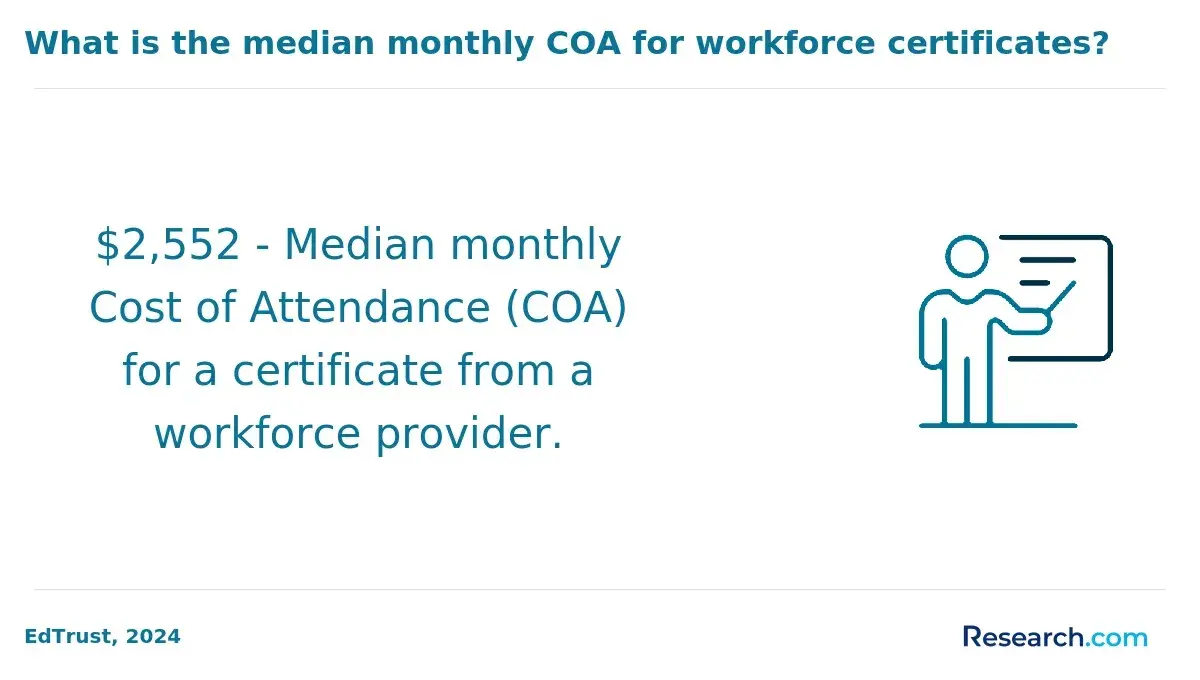
For many working educators, an 18-21 month program may be easier to manage and may provide more time for fieldwork, mentoring, and networking. If speed is your top priority, confirm whether the school offers multiple start dates, accepts transfer credits, and allows continuous enrollment through the year. If you are also exploring short-term credentials while planning a graduate degree, reviewing the highest paying 6 month certifications may help you compare faster skill-building options.
Why Consider Taking Up One-year Online Educational Leadership Programs?
A one-year online Educational Leadership program can be a strong option for educators who already know they want to move into leadership and are prepared for an intensive schedule. The main advantage is speed: students can complete graduate-level leadership training sooner than they would in a standard program, while continuing to work in their current school or education role.
These programs are especially attractive to teachers, department chairs, instructional coaches, and education professionals who want to qualify for broader responsibilities or strengthen their leadership profile. The online format can make the degree more practical for adults with jobs, families, or limited access to a campus-based program.
- Time efficiency: A one-year format can shorten the path to a completed credential, which may help students pursue leadership opportunities sooner.
- Career mobility: Graduates may use the degree to pursue roles such as principal, superintendent, or district supervisor, depending on state licensure rules and employer requirements.
- Immediate workplace application: Coursework in supervision, data use, school improvement, and organizational leadership can often be applied directly in a current education role.
- Online flexibility: Many programs allow students to complete coursework outside normal school hours, which can make graduate study more realistic for full-time educators.
- Potential cost control: A shorter timeline may reduce the number of terms in which students pay fees or related expenses, although total cost depends on tuition, credits, and institutional charges.
The best candidates are not simply looking for the fastest degree. They have a clear reason for earning it, understand the workload, and have confirmed whether the program supports their intended career path. If you are comparing accelerated graduate options more broadly, resources on easiest masters degrees online can provide additional context on flexible master’s programs.
What Are the Drawbacks of Pursuing One-year Online Educational Leadership Programs?
The biggest drawback of a one-year online Educational Leadership program is intensity. Compressing graduate coursework into a short timeline can make the degree difficult to balance with teaching, school leadership duties, family responsibilities, or fieldwork. A faster program is not automatically a better program if it leaves too little time for reflection, applied learning, or licensure preparation.
- Heavy workload: Accelerated courses often move quickly, with frequent readings, discussions, projects, and deadlines. Students who fall behind may have little time to recover.
- Reduced scheduling flexibility: Even online programs may require fixed course sequences. Missing one course or field requirement can delay graduation.
- Limited networking: Online learning can reduce informal contact with classmates, faculty, and local education leaders unless the program intentionally builds in collaboration and mentoring.
- Fieldwork pressure: Internships, practicums, and school-based projects can be hard to complete quickly, especially for students who work in settings that do not easily support administrative experiences.
- Licensure uncertainty: A program may be academically valid but not sufficient for administrative certification in every state. Students must verify state-specific requirements before enrolling.
- Fewer program choices: Fully accredited one-year online degrees specifically in Educational Leadership are relatively rare, so students may need to consider slightly longer programs or alternative pathways.
To reduce risk, speak with admissions, program faculty, and your state licensure office before enrolling. Ask for expected weekly time commitments, field placement details, graduation rates if available, and examples of where graduates work. Students should also plan support in advance: protected study time, a reliable technology setup, and a supervisor who understands any internship or project requirements.
What Are the Eligibility Requirements for One-year Online Educational Leadership Programs?
Eligibility requirements vary by school, degree level, and whether the program is tied to administrative licensure. Most one-year online Educational Leadership programs expect applicants to have a bachelor’s degree from an accredited institution. Programs aimed at school administration often prefer or require teaching experience, a valid teaching license, or current employment in an educational setting.
Because accelerated programs move quickly, admissions teams may also look for evidence that applicants can handle graduate work and leadership responsibilities. This can include prior academic performance, professional recommendations, a statement of purpose, and documented education experience.
- Prior college credits: Most programs require a bachelor's degree from an accredited institution, sometimes with a minimum GPA threshold.
- Professional experience: Candidates often need relevant teaching or educational experience, especially for programs aligned with leadership or administrative roles.
- Teaching license or certification: Accelerated programs frequently require a valid teaching license or related certifications to qualify for enrollment, especially when the program leads toward school leadership credentials.
- Prerequisite coursework: Some programs may require foundational education courses before students begin advanced leadership classes.
- Placement exams: Some institutions request GRE, MAT, or other standardized test scores, though this is less common.
- Background checks: Programs with practicums, internships, or school-based assignments may require background checks to meet student safety standards.
- Interviews: Some schools use admission interviews to assess leadership readiness, communication skills, and fit with the program.
- Application materials: Applicants may need recommendation letters, a résumé, transcripts, and a personal statement explaining their leadership goals.
Applicants should compare requirements program by program instead of assuming all Educational Leadership degrees follow the same rules. If your goal is a licensed role such as principal or district administrator, confirm both admission eligibility and post-graduation licensure eligibility before applying. For broader financial and career planning, exploring what 4 year degree makes the most money may help you evaluate the long-term value of different education paths.
What Should I Look for in One-year Online Educational Leadership Degree Programs?
The best one-year online Educational Leadership program is not simply the fastest or cheapest. It should be accredited, aligned with your career goal, manageable with your schedule, and clear about whether it supports licensure. Before applying, compare programs using the same criteria so you can separate legitimate accelerated options from programs that may not meet your needs.
- Accreditation: Look for accredited online Educational Leadership programs recognized by appropriate regional bodies and, when relevant, the Council for the Accreditation of Educator Preparation (CAEP). Accreditation can affect employer acceptance, credit transfer, financial aid eligibility, and licensure review.
- Licensure alignment: If you want to become a principal, superintendent, or other licensed school administrator, confirm that the program meets requirements in the state where you plan to work.
- Curriculum quality: Review whether courses cover instructional leadership, data-driven decision-making, supervision, school law, ethics, organizational leadership, and improvement planning.
- Applied experience: Check whether the program includes an internship, practicum, field project, or culminating project, and ask how online students arrange placements.
- Faculty expertise: Strong programs are taught by educators, administrators, and scholars with experience in K-12 or higher education leadership.
- Course delivery format: Decide whether asynchronous, synchronous, or blended coursework fits your work schedule and learning style.
- Credit transfer policies: Ask whether prior graduate coursework can transfer, which may shorten the program and reduce cost.
- Tuition and fees: Compare total program cost, not just per-credit tuition. Include technology fees, textbooks, and any internship-related expenses.
- Student support: Accelerated students need responsive advising, technical support, library access, writing help, and career guidance.
- Graduation planning: Request a one-year course sequence and confirm that all required courses are offered often enough to finish on time.
Also ask where recent graduates work and whether the program has relationships with districts, schools, or education organizations. If financial aid is part of your plan, reviewing a list of online colleges that accept FAFSA can help you identify schools with aid-eligible online options.
How Much Do One-year Online Educational Leadership Degree Programs Typically Cost?
One-year online master's programs in Educational Leadership in the U.S. generally range from about $6,000 to $20,000 in total tuition. Accelerated formats often start near the lower end of this scale, making these programs an affordable option for many students. The median annual cost is roughly $20,387, which is considerably lower than in-person programs.
The final amount you pay depends on the school, number of credits, tuition rate, residency classification, and required fees. Public universities may charge different rates for in-state and out-of-state students, while private universities may use one online tuition rate. Some programs also add technology fees, course material costs, graduation fees, or charges related to field experiences.
Online study can reduce costs that are common in campus-based programs, such as commuting, parking, relocation, and campus housing. However, students should not assume a one-year degree is automatically the least expensive option. A higher per-credit rate, mandatory fees, or limited transfer credit can increase the total price.
Before enrolling, ask the school for a full cost estimate that includes tuition, fees, books, technology requirements, and any internship or practicum expenses. Also confirm whether the program is eligible for federal financial aid and whether your employer offers tuition assistance for education-related graduate degrees.
What Can I Expect From One-year Online Educational Leadership Degree Programs?
Students in one-year online Educational Leadership programs should expect a demanding, structured graduate experience. The pace is faster than a traditional program, so coursework, discussions, papers, projects, and field-based assignments may overlap. Success depends on planning ahead and treating the program as a major weekly commitment.
The academic content typically focuses on how schools and education organizations are led, improved, and evaluated. Common topics include instructional leadership, organizational management, data-driven decision making, supervision, policy, school law, ethics, and strategic planning. Assignments often ask students to analyze real education problems and propose practical solutions.
Many programs also include applied work. This may take the form of an internship, practicum, leadership project, portfolio, or culminating project. Students pursuing principal or district leadership roles should pay close attention to these components because field experience is often central to licensure preparation.
Online delivery can include asynchronous modules, live class sessions, group projects, video presentations, faculty feedback, and discussion boards. Asynchronous formats offer more scheduling flexibility, while synchronous sessions can create stronger interaction with faculty and classmates. In either format, students need reliable internet access, comfort with learning platforms, and a plan for meeting deadlines during busy school periods.
Students researching online education pathways may also find it useful to compare institutional formats and support services through resources such as the best online vocational colleges, especially when evaluating how different online programs structure practical training and student support.
Are There Financial Aid Options for One-year Online Educational Leadership Degree Programs?
Yes, students in one-year online Educational Leadership programs may qualify for financial aid, but eligibility depends on the institution, enrollment status, degree level, and program approval. The first step is usually to confirm that the school participates in federal student aid programs and that the online degree is aid-eligible.
Common funding options include federal aid, state aid, institutional scholarships, private scholarships, employer tuition assistance, and education-related grants. Because accelerated programs move quickly, students should check deadlines early. Missing a scholarship or FAFSA deadline can leave fewer options for the first term.
- Federal and state aid: Eligible students can complete the FAFSA to access federal loans and grants, including the TEACH Grant, which supports those preparing for educational careers. Award amounts depend on financial need and federal guidelines.
- Scholarships: Many colleges provide scholarships to education students based on merit or financial need. Requirements often include academic performance or relevant professional experience, with award sizes differing by institution.
- Employer tuition assistance: Some employers offer reimbursement or funding for employees continuing their education. Eligibility and amounts vary according to company policies and the employee's role.
- Private grants: Private organizations may offer grants or scholarships for educators, aspiring administrators, or graduate students, although these often have specific criteria and strict deadlines.
- Payment plans: Some schools allow students to divide tuition across a term, which can help with cash flow but does not reduce the total cost.
Ask the financial aid office whether one-year students are considered full-time, how aid is distributed across accelerated terms, and whether dropping below a required credit load could affect eligibility. If you are using employer benefits, confirm reimbursement rules before enrolling; some employers require a minimum grade, proof of completion, or continued employment after the course ends.
What Educational Leadership Graduates Say About Their Online Degree
- : "Completing the one-year online Educational Leadership degree was a game-changer for my career. The accelerated format meant I could apply new strategies at work almost immediately, and the program's practical focus helped me feel confident leading my team. Plus, finishing quickly saved me both time and money compared to other programs. — Allan"
- : "Pursuing an online Educational Leadership degree in just a year allowed me to balance family commitments while advancing my skills. The competency-based approach encouraged me to master each topic thoroughly before moving on, which made the learning outcomes feel meaningful and applicable. Reflecting on my experience, I truly value how this degree broadened my leadership perspective. — Gunnar"
- : "The fast pace of the one-year online Educational Leadership program pushed me to stay disciplined and focused, but it paid off professionally and personally. Knowing the average cost of attendance was reasonable, I appreciated how efficiently the program delivered high-quality education and networking opportunities. This degree has significantly enhanced my professional credibility in education administration. — Jaxon"
Other Things You Should Know About Pursuing One-Yeas Educational Leadership Degrees
Yes. Many one-year online Educational Leadership degrees require a practicum, internship, or field experience, often totaling 150 to 300 hours. Programs aligned to principal licensure may also require placement in a school and supervisor approval before the final capstone or exit assessment.
When selecting a one-year online Educational Leadership degree in 2027, consider accreditation, faculty expertise, networking opportunities, technological support, and the curriculum's alignment with your career goals. Accreditation ensures educational quality, while faculty expertise and networking opportunities can enhance learning and career prospects.
In 2027, one-year online Educational Leadership degree programs prepare students through a mix of coursework focused on educational theory, leadership strategies, and policy analysis. Many programs integrate practical experiences, such as simulations, to provide real-world skills crucial for leadership roles.
Yes, many one-year online Educational Leadership programs offer financial aid or scholarships to eligible students. It's important to check with specific institutions for the types of financial assistance they provide and the application process for each.
References
- MA in Educational Leadership - Online and Distance Degrees - UA Online | The University of Alabama https://online.ua.edu/degrees/ma-in-educational-leadership/
- Online Educational Leadership/Administration https://annescollege.fsu.edu/EDA
- Editor’s Picks: The 11 Best 1-Year Online Masters in Education Programs https://www.educationdegree.com/articles/top-1-year-online-masters-in-education-programs/
- What Are Online Graduate Educational Courses Like, and Are They Worth Taking? https://www.belmont.edu/stories/articles/2024/online-graduate-educational-leadership-courses.html
- Master of Arts in Education: Education Leadership - Wheeling University https://wheeling.edu/graduate-program/master-of-arts-in-education-education-leadership/
- Educational Leadership & Administration (MS) | Online - Cairn University https://cairn.edu/online-ms-educational-leadership/
- M.Ed. Educational Leadership https://www.na.edu/degree-programs/graduate-programs/m-ed-educational-leadership/
- Master of Education in Educational Leadership https://online.uark.edu/programs/master-education-educational-leadership.php
- Strengths and Weaknesses of Online Learning https://www.uis.edu/ion/resources/tutorials/overview/strengths-weaknesses
- Educational Leadership | Accelerated Online https://usm.maine.edu/academics/academic_programs/educational-leadership-online/