2027 Questions to Ask About Online Educational Leadership Degree Programs Before You Enroll

Co-Founder and Chief Data Scientist
Many prospective students struggle to choose an online educational leadership degree that aligns with their career goals. With over 35% of educational leadership program enrollees citing concerns about licensure preparation and workforce readiness, the decision has significant long-term implications. Selecting a program without clear data on graduate outcomes can limit career advancement and professional effectiveness.
This article explores critical questions about program accreditation, career support, licensure alignment, and cost transparency. It aims to equip readers with the information needed to make informed decisions and ensure their investment leads to successful educational leadership roles.
Key Benefits of Enrolling in Online Educational Leadership Degree Programs
- Online educational leadership programs offer significant flexibility, allowing students to balance coursework with professional and personal responsibilities without relocating or adhering to rigid schedules.
- Cost savings come from reduced commuting, housing, and campus fees, making online degrees more accessible without compromising quality, aligning with trends showing 40% lower expenses than traditional programs.
- Students often experience improved work-life balance, as asynchronous learning enables pacing that fits individual routines, benefiting the 60% of education professionals who study while employed full time.
Is the online educational leadership degree program accredited?
Accreditation plays a crucial role in evaluating online accredited educational leadership programs because it ensures the program adheres to established standards of quality, which impacts degree recognition, eligibility for licensure, and overall career outcomes. Without proper accreditation, graduates may face challenges securing leadership positions or obtaining state certification required for many administrative roles.
Notably, over 90% of U.S. states mandate graduation from an accredited program for licensure in educational administration, underscoring the importance of accreditation in advancing a career in school leadership. Regional accreditation bodies such as the Middle States Commission on Higher Education (MSCHE) and the Higher Learning Commission (HLC) are commonly responsible for accrediting these programs.
In addition, specialized accreditation from the Council for the Accreditation of Educator Preparation (CAEP) or the National Council for Accreditation of Teacher Education (NCATE) demonstrates that a program meets rigorous industry-specific standards. Prospective students should carefully verify accreditation status by consulting the U.S. Department of Education's database or the Council for Higher Education Accreditation (CHEA) website.
This step is especially vital for selecting a program that aligns with licensure requirements and ensures credit transferability. For those interested in fast-tracking their credentials, exploring options like the EDD degree can be valuable when selecting among high-quality online accredited educational leadership programs.
What are the admission requirements for online educational leadership programs?
Prospective students evaluating online educational leadership programs must carefully consider the admission requirements to ensure they meet eligibility and are well-prepared for the demands of advanced study. Awareness of these criteria also helps to align choices with programs that best suit their professional goals and academic background.
Below are essential requirements commonly expected for enrollment in educational leadership programs online:
- Educational Background: Applicants typically need a bachelor's degree from an accredited institution, which confirms they possess foundational academic skills critical to succeed in graduate-level coursework.
- Professional Experience: Many programs require candidates to have prior teaching or administrative experience. This ensures practical familiarity with educational settings and readiness to apply leadership concepts.
- Letters of Recommendation: These documents provide insight into the candidate's leadership potential and personal character, typically authored by supervisors or professional colleagues who can attest to qualifications.
- Personal Statement or Essay: Candidates must articulate their motivation, career objectives, and reasons for pursuing these programs. This demonstrates commitment and alignment with program goals.
- Standardized Test Scores: Some programs request GRE or equivalent test scores to evaluate academic preparedness, although this requirement is becoming less common.
Meeting these admission criteria is vital not only for program acceptance but also for ensuring that students are prepared for the challenges of educational leadership roles. Additionally, those interested in related fields can explore options like an online counseling degree to complement their leadership expertise.
Understanding the requirements to enroll in educational leadership programs online is a crucial first step to a successful academic and professional journey.
What classes do you take in an online educational leadership program?
Knowing the curriculum of an online educational leadership program is essential for students weighing their options, as it directly impacts career readiness and certification eligibility. Recent data indicates that around half of graduate education students prefer online programs, underscoring the need for clear course information.
Programs generally consist of several distinct class categories, including:
- Core Classes: These courses provide foundational knowledge in areas like organizational leadership, policy analysis, and curriculum strategies. They are designed to build critical skills such as decision-making, effective communication, and strategic planning necessary for leadership roles.
- Elective Courses: Electives offer opportunities to explore specialized subjects, including technology in education, equity leadership, or community involvement. These choices allow students to tailor their studies to specific professional interests or goals.
To illustrate these experiences, I spoke with a student currently enrolled in an online educational leadership degree program about his perspective on the curriculum. He described how initial adjustment to the online format was challenging, particularly balancing coursework with his work schedule.
He mentioned, "The variety in classes kept me engaged, but time management was crucial." He also noted how the electives helped him discover a passion for supporting underserved communities, which wasn't something he had expected going in. Overall, navigating through the diverse class offerings helped him clarify his career direction and develop confidence in his leadership skills.
Knowing the duration of an online educational leadership degree helps students align their academic goals with career plans and budgeting needs. The length influences how quickly one can advance professionally and manage financial and personal commitments.
Below are common timelines to consider when choosing the best program format:
- Full-Time: Typically completed within 18 to 24 months, full-time programs follow a consistent course load each term, ideal for those who can dedicate significant weekly hours to study.
- Part-Time: Designed for working professionals, part-time options often extend over 3 to 4 years, offering flexibility in scheduling but requiring steady progress over an extended period.
- Accelerated: Intensive schedules or shorter terms allow completion in 12 to 15 months. This path is faster but demands strong time management and readiness for a rigorous pace.
- Programs with Internships or Clinical Hours: These hands-on components add valuable real-world experience but may prolong completion times depending on placement availability and scheduling logistics.
Ultimately, factors such as course offerings, individual study pace, and program design impact the total time needed. Students should carefully evaluate these elements to choose a timeline that fits their lifestyle and career ambitions.
Most online educational leadership programs do require internships or practicums, which are essential for developing practical skills and gaining hands-on experience in school environments. These components are generally completed locally under the supervision of seasoned administrators, allowing students to engage directly with tasks such as managing school operations and leading teams.
The practical experience not only enhances leadership abilities but often fulfills state licensure requirements, which is critical for career advancement. Importantly, over 75% of students in this field report that these real-world placements significantly boost their confidence and employability after graduation.
Knowing how these experiential elements are structured helps students choose programs that align with their professional goals and logistical needs.
When asked about her experience, a recent graduate of an online educational leadership program shared that arranging her practicum was initially stressful due to coordinating schedules between her workplace and the hosting school district. She described feeling overwhelmed balancing her coursework with a 200-hour placement but emphasized how valuable the mentorship she received was in building her leadership style.
Reflecting on the process, she noted, "It wasn't just about completing hours; it was about applying theory to real challenges, which deeply prepared me for my role today." This hands-on training, she added, helped her feel "ready and confident" stepping into an administrative position immediately following graduation.
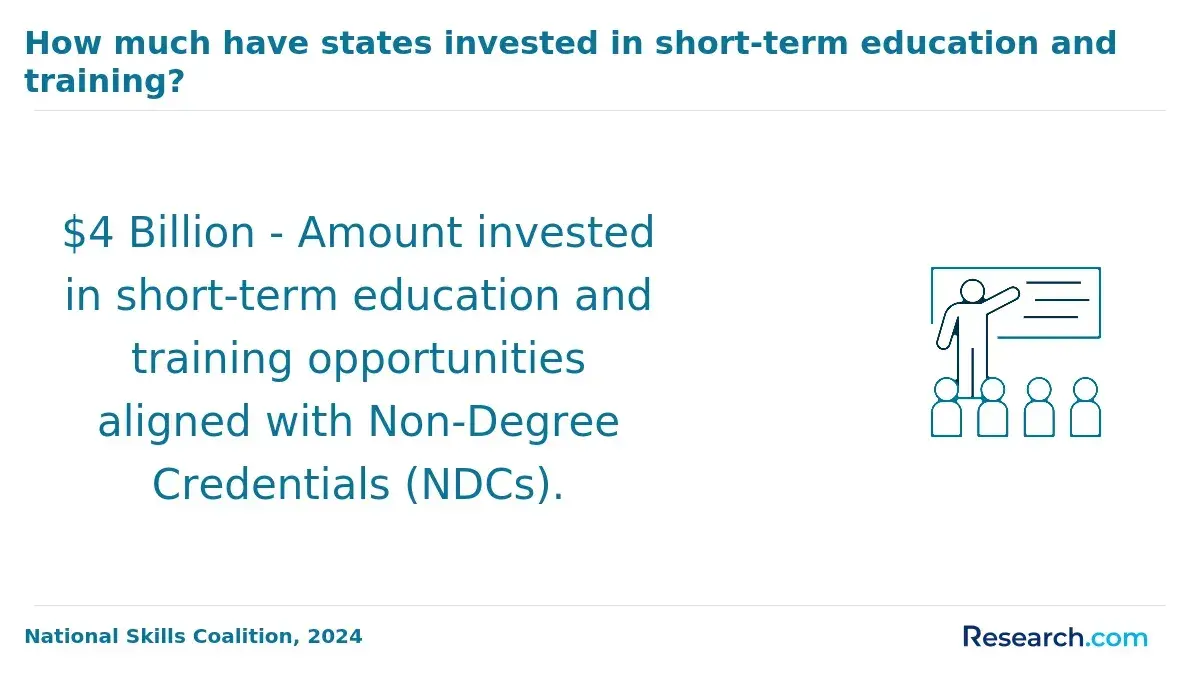
Graduates of online educational leadership degree programs can obtain professional licensure, though success depends on meeting state-specific requirements and ensuring the program's accreditation. Typically, candidates must hold a valid teaching certificate, complete an accredited program, and pass a licensure exam or portfolio review.
Online program structures often accommodate these demands by offering flexible internship placements or local practicum options for practical leadership experiences. Many programs align coursework with state licensure guidelines and provide support for exam preparation, which is critical when researching how to get licensed with an online educational leadership degree.
Licensure is a crucial factor for students evaluating online educational leadership programs because it directly impacts job prospects and career advancement. Many school districts require administrative licensure for principal or assistant principal positions, limiting opportunities without proper certification.
States with rigorous licensure requirements report employment rates for educational leaders exceeding 85%, underscoring the benefit of certification. Prospective students should verify state approval of their chosen online program, as well as consider program affordability and support services. For those interested in cost-effective options, exploring executive online MBA programs might also be worthwhile.
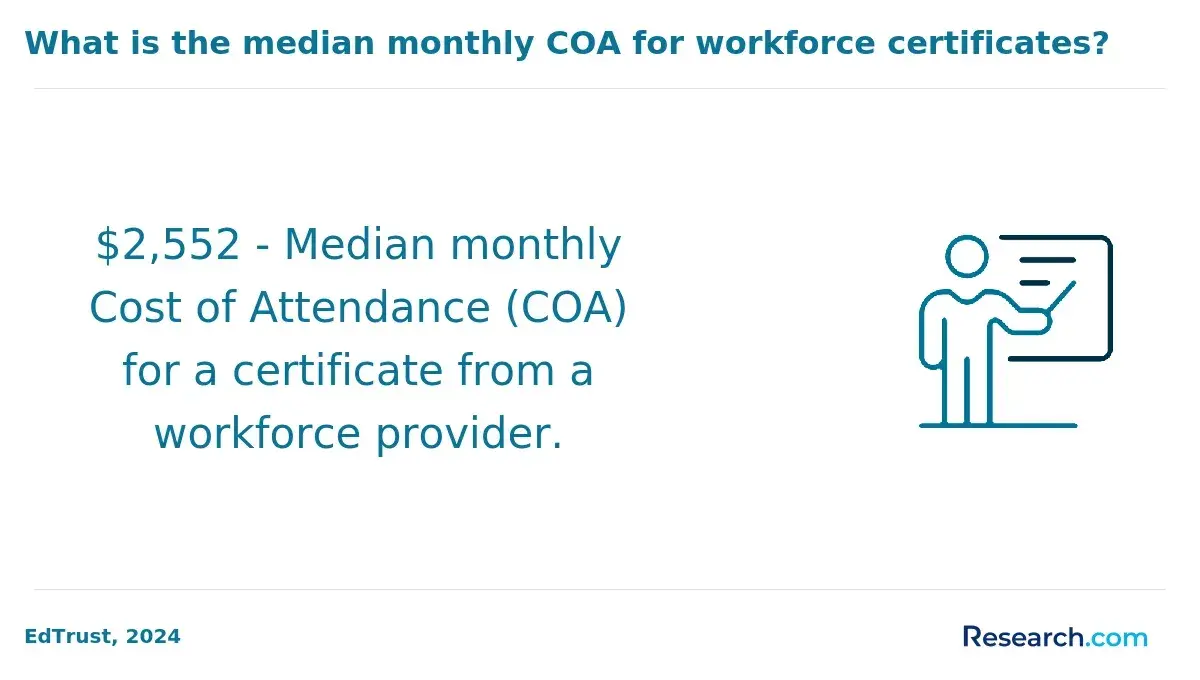
Evaluating the total cost of online educational leadership programs is essential for students to make informed decisions that align with their financial plans and career objectives. Program expenses significantly affect not only affordability but also the overall value gained from the educational investment. Many programs have seen tuition increases of roughly 3%-5% annually, reflecting growing operational and technology costs.
Typical costs associated with online educational leadership programs include:
- Tuition per Credit Hour: Tuition rates generally range from $300 to $1,200 per credit hour, depending on the institution type and program length. This figure usually covers instruction and access to essential digital learning platforms.
- Additional Fees: Beyond tuition, students may face fees for technology support, application processing, or student services. These fees vary widely and should be confirmed early to avoid unexpected expenses.
- Materials and Software: Some programs require purchasing specific textbooks, software, or other learning materials, potentially adding several hundred dollars to the total cost. These expenses are often necessary for completing coursework effectively.
- Practicum or Fieldwork Costs: Licensure preparation frequently involves practicum experiences that may include travel or certification fees. Budgeting for these components is crucial as they are integral to fulfilling program certification requirements.
- Tuition Fee Trends: It is important to recognize that tuition fees for online educational leadership degrees have steadily increased, influenced by factors like demand for advanced technology-enhanced learning and institutional operational costs.
Prospective students aiming to balance cost with quality should thoroughly research each program's full expense structure. Considering factors such as tuition, fees, and additional costs ensures better financial preparedness and supports choosing a path conducive to career success. For those drawn to career options with competitive earning potential alongside their educational costs, exploring the easiest college majors with high pay may provide helpful insights.
Understanding financial aid options is essential for prospective students considering online educational leadership programs because it greatly influences the overall affordability and completion feasibility. Studies indicate that nearly 85% of graduate education students take advantage of some form of financial aid, underscoring its critical role in funding advanced degrees.
Exploring the variety of financial aid available helps students prepare a clear financial plan before committing to a program. Key types of financial aid for online educational leadership students include:
- Federal Grants and Loans: These remain the most common sources of funding. Students must complete the FAFSA to qualify for Pell Grants and Direct Loans. Eligibility usually hinges on financial need and creditworthiness for loans, offering significant upfront cost relief but requiring eventual repayment for loans.
- State and Institutional Scholarships: Many states and universities have scholarships targeted specifically at educational leadership students. These awards can be merit- or need-based and often reduce tuition costs without the obligation of repayment, making them highly valuable.
- Employer Tuition Assistance: For individuals employed in education or leadership roles, employer-sponsored tuition assistance programs may cover partial or full program expenses. Requirements differ but this aid can substantially lighten the financial burden.
- Federal Work-Study Programs: Although less prevalent in online formats, some students might qualify to work part-time in educational settings, earning money that offsets tuition costs while gaining practical experience.
Considering these financial aid options in advance maximizes the chance of minimizing debt and supports successful degree completion. Prospective students should also investigate scholarships and grants for educational leadership students that may align with their backgrounds. Additionally, those seeking quick online degrees should weigh financial aid availability as a key factor in program selection.
Knowing the career paths available with an online educational leadership degree helps students make informed decisions about their education and future. The U.S. Bureau of Labor Statistics anticipates a 5% growth in education administration jobs between 2022 and 2032, indicating steady opportunities in the field. Below are common roles graduates can pursue.
- School Principal: Principals oversee daily school operations, manage faculty, and implement policies to enhance student outcomes. This leadership role often serves as a stepping stone to district-level administration and requires strong organizational and communication skills gained through the degree.
- Academic Coordinator: Academic coordinators develop and evaluate curricula, support teachers, and ensure alignment with educational standards. Their work impacts instructional quality, and the degree equips them with skills in leadership and program evaluation.
- District Administrator: District administrators manage education policies and resources across multiple schools, guiding strategic initiatives and compliance with state regulations. Graduates with online educational leadership training are prepared for these complex managerial responsibilities.
Knowing the salary potential for graduates of online educational leadership programs helps students gauge the financial return of their studies. This insight supports informed decisions about program costs and future career prospects. The median annual wage for educational administrators recently stood near $98,000 nationwide, with a projected job growth of 6% over the coming decade.
Several key factors influence the earnings of those with online educational leadership degrees:
- Level of Education: Advanced degrees such as doctorates generally open the door to higher-paying leadership roles compared to master's degrees. Increased academic credentials often correlate with greater responsibilities and compensation.
- Specialization: Focusing on areas like curriculum design or educational technology can lead to varying salary ranges, as certain niches are in higher demand or offer specialized skills valued by employers.
- Experience: Accumulating years in education leadership boosts salary potential, with promotions and expanded managerial duties contributing to wage increases over time.
- Geographic Location: Pay levels fluctuate significantly depending on state and district funding, cost of living, and urban versus rural settings, with metropolitan regions typically offering more competitive salaries.
- Work Setting: Employment environments such as K-12 schools, universities, or private education organizations affect salary structures, with some sectors providing better benefits or higher wages based on budget and organizational priorities.
What Graduates Say About Enrolling in an Online Educational Leadership Degree
- Alan: "Enrolling in the online educational leadership degree program was a game-changer for me, especially considering the reasonable cost compared to traditional programs. The flexibility allowed me to balance work and study effortlessly, and the practical curriculum directly enhanced my leadership skills. Since graduating, I've confidently taken on more responsibilities at my school, and the return on investment has been remarkable. "
- Malik: "After much consideration, I chose the online educational leadership program mainly because the average cost fit my tight budget without compromising quality. The experience was enriching, with engaging coursework and accessible instructors that made remote learning feel personal and impactful. Professionally, the degree has opened doors to administrative opportunities I previously thought were out of reach. "
- Rin: "Opting for the online educational leadership degree was a strategic decision driven by both cost efficiency and career aspirations. Despite being an online format, the rigorous academic standards and collaborative environment exceeded my expectations. This degree has not only elevated my expertise but also positioned me as a leader in my district, proving that investing in education pays off."
Other Things You Should Know About Educational Leadership Degrees
When assessing technology and support services, check for a reliable learning management system, responsive tech support, and accessible digital resources. Ensure the program offers tutorials and consistent tech help, as these are crucial for a seamless online learning experience in 2027.
Many online educational leadership programs require 150 to 300 supervised internship hours, and some states require a practicum tied to principal licensure. Ask whether placements must be in approved K-12 settings and whether the university verifies hours with your state department of education.
When reviewing faculty qualifications, consider their academic background, research involvement, and practical experience in educational leadership. Additionally, check if they are recognized in the field and engaged in continuous professional development. This will ensure you learn from knowledgeable and experienced educators.
- M.Ed. in Educational Leadership | ACE https://ace.edu/degree-programs/masters-degrees/masters-education/master-of-education-in-educational-leadership/
- How to Earn An Ed.D in Educational Leadership Online | STU https://online.stu.edu/degrees/education/innovation-leadership/admissions-to-job-prospects/
- Why Pursue an Online Doctor of Educational Leadership? https://www.ucumberlands.edu/blog/why-pursue-an-online-doctor-of-educational-leadership
- What Are Online Graduate Educational Courses Like, and Are They Worth Taking? https://www.belmont.edu/stories/articles/2024/online-graduate-educational-leadership-courses.html
- Master of Educational Leadership Online – ECU Online https://online.ecok.edu/online-degrees/med-masters-educational-leadership/
- Doctor of Education EdD Salary and Career Outlook https://teach.com/online-ed/education-degrees/online-edd-programs/edd-careers/
- The Benefits of Pursuing an Online Degree in Educational Leadership and Principalship - Big Data Analytics News https://bigdataanalyticsnews.com/online-degree-in-educational-leadership-principalship/
- Educational Leadership, Online MEd https://www.arcadia.edu/majors-and-programs/online-masters-educational-leadership/
- Online Master’s Programs in Educational Leadership: Compare Schools https://www.onlinemastersdegrees.org/best-programs/education/educational-leadership/