2027 How Fast Can You Get a Digital Media Degree Online?

Co-Founder and Chief Data Scientist
If you want a digital media credential but cannot pause work, relocation, or portfolio-building, the central question is not simply whether you can study online. It is how quickly you can finish without choosing a program that is too rushed, too expensive, or too weak to help your career.
Online digital media degrees can be faster than campus-based options because many use shorter terms, multiple start dates, asynchronous courses, transfer-friendly policies, and project-based learning. The actual timeline, however, depends on the degree level, how many credits you bring in, whether you enroll full-time or part-time, and how much weekly work you can handle.
This guide explains how long online digital media degrees typically take, what accelerated options look like, how prior credits and professional experience may shorten your path, and what to check before choosing a fast-track program.
What are the benefits of pursuing a degree in Digital Media online?
- Fast-track digital media degrees online can be completed in as little as 12 to 18 months, accelerating entry into a growing industry with a projected 8% job growth by 2030.
- Online formats offer flexible scheduling, ideal for working adults or parents balancing education with jobs, childcare, or other responsibilities.
- Programs often integrate practical projects and industry tools, enabling students to build relevant portfolios while studying remotely at their own pace.
How long does it typically take to earn a degree in Digital Media?
An online digital media degree usually takes three to four years for a full-time bachelor's student and one to two additional years for a master's student. The shortest timelines are typically available to students who already have transferable college credits, relevant prior learning, or the ability to take heavier course loads year-round.
For an online bachelor's degree in Digital Media, most programs require around 120 credit hours. A full-time student commonly finishes in three to four years, while a part-time student may need four to five years. The timeline can change substantially if you enter with credits from another college. Some programs allow up to 66 credits from community colleges or more from four-year institutions.
Transfer policy matters because it can determine whether you repeat general education courses or move directly into major requirements. In some cases, transferring as much as 75% of required credits can reduce completion time to as little as one to two years. Students should ask for an official transfer evaluation before relying on advertised timelines.
Course format also affects speed. Many online digital media programs use seven- or eight-week sessions rather than traditional semester-long courses. Shorter sessions can help students complete more credits per year, but they also compress deadlines for projects, critiques, software assignments, and group work. Academic advisors can help map a realistic plan based on prior credits, course availability, and the student's preferred pace.
Master's degrees in Digital Media generally require an additional one to two years of study. The exact length depends on whether the program is full-time or part-time, whether it includes a thesis or capstone, and how specialized the curriculum is.
Are there accelerated Digital Media online programs?
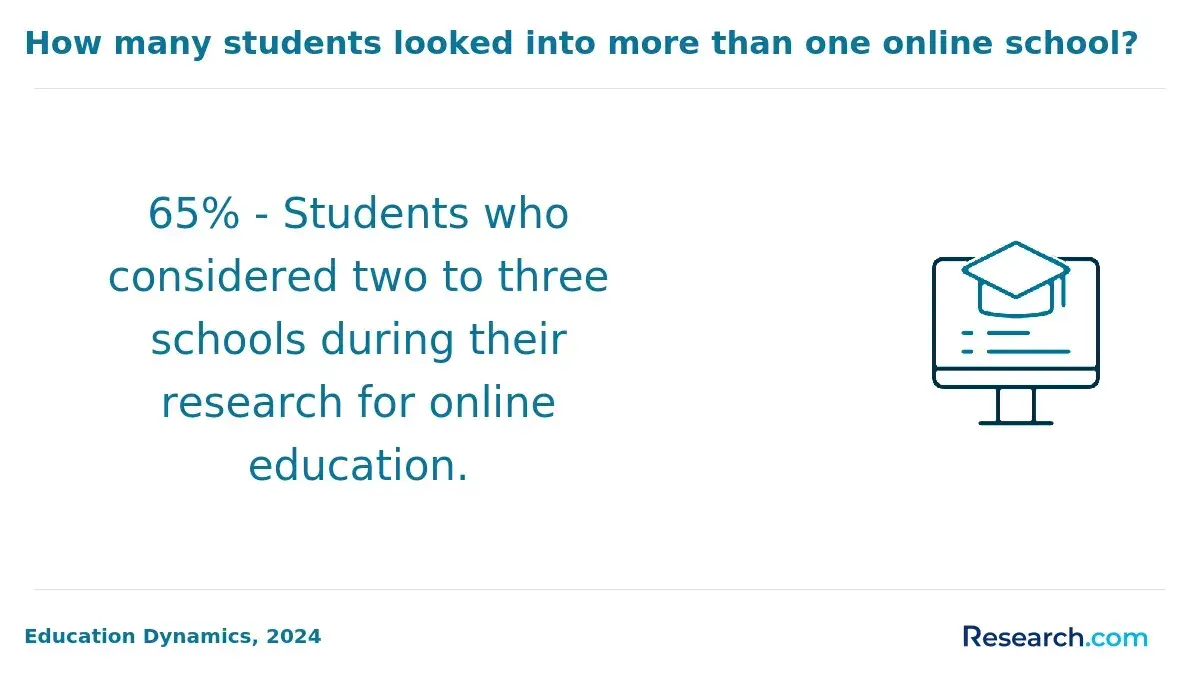
Yes. Accelerated online Digital Media programs are available, especially for students who want shorter terms, multiple start dates, and a faster path through the curriculum. These programs often use eight-week courses, asynchronous delivery, and year-round scheduling so students can complete requirements more quickly than in a traditional academic calendar.
Acceleration does not mean the work is easier. Digital media courses often require creative production, editing, analytics, campaign planning, presentations, and portfolio development. A shorter term can make the weekly workload more intense, so students should compare not only completion time but also course expectations, software requirements, and support services.
- Texas Tech University: Texas Tech University provides an Online Bachelor of Arts in Digital Media & Professional Communication with eight-week accelerated courses and multiple annual start dates. The asynchronous format is designed for working adults, and students can access a microcredential option to begin coursework without upfront costs. Tuition ranges from $415-500 per credit hour regardless of residency status.
- Northeastern University: Northeastern University offers a Bachelor of Science in Digital Communication and Media online. The curriculum emphasizes applied learning through a Virtual PR Firm experience, where students create and implement campaigns. Topics include digital marketing strategy, content development, and analytics. Its PlusOne accelerated master's pathway enables students to count up to 16 semester hours toward both degrees, shortening graduate study by a year.
- Middle Tennessee State University: Middle Tennessee State University launched a fully online, one-year Master of Science in Digital Media beginning Fall 2025. This non-thesis program focuses on strategic communication, social media management, and SEO, and is designed especially for media professionals seeking rapid advancement.
Students comparing accelerated pathways should look beyond the headline completion time. Check whether courses are offered every term, whether prerequisites may slow progress, and whether the program helps students build a portfolio that can be shown to employers. If your broader goal is a short credential with workforce value, you may also want to compare degree options with a 6 month course with high salary.
How do accelerated Digital Media online programs compare with traditional ones?
Accelerated and traditional Digital Media programs can lead to the same type of credential, but they differ in pace, workload, scheduling, and the amount of time students have to absorb concepts and revise creative work. The better choice depends on your existing experience, time availability, learning style, and need for flexibility.
- Duration and pacing: Accelerated online programs may allow students to finish significantly faster, sometimes in as little as two years by taking six courses per semester. Traditional programs typically take three to four years with a standard course load.
- Course structure: Accelerated formats often use shorter, more intensive terms with frequent start dates. Traditional programs usually follow a semester cycle, giving students more time between major assignments.
- Flexibility: Accelerated online programs are often built for working adults and professionals who need asynchronous access and flexible scheduling. Traditional programs may have more fixed calendars and, in some cases, more synchronous or campus-based requirements.
- Workload and discipline: Accelerated courses can create a heavier weekly workload because readings, production assignments, software practice, and critiques are compressed. Traditional courses may allow more time to develop design, storytelling, and technical skills gradually.
- Accreditation and outcomes: Both formats can meet the same accreditation standards and learning outcomes. Students should verify institutional accreditation and review the curriculum rather than assuming that faster automatically means lower quality.
An accelerated program is often a strong fit for students with prior credits, professional media experience, or a clear weekly study schedule. A traditional pace may be better for students who are new to design tools, need more instructor feedback, or want additional time to build a polished portfolio.
If you are planning a long-term academic pathway beyond a bachelor's or master's degree, reviewing options such as the easiest doctoral program can also help you understand how future graduate study may fit into your education plan.
Will competency-based online programs in Digital Media affect completion time?
Competency-based education can affect completion time because students progress by demonstrating mastery instead of simply waiting for a term to end. In a Digital Media program, that may mean proving skills through portfolio pieces, campaign projects, design work, content strategy, analytics tasks, or other applied assessments.
For students who already know relevant tools or have professional experience, a competency-based format may shorten the degree timeline. Instead of spending equal time on every topic, they may move faster through areas they already understand and focus on remaining gaps. This can be especially helpful for working professionals who have experience with digital content, web production, social media, video, or marketing communications.
However, competency-based programs are not automatically faster for every student. Learners who are new to digital media may need more time to build foundational skills, revise projects, and meet assessment standards. Students also need strong self-direction because these programs often require consistent independent progress without the external rhythm of a weekly classroom schedule.
Before enrolling, ask how competencies are assessed, how often students can submit work, whether revisions are allowed, and whether faculty feedback is available. These details determine whether the format will help you finish faster or simply shift more responsibility onto you.
Can you work full-time while completing fast-track Digital Media online programs?
Yes, it is possible to work full-time while completing a fast-track online Digital Media program, but it requires a realistic schedule and careful course planning. The flexibility of online learning helps, especially when courses are asynchronous, but accelerated classes can still require substantial weekly effort.
Many fast-track programs compress material into short sessions, sometimes lasting only seven weeks. That format can be manageable for working adults, but it leaves less room for missed deadlines, technical problems, or slow project revisions. Digital media assignments may involve content creation, visual design, editing, campaign planning, analytics, and collaboration, all of which can take longer than reading-based coursework.
Students working full-time should consider starting with a moderate load before attempting the maximum pace. It is also wise to review the course sequence, identify software or hardware requirements, and ask whether group projects require scheduled meetings. If your job has peak seasons, travel, irregular shifts, or overtime, build that into your academic plan.
- Before enrolling: Ask how many hours per week students typically spend in each accelerated course.
- During registration: Avoid stacking multiple production-heavy classes in the same short term if you are new to the tools.
- At work: If possible, discuss predictable study blocks, flexible scheduling, or temporary workload adjustments with your employer.
- At home: Protect uninterrupted time for projects, critiques, and revisions, not just lectures or readings.
The safest approach is to choose a program that allows pacing flexibility. A fast-track option is valuable only if you can sustain the workload long enough to finish.
Can prior learning assessments (PLAs) shorten Digital Media degree timelines?
Yes. Prior Learning Assessments, or PLAs, can shorten an online Digital Media degree if a college awards credit for college-level knowledge gained outside traditional coursework. This is especially relevant for students who have professional experience in design, web development, digital content, media production, marketing, or related areas.
PLA credit is not automatic. Schools typically require evidence that your experience matches specific course outcomes. That evidence may include a portfolio, work samples, certifications, project documentation, supervisor verification, or other third-party proof. Some institutions also require a preparatory course before portfolio submission.
The usual process includes identifying eligible courses, preparing documentation, submitting a portfolio, and completing a faculty review. Depending on the institution, students may earn between 9 and 18 credits through PLAs. These credits usually count as transfer credits and must align with program requirements without duplicating courses already completed.
Some credits may require a proctored exam, especially for general education subjects. For Digital Media majors, PLA credit is most useful when the student's past work clearly demonstrates skills tied to the curriculum, such as visual communication, digital storytelling, content production, web tools, campaign development, or analytics.
Before paying a PLA fee, ask whether the credits will apply to your major, electives, or general education requirements. Credits that count only as unused electives may not shorten your timeline.
Can prior college credits help you get a degree in Digital Media sooner?
Prior college credits are one of the most reliable ways to finish an online Digital Media degree sooner. If your credits are accepted, they can reduce the number of courses you need to take, lower total cost, and help you move more quickly into major coursework.
Transfer rules vary by institution, so students should request an official evaluation rather than relying only on general admissions language. Some schools may accept many general education credits but fewer major credits, especially if previous coursework is outdated or does not match the Digital Media curriculum.
- Review transfer credit policies: Check whether the institution accepts transfer credits for Digital Media and how many credits may apply. Some programs may allow up to 75% of total degree requirements.
- Confirm accreditation and course relevance: Credits are more likely to transfer if they come from regionally accredited colleges and align with general education, elective, or Digital Media requirements.
- Check minimum grade rules: A grade of "C" or better is typically required for credits to be eligible for transfer.
- Submit official transcripts early: Provide transcripts during the admissions process so the school can determine which credits apply before you commit.
- Ask where credits apply: Credits that fill required categories are more useful than credits that transfer only as excess electives.
Institutions such as Liberty University and UMKC offer generous transfer policies that can help adult learners and professionals finish degrees faster. Students considering graduate study after a bachelor's degree may also want to compare short online master's programs that build on prior academic work.
The main caution is that transfer policies can differ widely. Always verify credit limits, residency requirements, course equivalencies, and expiration rules with each school before enrolling.
Can work or military experience count toward credits in a degree in Digital Media?
Work or military experience can sometimes count toward credits in an online Digital Media degree, but approval depends on the school, the documentation provided, and how closely the experience matches college-level learning outcomes.
For military students, many institutions use recommendations from the American Council on Education (ACE), which evaluates military training and occupations. These recommendations may appear on the Joint Services Transcript (JST). Schools then decide how the credit applies to the degree, often as electives unless the training closely matches required coursework.
Work experience may also be evaluated through exams such as CLEP or DSST, a portfolio review, or another prior learning process. A digital media professional might document skills through campaign samples, design work, website projects, social media strategy, production credits, analytics reports, or industry certifications.
The limitation is that colleges often cap the number of credits awarded through work, military, or other experiential learning. They may also require students to complete core major courses through the institution to ensure consistent academic standards. Because of this, prior experience can help, but it may not replace the most advanced or program-specific Digital Media courses.
Students should ask three questions before enrolling: how much experience-based credit is allowed, whether it applies to required courses or electives, and what evidence is needed for review.
What criteria should you consider when choosing accelerated Digital Media online programs?
The best accelerated online Digital Media program is not simply the fastest one. It should help you complete the degree efficiently while still building practical skills, a credible portfolio, and a credential employers can understand.
- Accreditation: Confirm that the institution meets recognized accreditation standards. Accreditation affects credit transfer, graduate school options, employer confidence, and financial aid eligibility.
- Program reputation: Look for universities with relevant industry connections, a clear Digital Media curriculum, and evidence that graduates are prepared for media, communication, design, marketing, or content roles.
- Faculty qualifications: Instructors should combine academic preparation with current digital media experience. This is important in a field where tools, platforms, and production standards change quickly.
- Course format and pace: Many accelerated programs use asynchronous, 8-week courses. Make sure the pace fits your work schedule, family obligations, and comfort level with independent learning.
- Curriculum alignment: Prioritize programs with hands-on projects, industry-standard software, campaign work, storytelling practice, analytics, and portfolio-building opportunities.
- Student support: Strong advising, technical support, writing help, career services, and library access matter more in a compressed format because there is less time to recover from confusion or delays.
- Credit transfer and PLA policies: Ask whether prior college credits, professional learning, certifications, or military training can reduce your time to completion.
- Total cost and pacing flexibility: A faster program may save time, but only if you can maintain the required course load. Check tuition, fees, software costs, withdrawal rules, and whether you can slow down if needed.
Students who are still comparing degree levels may also find it useful to review what is the easiest associates degree to get, especially if they plan to begin with a lower-cost credential and transfer into a bachelor's program later.
Are accelerated online Digital Media degrees respected by employers?
Accelerated online Digital Media degrees can be respected by employers when they come from accredited institutions and produce graduates with strong, demonstrable skills. Employers are usually less concerned with whether the program was online or accelerated than with the quality of the school, the relevance of the curriculum, and the graduate's portfolio.
In digital media, proof of ability matters. A strong candidate should be able to show work samples, explain creative decisions, use current tools, analyze performance, collaborate on projects, and adapt content for different platforms. Programs that include hands-on assignments, campaign work, production projects, and portfolio development are more likely to help students demonstrate job readiness.
Employer perception may be weaker if a program lacks accreditation, has unclear academic standards, provides little faculty feedback, or does not require substantial project work. Students should be cautious about programs that advertise speed but provide limited information about curriculum, outcomes, or student support.
To strengthen the value of an accelerated online degree, graduates should present the credential alongside a polished portfolio, internships or freelance work when available, relevant certifications, and measurable project results. For students comparing career-focused online education, reviewing the best online vocational colleges may also help clarify what practical, employer-aligned training looks like.
What Digital Media Graduates Say About Their Online Degree
- : "The accelerated format of the online Digital Media degree allowed me to complete my studies in less than two years, which was a game changer for my career. The program's focus on practical skills and up-to-date industry tools helped me land a job in digital marketing immediately after graduation. Considering the average cost, it was a worthwhile investment for fast-tracking my professional growth. Kylian"
- : "Reflecting on my experience, the Digital Media program challenged me to think creatively while managing real-world projects, all from the comfort of my home. The flexibility combined with comprehensive coursework made balancing work and study achievable, and I appreciated how the curriculum emphasized storytelling through modern media platforms. Completing the degree online saved me both time and money without compromising quality. Dallas"
- : "As a professional already working in media, pursuing this online Digital Media degree sharpened my technical skills and deepened my strategic understanding of digital content creation. The rigorous coursework and accelerated pace pushed me to stay disciplined, and the cost was reasonable compared to traditional programs. This degree has undoubtedly enhanced my credentials and expanded my career opportunities. Ryan"
Other Things to Know About Accelerating Your Online Degree in Digital Media
In 2027, the length of online Digital Media degree programs can be influenced by factors such as the institution's curriculum design, program intensity (e.g., full-time vs. part-time), available accelerated course options, and the student's pacing and course load management.
Most accelerated online digital media programs require a portfolio with 8–15 original pieces, such as graphics, video clips, web layouts, or motion samples. Some schools also ask for a short artist statement, especially for bachelor’s programs with selective admission.
Most accredited online Digital Media programs qualify for federal financial aid, including grants and loans. Additionally, some schools offer scholarships specifically for accelerated students, but deadlines and eligibility requirements may differ from those for traditional programs.
References
- 10 Digital Skills That Can Make Students Instantly Employable in 2025 | https://digitalmarketinginstitute.com/blog/10-digital-skills-that-can-make-students-instantly-employable
- The Impact of Digital Literacy on Career Advancement in the 21st Century | https://blogs.psico-smart.com/blog-the-impact-of-digital-literacy-on-career-advancement-in-the-21st-century-161631
- Key Trends Shaping the Future of Digital Media & Technology | https://www.mahindrauniversity.edu.in/blog/key-factors-shaping-the-future-of-digital-media-and-technology/
- Online Bachelor's in Digital Media | https://online.maryville.edu/online-bachelors-degrees/digital-media/
- Online vs In-Person Learning: Employers are Split on Value | https://blog.efmdglobal.org/2023/11/15/employers-are-split-on-the-value-of-online-versus-in-person-degrees/