2027 Graduate Public Health Preparation for Chronic Disease Prevention Manager Roles

Co-Founder and Chief Data Scientist
Chronic disease prevention managers turn population-health evidence into programs that communities and organizations can deliver, evaluate, and sustain. Graduate study can help you build those skills, but a degree alone rarely establishes readiness to manage staff, budgets, and partnerships. This guide is for public health practitioners and career changers weighing an MPH, another graduate degree, or a more direct experience-based route. It explains what the work requires and how to judge whether a program will close your particular gaps.
Key Things You Should Know
- An MPH with relevant prevention, evaluation, and management experience is often a stronger route to program management than a specialized degree without opportunities to lead projects.
- Compare programs by supervised work, employer connections, scheduling, and total cost - not concentration names alone. Confirm the exact degree's CEPH accreditation coverage.
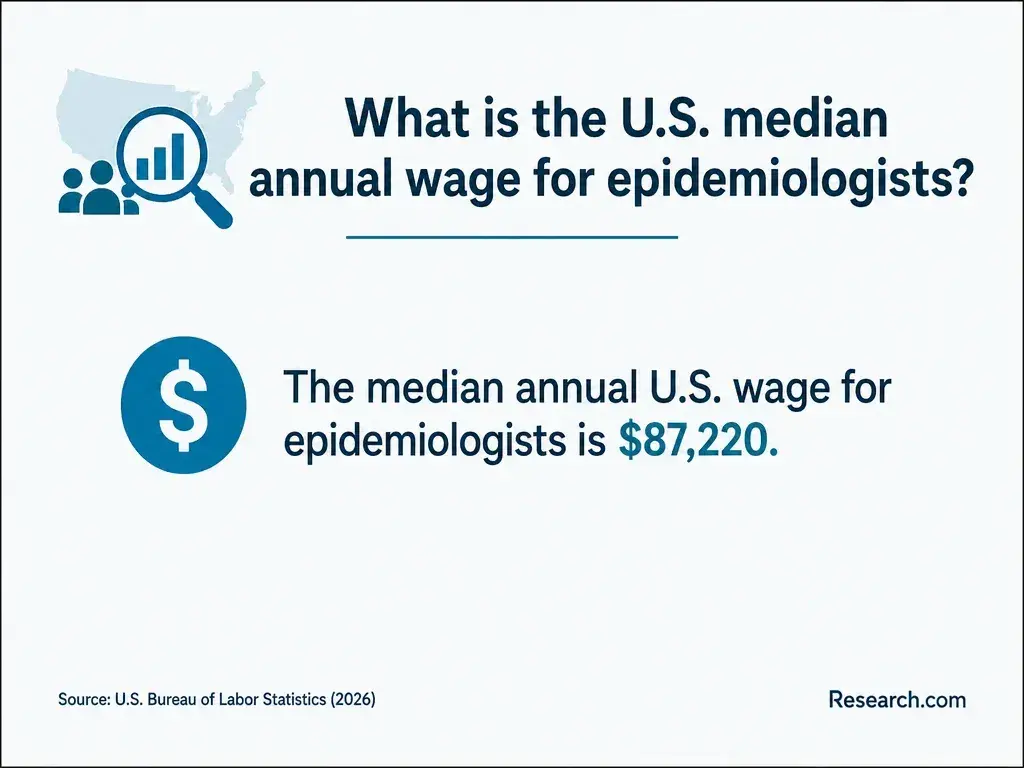
- Salary figures for related occupations are not manager pay estimates: the U.S. Bureau of Labor Statistics reported a May 2024 median wage of $83,980 for epidemiologists, a distinct role.
What degree prepares you for chronic disease prevention manager roles?
A practice-oriented Master of Public Health (MPH) is a strong option when you need training in population health, program design, evaluation, and partnerships. Chronic disease prevention managers may oversee initiatives involving tobacco use, physical activity, nutrition, cancer screening access, or cardiovascular health. Their work commonly includes setting priorities with partners, supervising implementation, monitoring results, managing grants, and reporting to funders.
The best preparation depends on what you already do. A community health coordinator who manages outreach may need stronger evaluation and budgeting skills; a clinical professional may need population-level planning and community engagement; an analyst may need implementation and supervisory experience. If your immediate goal is a coordinator or health education position, relevant experience and a bachelor's degree may offer a more direct entry route than graduate school. Readers still considering undergraduate preparation can assess public health bachelor's accelerated study schedules alongside opportunities to gain supervised experience.
What education requirements do chronic disease prevention managers need?
There is no universal degree or license for this job title. A health department, nonprofit, health system, or grant-funded project may set different requirements. Some positions accept a bachelor's degree plus substantial program experience; others prefer or require a master's degree and documented supervisory responsibility. Read the duties and minimum qualifications in actual postings rather than treating "manager" as a standardized occupation.
Separate eligibility to apply from readiness to perform. Managing a prevention program may require experience with contracts, staff supervision, community partners, and performance reports - responsibilities that coursework alone cannot demonstrate. A lower undergraduate GPA also does not, by itself, settle whether an experienced practitioner can pursue graduate preparation; applicants can examine public health graduate programs with GPA flexibility while documenting subsequent academic and professional work.
How does CEPH accreditation affect public health graduate programs?
The Council on Education for Public Health (CEPH) accredits eligible schools and public health programs against public health-specific standards. Institutional accreditation is a separate matter. Before enrolling, check CEPH's directory and the school's current accreditation information for the exact school, program, and degree you intend to enter; a university's accredited MPH does not establish that every public health-related degree it offers is covered.
CEPH status can matter to employers or credential pathways with specific educational criteria, but it does not establish that a program has the chronic disease electives, placement support, or management training you need. Even when reviewing online MPH programs with accessible admissions, verify accreditation scope separately from admission requirements, then ask how students complete applied work with prevention organizations.
Several degrees can support this career, but they build different kinds of evidence for an employer. The comparison below focuses on the work a prevention manager is likely to perform, not degree prestige.
| Pathway | Strongest fit | Potential gap to address |
| MPH | Population-level program planning, implementation, evaluation, and practice partnerships | Depth in budgeting or supervision may depend on electives and work experience |
| MS in epidemiology or a related field | Surveillance, research methods, and detailed analysis of disease patterns | May offer less preparation for managing community programs |
| MPA or MHA | Public-sector administration or health-organization operations | May require additional prevention and population-health training |
| DrPH | Advanced practice leadership for experienced professionals | Usually a larger commitment than needed for an initial manager position |
A research-focused PhD is generally a poor substitute for hands-on program management experience if your aim is to run services rather than lead research. If your interests could shift toward scholarship, compare program expectations and funding - not just advertised tuition - when finding affordable public health PhD study.
Look beyond a concentration's name to the courses and projects you can actually complete. Useful preparation connects epidemiology and biostatistics to decisions about whom a program serves, which barriers it addresses, and whether its activities are reaching people as intended. Courses in behavioral science, policy, health communication, budgeting, and evaluation should help you move from evidence to a feasible intervention.
A strong applied project might produce a needs assessment, implementation plan, logic model, or evaluation plan for an approved partner. It should also teach you to distinguish participation measures from health outcomes, identify limitations, and handle community or participant data appropriately. Ask who supervises the work, which partners are available, and whether the resulting deliverable can be shared in a redacted portfolio. If you prefer intensive analysis to program leadership, compare biostatistics master's study and work commitments before choosing a methods-heavy route.
They can be, provided the schedule and field requirements fit your job. "Online" does not necessarily mean asynchronous: live classes, group meetings, short campus visits, and fieldwork may still require fixed hours. A working applicant should obtain sample course schedules and ask whether an applied project can be completed with an appropriate local partner or current employer, subject to school approval.
Compare the time you can consistently protect for study with each program's course load and placement expectations. Accelerated terms may shorten the calendar while intensifying weekly work; part-time study may be more sustainable but extend tuition and fee exposure. When reviewing affordable public health programs with faster schedules, check required visits, practicum timing, course availability, and the school's published total-cost method before deciding that a program is either cheaper or easier to manage.
Requirements vary by school and degree. Applicants commonly submit transcripts, a statement of purpose, and evidence of relevant experience, but prerequisite courses, recommendations, tests, and application systems are program-specific. An unrelated undergraduate major is not automatically disqualifying; a methods-intensive MS may nevertheless expect more quantitative preparation than a practice-oriented MPH.
Start by matching your record to each program's published requirements. If statistics or another course is required, ask whether it must be finished before applying or before enrollment. If obtaining recommendations is difficult, review public health master's application document alternatives, then confirm the policy for your intended entry term. Use the statement and résumé to show what you have done in prevention, community service, analysis, or management - and which responsibilities graduate study would help you take on.
Time to completion depends on required credits, enrollment pace, course sequencing, and applied-work requirements. Instead of relying on an advertised completion window, request a term-by-term plan for your intended pace. Confirm whether required courses run every term and whether a placement or project could delay graduation.
For cost, calculate the charges attached to that plan: tuition, mandatory fees, required travel, materials, and any costs associated with reducing work hours or completing unpaid fieldwork. Ask whether employer education assistance applies and what conditions it carries; do not assume it will cover the full program. Doctoral study is a separate financial decision: an epidemiology doctoral tuition assistance guide may help experienced applicants identify questions about funding, but a doctorate is not a necessary expense for most people seeking their first prevention manager role.
A realistic progression might run from program assistant, community health worker, health education specialist, or analyst to coordinator and then manager as responsibilities grow. A manager typically has greater accountability for staff, budgets, partnerships, and results; an epidemiologist primarily investigates patterns of disease and related risks. Employers may combine these functions, so compare duties rather than titles.
For wage context, the U.S. Bureau of Labor Statistics reported a $83,980 median annual wage for epidemiologists in May 2024. That is an occupation-wide figure, not a chronic disease prevention manager salary or an expected MPH graduate wage. Pay for a target manager position will depend on its employer, location, funding, and required experience. Use posted local salary ranges and, where available, the employer's pay scale to assess offers; treat broader MPH salary and career earnings outlook figures as context rather than a return-on-degree promise.
Which certifications advance chronic disease prevention management careers?
Certification can demonstrate a defined body of knowledge, but it does not replace evidence that you can deliver and manage a prevention program. Certified in Public Health (CPH) may be relevant to broad public health practice; Certified Health Education Specialist (CHES) and Master Certified Health Education Specialist (MCHES) may fit roles centered on health education. Eligibility, examinations, renewal rules, and employer recognition differ, so check the issuing organization's current criteria before paying for preparation.
Choose a credential only after identifying the skill or hiring requirement it addresses in your target postings. If advancement instead calls for senior organizational leadership or original research, a certificate may be insufficient - but neither a doctorate nor a certification automatically confers managerial authority. Experienced practitioners considering that larger commitment can begin by comparing DrPH and PhD program goals against the work they want to do.
Other Things You Should Know About Public Health
No. Screening can be one part of prevention work, but a manager may focus on population-wide access, outreach, policy, or sustained behavior-support programs rather than diagnosing or treating individual patients.
Document responsibilities such as coordinating partners, tracking a budget, improving a workflow, training colleagues, or reporting results. Describe your level of authority accurately rather than presenting participation as supervision.
Start with the decision the measures must support. Reach, participation, and implementation quality may be measurable before long-term health outcomes; define each measure's population, data source, and limitations.
Only if you have permission to share it. Remove confidential or identifiable information, follow employer and partner agreements, and describe your own contribution without implying that a proposed project produced verified results.
- Job Opportunities - CDPH - CA.gov https://www.cdph.ca.gov/Programs/CHCQ/LCP/Pages/JobOpportunities.aspx
- Achieving Excellence in the Practice of Chronic Disease Epidemiology | cdc.gov https://www.cdc.gov/pcd/issues/2018/18_0526.htm
- Program Manager, Bureau of Chronic Disease Prevention | New York City https://cityjobs.nyc.gov/job/program-manager-bureau-of-chronic-disease-prevention-in-queens-jid-48174
- Biostatistics vs. Epidemiology: Key Topics in Public Health | 5 Public Administration Careers for MPA Graduates https://www.augusta.edu/online/blog/biostatistics-vs-epidemiology
- Chronic Disease Prevention - MPH https://publichealth.gwu.edu/chronic-disease-prevention-mph
- Preventing, Delaying, and Managing Chronic Disease | washu.edu https://repository.library.washu.edu/cgi/viewcontent.cgi
- The basics of grant writing: becoming grant ready | CFAES Knowledge Hub https://cfaes.osu.edu/fact-sheet/basics-grant-writing-becoming-grant-ready