2027 From Water Quality Laboratory Work to Public Health: Choosing a Graduate Pathway

Co-Founder and Chief Data Scientist
Water quality laboratory work can reveal a contamination problem, but protecting a community also requires decisions about exposure, surveillance, communication, and prevention. If you want to move beyond testing samples, the right graduate pathway depends on the work you hope to do next - not simply on which degree sounds most relevant. This guide is for laboratory professionals considering environmental health, epidemiology, research, or public agency roles. It explains how to compare degrees, practical experience, costs, and job requirements so you can decide whether graduate school is the most direct next step.
Key Things You Should Know
- Choose an environmental health MPH for population-level practice, a specialized science or research master's for deeper technical analysis, or a doctorate only when your intended responsibilities call for it.
- Laboratory experience transfers well to exposure assessment and surveillance, but moving into public health also requires evidence of data interpretation, communication, and work with decision-makers.
- The U.S. Bureau of Labor Statistics reported a $83,980 median annual wage for epidemiologists in 2024; that occupation-wide figure is not an expected salary for a new graduate or a water quality specialist.
What graduate degrees lead from water quality laboratory work to public health careers?
Your starting advantage is familiarity with sampling, analytical methods, quality assurance, and the limits of a test result. The choice of degree depends on whether you want to use those results to guide public decisions, strengthen the science behind them, or continue primarily in technical laboratory work.
The following comparison links each pathway to a plausible next responsibility. Degree titles and curricula vary by school, so evaluate the actual courses and projects rather than the name alone.
| Pathway | Best fit for a water quality professional | Important limitation |
| MPH in environmental health or a related field | Applying exposure evidence to prevention programs, agency decisions, and community communication | May offer less laboratory science or advanced quantitative work than a specialized degree |
| MS or MSPH in environmental health, exposure science, or epidemiology | Developing research, exposure assessment, or analytical expertise | Research emphasis and practice opportunities differ substantially among programs |
| MS in environmental science, toxicology, or analytical chemistry | Advancing technical work when public health practice is not the main goal | May not teach population-health policy or community-facing practice |
| Graduate certificate or targeted training | Filling a defined gap while testing a career transition | Does not substitute for a degree when a target job requires one |
Start with job postings from the agencies or employers you would consider. If they seek exposure modeling, compare technical methods training; if they seek program implementation and public communication, examine applied MPH work. For a broader view of public health master's specialization comparisons, use the target job's duties - not the concentration label - as your filter.
Why does CEPH accreditation matter when choosing a public health graduate program?
The Council on Education for Public Health (CEPH) accredits eligible schools and programs in public health. Its accreditation can matter to employers or credential pathways, but it does not certify your laboratory skills, guarantee a placement, or mean every degree at an institution is covered. Institution-level accreditation is a separate question.
Before enrolling, check CEPH's directory for the exact accredited school or program, its status, and whether your intended degree falls within its accredited scope. Then ask the university to confirm how that scope applies to your entry term.
This check matters for online degrees and doctoral options too: a list of online public health doctoral admission options cannot establish accreditation scope or whether a doctorate fits your career goal.
Also examine outcomes that accreditation alone cannot answer: whether students can arrange environmental health placements, who supervises applied work, and whether graduates reach the kinds of agencies or research groups you hope to join.
What public health careers can laboratory professionals pursue after graduate school?
The closest transition is often a role that connects measurement to action. An environmental health specialist or scientist may investigate exposure concerns, interpret monitoring results, or support prevention and regulatory work. A waterborne-disease surveillance analyst may combine laboratory and case data. An exposure scientist may design sampling strategies and evaluate what measurements can - and cannot - say about population exposure.
Other moves require a larger skills shift. Epidemiologists investigate patterns of disease and exposures using study design and statistical analysis; laboratory proficiency alone does not establish readiness for that work.
A laboratory quality or program coordinator may instead build on existing experience through staff training, data quality oversight, and collaboration with public agencies. Leadership positions generally require relevant responsibility beyond a graduate credential.
Compare postings by tasks, not titles: identify the required degree, software or statistical methods, regulatory knowledge, field experience, and communication duties.
If you remain undecided between analysis and environmental health practice, first pursue a supervised project that uses laboratory findings to answer a real agency question. For wage context across roles, see salary prospects with a Master of Public Health, while remembering that degree-level summaries cannot predict an individual offer.
An MPH is generally a professional degree oriented toward public health practice. An MSPH may place more weight on research or methods, but its meaning varies by institution; inspect thesis, practicum, and quantitative requirements. Neither degree automatically qualifies a graduate for a regulated job.
A DrPH generally serves experienced practitioners seeking advanced leadership and applied problem-solving. A PhD centers on original research and preparation for research-intensive work.
If your goal is to direct a monitoring program, first determine whether management experience or an MPH is the missing qualification. If your goal is to develop new exposure methods or study health effects, assess PhD supervision, methods preparation, data access, and funding.
Doctoral study is a substantial commitment, not a routine promotion from a master's degree. When reviewing public health doctoral degree choices, ask how each program supports the specific practice project or research question you would undertake.
Look for a curriculum that teaches you to move from what was detected to who may be exposed, how certain the evidence is, and what action is justified. Useful foundations include epidemiology, biostatistics, environmental health, exposure assessment, toxicology, and public health policy. Depending on the target role, add geographic information systems, risk communication, or environmental regulation.
Course depth matters. An introductory epidemiology course helps you interpret surveillance findings; it does not by itself prepare you to lead a complex study. For analytical roles, inspect the sequence of statistics and research-methods courses, required prior math, opportunities to work with real data, and faculty supervision.
For agency practice, seek an applied project that joins sampling results with exposure pathways and a clearly defined decision audience.
If doctoral research in environmental epidemiology is the long-term aim, compare preparation and support together. Resources on affordable epidemiology doctoral study with aid can help frame the cost question, but confirm that a prospective program offers the methods, supervision, and research access your question requires.
An online MPH can let you keep a laboratory job and apply coursework to problems you already encounter. Campus study may offer easier access to research groups, specialized equipment, and local agency partners. Neither format is inherently better: the decisive issue is whether you can obtain the instruction, supervision, and professional connections your target role requires.
Check the actual schedule before assuming online study is flexible. Ask about live classes, group meetings, campus visits, field placement hours, and whether your current employer can host an approved project.
An existing job is not automatically an eligible practicum: the program may require new responsibilities, qualified supervision, and approval before work begins. If speed is a concern, online public health degrees balancing cost and time can provide comparison points, but course availability and placement requirements determine your realistic finish date.
Master's programs commonly ask for a bachelor's degree, transcripts, a statement of purpose, recommendations, and evidence that you can handle the curriculum. Specific GPA policies, tests, prerequisite courses, and work-experience expectations vary. Quantitative or laboratory-intensive programs may expect more preparation in statistics, biology, chemistry, or mathematics than a generalist MPH.
Document your laboratory work in terms an admissions committee can evaluate: methods used, quality-control responsibilities, data interpretation, reports written, and decisions your findings supported.
If you lack statistics or population-health coursework, ask whether it is required before admission, available as a bridge course, or simply recommended. Applicants concerned about grades can use guidance on public health master's options after a weak GPA to organize their evidence, then obtain each program's actual policy rather than assuming an exception.
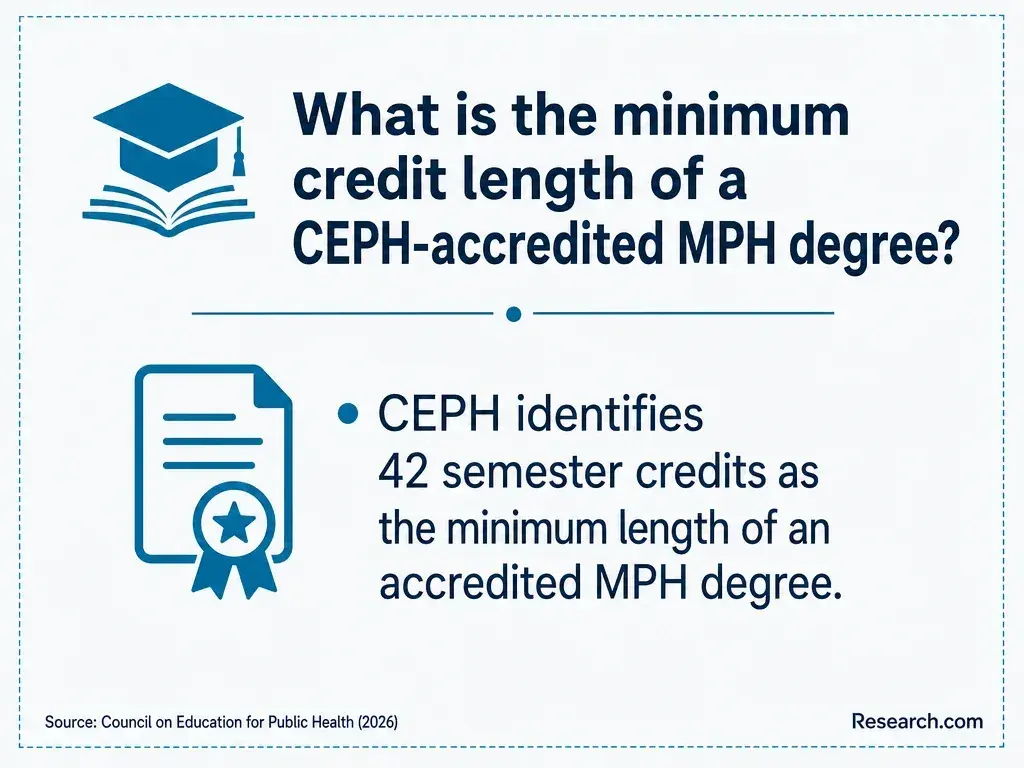
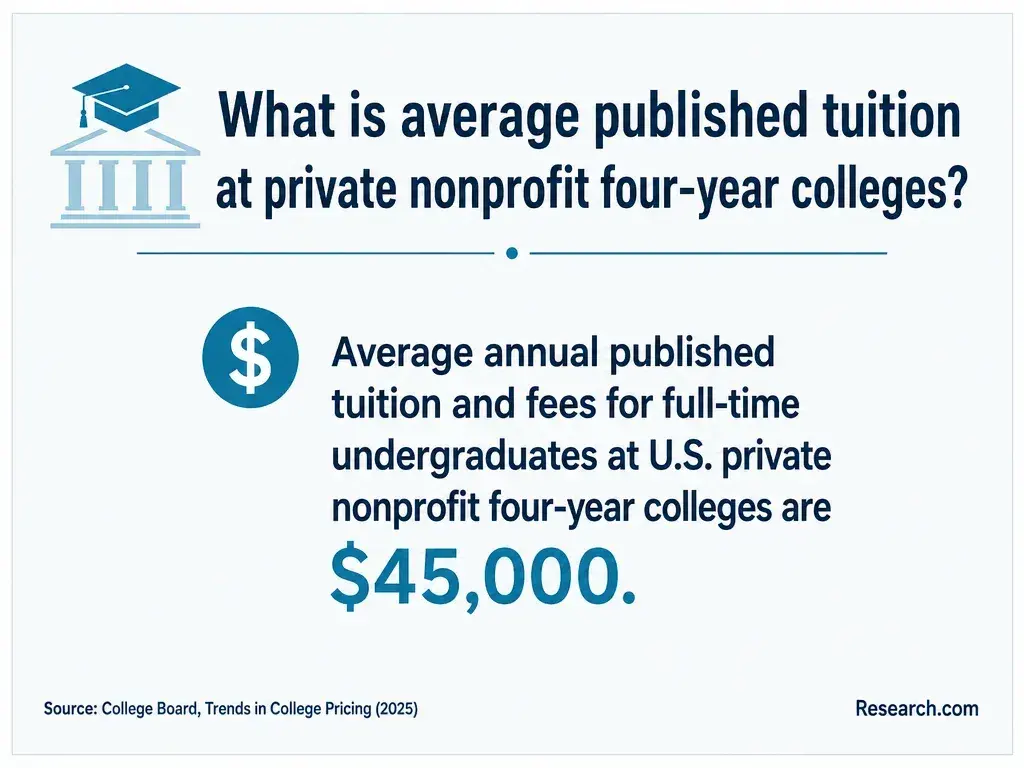
A full-time master's often takes about two academic years, while part-time study can take longer; doctoral timelines depend heavily on research or applied-project progress. Published tuition alone is a poor estimate of your investment. Compare total required credits, tuition by residency or delivery mode, mandatory fees, travel, fieldwork expenses, and income you might forgo.
Request a term-by-term cost estimate from each school using the pace you can actually maintain. Ask whether assistantships or employer tuition assistance are available, what conditions apply, and whether an unpaid placement would require reduced laboratory hours. When comparing public health master's costs and pay, treat advertised prices and earnings as starting points; your net cost and likely job market will depend on your circumstances and target role.
Pay depends on the occupation, employer, location, experience, and technical duties - not simply the letters after a graduate's name. The U.S. Bureau of Labor Statistics reported a $83,980 median annual wage for epidemiologists in 2024 and projected 16% employment growth from 2024 to 2034.
Those figures cover the occupation as a whole; a laboratory professional moving into an entry-level analyst role should not use the median as a starting-salary estimate. Epidemiology positions also typically require a master's degree, and individual postings may demand specific analytical experience.
For a realistic return-on-investment check, collect local postings for your intended job, note their pay ranges and requirements, and compare them with the full cost of each pathway. Public agency pay scales may differ from research or private-sector offers.
A PhD can be appropriate for a research career, but economical routes to a public health PhD should be assessed alongside funding terms, time away from earnings, and the jobs that actually require doctoral research training.
Which certifications or licenses do public health laboratory professionals need?
There is no single certification or license required for every water quality laboratory-to-public-health transition. Requirements depend on the work and jurisdiction. A laboratory may require documented competency under its methods and quality system; particular environmental health, drinking-water operations, or clinical laboratory positions may have separate state or employer rules. An MPH does not confer any of those authorizations.
The Certified in Public Health (CPH) credential and health education credentials are distinct from a degree and have their own eligibility rules. Before paying for a credential, compare it with the qualifications named in target postings and confirm eligibility with the certifying body or state regulator.
If you do not yet have the bachelor's degree required for graduate admission, cost-conscious online public health undergraduate study is one possible route, but an environmental science degree may better preserve the technical preparation your target job values.
Other Things You Should Know About Public Health
It can be highly relevant, especially when you can explain how your work informed exposure investigations or prevention decisions. A program or employer decides whether it meets any specific experience requirement.
Only if your employer permits it. Remove restricted details, follow data-use and confidentiality rules, and describe your methods and judgment without presenting confidential results.
No. Both involve sampling and laboratory analysis, but they address different public health questions, sampling designs, interpretations, and operational partners.
Possibly. Obtain program approval, employer permission, an appropriate supervisor, and clear learning objectives before assuming your regular duties will satisfy a project requirement.
- Water Quality and Protection | U.S. GAO https://www.gao.gov/water-quality-and-protection
- Environmental Science Laboratories | ncdhhs.gov https://www.dph.ncdhhs.gov/about-us/careers/state-lab/environmental-science
- Careers in Public Health - New York State Department of Health https://www.health.ny.gov/prevention/public_health_works/careers/
- Regulatory and Guidance Information by Topic: Water | US EPA https://www.epa.gov/regulatory-information-topic/regulatory-and-guidance-information-topic-water
- Credentialing in Local Public Health | mass.gov https://careersinlocalhealth.mass.gov/your-career/credentialing-local-public-health
- Drinking Water Standards and Regulations: An Overview | cdc.gov https://www.cdc.gov/drinking-water/about/drinking-water-standards-and-regulations-an-overview.html
- Introduction - Guidelines for drinking-water quality - NCBI - NIH https://www.ncbi.nlm.nih.gov/books/NBK579464/
- Drinking-water | who.int https://www.who.int/news-room/fact-sheets/detail/drinking-water
- Public Health Career Fields Overview | Career Services https://sph.umich.edu/careers/explore-public-health-careers/public-health-career-fields-overview.html
- How to Choose an Online Graduate Program | The University of Scranton https://gradadmissions.scranton.edu/blog/articles/online-learning/how-to-choose-online-grad-program.shtml